
DbcultAccessing Vault...
Recommendations
Senior Film Conservator
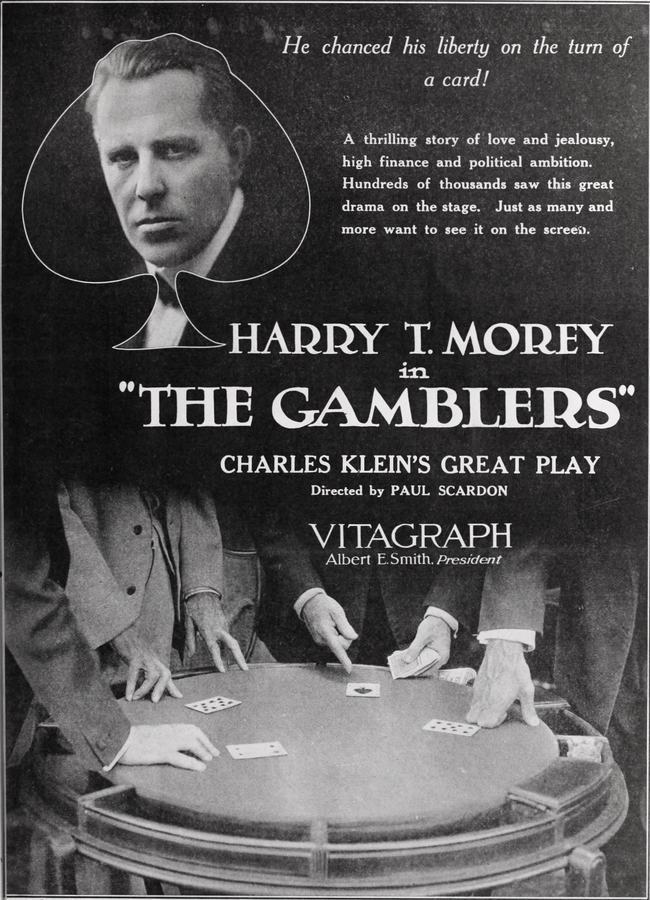
The artistic legacy of Paul Scardon was forever changed by The Gamblers, the thematic layers of this 1919 classic invite a wider exploration of the genre. This list serves as a bridge to other cult experiences that are just as potent.
The vintage appeal of The Gamblers to reinvent the tropes of cult cinema for a global audience.
Catherine Ames impulsively marries district attorney James Darwin after suffering Wilbur Emerson's neglect. Emerson turns to a career of high finance, but borrows unlawfully on notes to avoid disaster. Darwin prosecutes the investigation case. One of Emerson's business associates, George Cowper, gives a signed confession to Darwin. Emerson breaks into Catherine's room to obtain the confession, but is caught by Darwin, who accuses his wife of unfaithfulness. Catherine retaliates by taking the confession to Emerson where it is burned in front of Darwin. Darwin begins divorce proceedings, and Catherine vows to wait for Emerson who is led off to prison.
The Gamblers was a significant production in United States, bringing a unique perspective to the global stage. It continues to be a top recommendation for anyone studying cult history.
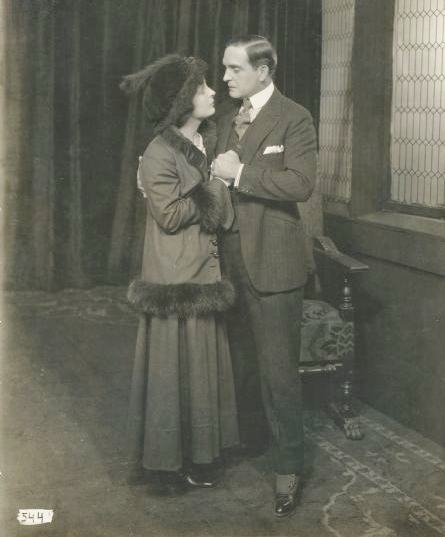
Based on the unique cult status of The Gamblers, our vault has identified these titles as the most compelling follow-up experiences for fans of cult cinema:
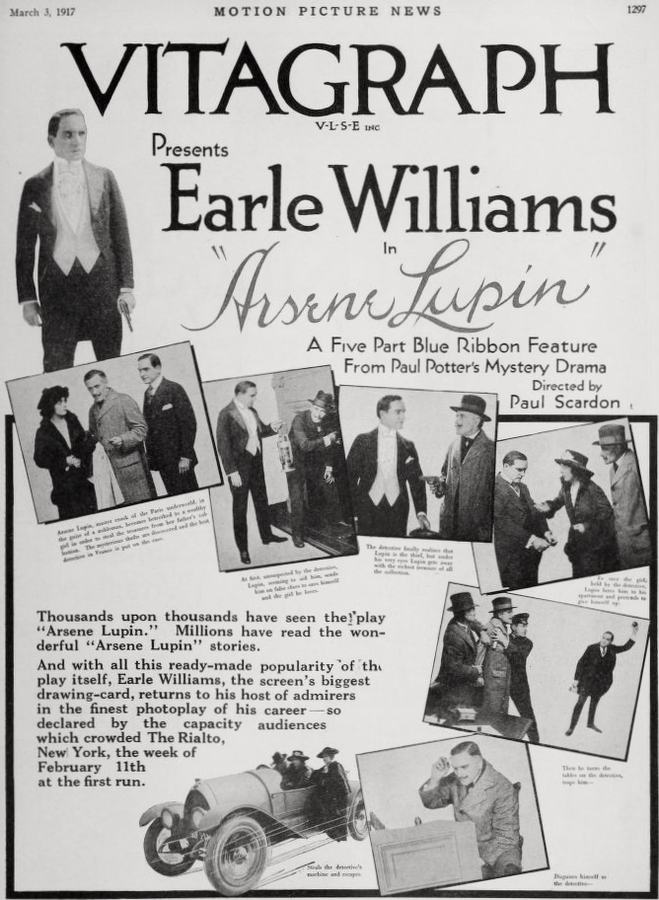
Dir: Paul Scardon
Gifted with charm of manner and a prepossessing appearance, Arsene Lupin, instead of employing his talents along legitimate lines, prefers to match his wits against those of the French police, with the result that he becomes the most celebrated crook of his time. Always after big game, he moves in the most exclusive circles of French society, and takes advantage of an opportunity to pass himself off as the Duke de Charmerace. Assuming the Duke's title and estates, he sets about the delicate task of stealing the rare works of art and the enormously valuable jewels belonging to a M. Guernay-Martin. As the first step in this direction he becomes engaged to Germaine, Guernay-Martin's daughter. Under the cloak of their hospitality he commits a series of audacious robberies, stealing old masters off the walls and always signing his name on the wallpaper to show he committed the theft. The distracted art collector calls in Guerchard, the shrewdest detective in Paris, but even under the nose of this sleuth, the thefts continue as before. Germaine's secretary, Sonla Kritchnoff, attracts more than the passing attention of Lupin and before he has finished with the Guernay-Martins he finds himself in love with her. Guerchard finally draws the net of suspicion so closely about Lupin that the latter is forced to leave the Guernay-Martin home and hide in his own apartment. Just before leaving he discovers that Sonia is also a thief, and the shock of this knowledge determines him to lead a straight life thereafter and take her along with him. Though Guerchard trails him to his hiding place he makes use of an ingenious concealed elevator and at the last exciting moment, slips from between the detective's fingers and escapes with Sonia to safety.
View Details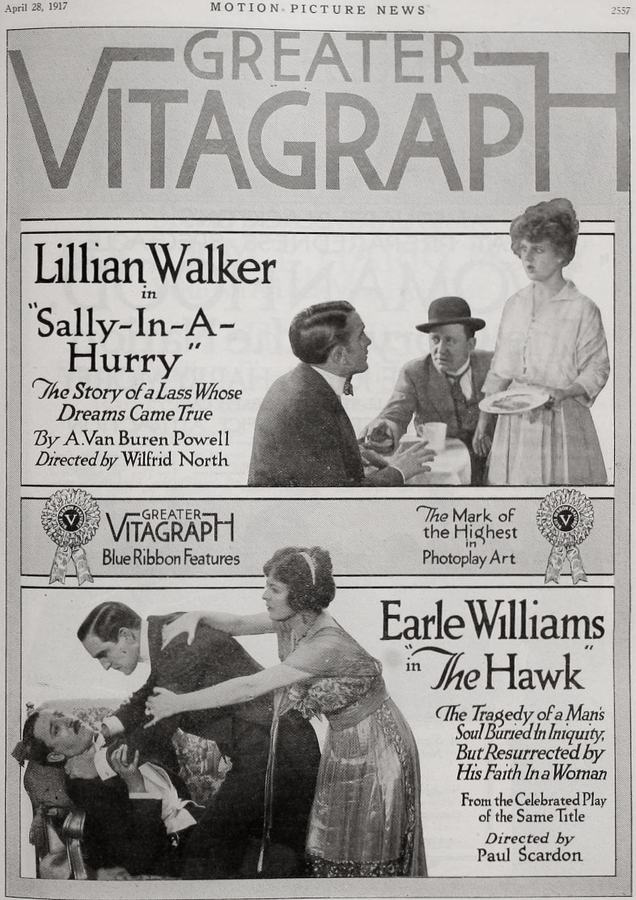
Dir: Paul Scardon
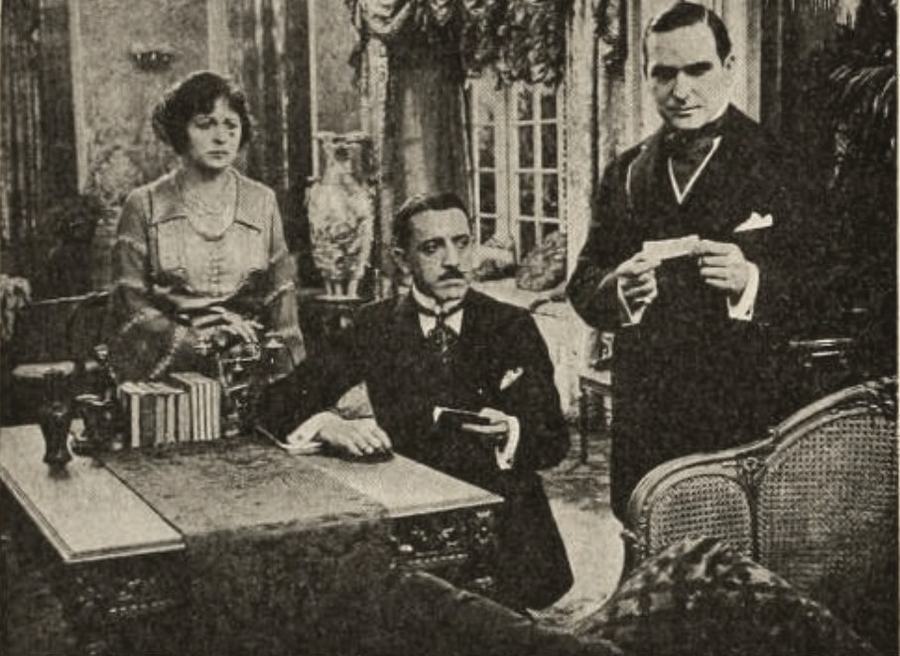
The Hawk, Count George De Dazetta, preys upon society with the aid of his beautiful wife. She seems to be in love with a young French nobleman, who is the real aggressor in this triangle. De Dazetta finds that the young nobleman's love for his wife is changing her for the better, that she begins to abhor his gambling profession and his inroads upon society. However, he continues to use her beauty as a lure to his gaming tables and wins heavily. In the meantime the nobleman breaks with a young woman aristocrat whom his mother wishes him to wed. During a transaction with an American from whom he borrows money to repay his gaming losses to De Dazetta the nobleman learns of the Hawk's love for his wife, and that she is helping her husband to win. Marina, the wife, washes her hands of the whole earning enterprise and is accused of infidelity by her husband, who tried to kill the nobleman. Failing, he leaves, and the nobleman protects the wife while attempting to locate the gambler and get his consent to a divorce. Finally this is effected, and Marina herself pleads for the divorce, that is until she learns that De Dazetta is now penniless, having lavished his every cent upon her and really loves her, and has consented to give her up only because he thinks it best for her future welfare. Her womanhood comes to the surface and she goes to him, renouncing the nobleman, her love for the latter having been without sin throughout.
View Details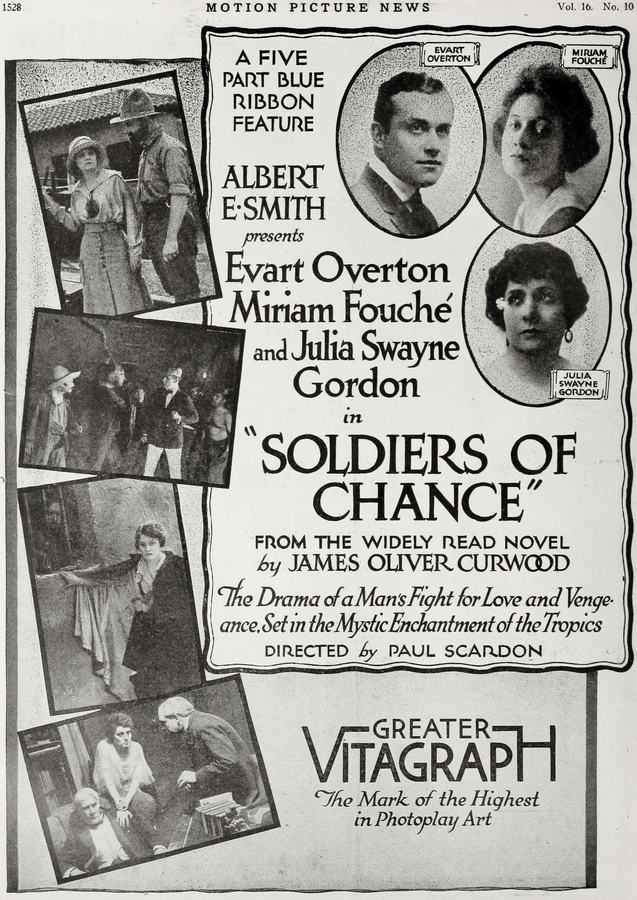
Dir: Paul Scardon
Lawler, a dishonest promoter, has Winton in his power, the latter believing that he has killed Yawkey, Lawler's partner. For his silence, Lawler demands the hand of Winton's daughter Josephine. Meanwhile, Billy Mountain, a man whom Lawler has swindled, arrives and, disguised by a heavy beard, interests his old enemy in a proposition. He invites Lawler on his yacht and makes him a prisoner. Josephine, fearing that Lawler will expose her father, accompanies them when they sail for a South American country involved in a revolution. When they land, Josephine frees Lawler, who joins the forces of the government. Billy and his partner, allied with the revolutionaries, plan an attack on the president and his forces. In the battle, Billy is captured and sentenced to death, but when the tide turns in favor of the revolutionaries, he escapes. With the appearance of Yawkey, Josephine is freed from Lawler's power and begins life anew with Billy.
View Details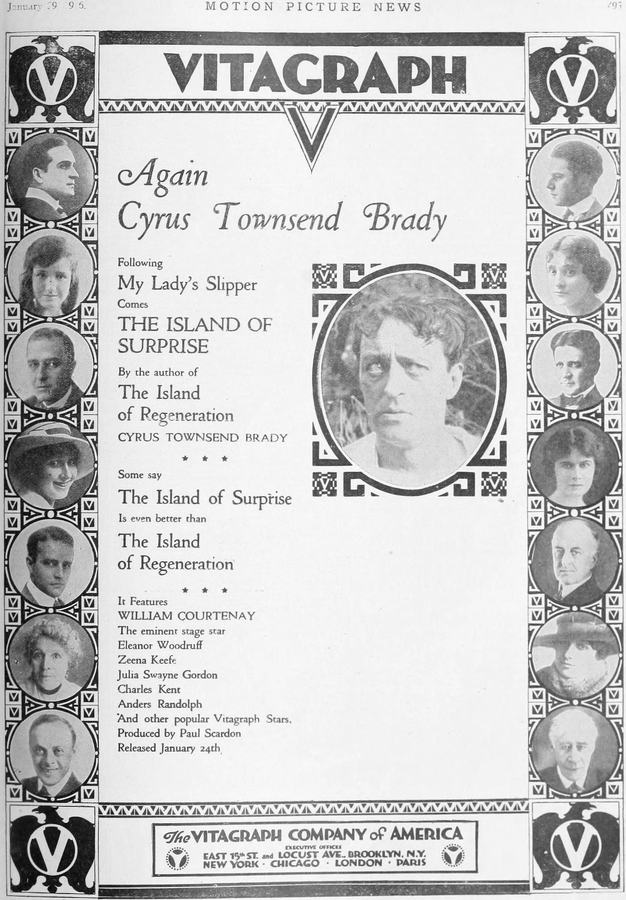
Dir: Paul Scardon
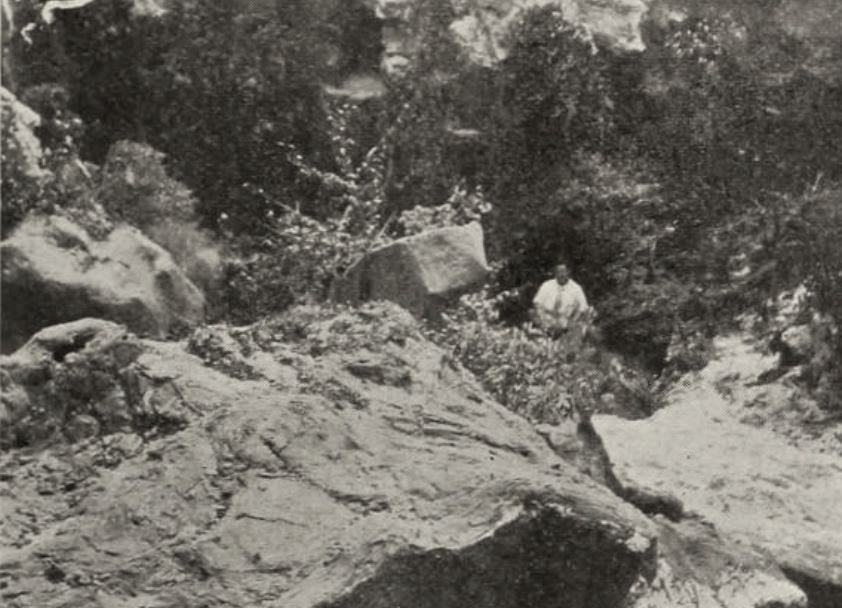
Dorothy Arden is private secretary to Godfrey Lovell, known as the Croesus of Wall Street. His Western partner is Daniel Casselis, who has a daughter named Dorothy. Lovell has a son, Robert, and the two financiers are trying to arrange a match between their children. But Robert falls in love with his father's secretary and marries her, but on returning home to tell dad, he finds that Lovell is ill and has gone on a long sea voyage to recuperate. Bob is sent to Chicago to see Casselis and invite him and his daughter to come on the cruise with Lovell, and Dorothy is greatly distressed at this turn of events. Bob reassures her, however, and still they do not tell his father. Bob meets Miss Casselis on the Limited as she is returning from an Eastern trip and they become friends. Meanwhile, Dorothy has determined to go on the yachting trip, so when the whole party arrive at Frisco Bob finds his wife awaiting them. Many amusing complications occur during the voyage and jealousies are aroused. The yacht anchors off a lonely island in the Pacific and Bob, with the two Dorothys, goes ashore. The yacht is driven out to sea by a terrible storm, leaving the three stranded on the Island of Surprise. Bob is hurt in a terrific landslide and the blow causes him to lose his memory. Dorothy tries in vain to call to mind his marriage to her, and Miss Casselis, thinking Dorothy is merely bluffing, is not to be outdone and claims Bob is her husband. Bob finally settles an uncomfortable situation by telling the women he will simply remain their friend and protector. Meanwhile, the yacht has had to send out a boat for the nearest land, owing to engine trouble, and a man-of-war is met. She is directed to the island, and arrives just in time to drop a shrapnel among a horde of island savages who are attacking the three castaways and just about to annihilate them. Rescued by the navy men, the three castaways are reunited with their party. Bob recovers consciousness and recognizes his wife, and all ends in forgiveness and happiness.
View Details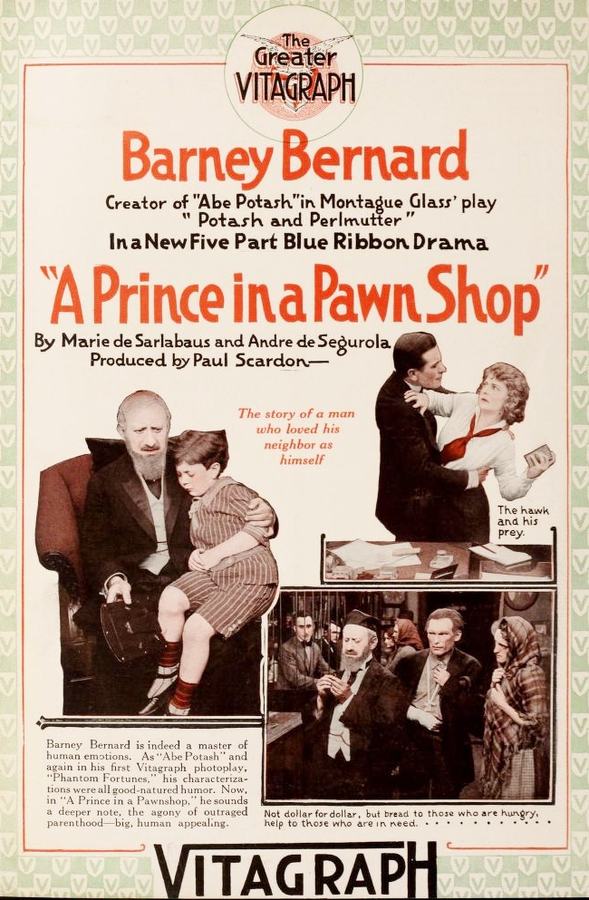
Dir: Paul Scardon
David Solomon, a wealthy banker, is merciless in his dealings with his rich clients, from whom he exacts the highest interest. He aids the poor as much as possible. To facilitate his kindness among the people of the Ghetto, he runs there a pawnshop, unlike all others, for to the needy he measures out money, not according to the value of the articles they offer, but according to their needs. David's son, Maurice, is given to high living. It grieves his father, who is, however, consoled by the fact that his daughter, Ethel, seconds her father's charities by maintaining a day nursery for the children of the poor. One day David sees a young girl fall unconscious in the street. He takes her to the hospital where the doctor tells him that the girl, Mary, is suffering from exhaustion. David's heart is touched and he resolves to make Mary's future his own care. When she has regained her strength he finds her a position as a model in a dress house of a friend, Silver. Ethel visits the dress house to buy gowns, bringing Maurice with her. He sees Mary for the second time, having noticed her upon the street. Maurice arranges to meet Mary under an assumed name, and pursues his courtship with all seeming love. She so learns to worship Maurice that she gives him all, not stopping to count the cost, nor to demand the wedding ring. For a brief while Mary tastes of a great happiness, but Stevins, the man for whom she once worked, and who, because she would not encourage his advances, drove her from every honest position, naming her as a thief, visits the dress house to get gowns for "The Bunch of Flowers," a set of girls so termed by Maurice who has been much in their company. He recognizes Mary, repeats the accusation, and her employer discharges her. Mary returns to the little flat supported by Maurice, where she tells her story. Maurice has begun to tire of her. He seeks Stevins, who tells a seemingly truthful story. Maurice believes it and leaves Mary, writing to this effect. He, however, does not know that the girl he has wronged is about to become a mother. Six years elapse, and we find Mary and her little son, living in poverty. Again she is rescued by David Soloman, who has called to see a deserving case next door to Mary, the object of his charity being Mrs. Payne, the landlady who drove Mary from her door, and who is now a paralytic. Mary tells David her story, showing him the letter from her lover. He recognizes the writing of his own son. He takes his grandson home with him where the child is seen by Maurice, who is conscience stricken. Heinstitutes a search for Mary. Stevins, the man who hounded Mary, needs a further extension of his loan from David. But David, having learned what he has done, Mary forces him to the wall and ruins him. Goldstein, who has been a faithful secretary to David, resigns. He loves the daughter of David, but being a poor man does not declare his love and so decides to leave for other parts of the country. David has watched the love which has existed between Ethel and Goldstein, and gives Goldstein a check for a large amount, quite sufficient to start them on their honeymoon. David informs Maurice by telegraph, not signing his name, where Mary may he found. He then goes to her with her little son. Maurice arrives, and makes reparation by marrying Mary.
View Details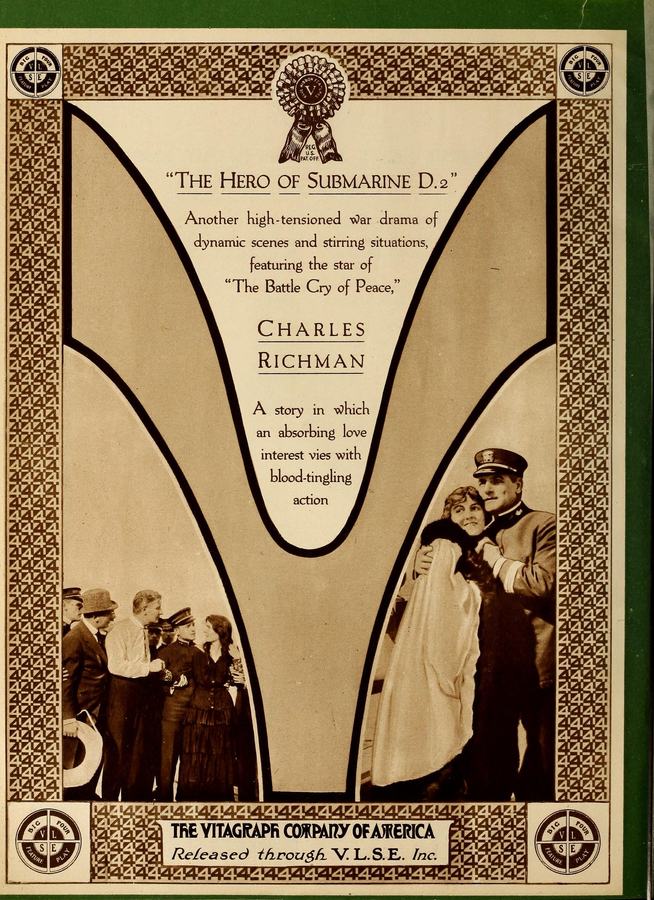
Dir: Paul Scardon
Lieutenant Commander Colton, U.S.N., is in love with Caroline Austen, daughter of a prominent political power in Washington. Colton has a rival in James Archer, a journalist of prominence, unscrupulous and secretly in league with the Ruanian Ambassador, who is endeavoring to obtain for his country inside information as to the United States naval resources. Gilman Austen, Caroline's brother, receives an appointment to the Naval Academy. He is much in love with Ethel McMasters, daughter of a superintendent, and pays so much attention to her that his term marks in navigation are so low as to preclude his passing the semi-annual examination. He is told of this by Captain McMasters, and Colton, Caroline Austen and Ethel McMasters then get busy in Oilman's behalf, Caroline working with Colton, who is in love with her. and Ethel attempting to influence her father, but these two officers absolutely refuse to exercise any influence in Oilman's favor. Mr. Austen, Sr., then takes a hand in the game, but finds naval men a different proposition from politicians, and as a result Gilman is forced to leave the Academy. Mr. Austen uses his power and has Colton transferred to the command of a collier. Gilman Austen, however, grits his teeth and 'lists in the navy as an apprentice, and here we see him carried through all his training experiences. Colton being of an inventive turn of mind and realizing the weakness of the submarines is in the battery, invents a new battery. Archer hears of this and informs the Ruanian Ambassador, who offers the traitorous journalist almost any sum to secure these plans. Archer is prevented from securing them by Gilman Austen, who is now a full-fledged able seaman, serving under the name of Roger Brown. The Ambassador then determines upon a big coup. He directs Archer, who now is completely in his power, to have a Ruanian merchant ship lay a series of mines in the channel through which the warships must pass. Colton has been placed in command of the submarine flotilla, and Gilman Austen is on duty with the D-2. Through Caroline Austen, Colton learns of the plot, and as the ships are due to arrive that night, Colton takes command of the D-2, goes out and submerges his boat. Time is precious, and Colton realizes that he cannot take the D-2 through the mines, so he has himself shot out of a torpedo tube and swims through the mines, goes on board the merchant ship and blows up the mines just before the fleet comes in. Colton is badly wounded and is rescued by Gilman Austen and the submarine crew. For his work in this action, as well as his general reputation and good character, Gilman Austen is sent back to the Naval Academy. Colton marries Caroline.
View Details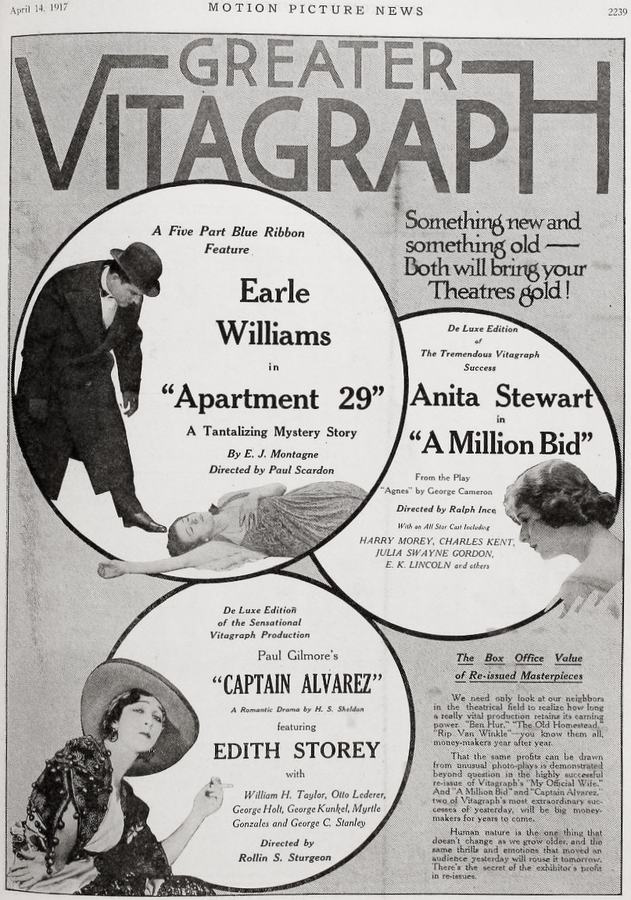
Dir: Paul Scardon
Stanley Ormsby, a dramatic critic, runs foul of an author and dramatic company who have just put on a new play which he announces as "rotten." On his way home from the play, after waiving aside the author's pleas for a merciful criticism, his adventures begin. He interferes between a couple quarreling on the street and is rebuffed. Later he gets an assignment from his editor to go to a certain apartment house to interview a singer. Entering the place he is diverted from his mission by a woman falling apparently dead at his feet, before the door of Apartment 29. Carrying her inside he finds her to be the woman of the quarrel, and there finds also her husband shot. There alone, he realizes suddenly that circumstances are against him and wishes to flee. The playwright, who lives in the same building, offers refuge, but in return asks a large sum of money, which Ormsby is only too glad to give. A girl in the playwright's apartment hides him while the police search the place. He has a dozen hairbreadth escapes and is finally shocked as the playwright demands a bribe to keep him hidden. Finally Ormsby escapes from the house with the girl, only to run into a nest of thugs, who attack him. He is then rescued by the very police, who then charge him with murder, after which...well, it winds up all right, but it was a hair-raising experience, mates.
View Details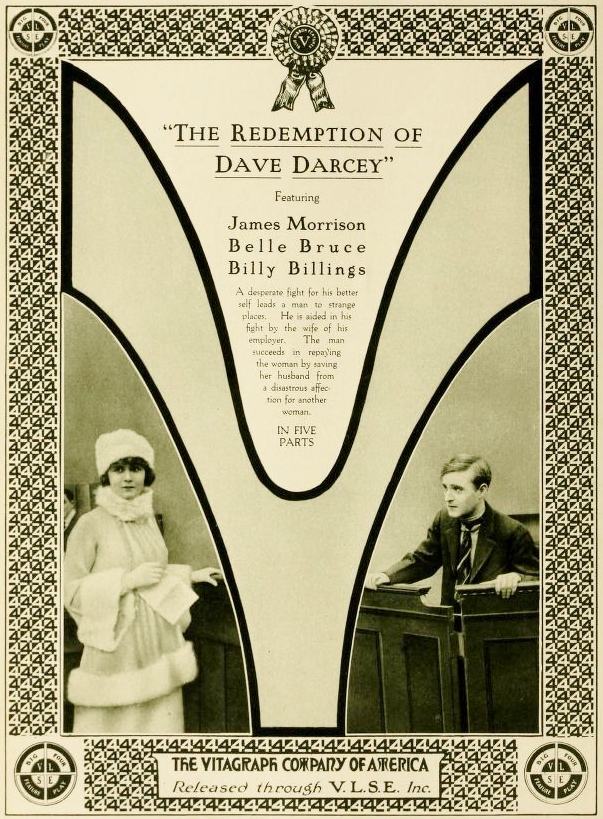
Dir: Paul Scardon
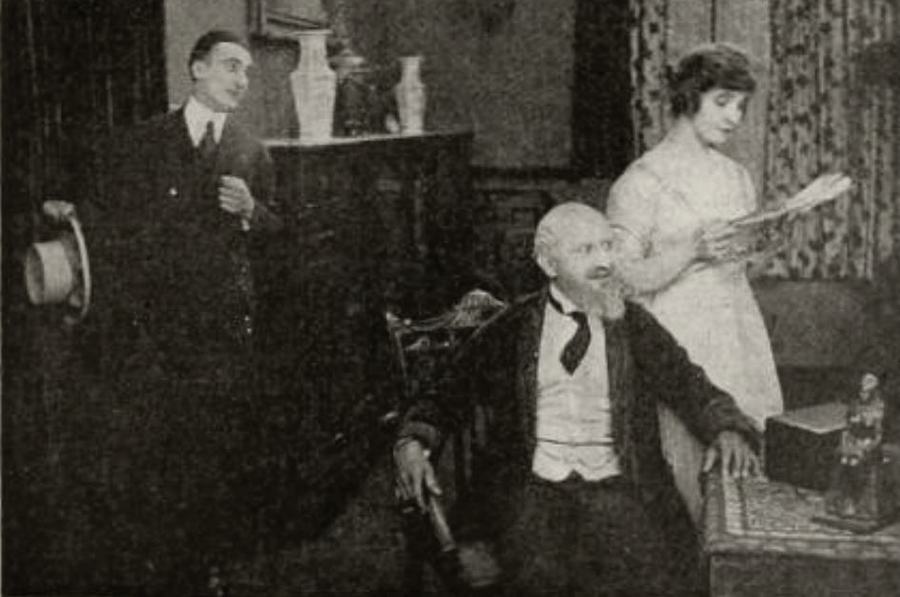
After landing a big "haul," Dave Darcey, a crook, decides to spend part of his booty by holding a dance for his followers. Paddy Burns, leader of a rival faction, decides to settle an old score with Dave by breaking up the affair. On the night of the dance he goes at the head of his gang with the avowed intention to "get" Dave. In the struggle, Dave shoots Paddy and makes good his escape. He is seen by Phillip Brenton, the son of the owner of the steel works, who thinks he is there to rob the house and demands an explanation, Dave explains the whole affair to him, and Phillip gives him a chance to make good by giving him a job in the steel plant. Phillip's father is not so sure of Dave's reformation, and tests him by leaving a large roll of bills exposed. Dave sees the money and a struggle with his other self follows. The new Dave comes out the winner and he returns the money. The Baroness Von Ehrenstein, a secret agent for a foreign government, learns that the Benton Steel Works have accepted a huge war order for a nation hostile to her own. She gets permission from Phillip to visit the plant on the pretext of getting local color for a novel she is writing. Phillip personally guides her and her accomplices through the plant and they make a thorough study of the place. Phillip has become greatly interested in the Baroness and is neglecting his fiancée, Grace. The latter notices his continued absence and asks Dave the cause. The latter, in order to protect Phillip, tells her that it is business. Dave, suspicious of the Baroness, warns Phillip of her and his young employer resents his interference and discharges him. While Phillip is in a drunken stupor, the Baroness steals his office keys from him and gives them to her confederates who hasten to the steel works. Suspicious of their actions, Dave follows them and sees them plant bombs in the factory. He tries to foil them and a fight follows. Dave is finally subdued and is left, bound hand and foot, by the burning bombs. He rolls himself over to a saw and works frantically till he severs his bonds. He then starts to stamp out the fuses of the bombs, but one of them explodes and he is caught in the wreckage. The watchman, having seen part of the struggle, follows the conspirators. The police arrive at the scene and are closely followed by Phillip and his father. The latter accuses Dave of attempting to destroy his plant, and also charges him with the murder of Paddy Burns. The watchman returns with the real culprits and tells the true story, thus clearing Dave of guilt. One of the policemen then tell Dave that he need not fear of trial for murder, as Paddy is still alive, having been only slightly injured by the shot. Dave is acquitted of the charge of assault which he had to answer to for the shooting and returns to a better job with the Benton Steel Works. Phillip and Grace are reunited.
View Details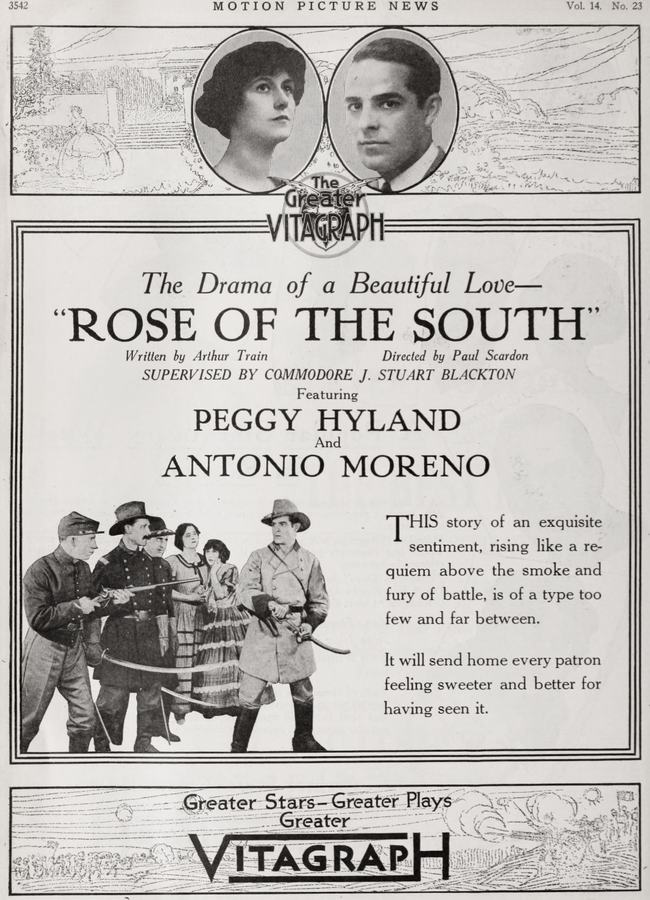
Dir: Paul Scardon
Mr. Curtis returns to his Alma mater and regales students with stories about the Civil War, which ended fifty years before. He tells them about his college friends, Dick Randolph and Watkins, who were at first rivals for Marian - who far preferred Dick - and then rivals on the battlefield. Watkins, a Union officer, captured Dick, a Confederate, but Marian helped her sweetheart escape. Watkins and Dick were then wounded in the same battle and died in each other's arms after asserting their friendship and forgetting their past differences. Back in the present, an aged Marian joins the group. She dies while listening to Mr. Curtis, and fifty years after she and Dick had been lovers in the flesh, her spirit goes to join his.
View Details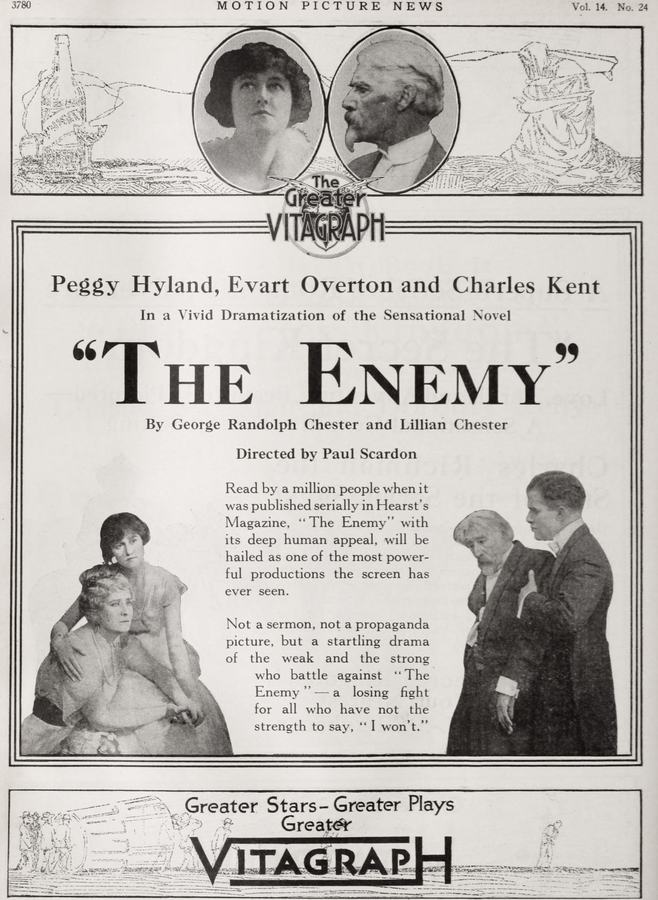
Dir: Paul Scardon
Famous architect Harrison Stuart is taken over with alcoholism and begins living in flop houses, he is saved by Billy Lane, a young architect who has always admired the older man. Lane reunites Harrison with his family and falls in love with Harrison's daughter. After announcing his engagement to her, however, Lane himself becomes an alcoholic when another woman, jealous of his fiancée, spikes his punch and tricks him into heavy drinking. Then Harrison gives in to his old habit but before submitting completely, he kills himself. The suicide brings Lane to his senses; he swears off drinking and returns to Harrison's daughter.
View DetailsAnalysis relative to The Gamblers
| Film Title | Atmosphere | Complexity | Similarity |
|---|---|---|---|
| Arsene Lupin | Gritty | Dense | 93% Match |
| The Hawk | Ethereal | Layered | 95% Match |
| Soldiers of Chance | Tense | Layered | 86% Match |
| The Island of Surprise | Surreal | Dense | 95% Match |
| A Prince in a Pawnshop | Ethereal | High | 96% Match |
This guide was algorithmically generated using the cinematic metadata of Paul Scardon's archive. Last updated: 6/25/2026.
Back to The Gamblers Details →