
DbcultAccessing Vault...
Recommendations
Senior Film Conservator
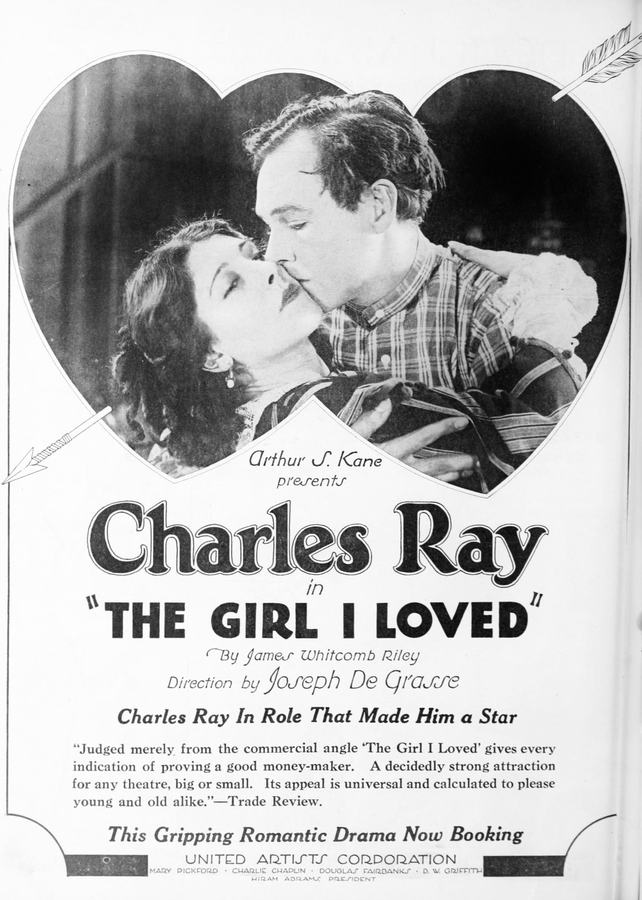
Looking back at the 1923 milestone that is The Girl I Loved, the cinematic shorthand used by Joseph De Grasse is both ancient and revolutionary. Dive into this collection and find the spiritual successors to Joseph De Grasse's vision.
As Joseph De Grasse's most celebrated work, it defines to articulate the unspoken anxieties of United States's 1923 era.
John Middleton is distressed to learn that his family is taking in an orphan girl named Mary. He turns aside all her attempts to befriend him. But with the passage of time, John discovers (long after everyone else has) that he loves Mary. But by now it's too late. She plans to marry his friend Willie.
The Girl I Loved was a significant production in United States, showcasing the immense talent of Lon Poff, Patsy Ruth Miller, Billie Latimer. It continues to be a top recommendation for anyone studying Drama history.
Based on the unique thematic gravity of The Girl I Loved, our vault has identified these titles as the most compelling follow-up experiences for fans of Drama cinema:
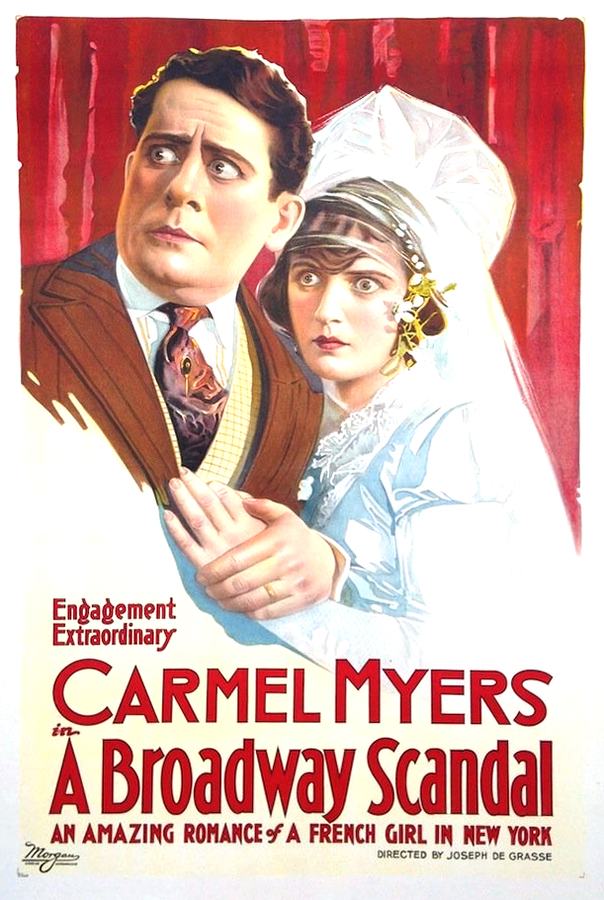
Dir: Joseph De Grasse
Nenette Bisson, who dances in her father's French restaurant in New York, takes a joy ride with "Kink" Colby in a stolen car, and is shot in the shoulder by a pursuing policeman. The driver leaves her at the hospital of David Kendall, with whom she falls in love, but he, believing French women to be frivolous, does not return her affections. Nenette's parents turn her out when they learn of her trouble with the police, after which she becomes a success on the stage. David serves overseas for two years during World War I and there learns to appreciate the valiance of French women. On his return, he proclaims his love for Nenette and helps her achieve a reconciliation with her parents.
View Details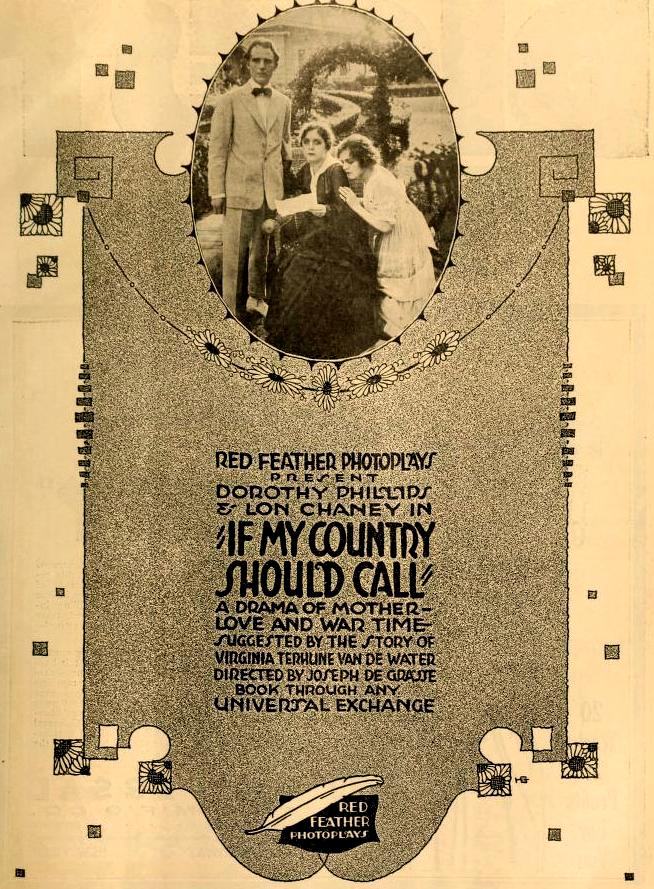
Dir: Joseph De Grasse
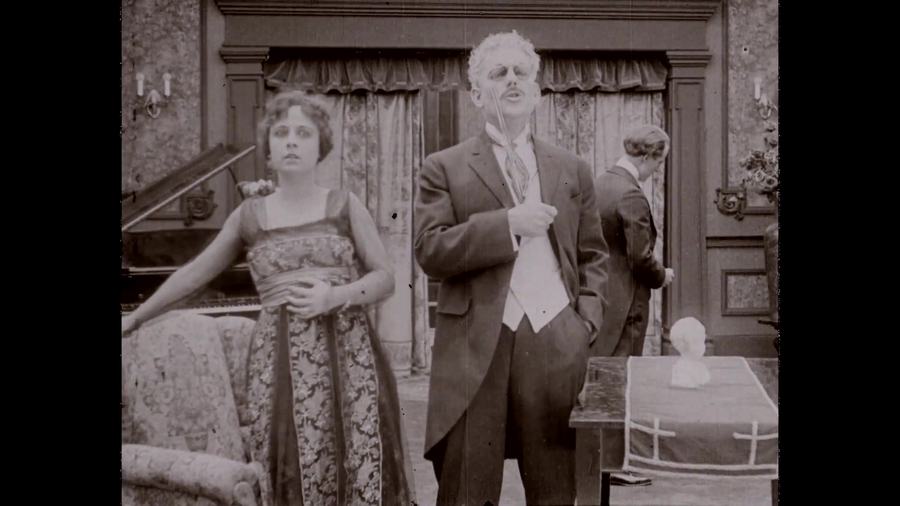
A pacifist mother tries to protect her son, whose patriotism makes him want to enlist in the army. Her uncle, a doctor, has invented a heart medication which mimics heart disease. Just a drop or ten in her son's drink should keep him home.
View Details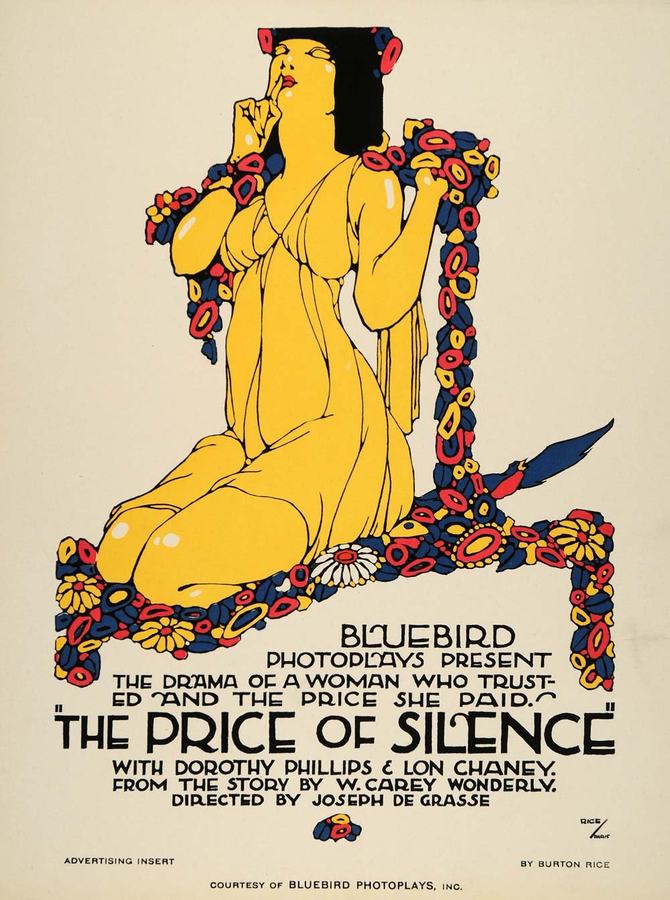
Dir: Joseph De Grasse
A woman gives up her illegitimate child, and then marries without telling her new husband about the child. A copy exists in the Archives du Film du CNC according to the American Silent Feature Film Survival Database.
View Details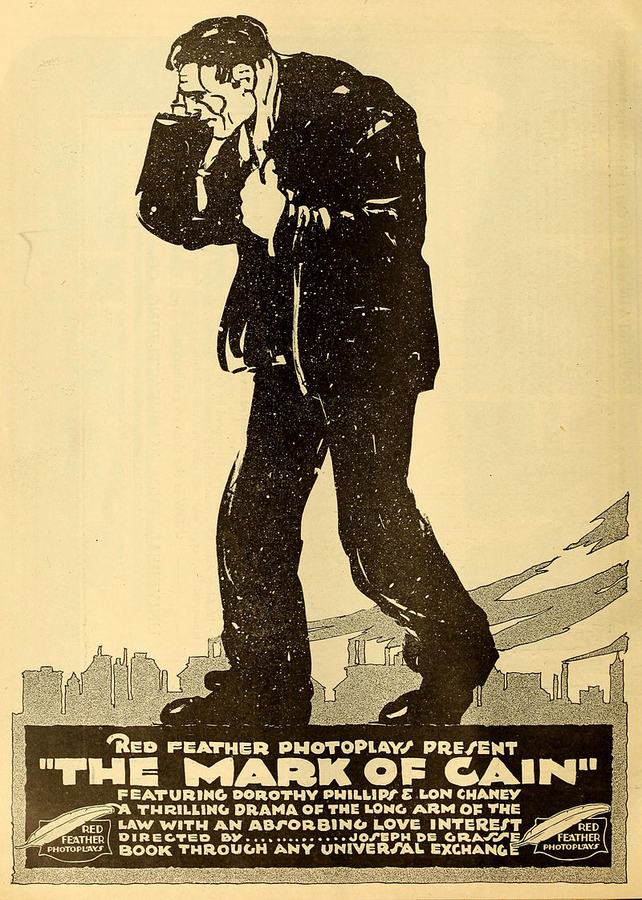
Dir: Joseph De Grasse
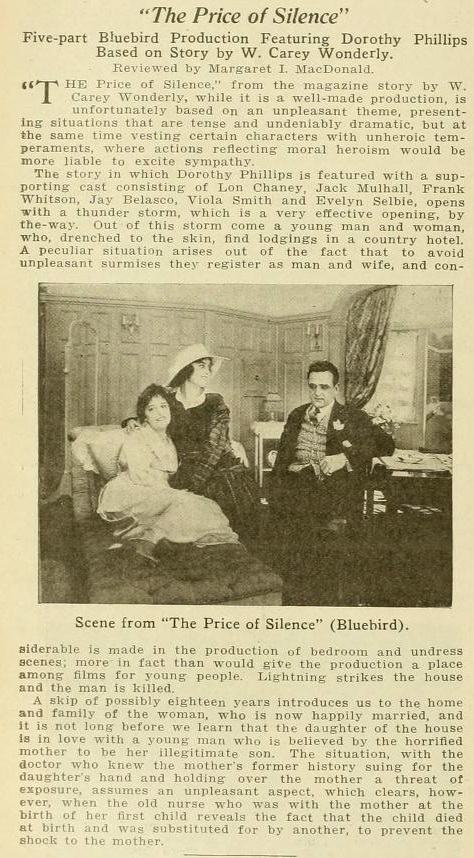
Dick Temple is serving a five-year prison sentence because he took the blame for a robbery his father committed. His father promises to go straight, but the old man dies two years later, before he can reveal Dick was Innocent.
View Details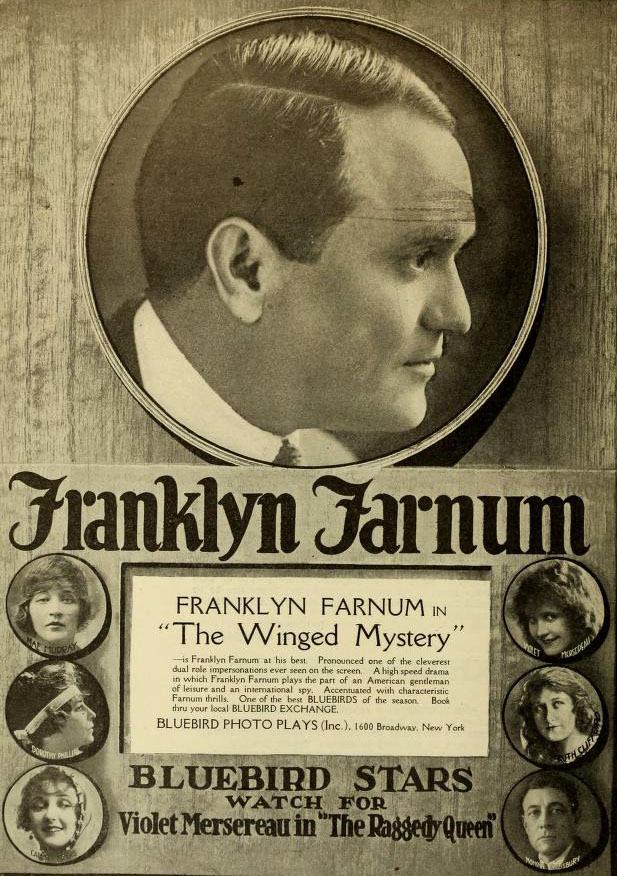
Dir: Joseph De Grasse
Louis and August Siever, twin sons of a German father and American mother, are traveling through Europe when war breaks out. August joins the Kaiser's army, while Louis, a loyal American, is trapped in Berlin for a year while he tries to prove his citizenship. After a violent confrontation with Louis, August steals his brother's passport and leaves for New York City with Gerda Anderson, a German spy. Louis also returns to the U.S., and sometime later is invited to a weekend party on Long Island by his wealthy friends, the Waynes. When August and Gerda learn of the event, they rent a nearby house and invite all of the Waynes' guests, including Louis, to a "mystery" party. Upon their arrival, the women are held prisoner and ransom notes are sent to their husbands via carrier pigeon. Shirley Wayne and Louis track down and are captured by the kidnappers. Meanwhile, Mortimer Eddington, an amateur detective, devises a method to trace the pigeons back to the house. Before Shirley and Louis come to harm, police officers arrive and demand the Germans' surrender.
View Details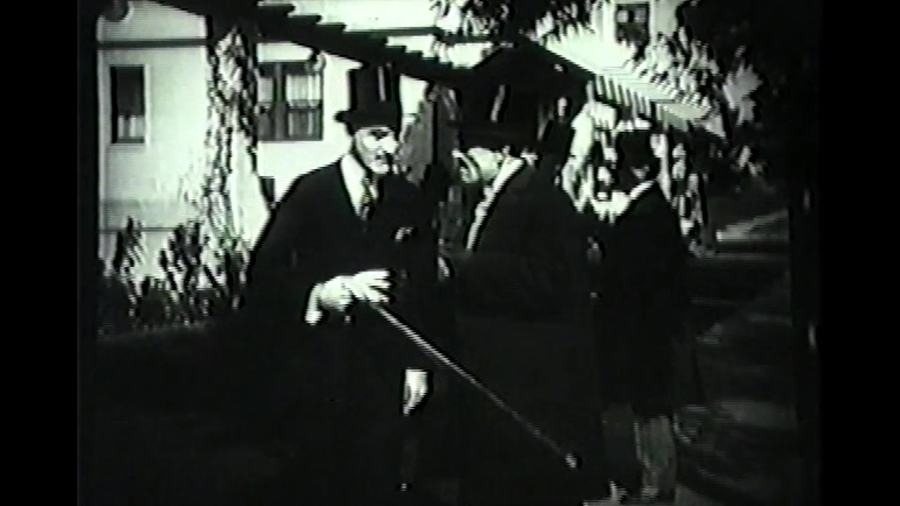
Dir: Joseph De Grasse
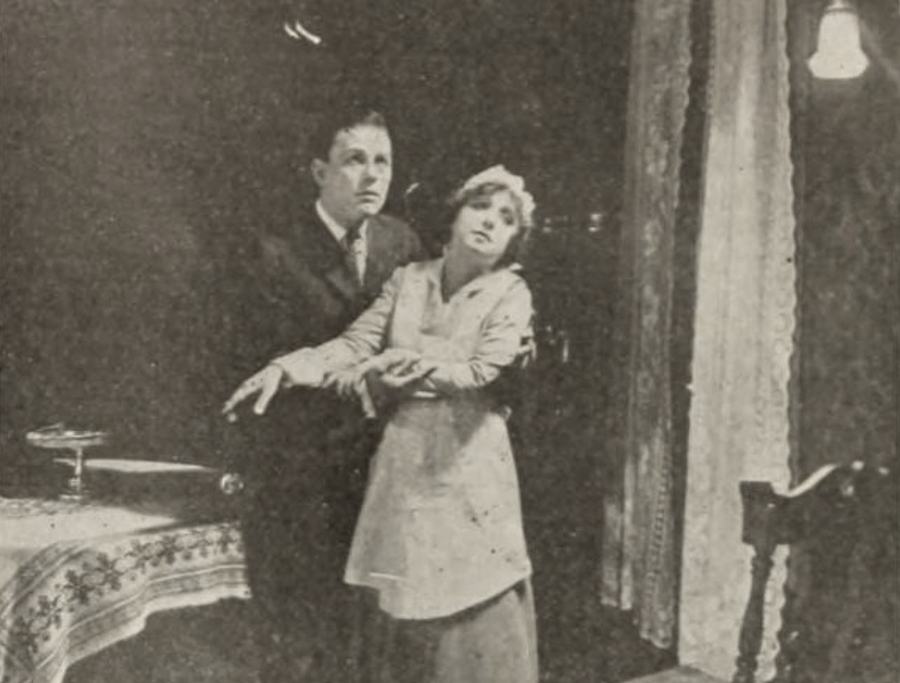
Montgomery Seaton, one of the idle rich, makes a hobby of befriending everybody upon whom he can intrude his good offices. Thus occupied, he neglects his wife considerably, and she in turn gives her entire attention to household duties. Vera Lane is a rich widow with whom Ernest Courtney is in love but too bashful to pursue. Mrs. Hammond comes to Seaton in distress with the story that some years earlier, she left home with a married man and lived with him for several months. Upon discovering that she had been deceived, she returned home and later wed John Hammond. Some weeks after her marriage, her husband was called away on a business trip; while he was gone Mrs. Hammond became the mother of a child, the result of her conduct previous to her becoming Mrs. Hammond. She concludes with the statement that the nurse who has always secretly cared for her child has just died and that the child must be provided with a home. Seaton goes to Hammond and relates a story which in substance makes Seaton the child's parents, and induces Hammond to adopt the child; thus Mrs. Hammond receives into her own home the child of her illicit adventure. Later Mrs. Hammond writes to Seaton, telling that the child safely arrived in her home, and further makes clear the unfortunate condition under which the baby was born. By mistake Seaton gives the note to Hammond; upon reading it, Hammond concludes that Seaton played a trick on him and induced him to adopt the issue of an affair between Mrs. Hammond and Seaton. That very night, while attending a reception, Hammond discovers Seaton and Mrs. Hammond in confidential conversation. Hammond shoots, but the bullet strikes Mrs. Hammond, who has thrown herself in front of Seaton to protect him. Coincident with these details, Seaton undertakes to present Ernest Courtney's love affair to Vera Lane, the widow, in convincing fashion. While progressing with this purpose. Mrs. Seaton becomes suspicious of her husband and is doubly mystified when she sees him carrying the child to Mrs. Hammond's home. Since she witnessed Mrs. Hammond's shooting and is a friend of all the concerned parties, the widow attempts to straighten the various entanglements, and succeeds so well that the Seatons reconcile, as do the Hammonds, after Mrs. Hammond has told her husband of her past.
View Details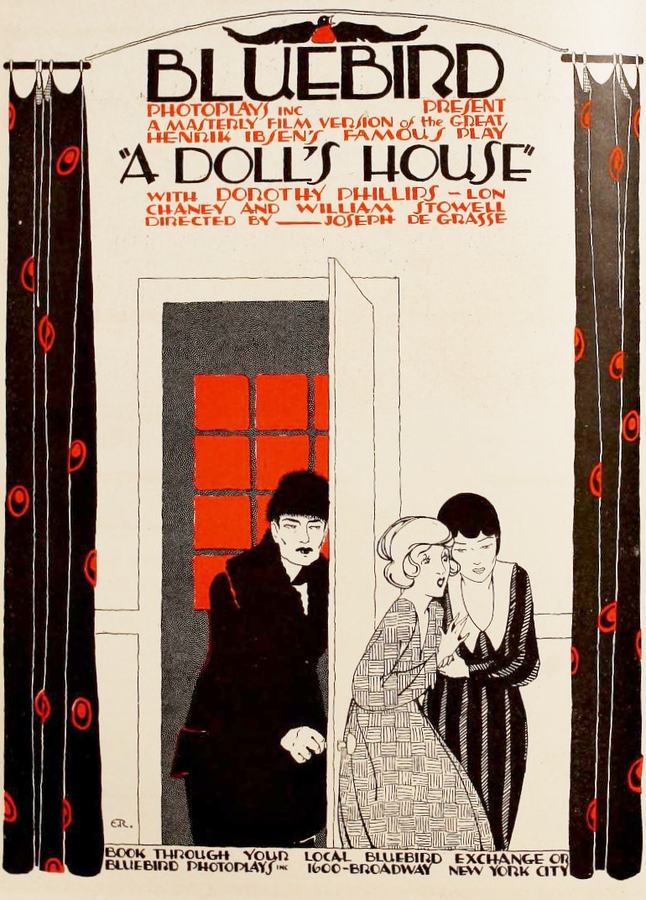
Dir: Joseph De Grasse
Nora Helmer has years earlier committed a forgery in order to save the life of her authoritarian husband Torvald. Now she is being blackmailed lives in fear of her husband's finding out and of the shame such a revelation would bring to his career. But when the truth comes out, Nora is shocked to learn where she really stands in her husband's esteem.
View Details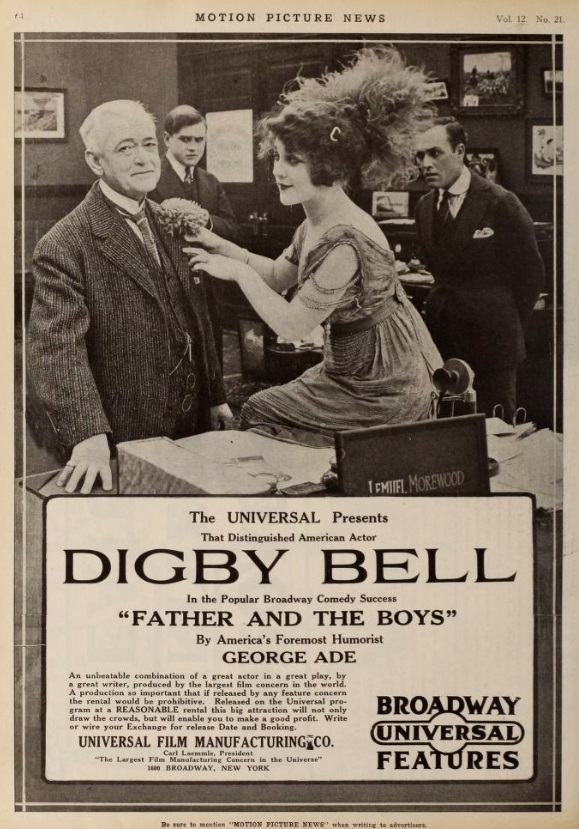
Dir: Joseph De Grasse
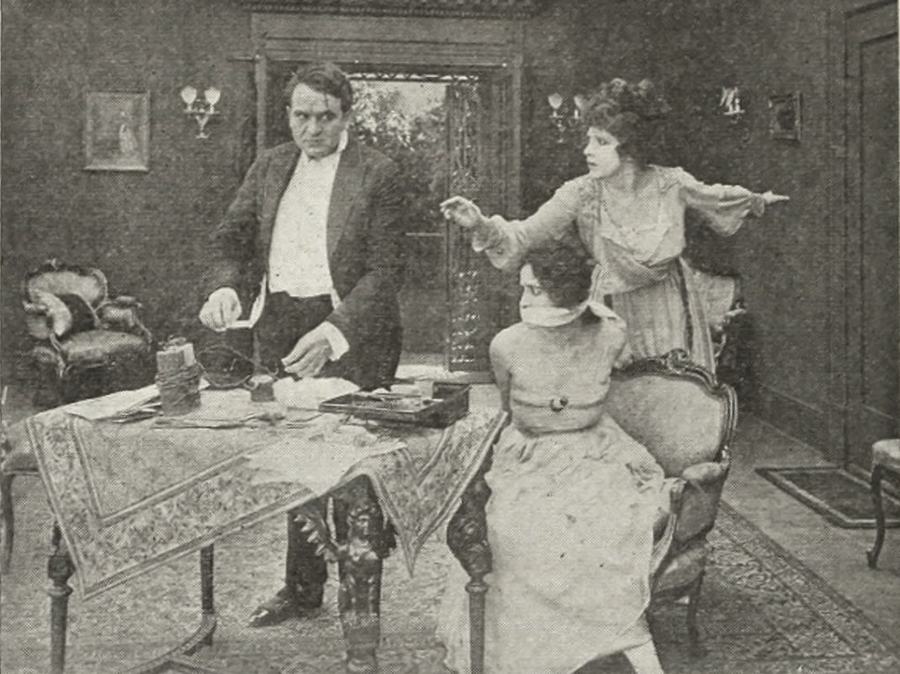
Lemuel Morewood is a wealthy businessman to whom riches bring no pleasure because he has entirely lost the sympathy of his sons, for whom he lives. Billy is society-mad and completely enthralled by Mrs. Bruce Guilford, a leader of the smart set. Tom thinks of nothing but sports; he is an amateur athlete of national prominence. Lemuel longs to see the boys interested in the business. He especially wants Tom to marry Frances Berkeley and Billy to marry Emily Donelson. But the boys will have none of them. Bessie Brayton is a Western orphan who has come to New York and taken up society entertaining for a living. Her only property is a half-interest in the Bluebird mine, which she supposes is worthless. One evening, the Morewoods employ Bessie to entertain at an exclusive dinner they are giving, and here she meets Major Bellamy Didsworth, who offers to sell her half-interest for her. Lemuel has run away from this dinner. But, goaded by Bessie's taunts that he is old-fashioned, he gets into his evening clothes and enters into the gambling that follows. Bessie encourages him and he cleans up on Didsworth, as the others look on, staggered by his plunging. Leaving them dazed, Lemuel makes a spectacular exit with Bessie to "blow his winnings." Lemuel keeps up the pace he has set. He goes to the races and there his conduct is so riotous, and his followers, Bessie and a sporting man, so conspicuous, that Mrs. Bruce Guildford is scandalized. She criticizes Lemuel to his son. Billy defends his father, and the quarrel results in a complete break. Bessie has a telegram from Didsworth saying he can get $1,000 for her stock. Lemuel suspects that Didsworth is planning to rob her and takes the matter into his own hands. He and Bessie go out to Nevada together. Lemuel's sons think he has run away to get married to Bessie, and they follow, with Emily, Frances, and Ford, the family lawyer. Out in Nevada, Lemuel and Bessie find that her half of the Bluebird is worth at least $75,000, and they discover that the other half is owned by Carl Higbee, Bessie's old sweetheart who disappeared in Alaska. On the way to Nevada, Tom becomes engaged to Emily and Billy to Frances, which is exactly contrary to what Lemuel planned. They arrive in time to stop the wedding, as they think, and are mortified to learn that they are all wrong, and that Bessie is to be married to Higbee. Lemuel is delighted that his sons are bringing the girls into the family, although they have shifted partners. Lemuel agrees to go back and help the boys run the business.
View Details
Dir: Joseph De Grasse
Oliver Curwell disowned his son Roger because he declined to abandon art and go into business, Roger gradually drifted from bad to worse until he was a derelict on the streets of San Francisco. In his art-student days a girl of the name of Olga had shown interest in him, believing he would inherit his father's millions, but when he was cast off the girl abandoned her pretense of affection. One evening Roger wanders into "Sailor's Rest," a saloon and dance hall run by "Hell" Morgan. A work of art hanging behind the bar Roger denounced as a "daub." Morgan resented this remark and was beating Roger when Lola saved his life by her interference. Morgan's daughter continued to befriend Roger and finally prevailed upon her father to give Roger the job of playing the piano in the dance hall. Roger painted Lola's portrait and they fell in love with each other. Sleter, a tough politician, objected, for the reason that he coveted Morgan's daughter. Olga leads a party of friends to "Sailor's Rest" on a slumming tour. She sees Roger at the piano and sends for him, as she reads in the newspapers of the death of Oliver Curwell, who willed his millions to his son. Roger joins Olga's party, and the old days are recalled. He forgets his love for Lola, and makes advances which Olga reciprocates. Lola goes to the party of slummers, and takes physical toll of both Roger and Olga. As a result Roger leaves "Sailor's Rest" and Lola resigns herself to Sleter. But when he attempts to collect his reward, Lola rebels and resists his advances. The tumult in Lola's room attracts "Hell" Morgan. He dashes upstairs, and in an encounter with Sleter is shot and mortally wounded. Lola drives Sleter from her room and escapes, dragging her father down a fire escape. Hardly have they reached the ground when San Francisco's earthquake and fire break loose. "Sailor's Rest" tumbles in a burning heap. Helping her father, Lola reaches the Presidio, where refugees are assembling. Her father is near death and she seeks a doctor in the crowd. Roger has been drawn back to "Sailor's Rest" by his love for Lola, and when he finds the place in ruins he likewise wends his way to the Presidio. Fate brings them together as "Hell" Morgan dies.
View Details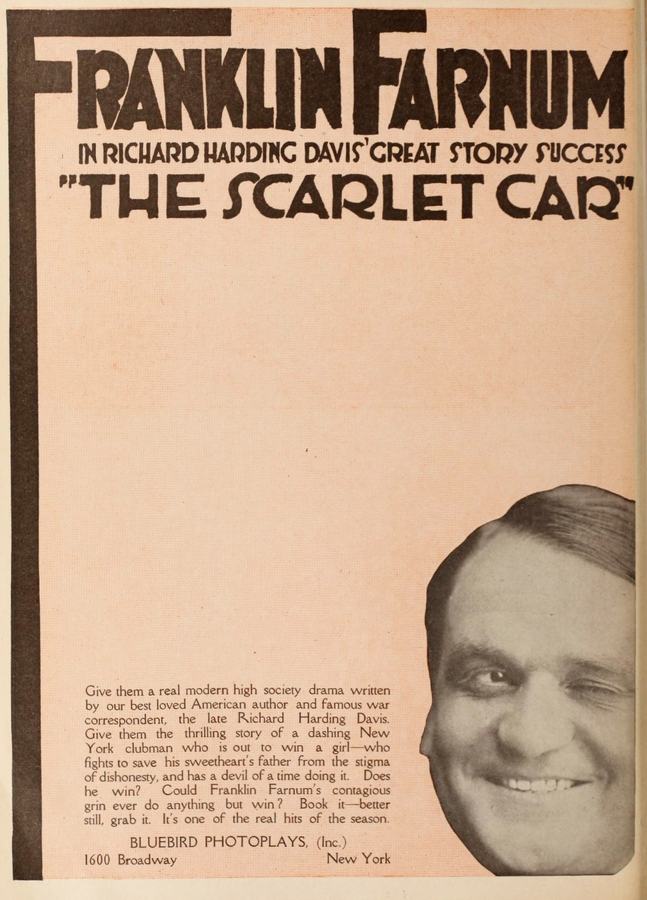
Dir: Joseph De Grasse
After discovering that Cyrus Peabody, the president of the bank, and his son Ernest have embezzled $35,000, their cashier, Paul Revere Forbes, threatens to expose them. In a rage, the two men strike him on the head and, persuaded that the busybody is dead, ask their broker to dump the body off in a deserted place. But the broker has an accident and is killed in the crash. The cashier, who was actually still alive, comes to and, while suffering a loss of memory, wanders off. Still believing their employee dead, the Peabodys accuse their cashier of having stolen the money. But Beatrice Forbes, Paul Revere's daughter, and her boyfriend, idle-turned-responsible Billy Winthrop, are on the alert.
View DetailsAnalysis relative to The Girl I Loved
| Film Title | Atmosphere | Complexity | Similarity |
|---|---|---|---|
| A Broadway Scandal | Surreal | Dense | 94% Match |
| If My Country Should Call | Gritty | Linear | 96% Match |
| The Price of Silence | Gritty | Linear | 87% Match |
| The Mark of Cain | Ethereal | Layered | 85% Match |
| The Winged Mystery | Surreal | Abstract | 96% Match |
This guide was algorithmically generated using the cinematic metadata of Joseph De Grasse's archive. Last updated: 8/16/2026.
Back to The Girl I Loved Details →