
DbcultAccessing Vault...
Recommendations
Senior Film Conservator
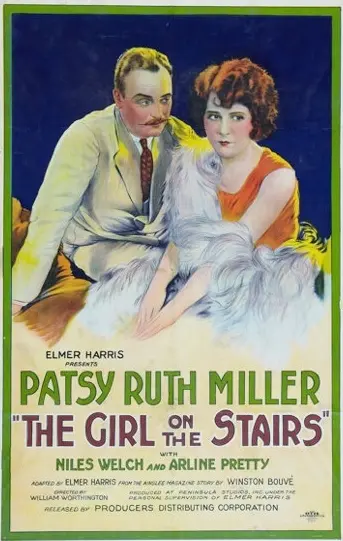
For cinephiles who admire the stylistic flair within The Girl on the Stairs, the specific stylistic flair of this work is a gateway to a broader Mystery world. We've prioritized films that capture the 1925 aesthetic with similar precision.
At its core, The Girl on the Stairs is a study in to create a dialogue between the viewer and the stylistic flair.
After discovering that her lover is already married, a young woman gets engaged to another man. However, her attempts to recover embarrassing love letters from her former lover lead to her being accused of murder when he is found dead.
Based on the unique stylistic flair of The Girl on the Stairs, our vault has identified these titles as the most compelling follow-up experiences for fans of Mystery cinema:
Dir: William Worthington
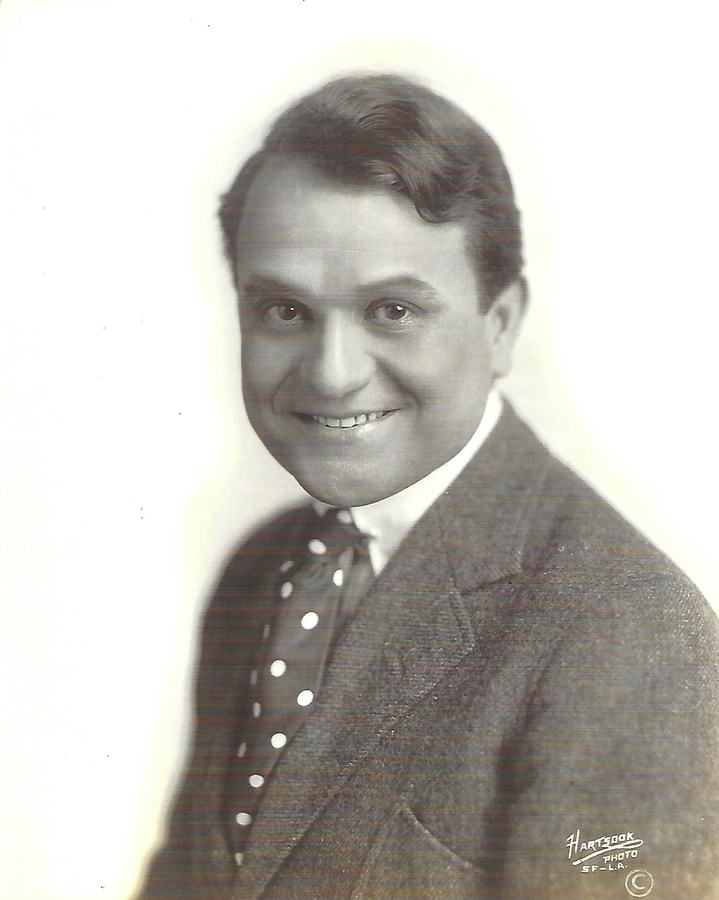
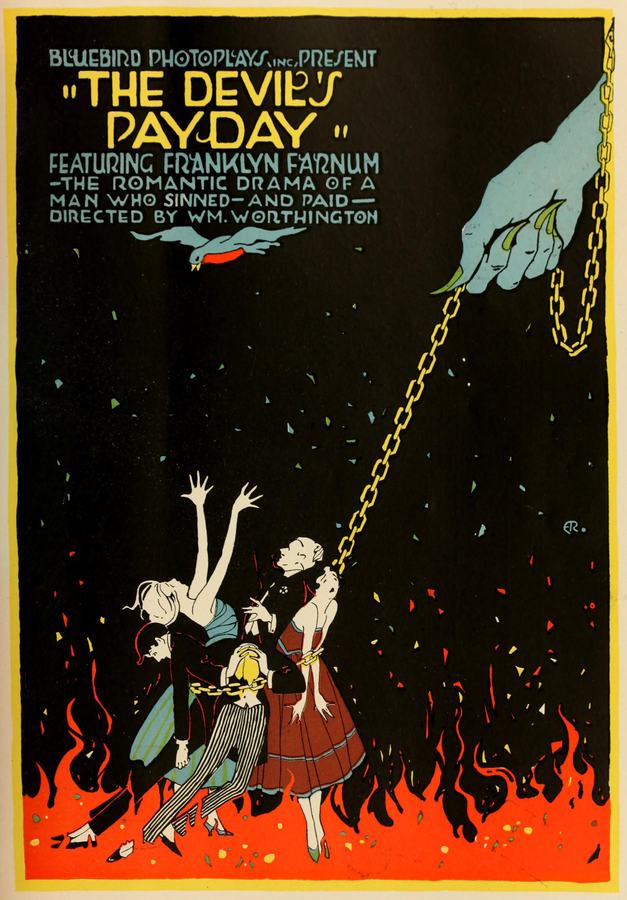
When Gregory Van Houten went to the country to recuperate, he intended to remain only a few weeks and then return to plunge into the swirl of city gaieties. But when Van Houten returned he brought with him a country-girl wife and set upon himself the seal of new duties and obligations. Jean Haskins was the daughter of Farmer Haskins, who owned the place where Van Houten boarded. She was a simple child of nature, trustful and devoted to the new ideals of happiness that Van Houten brought into her young life. Farmer Haskins warned the young folks that they were storing trouble for themselves in marrying; he told them that their lives had been so different that they would eventually find that they could not continue happily. Nevertheless, they married and returned to town happy. At the first social function they attended, Gregory realized that his wife wasn't prepared for the butterfly life. One of Gregory's club friends, James Hanley, saw in the young bride a conquest. His attentions to Jean soon centered Gregory's suspicions upon them; meanwhile, Gregory turned to a woman in his own set for companionship. Upon an incident that looked worse than it really was, Gregory based cause for a divorce and won his case. Then he married the other woman, a society butterfly. The shock completely changed Jean's good, wholesome nature; she turned into a viper bent upon revenging herself upon the man who had violated his obligation and made a mockery of her love. Hanley gained his point, but in possessing himself of Jean gained more of companionship than her love as recompense. Years later Gregory and Jeanmet again and her beauty fired his heart with desire. Jean connived to reap her vengeance. When Hanley was called away Jean refused to accompany him, setting up as an excuse that a few months' separation would lead them to a better understanding of their position. Gregory takes advantage of a free field and Jean coyly leads him on. Gregory neglected the wife he married when he divorced Jean and turned all his attentions to Jean. Suddenly Hanley appeared upon the scene, and Jean made a way to a greater revenge than she had planned. The men engaged in a personal encounter and when Hanley seemed to be getting the better of the fight, Jean fired a revolver at the struggling forms and killed Hanley. The sudden outcome of the combat benumbed Gregory's senses. Jean placed the revolver in his hand just as the police entered and they found Gregory bending over the prostrate form of his rival. In the trial that ensued Jean swore that Gregory fired the shot, and her vengeance is almost completed by the verdict of the jury that Gregory was guilty of deliberate murder. But when the court guard goes to bring the prisoner to hear his doom, they find him dead upon the cot of his cell and Jean is left to contemplate the sad ending of her youthful romance.
View Details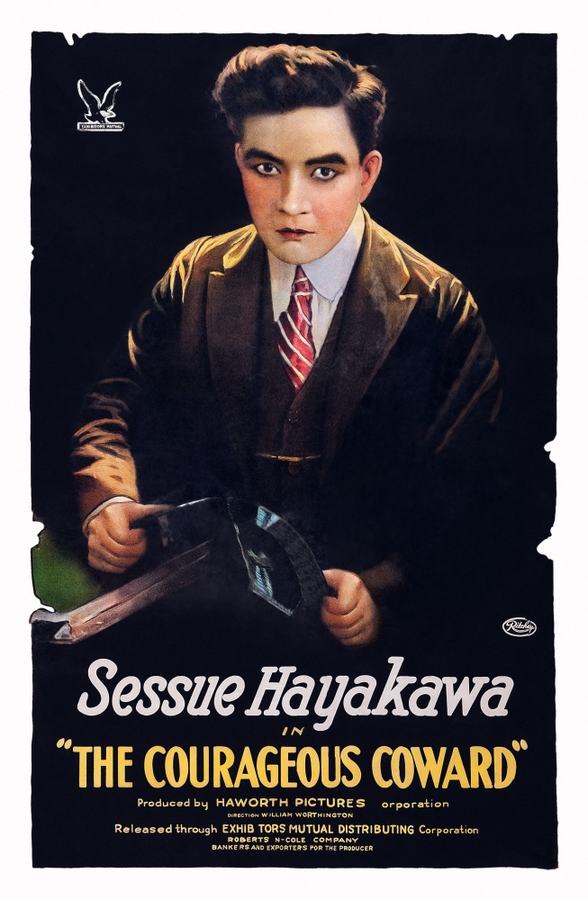
Dir: William Worthington
Japanese-American law student Suki Iota falls in love with his guardian's niece Rei Oaki, who has just arrived from Japan to cultivate her singing voice. After Suki goes East to law school, Rei, thinking Suki wants an American girl, gets Tom Kirby, the son of the Chinatown boss, to teach her American ways of dress and behavior. On his return, Suki is displeased with Rei's change and believes her to be Tom's girl when he sees them celebrating the Chinese New Year. Suki is appointed assistant district attorney and, with the whole city watching because of anonymous death threats sent to him, he steadfastly prosecutes a murder case until Tom confesses to him. To protect Rei, Suki removes himself from the case. Labeled a coward and a traitor to justice, Suki remains silent until Tom publicly confesses. Now regarded as a hero, Suki defends Tom. Rei confesses she never loved Tom, and her romance with Suki begins anew.
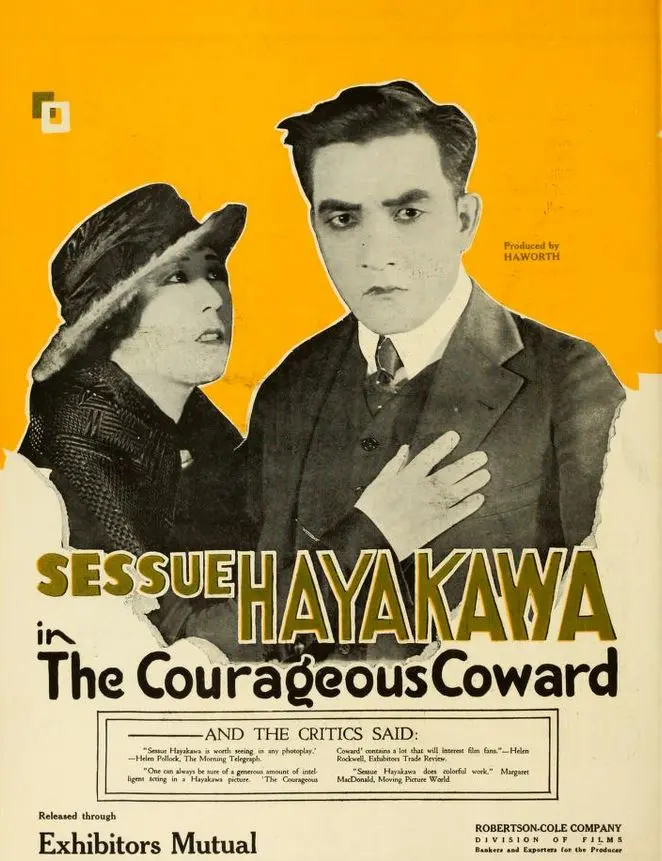
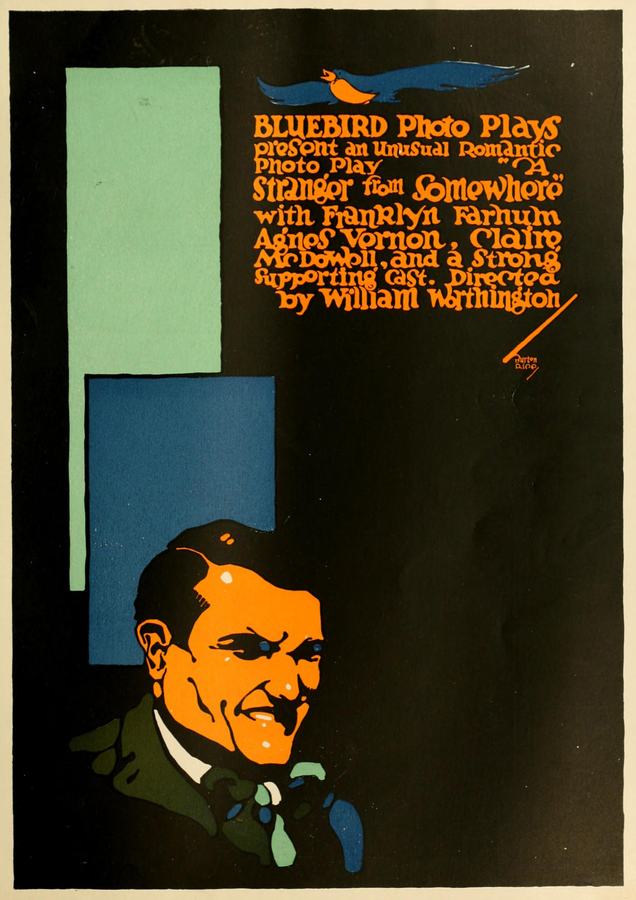
Dir: William Worthington
Howard Dana and his partner in adventures, Olga Veloski, discover that Sam Brockton, millionaire from the west, has arrived in town and they arrange to fleece him. They plan an old confidence game and locate the scene in one of the residences of wealth, knowing that the occupants of "Millionaire's Row" are spending the summer at various resorts. Agnes Darling and her father come to town for a day or two from their summer home in the mountains. Mr. Darling's automobile breaks down and as Brockton passes, he offers his services to help make repairs. In this way he discovers that Agnes is a charming girl and falls in love. The incident has been observed by Olga and her accomplice and when the repaired automobile drives away, Olga attracts Brockton's attention. She tells him that if he will come to her home the next day she will introduce him to Agnes, who is supposed to call at Olga's residence. Olga and her accomplice manage to avoid the caretaker in the house they have selected for their work. At the appointed time Brockton arrives and through an old confidence game he is robbed. The scene of the robbery happens to be the town residence of the Darlings. Just as the trick is being turned, Mr. Darling and Agnes arrive at their home. Upon entering the house, the Darlings are amazed to find that the house has been entered. They come upon Brockton, who is so frank and interesting in his explanation that he ingratiates himself with Agnes and her father, and they invite him to their country home. The two sharpers escape and join another member of the confidence gang, a crook known as "Dippy" Lewis. When Olga observes a striking resemblance between "Dippy" and Brockton, she decides to use the crook to an advantage. Olga overheard the invitation Brockton had received from the Darlings and dresses "Dippy" to resemble him. She sends him to the mountains and he is received by the Darlings. "Dippy's" criminal instincts lead him to commit several robberies among the hotel guests, and when Brockton arrives he finds himself under suspicion. He is puzzled at Miss Darling's conduct toward him. Olga has directed members of her gang to chloroform Brockton and dispose of him in a cellar, that he may not by any mischance reach the mountains before "Dippy" Lewis arrives there. The striking resemblance between the two mislead the toughs and they chloroform "Dippy" and confine him in a cellar. Agnes is perplexed at the strange transition in Brockton's manner, for he really is of a gentlemanly type in strong contrast to "Dippy," whom the girl had previously mistaken for him. The Darling family decide to return to the city and invite Brockton to call upon them there. Olga hears of this and plans to have "Dippy" again impersonate Brockton. When Olga attempts to locate "Dippy," she discovers that he is a prisoner. Before she can have him released, Brockton makes his visit to the Darlings, a fact of which Olga is not aware. Thus it is that she goes on with her plans, sends "Dippy" to call at the Darling home and there the two men meet and settle matters.
View Details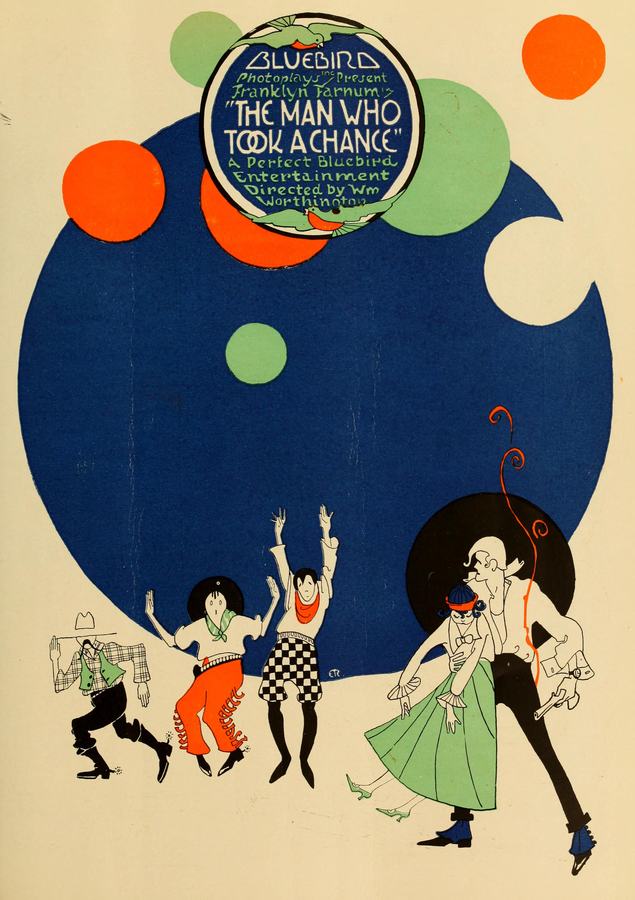
Dir: William Worthington
Monty Gray returns to the US after spending 10 years building railroads in China. As he enters a hotel he runs into an old friend from college whom he hasn't seen in years, and they begin catching up on old times. Monty notices a picture of a young woman that his friend is carrying and, bowled over by her beauty, he instantly falls for her. However, his friend tells him that he doesn't have a chance in a million of meeting the girl, who happens to be his cousin, because her mother rules the girl's life with an iron fist and is determined that she will marry royalty and not some untitled commoner. Monty is determined to have the girl, and devises a plan to win her.
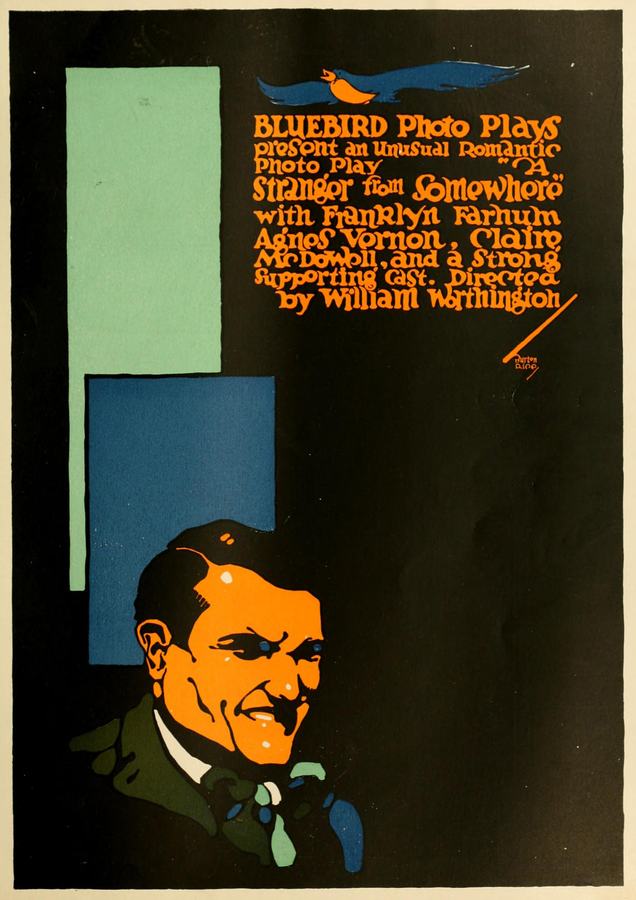
Dir: William Worthington
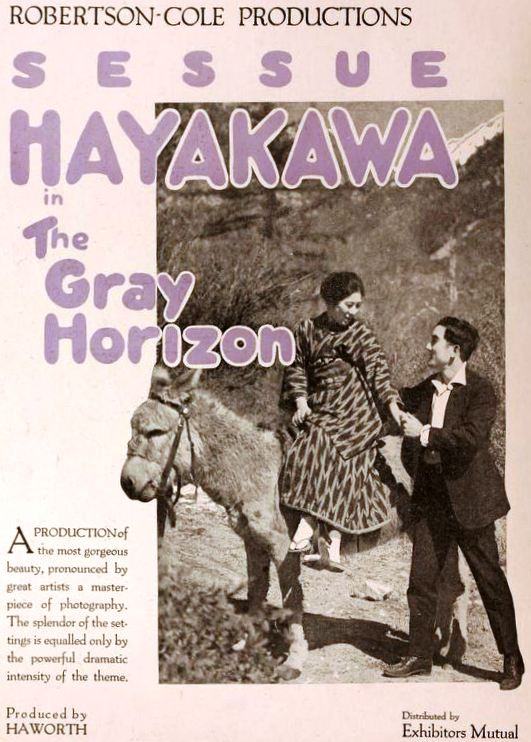
Yano Masata, a struggling Japanese artist living in a mountainous area in America, refuses to tint counterfeit bonds for wealthy John Furthman. Yano's sister, O Haru San, comes from Japan to look for her husband who deserted her, and finds Yano with aid from a woman in the Japanese mission. When she recognizes Furthman as her husband, Furthman and Yano fight until Furthman's gun goes off, killing O Haru San, and Yano throws Furthman off a cliff. Later, Yano thanks the woman in the mission, they develop a friendship, and he agrees to paint her husband's portrait from a photograph. The husband is Furthman and his wife thinks that his fall was an accident. After Yano paints the portrait, he destroys it in a moment of wrath and confesses the killing to Mrs. Furthman's financial adviser. Later, Yano burns the evidence of Furthman's crimes so that Mrs. Furthman and her son will remain unaware of Furthman's treachery and not be disgraced. The police then arrest Yano.
View Details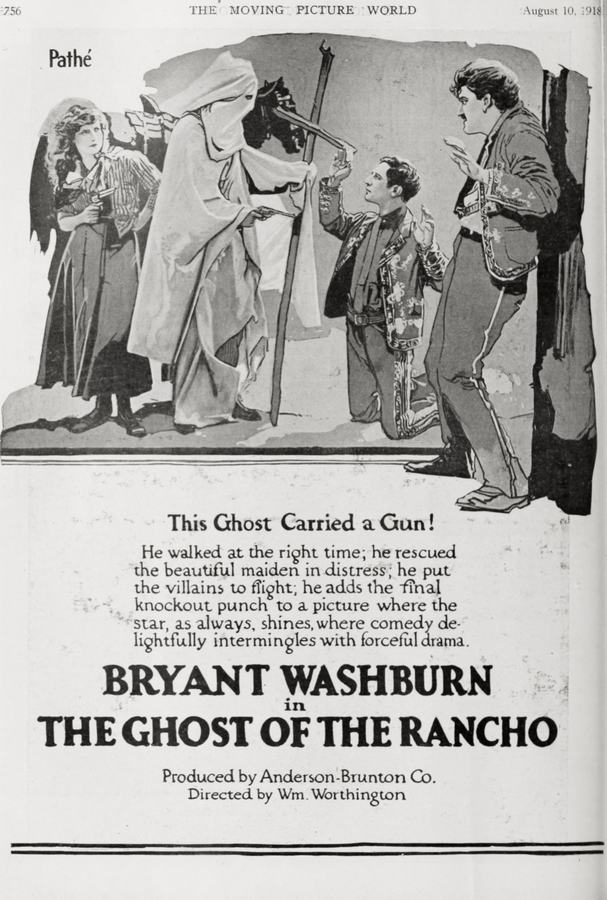
Dir: William Worthington
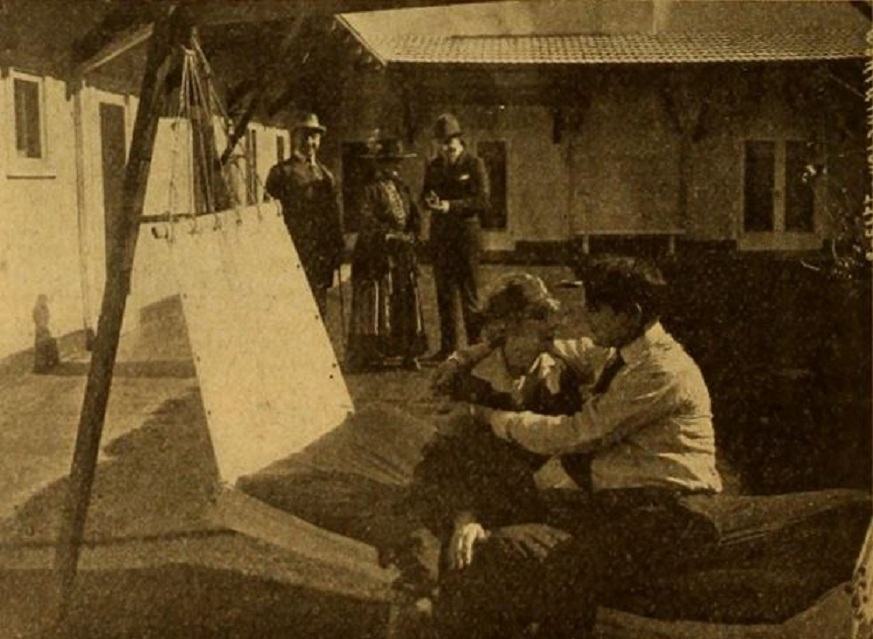
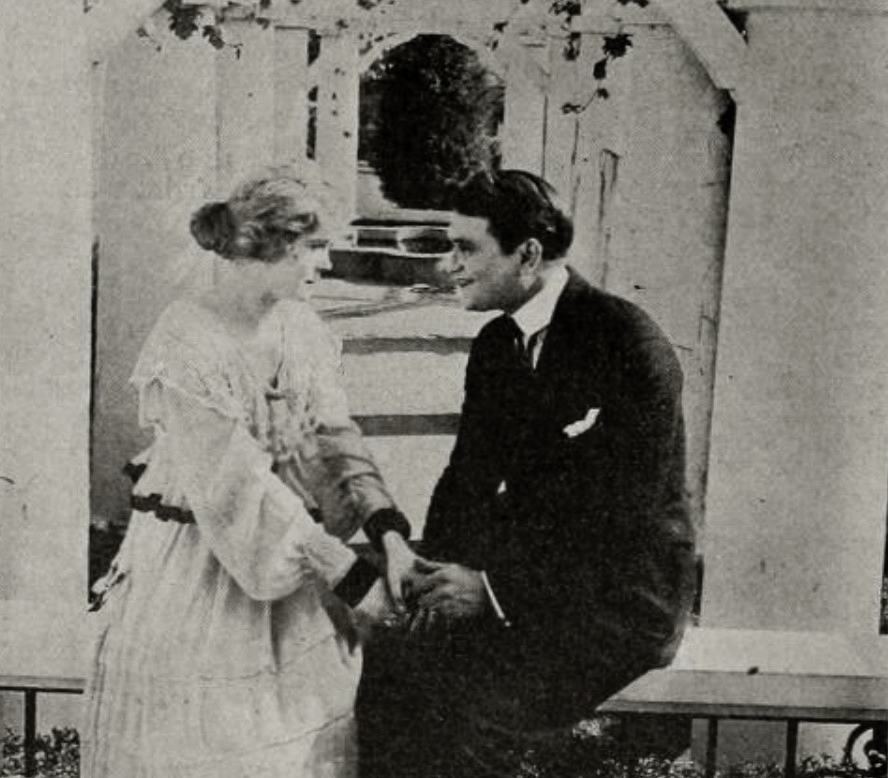
Jeffrey Wall, the dissipated grandson of a wealthy man, requests that a farewell party be given in his honor before he is disinherited. During the wild banquet, a Mexican dancer assaults Mary Drew and then shoots a man, but suspicion is cast on Jeffrey. At the death of her father, Mary is called home to her little village on the Mexican border but is followed by the lecherous dancer, who soon becomes the head of a gang of bandits. Jeffrey traces him and learns that the outlaws have taken control of a small rancho, shot its owner and kidnapped Mary. Jeffrey visits the rancho disguised as a ghost, and as the outlaws are fleeing in terror, the sheriff and his men arrive and arrest them all. Wall, Sr., pleased with the improvements in his son's character, comes West to bless the marriage of Jeffrey and Mary.
Dir: William Worthington
A fascinating piece of cinema that shares thematic elements.
View Details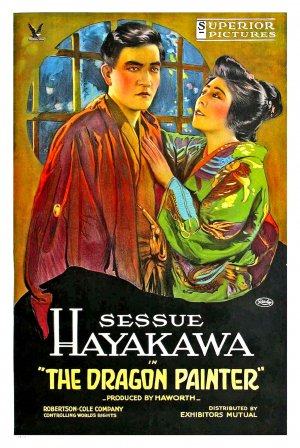
Dir: William Worthington
A wild man and genius becomes a master painter's disciple, but loses his divine gift when he finds love.
Dir: William Worthington
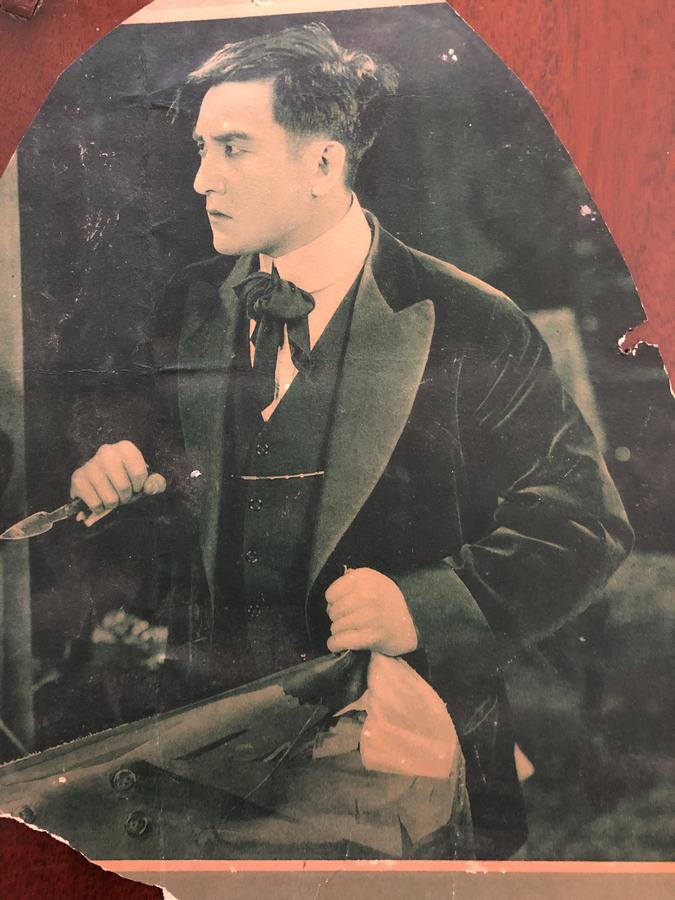
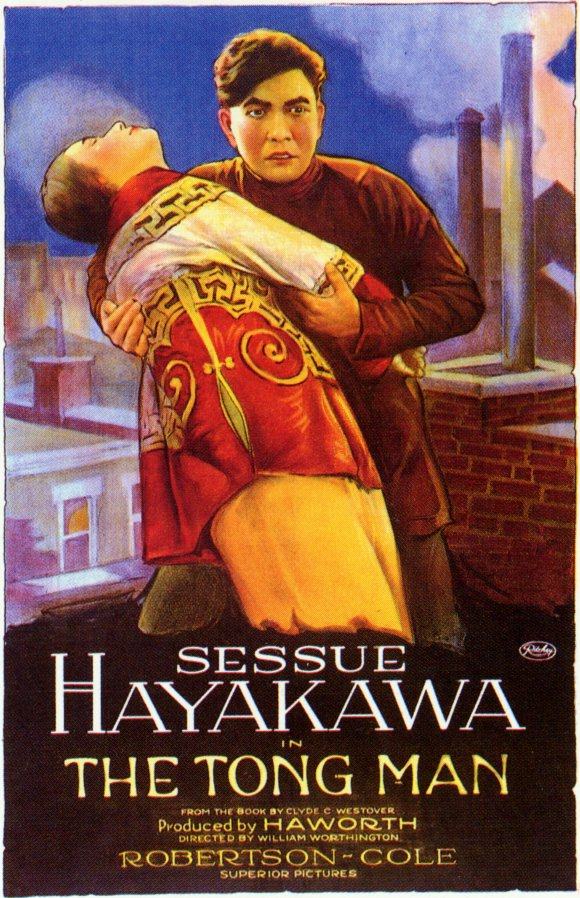
An opium smuggler is marked for murder in this story of the Chinese Mafia.
View Details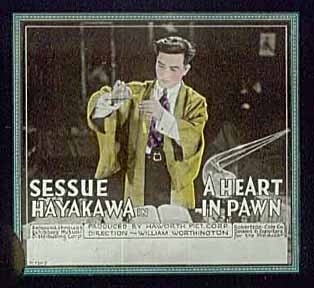
Dir: William Worthington
Toyama's wife Sada secretly earns money as a Geisha girl to finance his studies in America, but she says that the money comes from her deceased grandfather. In America, Toyama becomes an assistant to Dr. Stone, studying cures for inherited vices. When Toyama learns that Sada has been sentenced to death for murdering a prominent banker who attacked her, Toyama disappears and gives in to his hereditary tendency to drink until Dr. Stone cures him. Unknown to Toyama, Sada's sentence is commuted to life imprisonment when she gives birth to their daughter. Meanwhile, Toyama marries Stone's half-Japanese daughter Emily to fulfill Stone's dying request. In Japan, after Toyama lectures women prisoners and recognizes Sada, he discovers that the child he and Emily adopted is really his own daughter. When Sada escapes and finds Toyama, he decides to commit harakiri, but as the prison guards approach, Sada drowns herself to save him.
View DetailsAnalysis relative to The Girl on the Stairs
| Film Title | Atmosphere | Complexity | Similarity |
|---|---|---|---|
| The Devil's Pay Day | Surreal | Linear | 87% Match |
| The Courageous Coward | Gothic | Dense | 90% Match |
| A Stranger from Somewhere | Gothic | High | 87% Match |
| The Man Who Took a Chance | Gritty | Layered | 88% Match |
| The Gray Horizon | Gothic | Abstract | 85% Match |
This guide was algorithmically generated using the cinematic metadata of William Worthington's archive. Last updated: 6/23/2026.
Back to The Girl on the Stairs Details →