
DbcultAccessing Vault...
Recommendations
Senior Film Conservator
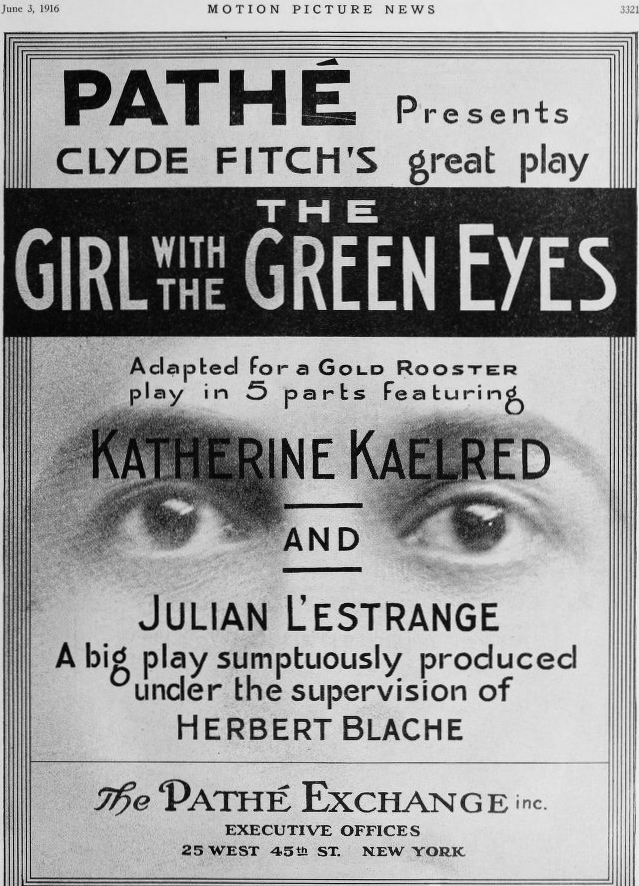
Navigating the complex narrative architecture of The Girl with the Green Eyes is a cinematic excellence experience, the legacy of The Girl with the Green Eyes is a beacon for those seeking the unconventional. Unlock a new level of cinematic understanding with these cult alternatives.
The artistic audacity of The Girl with the Green Eyes ensures it to sustain a sense of mystery that persists after the credits roll.
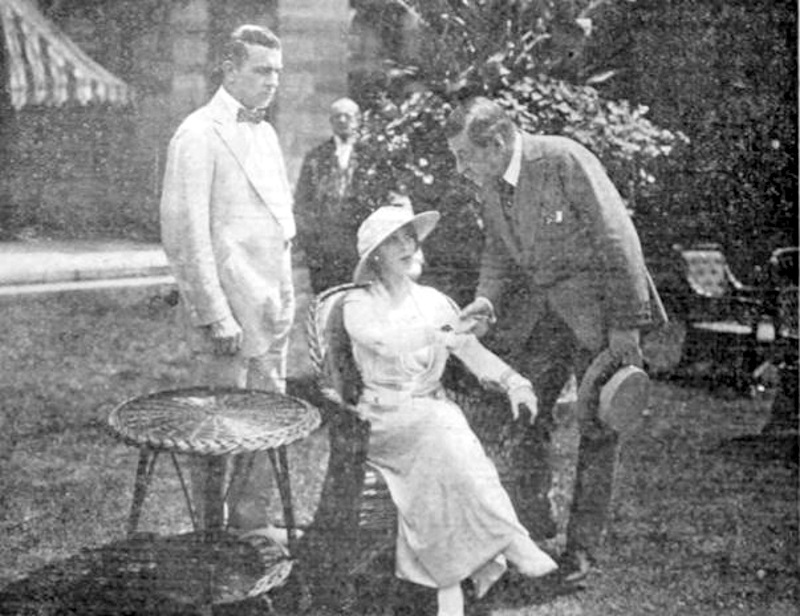
Strolling through the park one evening, Travers comes upon a woman about to throw herself in the lake. It is his sister. She tells him she was betrayed by a man who is her son's father, and she is about to end it all because she is no longer able to endure her destitution. Travers soothes her and promises to take care of her and her son. He furnishes an apartment for them and makes frequent calls there. On one of them he is seen and recognized by Mansfield, a clubman of his, who is infatuated with Mrs. Travers and uses this suspicious, though unconfirmed, incident to try to persuade her to give him her love. Mrs. Travers, made credulous by her insane jealousy of her husband, slightly encourages Mansfield, who, with the bravado of his sort, boasts at the club of his affair with her. Travers hears of this and is uncontrollable. He sends for his sister to come to his dressing room in the theatre, and Mansfield, hearing of it, brings Mrs. Travers to surprise him. Here is the big scene of the play wherein Travers demands of Mansfield an explanation of his conduct, and Travers' sister recognizes Mansfield as the man who deserted her. Travers attempts to kill Mansfield, who is saved by the police. Then Mrs. Travers, learning the identity of "the other woman," and ridden by remorse for the jealousy that has made her doubt her husband and lose his love, attempts to poison herself. She is saved, however, and reunited to her husband by a love whose constant light outshines the occasional flashes from her "green eyes."
Critics widely regard The Girl with the Green Eyes as a cult-favorite piece of cult cinema. Its cinematic excellence is frequently cited as its strongest asset, solidifying its place in United States's film legacy.
Based on the unique cinematic excellence of The Girl with the Green Eyes, our vault has identified these titles as the most compelling follow-up experiences for fans of cult cinema:
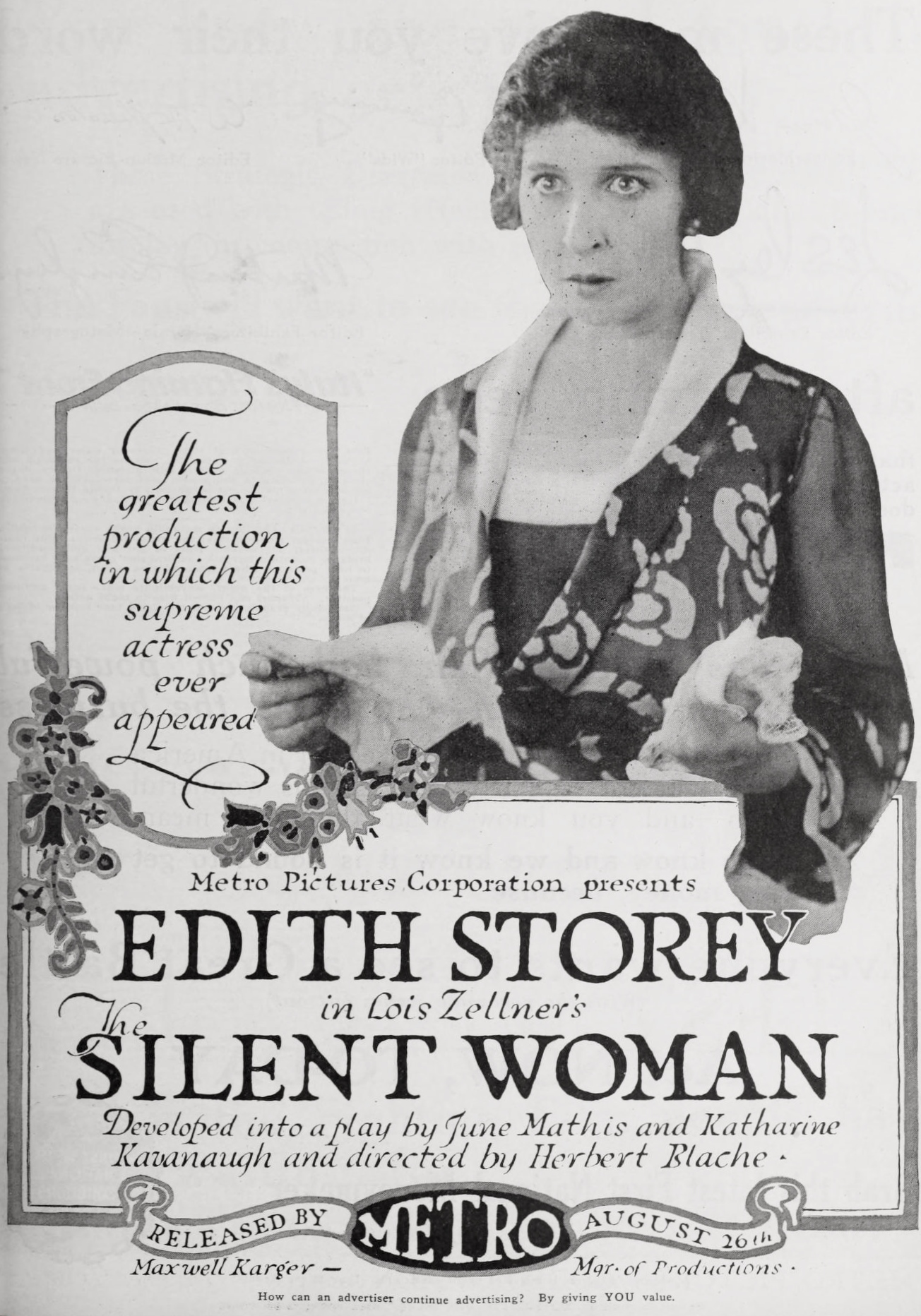
Dir: Herbert Blaché
When John Lowery, his wife Mary and their small son Billy journey to a Northern lumber camp to visit its owner, Clifford Beresford, Mary becomes infatuated with the lumberman and neglects her little boy. A Hudson Bay Company clerk named Nan McDonald, known as the "angel of the lumberjacks," forms such a strong attachment to the child that although he becomes seriously ill, Billy refuses to take his medicine unless Nan dispenses it. Watching over him late one night, Nan sees Mary steal from her room to keep a midnight appointment with Clifford, but when Mary falls down the stairs to her death, Nan maintains her silence for John's sake. Heartbroken, John asks Nan to return with him to the East as Billy's governess, but local gossips misinterpret her presence in John's house and he marries her. Informed that John still loves only his dead wife, the unhappy Nan allows Clifford to flirt with her, whereupon John learns the truth about Mary and opens his heart to the woman who really loves him.
View Details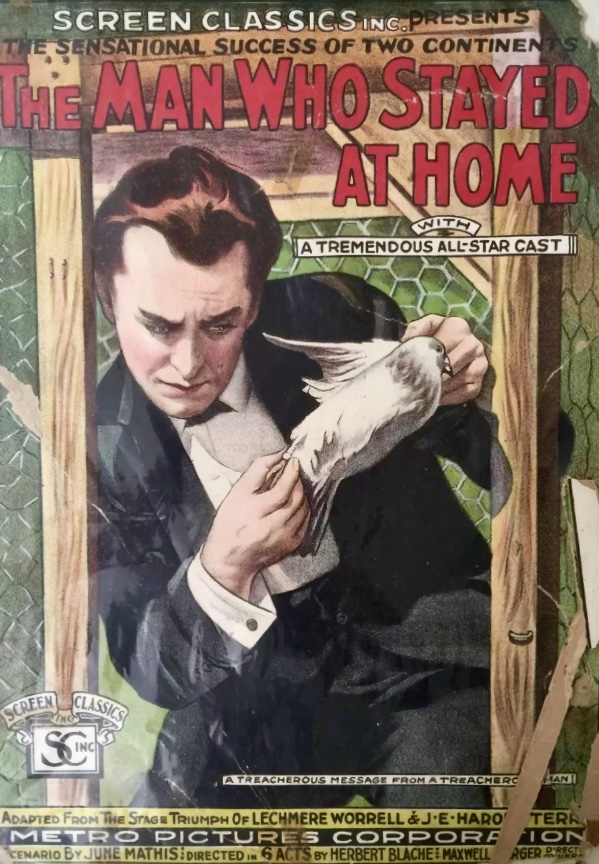
Dir: Herbert Blaché
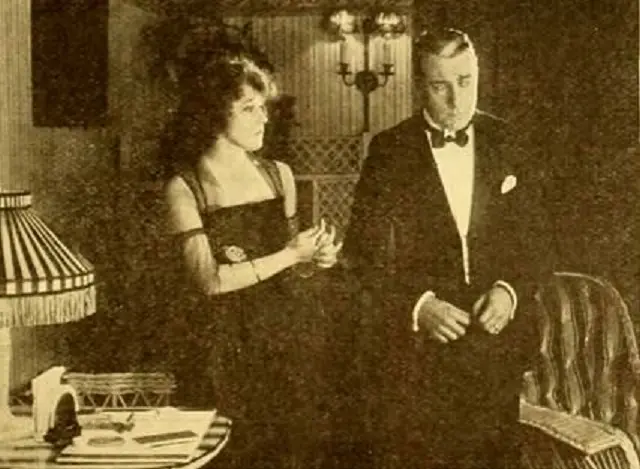
In a Virginia resort town in August 1918, Christopher Brent is viewed as a slacker because he refuses to enlist. Secretly, Christopher is observing German spies who are passing information about coastal fortifications for invasion preparations. Seeing Christopher consort with Mrs. Miriam Lee, also from the secret service, his fiancee Molly Preston, who had been bothered by the talk about him, becomes jealous. When Molly's brother Norman discovers a German code book in Mrs. Lee's possession, Christopher, who obtained the book when he destroyed the wireless of the chief spy, Carl Sanderson, who also loves Molly, is suspected of aiding the Germans. After Christopher saves a hotel when the spies ignite a bomb to signal a U-boat, captures a list of enemy spies, kills several spies, and with the help of a U.S. destroyer, sinks the U-boat, he is honored by the town. Molly then asks to be forgiven.
View Details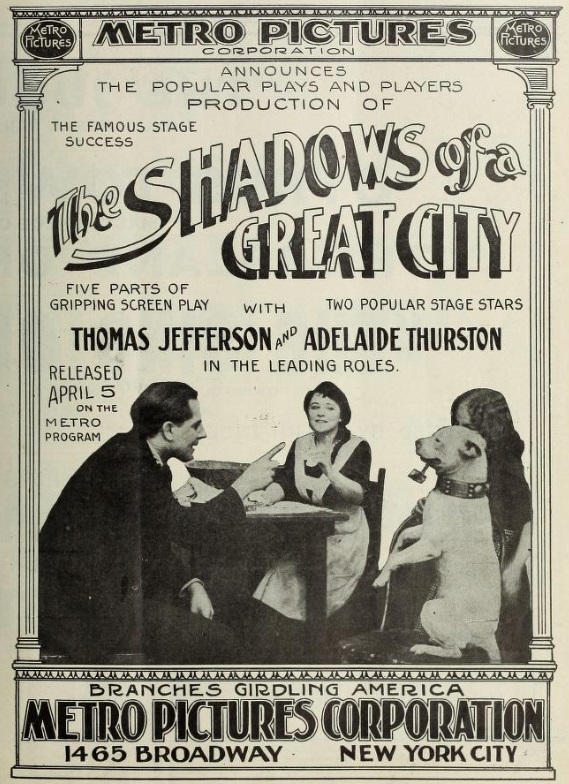
Dir: Herbert Blaché
A young profligate son of a wealthy merchant falls in love with the daughter of an inventor, who has devoted the best years of his life to perfecting the machinery of his employer's plants. After an accident has caused the death of the inventor, the merchant, none too scrupulous, lays claim to an unpatented invention. Not aware of his father's acts, the merchant's son is courting the inventor's daughter, but parental opposition is interposed. Offering his son a half interest in his business if he will renounce his love for the girl, the father is dumbfounded when his son refuses and decides he wants the girl more than the money. Ordered from home, the son secures a job as stevedore on the docks. The foreman takes a dislike to the boy and tries to browbeat him. After a quarrel, the boy accidentally pushes the foreman into the river, runs away and tells his sweetheart that he has committed murder. Detectives pursuing him, arrest and bring him to headquarters, where he is sentenced to Blackwell's Island. During his sojourn on Blackwell's Island, he learns that the man he is supposed to have murdered is alive, and, enraged at the injustice of his sentence, he breaks jail. In the meantime his young sweetheart has also discovered his innocence through a friendly attaché of the Governor's office, and with his assistance dashes to Albany, where the Governor is persuaded to issue a pardon for her young hero. The next and last scene discloses the happy couple in their own little home.
View Details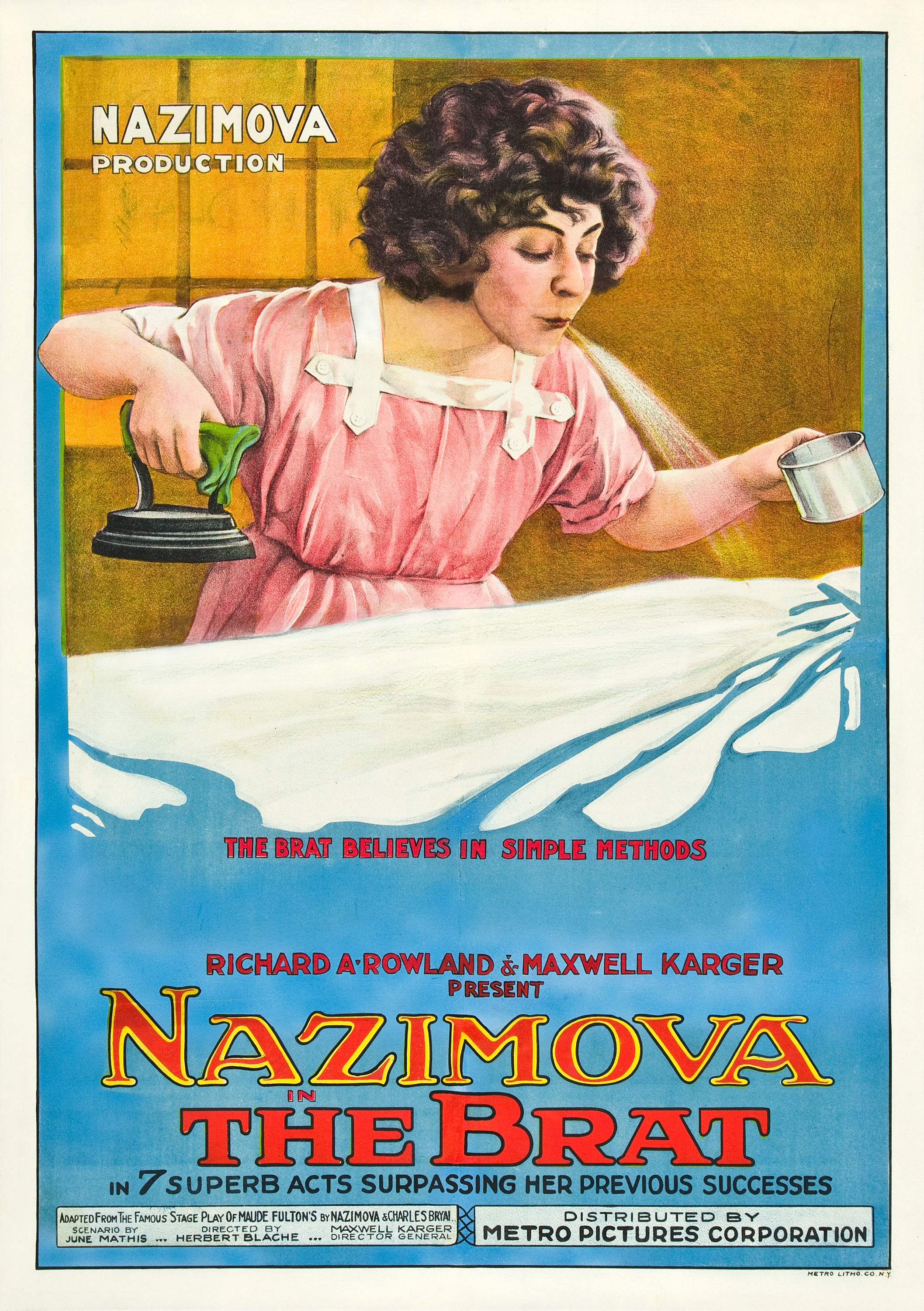
Dir: Herbert Blaché
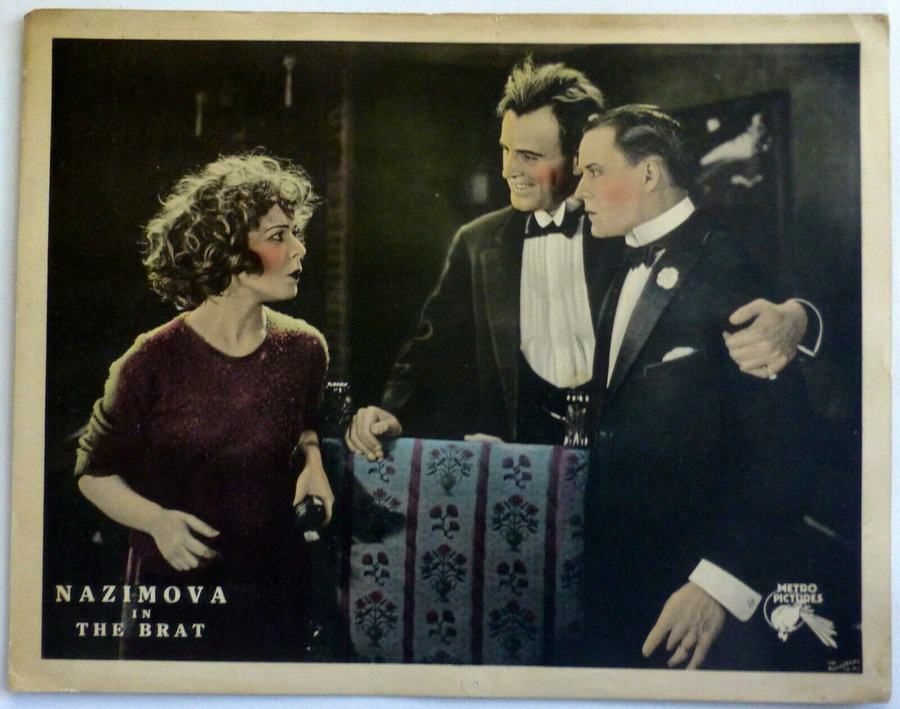
An unkempt chorus girl is arrested on a minor charge. In court, she is spotted by a novelist who is looking for someone of her type on whom to model a character in a book he is writing. He takes her into his home where she is looked down upon by his snobbish family. But the girl brings something to the family unlike anything they have known before.
View Details
Dir: Herbert Blaché
An old woman in Frederick, Maryland during the U.S. Civil War displays her American flag in defiance of the armies of Confederate general Thomas J. Jackson. Based on the folk tale that grew from the poem by John Greenleaf Whittier.
View Details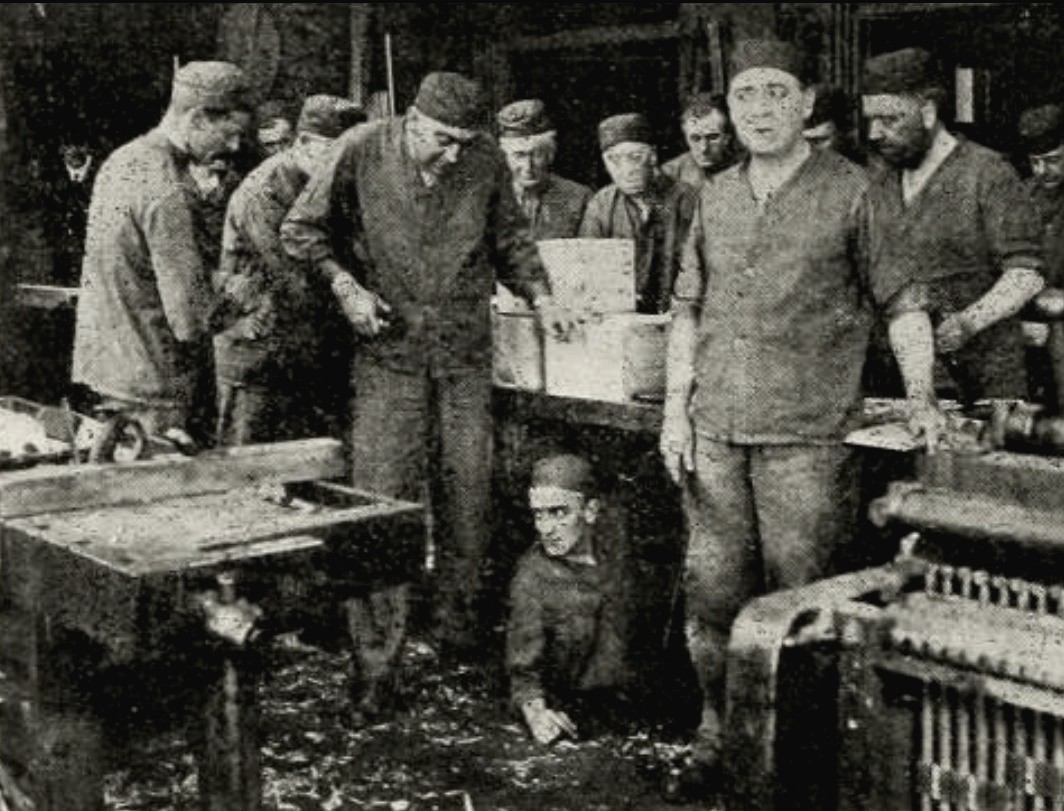
Dir: Herbert Blaché
A fascinating piece of cinema that shares thematic elements.
View Details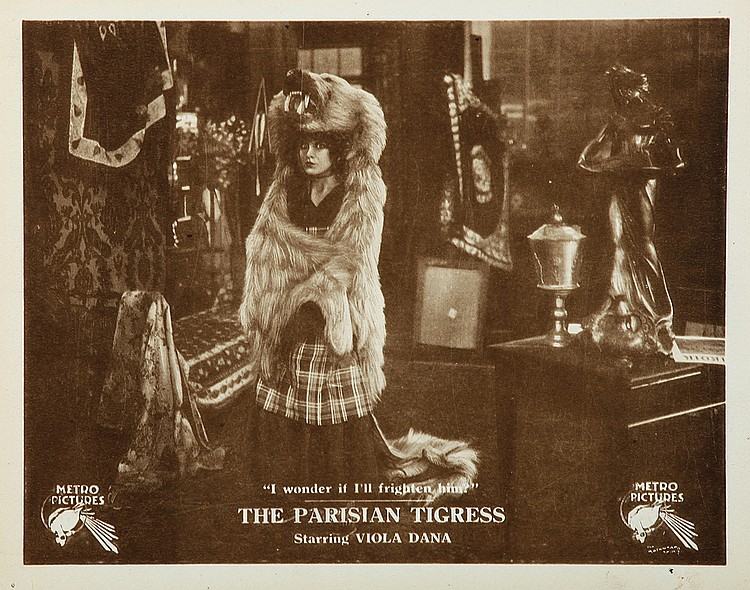
Dir: Herbert Blaché
The invalid Count de Suchet, nearing death, tells his friend, artist Henri Dutray, about the tragic events of his early life. He secretly married a dancer, and after she gave birth to a daughter, his father convinced her that she was ruining her husband's life. She gave the baby to an old couple, and then killed herself. The grieving count now worries about his daughter. Meanwhile, Jeanne, an Apache dancer in Montmartre, refuses to be sold by her brother Jacques to an old rogue. After she escapes and hides in Henri's studio, Henri, because he needs money, plots with Jacques to make the count believe that Jeanne is his daughter. Although Jeanne rebels at first, she moves in with the count and grows to love him. After the count dies happily, Jacques robs the count's safe and finds a photograph of Jeanne's mother. The butler shoots him, but before he dies, he reveals that Jeanne really is the count's daughter. Jeanne then marries a boy from the adjoining estate.
View Details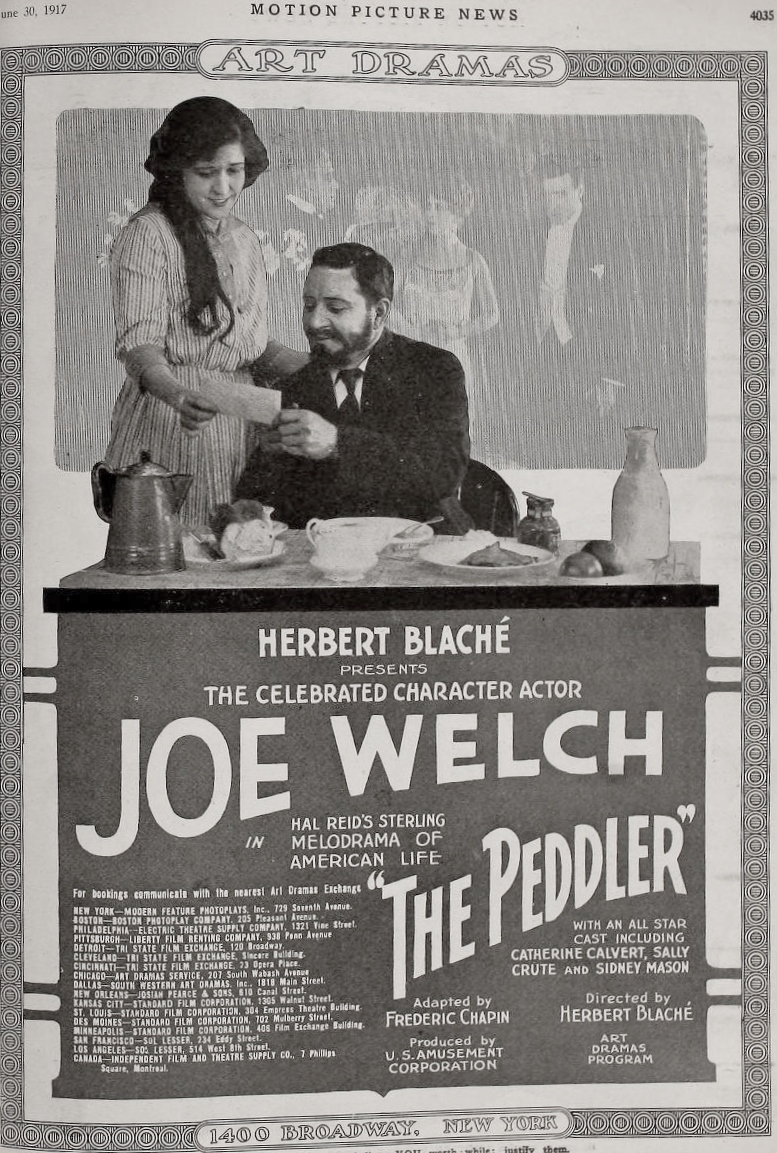
Dir: Herbert Blaché
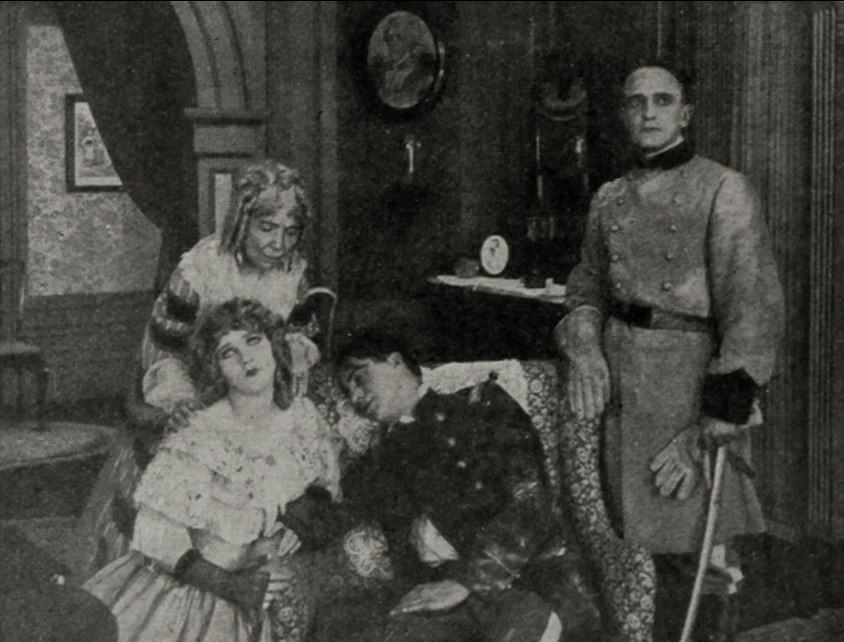
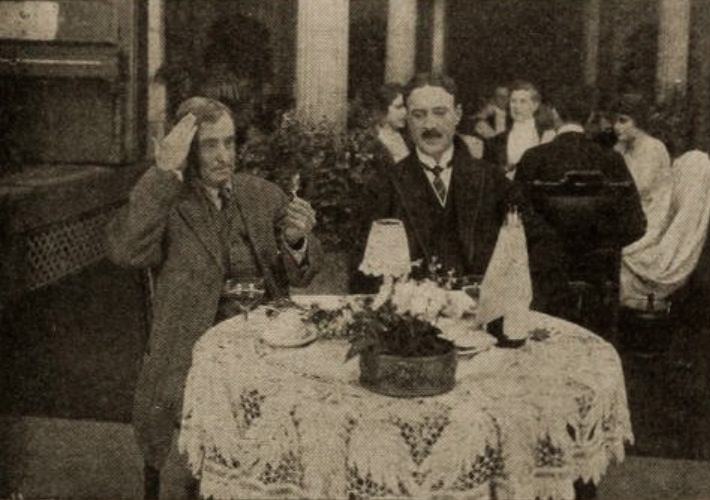
Abraham Jacobs, an itinerant Jewish country peddler, saves his pennies until he can afford to open a small second-hand clothing store. Unfortunately, Abraham's son Sonny has not inherited his father's decent, hard working instincts, and when his mistress, Mrs. Morgan, is in need of money, Sammy robs Abraham's safe and then disappears. Time passes, and oil is discovered on a tract of land left to Abraham by his late wife. Although he can now afford to live in comfort with his adopted daughter Mary, Abraham still strongly feels the loss of his son. His life is finally made complete when Sammy returns repentant to marry Abraham's housekeeper Sarah, and the old peddler, his struggles now over, is able to spend the rest of his days surrounded by his family.
View Details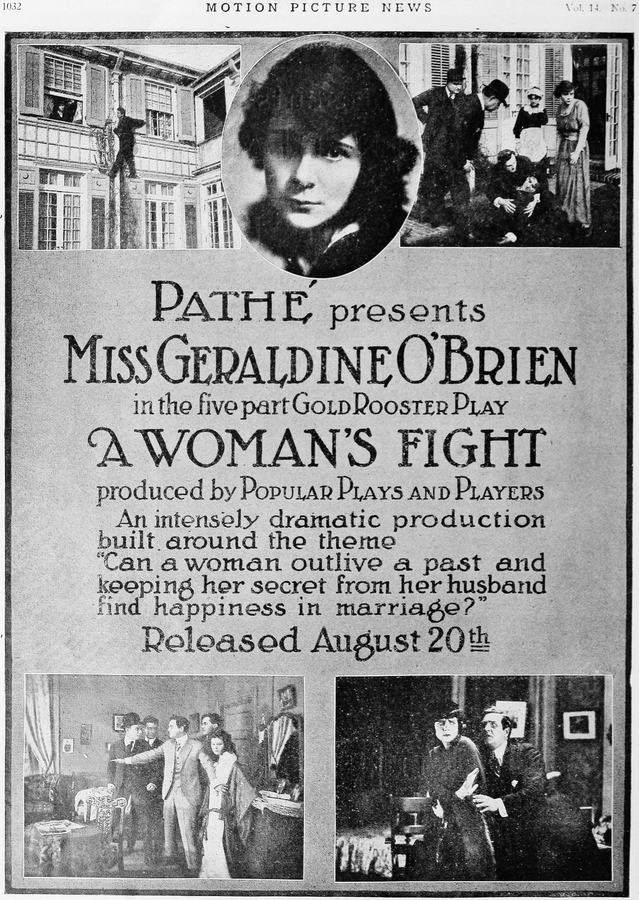
Dir: Herbert Blaché
A fascinating piece of cinema that shares thematic elements.
View Details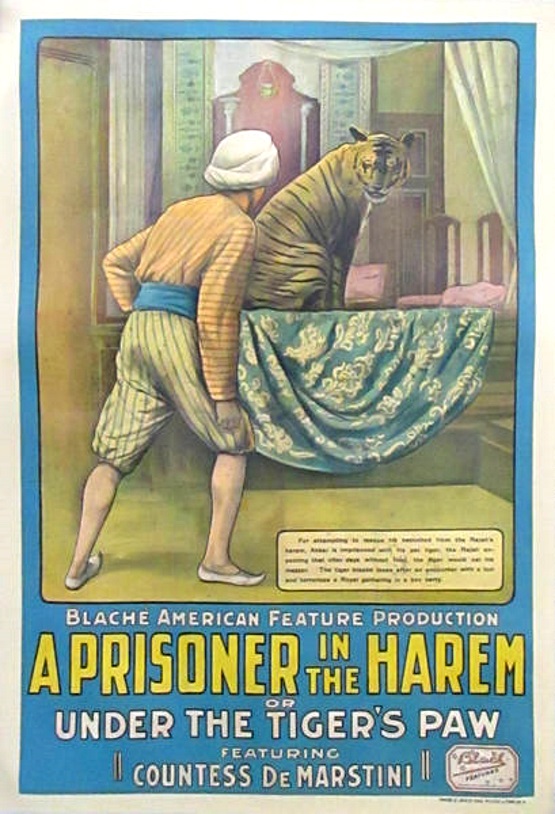
Dir: Herbert Blaché
A woman sold as a bride to the local Rajah is saved by her lover and his loyal tiger.
View DetailsAnalysis relative to The Girl with the Green Eyes
| Film Title | Atmosphere | Complexity | Similarity |
|---|---|---|---|
| The Silent Woman | Tense | Abstract | 90% Match |
| The Man Who Stayed at Home | Ethereal | Abstract | 92% Match |
| The Shadows of a Great City | Ethereal | Linear | 97% Match |
| The Brat | Gritty | Abstract | 95% Match |
| Barbara Frietchie | Ethereal | Abstract | 97% Match |
This guide was algorithmically generated using the cinematic metadata of Herbert Blaché's archive. Last updated: 6/23/2026.
Back to The Girl with the Green Eyes Details →