
DbcultAccessing Vault...
Recommendations
Senior Film Conservator
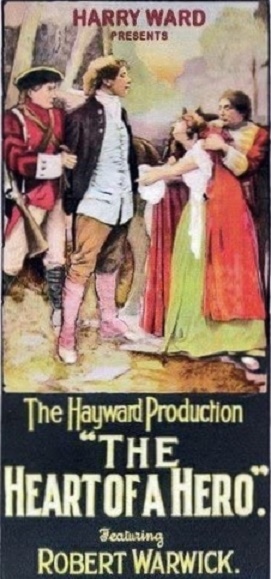
If the unique vision of Emile Chautard's work in The Heart of a Hero left an impression, the cinematic shorthand used by Emile Chautard is both ancient and revolutionary. We've prioritized films that capture the 1916 aesthetic with similar precision.
By merging unique vision with cult tropes, it to articulate the unspoken anxieties of United States's 1916 era.
The story of Nathan Hale, an American soldier and spy from his days as a teacher to his eventual capture and execution.
The Heart of a Hero was a significant production in United States, bringing a unique perspective to the global stage. It continues to be a top recommendation for anyone studying cult history.
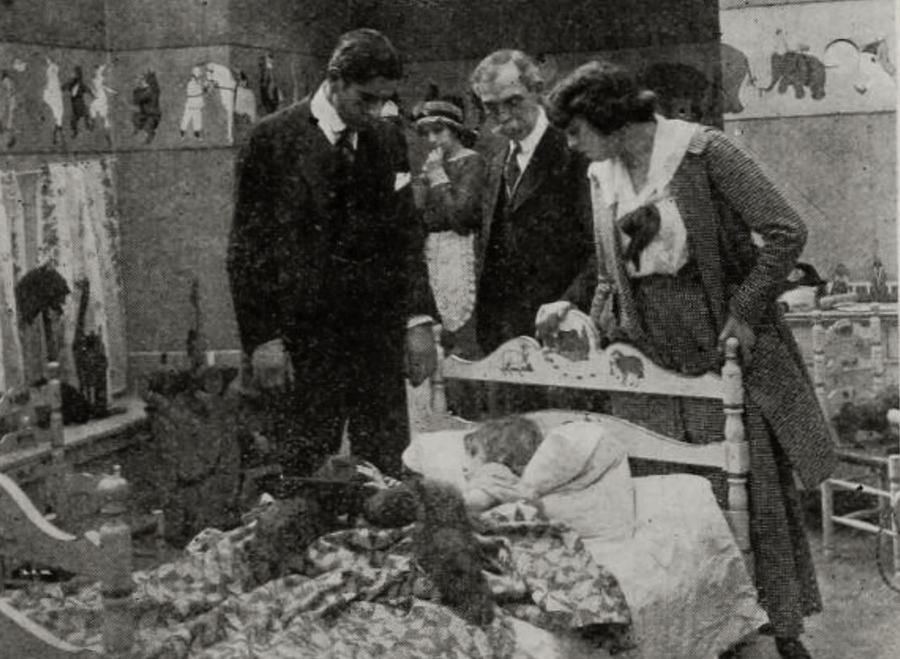
Based on the unique unique vision of The Heart of a Hero, our vault has identified these titles as the most compelling follow-up experiences for fans of cult cinema:
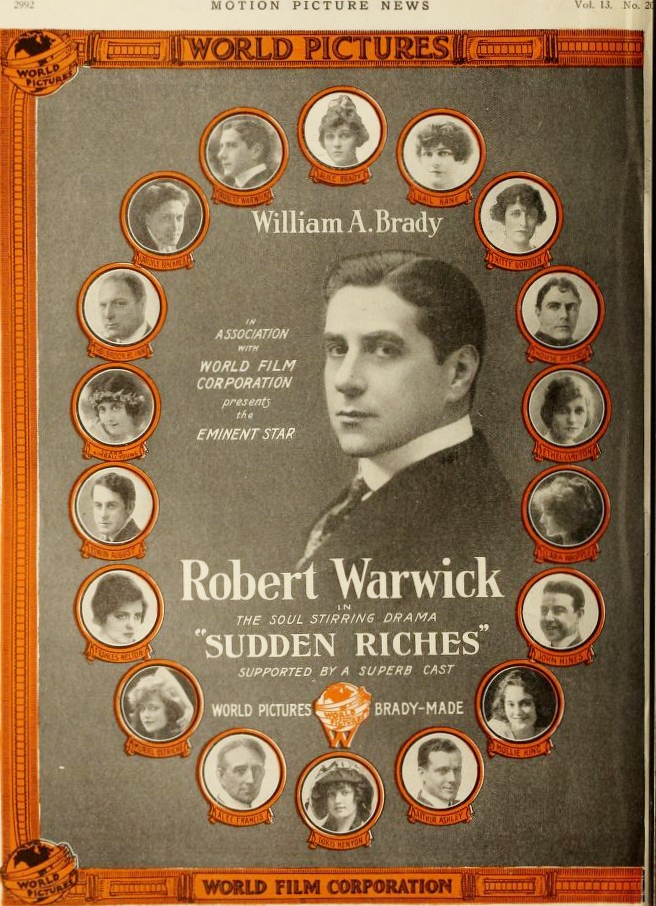
Dir: Emile Chautard
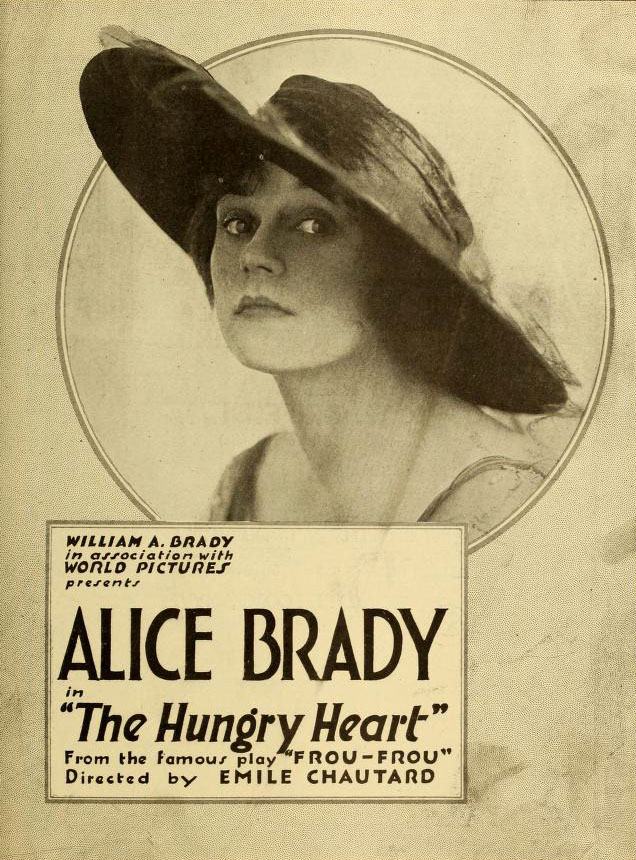
Although he is a successful architect, devoted family man Robert Crewe does not earn enough to cover the expenses of his wife Marion and daughter Emily. Unknown to him, his Uncle Abner wants to ruin him because Robert's father stole Abner's fiancée, who died in childbirth after their marriage. Abner hires a beautiful seductress to break up Robert's happy home, but she is unsuccessful. Abner, who dies prematurely, leaves Robert his fortune, hoping that it finally will lead to Robert's downfall. As Robert and Marion drift apart, Emily is left in the hands of an uncaring nurse and cries herself to sleep each night. Robert has an affair with a Broadway actress and Marion becomes romantically involved with a prominent sculptor. Robert squanders his inheritance and involves himself in highly speculative business investments until, threatened with Emily's death, he and Marion finally decide to change their lives and bring the family back together once again.
View Details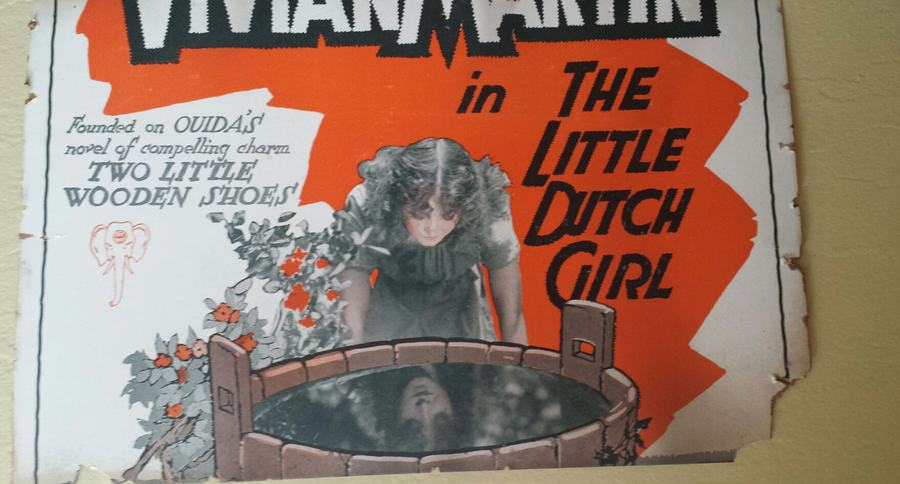
Dir: Emile Chautard
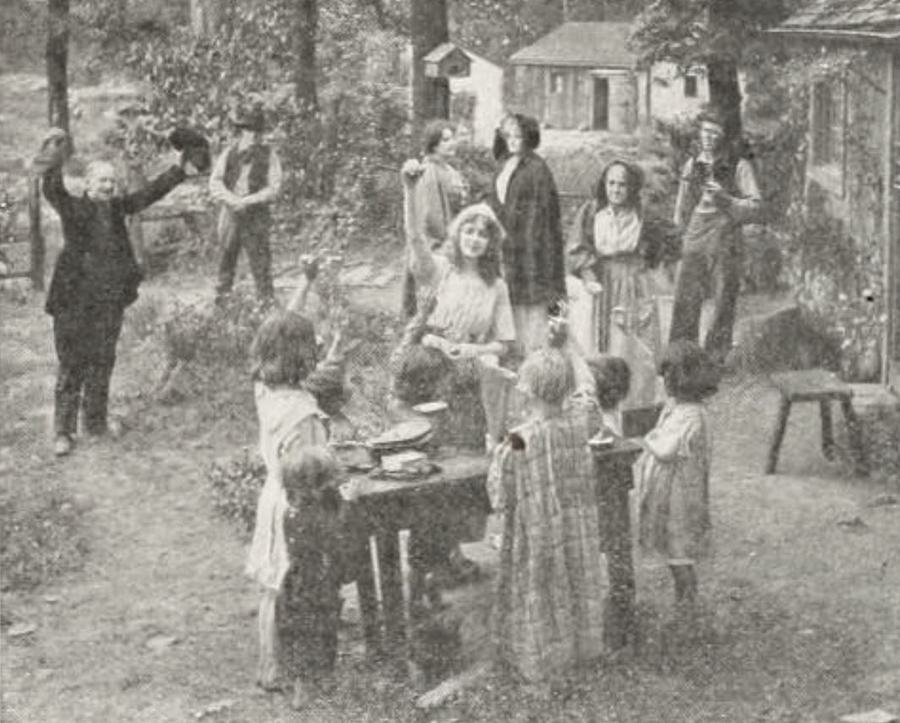
The old gardener, attracted by the ducks' antics, goes to the lake to find a basket with a baby in it. Six years later Little Dutch is sharing in the labors of her guardian, assisting him in the garden and trudging by his side to the city market. When she is 14, death takes her guardian. He leaves her a few coins, besides the house and garden, and she lives there alone. Famous painter Lionel, seeking a model for his "Marguerite," sees Little Dutch and persuades her to pose for him. Woodman Jean becomes jealous of the attentions of Lionel. On the day the good Padre sets aside for the villagers to make a pilgrimage to the Shrine, Lionel invites Little Dutch to share a day's outing with him. After a drive they visit a hotel. From a secluded arbor where they are eating she sees the villagers enjoying themselves. At eventide they return to her home, where he bids her goodnight. Her absolute innocence has conquered him. Lionel resolves to leave her in peace. He tells her he must go away. Poor Little Dutch becomes more and more quiet. One day Lise, who always delighted in torturing Little Dutch, tells her, "Your painter is poor, and ill in the great city." Little Dutch resolves to go to his assistance. She finds that with no money she cannot ride, so she resolves to walk the 200 miles. When Jean learns that Little Dutch has left for the great city, he hastens there, locates the painter's abode, and awaits the coming of Little Dutch. Finally she arrives, with holes worn through her wooden shoes, clothing bedraggled and worn, a really forlorn object. She rings the bell, the door noiselessly opens and she enters, astonished and awestruck, a large gallery filled with paintings and statues. She hears voices, follows the sound and finally locates the noise behind the curtains. She parts them and is dazzled when she sees Lionel lying on a couch, surrounded by a riotous crowd of men and very décolleté women. With a piercing scream Little Dutch turns and flees. Lionel tries to follow. Faithful Jean, although he has remained on watch outside, is not in time to prevent her from jumping into the river but he rescues her and takes her home. On her little bed she lies, surrounded by her neighbors whose sympathy is extended, alas. too late. One day she rouses herself and, placing two rosebuds in her wooden shoes, says "Send them to him," she says. One night she passes out through the open door, proceeds to the edge of the lake, and slips in among the lilies from whence she came.
View Details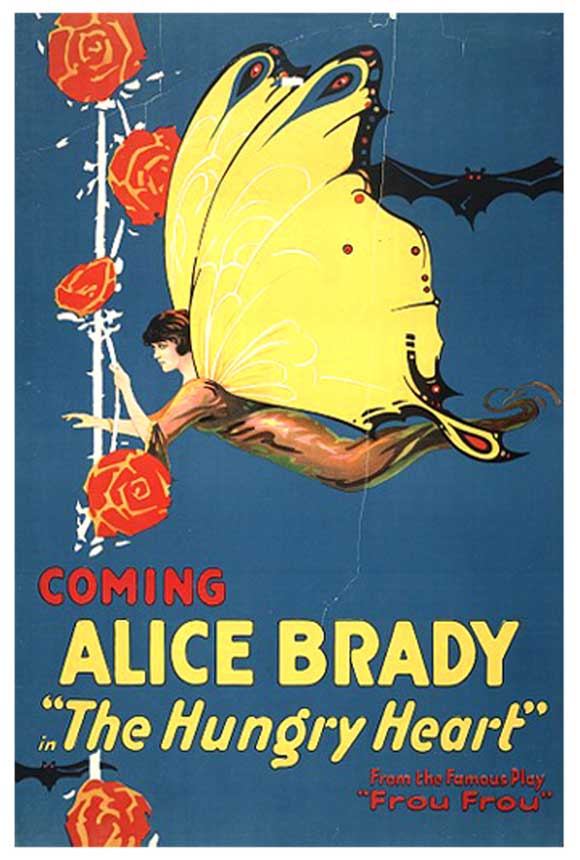
Dir: Emile Chautard
Vivacious little Gilberte, known as Frou Frou, is the daughter of M. Brigard, a retired merchant, who has as his companion in a life of gaiety, Comte Paul de Valreas, a much younger man. Both the Count and Henry de Sartorys are in love with Frou Frou, and when De Sartorys asks for the hand of Frou Frou, M. Brigard refers him to Louise, the elder daughter, who is in charge of the household. To Louise, who loves de Sartorys, comes the first anguish of her life, when he confides his love for Frou Frou. However, she confers with her little sister who agrees to marry De Sartorys. Paul also asks for Frou Frou's hand, but Brigard refuses, stating he is too jolly a companion to be trusted as a son-in-law. Five years pass, and although Frou Frou adores her son Georgie, the calm role of a homemaker does not suit her, and on one of Louise's visits she realizes her own place has been usurped, as both De Sartorys and Georgie go to her for advice. Paul still loves Frou Frou, but she fights against her growing attraction for him, and begs him to go away. Finding she is no longer necessary for the happiness of her husband and son, after a furious tirade against Louise, she leaves and joins Paul in Venice. Paul's mother receives her, and the next day, De Sartorys, who has followed, finds her, and despite her pleas, fights a duel with Paul, in which Paul is killed. Out of the loneliness and sorrow of the ensuing months her soul is chastened, and she returns to ask her husband one last favor, that she be allowed to die in the house she entered as a bride. Although Louise also pleads for her he at first refuses; but when Frou Frou, formerly so light-hearted and care-free, pleads on her knees, he can no longer deny her, and the two meet in a tearful embrace. Her life closes with a semblance of happiness, as she gives to Louise the two that are closest to her, her husband and son.
View Details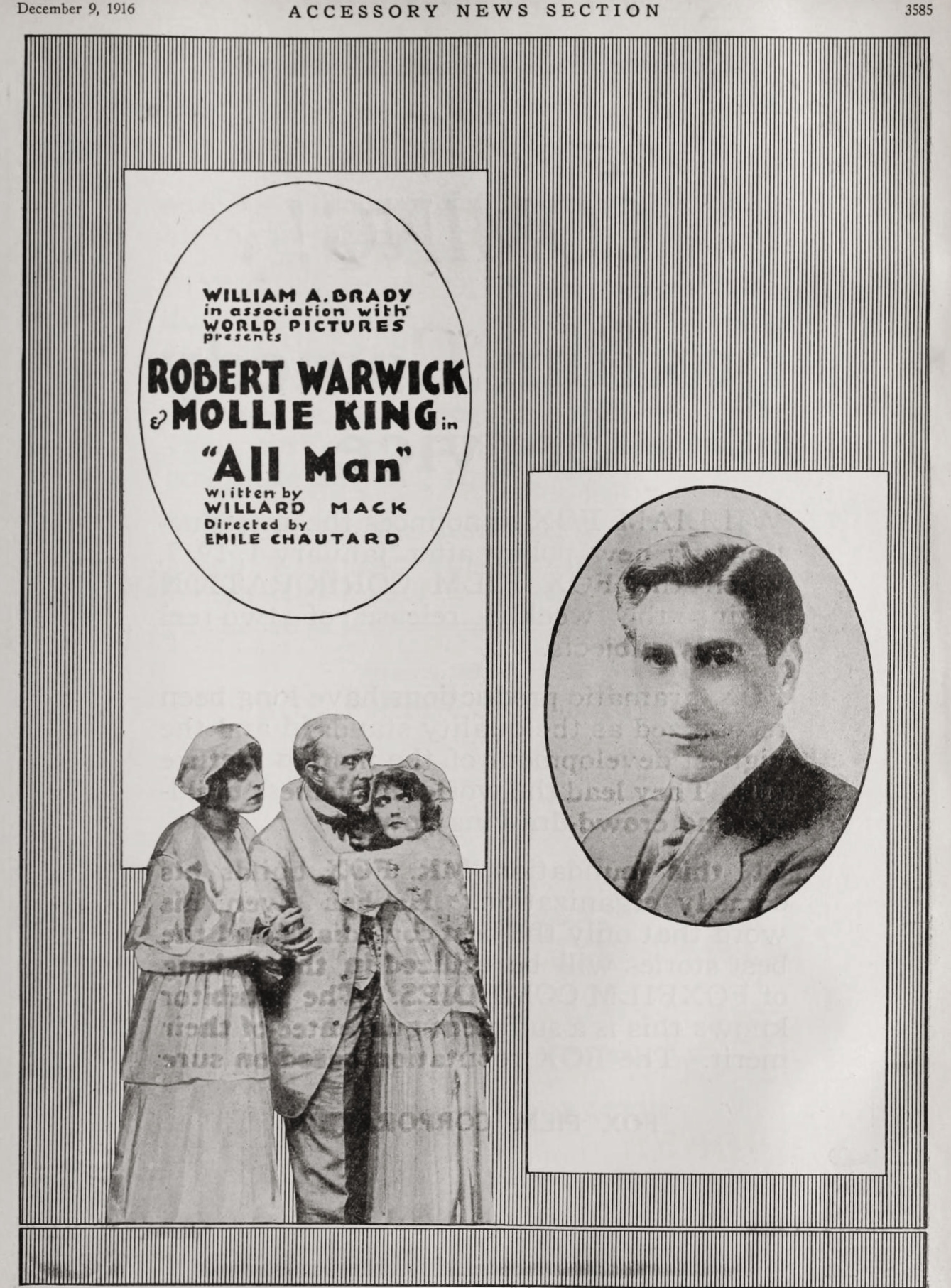
Dir: Emile Chautard
Jim Blake, the playboy son of a New York millionaire, heads west to prove himself a man. He goes to work on his father's ranch in Wyoming, and eventually wins over the locals by turning the tables on a town bully and trying to collect damages from a railroad magnate, whose trains have killed many of the Blake ranch's cattle. When the railroad refuses to pay, Jim comes up with a plan that will make them pay far more than they originally had to. Problems arise when he falls in love with Alice, the railroad magnate's daughter.
View Details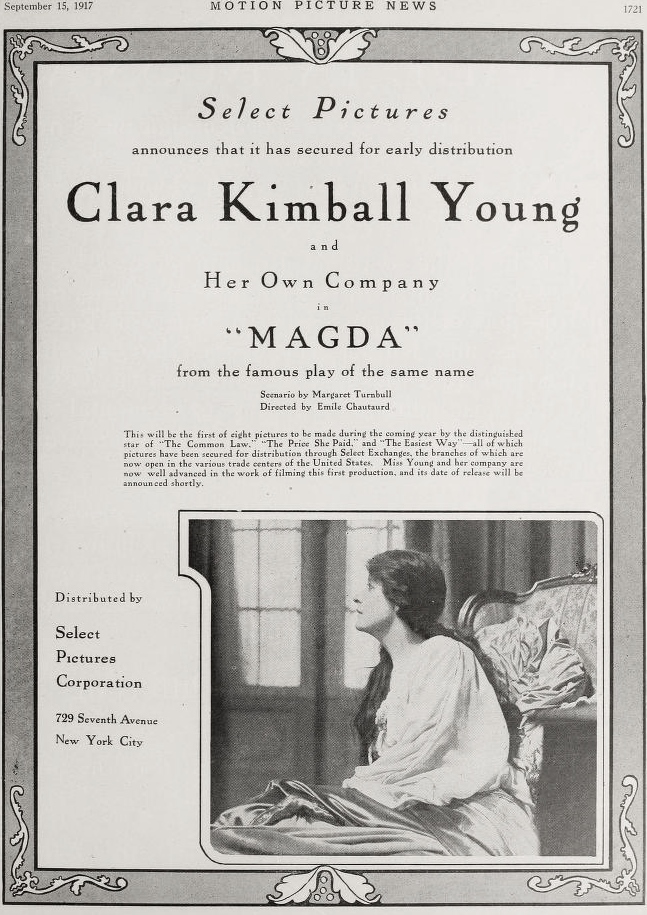
Dir: Emile Chautard
Young Magda is stifled by the regimentation and provincial thinking of the small village she grew up in, and the result is that her parents throw her out of the house. Determined to make her own way, she heads to the big city to be a professional singer. There she falls in love with a cad named Kellner and marries him, only to discover that the marriage was phony and now she's alone and has a child to support. She's reduced to singing in seamy dance halls and even on the street until one day her former singing teacher hears her and takes her under his wing. Her problems aren't over, however--her father still wants nothing to do with her, and now her phony "husband" Kellner shows up.
View Details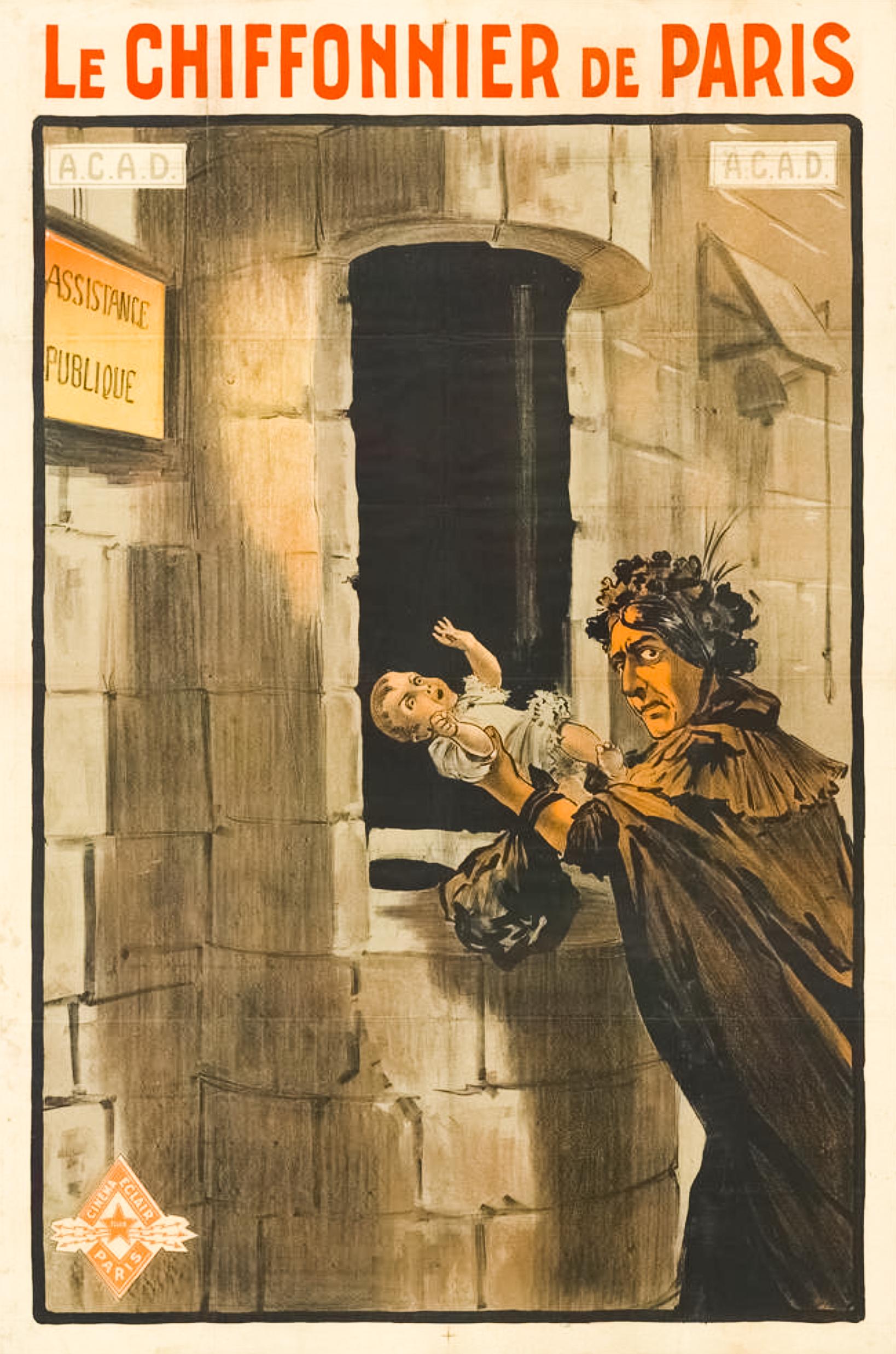
Dir: Emile Chautard
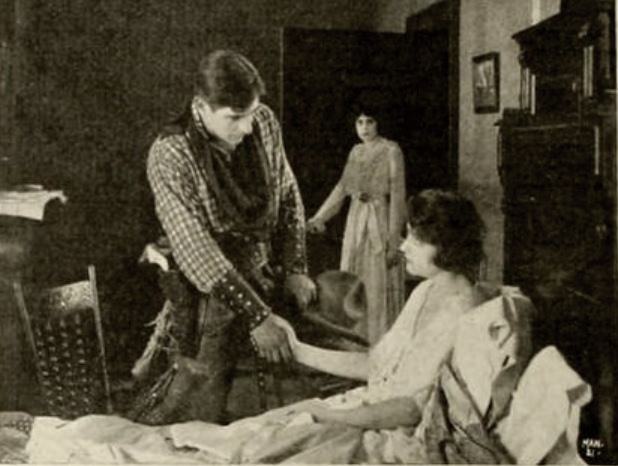
Father John is a rag-picker, well known at the Halles. A good man with many good qualities he has but one defect; he is fond of the bottle. He is intoxicated when he meets Garousse, a man ruined by gambling and reduced to the humble trade of a rag-picker. He will not listen to Father John's exhortations. As it happens, a collection clerk, Didier is returning from his round. Garousse does not recoil from murdering the man and makes off with the money. It is in vain that John tries to interfere; Garousse pushes him off, half strangles him and runs away. In front of Didier's body, John swears to keep away from drink forever, and takes home with him. Marie Didier, the grandchild of the victim. Fifteen years later. Father John lives a happy life with Marie, now a dressmaker. Garousse, by means of the stolen money, has become the Baron Hoffman. He has a daughter whom he wishes to wed to Henry Berville, his partner's son. Claire Hoffman has a child from some illicit love, and she has him brought up secretly. By chance, Henry Berville, while out for a walk, comes across Marie Didier, giving alms to poor women. Baron Hoffman is informed by a telegram that he is a ruined man. He informs his daughter of the disaster and she declares she will do all she can to save him. Unfortunately. Henry Berville does not love Claire. Baron Hoffman is soon satisfied as to the reason of his refusal when, on Marie Didier being introduced, he notices the tender intimacy that seems to exist between the two young people. He decides to see to it and to put Marie out of the way of Berville. Baron Hoffman secures the assistance of Mme. Patard, a midwife, and orders, in return for 10,000 francs, the disappearance of the child; but Mme. Patard prefers to hand over the child to Marie Didier, in whose kindness she has confidence. Marie not being at home, Mme. Patard leaves the child in her place. Marie was then at a masked ball, where, insulted by some man, she had been protected by Henry. When she returns home, she finds the child. It never entered her mind to take it to the Foundling Hospital, and keeps it with her. The same night, Father John finds in his basket, the rolls of bills lost by Patard. Baron Hoffman calls on Marie, whom he has followed after a meeting with Henry, and asks her to give up the young man. Learning that the young girl has a child with her, he seeks information and soon learns, by the coincidence of dates, who it is. He writes to Mme. Patard, stating that he knows he has been duped and that her only chance of pardon lies in the disappearance of the child. 50,000 francs is to be the price of that disappearance. As soon as he is satisfied that the midwife has secured the child, he writes to the magistrate and informs him that Marie Didier has done away with the child, whom, she states, has been stolen from her. Marie is arrested. On reading the paper, Father John learns of Marie's arrest, and also the name of the person who has lost 10,000 francs in notes. He sees that it is a plot against the girl. He endeavors to find the author of that vengeance, and calls on the midwife. After some prolonged questioning, John gets hold of the facts; he understands the part played by Mme. Patard and knows that the money was paid out by the baron. He calls on him and the two men, without seeming to do so, recognize each other. Garousse-Hoffman recollects that Father John was formerly fond of drink. Forgetting his oath, Father John gets intoxicated and Garousse steals the papers containing the proof of the crime. This, however, does not deter Father John, and his desire to save Marie is not to he swerved. He finds the means to enlist the sympathy of the magistrate, and, by the aid of a detective, Mme. Patard makes a full confession. She is arrested. Accompanied by two policemen, he repairs to the baron's house, who, by means of stratagem, is made to confess that he really is the murderer of Didier. Marie Didier, upon being set free, weds Henry Berville.
View Details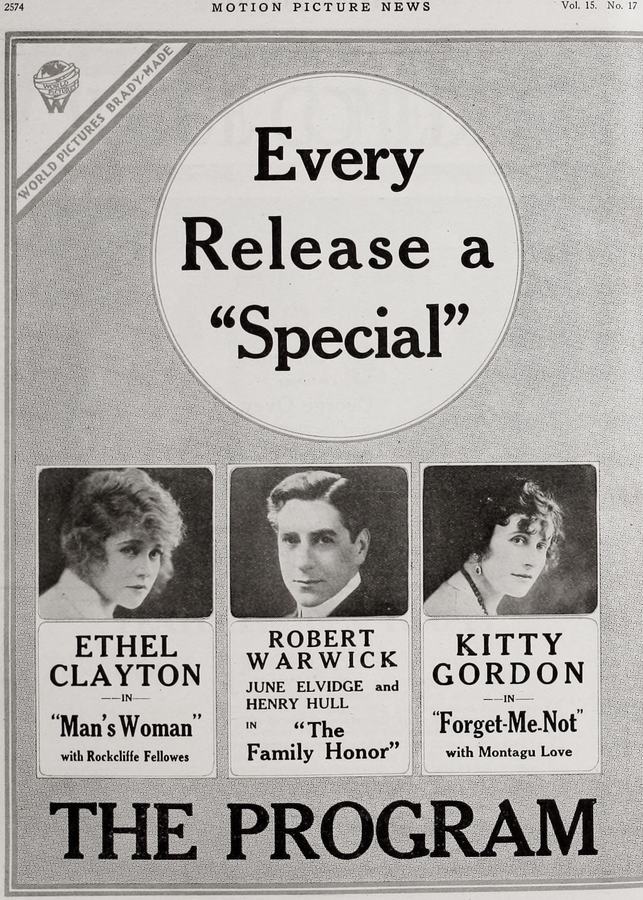
Dir: Emile Chautard
General Wayne, a proud old American patriot, and his two sons: Captain Stephen Wayne, an army officer, and Anthony Wayne, a successful young portrait painter, valiantly maintain the tradition of the Wayne family honor. Anthony is engaged to Doris Leighton, a girl of refinement, but he becomes infatuated with Marcia Quesnay, emotional actress and enchantress. He disgraces his family by his devotion to her, and, lured on by her demands, abandons his promising career. Stephen Wayne, meeting her in an endeavor to compel her to release Anthony from his unfortunate entanglement, falls sincerely in love with her and she with him. Later, with the dawning of this first real love of her life. Marcia renounces her butterfly life and becomes a tender and self-sacrificing woman. She returns all of Anthony's gifts, giving them to Stephen for safe keeping. In order to disillusion Anthony she causes him to believe she is only a common woman and he turns from her in disgust. Led on by Eric Mainwaring, an actor in love with Marcia, who tells Anthony that Marcia is a woman to be bought and not loved, Anthony is persuaded to steal from his father's safe government funds placed there by Stephen, and is cheated of the money at cards by Eric. Stephen, discovering the theft, goes to Marcia's apartment to confront her with the result of her influence over Anthony, and is there in time to rescue her from Eric, who comes with the money he has cheated from Anthony, to persuade Marcia to go abroad with him. Stephen forces Eric to disgorge the stolen funds and to leave in fear o£ the authorities. The following morning Anthony, penniless, an outcast and a thief, is saved from committing suicide by Doris. His father discovering the theft and accusing Anthony, urges him on to suicide, telling his son that honorable death is better than a life of dishonor. Stephen arrives with Marcia in time to avert the tragedy, telling a lie to save Anthony in the eyes of his father and Doris, that it was he (Stephen) who took the money from the safe, at the same time producing the bills to substantiate his claim. A general reconciliation follows. When his father sees Marcia standing beside Stephen he fears that this other son has been ensnared, but Stephen tells them that they have all misjudged her, and that she is going to enhance the family honor by becoming his wife.
View Details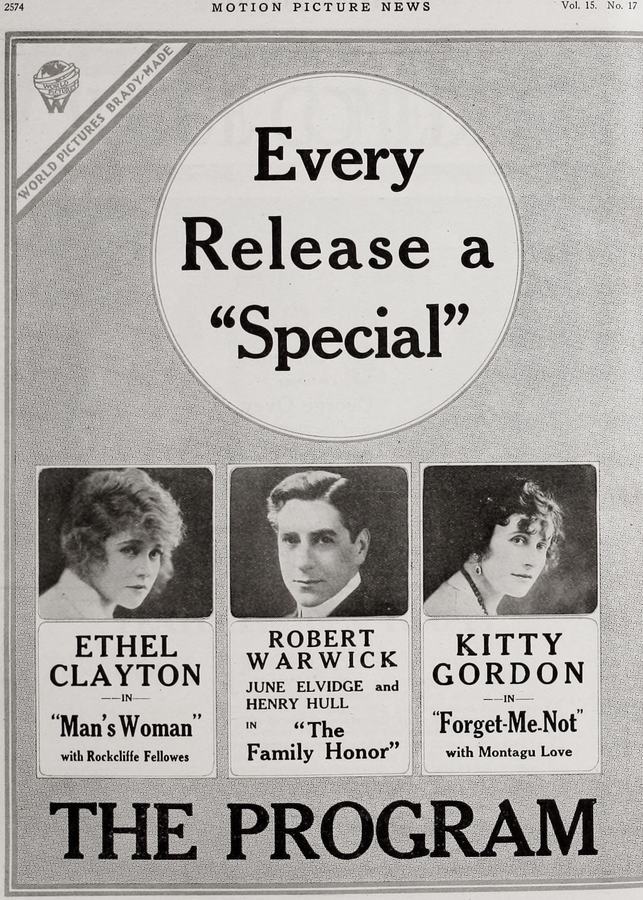
Dir: Emile Chautard
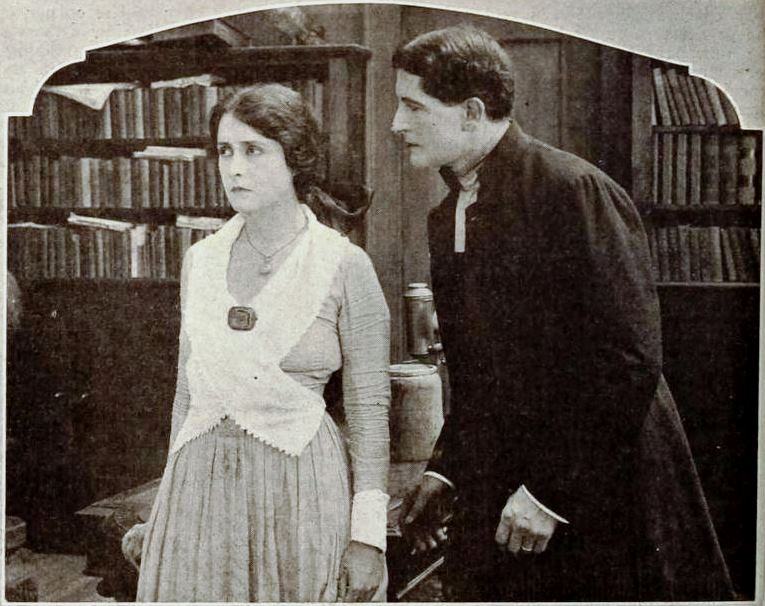
Adventuress Stefanie Paoli forsakes her lover, humble fisherman Gabriel Barrato, for the arms of a nobleman, the Marquis de Mohrivart. Upon learning that Stefanie has wed another, Gabriel kills himself and his brother Benedetto swears revenge. Stefanie goes to France with the Marquis where they run an exclusive gambling club. Years pass and they have a son, Charles, who is sent to England for his education. Charles, ignorant of his parent's method of living, marries Rose Verney, the daughter of an upper class British family. Meanwhile, Benedetto has acquired wealth and visits the Mohrivart tables in Paris. Although enthralled with Stefanie's beauty, he attacks the woman on whom he has sworn revenge. In attempting to save his wife, the Marquis is killed. Benedetto is sentenced to life in prison, and soon after, Stefanie, learning that her son is dying, visits his family in England. After Charles death, she refuses to leave, threatening to invoke an old French law which would declare her granddaughter's birth illegitimate unless the Verney family supports her. Stefanie is prevented from victimizing her son's family when Sir Horace Welby, a former lover, falsely informs her that Benedetto has been freed and is seeking her life. Terrified, Stefanie disappears and leaves the Verneys in peace.
View Details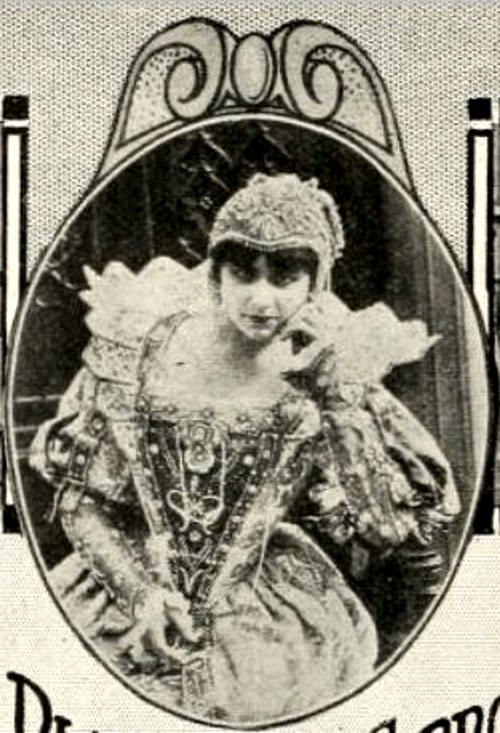
Dir: Emile Chautard
Henri is surrounded by fawning courtiers, who hide behind their smiles a deadly intent to do away with him at the first opportunity in favor of his brother, Duc d'Anjou. There is but one man who is honestly Henri's friend. This man is Chicot the Jester, a huge, handsome, fearless fellow, true as steel, to those who called him friend, deadly as venom to those who dared betray him or his sovereign, and the only person who may speak the truth to the king. Chicot the Jester is given an order by the king for the arrest of the gallant Count De Bussy, whose deserved popularity with the ladies of the court irritates the petulant Henri constantly. Chicot the Jester had the courage of his convictions; he was a man who dared. Knowing his friend De Bussy to be guiltless, he tore the court order into shreds and ordered De Bussy into retirement at the peaceful castle of Baron de Meridor, whose beautiful daughter, Diana Chicot, knew to be the adored one of De Bussy's heart. How De Bussy complied; how he was waylaid by the king's men within Diana's gates; how Diana nursed him secretly; how the uncouth Count de Monsoreau had the beauty kidnapped upon De Bussy's return to court; how De Monsoreau married her before Chicot, who had overheard the plot could interfere.
View Details
Dir: Emile Chautard
Robert Hendricks, who is a rich young bachelor, becomes infatuated with Myra, a beautiful, but evil, dancer of a New York dancing resort. He invites her to his apartment, where his attorney calls unexpectedly. Hendricks sends Myra in an adjoining room and receives the lawyer, who comes to tell him that he is leaving for Europe and wishes to turn over $20,000 in unregistered securities, as the balance of the estate of Hendricks' father, of which he was trustee. Myra pricked her ears at this, and peeking through the portieres, saw Hendricks place the securities in a concealed wall-safe. After the departure of the lawyer, Myra comes out of seclusion and Hendricks tells her to remain in his rooms until his return, as he wishes to speak to his broker at once regarding the bonds. The moment Hendricks leaves the apartment, Myra phoned to her pals a band of crooks, telling them to hurry there for a rich haul. They were just taking the bonds out of the safe as Hendricks returned. In the fight that ensued, one of the crooks, Myra's lover, was accidentally killed by Myra's own hand. When Hendricks realized the full significance of the situation, rather than turn the girl over to the police, magnanimously allows the girl to escape. The years pass and Hendricks becomes a serious reformer, forceful and effective. He is sent for as the head of his society to clean up the fearfully immoral conditions prevailing in an Alaskan mining camp. Unknown to Hendricks, Myra is the sinister influence of the camp, where she conducts a dance hall. The mystery of the place is the presence there of a beautiful unsullied young girl known as Velma. She is supposed to be Myra's niece. Despite the vicious conditions surrounding her, Velma is innocent of evil, with the pure heart of a young girl. Hendricks falls in love with her, but Myra has already promised the girl to the bully of the camp, a huge, uncouth ruffian, who has "struck it rich" and who can pay Myra's price for Velma. Father Harrigan comes to the assistance of the good little girl and is pleased to learn of her true love for Hendricks. However, to prevent Hendricks marrying the girl, Myra reveals her identity to him, who hitherto had not suspected it, and declares that Velma is his own daughter, the offspring of their illicit relationship years before. Driven half mad by the hideous lie, Hendricks sets out in pursuit of the bully who has carried off Velma after a desperate fight in Myra's dance hall in which the woman is fatally wounded. Eventually he comes to grips with the ruffian. The bully goes to a fearful death, while fate unravels Hendricks' tangled love and he gathers Velma in his arms after her true identity was revealed by the dying Myra.
View DetailsAnalysis relative to The Heart of a Hero
| Film Title | Atmosphere | Complexity | Similarity |
|---|---|---|---|
| Sudden Riches | Tense | Linear | 90% Match |
| The Little Dutch Girl | Surreal | Linear | 92% Match |
| A Hungry Heart | Surreal | Abstract | 98% Match |
| All Man | Gothic | Linear | 88% Match |
| Magda | Surreal | Abstract | 90% Match |
This guide was algorithmically generated using the cinematic metadata of Emile Chautard's archive. Last updated: 6/23/2026.
Back to The Heart of a Hero Details →