
DbcultAccessing Vault...
Recommendations
Senior Film Conservator
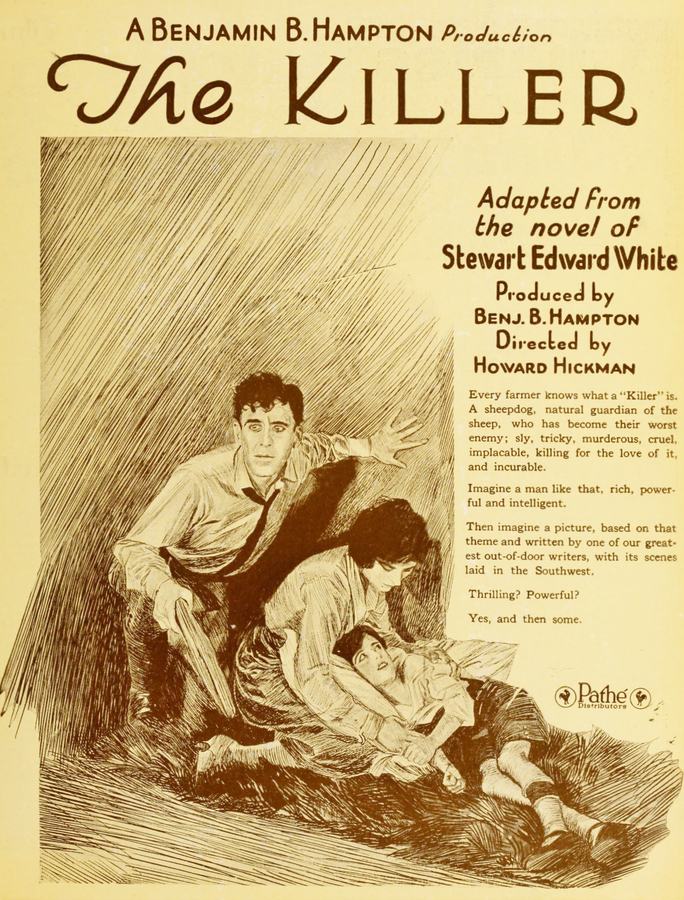
Exploring the thematic gravity in The Killer is a journey into United States cinema, the thematic layers of this 1921 classic invite a wider exploration of the genre. If Claire Adams, Tod Sloan, Art Walker impressed you, these next recommendations will too.
With Jack Conway at the helm, The Killer became to reinvent the tropes of Western cinema for a global audience.
Henry Hooper, suspected of murder, is living on the Arizona-Mexican border and persuades his partner, Emory, to visit him there with his children, Ruth and Bobby. He steals the written evidence of their partnership and has Emory killed by his Mexican henchman. A neighboring rancher, William Sanborn, perceives the peril of the children when he visits the ranch and returns to rescue them. Hooper is killed.
The Killer was a significant production in United States, showcasing the immense talent of Claire Adams, Tod Sloan, Art Walker. It continues to be a top recommendation for anyone studying Western history.
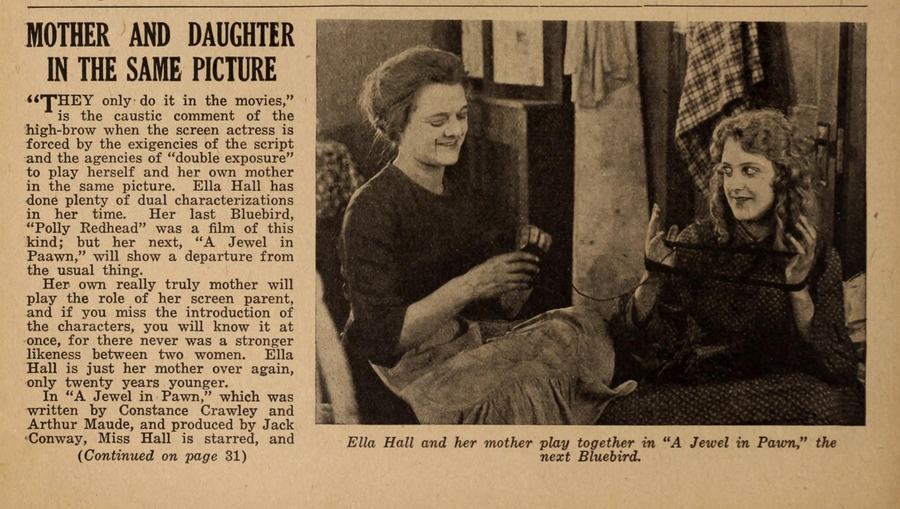
Based on the unique thematic gravity of The Killer, our vault has identified these titles as the most compelling follow-up experiences for fans of Western cinema:
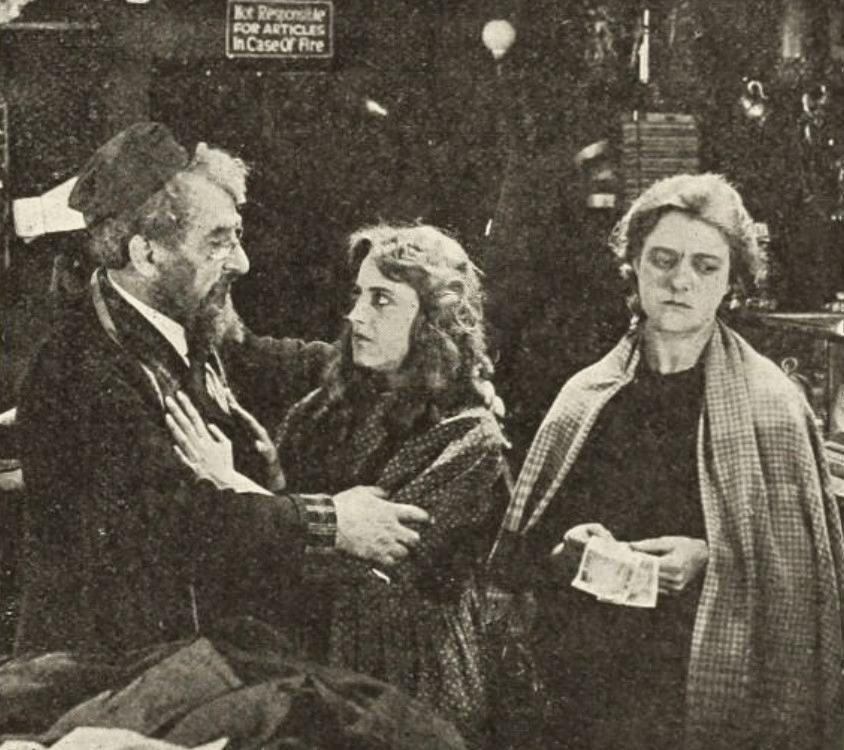
Dir: Jack Conway
Widow Martin struggles to rear her little daughter Nora amid the squalor of the slums yet imbue her with the refinement to which she had been accustomed in her girlhood. Fearing that she is losing the battle, Mrs. Martin decides to turn to her wealthy father, who had disowned her upon her marriage years earlier. To raise funds for the trip, she pawns Nora to Aaron Levovitch, an aged pawnbroker with a heart of gold under his gruff exterior. Upon reaching her father's house, Mrs. Martin falls ill and dies before she can relate her story, and Nora is raised by the pawnbroker until a reporter prints her human interest story of a "jewel in pawn." The girl's grandfather reads the article and claims Nora, then sends her to a fashionable boarding school. Nora longs for her home in the slums and her sweetheart Jimmy, however, and so returns to marry Jimmy in an elaborate traditional Jewish ceremony at the pawnbroker's home.
View Details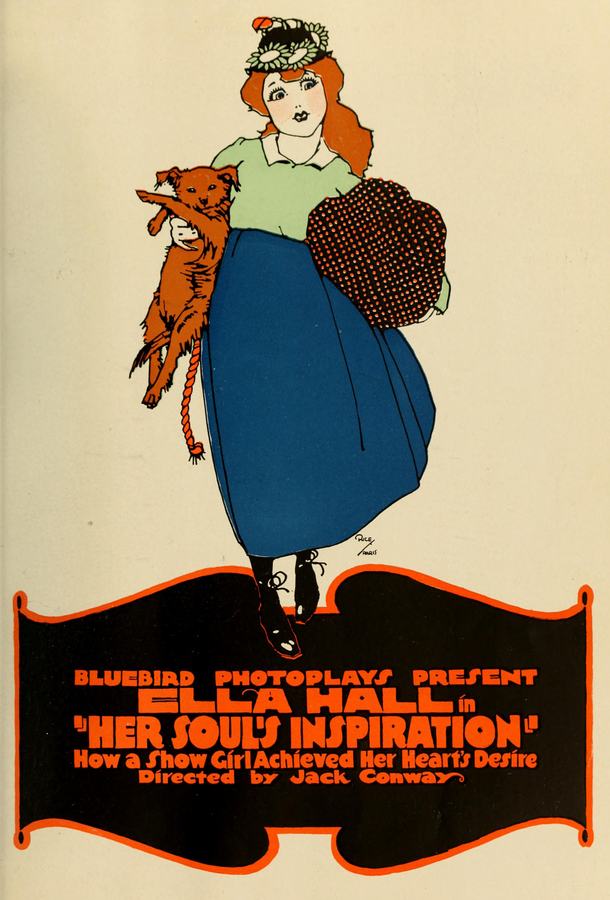
Dir: Jack Conway
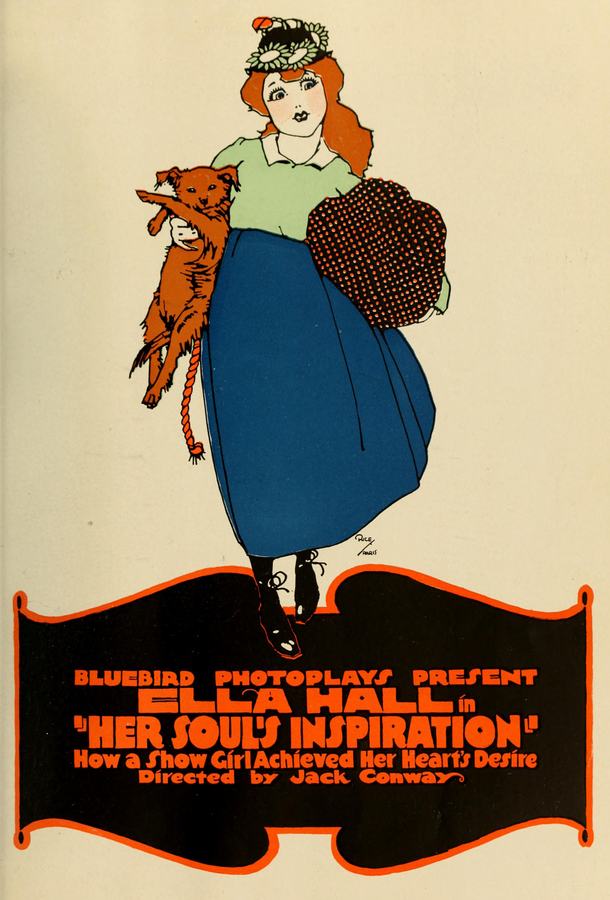
Mary seemed to have been born with music in her feet. She danced to school, danced at her work and danced while at play. Her invalid mother, realizing her talents and knowing her ambition to become an expert dancer, made the father promise that Mary should have her heart's desire. When the mother died Mary's father sold the farm and purchased a traveling show to give Mary her chance to be a stage dancer. There was a Madame La Rue in the company, who had a daughter of about Mary's age, and the two girls disagreed, with Mme. La Rue continually inspiring discord. Mary's father is stricken at a time when Mary is on the stage giving her performance, Mme. La Rue has him removed to her own dressing room, and there the old man makes his dying statement to the scheming woman. He tells her where in his trunk he keeps his money; asks that his wealthy brother, in a distant town, be notified of his death, and that Mary be taken to her undo who will provide her from his abundance with a home. Mme. La Rue takes the money from the trunk, wires to Mary's uncle that she is bringing Mary and the body of her father to him, and, deserting Mary, takes her own daughter instead. Mme. La Rue and her child are accordingly, established in luxury. When the authorities disband the juvenile opera company because the owner is dead and there is no one to carry on the show. Mary is taken in charge by a shrewish woman who makes a kitchen slave of the child. Mary bears oppression as long as she can, and then runs away to the town where her father is buried. Near the ocean shore she locates a cottage that offers shelter, even though the owner is not at home. Mary goes to sleep in the bed and awakes next morning to find that a kindly disposed young man, who makes his living fishing with his nets, owns the cottage and straightway offers a home and working partnership. Mary one day meets Phillip, a handsome young author, who is a visitor at the home of Mary's uncle. Mme. La Rue has been trying to ensnare Phillip as a husband for her daughter, Zella, but Phillip is slow to advance. Mary and Phillip meet frequently on the beach, and Bob grows jealous of his rival. One day Mme. La Rue and Zella recognize Mary as she is conversing with Phillip, they also observe Bob's jealous conduct. Going to Bob they tell him that Phillip is engaged to Zella and is only trifling with Mary. Bob in a rage assaults Phillip, and believes that the blow be strikes has killed the young author. Informing Mary of what he has done, the two friends agree that they had better leave the neighborhood and go at once to a distant town. In the years that follow Bob devotes himself to the task of realizing, for Mary, her ambition to become a great dancer. At a society function where Mary is the attraction, Phillip (who has only been stunned by Bob's blow) sees the girl and recognizes his little friend from the fishing village. The renewal of acquaintance discloses Mary's parentage, and the locket she wears proves that she should be occupying the place in her uncle's home that Mme. La Rue had, by fraud, established for Zella. The outcome gives Mary her proper place and we are left to believe that she and Phillip will find their way to happiness.
View Details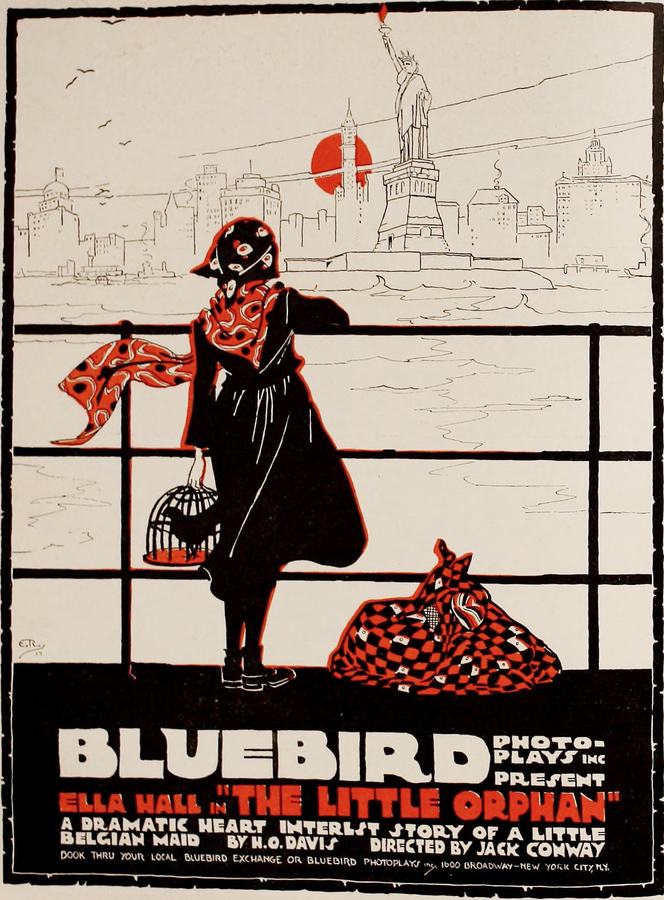
Dir: Jack Conway
When bachelor friends David Clark, Dick Porter and Jerry Mathers agree to adopt Belgian war orphans, David unexpectedly finds himself the guardian of a little girl, Rene Lescere. After David is pursued by Mrs. Hardwick, a divorcee, Rene is determined to find him a more suitable wife and introduces him to Emmeline Warren. David and Emmeline are engaged, but the engagement is broken after Emmeline meets Jerry, her old beau, and their romance is rekindled. David, sad but resigned, sends Rene to boarding school and retires to his hunting lodge with Dick Porter. Later, Emmeline and Jerry, now married, visit the lodge and suggest that Rene accompany them on a trip abroad. At the moment of parting between Rene and her guardian, both realize that they love each other and Rene becomes David's wife.
View Details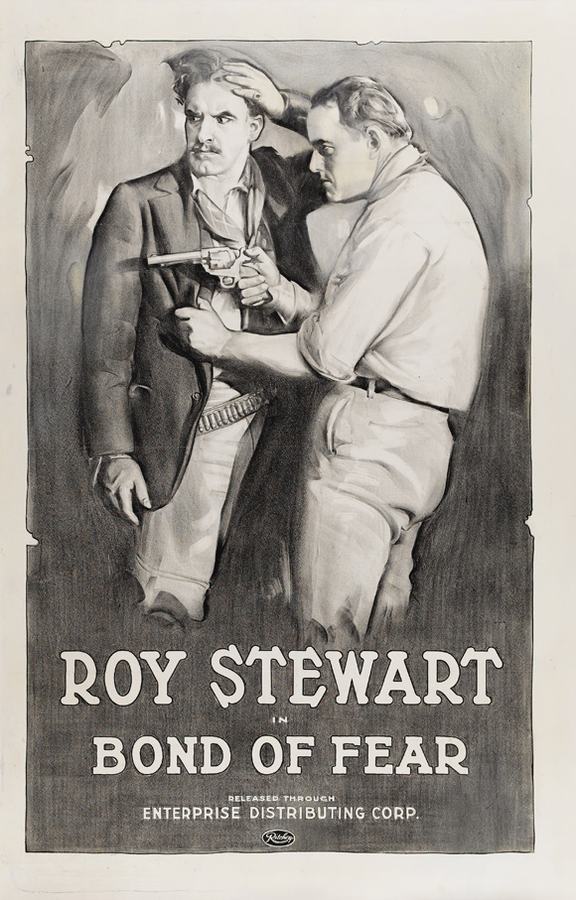
Dir: Jack Conway
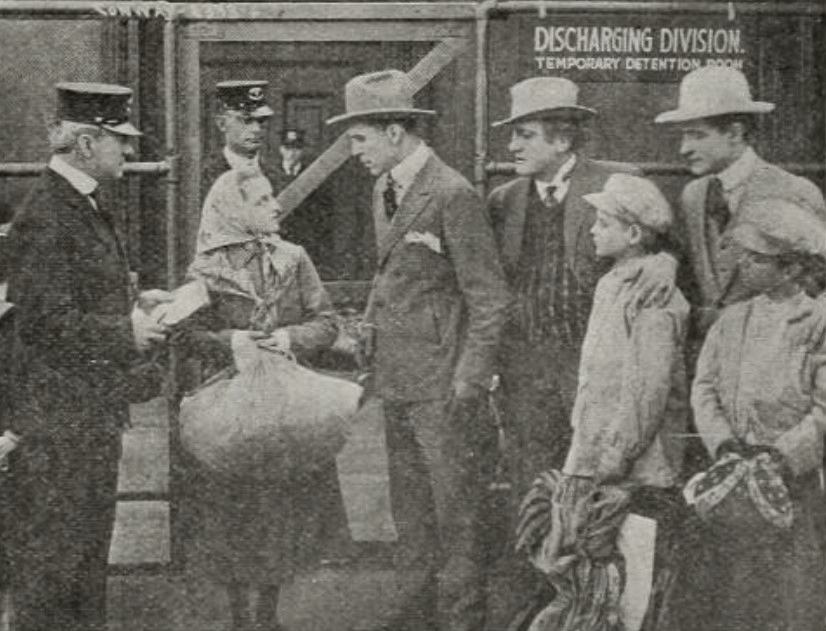
Judge of the Circuit Court, Camden McClure is a extremist advocate of law enforcement until he kills his brother during a fight. Fleeing from his crime, the judge hires Cal Nelson as his guide through the Western badlands. While crossing the desert, they meet Mary Jackson, who is lost and exhausted. Mary recovers, but the judge suffers heat stroke and, in his delirium, confesses his crime to Mary. To ease his guilt, Mary admits that she is a murderer, too, and the couple decide to get married. However, when the judge reads that his brother is alive, he once again adheres to the letter of the law and denounces Mary to the authorities. Cal, who has fallen in love with Mary, carries her to the desert to escape the sheriff, and there Mary admits that she fabricated her crime to relieve the judge. The judge then discovers that his brother is actually dead, and follows the fugitives into the desert, but is killed in a sandstorm, thus freeing Mary to wed Cal.
View Details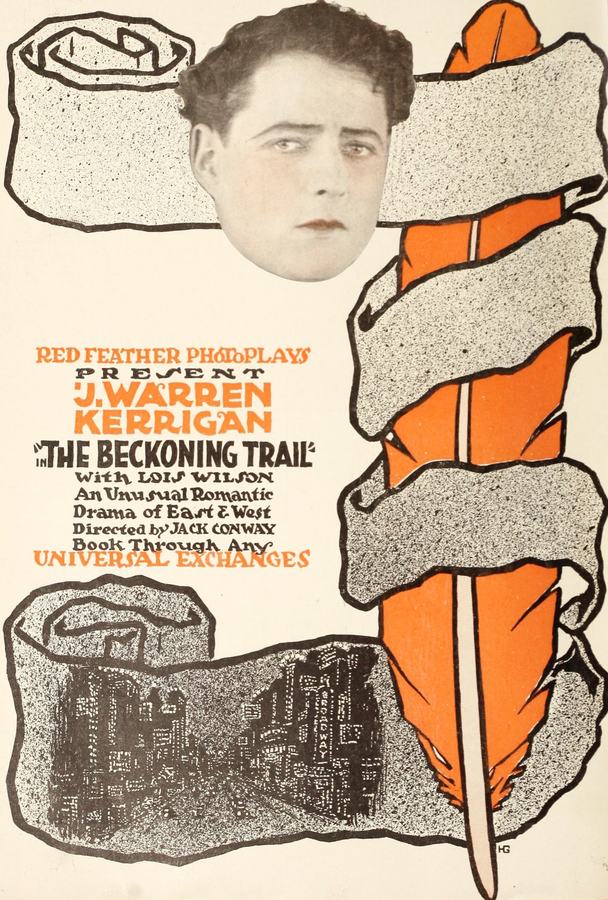
Dir: Jack Conway
New York playboy Carter Richmond inherits the family fortune, but it doesn't take him long to blow it. All that's left is an abandoned mine in California, so he travels west to see if he can get anything for it. He finds that a miner, Big Him Helton, and his pretty young daughter Mary have been "squatters" at the site for years, and a neighboring miner, Placer Murray, has been trying to run them off so he can take it over himself. Mary accidentally shoots Carter, thinking him to be one of Murray's men. As she nurses him back to health, they begin to fall in love. Complications ensue.
View Details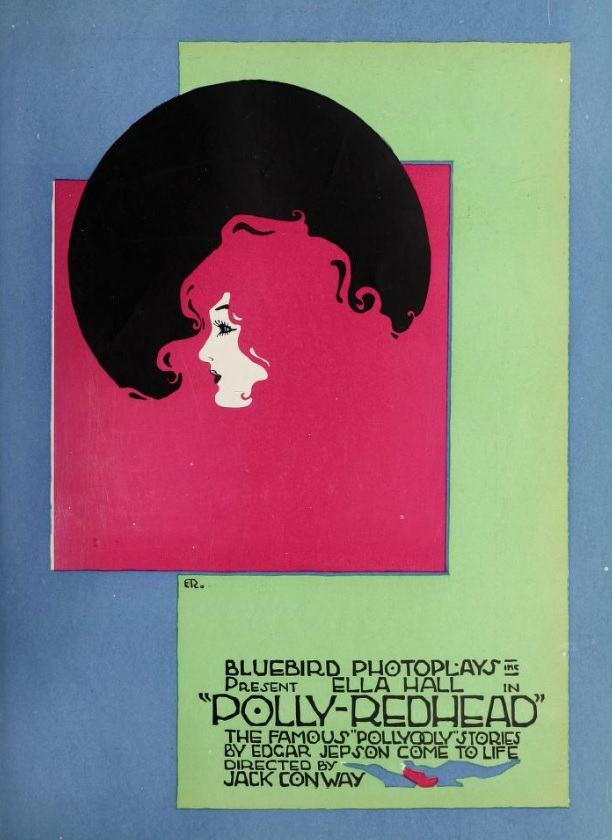
Dir: Jack Conway
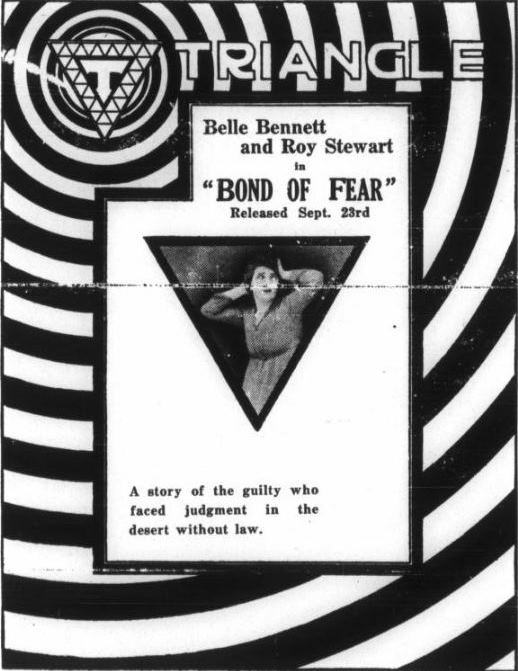
Aside from the fact that Polly had red hair in abundance, she was not otherwise an exceptional child, save for one thing. She was willing to work and slave, if need be, to keep her baby brother, affectionately termed "The Lump," from being sent to the poor house. So she did housework and prepared breakfasts for John Ruffin, an attorney, and Hon. Gedge-Tompkins. John Ruffin's sister, Lady Osterly, has separated from her husband, and he holds their child. When Lady Osterly calls on Ruffin she is struck with the remarkable resemblance Polly bears to her own child. Ruffin and Lady Osterly formulate a plan to come into possession of her daughter, by using Polly as a substitute. When they offer Polly twenty sovereigns to go to the Duke of Osterly's home and impersonate the other child, the amount of money fairly staggers Polly and she accepts. By changing the children when the child of the Osterly's is out riding with her nurse. Polly gains access to the Duke's home and the Osterly child comes to John Ruffin's apartments to stay until her mother can get her ticketed to the continent and travel away with her. Polly does the best she can under strange conditions, but despite her resemblance to the Osterly child, the servants are suspicious and the Duke falls to wondering what has happened. Young Lord Ronald, visiting the Duke, is above all suspicious of Polly. The Osterly girl is under similar suspicion at Ruffin's home. "The Lump" positively declines to have anything to do with her. There is a blunder in the preparations Lady Osterly and John Ruffin make for the European trip. Polly disregards positive instructions and leaves the Osterly mansion before plans can be worked out. The Duke follows Polly in his automobile, searching for her in a nearby park where she has liked to go with young Lord Ronald to play. Finding Polly where he thought he would the Duke carries her back to his home. Here John Ruffin directly arrives, to tell the Duke that his wife and child must, by that time, be well on their way across the Channel. Lady Osterly, through miscalculation, has become worried because Ruffin does not arrive with the tickets and telephones him at the Duke's (her husband's) home. The servants call the Duke in answer to the summons and thus husband and wife find themselves talking to each other, much to their mutual surprise, as well as secret delight. As a result of this accidental 'phone call, a reconciliation is effected and everything ends happily for everybody, including Polly Redhead, who has made a great conquest of young Lord Ronald's heart.
View Details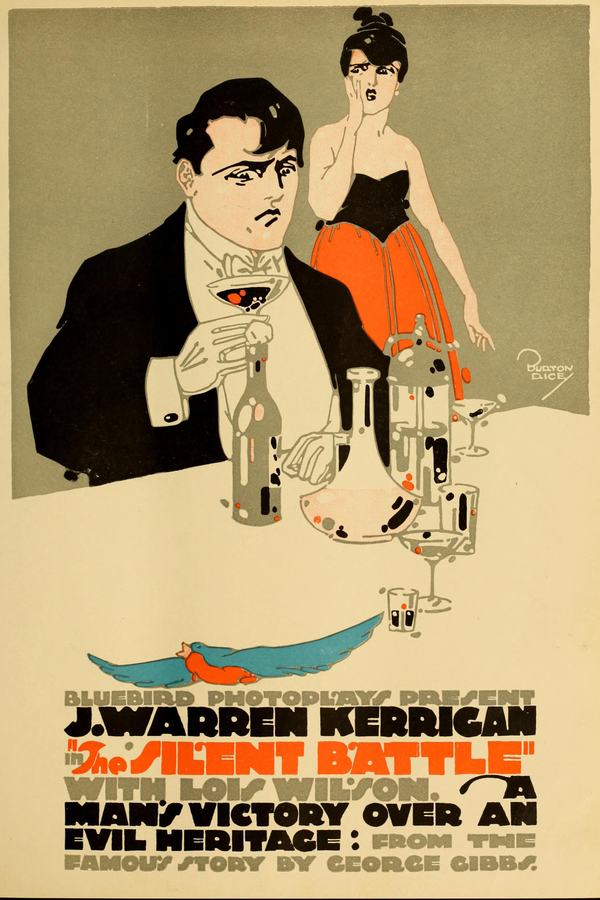
Dir: Jack Conway
Inheriting his father's alcoholism, Lawyer Tom Gallatin goes into the woods to rehabilitate himself. Once there, he loses his way and then meets Jane Loring, who is also lost. They are attracted to each other, but when Jane offers him a drink from a flask, Tom takes more than just a few sips, and then tries to rape her. A search party rescues Jane, after which, sobered by the seriousness of his attempted crime, Tom cures himself of his drinking problem. Later, in the city, Jane and Tom meet again and she forgives him. However, Coleman Van Duyn, who loves Jane, and Nina Jaffray, who wants to marry Tom, decide to make sure that no romance develops. They convince Jane that Tom is already engaged to Nina, but then, guilt-ridden, the alleged fiancee confesses everything to Jane, who quickly goes to Tom and tells him that she loves him.
View Details
Dir: Jack Conway
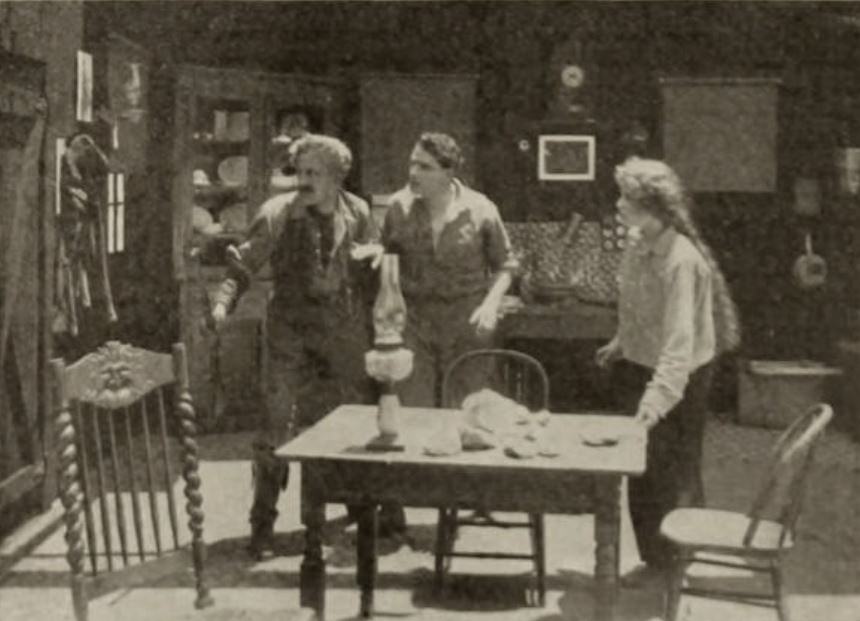
John Fairmeadow has been expelled from a theological seminary because of his evident unfitness for the ministry. He goes West and finally winds up in a lumber camp. Pattie, the pet of the woodsmen, is praying for a parson to come perform her father's burial service--he was killed by a falling tree. Fairmeadow's clerical appearance makes his arrival seemingly providential, for Pattie declares when she beholds him that her prayers have been answered, so Fairmeadow is compelled to conduct the burial service and thereafter pose as a parson. Having gone to the woods to fight out his own battles, Fairmeadow gains help for himself in helping others. The "parson's" reputation as an exhorter has traveled to a nearby camp and he is urged to go there and conduct revival services. Jack Flack, the "boss" of the neighboring camp, objects to Fairmeadow's activities and undertakes to physically expel him from the community. In this encounter Flack comes off second best, and Fairmeadow's record is enhanced. Flack is living with a girl he has enticed from the camp where Fairmeadow makes his headquarters. This girl is moved by Fairmeadow's sermons to leave her environments and return home. She leaves her baby where Fairmeadow will come upon it in the woods, and when the "parson" takes it in his arms and carries it to his home camp, she follows. Going directly to Pattie's home, Fairmeadow is arranging for the care of the child when its mother is discovered by Pattie looking in at the window. Thus mother and child are reunited and Fairmeadow and Pattie go with her to her father's home, where a reconciliation is effected. Flack comes to the camp to find the girl and have vengeance upon the "parson." One of the converts Fairmeadow has made kills Flack in a fight, and the "parson'" witnesses that the deed was committed in self-defense. While Fairmeadow has been at the neighboring camp, his congregation has built him a church and cabin to live in, and soon after his return the "parson" is called upon to perform a marriage. Then it is that he makes clear his standing; that he has studied for the ministry but has never been ordained. When one of the lumbermen leaves the woods to visit his mother, he goes to Fairmeadow's father, who is a Bishop, and explains how matters stand with his son. The Bishop hastens to the lumber camp, ordains his son and performs two marriages, one of which unites Fairmeadow and Pattie.
View Details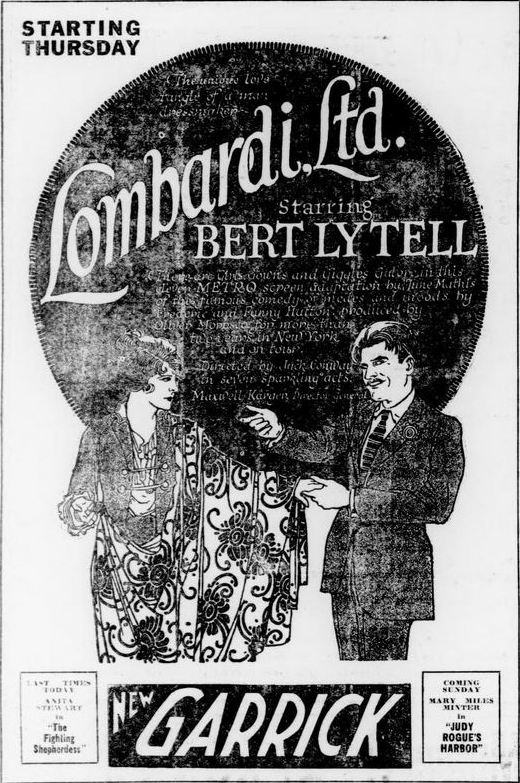
Dir: Jack Conway
Tito Lombardi a Fifth Avenue dress designer, causes his business to suffer by his generous dispensation of credit to clients, one of whom, Max Strohm, the manager of a musical review, has promised payment for his girls' lavish costumes as soon as the show makes money. To the dismay of Norah Blake, Lombardi's faithful assistant, who loves him, Lombardi proposes to Phyllis Manning, one of the showgirls, and presents her with his finest creations, while not even attempting to kiss her, as she puts off setting a wedding date and also accepts the attentions of wealthy bachelor Bob Tarrant. After Strohm's show fails and Phyllis leaves with Tarrant for California, Lombardi's establishment nears bankruptcy. Daisy, one of Lombardi's models, accepts the proposal from Lombardi's friend, Rickey, a chauffeur. When she discovers he is the son of "Riccardo the vermicelli king" and quite rich, she convinces Rickey to help Lombardi. Under Norah's direction, the business is revitalized. Lombardi finally sees Norah's value, and they marry.
View Details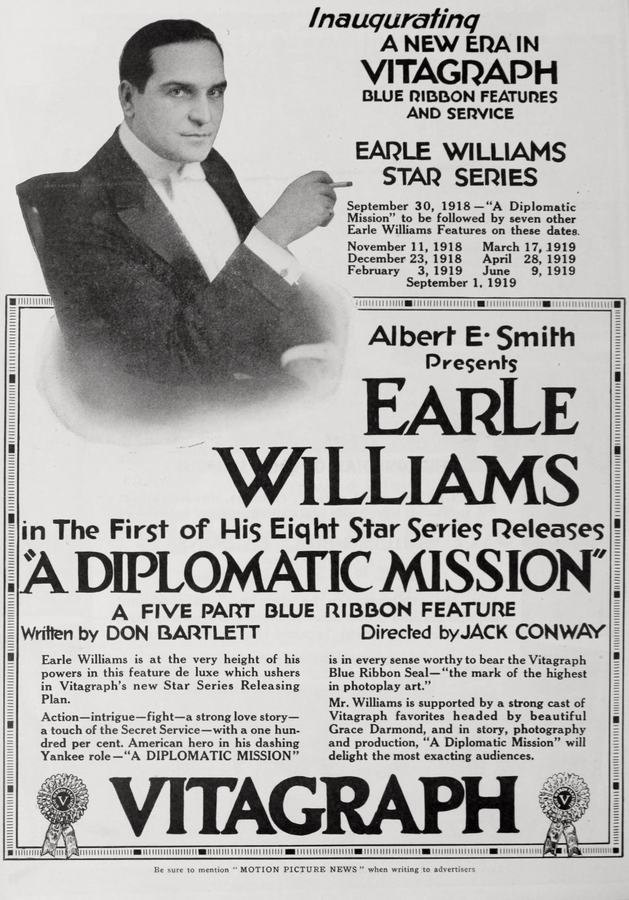
Dir: Jack Conway
On the South Sea island of Somona, an American rough-and-ready hero, Sylvester Todd, punches a German prince for insulting Lady Diana Loring of England. Sylvester flees the island, and at the request of an English official, sails to another province to help quell a native uprising. The German foreman of an English platinum mine on the island plans to destroy it with the assistance of the natives. When Lady Diana arrives, Sylvester takes her and several other English friends to a chateau for safety, but the building is surrounded by the rebels. Sylvester escapes to a wireless station and sends off an appeal for help. The party is rescued by an American warship, after which Sylvester and Diana marry.
View DetailsAnalysis relative to The Killer
| Film Title | Atmosphere | Complexity | Similarity |
|---|---|---|---|
| A Jewel in Pawn | Gritty | Layered | 94% Match |
| Her Soul's Inspiration | Tense | Dense | 97% Match |
| The Little Orphan | Surreal | High | 89% Match |
| Bond of Fear | Gritty | Dense | 86% Match |
| The Beckoning Trail | Tense | Abstract | 95% Match |
This guide was algorithmically generated using the cinematic metadata of Jack Conway's archive. Last updated: 6/25/2026.
Back to The Killer Details →