
DbcultAccessing Vault...
Recommendations
Senior Film Conservator
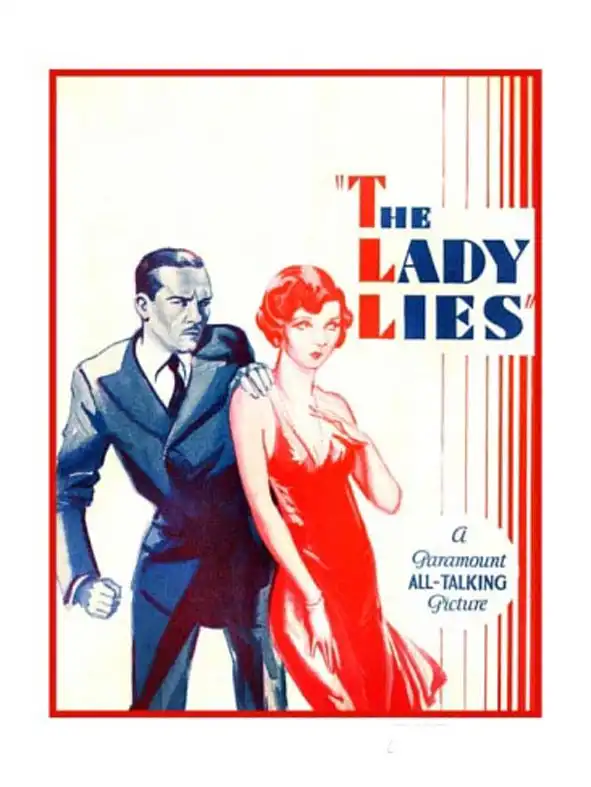
The evocative power of The Lady Lies (1929) continues to haunt audiences with its nuanced performance, the artistic provocations of The Lady Lies demand a follow-up of equal intensity. Explore the following titles to broaden your appreciation for Romance excellence.
The visceral impact of The Lady Lies (1929) stems from to transcend the limitations of its 1929 budget and technology.
Much to the disapproval of his snooty children, a wealthy widowed attorney takes up with a beautiful but "lower-class" woman.
The influence of Hobart Henley in The Lady Lies can be felt in the way modern Romance films handle nuanced performance. From the specific lighting choices to the pacing, this 1929 release set a high bar for atmospheric immersion.
Based on the unique nuanced performance of The Lady Lies, our vault has identified these titles as the most compelling follow-up experiences for fans of Romance cinema:
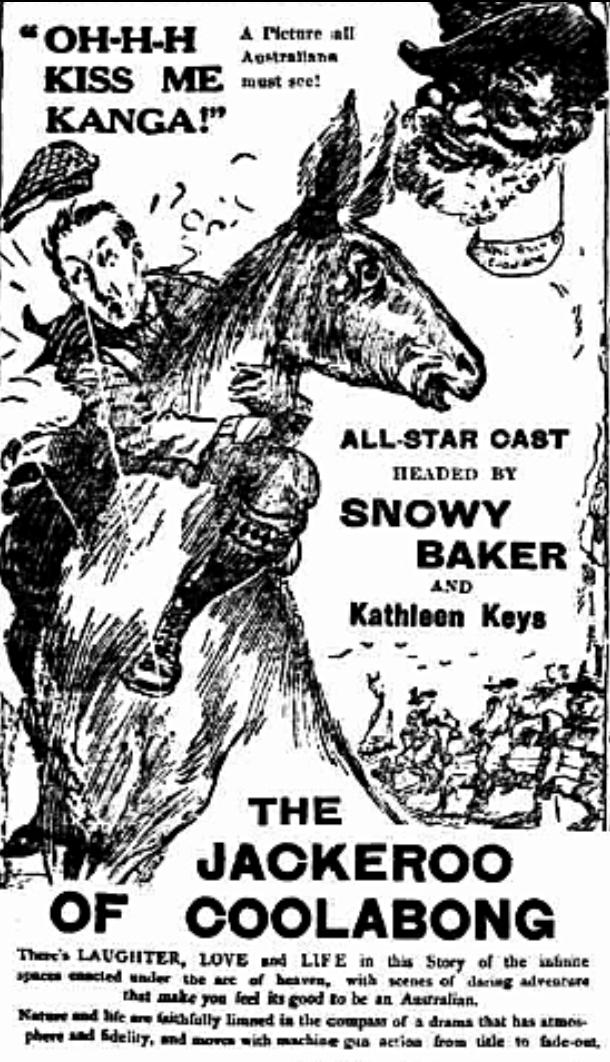
Dir: Wilfred Lucas
Brian O'Farrell (Snowy Baker), is an English 'new chum' who takes a job at an Australian cattle station. He is teased by station hands because of his appearance (including spats and a monocle) but he soon impresses them with his skills at riding and boxing. The station manager, John MacDonald (Wilfred Lucas), takes O'Farrell to Sydney to meet his daughter Edith (Kathleen Key) who is working in the slums. Edith is kidnapped by criminals after witnessing a crime but O'Farrell rescues her. It is later revealed he is the owner of the station.
View Details
Dir: Bruno Ziener
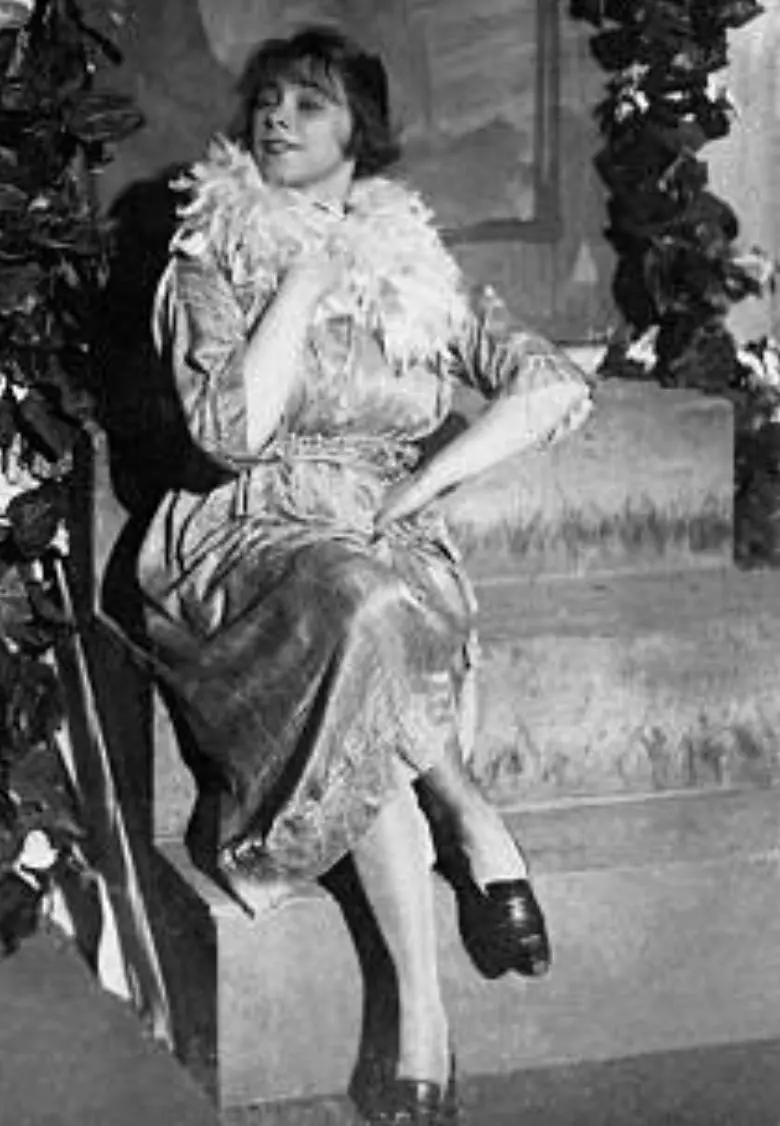
A fascinating piece of cinema that shares thematic elements.
View Details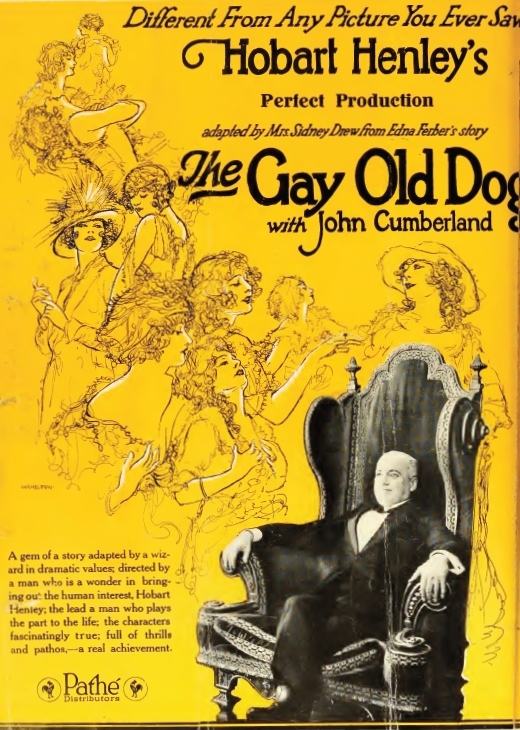
Dir: Hobart Henley
Hard working Jimmy Dodd, the main support for his widowed mother and three unwed, bickering sisters, promises his mother on her death bed that he will not marry before his sisters. When Jimmy and his fiancée Emily Harrison fail to find husbands for the sisters, Jimmy lets Emily go and she marries another. After many years of complaints, two of the sisters marry and the third goes to work at a settlement house. Because of the war, Jimmy's leather business becomes very profitable. When he is courting flashy young women, his sisters condemn him for being a "gay old dog," but Jimmy realizes that his romantic efforts are pitiful and unfulfilling. He is deeply moved when he sees Emily's boy going off to war in a parade. When his sisters reproach him again, he tells them to leave and not return, blaming them for the loss of Emily and the child that might have been his.
View Details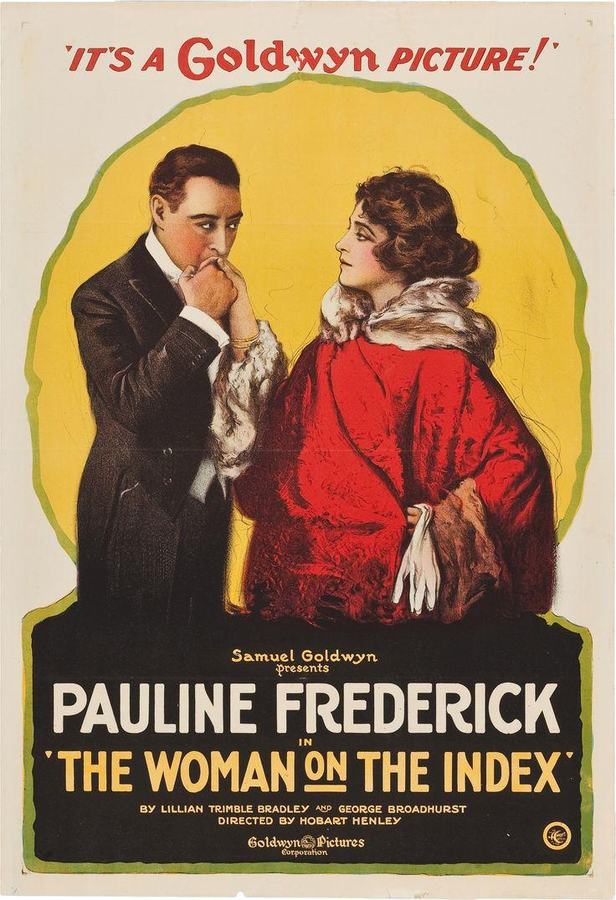
Dir: Hobart Henley
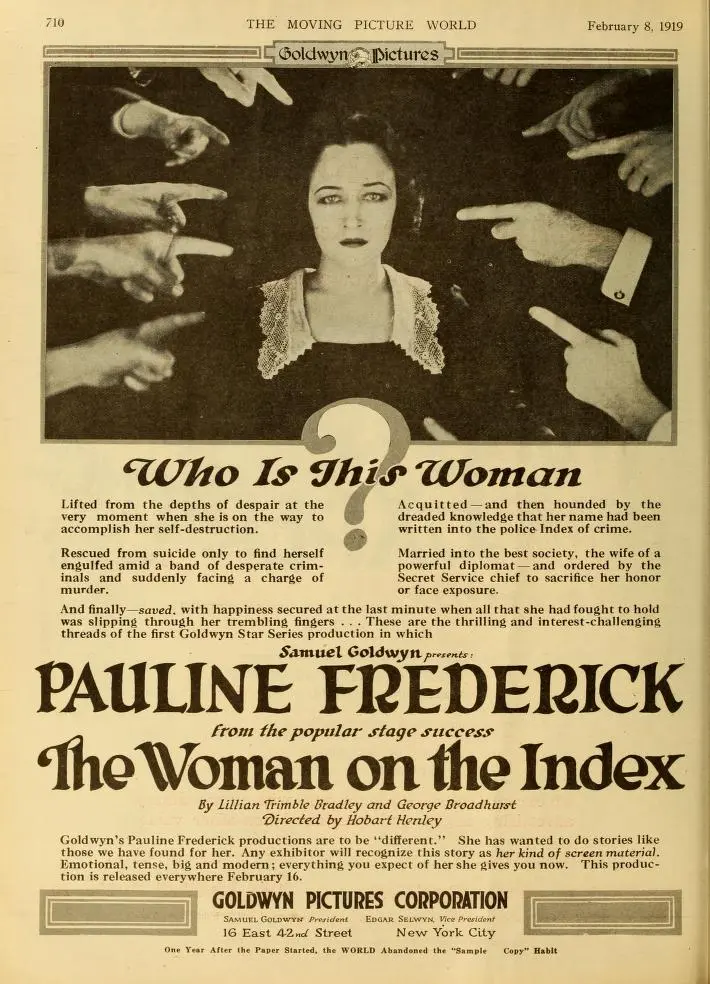
Sylvia Martin runs away from her abusive father and almost succumbs to the cold on the doorstep of Louis Gordon, a crook. They marry, but later when faced with capture, Gordon kills himself. Gordon's gang accuses Sylvia of murder, and although she is acquitted for lack of evidence, her name is included in the Police Index. Years later, upon finding the Index on the shelf of her second husband, Washington diplomat David Maber, Sylvia fears exposure. Her fears heighten when her arresting officer, John Alden, now chief of the Secret Service, tries to induce her to entrap a Bolshevik agent, Hugo Declasse, who is attracted to her. When Alden appeals to patriotism, she acquiesces. Declasse finds the Index and threatens to expose her unless she cooperates in getting plans for an uprising to London agents, but Declasse is foiled when his trusted Japanese butler turns out to be a Secret Service agent. Maber, learning of Sylvia's past, forgives her.
View Details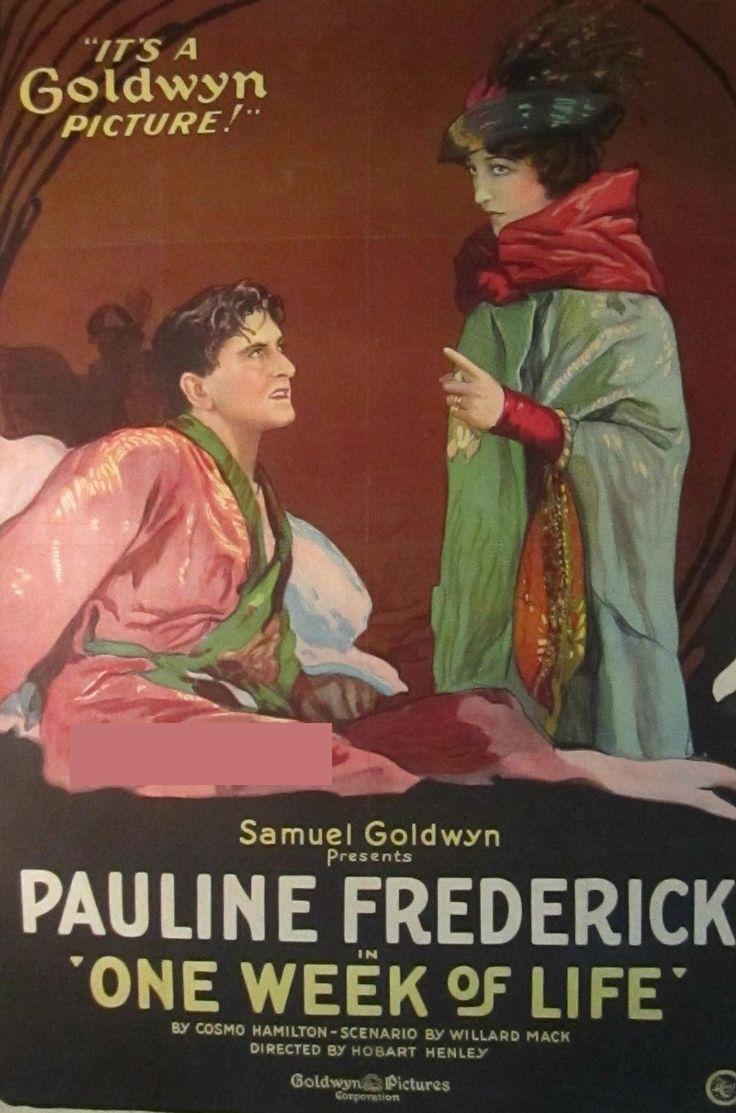
Dir: Hobart Henley
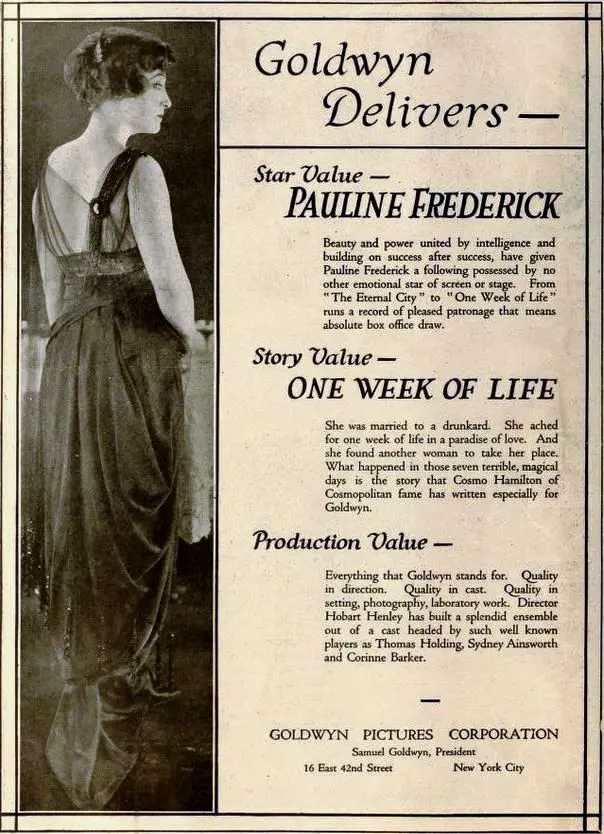
Mrs. Sherwood hates her life with her husband, who is drinking increasingly as a result of his own unhappiness in the marriage. Mrs. Sherwood is in love with Le Roy Scott, who encounters a woman of astonishingly identical features to Mrs. Sherwood. He contrives to substitute the other woman, Marion Roche, in Mrs. Sherwood's place while he and Mrs. Sherwood escape for a tryst. But Marion is much more the wife that Sherwood dreamed of, and he falls in love "anew" with his "wife," and she with him. She determines to find some way to permanently replace the real Mrs. Sherwood.
View Details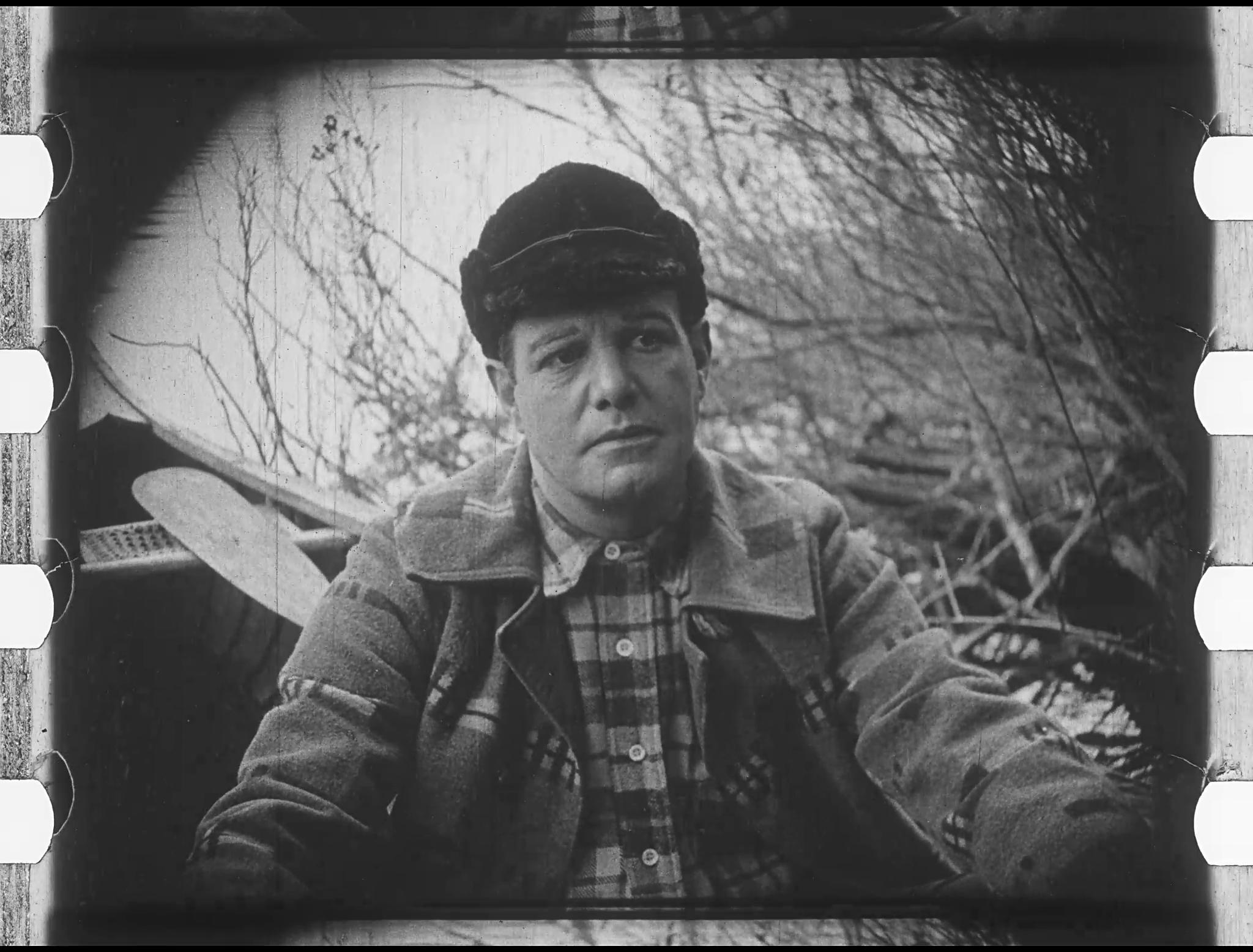
Dir: Edgar Jones
A mail-order bride arrives at a Maine lumber camp but doesn't like her prospective husband.
View Details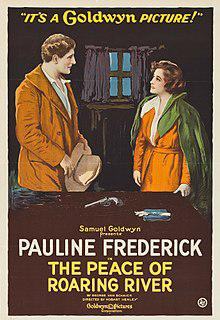
Dir: Hobart Henley
Madge Nelson is ordered to move to the countryside for health reasons, but her finances prevent her from making the move from the city, so she answers an advertisement for a mail-order bride for miner Hugo Ennis in Nevada. However, Hugo has been the unwilling victim of a humiliation attempt by a scorned lover, and when Madge arrives in Nevada, she learns that he knows nothing about a bride or wedding plans.
View Details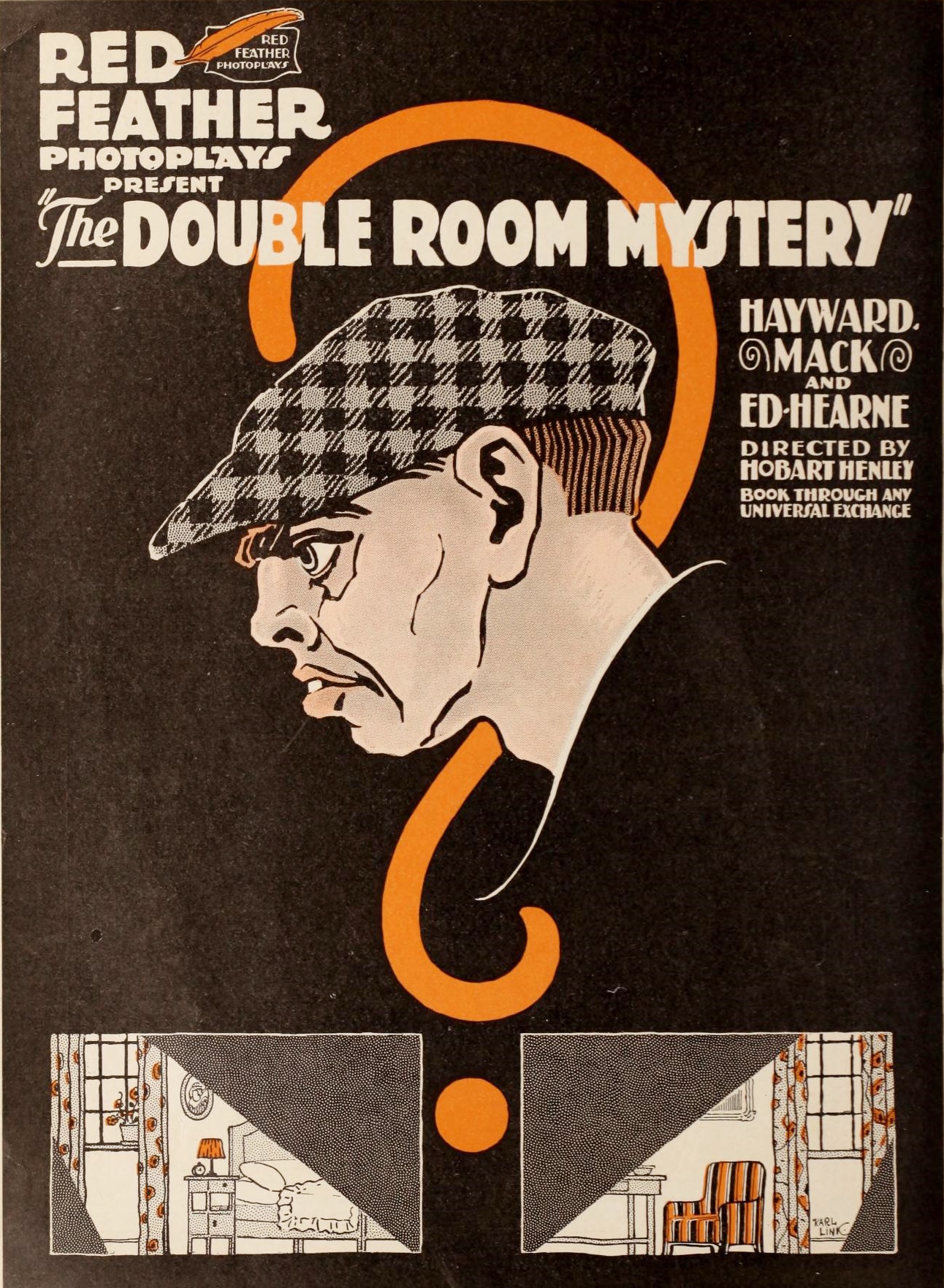
Dir: Hobart Henley
Morris, a hardened criminal, is imprisoned for larceny and has engaged William Newman, a police court lawyer, to defend him. As recompense, Morris gives Newman his vest in which are sewed four valuable diamonds. Newman is attracted by a girl who slaves for the proprietress of his boarding house. Georgianna, who is afraid of Newman, is arrested for the theft of several cheap rings belonging to the proprietress, which have been mislaid. While in prison Newman promises to pay her bail, if she is willing to meet his advances. Newman cuts the diamonds from the vest, as he is determined to get away with all instead of one, according to the agreement. The new hole in the vest is discovered, and Morris is brought before the chief. The two are left alone and Morris hits the chief and disappears through the window. Georgianna's case is dismissed, but she thinks Newman is responsible for her being set free. On arriving at his rooms a fierce struggle ensues. A knock is heard and she is told to hide behind the couch. Morris enters the room and shoots Newman, who falls dead. Georgianna is held for the murder, Morris having escaped into the room adjoining Newman's, in which McHugh, a newspaper reporter, is dressing. Willy, a roustabout in the boarding-house, and an admirer of Georgianna's, becomes suspicious. He stacks furniture and looks through the transom when the furniture falls with a clamor. Morris is terrified and is about to draw his revolver when McHugh hits him with a bottle and then handcuffs him. Leaving Willy to guard the captive, he dashes to the police station and to his office to write up his scoop. Meantime, Bennett, another reporter, arrives and looking over the transom sees Morris still handcuffed and Willy guarding him. He phones for help, and is disappointed because of not being the first to get the story. McHugh feeling sorry for them sends Willy and Georgianna, who has been set free to live with an uncle of his.
View Details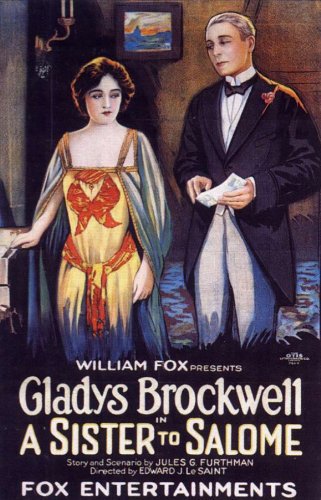
Dir: Edward LeSaint
When famous opera singer Elinore Duane undergoes an operation on her throat, she has a series of ether-induced visions. In one, she is transported to ancient Rome where she appears as a much-admired woman in love with Paul, a young heretic, and at odds with Lutor, the high priest. To save her love, she poisons Lutor with her ring. After several other visions which involve variations on this love triangle, Elinore awakens to discover that Lutor is actually her doctor, Sascha Jaccard, and that Paul is the son of a friend who has come to visit the recovering prima donna.
View Details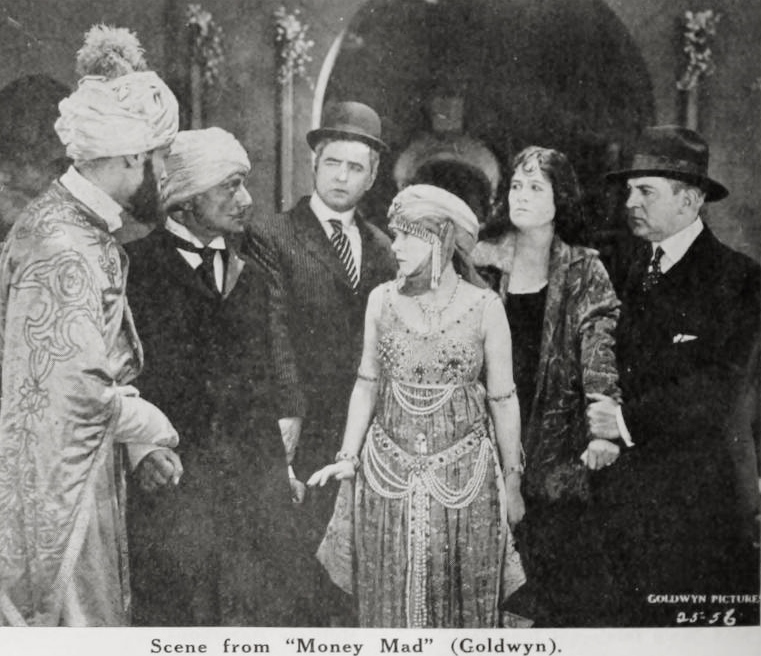
Dir: Hobart Henley
Martin Ross and his East Indian servant Sima poison Mrs. Dean, whose money and pearls are left to her little daughter Elsie. Ross, the executor of the estate, spends all of the money with the willing assistance of seductress Fanette, but manages to retain the priceless pearls. When Elsie reaches the age of 18, she learns that she is penniless and formulates a plan to retrieve the jewels with the aid of her boyfriend William Gavin, Jr. Posing as seer "Madame Rama," Elsie sets Ross against Fanette, who has taken the pearls from their hiding place. When he confronts Fanette, she kills him and frames William for the crime. William is arrested, but "Madame Rama" tricks Fanette into confessing her guilt in the presence of several detectives. With Fanette and Sima behind bars, the pearls are restored to Elsie, who starts a new life with William.
View DetailsAnalysis relative to The Lady Lies
| Film Title | Atmosphere | Complexity | Similarity |
|---|---|---|---|
| The Jackeroo of Coolabong | Ethereal | High | 85% Match |
| Eva, wo bist du? | Gothic | Dense | 86% Match |
| A Gay Old Dog | Ethereal | Abstract | 90% Match |
| The Woman on the Index | Gritty | Layered | 91% Match |
| One Week of Life | Gothic | Dense | 94% Match |
This guide was algorithmically generated using the cinematic metadata of Hobart Henley's archive. Last updated: 6/20/2026.
Back to The Lady Lies Details →