
DbcultAccessing Vault...
Recommendations
Senior Film Conservator
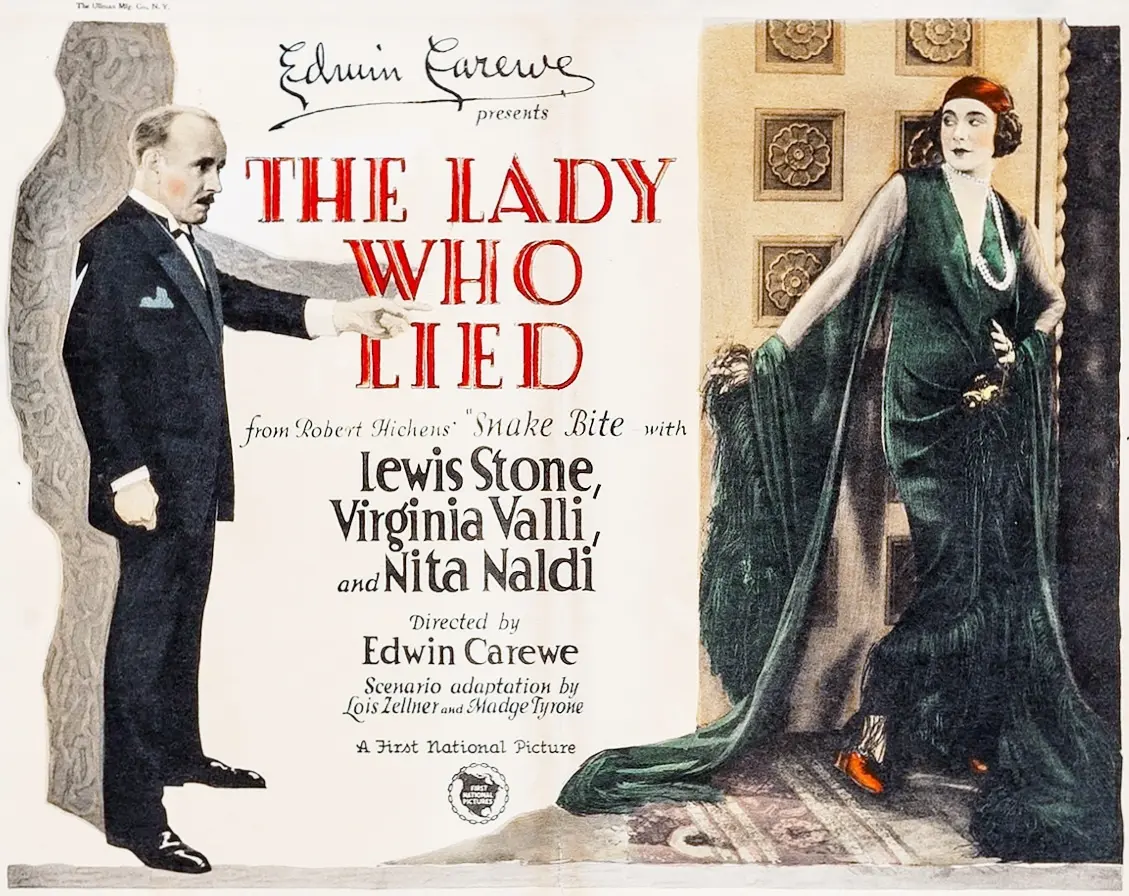
Navigating the complex narrative architecture of The Lady Who Lied is a poignant storytelling experience, the emotional payoff of the 1925 classic is what fans crave in similar titles. The following gems are essential viewing for anyone captivated by The Lady Who Lied.
The artistic audacity of The Lady Who Lied ensures it to define the very concept of poignant storytelling in modern film.
When Fay Kennion finds her fiancé, Horace Pierpont, in an innocent but apparently compromising situation with another woman, she breaks their engagement and marries instead Alan Mortimer, a weak and alcoholic physician practicing in Algeria. Pierpont later goes on a safari and persuades Fay and the doctor to accompany him as his guests. Despite genuine attempts to remain apart, Pierpont and Fay find themselves together more and more, and Mortimer eventually discovers them in a passionate embrace. Pierpont is later bitten by a snake, and Mortimer alone can save him. Mortimer at first refuses, but Fay, deeply in love with Pierpont, feigns love for her own husband and promises to return with him to Algeria if he will help Pierpont. Mortimer finally agrees and tends the other's wounds, saving Pierpont's life. On the trip back, the caravan is attacked by bandits; Mortimer is killed; and Fay and Pierpont are free to find happiness together.
The influence of Edwin Carewe in The Lady Who Lied can be felt in the way modern Drama films handle poignant storytelling. From the specific lighting choices to the pacing, this 1925 release set a high bar for atmospheric immersion.
Based on the unique poignant storytelling of The Lady Who Lied, our vault has identified these titles as the most compelling follow-up experiences for fans of Drama cinema:
Dir: Edwin Carewe
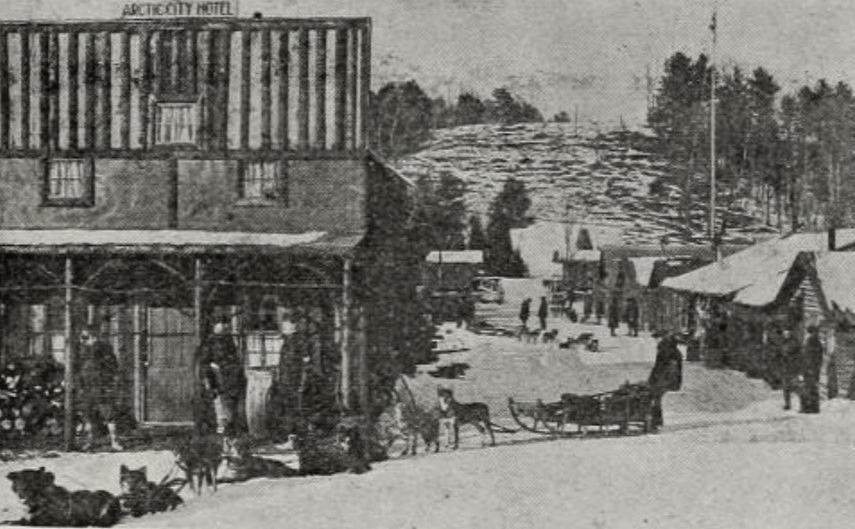
Corporal Blake is sent to apprehend the murderer of François Breault. All evidence points to Jan Thoreau as the guilty man. Blake arrives at Thoreau's cabin while he is away and is greeted by his wife Marie. Posing as a friend of her husband, Blake learns that Thoreau and Breault had quarreled shortly before the murder. This, together with Breault's dying accusation that Thoreau was his murderer, seems undeniable evidence. Blake, fascinated by Marie, agrees to let Thoreau escape, providing that she become his mistress. After much anguish, she consents. When Thoreau arrives, Blake arrests him, but during the night Marie helps him escape. Blake goes in pursuit. Meanwhile, officers at the post have received the dying confession of Pastamoo that he committed the murder. They hurry to Thoreau's cabin where the chase has led pursuer and pursued around in a circle and back to the cabin. Blake mistakes another officer for Thoreau and fires at him. The officer returns the shot, killing Blake. Thoreau and Marie then learn that they are free from suspicion.
View Details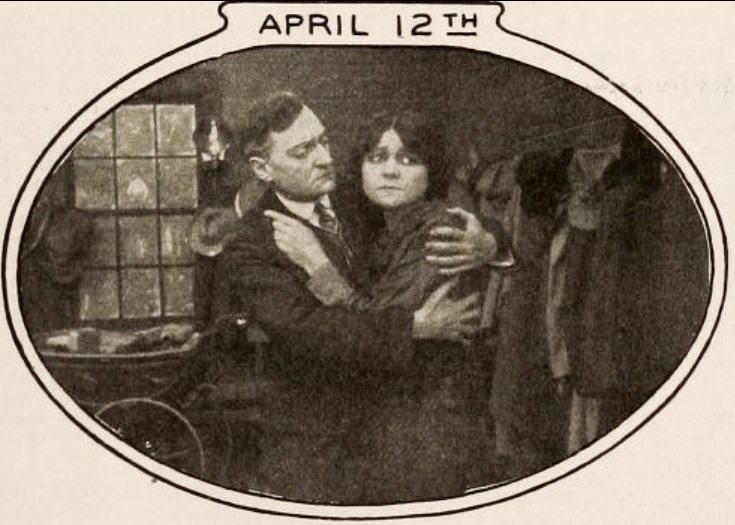
Dir: Edwin Carewe
Margaret Primrose is not permitted to see Ted North, who loves her, by her father, whom Ted's father ruined. To spite Ted, Primrose forces Margaret to marry Weston, a dissolute young millionaire, and Ted, heartbroken, goes West. Weston neglects Margaret and continues drinking. Seven years later, the Westons move West on the advice of his doctor to improve his health. Ted, meanwhile, has adopted the small daughter of a cattle rustler who was lynched by Ted's cowboys. When he spots a runaway horse and lassoes its rider, Margaret, they embrace, but realizing the impropriety, they bid each other goodbye. Weston resumes drinking and takes an interest in Molly, the proprietress of a dance hall. When Molly's sweetheart, "Quick Foot Jim" learns that Molly and Weston are planning to elope, he kills Weston. After Ted is convicted of the murder, based on circumstantial evidence, Jim abducts Molly. When Margaret learns the truth, a posse is organized to find Jim. No information has been located concerning the film's ending.
View Details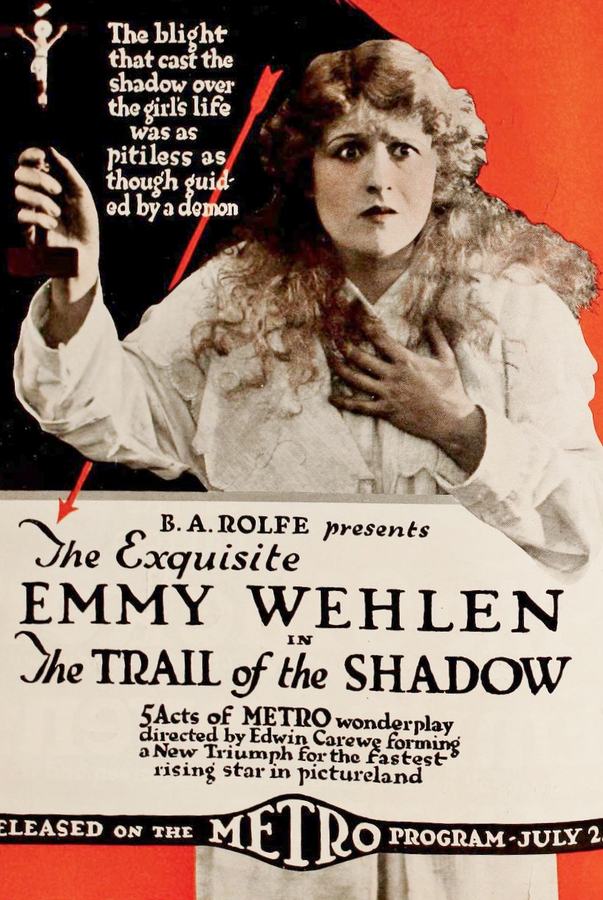
Dir: Edwin Carewe
Sylvia Mason, a mysterious girl, lives in a cabin by herself and sells her bead work to the visitors at a large hotel nearby. At the hotel, Sylvia meets Easterner Henry Hilliard, who falls in love with her, but she refuses to marry him and will not explain her reasons. Thus Henry returns East without learning that Sylvia's father had been murdered by his private secretary Jack Leslie in revenge for her refusal to marry him. One night after Henry's departure, Leslie, now known as the outlaw "The Shadow", breaks into Sylvia's cabin. There is a struggle that leaves Sylvia unconscious, and when she awakens she finds a note claiming that because Leslie has violated her, she must marry him. Meanwhile Henry's mother, horrified that her son wants to marry this strange girl, informs Sylvia that their marriage would destroy him. Sylvia agrees to give up Henry, but he learns her story from Padre Constantine and goes to search for her. Sylvia has gone to Leslie and Henry follows. In the ensuing fight, Henry forces Leslie to admit with his dying breath that he has lied to Sylvia.
View Details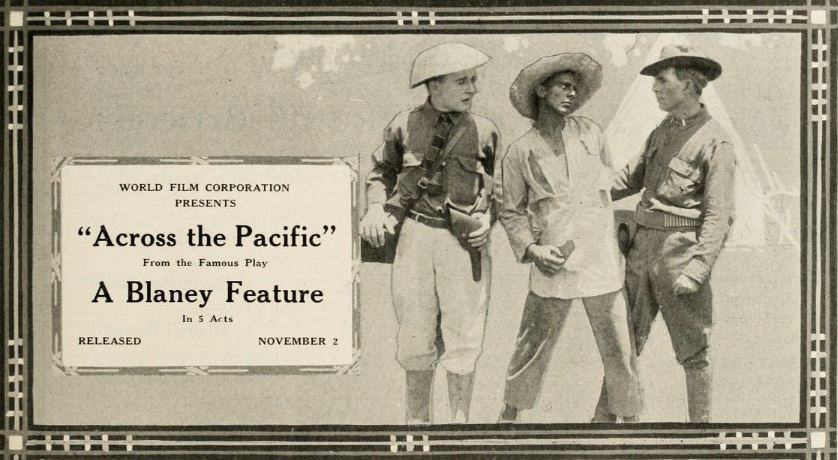
Dir: Edwin Carewe
The Escott family, on their way to Montana, is attacked by Indians. Army Lt. Joe Lanier afterwards finds little Elsie Escott, the only survivor, and brings her to his mother, who takes in the girl and raises her. Joe later leaves the army and becomes a successful miner, and over the years as he sees Elsie grow into a woman, he falls in love with her. Soon, however, a handsome stranger named Bob Stanton becomes his rival for Elsie's affections, and when Joe becomes jealous Elsie gets angry and makes plans to elope with Stanton. However, a war with Spain complicates everything.
View Details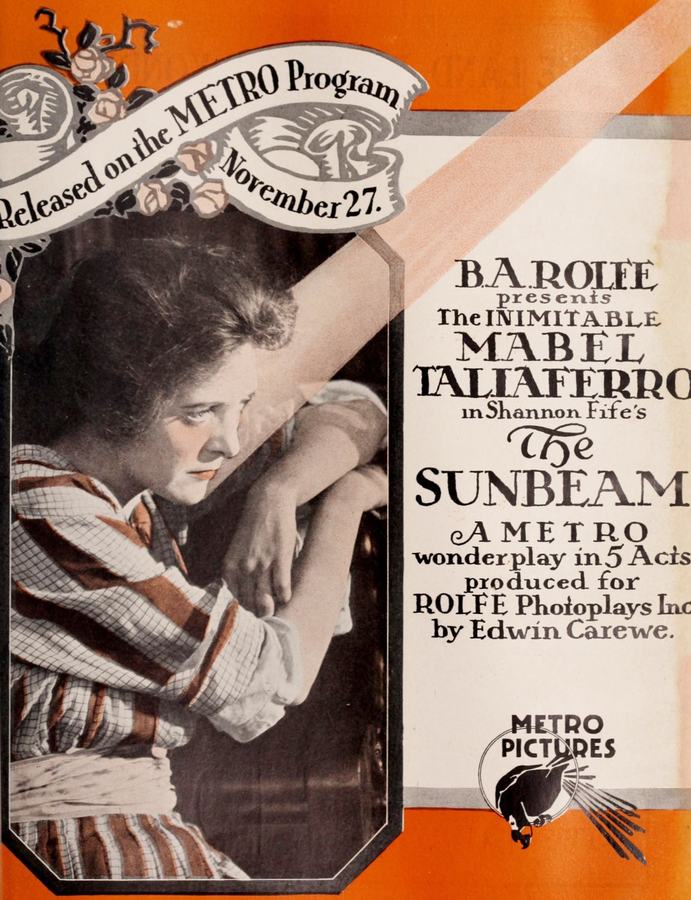
Dir: Edwin Carewe
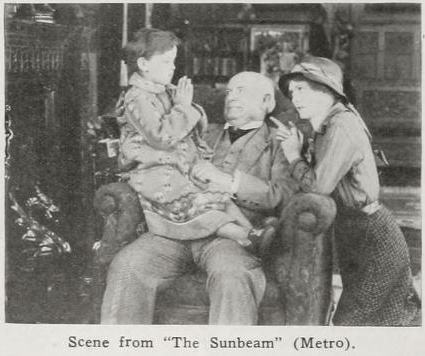
Big-hearted Prue, living in the slums, and Danny O'Maddigan, a reformed crook, want to buy a birthday cake for Prue's 75-year-old grandmother. They live across the hall from Ellen Rutherford, the destitute widow of Steven Rutherford, Jr., who was disinherited by his father, a wealthy candy manufacturer. Prue, who works at the candy factory, gives Ellen the money that was meant for her grandmother's cake so Ellen will be able to care for her son Bobby. Frustrated over the loss of the money, Danny steals the price of a cake from the factory's safe, leaving the safe's door open in his haste to depart. Danny's former gang arrives and cleans out the safe, and Danny is convicted of the crime and sent to prison for four years. While Danny is in prison, Bobby is struck by his grandfather's car and slightly injured. Stricken with remorse, Mr. Rutherford effects a reconciliation with his daughter-in-law and promises to use his influence to bring about Danny's release from prison.
View Details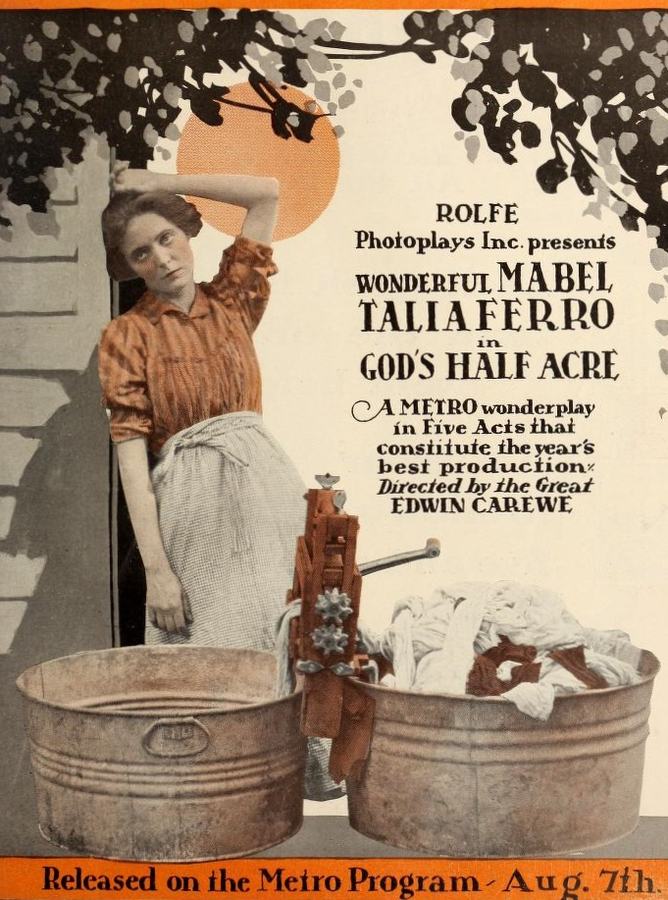
Dir: Edwin Carewe

Leaving his wife Rose for a few weeks and eager to do research for his new novel about the elderly, Henry Norman goes to live in a home for the aged, where Blossom, the home's young maid, falls in love with him. When she lets him know how she feels, however, Henry tells her that he has a wife. When his research is over, he returns to her--and discovers that she has eloped with his friend Perry Westley, and that they were both killed by a lightning bolt that struck Perry's car. While Henry recovers from this double shock, Blossom quits her job and finds work at God's Half Acre, an orphanage. While on a picnic with the children, she once again meets Henry, who realizes that he loves Blossom. They marry.
View Details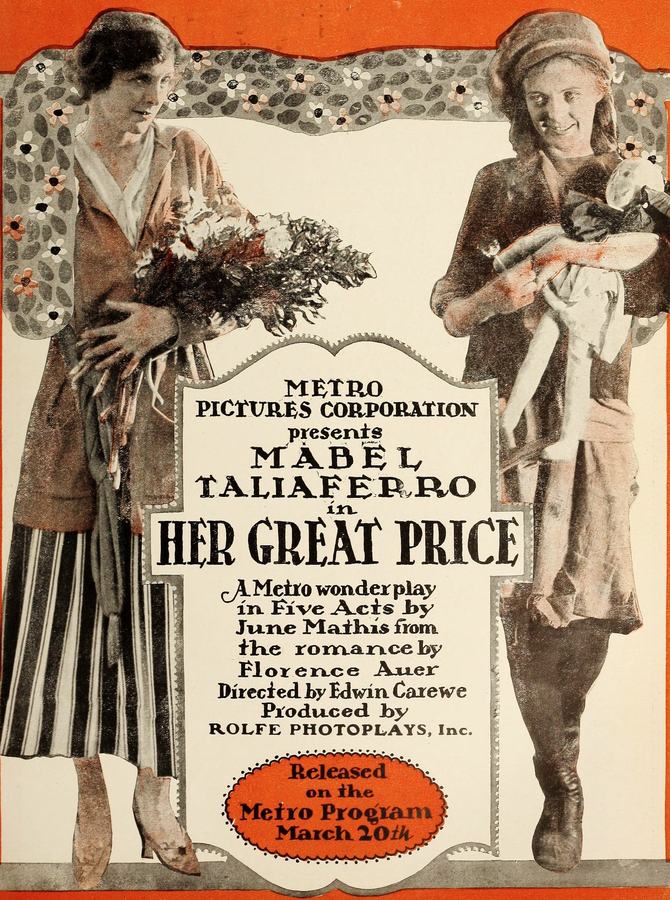
Dir: Edwin Carewe
Before the guests arrive for a party in her apartment, Agnes Lambert, a writer of unsalable fiction, starts revising one of her stories because she realizes that it lacks drama and emotion. Later, she begins a romance with Tom Leighton, but although Tom loves her, he is already engaged to Ruth Beresford, who was recently blinded in an explosion. Aware of the impossibility of their affair, Agnes decides to commit suicide, but when Ruth, whose vision has been restored by an operation, discovers that Tom no longer loves her, she frees him to marry his new sweetheart. Tom goes to Agnes, but arrives too late, and finds her dead. Then, guests knock at Agnes' door, ready for a party, and, having just finished revising a story in which she stars as a woman who commits suicide because she wrongly believes that a love affair has failed, Agnes rises from her typewriter to greet them.
View Details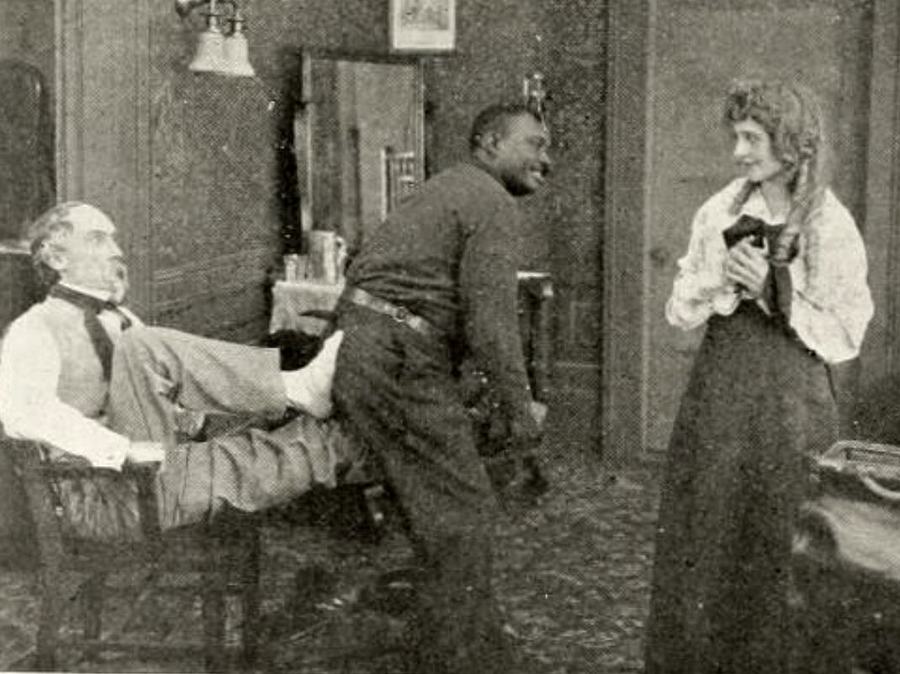
Dir: Edwin Carewe
Proud Confederate Captain Covington Halliday refuses to allow his daughter Martha to marry Northern lawyer Walter Lewis. As a boy, Covington was given an African American servant named Dan, who has always called him "Marse Covington." After the Civil War, Dan refused his freedom and stood by Covington, sharing his misfortunes. Jim Daly, who holds the mortgage on Halliday House, also wants to marry Martha, so he schemes with gambler Edward Bantree to fix a race in which Covington has wagered all his property on his beloved horse, Bess. Although Bess loses, Martha refuses to marry Jim to reclaim her family home. She moves to New York City with her father and Dan, but their savings are soon exhausted and Covington is forced to stand in bread lines. After Dan goes to work for Edward, he learns about the plot to fix the race. He tells Walter, who is later hired to defend Edward for Jim's murder. In lieu of cash, Walter demands the Halliday House deed as payment. Covington returns to his home with Dan, and gives Walter his blessing to marry Martha.
View Details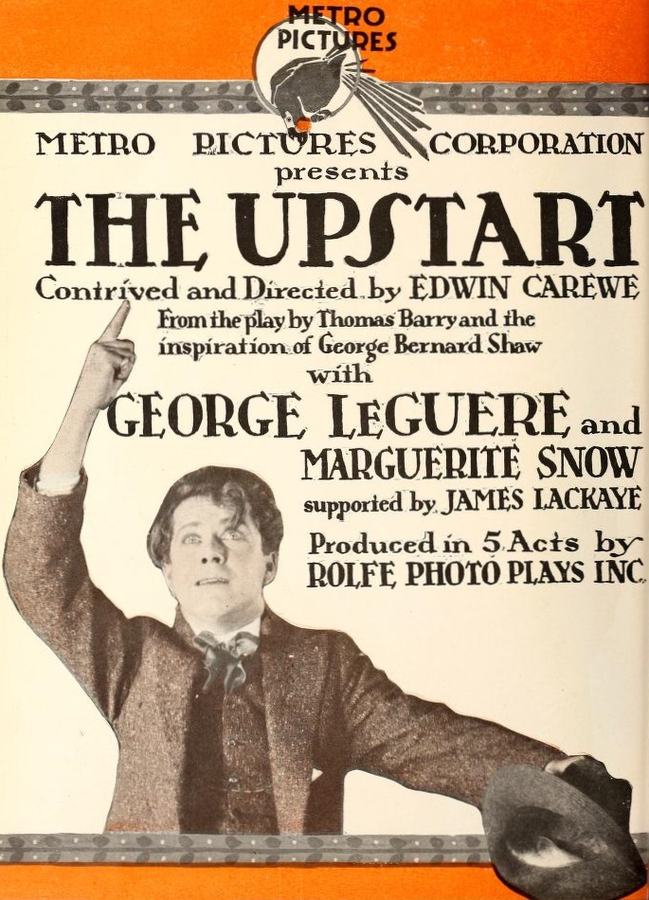
Dir: Edwin Carewe
One day Coventry Petmore leaves his wife and child to go out in the world and fight the social evils of divorce and loveless marriage. Circumstances lead him to the home of Judge Mitchell, where the judge's son, a minister, and his wife Beatrice reside. The minister does not believe in expressing affection to his wife, and Beatrice becomes enamored of her chauffeur Larry Price. Petmore encourages Beatrice to tell the minister that she is running away with Price, then surreptitiously coaches the minister to give a response that Petmore believes will win Beatrice back. The plan backfires, however, and only a rainstorm and car trouble prevent Beatrice and Price from running off. Getting wind of Petmore's role in the affair, the judge has him ejected from the household, and Petmore returns home to discover that his wife has run away with her chauffeur. Petmore's conviction in his theories remains unshaken, however.
View Details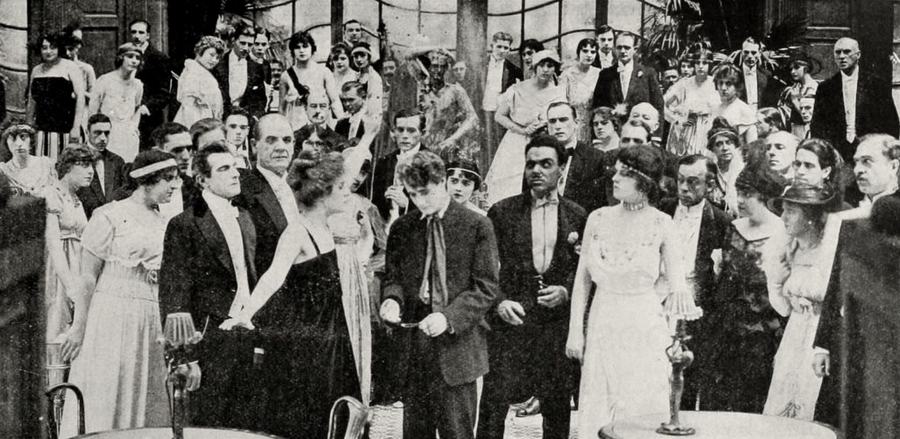
Dir: Edwin Carewe
Standish, an artist, finishes a painting of the Madonna. His wife, Mary, acted as model, and when the Connoisseur and the Parishioner inspect the picture, the former tells Standish that he recognizes in the model a one-time paramour of his. The Connoisseur and the Parishioner buy the painting and after their departure Standish upbraids his wife, who tells him that she believed herself legally married to the Connoisseur. Standish refuses to accept her explanation and ejects her and their baby son. Mary leaves her boy on the steps of a monastery, and seventeen years later, just before becoming a monk, he receives permission to see the world. He wanders into a gay café and succumbs to the charms of Beauty. The other inmates of the place, Lust, Rum, Avarice and Passion are dancing around him when the proprietor enters. It is Mary, his mother. She recognizes him from the crucifix which he wears and which she left with him when he was a baby. Without revealing her identity she persuades him to go back and later when he has become a priest, a bedraggled old woman (his mother) enters his church. She recognizes him and just before she dies her son gives her absolution.
View DetailsAnalysis relative to The Lady Who Lied
| Film Title | Atmosphere | Complexity | Similarity |
|---|---|---|---|
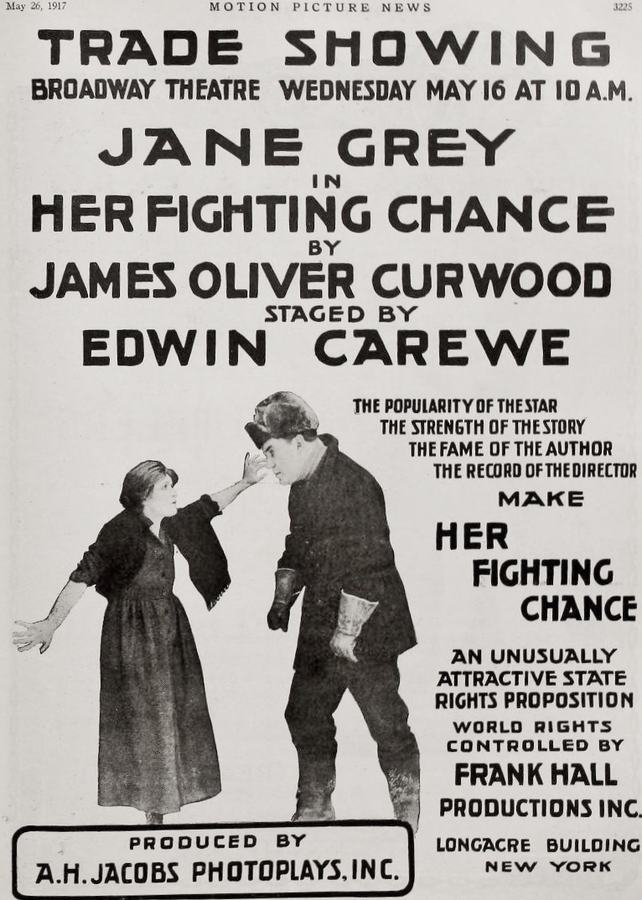
| Her Fighting Chance | Ethereal | Linear | 91% Match |
| The Cowboy and the Lady | Tense | Dense | 94% Match |
| The Trail of the Shadow | Tense | Abstract | 91% Match |
| Across the Pacific | Tense | High | 97% Match |
| The Sunbeam | Ethereal | Layered | 95% Match |
This guide was algorithmically generated using the cinematic metadata of Edwin Carewe's archive. Last updated: 6/23/2026.
Back to The Lady Who Lied Details →