
DbcultAccessing Vault...
Recommendations
Senior Film Conservator
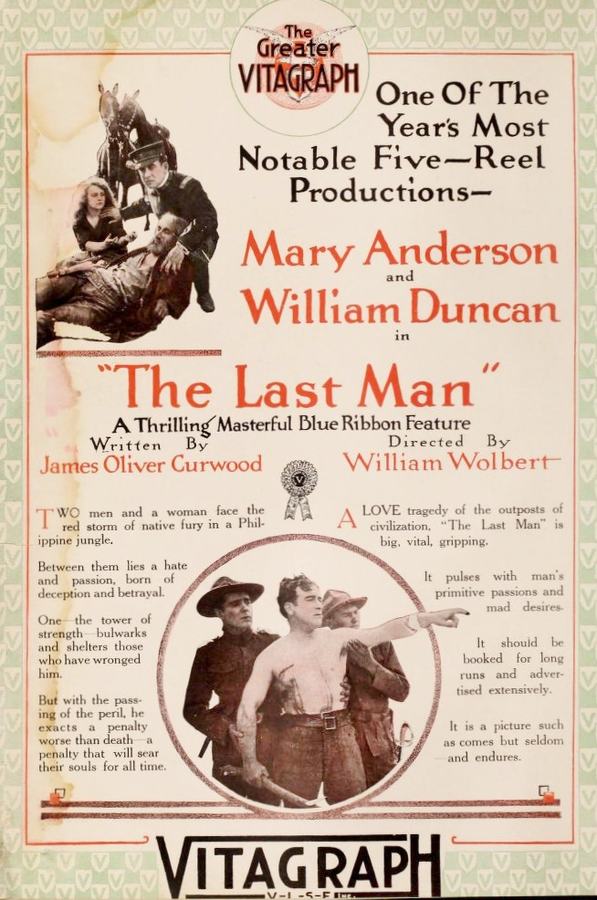
Witnessing the stylistic evolution of William Wolbert through The Last Man is profound, this cult landmark continues to dictate the rules of its category. If the cast impressed you, these next recommendations will too.
The synthesis of form and function in The Last Man to maintain its cult relevance across several decades.
After a tour of duty in the Philippines, Major Harvey, an army surgeon, returns to his home in Montana to discover his wife Lorna has begun an affair with Lieutenant Horne, whom she marries after Harvey divorces her. Weary of his former wife's high society sophistication, Harvey falls in love with Jeanne MacDonald, a young woman from the mountains, and, giving her a job as an army nurse, returns with her to the Philippines. Meanwhile, Horne has also been stationed there, and brings Lorna with him. The Philippine rebels attack the Americans, and the two couples find themselves under siege together. During the fighting, Lorna, tired of Horne, begins flirting with her ex-husband. After the rebels have been defeated, however, Harvey rejects Lorna and marries Jeanne.
Based on the unique unique vision of The Last Man, our vault has identified these titles as the most compelling follow-up experiences for fans of cult cinema:
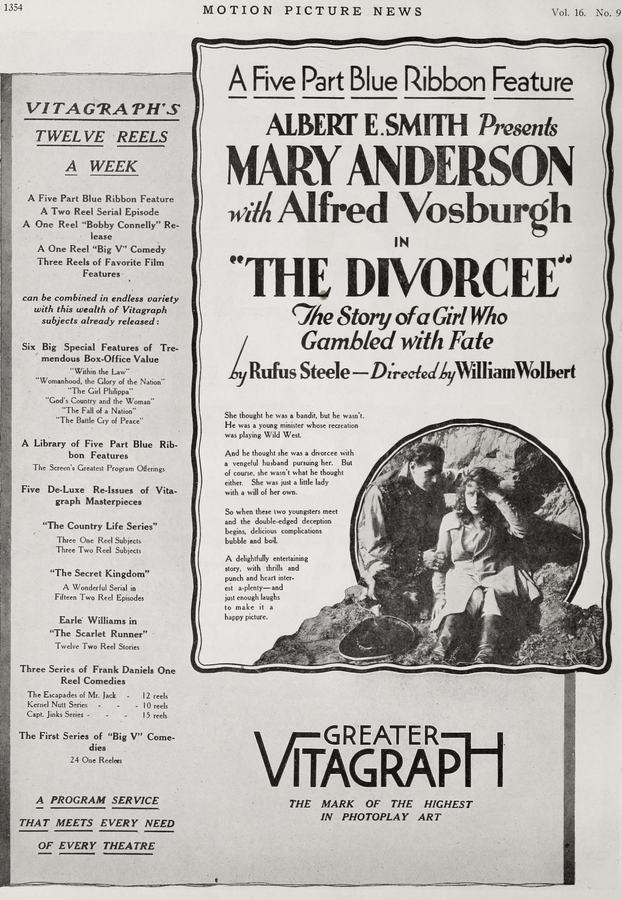
Dir: William Wolbert
Wanda Carson travels to Reno, Nevada to visit her brother Sam, but finds that he went to the hills to work. Curious about the lively divorce colony, Wanda, who has never had a romance, impersonates a divorcée, exhibits her companion's baby as her own, and becomes the colony's favorite. Visiting Reverend Jerry Ferguson from Boston, who fights against divorce, rescues Wanda when her horse runs away. In the hills, under their assumed names of "Prince Cactus Pete" and "The Sagebrush Queen," they pursue a romance. While in town, Wanda challenges Jerry's views in the newspaper without either realizing the other's identity. When Wanda falls in love and withdraws from the divorce colony, an angry member tells Jerry that Wanda has a child. Wanda witnesses a holdup and thinks that Jerry is the bandit. She goes to warn Jerry of the sheriff's posse, and they both ride off with Jerry thinking that Wanda's irate husband is pursuing. After the sheriff catches them and reveals Jerry's identity, Sam, riding with the posse, reveals Wanda's. The now-exposed couple, plans their future together.
View Details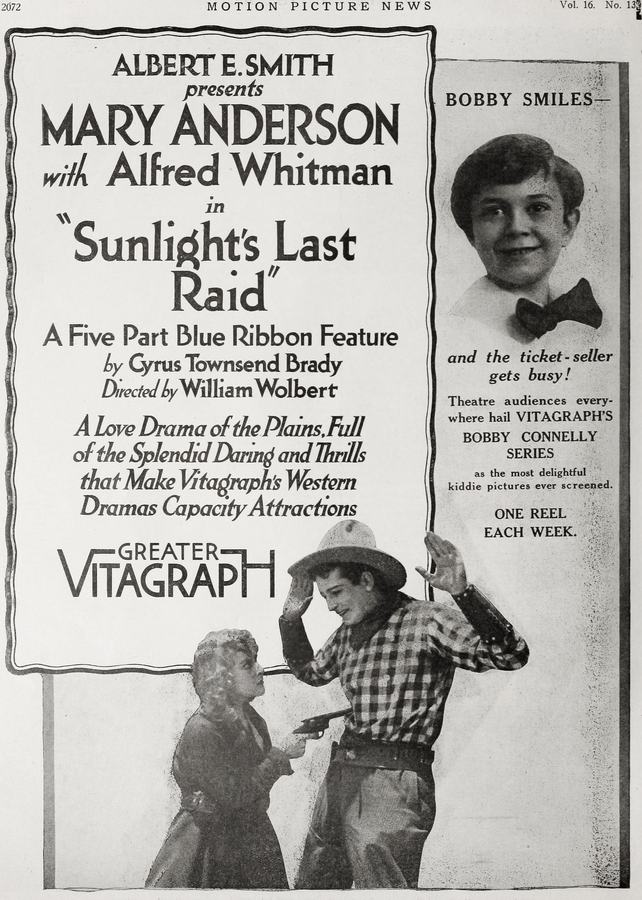
Dir: William Wolbert
To retaliate for Bill Warned's vigilante activity, Captain Sunlight, a notorious outlaw, kidnaps Warned's sister Janet, an Eastern society girl, from her train and holds her in the hills. Janet is rescued by Jack Conway, a rancher, but faints before getting a good look at him. Because he bears a resemblance to Sunlight, Janet turns Jack over to the posse the next time they meet. After Jack is released with a laugh by the posse, Janet dumps her Eastern fiancé in favor of the dashing cowboy. Sunlight, spurred on by his defeat, begins a series of raids on the local ranches that culminates in an attack on the Warned place. As a battle between the posse and the bandits rages, Janet escapes from the ranch and rides to Fort Maxey to summon the troops. With Janet leading the way, the troops defeat the outlaws, but Jack is shot in the fight. While tending to Jack's wounds, Janet is surprised by Sunlight, but finally overcomes him, tossing him over a cliff to his death.
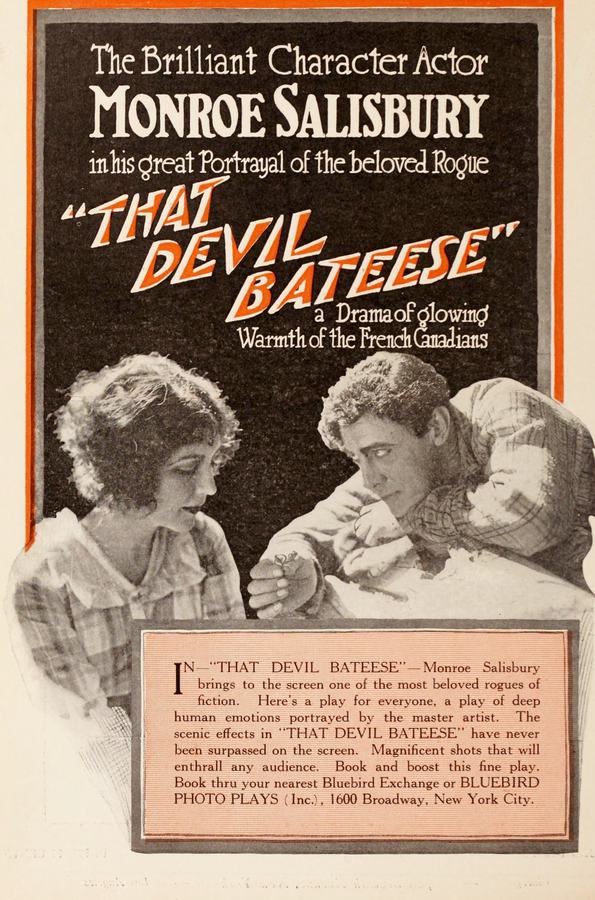
Dir: William Wolbert
After her romance with Martin Stuart shatters, Kathleen St. John leaves Montreal for the little village of Montrouge, where she plans to teach school. Kathleen loses her way between the station and the village and is attacked in the woods by the town bully, Louis Courteau. Seeing a pretty woman in distress, Bateese Latour, a warmhearted lumberjack whose drunken temper tantrums have earned him the sobriquet "That devil, Bateese," beats off her attacker. A short time later, Bateese falls in love with Kathleen, and promising to abandon his drinking, he carries her off and marries her. When Martin comes to Montrouge, however, Bateese becomes convinced that Kathleen still loves her former sweetheart and paddles away in his canoe, intending to let the falls carry him to his death. Louis's sister, a pathetic creature who is still clad in the wedding dress she wore when her groom deserted her, recognizes Martin as her long-lost lover, whereupon Kathleen rushes out to find Bateese. Hurt, but still alive on the bank below the waterfall, Bateese returns home with his wife.
View Details
Dir: William Wolbert
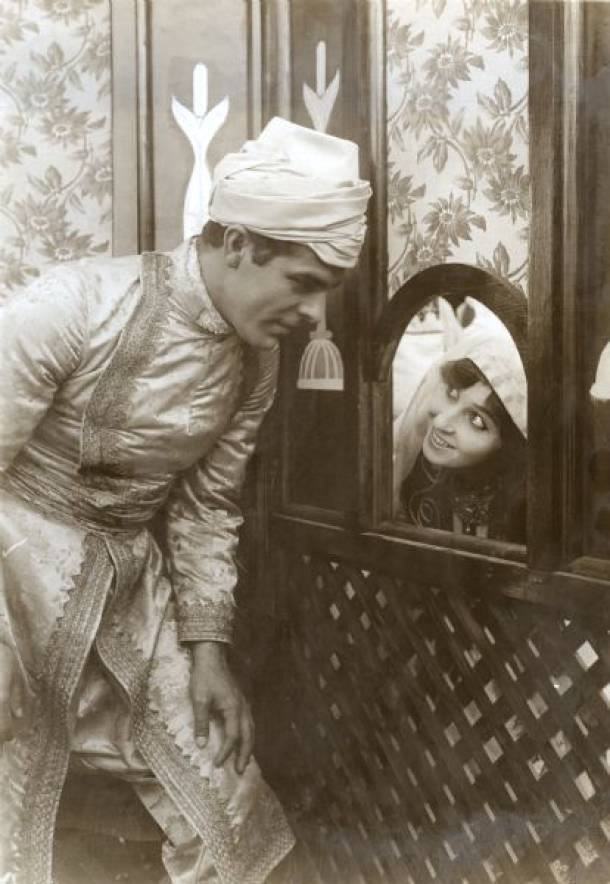
James Fitzgerald, an antiquarian, receives a letter from England that he has fallen heir to the title and fortune of his deceased brother. He leaves his Armenian wife and daughter in the care of Abu, a servant. An uprising among the Turks ensues and Mrs. Fitzgerald and the child are taken captive. Returning, Fitzgerald, with Abu, the servant, goes in pursuit. The only thing remaining of his home and wife is a small prayer book. Fitzgerald goes to Mecca to avoid capture, and hides the prayer book in a recess in the wall. Several years pass. Jack Stanton hears Lord Fitzgerald exclaim that it is impossible for any white man to emulate the feat that he did years ago. Stanton claims that if an Englishman could enter Mecca, an American could to it too. A bet is made whereby Stanton is to go to Mecca and, unaided, bring back the prayer book hidden by Fitzgerald. Stanton arrives at Mecca, disguised as a pilgrim. His father was the American Consul at Damascus in Stanton's youth, and his knowledge of Arabic is good. He finds the prayer book, but an Arab named Sadi steals it during the night. Stanton follows Sadi to Damascus. In Damascus Fitzgerald's daughter is living in the care of a presumed stepmother named "Light of Life," who contracts with Amad, a rich diamond merchant, to deliver Faimeh, as she is called, to him as his wife. The marriage takes place in spite of Faimeh's protestations. Amad utters the triple Moslem sentence of divorce, and she is again free. Amad is still desirous of having her, but under the Koranic law, cannot remarry her until she has been married to another man and divorced by him. With El Sabbagh he goes to find a man. They find Stanton, and he is inveigled to do as they ask. Through the lattice work Stanton and Faimeh are married, but Stanton gets a glimpse of her face and refuses to pronounce the triple divorce. A fight ensues and Stanton finds himself with his wife in a walled garden. They make their escape into the desert. There Stanton disguises Faimeh as a boy and himself as a Jewish story teller. Amad and El Sabbagh in pursuit, with Sadi, who has the prayer book in his possession, overtakes them but do not recognize them. A suspicion enters Sadi's mind and he returns and spies on them. Stanton discovers him and a fight ensues in which Sadi is knocked unconscious and Stanton recovers the prayer book. Stanton and Faimeh leave on Sadi's camel and meet Fitzgerald, who is on his way to Damascus. Fitzgerald takes Faimeh with him, but Stanton goes on alone, as the agreement in the wager is that he shall not accept assistance from any Christian. Amad and El Sabbagh find Sadi, who tells them about Stanton and the girl. They start in pursuit, and during a sandstorm Amad is separated from his companions. Stanton has taken refuge behind his camel and Amad stumbles upon him and crawls under the same blanket that is protecting Stanton. The storm abates. Amad tries to kill Stanton, who finally gets the upper hand, and when he has Amad in his power his pity for the older man grows and he finally compels him to get on his camel, divides the water and tells him to be on his way before he changes his mind. In Damascus, Fitzgerald, through the jewels Faimeh wears, discovers that she is his daughter. Faimeh and Fitzgerald search for Stanton and meet Amad, who tells them about his self-sacrifice. Days later a sun-blistered man, almost out of his mind, staggers into Fitzgerald's apartment. There he sees Fitzgerald and Faimeh in an attitude of endearment and taking a mistaken idea from it, utters the triple divorce and then falls in a faint. Faimeh nurses him through a long siege of brain fever, and on his recovery explains to him the reason for the occurrence that he has witnessed. After a time, back on Broadway, Fitzgerald settles his wager and a Christian marriage is performed.
Dir: William Wolbert
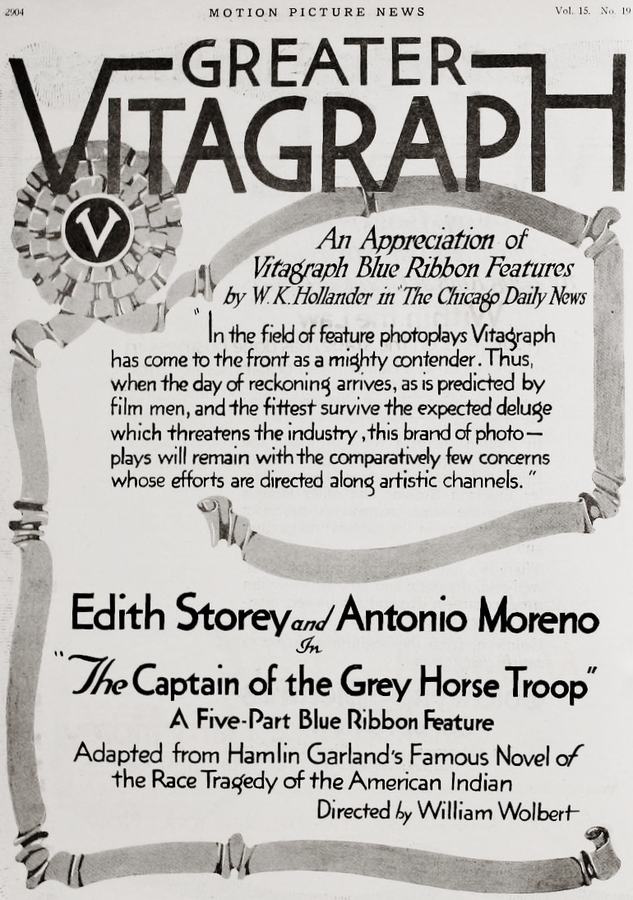
Captain George Curtis is sent from Washington, D.C. to improve conditions on an Indian reservation. After ousting a prejudiced government agent, George earns both the allegiance of the Indians and the hostility of neighboring cattlemen, who hope to appropriate the reservation through political corruption. George also falls in love with Elsie, the daughter of ex-Senator Brisbaine, a sworn enemy of the tribe. When the murder of a white rancher by an Indian incites an attack on the reservation, George marches his Gray Horse Troops into town to quell the violence. He then captures the perpetrator and assures the ranchers that the incident was isolated. Although they demand revenge on the entire tribe, George maintains the peace, and wins Elsie's love.
View Details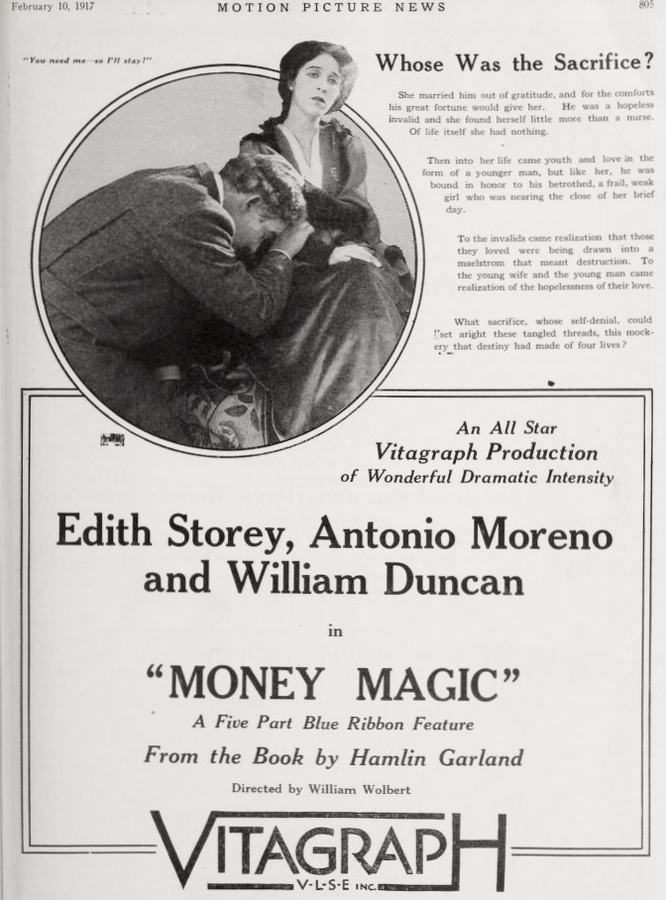
Dir: William Wolbert
Bertha Gilman, helping her mother run a small hotel, is courted by Marshall Haney, gambler and saloonkeeper. She promises to marry him if he will give up his gambling habit and live on the income of $100,000 which he receives yearly from the mines he honestly acquired. A miner who has been fleeced of his money in the gaming hall after Haney sells out shoots Haney. Bertha and Haney are married, and she nurses him back to health, though he remains badly crippled. They move to Colorado Springs, and buy a magnificent home. Later Bertha meets Ben Fordyce, an honorable young man, engaged to Alice Heath, a consumptive. Haney and his wife go east at the same time that Ben takes his affianced wife back. The four travel on the same train, and during the trip Ben and Bertha become more attached to each other. Both, however, remain loyal to their trusting ones. In the east Bertha's longing for Ben becomes almost unbearable. Her husband, noting her morose condition and being apprised of the cause of it by Alice just before she dies, suggests to his wife that they return to their home in Colorado Springs. So that he might bring happiness to the two young lovers, Haney whose heart is weak, deliberately climbs a mountain. As he reaches the top he dies, and Bertha and Ben realize as they gaze upon the body of Haney what a great sacrifice he has made that their lives might become one.
Dir: William Wolbert
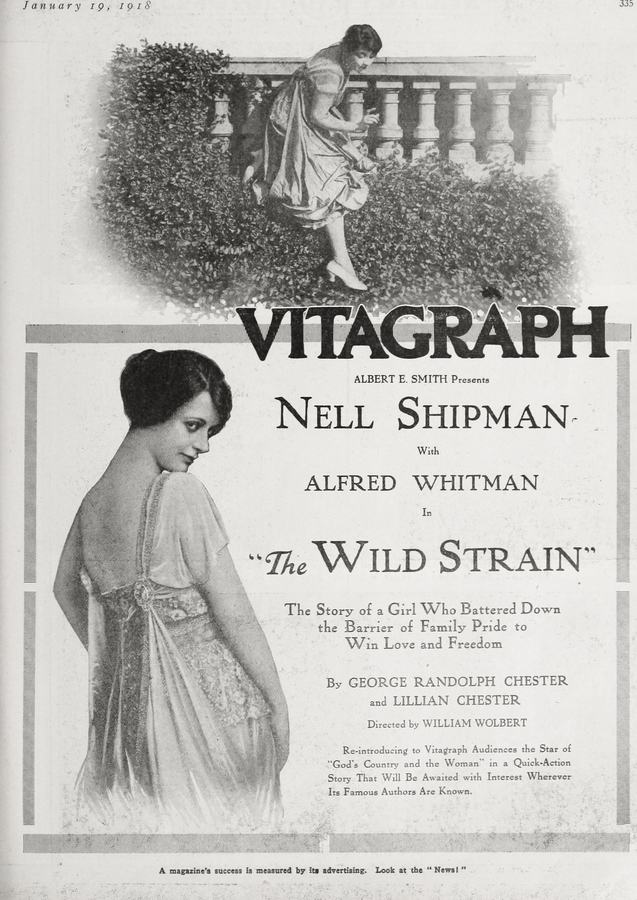
Although the prominent Hollywood family prides itself on its illustrious family tree, young Winifred Hollywood exhibits a fondness for wild adventures that greatly disturbs her parents. When Winifred becomes engaged to bank official Harold Burton, his equally snobbish parents visit the Hollywood home and are shocked by the young woman's spirited outbursts and mischievous tricks, and the engagement is broken after she decides to perform bareback feats with a traveling circus. On an evening ride, Winifred overhears two men planning to rob a bank, but when she attempts to phone for help, they make her their prisoner. In trying to rescue Winifred, Harold proves an able fighter, and with the aid of the circus crew, she is freed and the crooks apprehended. The Hollywoods then reveal that one of their ancestors was a bandit, while the Burtons admit that their line included a noted pugilist, and the young people are allowed to resume their romance.
View Details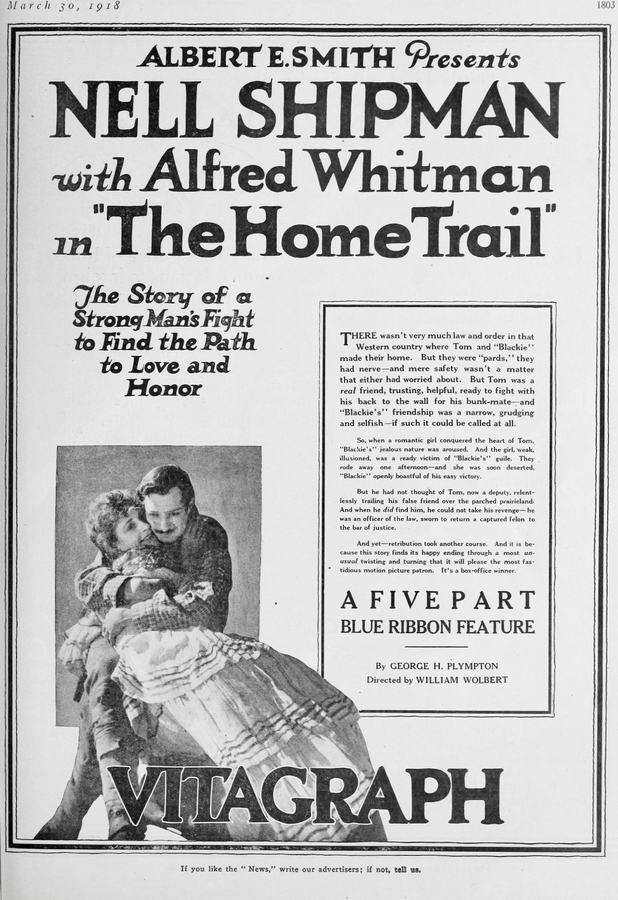
Dir: William Wolbert
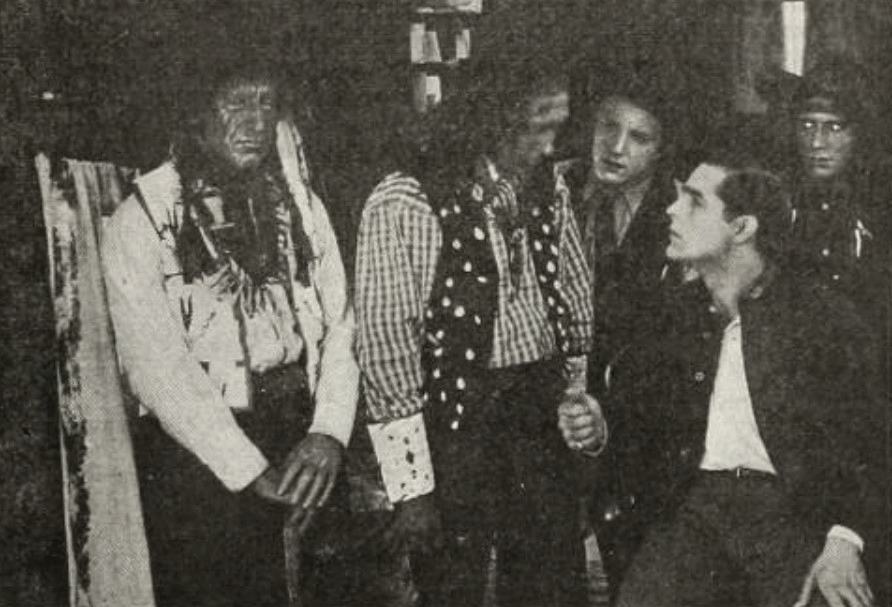
Tom Evans, the fearless range boss of the Double X Ranch, falls in love with a romantic schoolteacher from the East named Clara. They marry and for a time are happy, but in Tom's absence, his partner Blackie persuades the restless young wife to run away with him. Blackie soon deserts Clara, and she is forced to earn her keep at a disreputable dance hall. After robbing a stage, Blackie returns, and Tom, who has been waiting for his former friend, goes after him. In a gun battle with Tom and his posse, Blackie kills Clara and escapes, but Tom follows him into the desert and takes his horse, leaving him to die of thirst. Tom returns to Elsie, the girl who had secretly loved him all along, and marries her.
Dir: William Wolbert
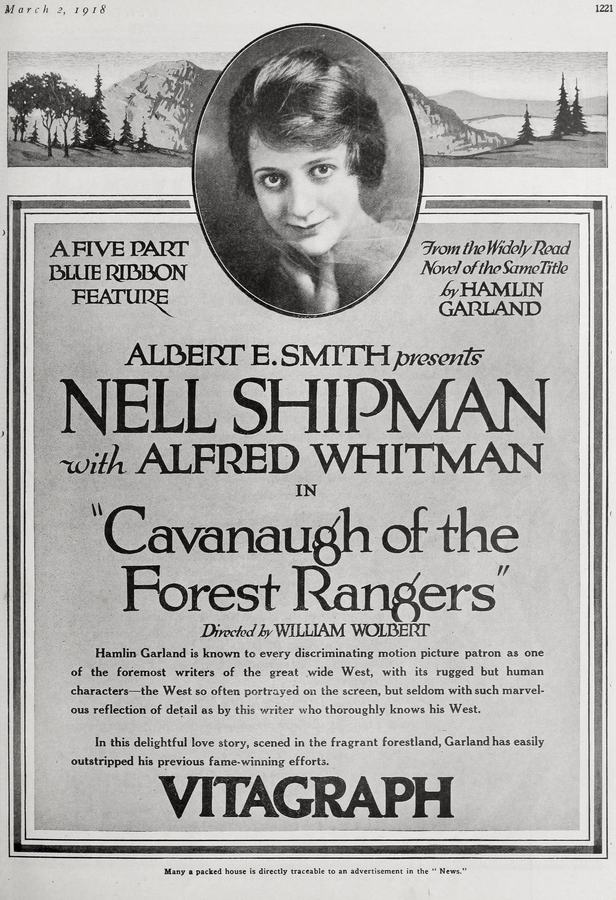
Ed Wetherford becomes an outlaw and, to escape imprisonment, abandons his wife Eliza and daughter Virginia. After attending college in the East, Virginia returns to California, where she meets and falls in love with Ross Cavanaugh, a United States ranger. Ross is busy trying to maintain peace between warring cattlemen and sheepherders and, in the line of duty, meets Virginia's father. The two men become friends and Virginia, who had been reluctant to accept Ross's proposal because of her father's misdeeds, finally marries Ross.
View Details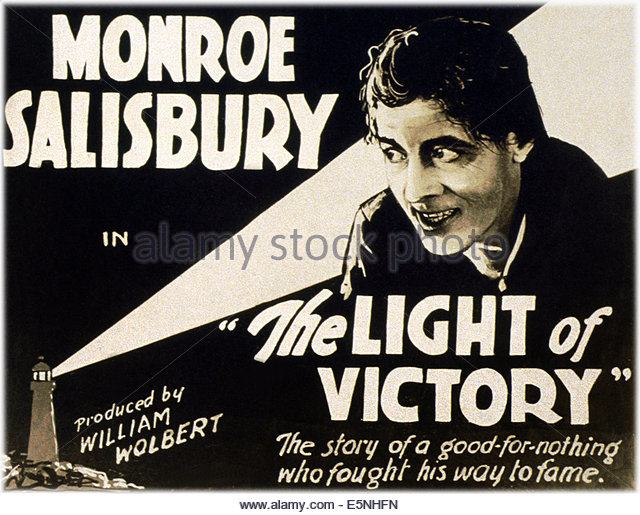
Dir: William Wolbert
U.S. Navy Lieutenant George Blenton becomes drunk at an official reception, and his fiancee, Jane Ravenslee, the captain's daughter, breaks their engagement. After war is declared, George, entrusted with a secret code book to deliver to an English admiral, drinks and loses the book which German spies recover. During a private court-martial he is offered a pistol for suicide. After drinking again, he fires a shot, but still lives. Put ashore on the island of Tafofu "to rot," George, hating the U.S., moves in with Lehua, a half-white who tries to wean him from drink. Jane, still in love, attempts to find George, but her ship is torpedoed and captured by a German submarine. After the sub arrives at Tafofu to sink George's ship, the U.S.S. Victory , Lehua unsuccessfully tries to warn them. George, who has befriended the German captain, sees the Victory 's flag, and signals danger. The Victory sinks the sub, and George, while fighting the captain, is shot. After Jane finds his body, he is honored posthumously on the victory.
View DetailsAnalysis relative to The Last Man
| Film Title | Atmosphere | Complexity | Similarity |
|---|---|---|---|
| The Divorcee | Surreal | Layered | 91% Match |
| Sunlight's Last Raid | Tense | Abstract | 95% Match |
| That Devil, Bateese | Tense | Linear | 88% Match |
| Aladdin from Broadway | Gritty | Dense | 88% Match |
| Captain of the Gray Horse Troop | Gothic | Linear | 89% Match |
This guide was algorithmically generated using the cinematic metadata of William Wolbert's archive. Last updated: 8/16/2026.
Back to The Last Man Details →