
DbcultAccessing Vault...
Recommendations
Senior Film Conservator
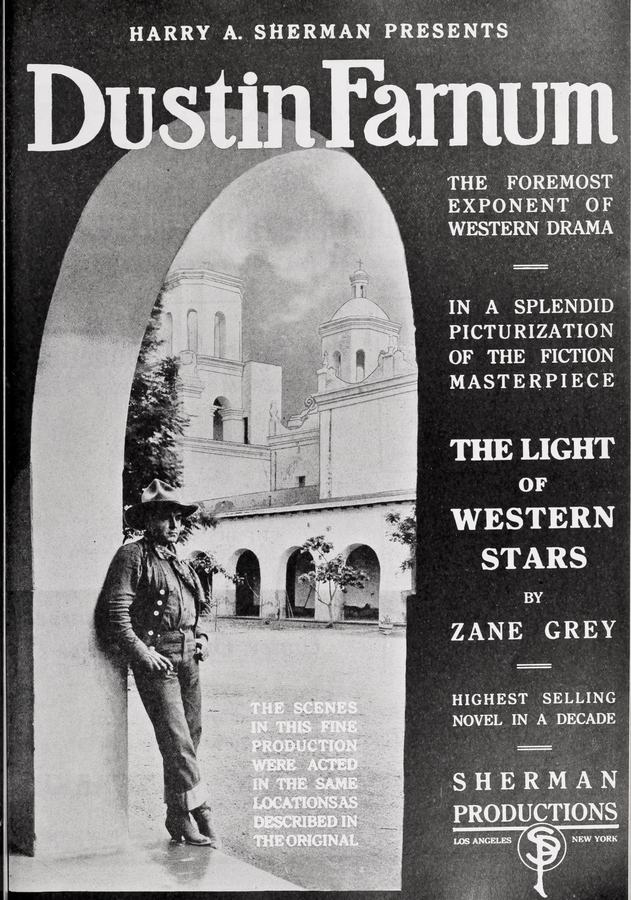
Exploring the cinematic excellence in The Light of Western Stars is a journey into United States cinema, the thematic layers of this 1918 classic invite a wider exploration of the genre. If the cast impressed you, these next recommendations will too.
With Charles Swickard at the helm, The Light of Western Stars became to reinvent the tropes of cult cinema for a global audience.
A friend of Dick Bailey is killed by a mysterious assailant, whom Dick suspects to be Stack, who is in league with the crooked sheriff. Out on a spree Dick swears he will marry the first woman he sees, who happens to be Ruth Hammond, sister of his dead friend, arriving to take charge of the Hammond ranch. Revolted by his rough proposal,she fires him as the Hammond foreman and she proceeds to the ranch. Stack informs her he has purchased the ranch for the payment of the back-due taxes, and she relents and rehires Dick and his friends to aid her in her fight against Stack.
The Light of Western Stars was a significant production in United States, bringing a unique perspective to the global stage. It continues to be a top recommendation for anyone studying cult history.
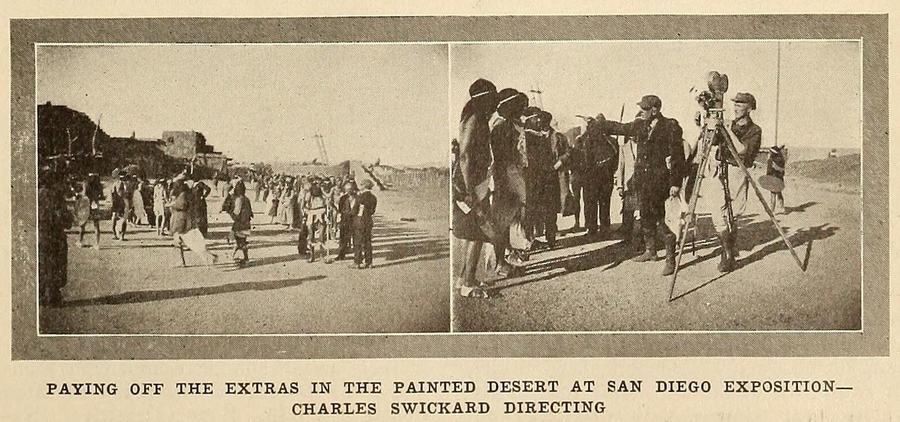
Based on the unique cinematic excellence of The Light of Western Stars, our vault has identified these titles as the most compelling follow-up experiences for fans of cult cinema:
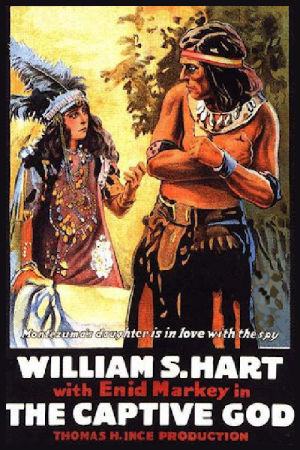
Dir: Charles Swickard
The picture tells the story of a little Spanish boy who is cast upon the shore of the east coast of Mexico early in the sixteenth century, when Mexico was dominated by the Aztec Indians. Never having seen a white person before, the local natives, a tribe called Tehuans, bring him up as a god and call him Chiapa. When he reaches manhood, Chiapa is given authority over his entire tribe. He falls in love with the priestess, Tecolote, and she yields to his advances although she is quite unworthy of him, and encourages other suitors. Then the Aztecs hear that under the white god the Tehuans are very prosperous, and start forth to conquer them. The Aztec army is under command of Mexitli, the chief general of Montezuma, the Emperor, and having conquered the Tehuans, he carried off Tecolote as his personal slave. Chiapa follows as a spy. In the garden of Montezuma, he is wounded by a guard, but Lolomi, the beautiful daughter of the Emperor, saves him. They fall in love. Meanwhile Mexitli has tired of Tecolote, and now seeks the hand of the Princess Lolomi, who would rather die than have him. As the Emperor gives Mexitli his consent, he tries to get the princess by force, and in doing so discovers Chiapa. Luiapa is sentenced to die at the end of the year on the sacrificial stone. But Lolomi, finding her pleas to her father of no avail, sends word to the Tehuans that their god is captive. An avenging army sweeps down, and there is brought about a sequence of thrilling scenes with a smashing finish.
View Details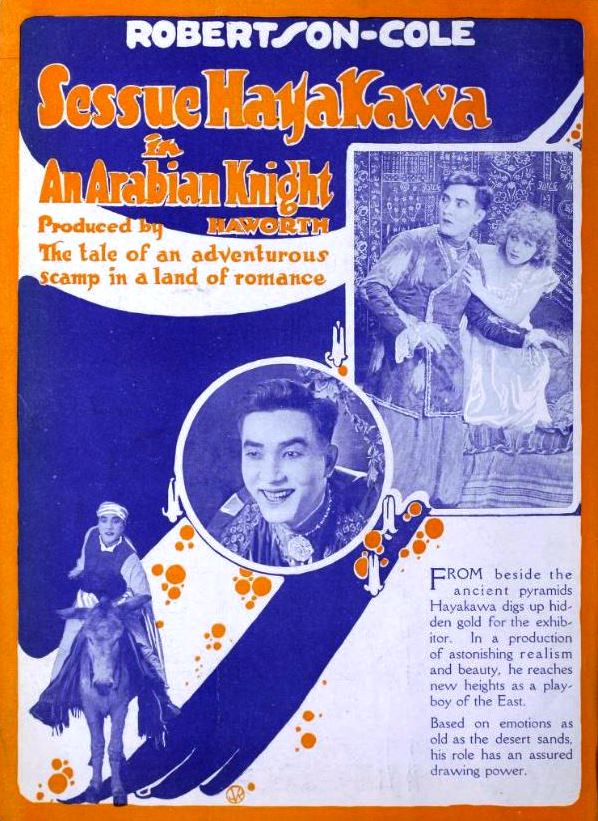
Dir: Charles Swickard
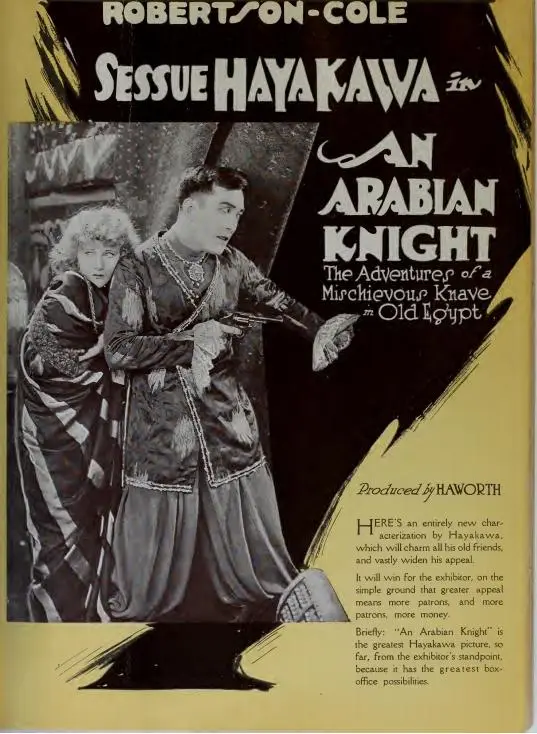
A young Egyptian goes to the rescue of his employers, a wealthy European family, when they are menaced by a local strongman and his gang.
View Details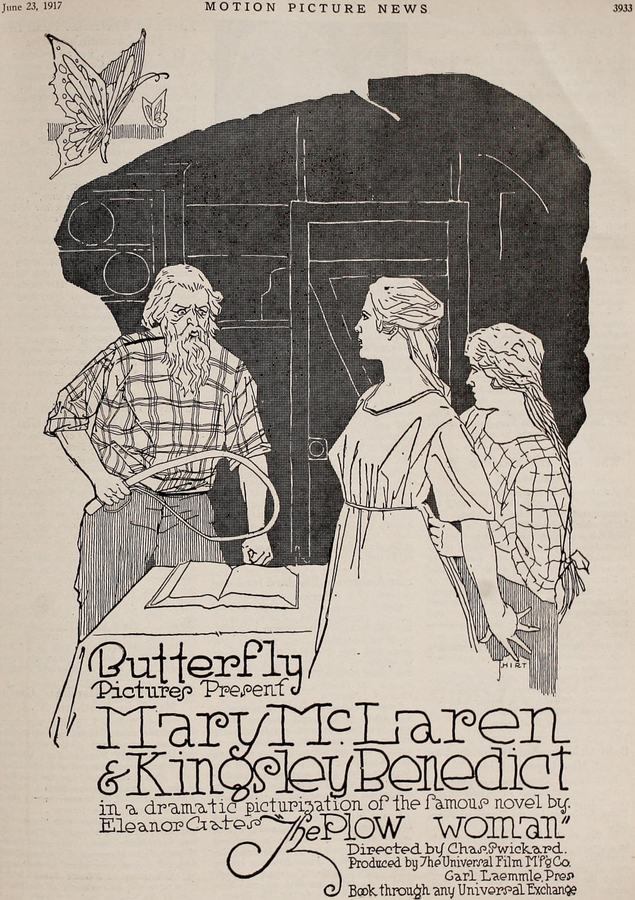
Dir: Charles Swickard
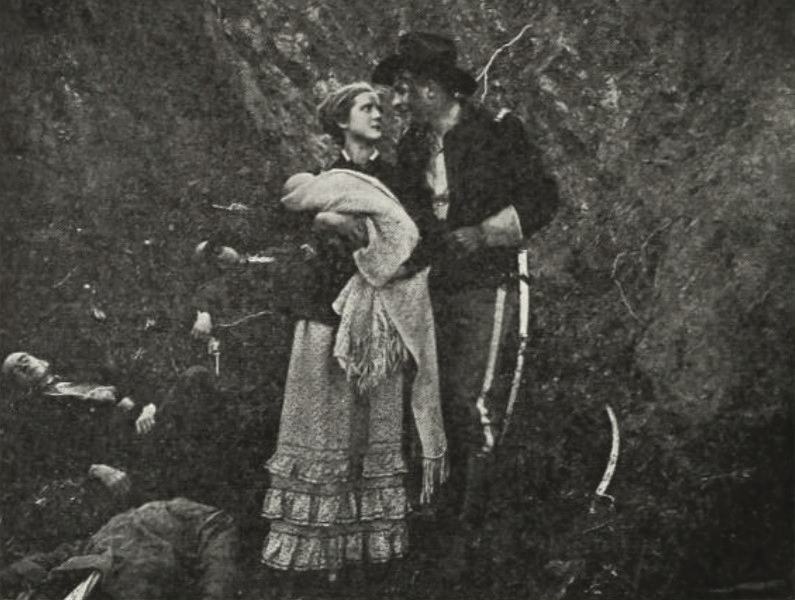
When her mother dies, Mary not only becomes the household slave of her overbearing father, Scottish American Andy MacTavish, but also becomes a mother to her little sister Ruth at their home on the Dakota plains. Years later, Jack Fraser, the son of a surgeon at the nearby fort and a steady visitor at the MacTavish home, secretly marries Ruth although he is deeply loved by Mary. Sometime later, a baby is born to Ruth, and Mary, doubting her sister's assertion that she is married to Fraser, takes the child to the fort to find out the truth from Fraser himself. Andy, believing the baby to be Mary's, orders her from the house. In the meantime, the Indians go on the warpath and Mary is surrounded. Buck Mathews, a half-breed who has lusted after Mary, sees her with the child, and pitying the helplessness of the girl, leaves the Indians to protect Mary. Fraser arrives just as Buck is fatally wounded, rescues Mary, who forgives Buck before he dies. Fraser now acknowledges that he is the husband of Ruth.
View Details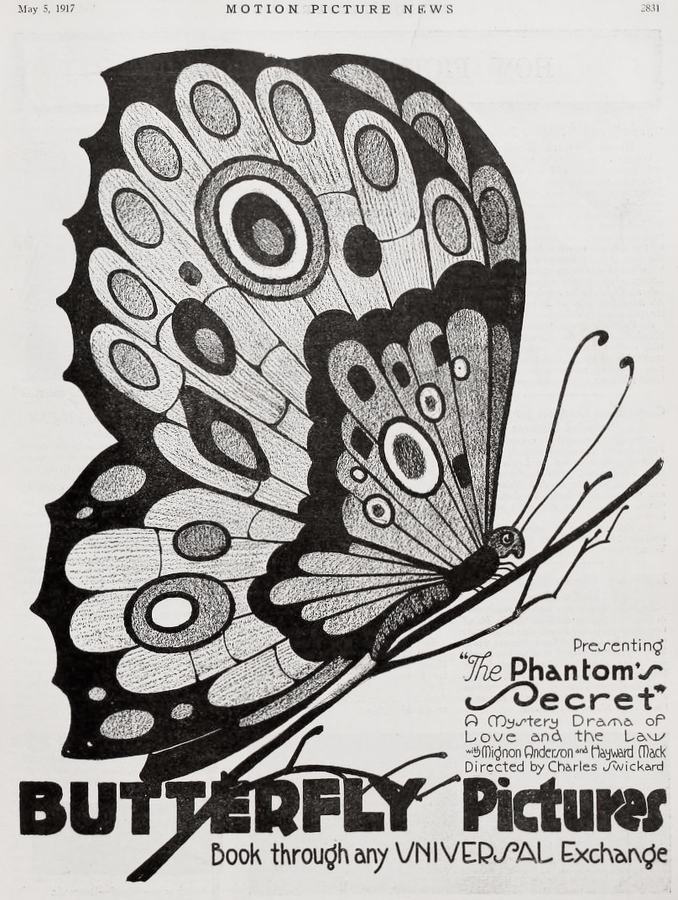
Dir: Charles Swickard
At the death of Count de Beaulieu, his daughter Jeanne learns that her father had been the arch criminal known as The Phantom. The only other person who knew her father's identity was his lieutenant, Franz Leroux, who now demands that Jeanne marry him in return for his silence. She agrees and they go to America where Jeanne meets an old friend, Jane Elliot. Jeanne confides her secret to Jane, and the two decide to flee to Florida. When en route their train is wrecked and Jane killed, Jeanne, in order to protect herself from her criminal husband, assumes Jane's identity. Posing as Jane, she visits the Marstons and falls in love with Henry Marston. Soon after, Leroux arrives and Jeanne is forced to tell her story. While explanations are in progress, one of Leroux's confederates, whom he had double-crossed, kills the criminal. Henry then forgives Jeanne her deception and together they begin a new life.
View Details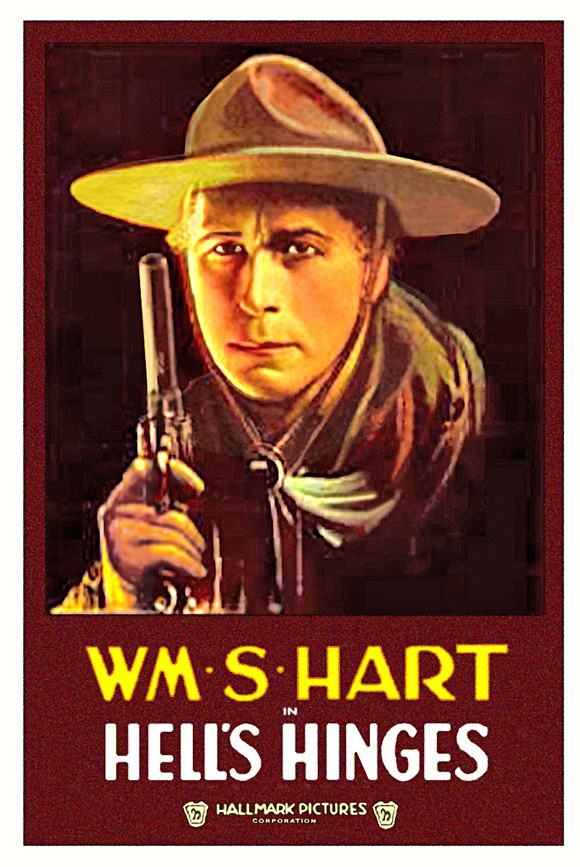
Dir: Charles Swickard
In the wayward western town known as Hell's Hinges, a local tough guy is reformed by the faith of a good woman.
View Details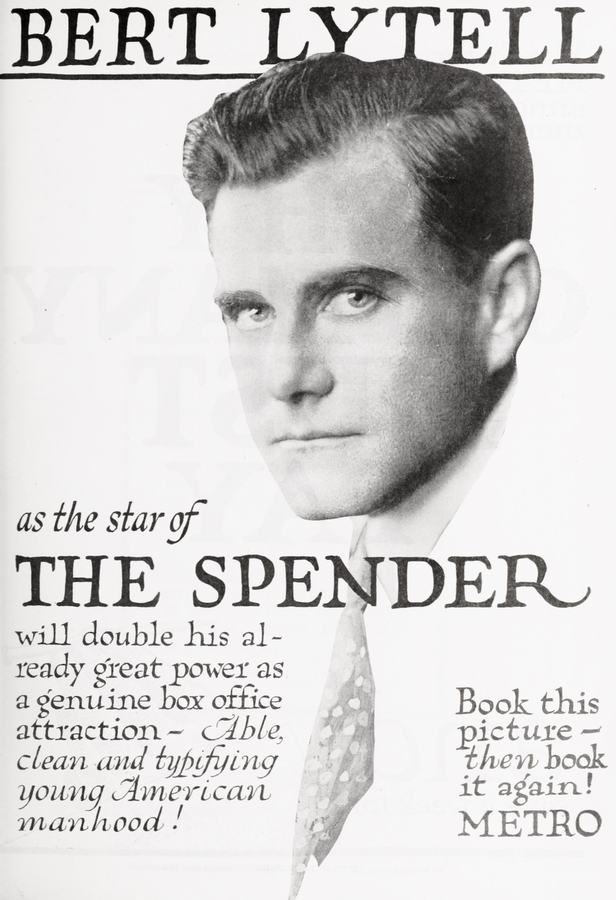
Dir: Charles Swickard
Dick Bisbee loses his job in his millionaire uncle T. W. Bisbee's factory because of the hostility of crooked manager Elmer Robbins. Before leaving, Dick denounces his uncle for his niggardly ways and advises him that there are no pockets in a shroud. Dick goes to live at the home of his one office friend, bookkeeper Stetson, and he falls in love with Stetson's daughter Helen. The next day T. W. feels remorse and under Dick's guidance he abandons his miserly ways and spends his money having a good time. After overhearing Helen telling Dick what she would do if she had T. W.'s money, T. W. follows her advice. Robbins is arrested for embezzlement, and T. W. makes Stetson manager and Dick a partner in the factory.
View Details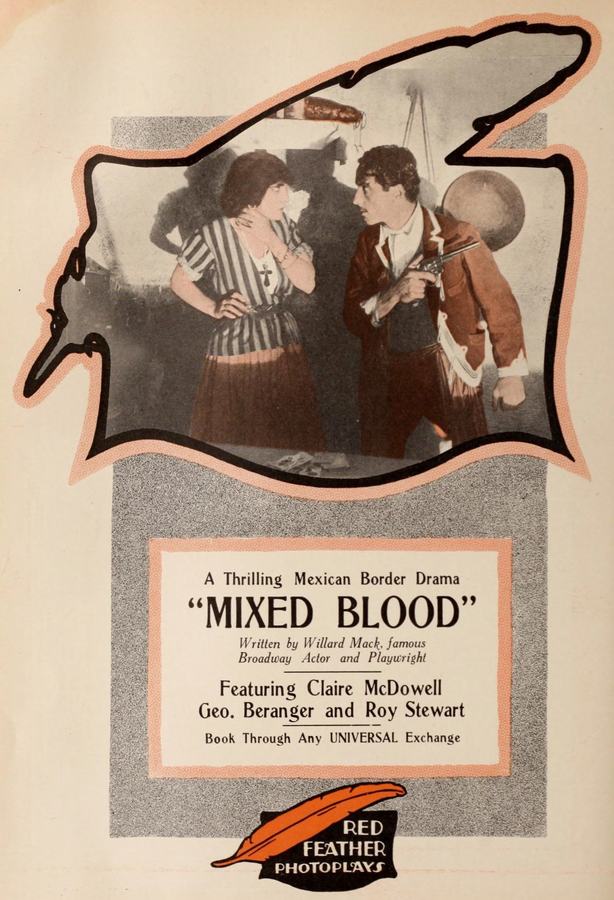
Dir: Charles Swickard
Just over the American side of the Mexican border, Big Jim Burmister, the Sheriff, kept law and order, being both feared and hated by the Mexicans who were thus forced to keep within the bounds. Conducting the saloon and gambling hall is Joe Nagle. His devoted slave, who is also his faro dealer, is "Blootch" White. He is much attached to Lottie Nagle, who bears the surname of the saloon-keeper by courtesy only. The Valyez family, the newest arrivals in the little town, are a source of interest to all. The girl, Nita, whose Mexican father is dead, has inherited a great many of his traits. Carlos, a gambler and a bully, is enamored of the girl. His passionate wooing almost wins her, but at the last moment her contrary nature causes her to turn upon him with angry vehemence. Carlos, angered, returns to the saloon. He starts drinking, and before long he is shooting up the place. He is arrested by Jim, who imposes a fine or imprisonment for a year. Carlos is forced to accept the latter alternative. When Nita hears of this, she hastens to the saloon and soundly berates Jim, who has just received word that the nearest town across the border had become infested with the plague. Joe Nagle gives Nita the money to pay the fine of Carlos, thus thinking to win her heart. Lottie jealously watches this, and later overhears Joe telling "Blootch" to "get Carlos." She warns Carlos and gives him a gun. She has seen the notice of the plague and conceals it so that it does not become public. When "Blootch" accuses Carlos of cheating, the latter kills the faro dealer. Then Lottie whispers to him to take his horse and Nita and go across the border, though she knows she is sending them to brave infection. Carlos goes to the cabin of Nita, telling her that he has killed the faro dealer and that they must flee; but at the last moment she does not want to leave her mother. While they are arguing, Big Jim raps upon the door. Nita hides Carlos in a closet. Then Jim plays upon her jealousy and intimates that Carlos has been having an affair with another girl. She grasps Jim's gun and shoots toward the closet, but on the instant is sorry for her act. Jim, realizing that she loves Carlos, goes outside. When Nita opens the closet she finds it empty, as Carlos has escaped through the thatched roof. As Jim is waiting outside, Carlos sneaks along the roof and shoots him. Then he rushes down to Nita, and with sheer force, compels the fainting girl to accompany him. They have just gone when her mother returns, and bandages Jim's wound. Though weak from loss of blood, he takes up the pursuit of Carlos and Nita. When he arrives, after a day's pursuit, he finds Carlos dying a victim of the plague, while Nita is caring for him. Thinking that she loves the Mexican, Jim leaves for the border, but before he has gone far he falls from his horse, where he is found later by Nita. who has come to seek him. realizing that she loves him.
View Details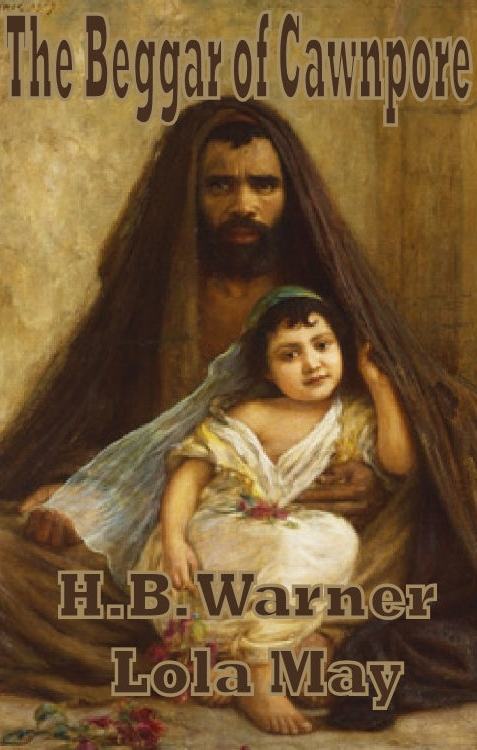
Dir: Charles Swickard
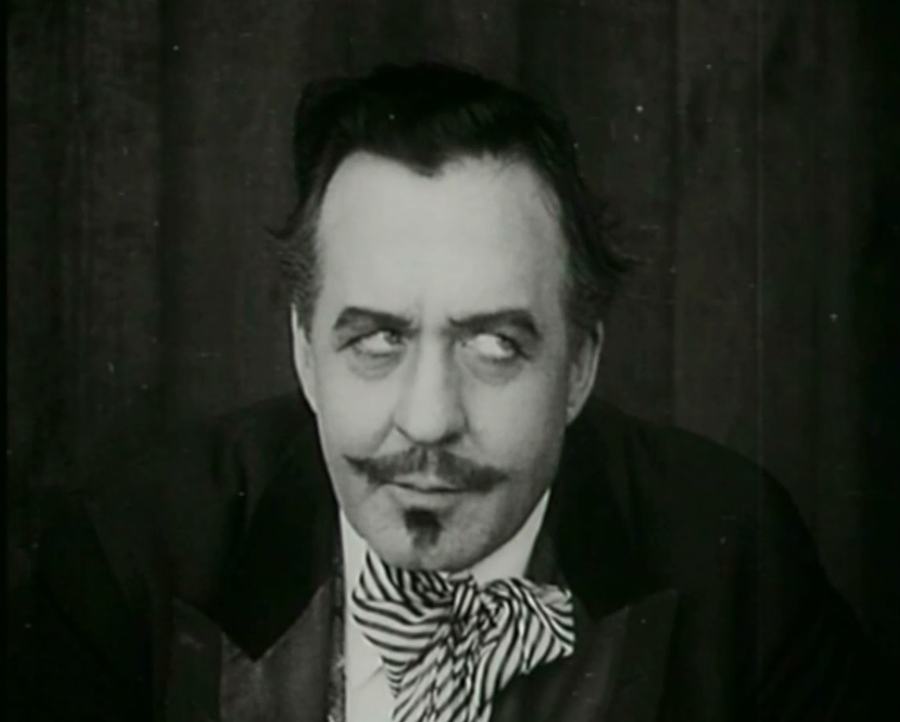
British army doctor Robert Lowndes battles a cholera epidemic at a small fort in Cawnpore, India, in the 1850s. When he catches a fever he begins to take morphine in order to continue treating his patients. Unfortunately he becomes an addict. He is supported by his girlfriend Betty Archer, but a rival suitor, Capt. Guy Douglas, is determined to get Lowndes out of the picture any way he can, including giving him drugs. Matters are further complicated by the outbreak of the Sepoy Rebellion, a nationwide mutiny of Indian soldiers in the British army, which breaks out in Cawnpore.
View Details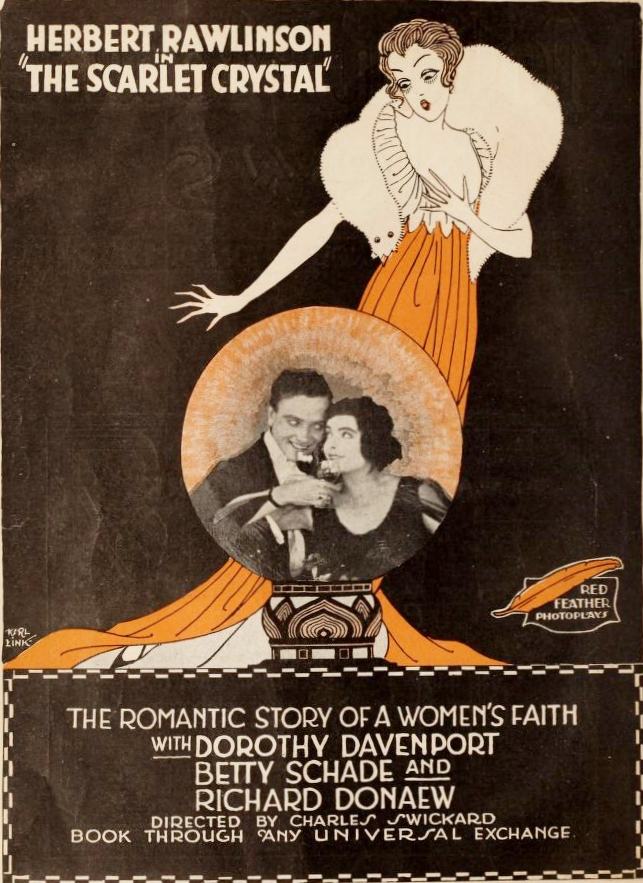
Dir: Charles Swickard
Priscilla Worth, an innocent country girl, goes to the city to visit her aunt, a typical society butterfly, who has sent for her, thinking her child-like simplicity will afford a welcome relief to Vincent Morgan, a wealthy bachelor, and man about town. The plan works well. Vincent marries Priscilla, and takes her on a tour around the world. However, one of his sweethearts, Marie Delys, a vampire chorus girl, resents being cast aside; and after Vincent returns, although he struggles with his better nature, he again succumbs to her charm. Priscilla grieves, but the memory of his love keeps alive her faith. Maxfield Durant, an artist, who painted her portrait when she first came to the city, had also fallen in love with her, but before he declared his love, she accepted Vincent. He advertises for a model who is beautiful, but not of the brazen type, and secures Peggy Lovel, a girl from the slums. Both Vincent, who is having Marie's picture painted, and his friend, Billy Van Duyn, become interested in Peggy. This arouses Marie's jealousy. Priscilla, remembering her portrait, requests Durant to bring it to her. He cannot refrain from showing his great love. Vincent, seeing this, flies into a terrible rage. Priscilla, conscious of no wrong, seeks consolation in the coming of her child. She gazes into a crystal which they brought from Egypt, and views scenes of horror, but her love for her husband renews her faith in him. Durant, unable to longer endure being so near Priscilla, closes his studio and becomes a wanderer. This throws Peggy out of employment, and she goes to Vincent, seeking help for herself and invalid mother. Billy, intoxicated, wants her, but Vincent sends her away, and takes Billie to his home. Peggy, knowing her mother's need of food, returns to Vincent's apartment, where he finds her asleep. As Vincent removes the glass stopper from a bottle of liquor, he sees, as in a crystal; Peggy sacrificing herself, and being sneered at by Billy. She returns home, finds her mother is dead, and takes to drugs to forget her dishonor. Finally she goes to a café where Marie and Vincent are drinking, and falls dead at the foot of the stairs, while Marie stabs Vincent and herself. The horror of this vision awakens Vincent's better nature and he sends Peggy home unharmed. Priscilla, who has been waiting with her baby, sees in the crystal, the fight for Vincent's soul, and when the face of the Christus appears, she knows the victory is won. Soon after, Vincent returns repentant.
View Details
Dir: Charles Swickard
Widow Margaret Dennis, unaware of the abusive nature of Oliver Cathcart, agrees to become his wife. Among other cruelties, Cathcart has ruined the Taylor family in a bad business deal, causing the death of Mrs. Taylor, turning Mr. Taylor into a worthless drunk and embittering their son Raymond, who swears revenge on Cathcart. Margaret's son Jim, learning of all this, forces his mother to choose between him and Cathcart. Choosing the latter, Margaret goes to his country estate, where she finally learns her husband's true nature. Nearby live the Taylors. Raymond is courting Cathcart's maid Milly, and when he comes to the estate one day to visit Milly, Margaret pleads with him to send a message to Jim. Meanwhile, Taylor's sister Steve leaves home, seeking adventure. Receiving Margaret's message, Jim arrives and promises to take his mother away the next day. That night, Cathcart is killed, and on Milly's testimony that Jim had been at the house, he is arrested for the crime. Steve, however, hearing of Jim's arrest, returns and testifies that she and Jim shared refuge from a thunderstorm in an old shack on the night of the murder. Robert Shepherd, the estate gardener, then confesses that he killed Cathcart when he found him struggling with his beloved daughter Bess. Jim is finally freed, and Shepherd acquitted on a plea of temporary derangement.
View DetailsAnalysis relative to The Light of Western Stars
| Film Title | Atmosphere | Complexity | Similarity |
|---|---|---|---|
| The Captive God | Ethereal | Linear | 89% Match |
| An Arabian Knight | Gritty | Abstract | 94% Match |
| The Plow Woman | Gothic | Abstract | 95% Match |
| The Phantom's Secret | Surreal | Layered | 89% Match |
| Hell's Hinges | Gritty | Dense | 93% Match |
This guide was algorithmically generated using the cinematic metadata of Charles Swickard's archive. Last updated: 6/27/2026.
Back to The Light of Western Stars Details →