
DbcultAccessing Vault...
Recommendations
Senior Film Conservator
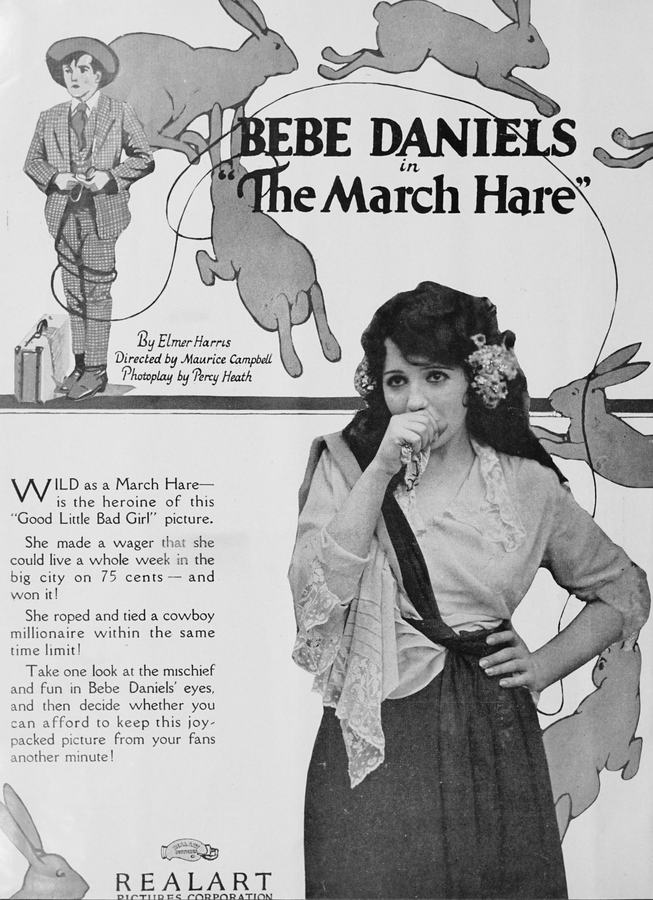
Since its 1921 debut, The March Hare has maintained a cult status status, the legacy of The March Hare is a beacon for those seeking the unconventional. Our criteria for this list were simple: only the most cult status and relevant titles.
The 1921 landscape was forever altered by the arrival of to sustain a sense of mystery that persists after the credits roll.
Lizbeth Palmer is known as "The March Hare" among her friends, and the daughter of a Los Angeles millionaire, comes to New York with a chaperon to visit her aunt. After betting the chaperon that she can live on 75c for an entire week, she assumes the part of a flower girl in a restaurant and there makes a hit with young millionaire Tod Rollins, who invites her to his home. While visiting her aunt, Mrs. Curtis Palmer, Lizbeth discovers that the butler's accomplice has taken her name in an attempt to swindle her aunt. Under an assumed name, Lizbeth exposes them as they are about to steal the aunt's jewels, wins her original bet, and captures Tod for a husband.
Critics widely regard The March Hare as a cult-favorite piece of Romance cinema. Its cult status is frequently cited as its strongest asset, solidifying its place in United States's film legacy.
Based on the unique cult status of The March Hare, our vault has identified these titles as the most compelling follow-up experiences for fans of Romance cinema:
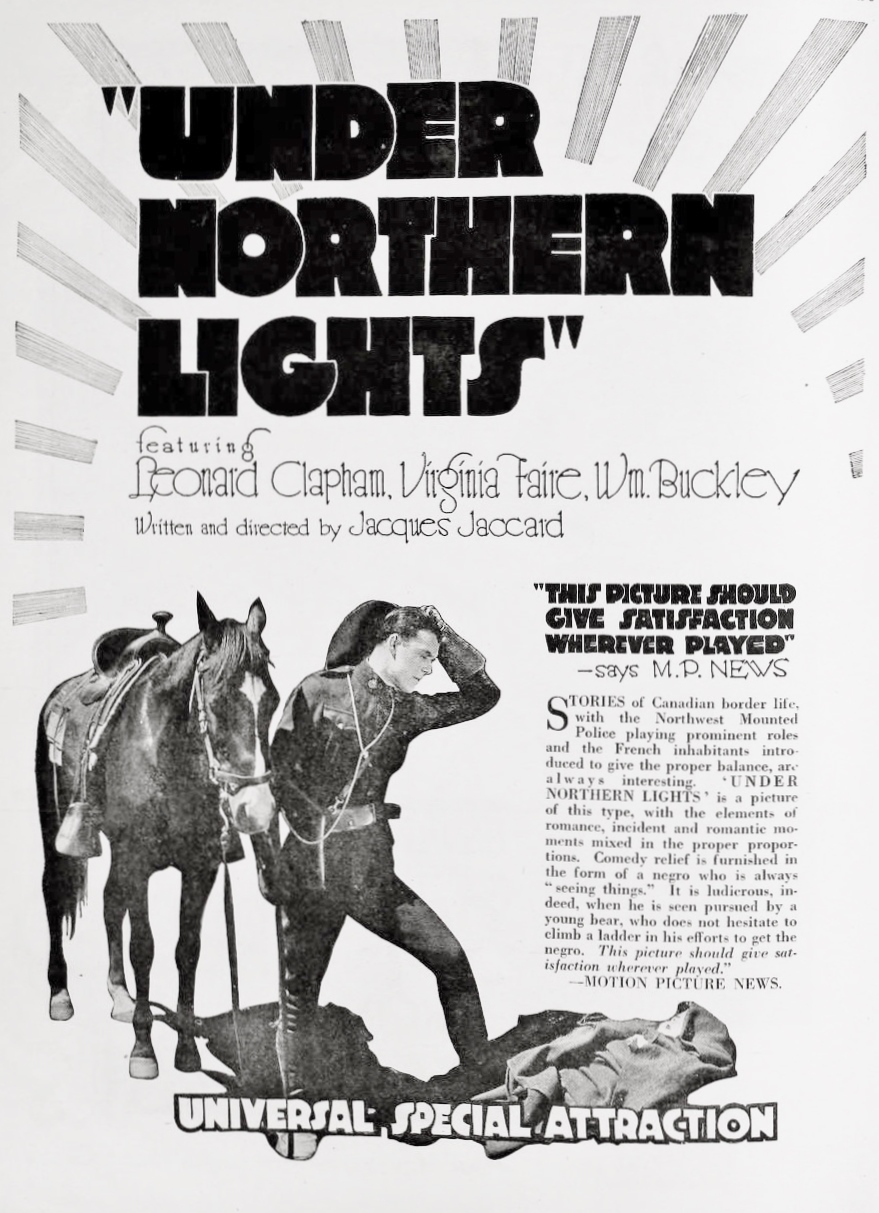
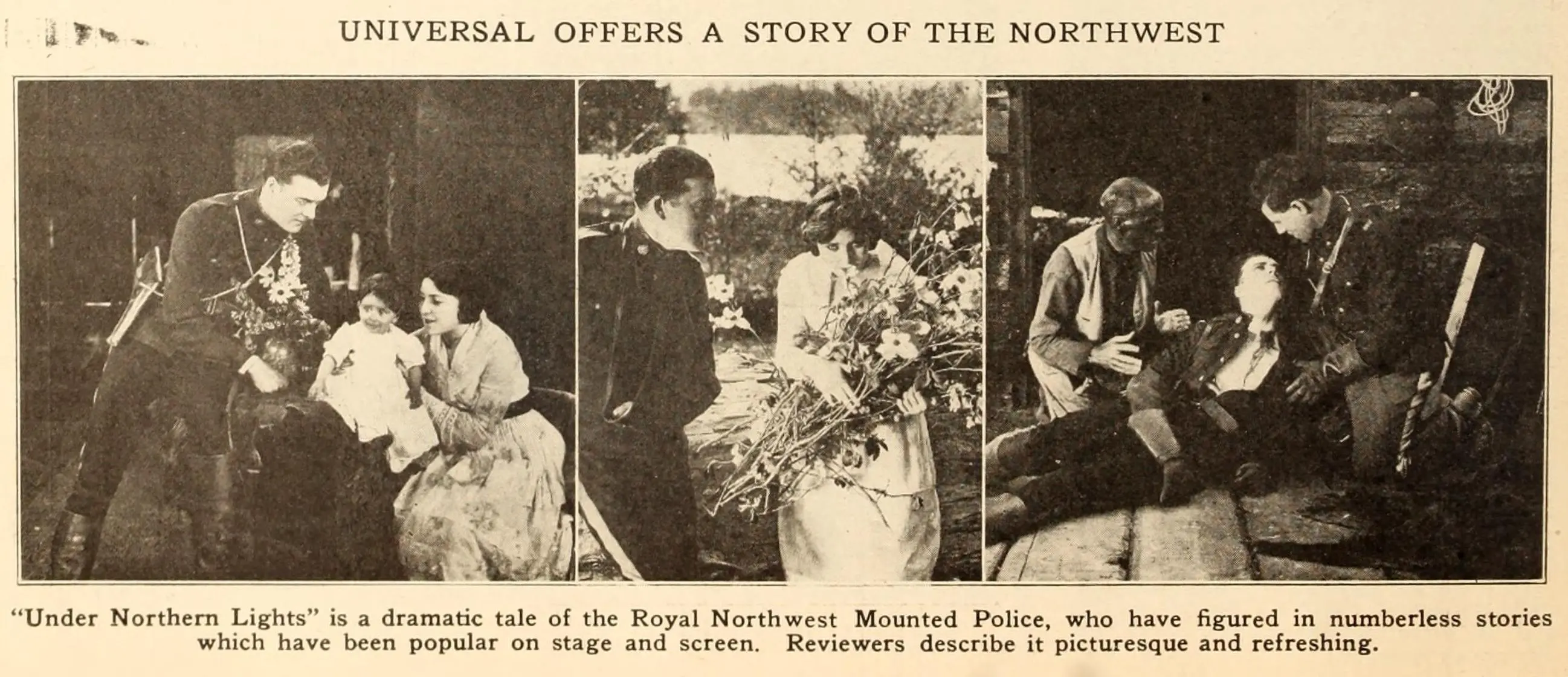
Dir: Jacques Jaccard
Douglas MacLeod of the Royal North West Mounted Police is in love with Suzanne Foucharde, who has adopted an abandoned Indian baby, the illegitimate child of Louis La Rocque and Na Fa Kowa. When La Rocque insinuates that the baby is Suzanne's, her brother Henry defends his sister's honor and kills the villain. In spite of his love for Suzanne, it is Douglas' duty to arrest Henry. He does so, but later allows him to escape, taking the bullet himself that was fired after Henry by Constable Burke. Meanwhile, the dead body of Na Fa Kowa is found, accompanied by a note proving that the Indian was the baby's mother. In the spring, when Douglas recovers from his wounds, he and Suzanne are married.
View Details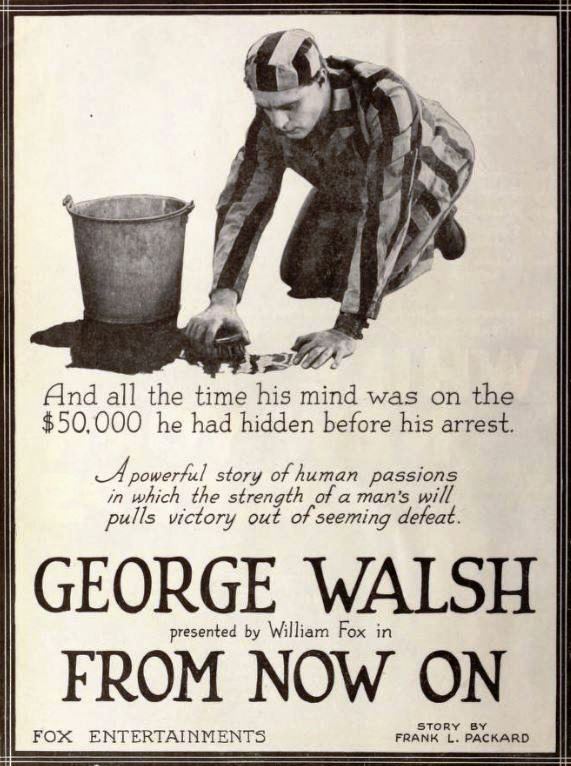
Dir: Raoul Walsh
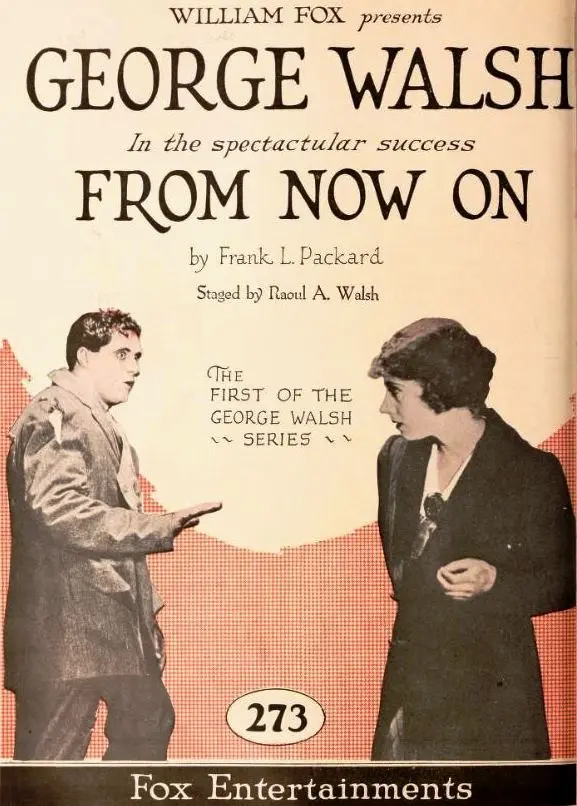
Dave Henderson, an orphan who has become the beneficiary of a rich man's will, falls in with race-track crooks Martin Tydeman and Bokky Sharvan who bilk him out of his $100,000 inheritance. In retaliation, Dave steals the money from Tydeman's safe, but is caught and sentenced to five years in jail. In prison, Dave becomes friendly with Millman, who is about to be released, and reveals the money's hiding place to him, arranging to rendezvous at the end of Dave's term. Once released, Dave is hounded by members of Tydeman's gang as well as the police, who are waiting for him to retrieve his bounty. While taking refuge at the house of Capriano, an old bomb maker, Dave falls in love with the old man's daughter Teresa. However, Capriano sets a trap for Dave, who awakens in a drugged state to find the $100,000 missing. With the help of Millman and Teresa, Dave recovers the money, turns it over to the police and resolves to go straight.
View Details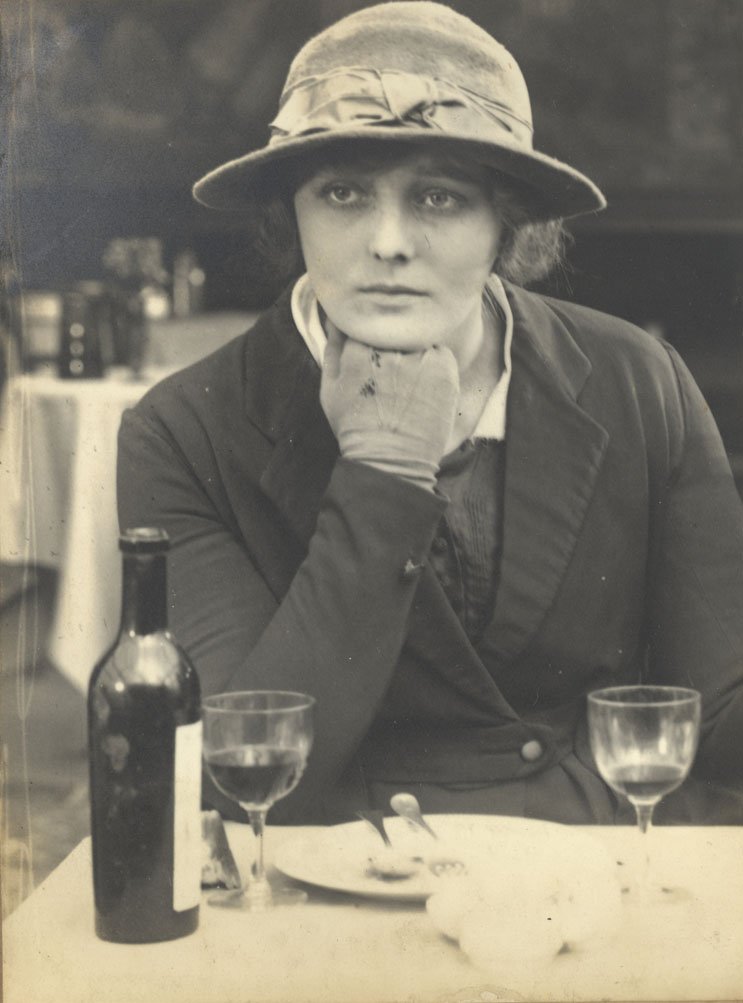
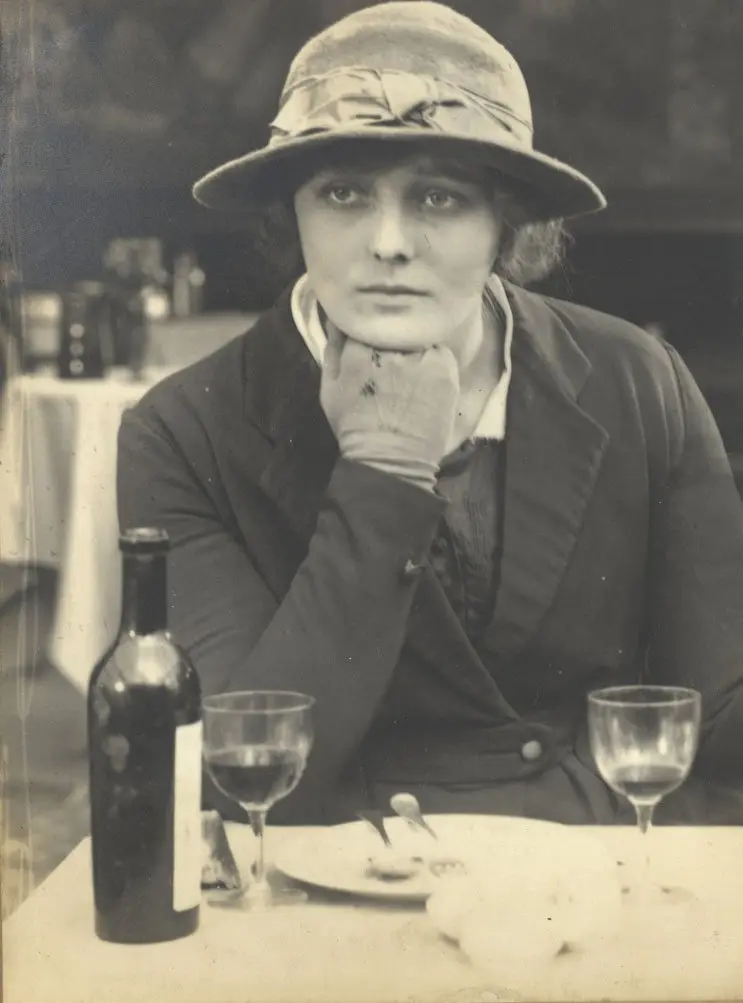
Dir: Henry Edwards
A millionaire bets £25,000 that he can earn his own living for six months.
View Details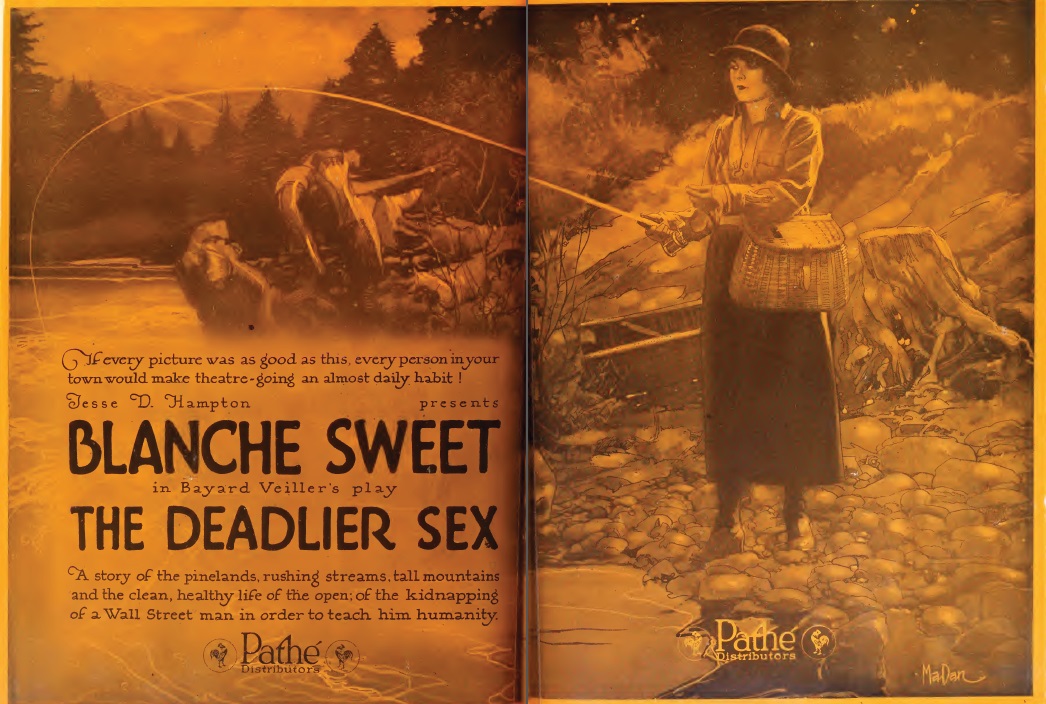
Dir: Robert Thornby
Mary Willard takes over her father's railroad after his death. Her major competitor is a ruthless crook named Harvey Judson. She arranges for Judson to be kidnapped and taken to an isolated spot deep in the forest and turned loose to fend for himself. She accompanies the kidnappers to the wild and Judson, not knowing who she is, begins to fall in love with her. Complications ensue.
View Details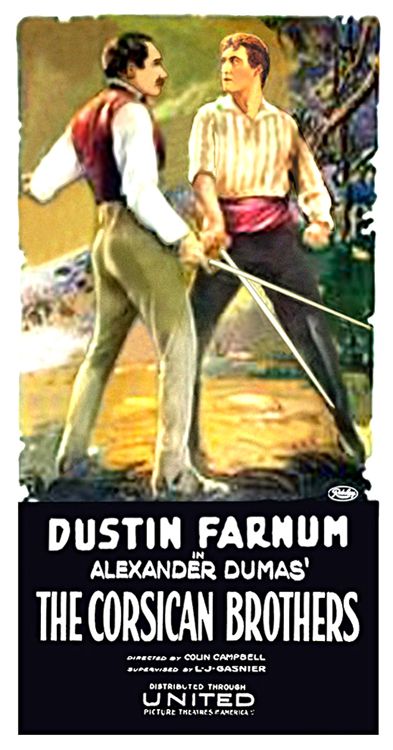
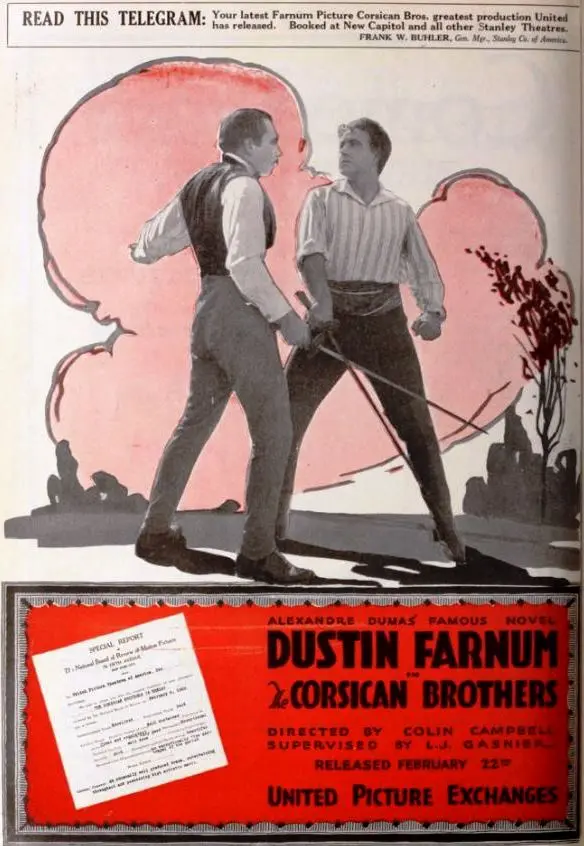
Dir: Colin Campbell
Although separated at birth, Siamese twins Fabien and Louis de Franchi remain united emotionally. One day, Parisian Emilie de Lesparre arrives in their Corsican village with her father, and both brothers fall in love with her. Louis goes to Paris to study law and sees Emilie often, but Emilie loves Fabien who has remained in Corsica with their mother. While attending a dinner given by another admirer of Emilie's, M. Chateau Renaud, Louis is drawn into a duel with Renaud and killed. Back home, Fabien senses what has happened and journeys to Paris to avenge his brother's death. After he kills Renaud in a duel, Emilie finally confesses her love to Fabien.
View Details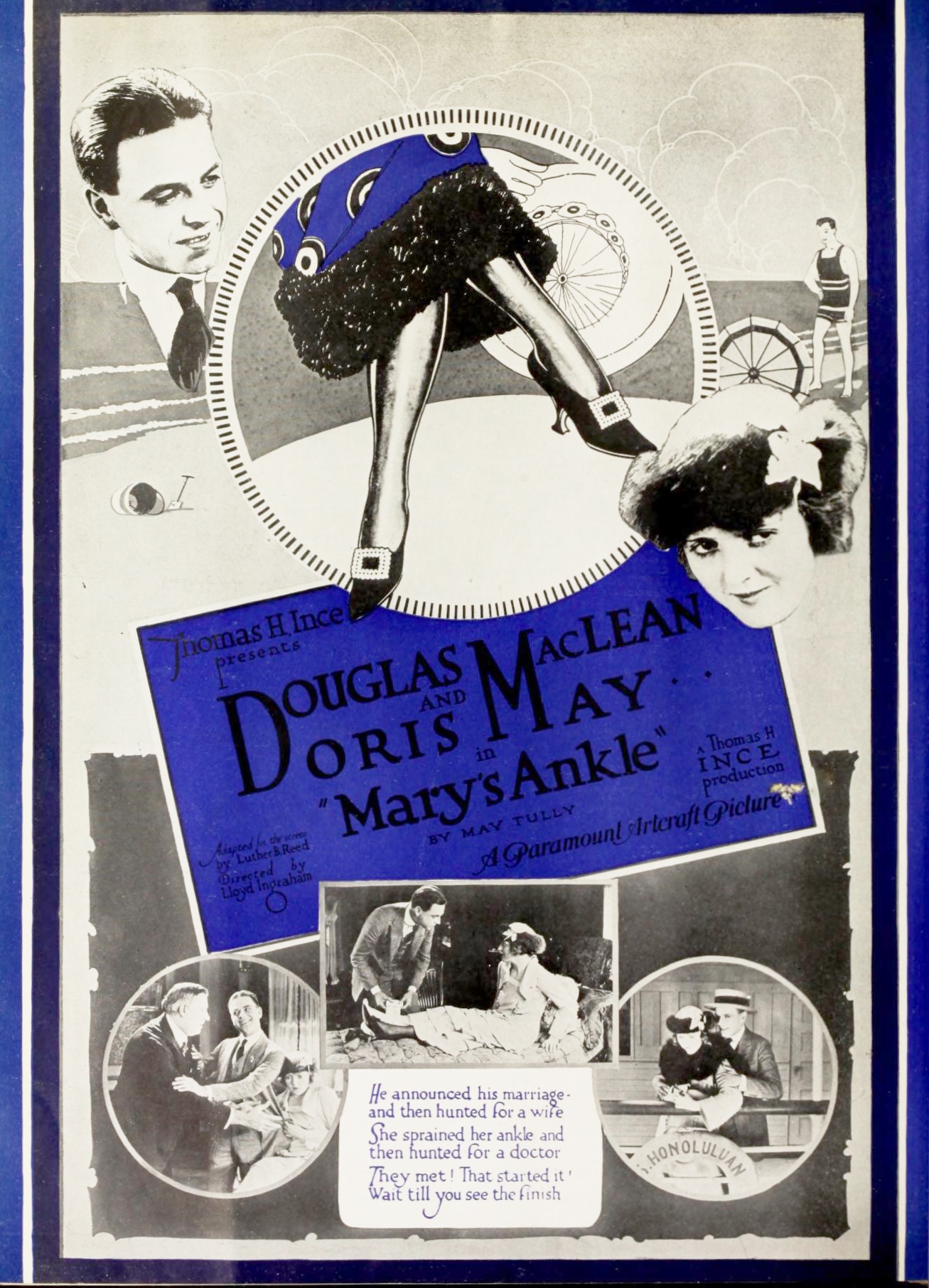
Dir: Lloyd Ingraham
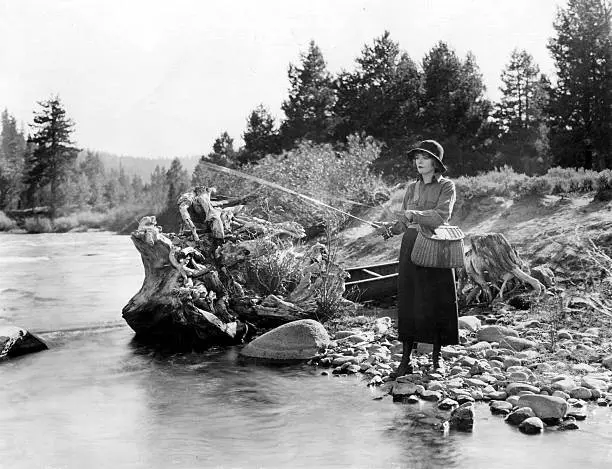
While walking along the street one day, Arthur P. Hampton, an impoverished young doctor, and his chums, Stub Masters and Johnny Stokes, are persuaded to part with their last remaining funds by tag day solicitor Mary Jane Smith, with whom the doctor promptly falls in love. Doc's friends then hit upon a get-rich-quick scheme. Knowing that his Uncle George has promised a large sum of money upon his nephew's marriage, they persuade Doc to send out fake wedding invitations naming Mary Jane as the blushing bride. Uncle George, elated at the good news, writes to Mary Jane's aunt, Angelica Burns, an old sweetheart, to invite Mary Jane and Angelica to be his guests on an ocean voyage. Meanwhile, Mary Jane pays a visit to the doctor's office and, upon seeing the wedding invitations, becomes so flustered that she trips and sprains her ankle. Doc comes to her rescue and then begs her to pose as his wife. She agrees, but at ship-side, Stub and Johnnie confess all to Uncle George, who flies into a rage until Doc announces that he and Mary Jane have chosen a wedding at sea.
View Details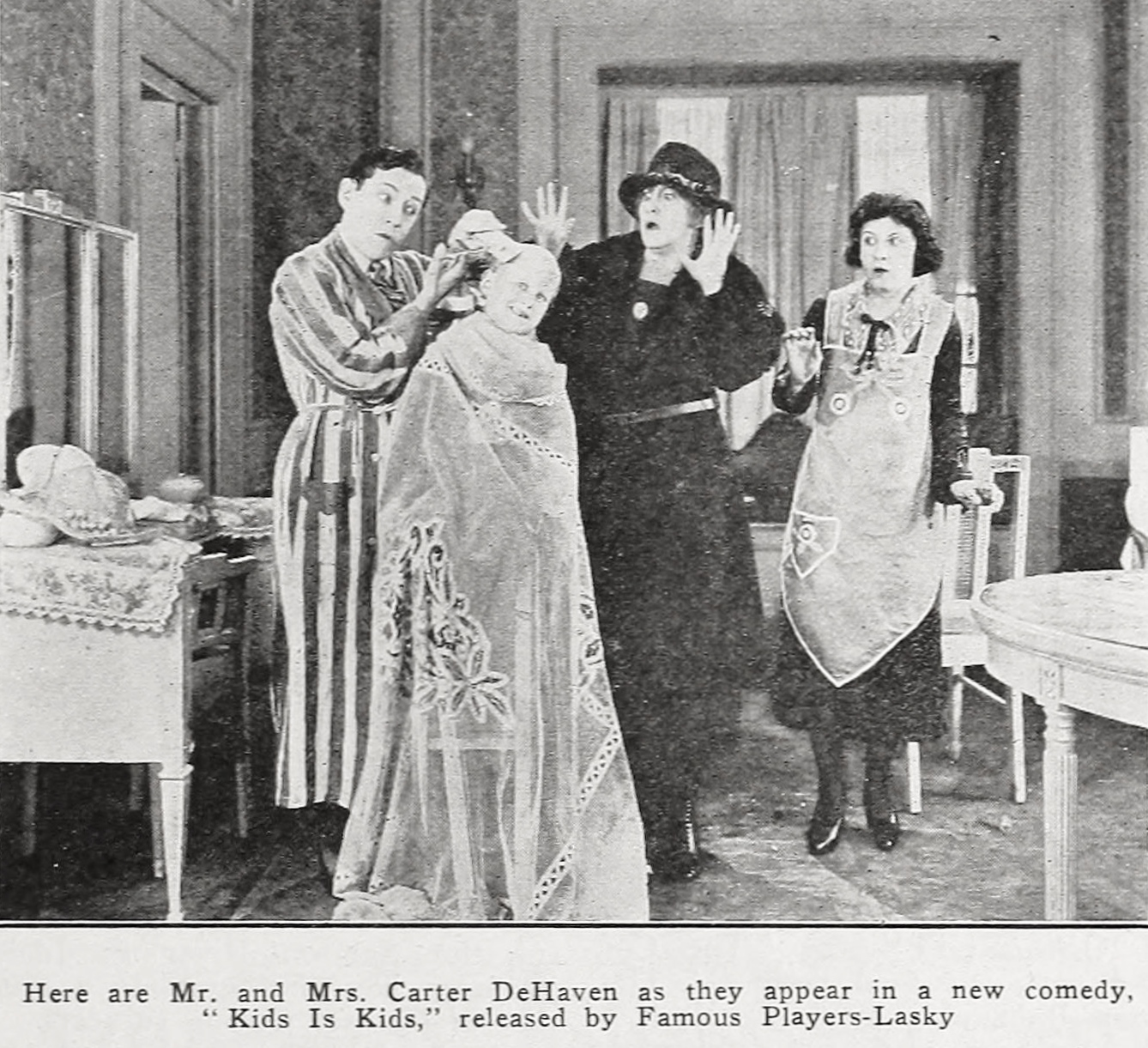
Dir: Charley Chase
A young married couple volunteer to take charge of several orphans after the asylum has burned down. Of course they find their hands full with their troublesome charges.
View Details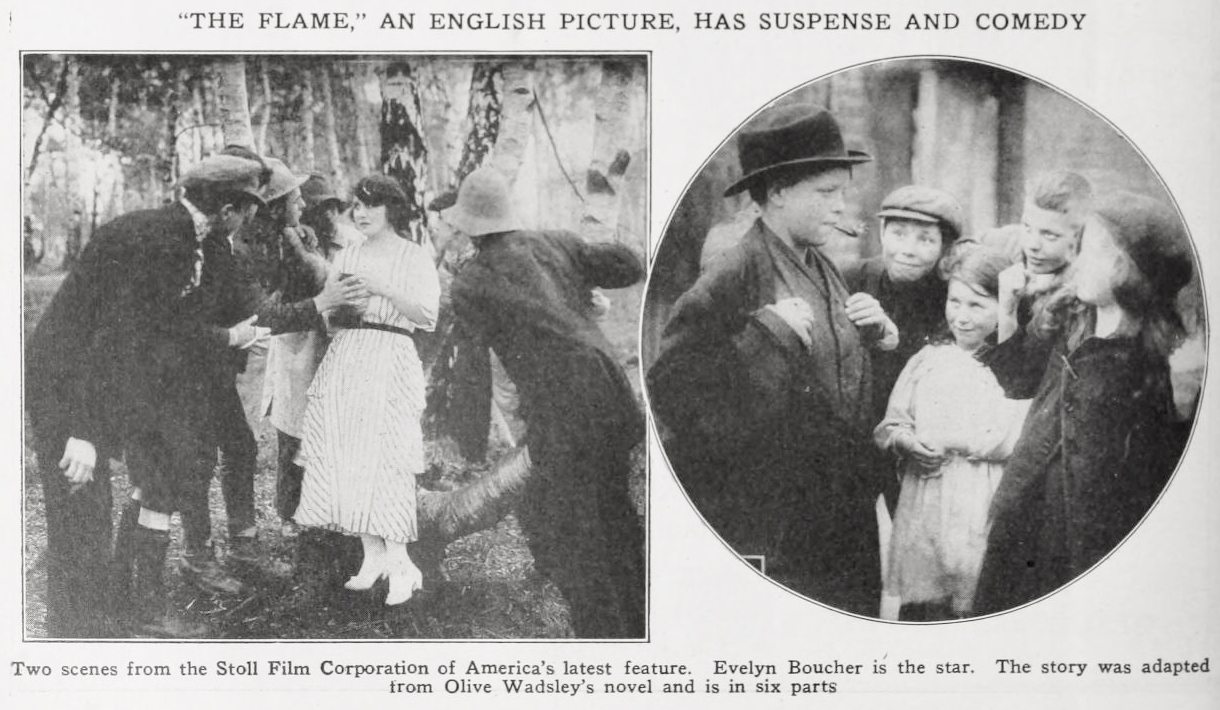
Dir: F. Martin Thornton
In Paris an orphan cartoonist loves a man with a mad wife, who dies in time to prevent her marriage to a jilted Comte.
View Details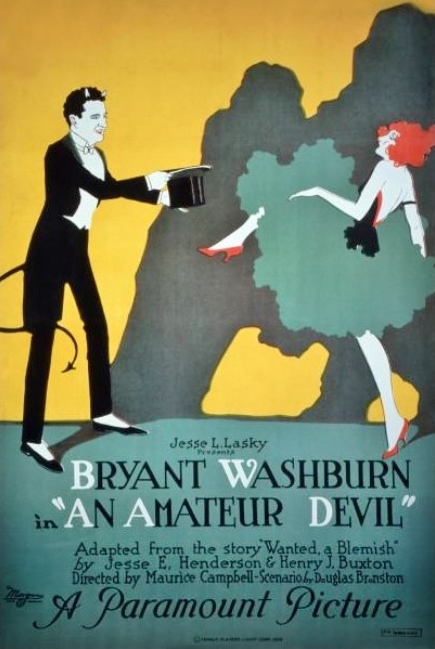
Dir: Maurice Campbell
Carver Endicott, a young sophisticate, is rejected by his fiancée for being too foppish and dull. When she feigns an interest in his father, Carver attempts to disgrace his family name by working as a farmhand and later as a busboy in a hotel. However, the newspapers only praise him for his self-sacrificing principles; and finding that he cannot bring shame to the family through menial labor, he takes up with a notorious actress. But when this maneuver also fails, he returns to his former fiancée, who has no further complaint about his being an inexperienced dullard.
View Details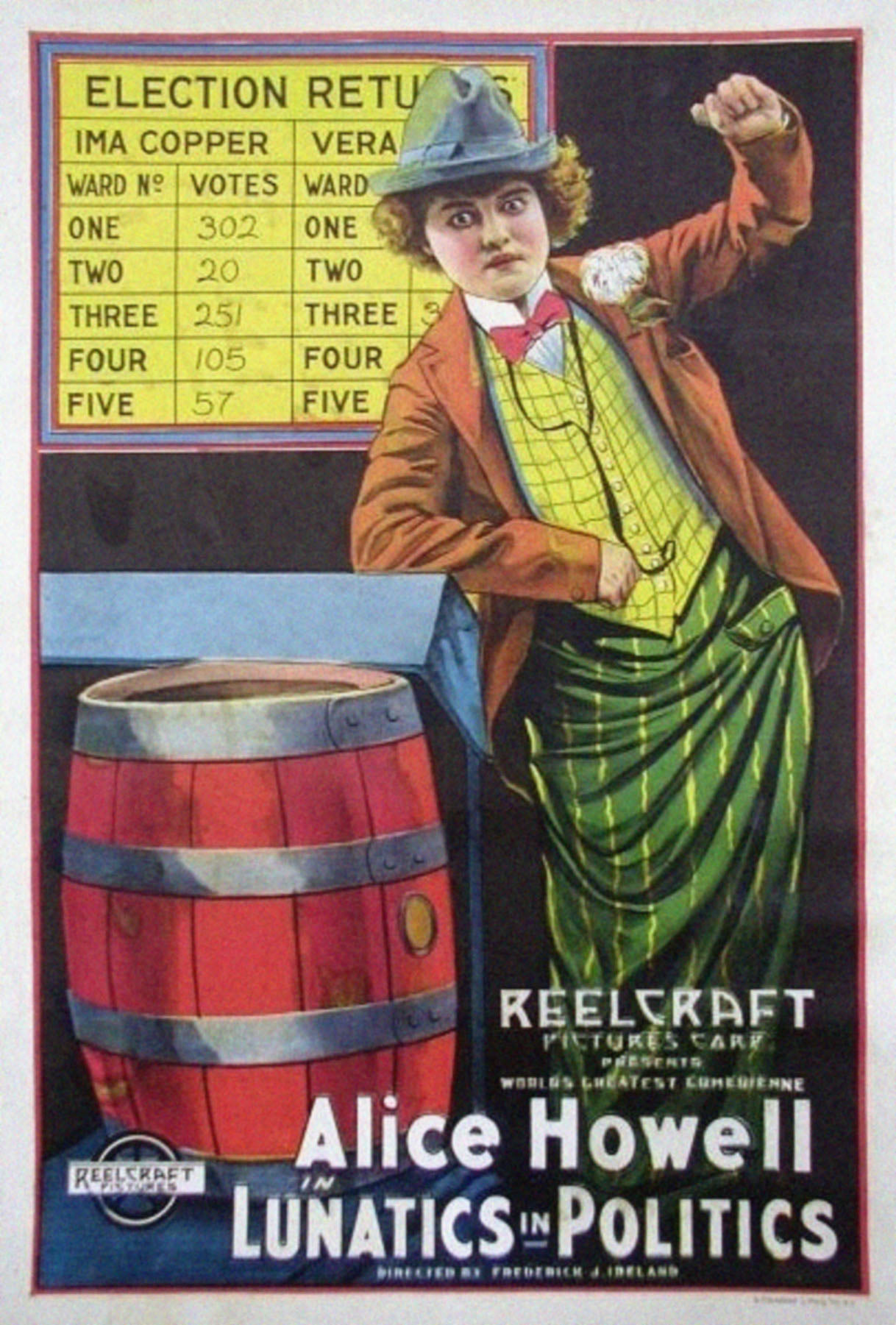
Dir: Richard Smith
Two female candidates for Chief of Police live across the hall from each other, and their political rivalry follows them home, leading to plenty of hi-jinks.
View DetailsAnalysis relative to The March Hare
| Film Title | Atmosphere | Complexity | Similarity |
|---|---|---|---|
| Under Northern Lights | Gothic | Layered | 89% Match |
| From Now On | Ethereal | High | 89% Match |
| The Amazing Quest of Mr. Ernest Bliss | Gritty | Linear | 86% Match |
| The Deadlier Sex | Gothic | Layered | 97% Match |
| The Corsican Brothers | Tense | Linear | 92% Match |
This guide was algorithmically generated using the cinematic metadata of Maurice Campbell's archive. Last updated: 8/16/2026.
Back to The March Hare Details →