
DbcultAccessing Vault...
Recommendations
Senior Film Conservator
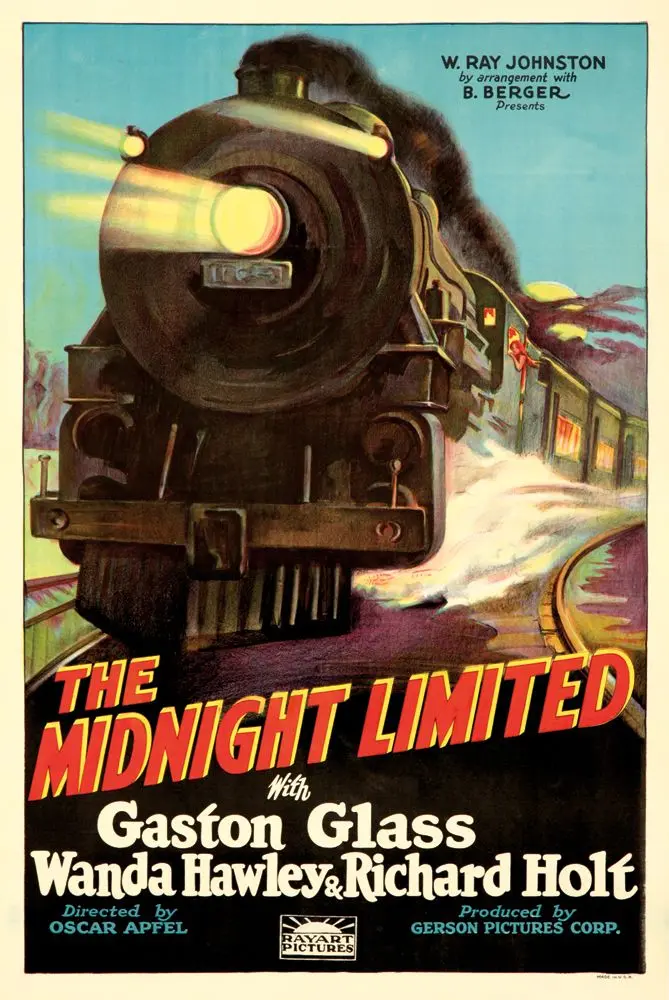
For those who were mesmerized by The Midnight Limited, a true Action masterpiece from 1926, the quest for comparable cinema becomes a journey through the fringes of film history. Our curated selection of recommendations echoes the very essence of The Midnight Limited.
The legacy of The Midnight Limited is built upon its ability to create a hauntingly beautiful cinematic landscape.
A runaway freight train is running wild toward Benbow; the night mail-train is heading in the opposite direction on the same railroad tracks; and The Midnight Limited, carrying 300 men and women passengers, including his sweetheart, is on the parallel track, with all three coming together at the same point. What's a poor dispatcher to do?
Based on the unique unique vision of The Midnight Limited, our vault has identified these titles as the most compelling follow-up experiences for fans of Action cinema:
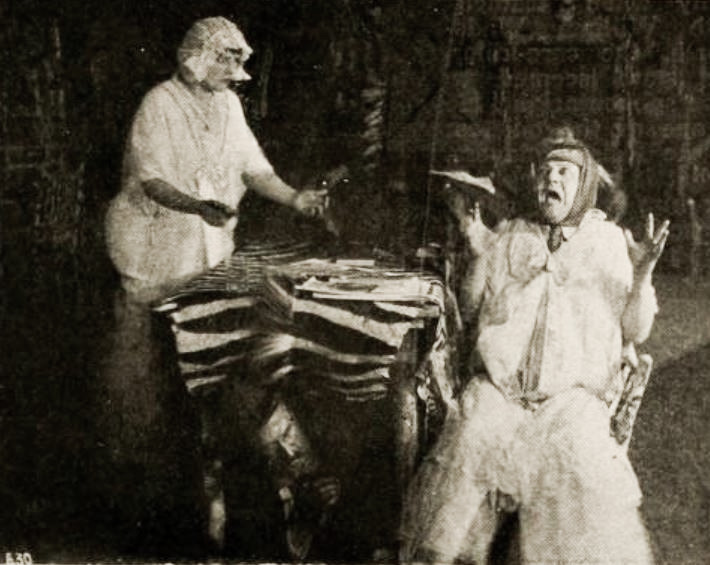
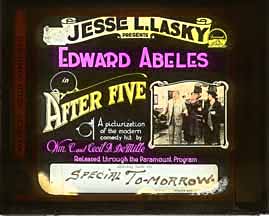
Dir: Oscar Apfel
Ted Ewing, a young New Yorker, is the guardian of Nora Hildreth, with whom he is in love. He invests her fortune of $50,000 and an equal amount of his own money (constituting almost his entire property) in a stock exchange speculation. When this speculation apparently fails he seeks to reimburse the girl by taking out a life insurance policy in her favor and then killing himself. But, as the policy has a clause invalidating it in case of suicide, he has to arrange an "accidental death" for himself, and, to this end, enters into an arrangement with the chief of the S.S.S., a blackmailing society which has already threatened his life. The humorous complications really begin when it develops that the money has not been lost but doubled, so that Ted, instead of wishing to die, has every reason imaginable for wishing to live. It is, however, almost impossible to break his sworn pact with the S.S.S. and his own Japanese valet, to whom he gave the money to pay for his death, refuses to divert the money from the one use to which it has been pledged. The manner in which Ted manages to escape from his own plots against his own life, and the details of his romance with Nora form the concluding episodes of this highly amusing photodrama.
View Details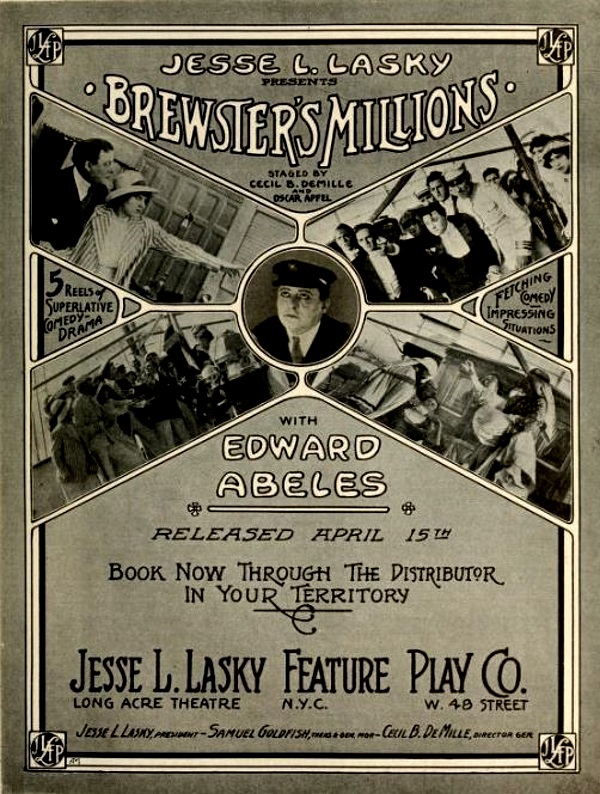
Dir: Oscar Apfel
Robert Brewster, scion of a well-to-do family, elopes with Louise Sedgewick. Peter Brewster disinherits Robert and refuses to be reconciled to the marriage, and later drives the young couple from their home. A little son, "Monty," blesses the union. When Monty is a full-grown man, Peter Brewster dies and bequeaths a million dollars to him. The newly-acquired wealth staggers young Monty Brewster, and he is about to launch into the new life as one of the predatory rich when he receives a communication from an attorney in the West, advising him that his uncle, George Brewster, has left him $7 million, contingent upon his getting rid of the million dollars left him by Peter Brewster. "Peter Brewster mistreated your mother and father and I do not want you to touch a dollar of his money. If you spend the million left to you by him and can, at the end of a year, show by receipts that you have judiciously spent, not squandered this million dollars, my attorneys will turn over to you my worldly possessions, aggregating seven millions. You must own nothing of value at the end of the year," said George Brewster, and Monty, learning for the first time that Peter Brewster had mistreated his parents, begins to spend the million. He invests the money in a sure losing proposition in Wall Street in an effort to dispose of some of his unwelcome money, and the proposition turns out a winner. He backs a flabby fat pugilist, hoping to lose, and wins. There is a clause in the will of George Brewster which says that Monty must not tell anyone of his desire to spend the million and his friends think he has suddenly lost his mind. Everything Monty touches with the hope of losing some of his money, turns out just the reverse, and he wins. He has a most terrible time disposing of the undesired millions. Finally, in a desperate attempt at magnificent spending, Monty hires a palatial yacht, invites several dozen friends to accompany him and goes on a long cruise. The friends mutiny in mid-ocean, thinking him suddenly insane the way he is squandering his wealth, and threaten to lock Monty up, but Monty, to frustrate them, runs up a signal of distress. It costs him two hundred thousand dollars to be salvaged by a passing steamer, and the end of the year rolls around with Monty flat broke. He has squandered the entire million dollars, possesses a room full of receipts to show for every dollar spent, and his sweetheart, Peggy, believing him to be a pauper, consents to marry him. His friends, believing him broke, endeavor to press money and jewelry upon him, all of which he must not have in his possession or he loses the seven million. He dodges his friends, is met by the attorney and presented with seven million dollars, and everything turns out happily.
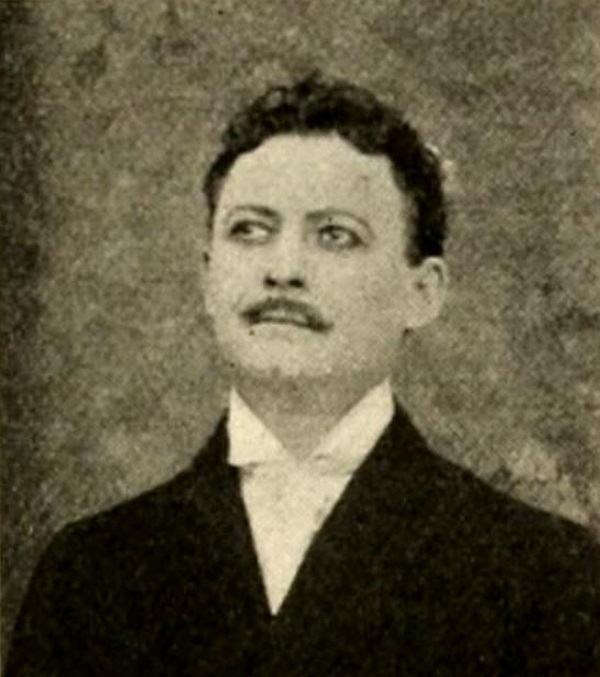
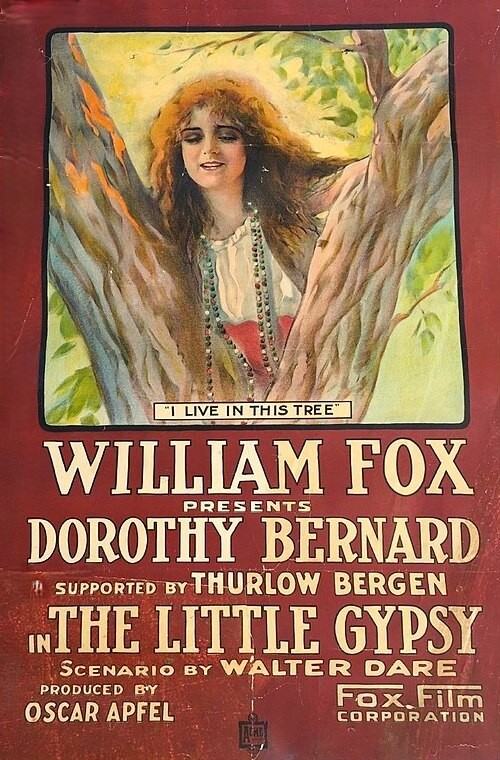
Dir: Oscar Apfel
A gypsy girl brought up by a Scottish Lord is arrested for rioting escapes jail and refugee with a young Minister who falls in love with her.
View Details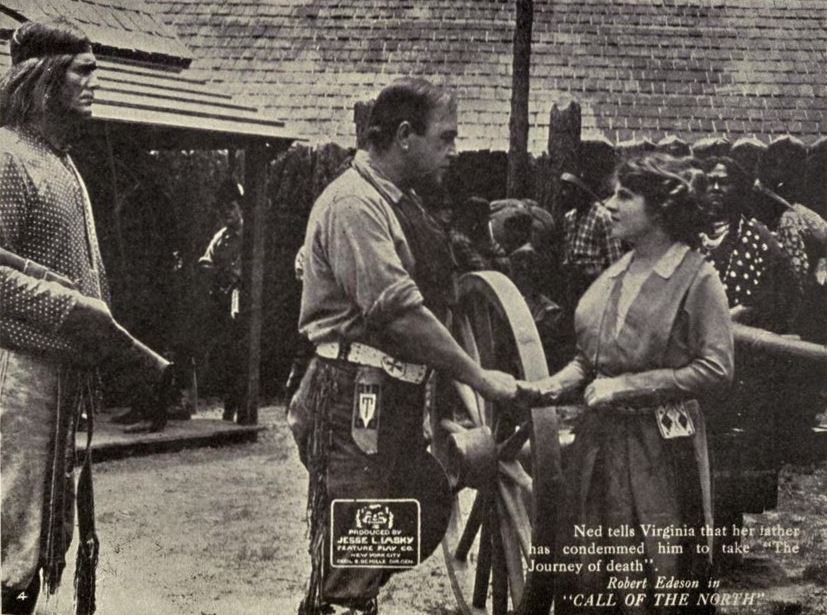
Dir: Oscar Apfel
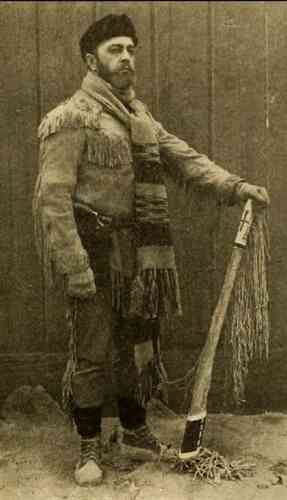
Trader Ned Stewart's father Graehme was unjustly accused of adultery and killed. Ned sets out to avenge his father but is captured and send on "la longue traverse," the long journey to death. Virginia saves Ned, and the villain confesses Graehme's innocence on his deathbed.
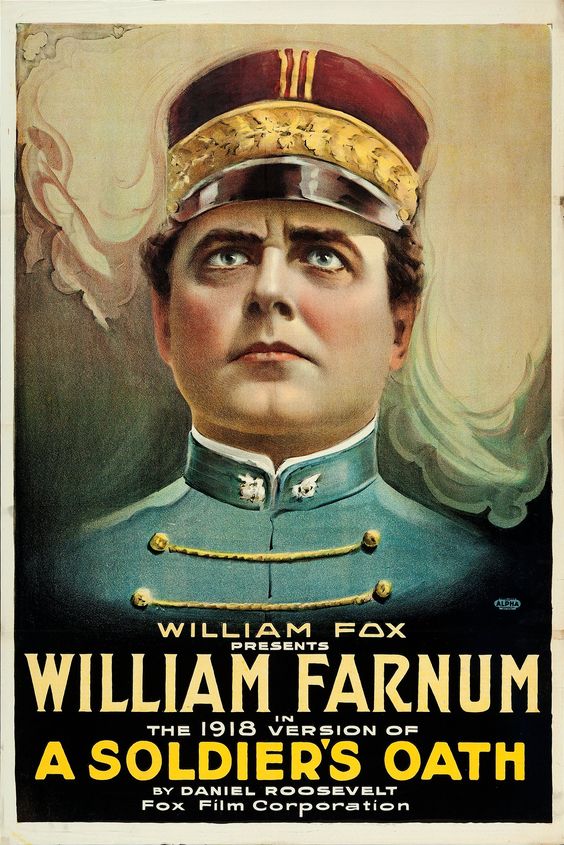
Dir: Oscar Apfel
While engaged in battle, Pierre Duval, a French soldier, stumbles onto the mortally wounded Count de Morave. Before dying, the count begs Pierre to deliver some family jewels and papers to the Vicomte Raoul de Reyntiens. At home, Pierre places the jewels in a box that also contains a necklace given to Margot, his wife, by the Duke D'Auberg. While stealing the box, Lazare, a war correspondent who witnessed Pierre's scene with the count, attacks and kills Margot. Found guilty of the crime, Pierre is sentenced to life imprisonment but is pardoned after performing a dangerous jailhouse rescue. Mavis, his daughter, who has been adopted by the duke, falls in love with the poor vicomte but is courted by Lazare, now posing as the Count de Morave. To win her love, Lazare gives her some of the stolen jewels, including the duke's necklace, but when Pierre sees the necklace later, he exposes Lazare and wins retribution.
View Details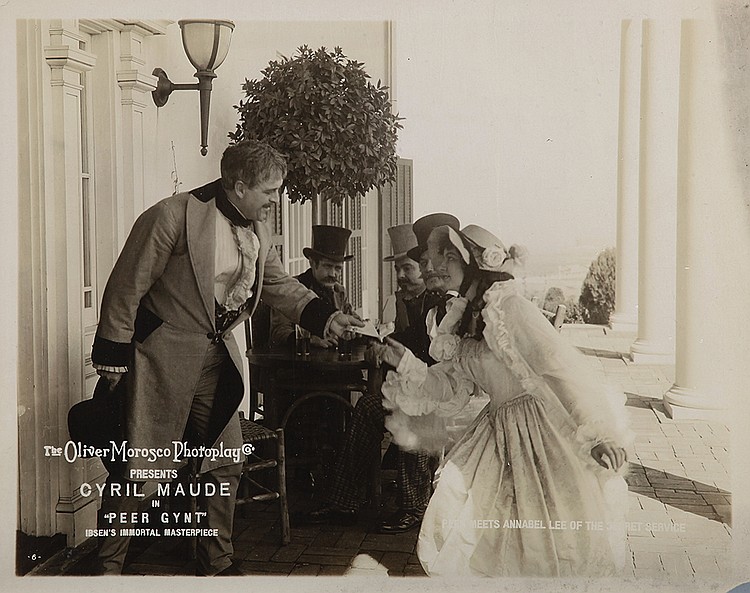
Dir: Oscar Apfel
A fantasy from Ibsen's verse drama. Ne'er-do-well and braggart Peer Gynt has many adventures in varied countries, making and losing money, gaining fortune at others' expense, until he finds salvation in the love of Solveig.
Dir: Oscar Apfel
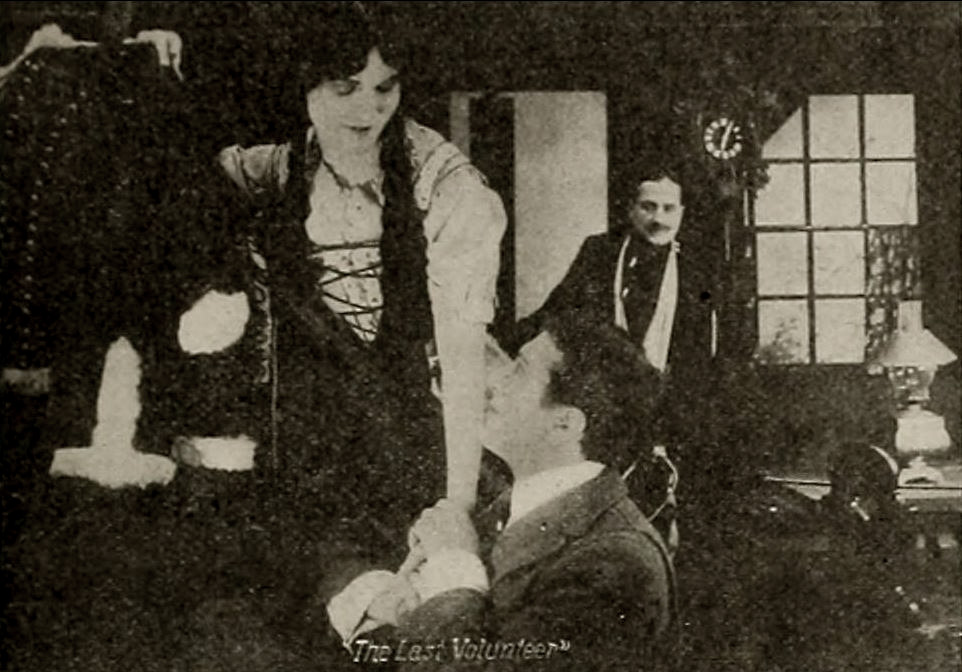
While traveling incognito through his kingdom, Prince Ludwig of Saxe-Tholberg becomes infatuated with Katrina, the daughter of innkeeper Hermann Ardelheim, but their idyll is interrupted by the arrival of a courier bearing the news that Austrania has threatened war. Katrina is heartbroken to discover the identity of her sweetheart whom she can never hope to marry. After Ludwig's departure, Katrina overhears the plotting of two spies and with the help of her brother Raolf, she confronts them. In the ensuing struggle, Katrina kills one of them, who turns out to be the Austranian ambassador. Although Katrina admits her crime, Marshal von Trump plans to execute Raolf in order to pacify the Austranians. Katrina appeals to Ludwig, who pardons Raolf over the advice of his counselors causing Austrania to declare war. A crucial battle is fought near the Ardelheim inn, during which Katrina becomes a heroine by signaling the advance of Ludwig's troops. She is fatally wounded by the Austranians and is then brought to the inn where she dies with Ludwig at her side. He then eulogizes both Katrina and Raolf, who has also died in battle.
View Details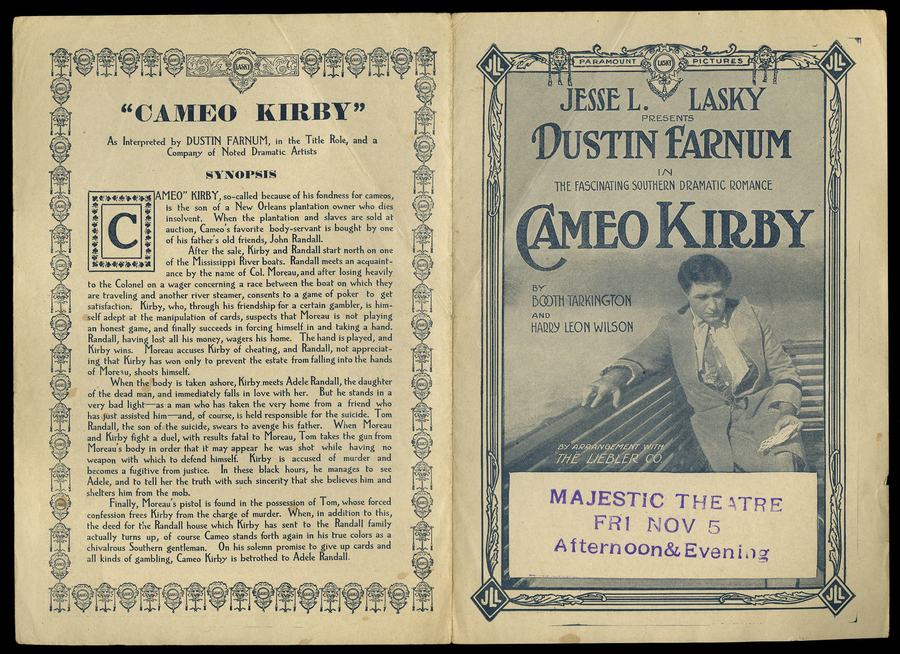
Dir: Oscar Apfel
"Cameo" Kirby, so called because of his fondness for cameos, is the son of a New Orleans plantation owner who dies insolvent. When the plantation and slaves are sold at auction, Cameo's favorite body-servant is bought at auction by one of his father's friends, John Randall. John and Kirby head north on a Mississippi river boat where Randall meets Colonel Moreau. There he loses heavily on a wager and consents to a game of poker hoping to get back his losses. Kirby, through his friendship with another gambler, is adept at the manipulation of cards and suspects that Moreau is not an honest player. He joins the game and soon Randall, having lost all of his money, wagers the old homestead. Kirby wins the hand and Moreau accuses him of cheating while Randall, unappreciative of the fact that Kirby won the hand to keep Randall's estate falling into Moreau's hands, shoots himself. When his body is taken ashore, Kirby meets Randall's daughter, Adele, and instantly falls in love with her. But Kirby is on very shaky ground as he is known as the man who caused Adele's father to commit suicide, and she treats him to some southern disdain. Her brother, Tom, vows to take revenge on Kirby. He and Moreau have an un-witnessed duel and Colonel is shot dead by Kirby, who is somewhat of a dead shot among his many other talents. But Tom takes the gun from Moreau's hand so it will appear he was unarmed. Kirby, slave-owner becomes a fugitive from justice. This also deals a blow to his courtship of Adele. But, a true-blue southern gentleman such as Kirby should be able to win the day, sooner or later.
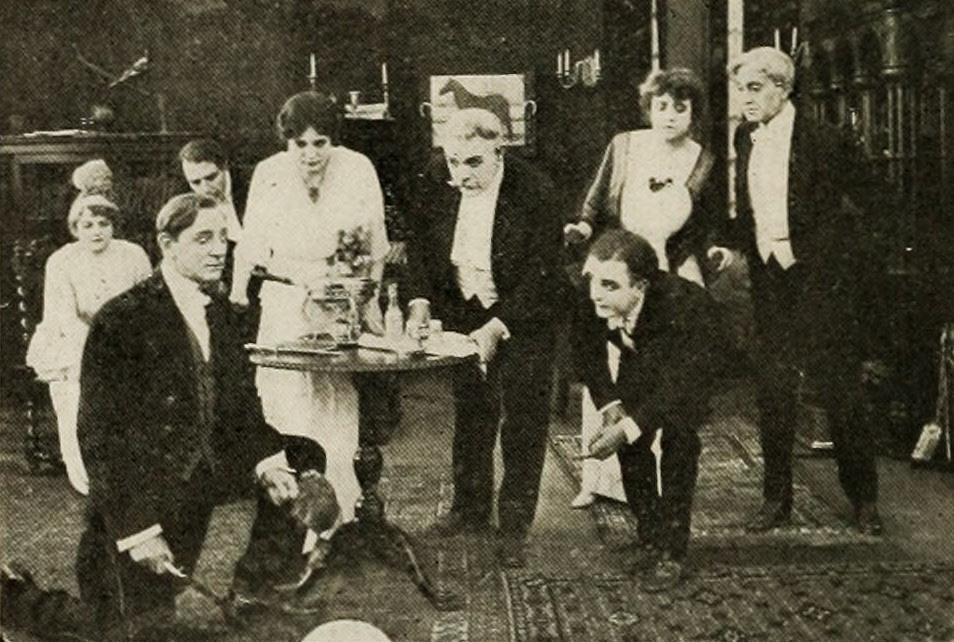
Dir: Oscar Apfel
Lieutenant Bob Warburton is wounded during an encounter with the Indians and taken to the home of Col. Annesley for medical treatment. Recovering, Bob finds that his service in the army has expired and he says he is penniless. However he is rich in romance and becomes fascinated by the Colonel's daughter, Betty. Betty, not knowing who Bob is, offers him a position as coachman, which he accepts. Many and varied are Bob's experiences as "The Man on the Box" of the Annesley coach. Becoming implicated in a plot to defraud the United States Government of important plans, he thwarts the attempts of a Russian Count and saves important plans. Betty, while visiting Bob's sister, who is a dear friend, learns from Bob's photograph who he is, but allows him to continue as coachman. Bob is entirely ignorant of Betty's knowledge of his identity. Betty's father loses his money, then Bob discloses his identity and admits he is the possessor of a large fortune in his own right. However, Betty's and Bob's romance is one of pure love and, after a series of intrigues, plots and counter-plots, all of which "The Man on the Box" foils, the couple are married and live happily ever after.
View Details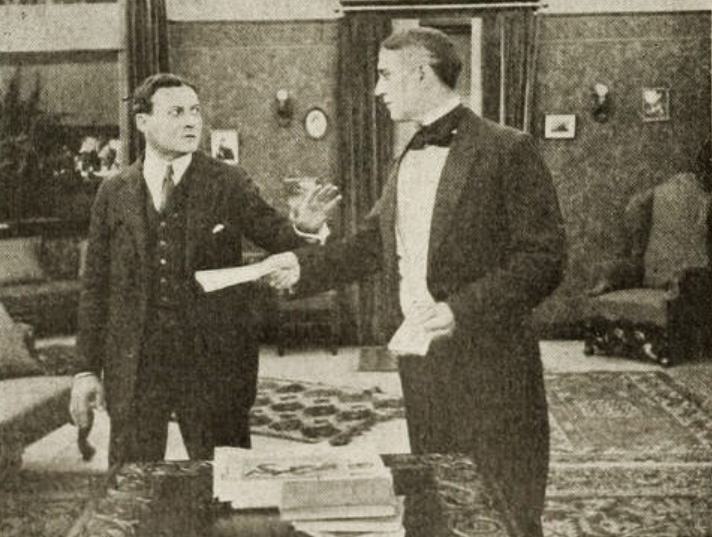
Dir: Oscar Apfel
Steve Baird travels West, and with miner Mike Reardon, buys an abandoned mine called The Skyrocket. Hoping to raise money to cover his notes, Steve goes to New York where he meets forger Jackson Ives. Ives gives Steve $50,000 in counterfeit money for stock in the mine just before the notes are due. When Grace Tyler and other wealthy friends see the money they also buy stock, believing that Steve is a success. Meanwhile, neighboring mine owner James Morgan discovers that The Skyrocket contains gold, and he sets off an explosion, hoping to kill Mike before he discovers it. Instead of killing Mike, the explosion uncovers the gold and everyone becomes wealthy, including Ives who now has the money to make his forgeries good. At the end, Steve and Grace are married with Ives as best man.
View DetailsAnalysis relative to The Midnight Limited
| Film Title | Atmosphere | Complexity | Similarity |
|---|---|---|---|
| After Five | Surreal | Dense | 87% Match |
| Brewster's Millions | Tense | Linear | 97% Match |
| The Little Gypsy | Ethereal | Linear | 93% Match |
| The Call of the North | Gothic | Linear | 88% Match |
| A Soldier's Oath | Ethereal | Dense | 92% Match |
This guide was algorithmically generated using the cinematic metadata of Oscar Apfel's archive. Last updated: 8/17/2026.
Back to The Midnight Limited Details →