
DbcultAccessing Vault...
Recommendations
Senior Film Conservator
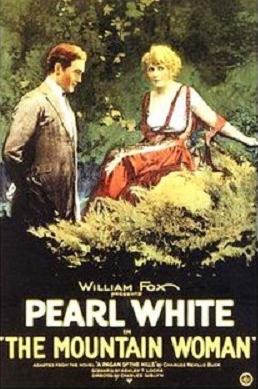
The evocative power of The Mountain Woman (1921) continues to haunt audiences with its emotional resonance, its status as a United States icon makes it a perfect starting point for discovery. The following gems are essential viewing for anyone captivated by The Mountain Woman.
The visceral impact of The Mountain Woman (1921) stems from to serve as a cornerstone for Drama enthusiasts worldwide.
In the hills of Kentucky, Alexander McGivens, known as "the girl in pants," is reared by her father as if she were a boy. When her father, Aaron, is wounded in a fight with Bud Sellers, the girl undertakes to get her father's logs to market with the help of a crew from the lumber camp. Her numerous suitors include a young Irishman, Jerry O'Keefe, roughneck Jase Mallows, and a wealthy young easterner, Jack Halloway. After delivering the logs, she entrusts her money to the repentant Bud Sellers, and on her return trip she is captured by Mallows and his followers. She finally reaches home, where she offers her hand to O'Keefe, the soft-spoken mountaineer.
Critics widely regard The Mountain Woman as a cult-favorite piece of Drama cinema. Its emotional resonance is frequently cited as its strongest asset, solidifying its place in United States's film legacy.

Based on the unique emotional resonance of The Mountain Woman, our vault has identified these titles as the most compelling follow-up experiences for fans of Drama cinema:

Dir: Charles Giblyn
Mabel waits on the residents of a local boardinghouse, but her fondness for pranks finally leads to her dismissal. By a strange turn of fortune, Mabel finds herself in the possession of a traveling corset saleswoman's suitcase, whereupon she adopts the profession herself. While passing through a small town, Mabel decides to take a swim in the ocean, but as she frolics, her suitcase, which contains all of her clothing, is stolen. Forced to wear only her bathing suit, Mabel sets off in search of her clothing and learns that the police, having identified the suitcase as belonging to a jewel thief, are in search of her. Following several adventures, she discovers that the jewel robbery, which involved her friend Lena, was only a publicity stunt.
View Details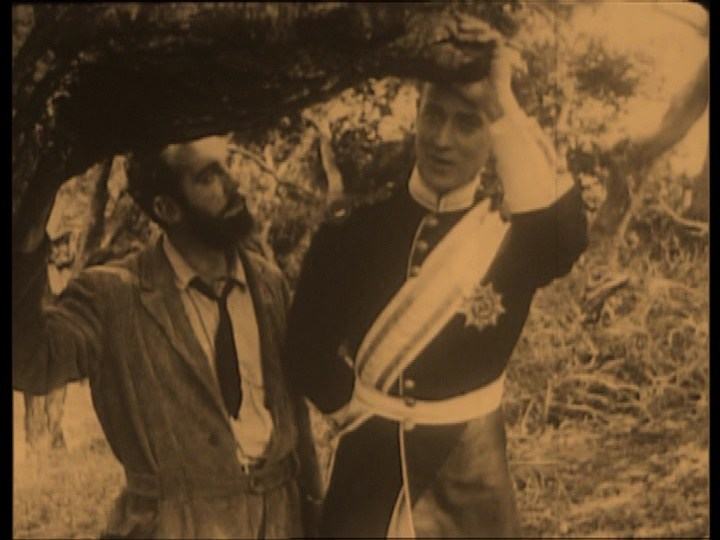
Dir: Charles Giblyn
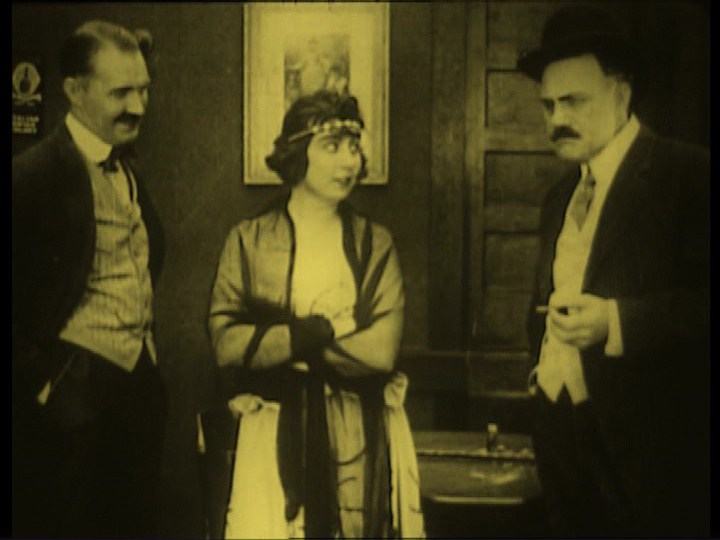
Prince Tonio of Bothalia, a mythical kingdom in the Balkan Mountains, escapes an arranged marriage to Princess Athalia, the elderly daughter of a neighboring king. Filled with wanderlust, he becomes a sailor and goes to San Francisco where he becomes a member of a Bohemian artist colony. After Burton Randall, an artist friend, gets him a job as a Maitre D'Armes fencing instructor, Tonio meets a young singer from the Barbary Coast named Fluffy, falls in love with her, and rescues her from political boss Murphy who tries to seduce her. Later, an ambassador from Bothalia, Count Metropolski; arrives to tell Prince Tonio that his uncle has been assassinated and that he is now the sole heir to the throne. Tonio must decide between duty and love, and he chooses love, renouncing the throne.
View Details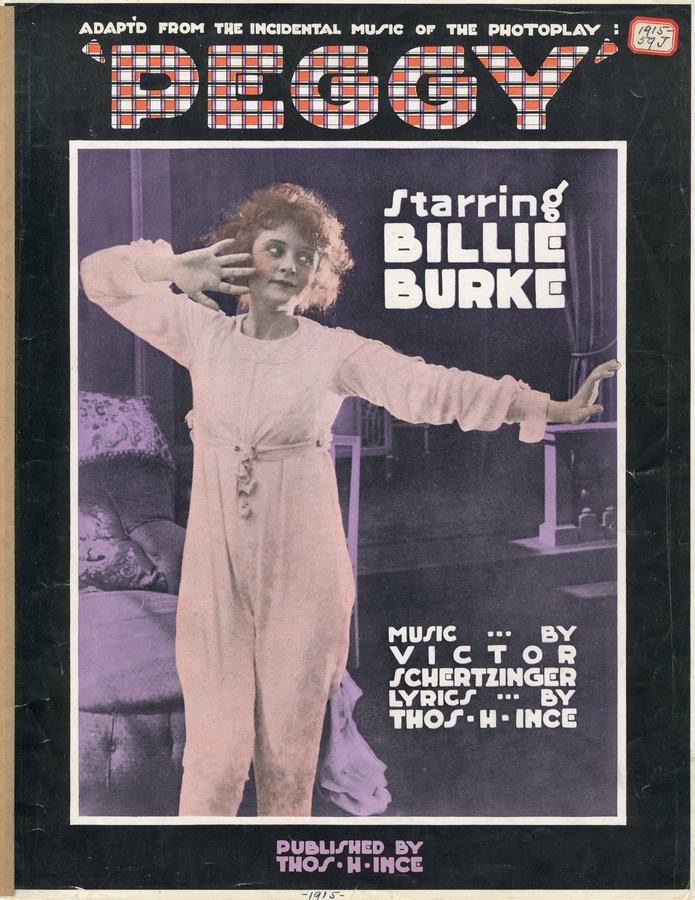
Dir: Charles Giblyn
Peggy, a rambunctious young American girl, goes to Scotland to visit her uncle. Her American ways both shock and eventually delight the people of the old village--especially the handsome young minister.
View Details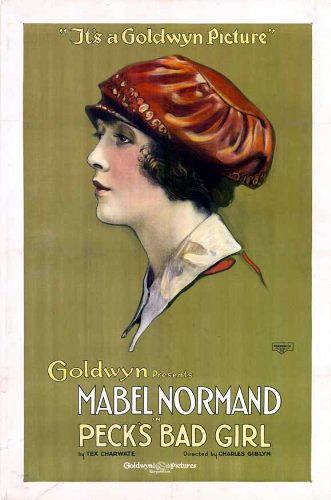
Dir: Charles Giblyn
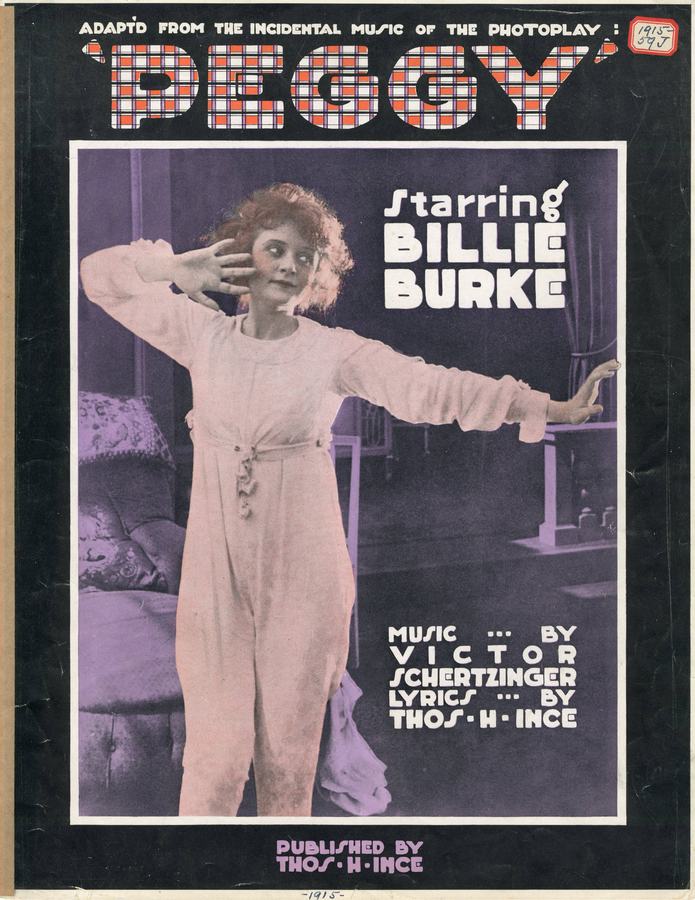
Minnie Penelope Peck, the village scamp of Yaptank, accompanies her father to the bank to demand the $9 owed him for his work as a night watchman. When the bank president refuses to pay Peck, Minnie posts a sign which states that the bank is insolvent, so all of the depositors immediately demand their money. The fire department is called in to quell the mob, but things get worse when Minnie accidentally turns on the fire hose. Minnie is saved from reform school by a new woman in town, Hortense Martinot, who hires the tomboy to model clothing in her shop. After falling in love with jewelry-store proprietor Dick, Minnie discovers that Hortense, in league with two gentlemen from the city, is planning to rob the bank. With the help of Dick, who is actually a detective, Minnie captures the crooks, then accepts a wedding ring from her jewelry salesman.
View Details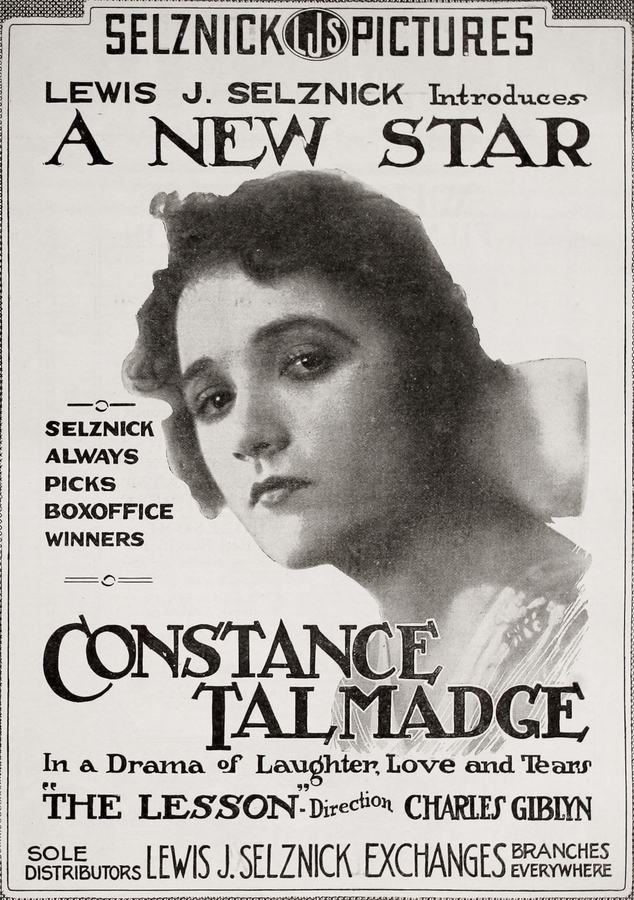
Dir: Charles Giblyn
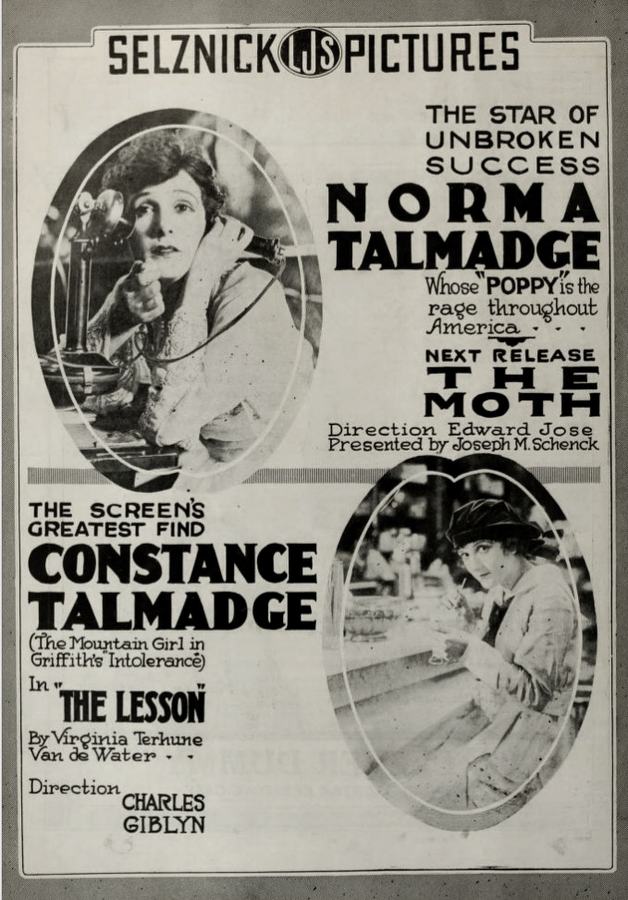
Bored by the slow pace of life in her little home town, Helen Drayton rebels when her friends and relatives assume that she will marry her friend and escort, Chet Vernon. Helen is so anxious to experience life in the big city that she falls in love with visiting New York architect John Galvin almost immediately after his arrival. Several weeks later, the two marry and move to New York, where, after a series of painful experiences, Helen finally realizes John's selfishness. In the end, she gratefully returns home and becomes Chet's wife.
View Details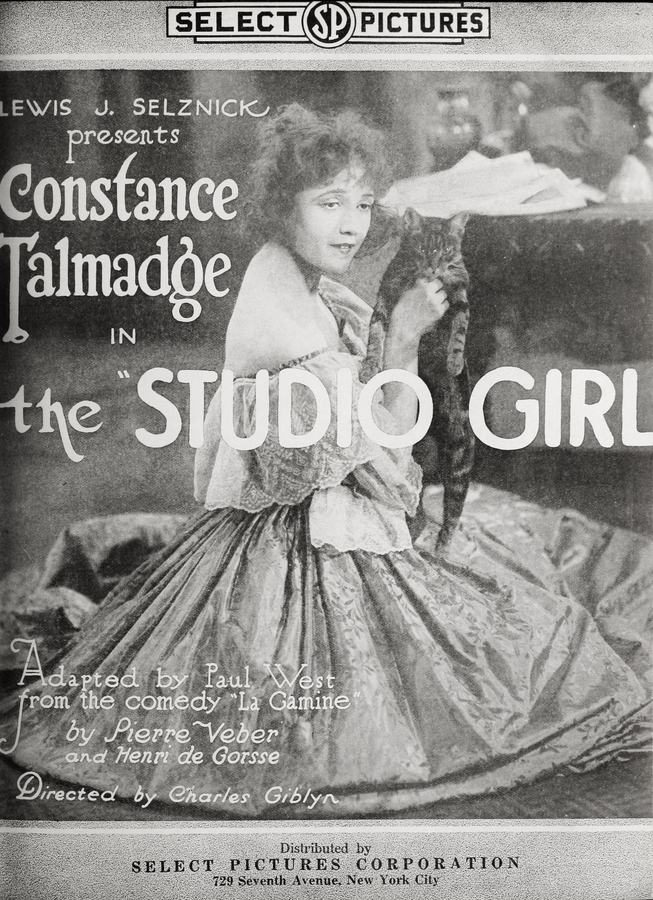
Dir: Charles Giblyn
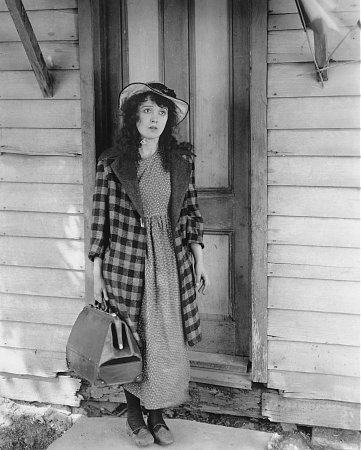
The mad exploit of a daring young country girl who falls in love with an artist and hides in his automobile to escape marriage with a country youth she does not love.
View Details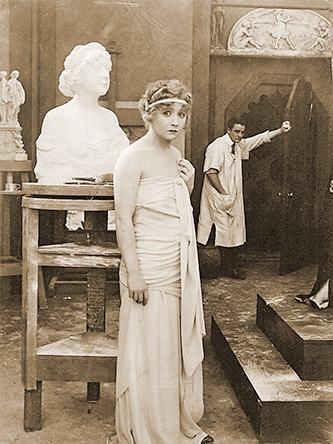
Dir: Charles Giblyn
Having to support her impoverished family, Grace Tyler poses for artist Michael Arnold, who seduces his new model and then leaves her. A few years later, after Grace has married the wealthy John Marshall, her sister Ruth, repeating Grace's mistake, becomes involved with Michael. Grace tries to break up the romance, until Michael threatens to expose their own affair to John, who has already become somewhat suspicious. Determined to learn the truth about his wife and Michael, John goes to the artist's studio while Grace and Ruth are also there, then, after a brief struggle, Michael dies from a knife wound. John is accused of the murder, but just before a jury convicts him, Ruth confesses to the crime and the court quickly acquits her because she had been defending her honor against Michael's advances.
View Details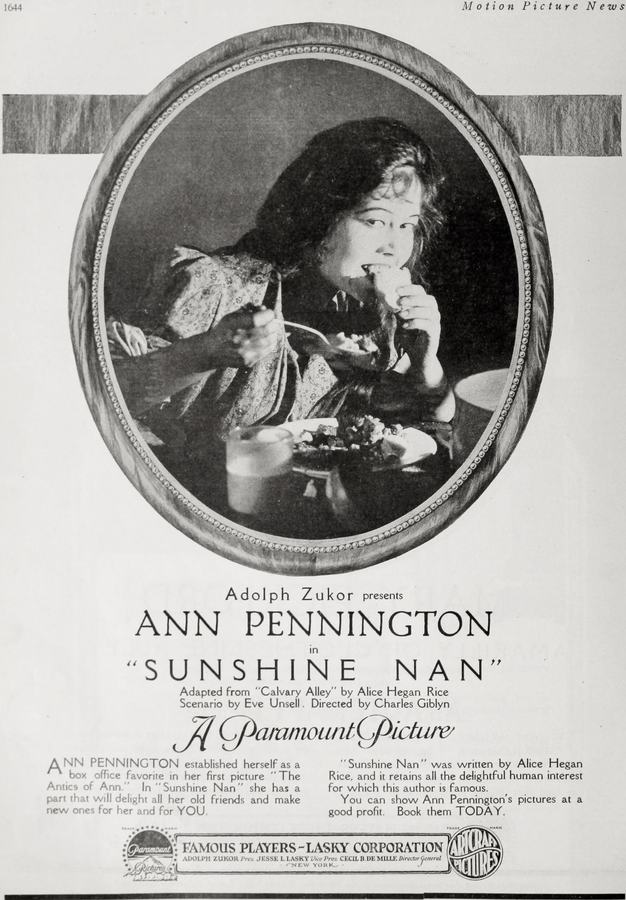
Dir: Charles Giblyn
Nance Molloy's cheerful disposition, in sharp contrast to the slum near the cathedral where she and her parents make their home, earns her the nickname "Sunshine Nan." However, her fights with the cathedral choirboys, led by MacPherson Clark, gets her into trouble. For interfering in a family squabble, she and her pal, Dan Lewis, are sent to reform school for five years, and upon her release, she becomes a stenographer in the elder Clark's shoe factory. Dan meanwhile has taken a job in the factory's chemical department, where he invents a dye process that promises to make him rich. In trouble over a woman, MacPherson decides to steal the formula and present it to his father as his own. Nan enters the lab just as MacPherson is copying Dan's formula, and the two old enemies begin to fight. Dan joins in the scuffle, but when some chemicals spill, the lab is enveloped in fire. Dan rescues Nan, and MacPherson, awakening in the hospital, remorsefully confesses his crime. Nan and Dan soon marry and the alley's name is changed to "Cathedral Court."
View Details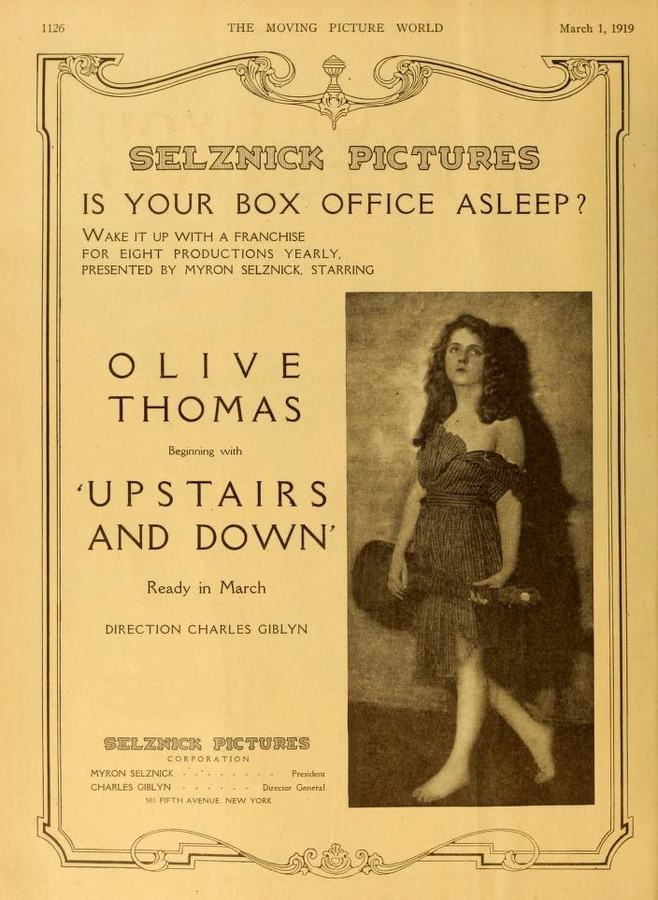
Dir: Charles Giblyn
Alice Chesterton (Olive Thomas) is described as a "Baby Vamp" by the social set and engaged to boring Tom Carey. She flirts with many of the male guests idling at the Ives' Long Island house party, then encourages Terence O'Keefe, a playboy polo player from Ireland in New York to purchase horses for the British army, to rendezvous with her in the city, they are seen together at the "Midnight Frolic." Because of this, Mrs. Ives convinces Alice's newly-arrived sister Betty to look after Alice. Betty arranges for Terence to find her in an auto wreck where he revives her with a kiss. Genuinely in love with each other, they plan to marry, until the jealous Alice tells Betty that Terence "ruined" her. When Betty accuses Terence, he makes Alice confess her to her lies. Tom, encouraged by Terence's advice, overwhelms Alice with his "caveman" tactics. At the end, the servants, who have observed the upstairs activities, emulate their masters' flirting mannerisms.
View Details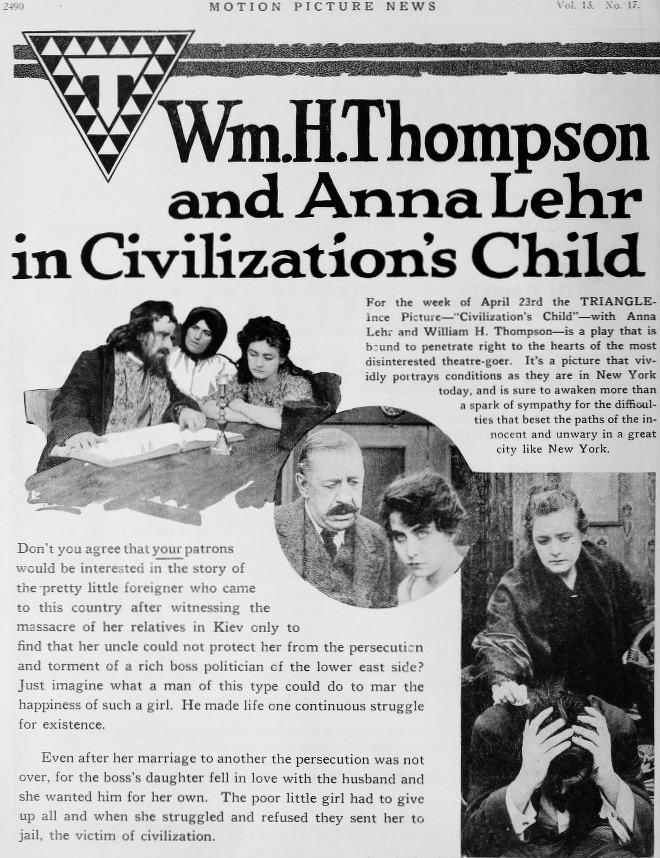
Dir: Charles Giblyn
After an idyllic mountain life in Russia, Berna goes to live with her uncle in the Jewish section of Kiev, arriving just as Cossacks massacre most of the Jews in the city. Berna escapes to New York and works at a sweatshop controlled by Boss Jim McManus, but he seduces her, then throws her out on the street, and she becomes a prostitute. Berna later marries Nicolay Turgenev, a young musician, and they soon have a child, but McManus' daughter Ellen falls in love with Nicolay after seeing him perform and convinces him to leave Berna. To make the separation legal, McManus, now a judge, grants Nicolay a divorce and also gives him custody of the child. Almost insane, Berna goes to McManus, denounces him at gunpoint and then kills him.
View DetailsAnalysis relative to The Mountain Woman
| Film Title | Atmosphere | Complexity | Similarity |
|---|---|---|---|
| A Perfect 36 | Gritty | Dense | 97% Match |
| The Vagabond Prince | Surreal | Linear | 94% Match |
| Peggy | Ethereal | High | 96% Match |
| Peck's Bad Girl | Tense | Dense | 93% Match |
| The Lesson | Gritty | Dense | 92% Match |
This guide was algorithmically generated using the cinematic metadata of Charles Giblyn's archive. Last updated: 6/20/2026.
Back to The Mountain Woman Details →