
DbcultAccessing Vault...
Recommendations
Senior Film Conservator
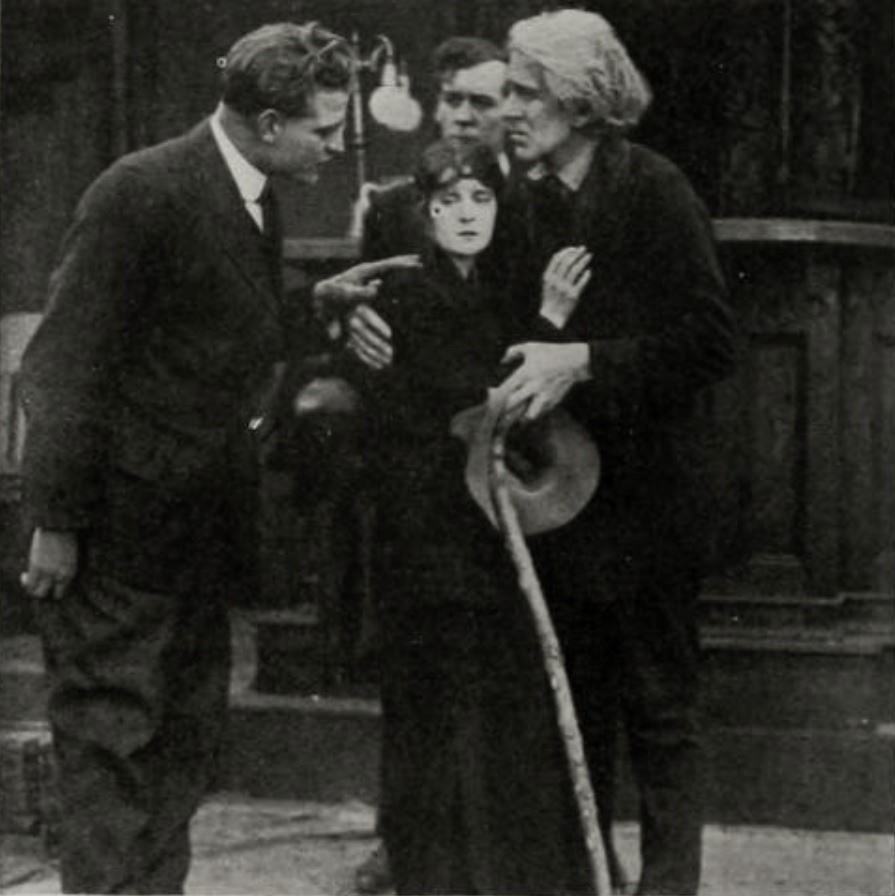
Witnessing the stylistic evolution of John B. O'Brien through The Outcast is profound, audiences who connected with its message often look for similar thematic gravity. Each of these movies shares a piece of the artistic bravery that made The Outcast so special.
The synthesis of form and function in The Outcast to establish John B. O'Brien as a true visionary of the 1915s.
Mae is a girl of the slums. Her antecedents are unknown. She works as a dancing girl around a rough dive where her sweetheart Bob is a waiter. Graves, a cheap sport, takes a fancy to Mae and asks the bartender who she is. The bartender tells him that nobody knows where she came from. When Graves becomes fresh with Mae, Bob warns him off. On their day off, Bob and Mae go walking in the park. They see young couples with their babies and long for a decent married existence. Judge Lewis, in his courtroom, is sternly sentencing a criminal who is pleading for mercy. A second judge enters the room and is invited to the bench as a matter of courtesy. He whispers to Judge Lewis in favor of the criminal, but Lewis is firm and sends the prisoner away condemned to the limit. Court adjourns and the two judges depart. They go down the courthouse steps and walk away to the park, where they see Bob and Mae. The second judge recognizes Bob and stops him. The judge asks him questions and Bob replies that he is behaving himself. Bob is eager to get away. Alone with Mae, Bob explains that the judge is the one that paroled him after his last fight. Back at work in the dive. Graves becomes offensive to Mae. He follows her to her room and is followed by Bob. A fight occurs in which Mae shoots Graves. Bob disappears, fearing the result of his parole if he should not obey the judge. Mae is to be tried before Judge Lewis. She is assigned a young attorney to defend her. The attorney sees her in her cell and gets her story. He can find no trace of Bob, who, however, keeps himself posted in hiding. The young attorney has secured from Mae, however, a locket given to her by her dead mother when she was a little child. The locket has a photo of her mother with the address of a photographer in a country town. The attorney visits the town, finds the old photographer, and is directed to Old Man Aitken as one who can tell about the woman of the photo. Aitken shows great emotion when he sees the photo, and on being told of Mae's coming trial before Lewis, shows great eagerness to go with the attorney. The trial is commenced, and the attorney admits the killing, but pleads self-defense and the girl's irresponsibility. He places her on the stand, and she tells her story. The judge is cold and relentless. She is asked on cross examination, "Where is this man Bob?" She doesn't know. Bob, however, has crept into the back of the courtroom. He presents himself and is examined. He corroborates Mae, but the judge, recognizing him as the boy of the park, discredits his testimony by asking him, "Are you not a paroled prisoner?" Bob admits it, and the effect on the jury is obvious. Mae is found guilty, with a recommendation for mercy. On being brought up for sentence, the attorney calls Aitken to prove the girl's irresponsibility. The prosecuting attorney jumps to his feet and objects. The judge is about to rule out Aitken's testimony, when Mae's attorney interposes, "It will not be necessary to mention the name of the father of this defendant, but I will ask the witness to identify this photograph as the girl's mother." The portrait of the locket is passed to the judge. He conceals his emotion with difficulty. Mae's attorney proceeds, "I will prove by this witness that the defendant's birth and early life are responsible." Aitken then tells his story, fading back to Mary Alden and Lewis, their love, the locket, Lewis' desertion to follow his career, sending her a letter telling her of his decision, the baby's birth, and the disappearance of mother and child. After the story the judge faints, court is adjourned, and the judge is carried out. The next day another judge is on the bench: he who had paroled Bob. He suspends sentence on Mae and she and Bob go away free. Judge Lewis is convalescent at his home in the country. Aitken brings Mae and Bob to him and he expresses his interest in them and determination to devote his life to his daughter.
The Outcast was a significant production in United States, bringing a unique perspective to the global stage. It continues to be a top recommendation for anyone studying cult history.
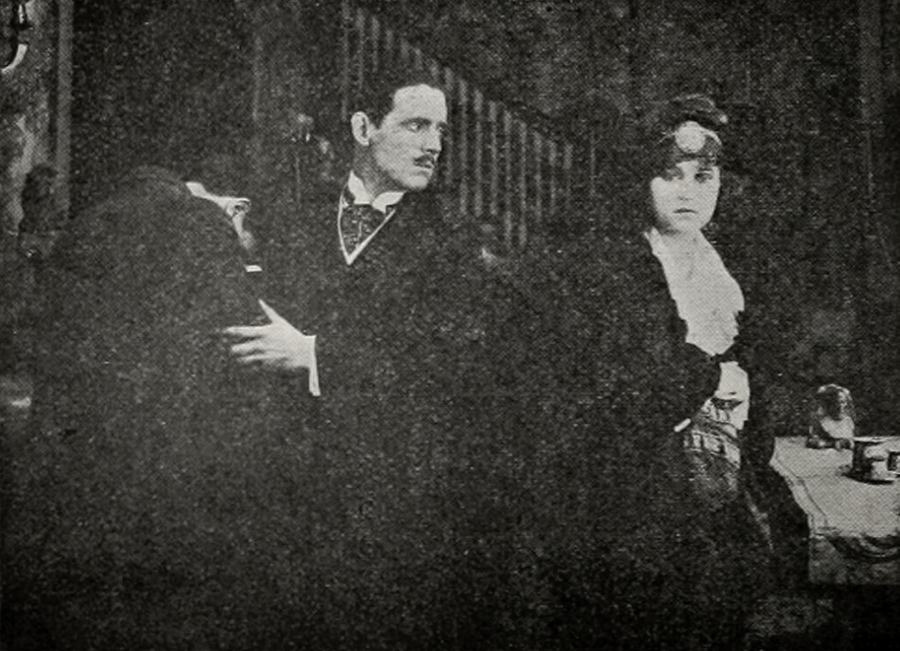
Based on the unique artistic bravery of The Outcast, our vault has identified these titles as the most compelling follow-up experiences for fans of cult cinema:
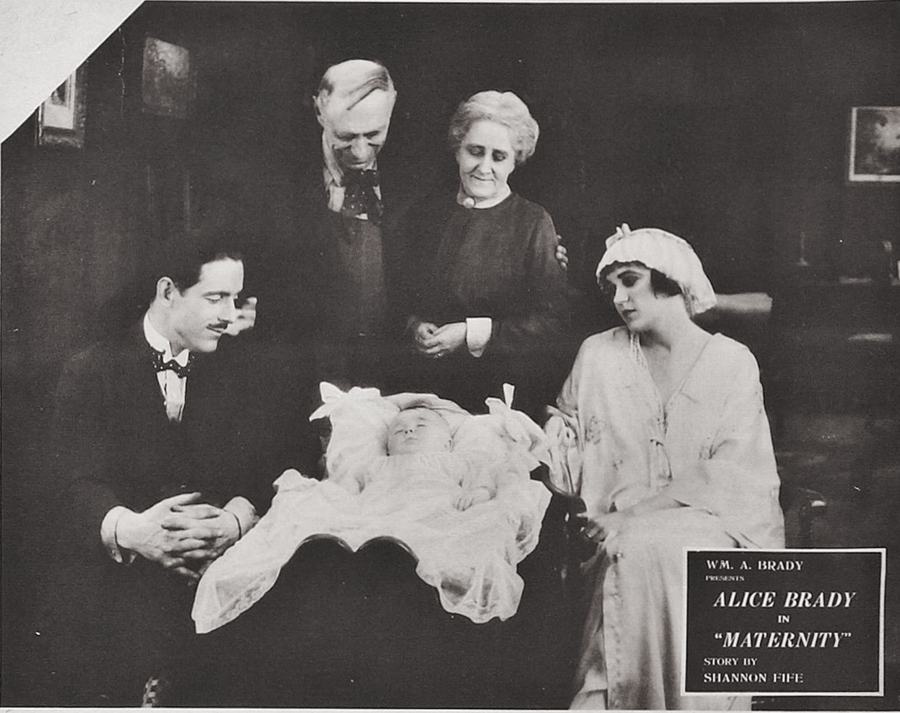
Dir: John B. O'Brien
A woman overcomes her fear of childbirth and embraces motherhood.
View Details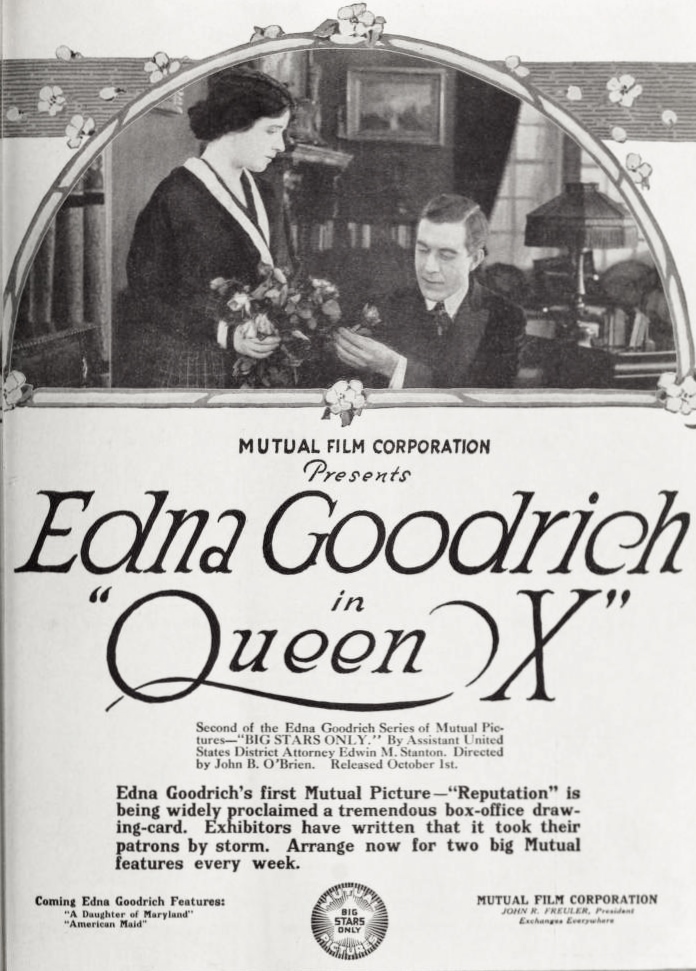
Dir: John B. O'Brien
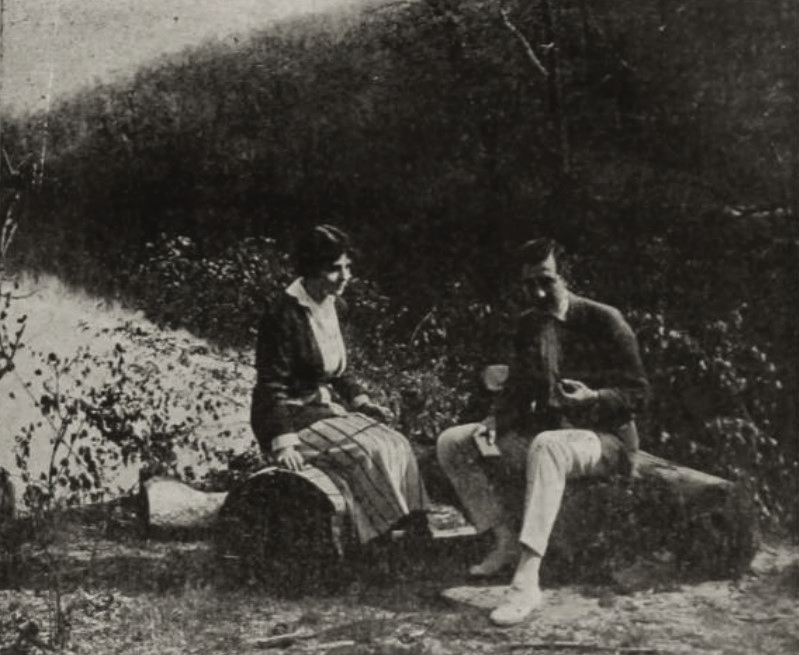
In New York's notorious Pell Street district, U.S. District Attorney Arnold Somers' men capture Queen X, known to drug smugglers as "The Queen of Chinatown," a woman with a cross-shaped birthmark on her wrist. Summers recognizes her as Janice Waltham, formerly a prominent society woman. After becoming an addict and dealer, Janice was imprisoned in underground dens filled with opium fumes to prevent her from recovering and betraying her suppliers. She refuses to name her associates despite third degree questioning. As Janice is about to be sentenced to a long prison term, Miriam Evans, whose brother George is the assistant district attorney, recognizes Janice as the former schoolmate who rescued her in a convent fire. Somers allows Miriam to take Janice home and advises George to court her to get the names of the gang leaders. With George's help, Janice develops enough will power to kick her drug habit, while George, according to their pact, stops smoking cigarettes and drinking coffee. After George secures the names, Janice, threatened by a Chinese cohort, learns about George's deal, but George, now in love, confesses this and they marry.
View Details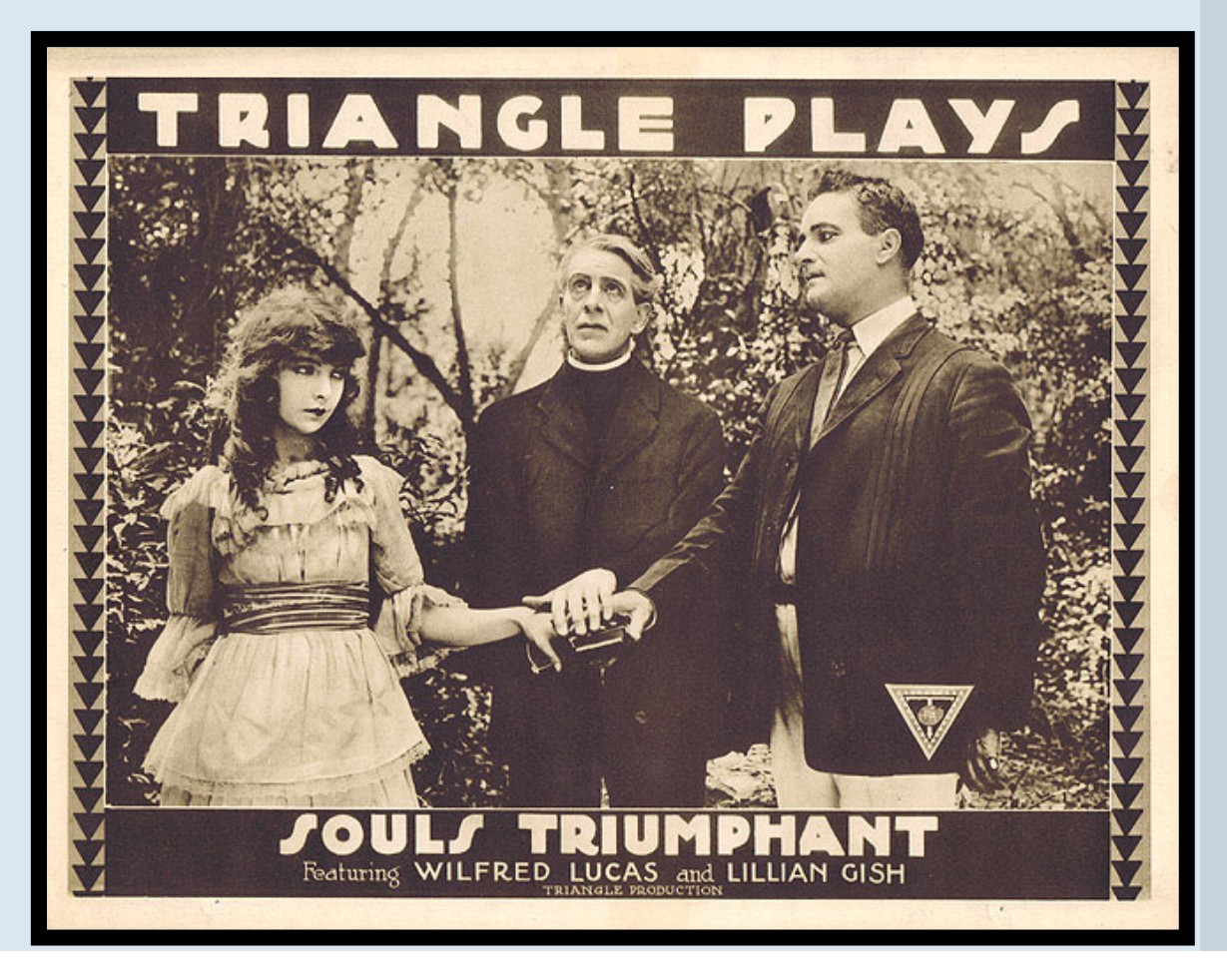
Dir: John B. O'Brien
Robert Powers devotes himself to a life of dissipation until he meets Lillian Vale, the daughter of the curate of St. Anthony's church. Lillian marries Powers, determined to reform him. Years later, the happiness of their home threatened by the appearance of Hattie Lee, one of Powers' former lovers. While Lillian is at her father's deathbed, Powers is lured away by Hattie Lee one night. That evening, the house catches fire and when he returns, the place is in ashes. Frenzied with the belief that his son has perished in the flames, Powers goes to beg the forgiveness of his wife and discovers that she has saved the child's life. Her all-forgiving nature and the love of their son causes Powers to rise from his past life with a triumphant soul.
View Details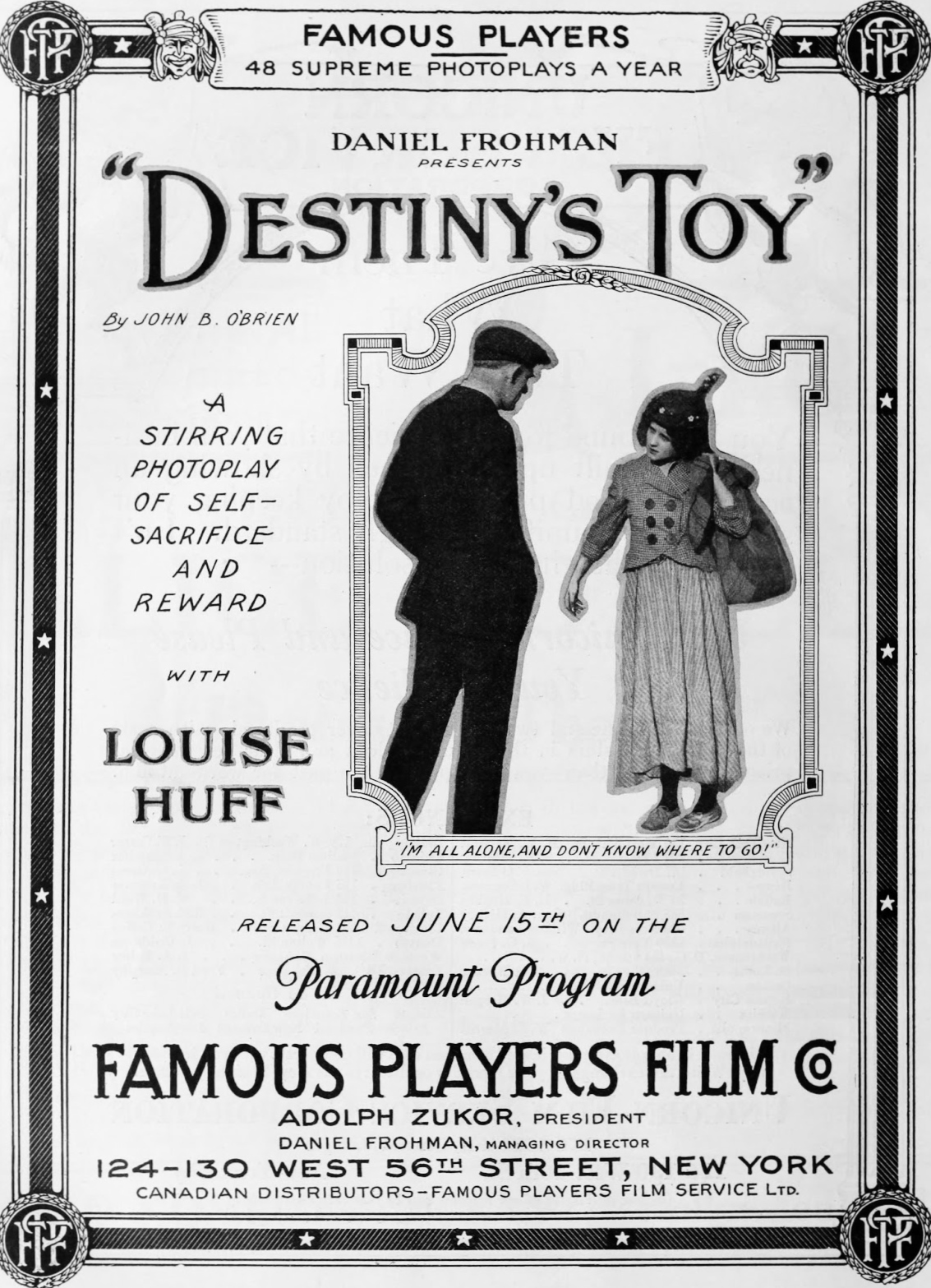
Dir: John B. O'Brien
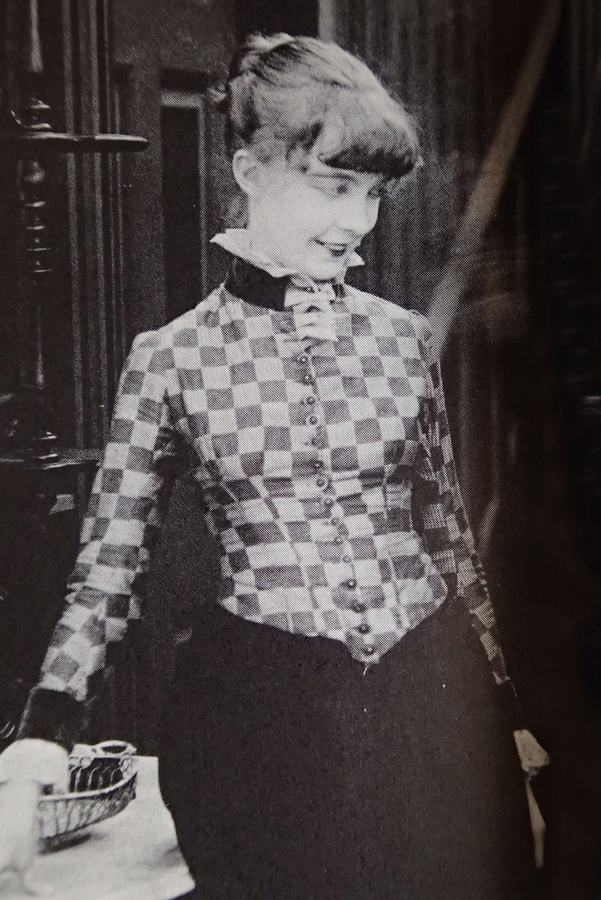
Young Nan was rescued from a shipwreck by a man who became her foster father. Years later, when he dies, she moves to a nearby city and unknowingly gets involved with a criminal gang. When the gang attempts and fails to rob wealthy Thomas Carter's home, Nan finally discovers what they are and tells the police all she knows, resulting in the imprisonment of Bad Riley, the gang's leader. The Carters gratefully take Nan into their home as a daughter, honoring the memory of their own daughter who had drowned years before, and the young son, Rev. Robert Carter, begins a romance with her. But the jailed Riley escapes and comes after Nan.
View Details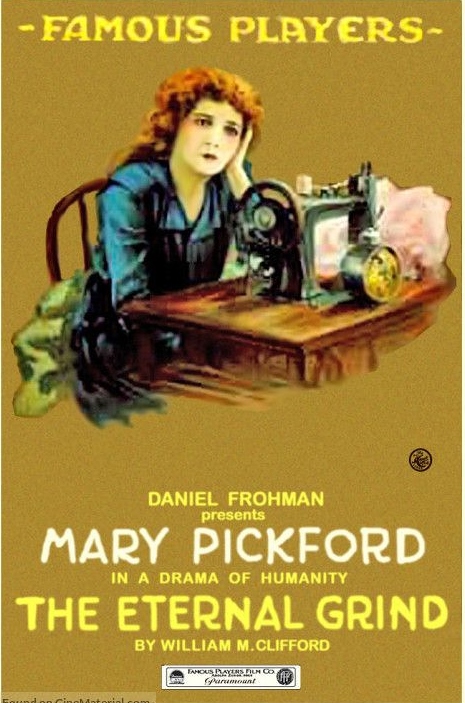
Dir: John B. O'Brien
Owen and Ernest Wharton, sons of sweatshop owner James Wharton, become interested in two of their father's employees. Owen, a settlement worker, falls in love with Mary, while Ernest, a full time womanizer, makes her sister Amy his mistress. Another sister, Jane, grows increasingly consumptive, but when Mary asks James for some money for Jane's treatment, he refuses. Hearing of the trouble, Ernest offers money to Mary, but only if she too agrees to be his mistress. Enraged, Mary forces him at gunpoint, to marry Amy. Then Owen, knocked unconscious in an accident, calls out for Mary. James begs her to see Owen, but before agreeing to go, Mary makes him promise to improve sweatshop conditions. Finally, Owen recovers and he and Mary plan their marriage. Meanwhile, marriage has turned Ernest into a devoted husband, and James keeps his word about shop conditions.
View Details
Dir: John B. O'Brien
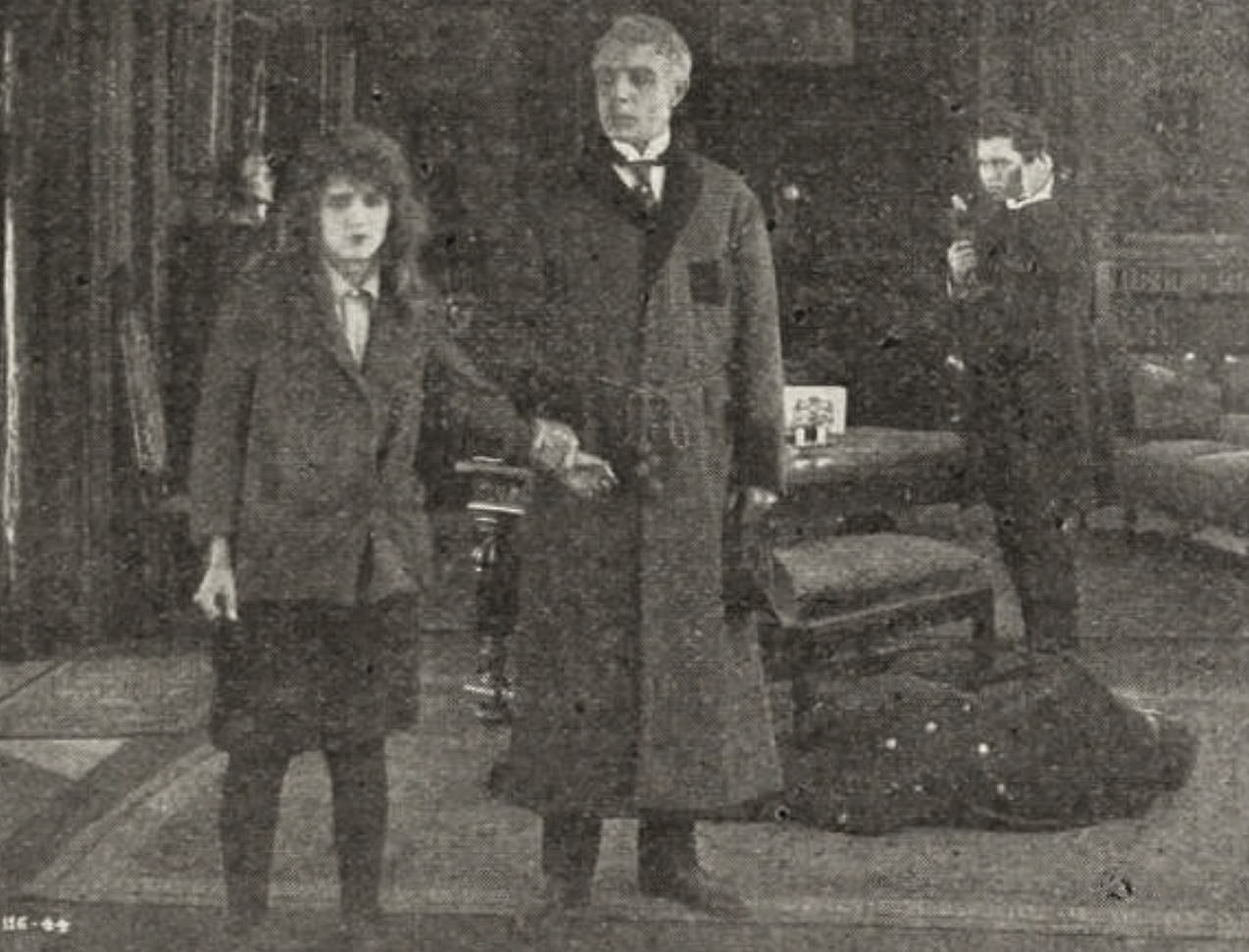
Robert Armstrong, falsely accused of a murder committed thirty years ago in a western gambling hall, faces the alternative of imprisonment or paying blackmail. A letter from Tom Mason, formerly a miner, prepares him for a visit, at which time he must make his choice. Armstrong confides in his son, Dick, assuring him that the murder was committed by Mason, who used trickery to make it seem that he (Armstrong) was the culprit. Dick broods over the injustice to his father, and Armstrong cannot conceal his nervousness. The visitor comes and makes his demands. Armstrong grapples with him as the lights are turned off. Suddenly there is a shot, and when the lights are turned on again Mason is lying dead on the floor. Fearing the servants will enter, Dick drags the body through a window to the grounds outside, takes Mason's pistol out of his pocket, fires a shot into the body and places the weapon in the dead man's hand. Dick returns to the house and a policeman hurries to the scene. Dick thinks he has covered up his tracks, but Burke, chief of detectives finds the other bullet in the body and has no difficulty in connecting the murder with the Armstrong family. He does not succeed in getting a confession from either father or son, and decides to resort to strategy. Phyllis Lord is a model in Martel's establishment for women's apparel. The discrepancy between the gowns she wears to display to customers and her own modest raiment eats into the girl's consciousness. Then, too, she is befriending Bessie Allen, a young wife who has been deserted by her husband, and finds herself unable to help Bessie as she would like. A wealthy woman who is buying gowns boasts of having won five hundred dollars at Crandell's, a fashionable gambling resort, on a five dollar wager. Phyllis obtains a card of admission to Crandell's, without permission borrows one of Martel's gowns, and visits the gambling house. She loses the money she has brought and fifty dollars more which Crandell loans her. Burke, who has been watching the girl, has Phyllis dismissed from Martel's, making it appear that she has stolen money, and she is placed in such a position that she is obliged to accept Burke's offer to help him with a case. She consents to get a confession from Dick Armstrong. She is installed in a handsome apartment and given beautiful clothes. Bessie Allen, who is ill, is taken to a hospital. Burke puts a dictaphone into Phyllis's apartment. The pre-arranged courtship progresses favorably. Dick finds the trick Phyllis has played and denounces her. Phyllis is heartbroken, and anxious to atone for what she has done. She goes to Dick's father, and Armstrong, greatly agitated, writes a confession saying that he alone shot Mason. At police headquarters Dick is put through the third degree, and finally he gasps, "I did it." Phyllis, in the next room, hears him, and rushes in with Armstrong's confession. Burke's lieutenant makes out a warrant for his arrest. Phyllis goes home, exhausted, when a messenger brings a letter from Bessie, written just before her death. The letter encloses her marriage certificate, and photograph of the husband who deserted her. Phyllis rushes to the minister who performed the ceremony, and takes him to Burke's office. It is Burke who is Bessie's husband, and as he has illegally married another woman, Phyllis threatens him with arrest on a charge of bigamy. She offers to exchange her documents for Armstrong's confession, and Burke accepts. Then Phyllis falls sobbing into a chair, holding out her hands in supplication to Dick.
View Details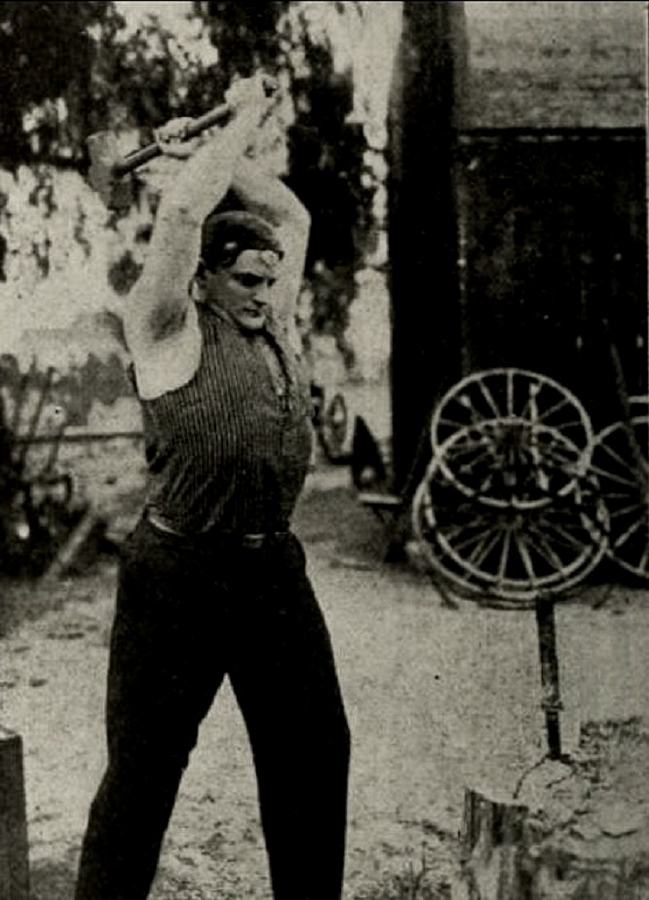
Dir: John B. O'Brien
Mae Carter is the ward of Col. Aitken and the fiancée of his nephew Robert. They plight their troth and after much teasing from Mae, Bob succeeds in giving her an engagement ring. While Mae and Bobby are out riding one day the shoe of Mae's horse becomes loosened. She calls for Bob to exert his masculine strength and jerk the shoe from the horse's foot to save the horse further pain. After several unsuccessful pretenses to release the shoe they go to a blacksmith. Mae discovers in the blacksmith a man of extraordinary strength. He jerks the shoe from the horse with one pull, and thereby wins the admiration of Mae. That night Mae dreams that she is the cave woman of Robert, a cave man. While eating shrubs she is attacked by another giant cave man and about to be carried off when a rescuer appears, and he proves to be none other than the blacksmith. In the morning she pays a visit to his shop and takes a snapshot of him, much to the distress of Robert. She breaks off her engagement with Robert and is about to elope with the blacksmith when her uncle, having dealt with many women in his time, and knowing feminine ways better than Bob, concocts a scheme whereby he will induce the two to live at his house for a month to find out if they still love each other, at the end of which time he promises to consent to the marriage. The girl gives an engagement party and his conduct makes her see how impossible a match would be between the two. Thoroughly disgusted, she breaks off her engagement and returns to Robert. A marriage between her and Robert is arranged by the Colonel for the following day, and the blacksmith learning of it becomes jealous. When the ceremony is about to take place, the blacksmith comes to the house and steals the bride and plans to take her to a neighboring town and marry her himself. He gets away with her and after many hair-breadth escapades he finally gets caught in the quicksand with the girl but Robert releases him and the wedding takes place.
View Details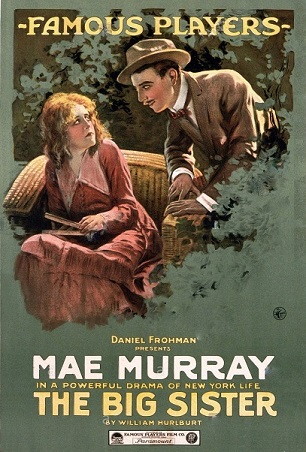
Dir: John B. O'Brien
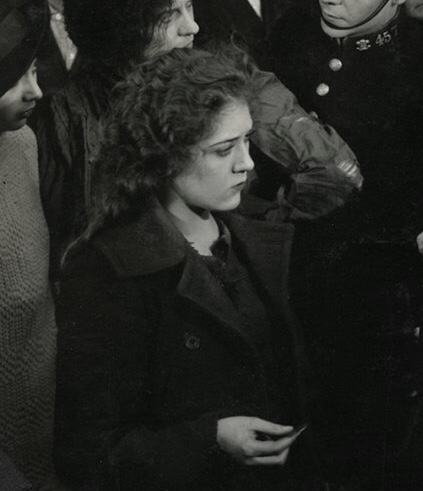
A daughter of the slums has a little brother and makes a brave attempt to earn enough for both herself and Jimmy after her father is sent to jail on a fake charge trumped-up by "Nifty" Mendez, who is very anxious to get her in his toils. Betty escapes from the city and Nifty. On the road Jimmy is struck by Rodney Channing's motor. The injury is not serious but Jimmy must remain in Channing's home for some time. During the visit, love grows up between Channing and Betty, who is now of course very happy. But a newspaper announcement and the author send Nifty again into her life and simultaneously with his entrance comes the exit of happiness. Betty fears to tell her fiance that her father is in jail, so she gives Nifty the pearl necklace lately presented to her and leaves the wonderful home. "As the days pass" however, Channing's cousin finds it necessary to visit a modiste's shop in search of a wedding gown and Channing accompanies the bride-to-be. There he finds Betty, for she is the model who displays the gown.
View Details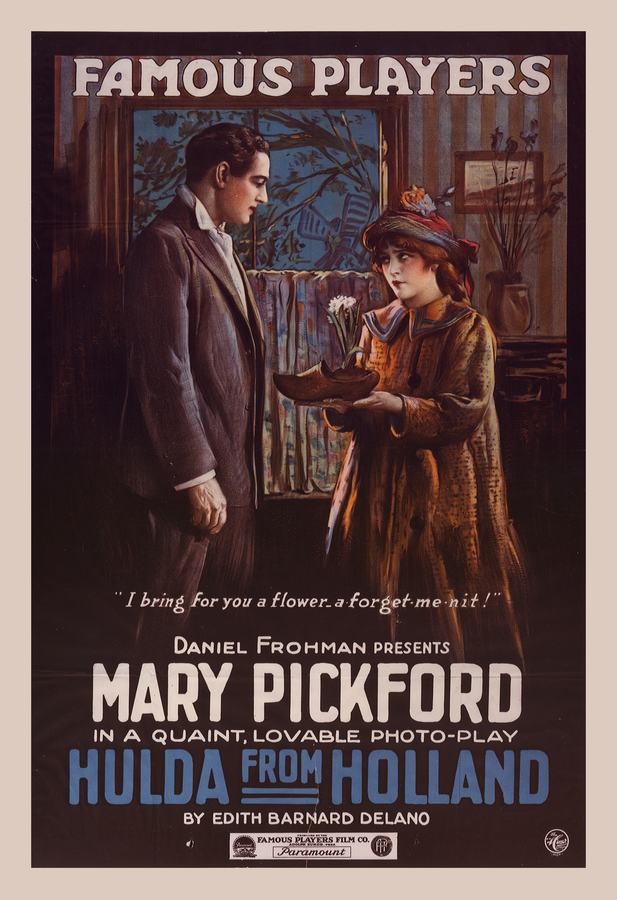
Dir: John B. O'Brien
Hulda, a plucky Dutch girl, brings her three little brothers from Holland to America to live with their rich Uncle Peter. Hulda finds love with a poor artist.
View Details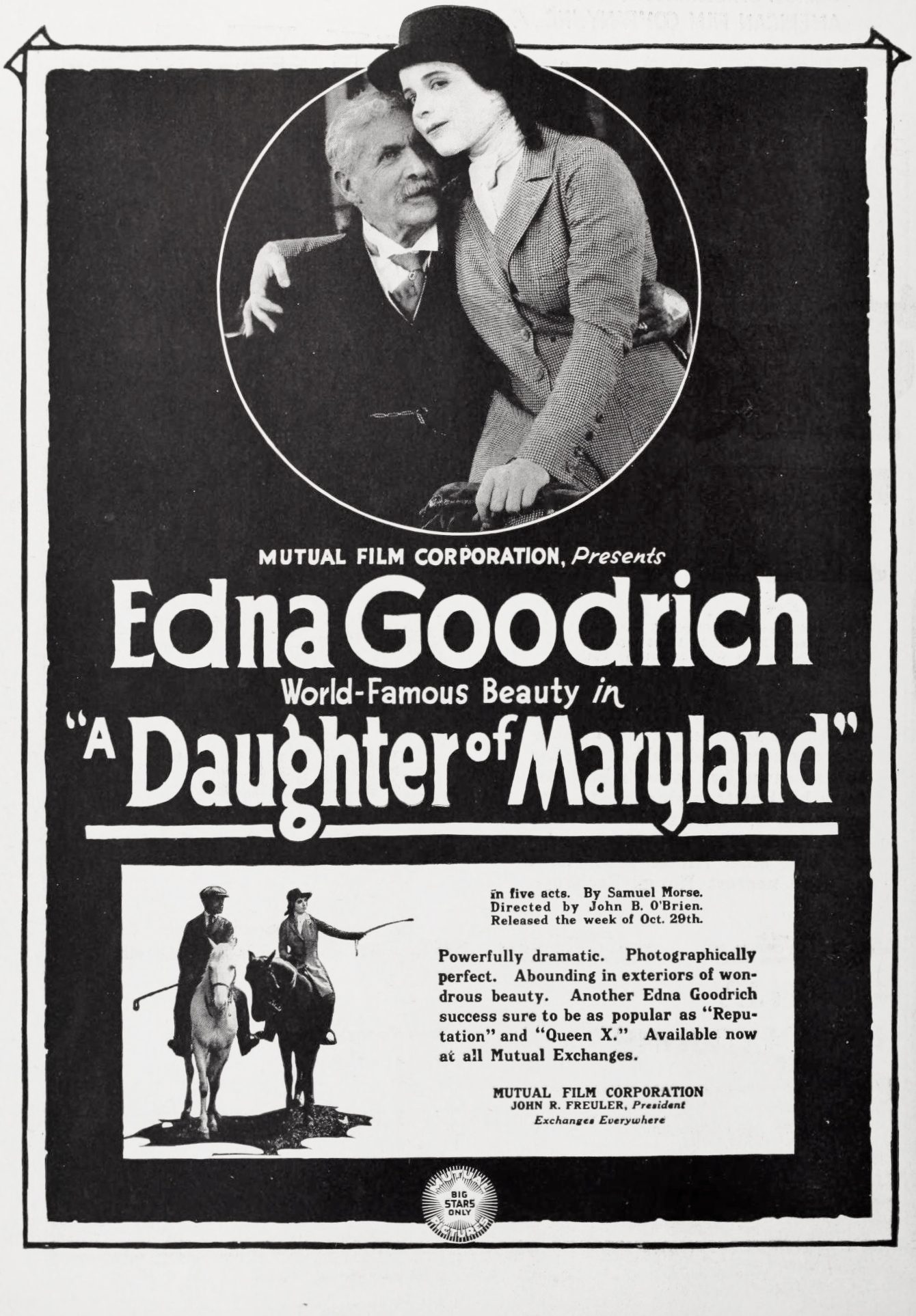
Dir: John B. O'Brien
Beth Treadway, a high-spirited young Southern woman, lives with her father, Major Treadway, and her Aunt Sarah on the Treadway estate, Headland Hall, in Maryland. Beth is being courted by Rippley, a Southerner with questionable morals, when John Standish comes from New York to landscape the grounds of Headland Hall. Standish arouses Beth's antagonism until he rescues Haskell, a hermit living on Treadway land, from a fire. Beth dresses Standish's wounds and eventually comes to admire him. Meanwhile, she learns that Rippley has compromised Dorothy Pennell, the overseer's daughter, and tricks him into marrying Dorothy. Their marriage is short-lived, however, when Rippley is caught by the Major while robbing his safe and kills the old man. At first, Haskell is charged with the murder, but when a piece of Rippley's pajamas is discovered in the Major's hand, he is accused of the crime. Rippley resists arrest and in the ensuing melee is killed by Standish.
View DetailsAnalysis relative to The Outcast
| Film Title | Atmosphere | Complexity | Similarity |
|---|---|---|---|
| Maternity | Surreal | Layered | 91% Match |
| Queen X | Tense | Layered | 87% Match |
| Souls Triumphant | Ethereal | Layered | 85% Match |
| Destiny's Toy | Gothic | Abstract | 86% Match |
| The Eternal Grind | Gritty | Linear | 98% Match |
This guide was algorithmically generated using the cinematic metadata of John B. O'Brien's archive. Last updated: 6/28/2026.
Back to The Outcast Details →