
DbcultAccessing Vault...
Recommendations
Senior Film Conservator
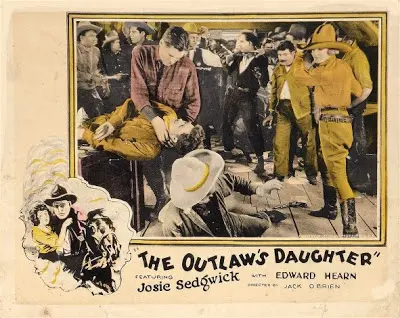
The evocative power of The Outlaw's Daughter (1925) continues to haunt audiences with its character-driven intensity, its status as a United States icon makes it a perfect starting point for discovery. The following gems are essential viewing for anyone captivated by The Outlaw's Daughter.
The visceral impact of The Outlaw's Daughter (1925) stems from to serve as a cornerstone for Drama enthusiasts worldwide.
Slim Cole (Robert Walker), a notorious outlaw, shoots at Jim King (Edward Hearne), missing him but wounding Flora Dale (Josie Sedgwick) in the arm. Jim takes care of the injured girl, who, when she recovers, goes to work in his office. During a fight between miners and bandits at the King mine, Flora saves Jim's life, toppling Cole to his death from an aerial ore bucket.
Critics widely regard The Outlaw's Daughter as a cult-favorite piece of Drama cinema. Its character-driven intensity is frequently cited as its strongest asset, solidifying its place in United States's film legacy.
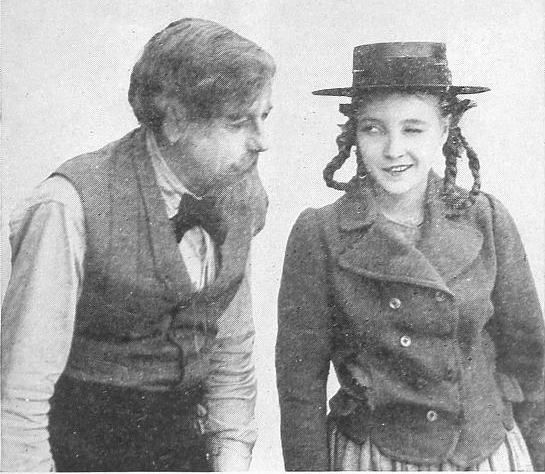
Based on the unique character-driven intensity of The Outlaw's Daughter, our vault has identified these titles as the most compelling follow-up experiences for fans of Drama cinema:
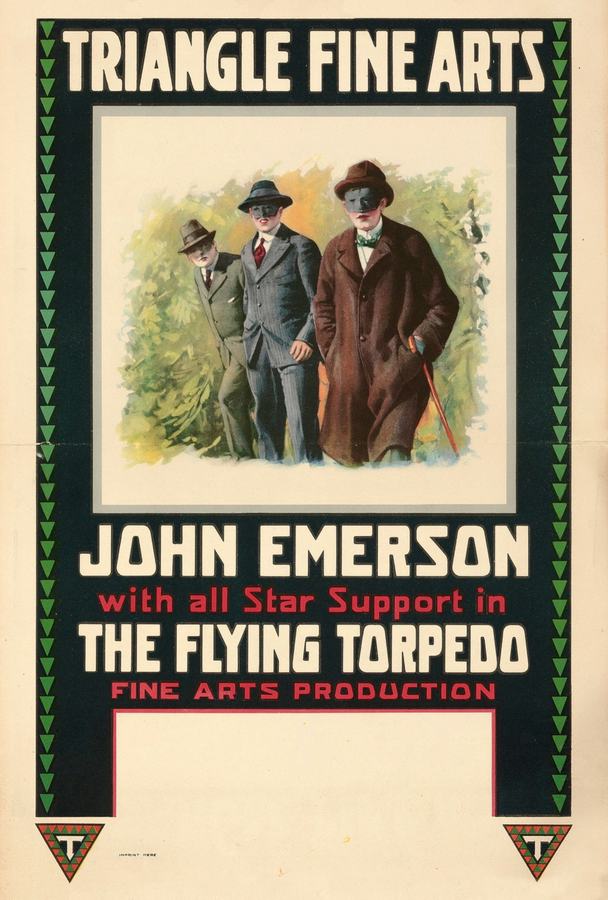
Dir: John B. O'Brien
In the future (1921), an alliance of several foreign countries plot to attack the US. American officials, coming to the realization that the country is basically defenseless, offer $1,000,000 to anyone who can come up with a weapon to defeat the invaders. Winthrop Clavering, a writer and inventor, hears of the reward and tells his friend Bartholomew Thompson, a scientist and inventor who has been working on developing flying torpedo. However, enemy agents have also heard about Thompson's project, and set out to kill him and steal his plans.
View Details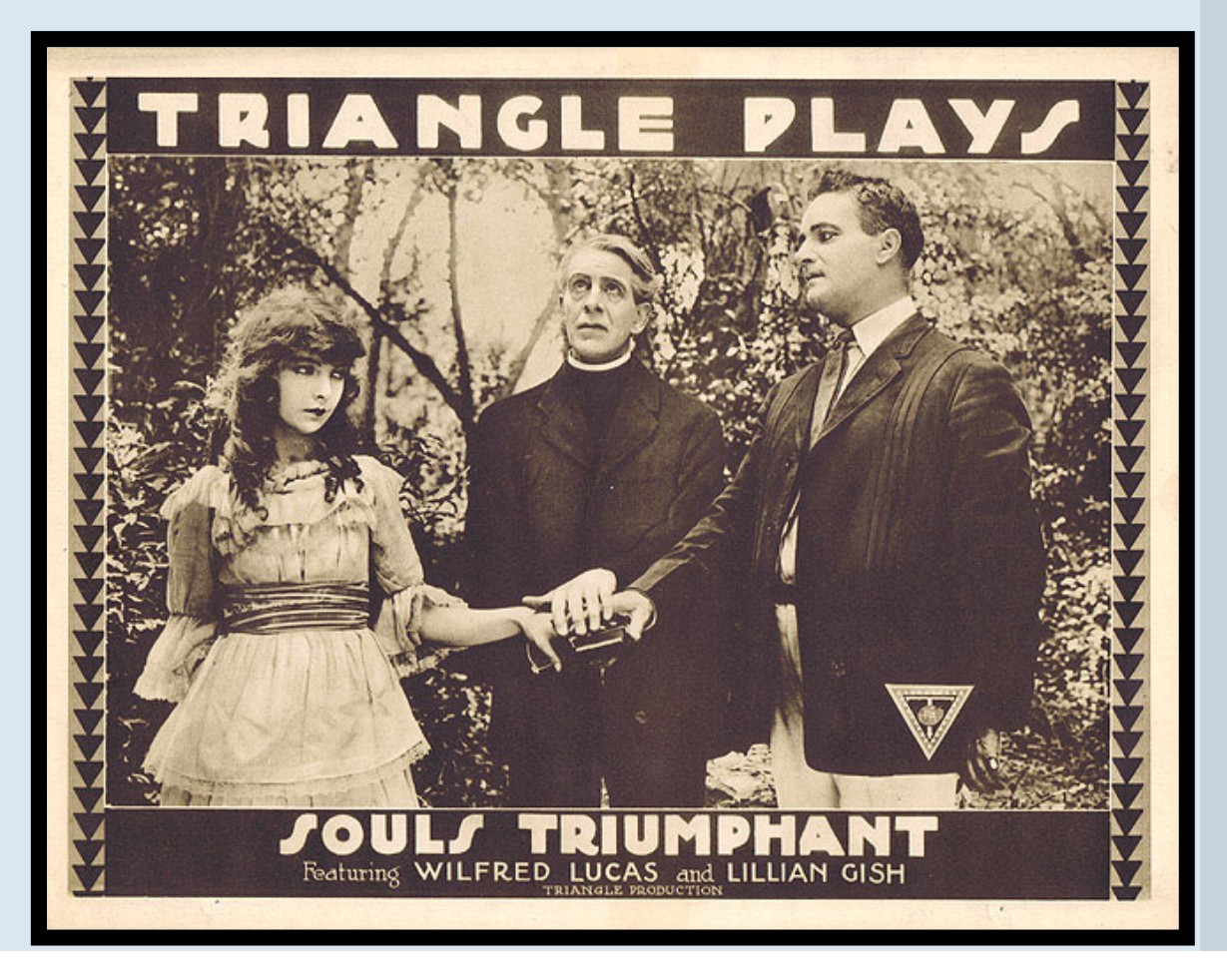
Dir: John B. O'Brien
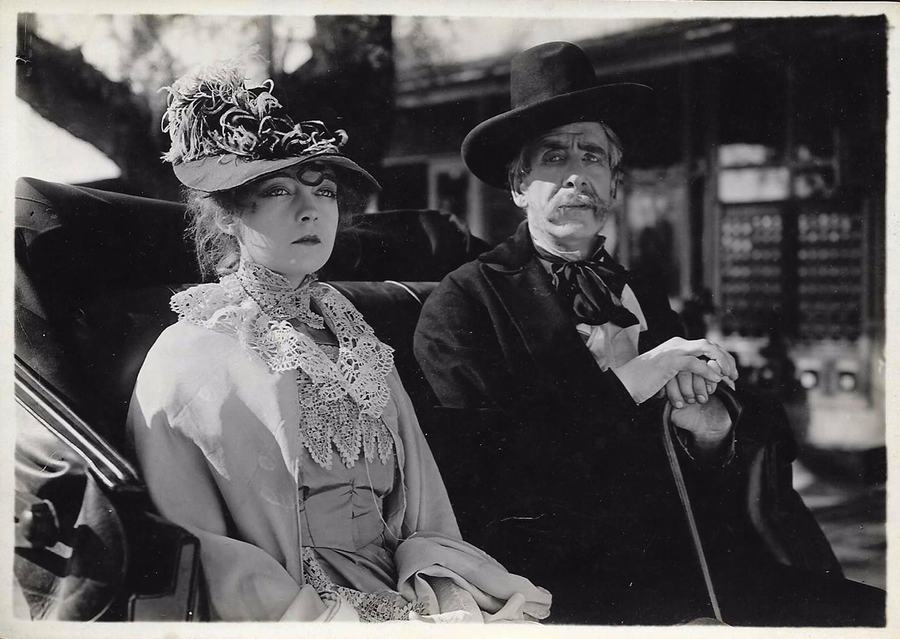
Robert Powers devotes himself to a life of dissipation until he meets Lillian Vale, the daughter of the curate of St. Anthony's church. Lillian marries Powers, determined to reform him. Years later, the happiness of their home threatened by the appearance of Hattie Lee, one of Powers' former lovers. While Lillian is at her father's deathbed, Powers is lured away by Hattie Lee one night. That evening, the house catches fire and when he returns, the place is in ashes. Frenzied with the belief that his son has perished in the flames, Powers goes to beg the forgiveness of his wife and discovers that she has saved the child's life. Her all-forgiving nature and the love of their son causes Powers to rise from his past life with a triumphant soul.
View Details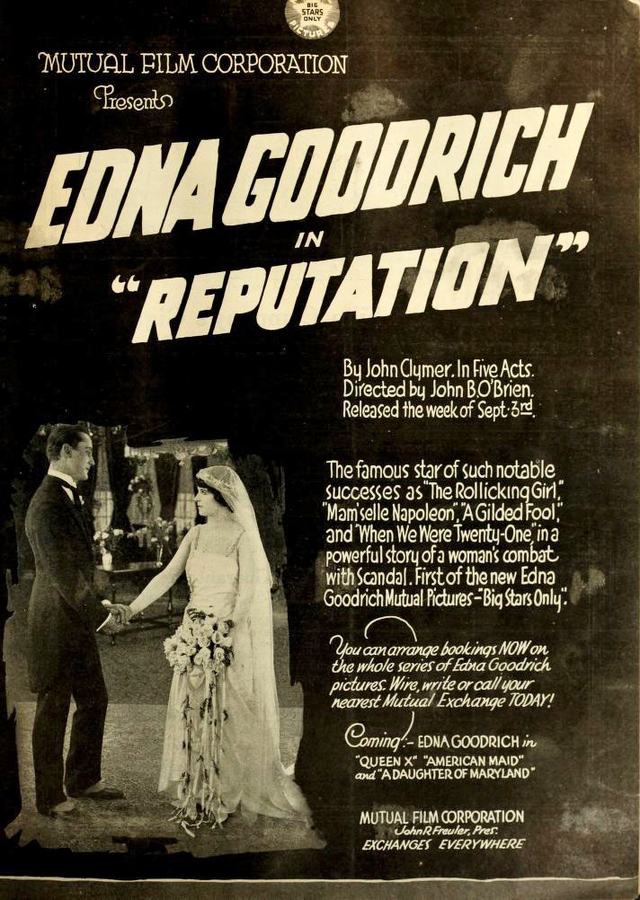
Dir: John B. O'Brien
Raised in a small town by a maiden aunt, Constance Bennett leaves her home and sweetheart John Clavering, the local grande dame's son, to go to New York, where she models at a suit and cloak house. Her employer, Edmund Berste, attempts to force his attentions on her, which provokes Berste's wife to become wildly jealous. Constance returns home and establishes her own store, but Berste follows. After Mrs. Berste arrives and denounces Constance before a crowd of customers, Constance is turned out of church and ostracized by her community. Back in New York, Constance lures Berste to her apartment where she has arranged for Mrs. Berste to overhear his avowal of love. In retaliation, Berste hires a woman detective to lure Constance to his hotel room. Clavering, who has been in Mexico, returns and after searching for Constance, bursts into Berste's room as he and Constance struggle. A pistol shot kills Berste and Constance is arrested, but after a jury acquits her, she marries Clavering and returns home.
View Details
Dir: John B. O'Brien
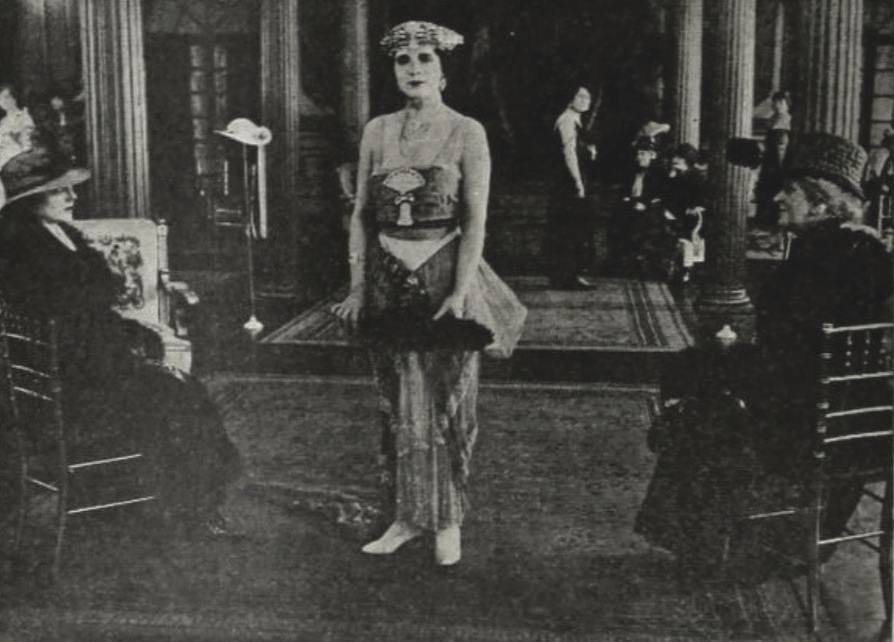
A daughter of the slums has a little brother and makes a brave attempt to earn enough for both herself and Jimmy after her father is sent to jail on a fake charge trumped-up by "Nifty" Mendez, who is very anxious to get her in his toils. Betty escapes from the city and Nifty. On the road Jimmy is struck by Rodney Channing's motor. The injury is not serious but Jimmy must remain in Channing's home for some time. During the visit, love grows up between Channing and Betty, who is now of course very happy. But a newspaper announcement and the author send Nifty again into her life and simultaneously with his entrance comes the exit of happiness. Betty fears to tell her fiance that her father is in jail, so she gives Nifty the pearl necklace lately presented to her and leaves the wonderful home. "As the days pass" however, Channing's cousin finds it necessary to visit a modiste's shop in search of a wedding gown and Channing accompanies the bride-to-be. There he finds Betty, for she is the model who displays the gown.
View Details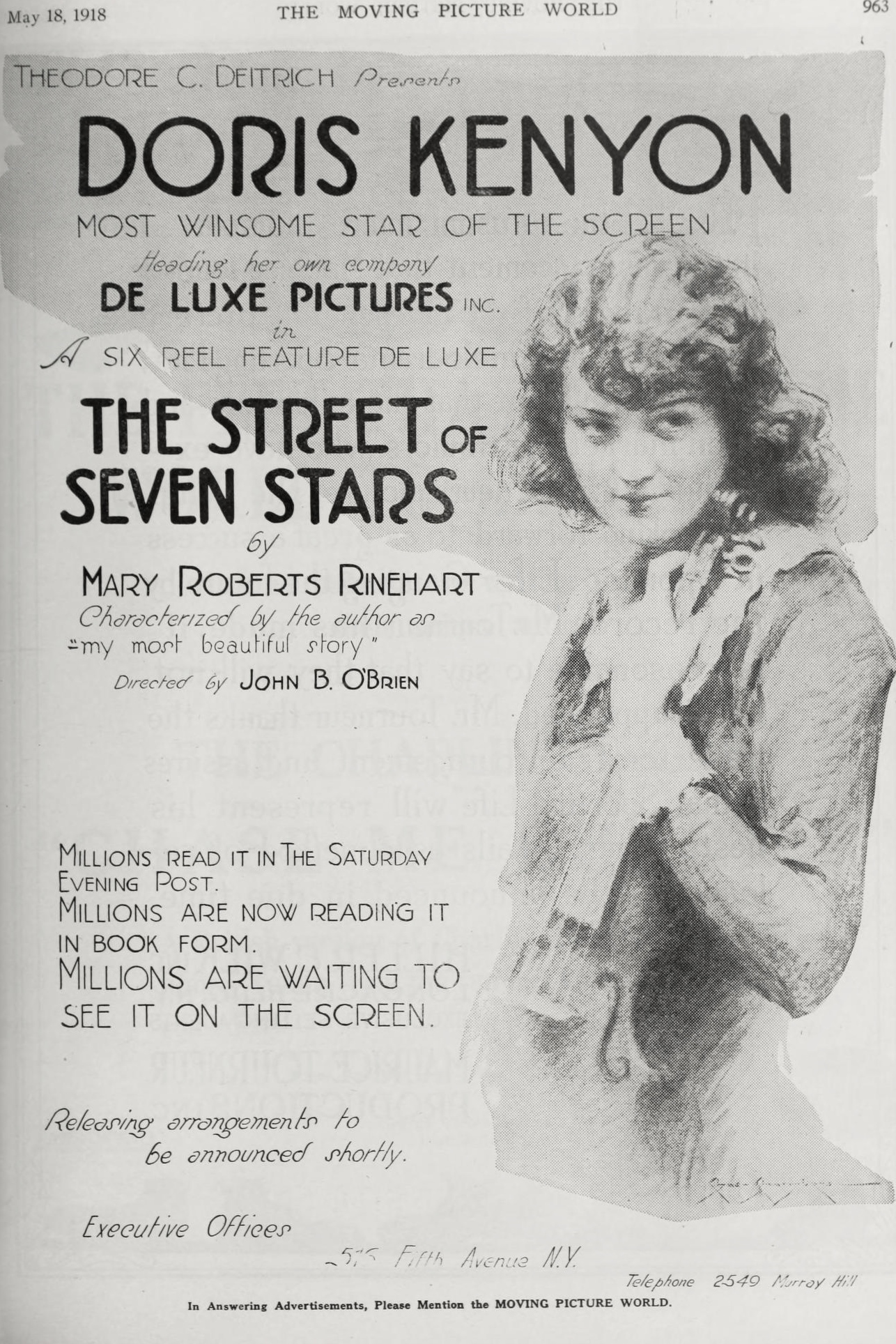
Dir: John B. O'Brien
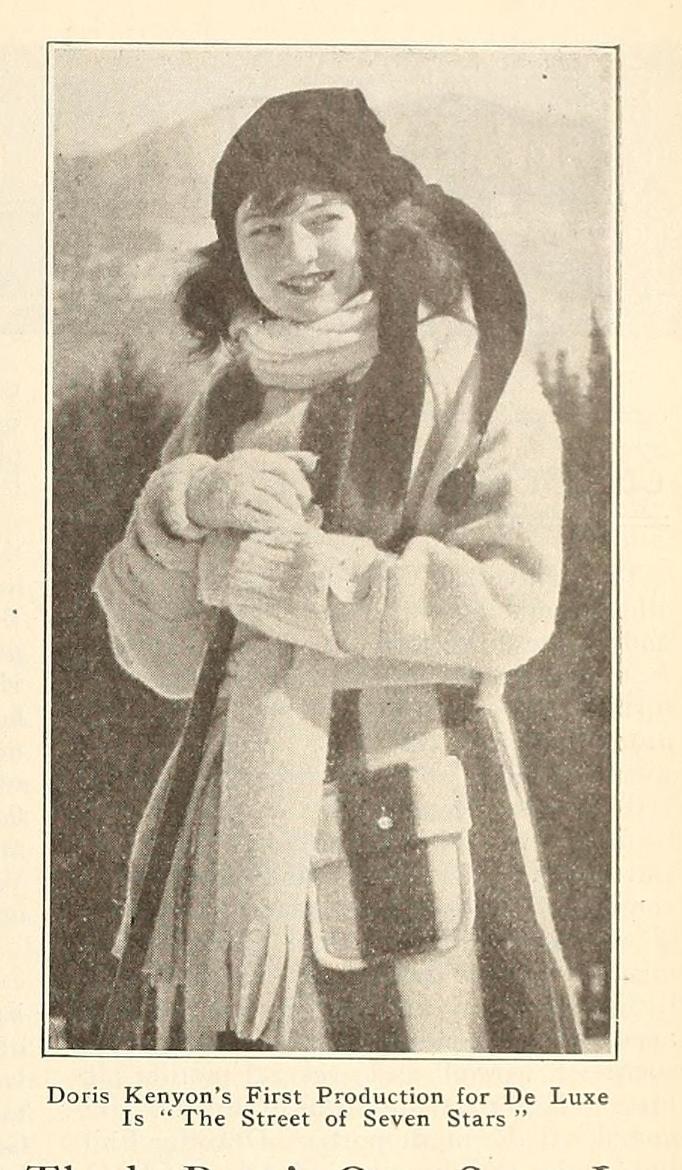
Harmony Wells, a gifted violinist, moves to Paris to complete her musical education. Her money soon disappears, and she is forced to live in an inexpensive pension house, where she meets Dr. Peter Byrne, a promising American surgeon who has come to Paris to study. The doctor falls in love with Harmony and proposes, but although she returns his love, she refuses him, determined to pursue her career. One of Peter's patients, a crippled child named Jimmy, who is dangerously ill, asks Harmony to brighten his hours by playing for him. Realizing that the boy is about to die, Harmony seeks out his mother, a dancer who deserted him for the vaudeville stage, but the woman arrives at her son's bedside too late. Shortly before Harmony's debut, she visits Jimmy's grave, where she meets the grief-stricken mother, who advises her to "play for your own children as you played for my little boy." Rushing back to Peter, Harmony accepts his proposal of marriage.
View Details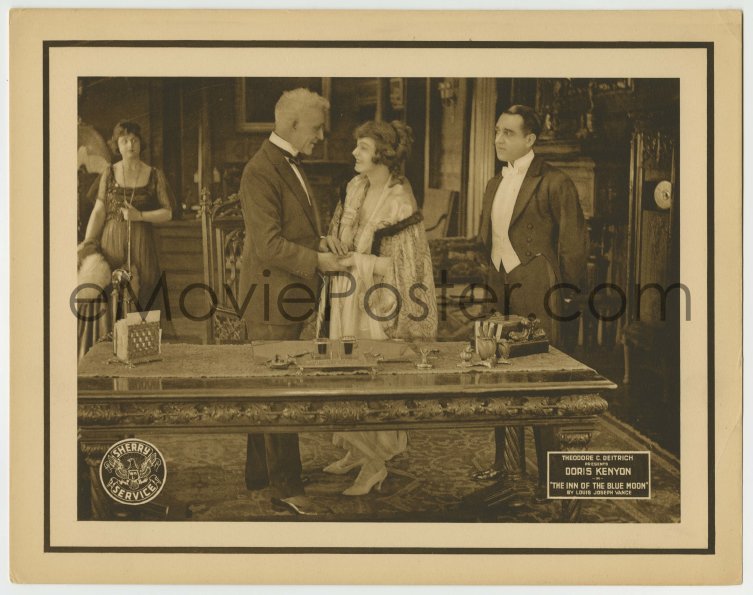
Dir: John B. O'Brien
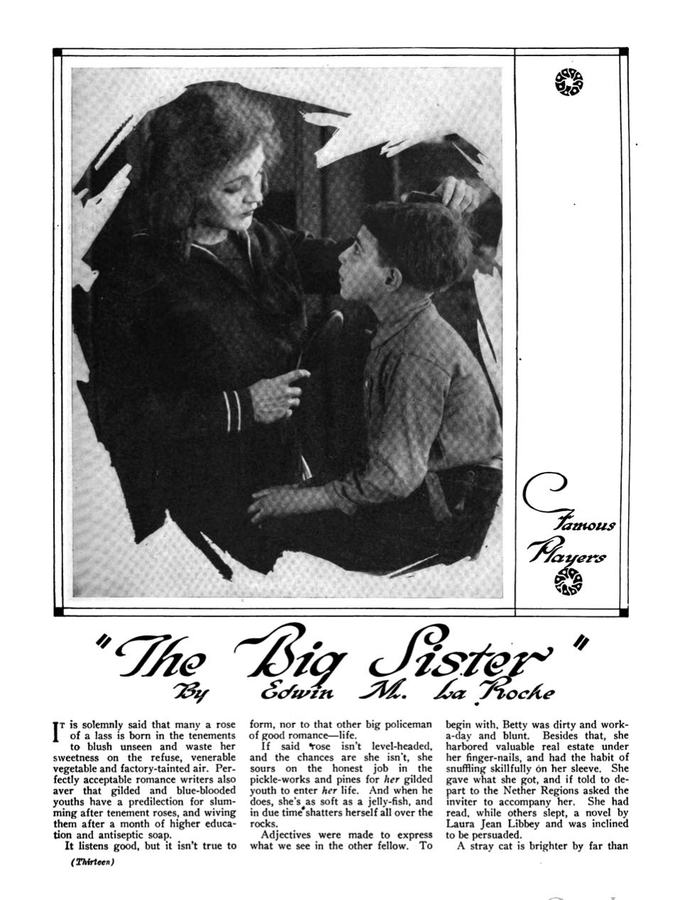
When the marriage of Justus and Dorothy Druce fails, their daughter Dorothy goes with her mother to the Catskills, while her twin sister Justine settles in New York with Justus. Years later, Justine becomes engaged to Charlton Sloane, who offers to help Justus out of his financial difficulties by pawning the Druce family jewels. Justus' niece Adelaide, bitterly disappointed in her love for Charlton, convinces her uncle that the young man stole the jewels, prompting Justine to seek the services of Warde MacMahon, a young lawyer vacationing in the Catskills. When Warde's car overturns, Dorothy tends to his injuries in her childhood hideaway, "The Inn of the Blue Moon," and the two fall in love. Dorothy and Justine finally meet, and following several adventures involving their identities, Charlton's name is cleared, the daughters are married to their prospective suitors, and the long separated parents are reunited.
View Details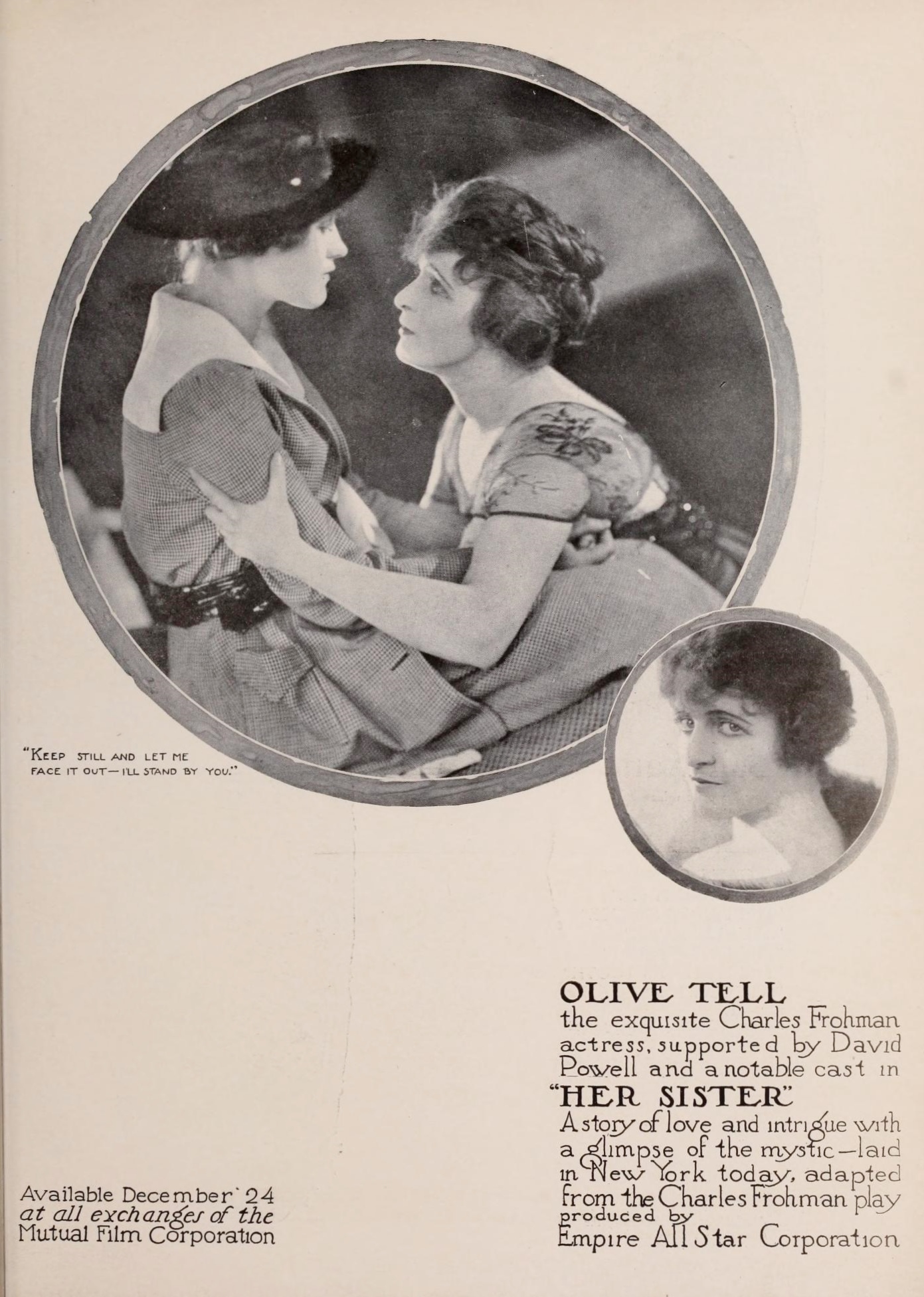
Dir: John B. O'Brien
Eleanor Alderson and her young sister Jane lose their positions as models when Eleanor prevents Jane from accepting buyers' invitations. Eleanor accepts help from a retired seeress and becomes known as "Isis the Eastern Mystic," establishing herself and her sister fashionably. One of Jane's joyrides results in her being compromised with Hamilton, a married man whose wife seeks evidence for divorce. Eleanor arrives at the roadhouse in time to save Jane, but Mrs. Hamilton files her suit, naming Jane. Eleanor has met and loves Ernest Bickley the harum-scarum scion of a wealthy family. To avoid scandal, Jane accepts the hospitality of friends in a nearby city. Adventuress Mrs. Herriard sets her cap for Ernest and, learning of his love for Eleanor, attempts to break up the match while a guest at a party at the Bickley home, where Eleanor is also visiting. In her exile, Jane falls in love with George Saunders, a chum of Ernest's, but she is panic-stricken when he attends the party, fearing that he will learn the truth. A news story of the divorce trial, accompanied by a photograph of Eleanor, causes her to be regarded as the co-respondent, and to protect Jane, she finally acknowledges that she is the woman in the case Ernest refuses to believe Eleanor's self-accusation. He learns that she has a sister, and by a clever scheme, leads her to believe that Jane is at the door, Eleanor falling into the trap and disclosing the secret. Her loyalty to her sister wins the entire Bickley family and Jane's name is cleared of the stain when it is learned she was innocently led into the affair.
View Details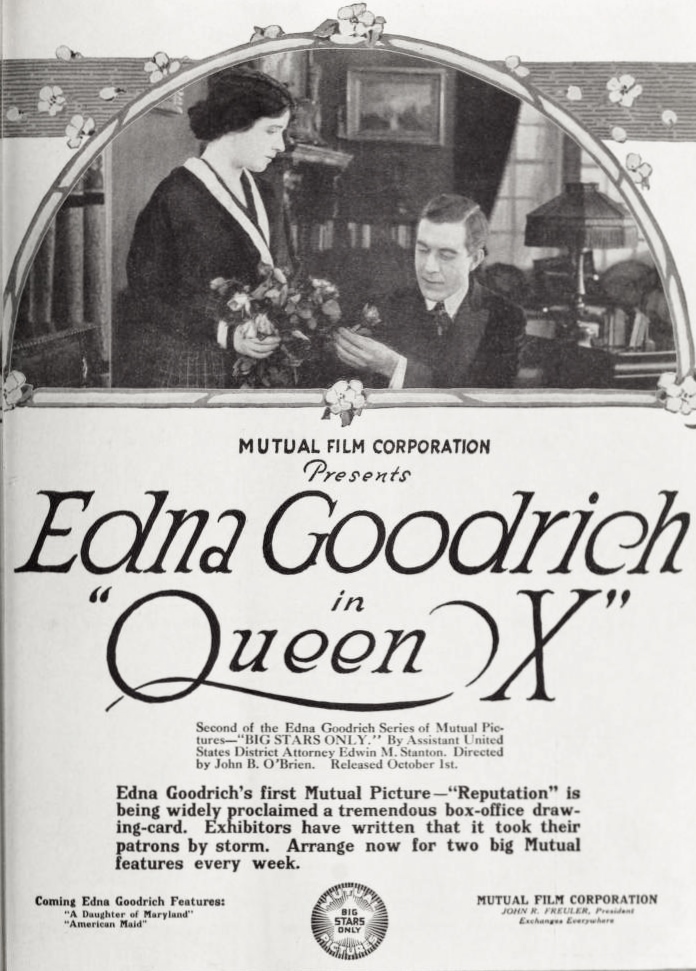
Dir: John B. O'Brien
In New York's notorious Pell Street district, U.S. District Attorney Arnold Somers' men capture Queen X, known to drug smugglers as "The Queen of Chinatown," a woman with a cross-shaped birthmark on her wrist. Summers recognizes her as Janice Waltham, formerly a prominent society woman. After becoming an addict and dealer, Janice was imprisoned in underground dens filled with opium fumes to prevent her from recovering and betraying her suppliers. She refuses to name her associates despite third degree questioning. As Janice is about to be sentenced to a long prison term, Miriam Evans, whose brother George is the assistant district attorney, recognizes Janice as the former schoolmate who rescued her in a convent fire. Somers allows Miriam to take Janice home and advises George to court her to get the names of the gang leaders. With George's help, Janice develops enough will power to kick her drug habit, while George, according to their pact, stops smoking cigarettes and drinking coffee. After George secures the names, Janice, threatened by a Chinese cohort, learns about George's deal, but George, now in love, confesses this and they marry.
View Details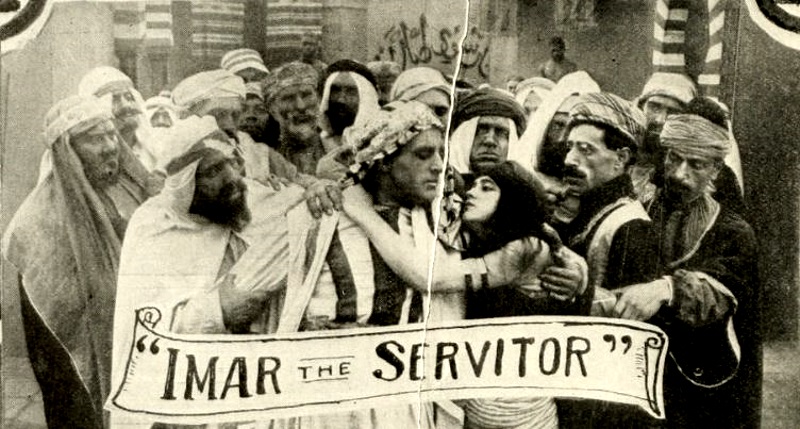
Dir: John B. O'Brien
Imar the Servitor rescues an American tourist who has lost his way in the desert and the two men become friends. Before he leaves, the American gives his friend a picture of his fiancée. When the tourist returns home, he discovers that his girlfriend has married a horseman, both of whom have journeyed to the Arabian desert. Imar's master attacks the trader's wife. Her husband then accuses her of infidelity and starts to beat her. Imar recognizes her from the picture given to him by his American friend and rescues her. They both traverse the desert and meet her former fiancé, who has been sent for. Her husband and Imar's master are slain, leaving the three friends free of any retribution.
View Details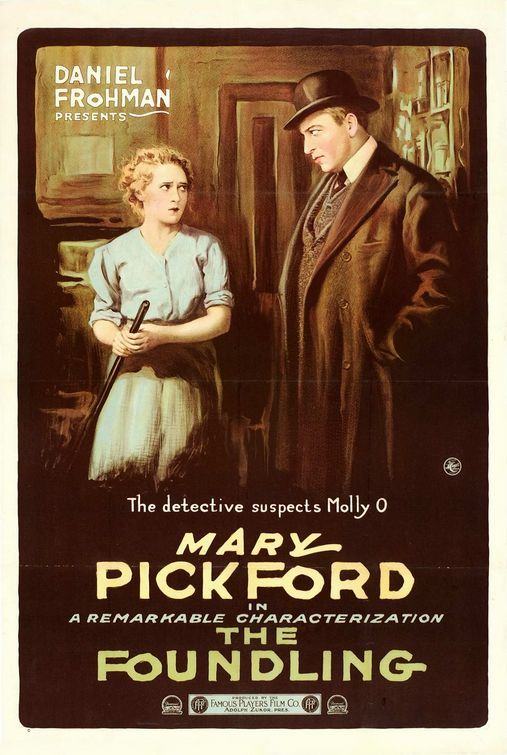
Dir: John B. O'Brien
Rich artist David King sends his infant daughter Molly to an orphanage, then years later regrets it and tries to find her. She's sent to slave at a boarding house, and the mistress of the orphanage passes her niece off as Molly.
View DetailsAnalysis relative to The Outlaw's Daughter
| Film Title | Atmosphere | Complexity | Similarity |
|---|---|---|---|
| The Flying Torpedo | Surreal | Layered | 93% Match |
| Souls Triumphant | Ethereal | Layered | 85% Match |
| Reputation | Surreal | Dense | 85% Match |
| The Big Sister | Tense | High | 97% Match |
| The Street of Seven Stars | Ethereal | Layered | 91% Match |
This guide was algorithmically generated using the cinematic metadata of John B. O'Brien's archive. Last updated: 8/17/2026.
Back to The Outlaw's Daughter Details →