
DbcultAccessing Vault...
Recommendations
Senior Film Conservator
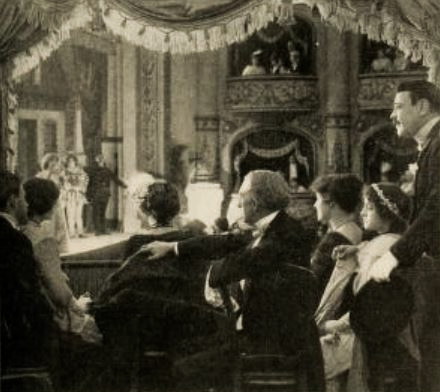
The artistic legacy of Maurice Tourneur was forever changed by The Pit, the thematic layers of this 1914 classic invite a wider exploration of the genre. This list serves as a bridge to other cult experiences that are just as potent.
The vintage appeal of The Pit to reinvent the tropes of cult cinema for a global audience.
Novice businessman Curtis Jadwin ( Wilton Lackaye ) is introduced to the world of grain speculation by veteran broker Charles Cressler ( Alec B. Francis ). At a performance of Faust , Curtis meets and falls in love with Laura Dearborn ( Gail Kane ), the sweetheart of artist Sheldon Corthell ( Milton Sills ). Curtis pursues Laura and finally convinces her to marry him, but soon after their wedding, he neglects her for his business. In her loneliness, Laura renews her relationship with Sheldon and the lovers plan to elope. When Curtis is ruined on the market, however, Laura rejects her lover and comforts her husband.
The Pit was a significant production in United States, bringing a unique perspective to the global stage. It continues to be a top recommendation for anyone studying cult history.
Based on the unique cult status of The Pit, our vault has identified these titles as the most compelling follow-up experiences for fans of cult cinema:
Dir: Maurice Tourneur
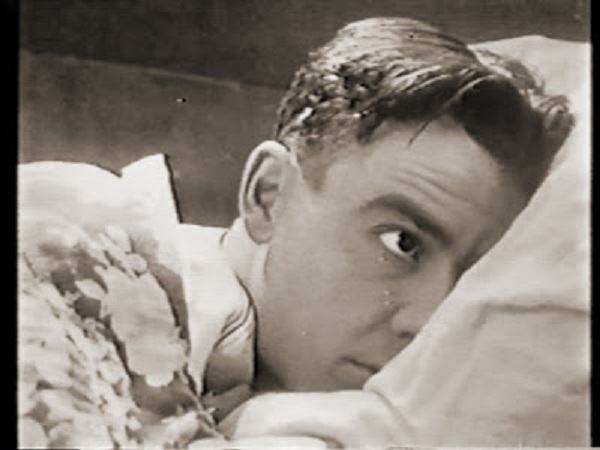
Editor of the Louisville Gazette sends happy-go-lucky cub reporter Steve Oldham to cover a feud in the hills that began when Jim Renlow's pig was caught eating Bill White's turnips. Although Steve tries to remain impartial, he falls in love with schoolteacher Alice Renlow. At a "Truce Dance" given to raise money for Alice's salary, Steve drinks too much and innocently kisses Peggy White, who then tells her relatives that they are engaged. Later, when Steve is seen kissing Alice's hand, the Whites take Steve captive and plan to shoot him at sunrise. Alice pleads with Tilden White, who loves her, to allow Steve to escape, but he agrees only if Steve will leave alone. When Steve refuses, Alice confesses her love. They fight until the house which they are occupying is destroyed and the cavalry, notified by Steve's newspaper, arrives. The two sides are now reconciled as Steve and Alice prepare to marry.
View Details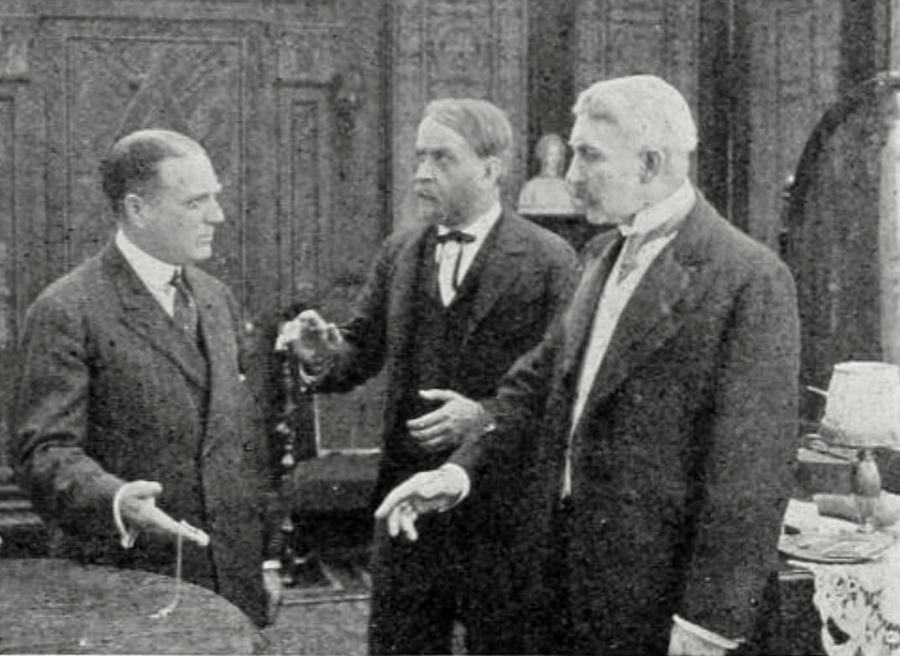
Dir: Maurice Tourneur
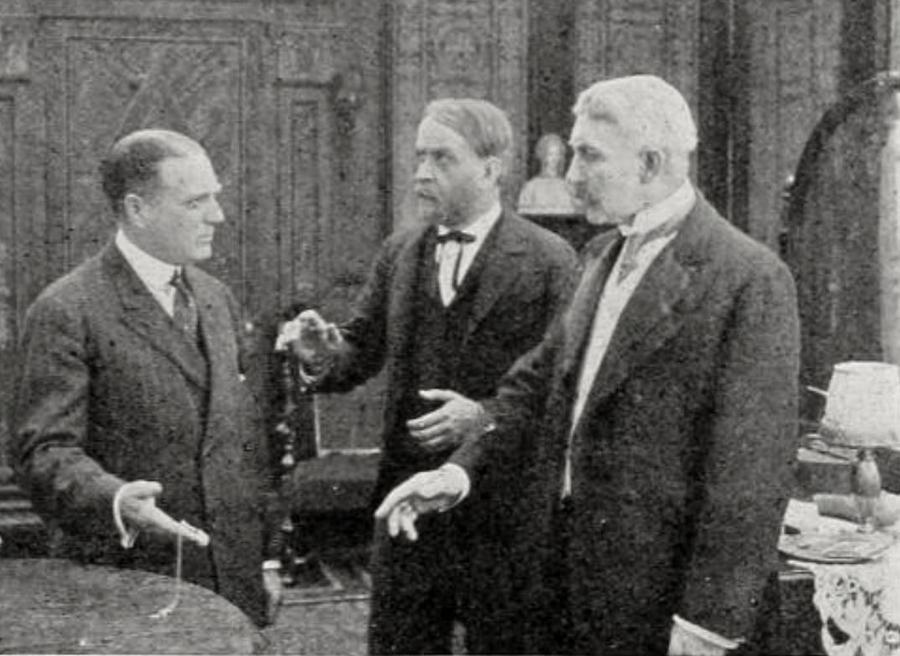
Richard Duvall is a young American detective in the employ of the French Secret Police. While in Paris he meets Grace Ellicot, also an American, with whom he falls in love. He marries her and is about to start on his honeymoon when he is called on by Mons. Lefevre, chief of the secret police. The French Ambassador to England, Monsieur De Grissac, has lost an ivory snuff box which must be found. They depart for London to interview the Ambassador. In London they go to the Embassy. There the Ambassador tells them that he was robbed of the snuff box while he was dressing and suspecting his valet, Noel, he locked him in his room. When Duvall goes to interview the valet, he finds that he has been murdered. Meanwhile, in Paris, Lefevre has broken the news to Duvall's wife of his departure to London. She, wishing to follow Duvall, asks Lefevre where she can find him. Lefevre tells her that if she will help in the recovery of the snuff box she will find Duvall. She consents, and Lefevre tells her to go to Brussels and try to place herself in the sanitarium run by Dr. Hartmann. who is supposed to be a German spy and whom Lefevre believes to be instrumental in the theft of the snuff box, which box, Lefevre hints, is of diplomatic importance. Richard Duvall, aboard the boat for Antwerp, finds the man whom he is following, asleep in a saloon, and during the night he opens the stranger's suitcase. He finds the package given the stranger in the barber shop, and on opening it, discovers the contents to be rice powder. By this time Duvall has learned that Grace is in the sanitarium, and that she furnished the news to Lefevre's agents. He feels that Grace should leave the sanitarium as soon as possible. He goes to Mr. Phelps, the American Ambassador, and has him invite Grace to dinner, planning to escape after dinner. During dinner that night, Dr. Hartmann, who is beginning to suspect Grace and Duvall, turns up at Mr. Phelps' house as an unexpected guest. When Richard and Grace leave on the pretext of Duvall's escorting Grace back to the sanitarium, Hartmann asks if he might ride with them. Because of no plausible reason, Duvall is forced to consent. On arriving at the sanitarium, Duvall is taken prisoner by two of Dr. Hartmann's attendants. His failure to discover the snuff box angers Dr. Hartmann. He knows that Duvall must have it with him, as his luggage has been searched and his friends imprisoned on various trumped-up charges. He gives Duvall until the next evening to confess the whereabouts of the box. The time allotted him is up, and Duvall refuses to confess. Hartmann resorts to torture. Finally Richard, at night, finds his opera hat behind a packing case and secures the box from the hat. Experimenting with several ornaments on the top of the box, he discovers that it has a double top. Inside the box is a piece of tissue paper, on which a series of numbers are written. Duvall substitutes another set of numbers, and conceals the set found in the box. In order to make Grace confess where the box is, as Dr. Hartmann believes she knows, he lets her see Duvall being tortured. She is almost crazed by watching his pain, so gets the box and delivers it to Hartmann. They are at once released, and proceed to Paris. They are not able to deliver the box to Lefevre, but they give him the series of numbers. Duvall and Grace at last start on their delayed honeymoon.
View Details
Dir: Maurice Tourneur
The wealthy but selfish parents of a lonely young girl begin to rethink what is important to them after a servant's irresponsibility results in a crisis.
View Details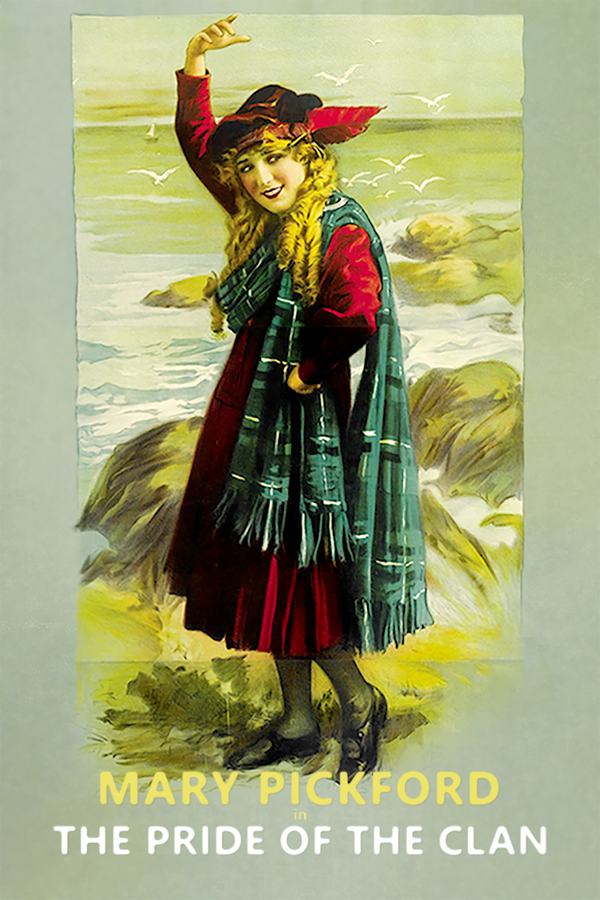
Dir: Maurice Tourneur

Among the simple fisher-folk of a little island off the west coast of Scotland lives MacTavish, head of a clan. Here he rules as a chieftain, and his word is law. One day a hurricane sweeps across the Hebrides and the fishermen turn their boats to the inlet for shelter. On the shore the women and children watch the fight of their men with the waves. Among those who wait is Margaret MacTavish, who sees her father's boat dashed to pieces in the roaring surf. A party of men headed by Jamie Campbell tries to rescue the old chieftain but the waves close over him before they can reach the battling craft. With MacTavish lost, according to the law of the island the succession of authority passes to his daughter Marget, just 18. She, with a spirit of kindness and in a tender, sweet and girlish way, rules the fishermen and their families. Her disposition wins them. Jamie Campbell, a young fisherman, has won Marget's heart. Jamie has always been regarded as the son of Mrs. Campbell, one of the clan. The old lady, realizing that Jamie is reaching his 21st birthday, feels that she cannot keep her secret longer. So she writes to the Countess of Dunstable that the baby of her first marriage, which she left with the old woman of the island, did not die but grew to be a fine young man, and is now known as Jamie Campbell. The Countess, accompanied by her husband, starts out to seek her son. It is on the eve of Jamie's betrothal to Marget that, the Countess finds the young man and tells him of his real identity. She swears him to secrecy even from his own sweetheart. The Countess goes to watch the quaint betrothal ceremony of her son and Marget. Meeting him they are seen by those who do not know the relation to embrace and this fact is told to Marget. The disappearance of the Countess has aroused the suspicions of the Earl, and he, having learned of her secret meeting with, Jamie and not knowing the relation, confronts her. The wife breaks down and confesses that the young man is her son. There having been no children by the second marriage the Earl is delighted with the news and at once starts to plan for Jamie's future. The Earl, however, means that Jamie shall cut loose from all of his former associates. He persuades Marget to believe that she is an obstacle to Jamie's future and she reluctantly decides to make the sacrifice and give up her sweetheart. As chief of the clan, Marget commands him to leave. Jamie with heart torn asunder departs for his mother's yacht. Marget decides to sail out to somewhere in the west where her father and his father were wont to sail with the fishing boats. Before she cuts the ropes that hold the frail old hulk in which she lives to the island shore she sets ashore her pets and writes a note, places it on the strap collar of her favored little goat, and sends it abroad. Grouchy, gloomy Pitcairn, the village atheist who feared no one and hated himself, has always refused to obey the rulings of Marget. Pitcairn is in a troubled sleep the night Marget cuts loose in her unseaworthy craft, and in a wakeful moment he hears the bleating of the goat at his door. He is about to drive the animal away when he finds the note Marget has written. Looking seaward he sees the old craft tossing in the sea and he realizes what has happened. The village is aroused and the church bell set to ringing. Down to the surf line rush the people. Pitcairn sends a messenger to the yacht to get Jamie. Lowering a boat he rushes to the hulk and just as the waters are closing in on the cabin he rescues his sweetheart and the atheist falls to his knees and utters a prayer for the first time in his life. Jamie takes Marget back to the yacht, a reconciliation between the girl and the Earl follows and the dreams of the courtship begin all over again but they are real dreams because they have come true.
View Details
Dir: Maurice Tourneur
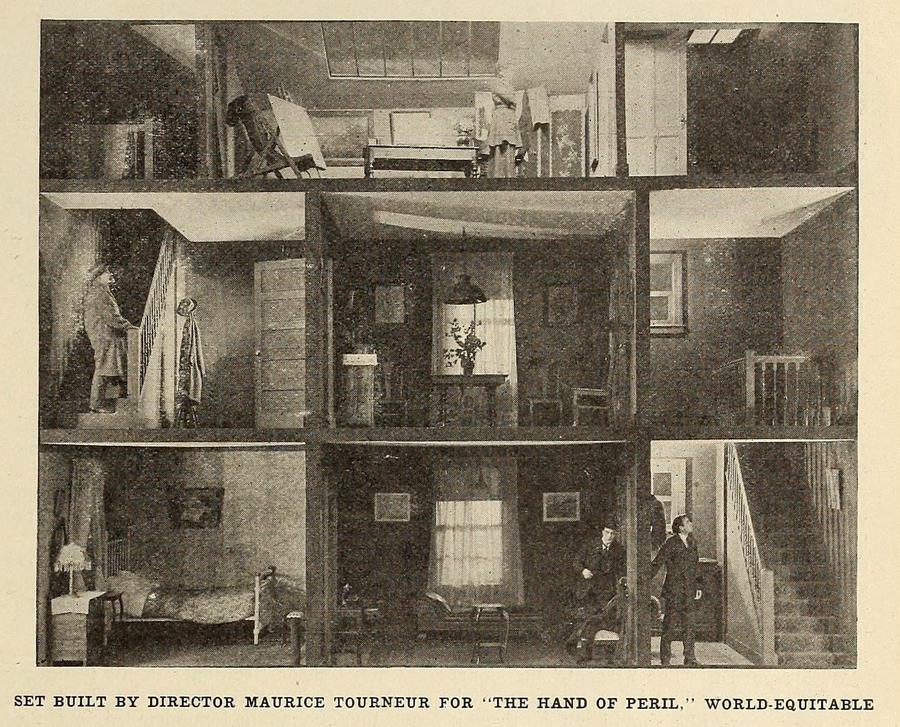
James Kestner is a government secret agent on the trail of a band of counterfeiters and particularly anxious to locate the head of the gang, Frank Lambert, who, in addition to his skill as a counterfeiter, is known to the underworld as the only man who can fill in the perforations of a used bank check. Kestner locates the band in their underground work shop near the river front. He cleverly maneuvers his way into the headquarters of the band when it is empty, but is caught in the act of searching for incriminating evidence by "Bull's Eye" Cherry, a clever girl crook, and one of the mainstays of Lambert's crowd. Lambert and his daughter, who has been educated in crime by her father, return to find Kestner held at the point of Cherry's revolver. Lambert is for killing the detective outright. Impressed by Kestner's brave demeanor, Maura intercedes in his behalf, but finding her father determined in his intention to kill the government agent, she pretends that the police are outside. The counterfeiters make their escape without settling accounts with Kestner. Kestner locates the criminals in their new quarters. One of his assistants trails "Bull's Eye," who has the new counterfeit plates in her possession, but she cleverly evades capture and returns the plates to Lambert's headquarters. Kestner forces his way into the gang's rooms, arriving just in time to witness a desperate battle between Lambert and Tony Morello, one of his accomplices, whose passion for Maura has led him to attempt to force his advances upon her. Lambert kills Morello with a knife, but before dying the man acquaints Maura with the fact that Lambert is not her real father, but that he stole her when a baby and reared her to this life of crime. Kestner places Lambert under arrest, but the crook evades capture a second time by a ruse. Kestner's assistant arrives with the police, but Kestner permits Maura to go free on account of her having saved his life on the occasion of their first meeting. Kestner is determined to capture Lambert single-handed. He trails him to a midnight rendezvous on a wharf, where he and Lambert fight it out to a finish. The revolver battle between the two men in the dark culminates in a hand-to-hand encounter in which Kestner ultimately proves victor, but has barely strength enough to handcuff himself to his unconscious opponent before collapsing. In the end Kestner induces Maura to return to the straight road, and she takes up her home with his mother. The story closes with the intimation that the romance so strangely begun will lead, as time passes, to a life of happiness for them, together.
View Details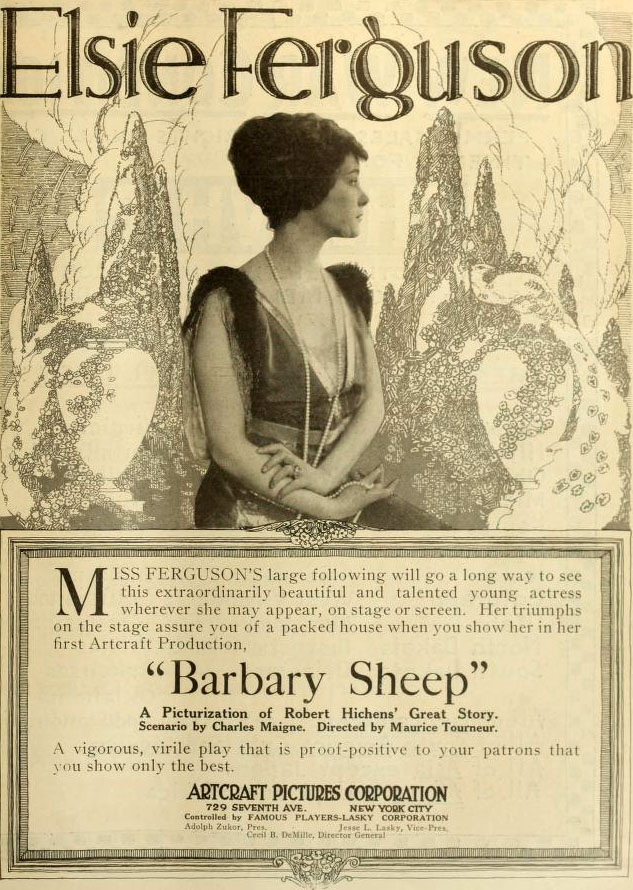
Dir: Maurice Tourneur
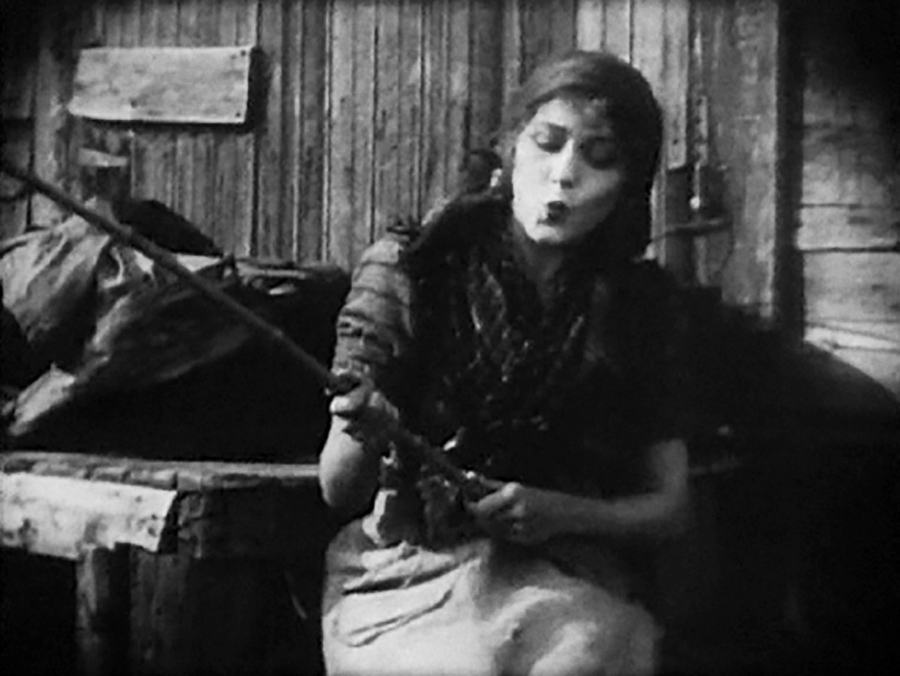
Arriving with her husband in Arabia, Katherine Wyvrne is ready for romantic times in the exotic Middle East, but her aristocratic husband prefers to be out hunting "Barbara sheep" than fulfilling his wife's desires. She soon meets up with the dashing Arab chief Benchaalai and falls for his charms, but he has a much more sinister goal in mind for her than romance.
View Details
Dir: Maurice Tourneur
In order to save her mother from disgrace, Margaret marries Richard Harding even though she really loves Geoffrey Morton. Five years later, the Hardings have a little son, and Margaret's life has been made almost unbearable by her husband; she lives for nothing but her son. Morton, returning after an absence of two years, learns that Harding has made some false accusations against him and goes to his home to demand a retraction. While there, he witnesses an exhibition of Harding's cruelty as he whips his little son. After Morton leaves, Harding threatens to beat the boy again, and Margaret tells him that she will shoot him if he does. Harding defies Margaret's plea, and she carries out her threat. Together, Harding's secretary and Margaret place the revolver so that it will appear to be a suicide, but the police are not deceived. After a desperate defense by her lawyers, however, the death is ruled accidental and Margaret is free to begin life anew.
View Details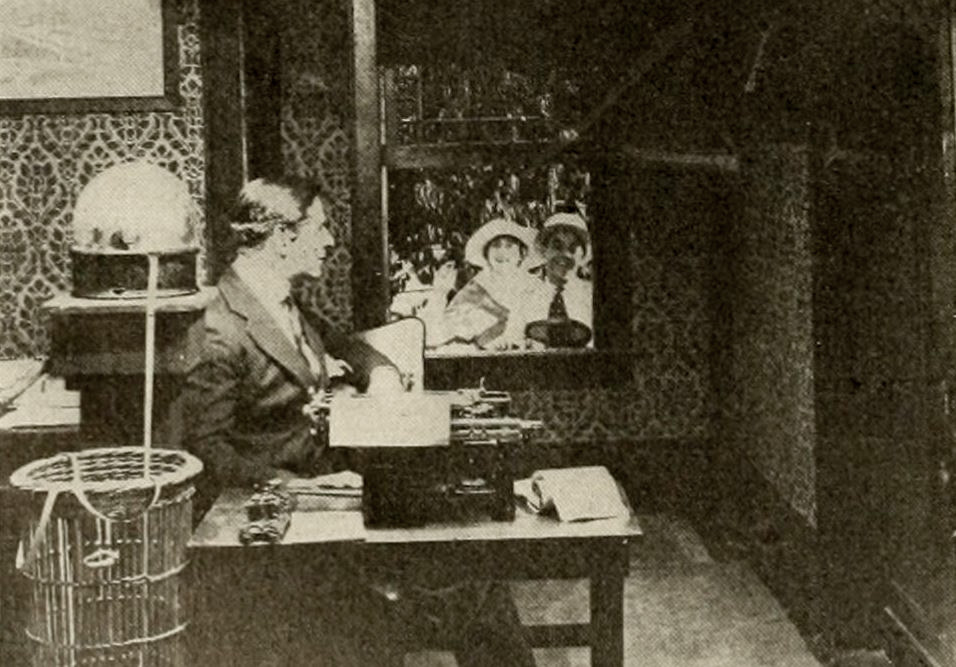
Dir: Maurice Tourneur
When he is ruined by speculating in the stock market by bogus tips given to him by Charles Wainwright, George Garrison commits suicide, but before his death he begs his son Henry to avenge him. Henry goes West and makes a fortune prospecting, then returns to New York and assumes the name of Henry Thompson. He becomes Wainwright's protege and falls in love with his daughter Dallas, then is elected mayor of New York, backed by Wainwright's friend, political boss Richard Horrigan. In return for Wainwright's support, he is supposed to sign a franchise binding the city to the financier's railway. Henry refuses, so Wainwright and his flunkies attempt to discredit him by dredging up an old murder charge, but the charge is proved false when the supposed victim, Henry's partner Joe Standing shows up. Finally, Henry confronts Wainwright, accuses him of causing his father's death and of attempting to defraud the city. Despite his denunciation of her father, Dallas proclaims her love for Henry. In an epilogue, the hands of the victims of political boss Horrigan clutch at him from the grave.
View Details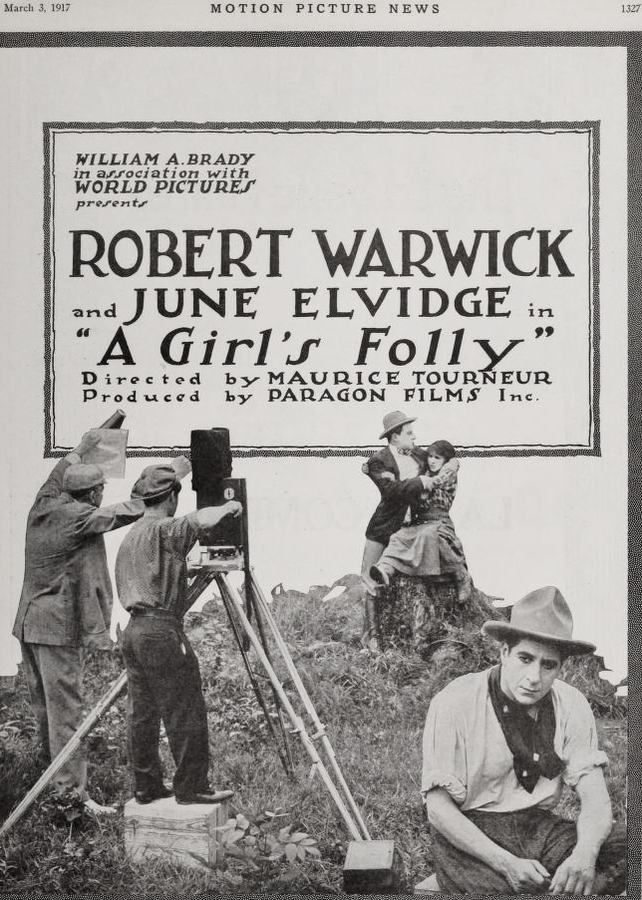
Dir: Maurice Tourneur
A restless young girl yearns to leave her rural environment and "get away from it all." One day she stumbles upon a film crew shooting a Western near her home. She makes friends with the film's leading man, who encourages her to try her luck as an actress, so she leaves her small town and goes to the big city to break into the picture business. However, things don't turn out quite the way she planned.
View Details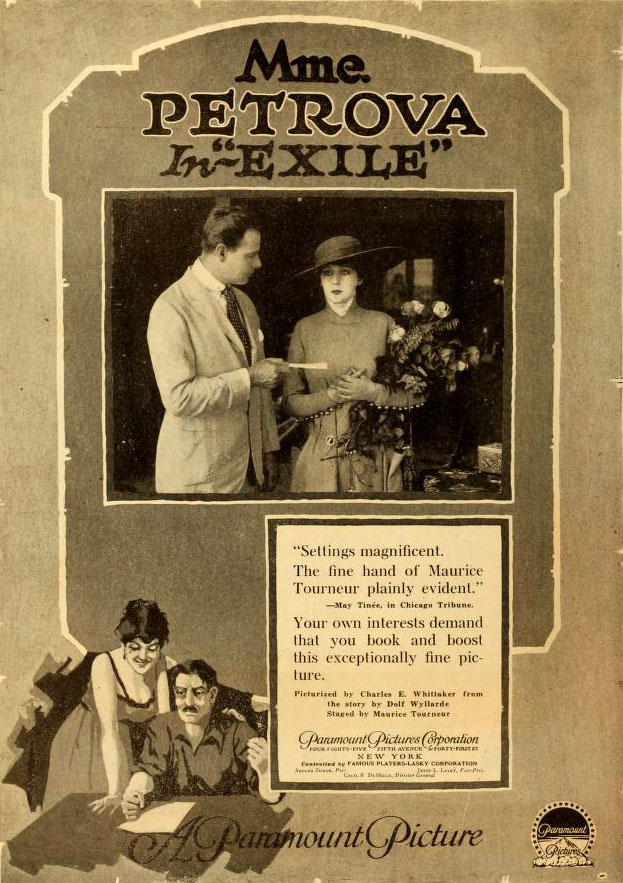
Dir: Maurice Tourneur
Vincento Perez, the governor of the Portuguese colony of Exile, is an unscrupulous and brutal man who is hated by the natives. Furthering his schemes, Perez tries to force silk dealers out of business, and reveals his plans to government engineer Richmond Harvey in a letter appealing for the American's help. The engineer threatens to expose the plot and Perez, facing ruin and death, sends his wife Claudia to Harvey to offer herself in exchange for the letter. In Harvey's bungalow, Claudia confesses her love for the American who, refusing to take advantage of the situation, offers her the letter. She returns to her husband, only to meet with humiliation. After much abuse, the natives finally rebel against the governor who is lynched by the mob. Claudia is rescued by Harvey and the two face a happy future together.
View DetailsAnalysis relative to The Pit
| Film Title | Atmosphere | Complexity | Similarity |
|---|---|---|---|
| The Cub | Ethereal | High | 98% Match |
| The Ivory Snuff Box | Tense | Layered | 96% Match |
| The Poor Little Rich Girl | Gritty | Linear | 87% Match |
| The Pride of the Clan | Surreal | High | 85% Match |
| The Hand of Peril | Surreal | Layered | 94% Match |
This guide was algorithmically generated using the cinematic metadata of Maurice Tourneur's archive. Last updated: 6/28/2026.
Back to The Pit Details →