
DbcultAccessing Vault...
Recommendations
Senior Film Conservator
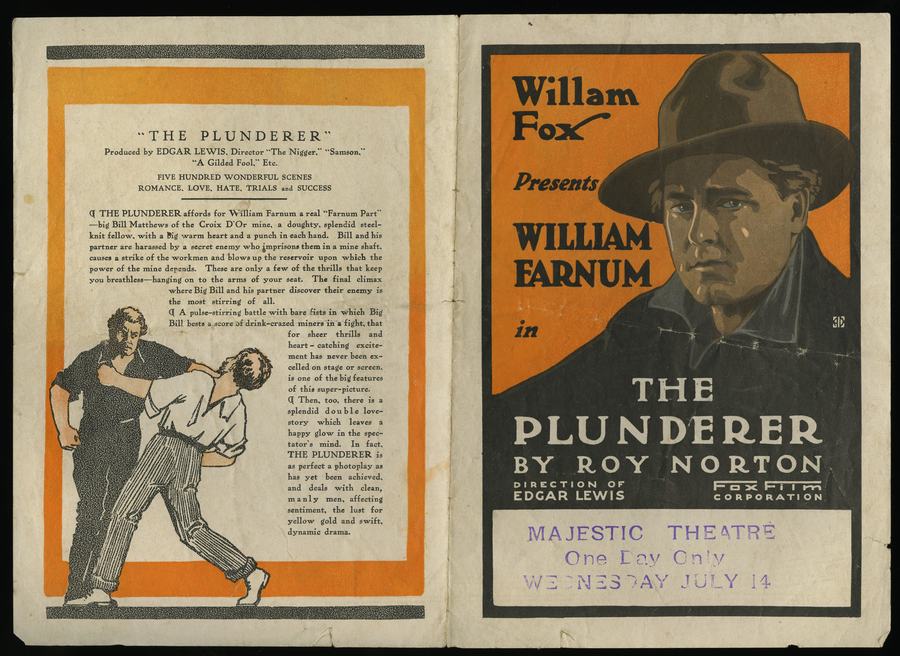
If the unique vision of Edgar Lewis's work in The Plunderer left an impression, the cinematic shorthand used by Edgar Lewis is both ancient and revolutionary. We've prioritized films that capture the 1915 aesthetic with similar precision.
By merging unique vision with cult tropes, it to articulate the unspoken anxieties of United States's 1915 era.
Bill Matthews and his partner, owners of the "Croix D'or mine, are beset on all sides dues to the schemes of a trusted colleague who plots to take their mine away from them, and leaves no under-handed method un-attempted in the process.
Based on the unique unique vision of The Plunderer, our vault has identified these titles as the most compelling follow-up experiences for fans of cult cinema:
Dir: Edgar Lewis
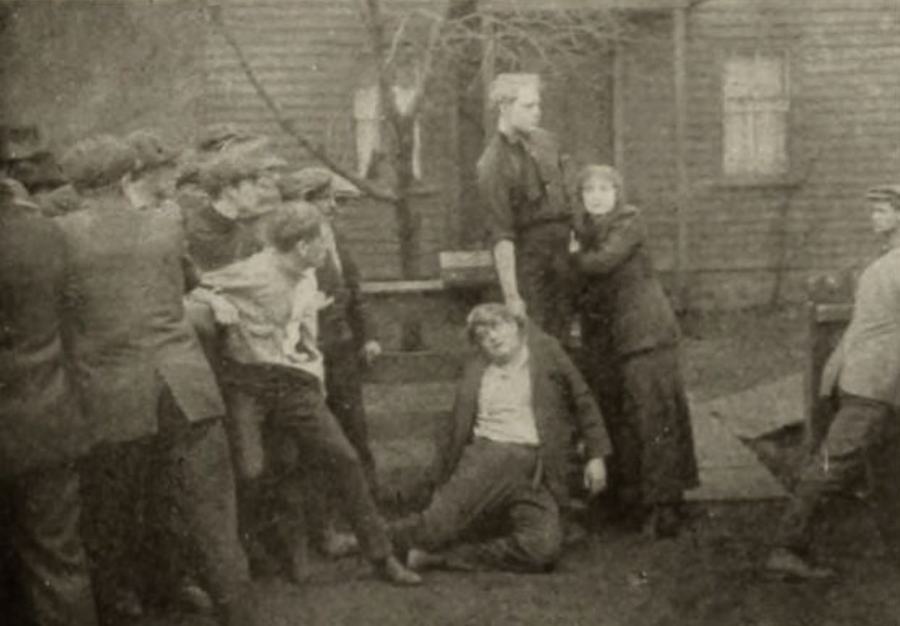
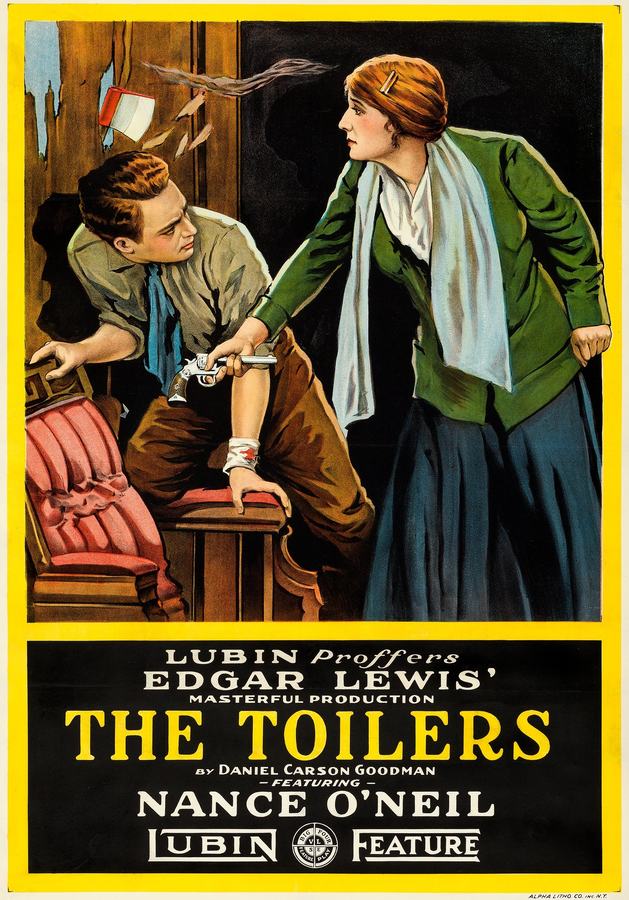
The scene is set in the Pennsylvania petroleum region. Oil worker William Brett has used his scanty hoard of savings to send his daughter Jane to the city to secure a higher education. Completing her course as a trained nurse, Jane visits her old home. Amid the settlement's corroding influence, her brother becomes a thief. Jane's sister Annie falls a prey to the blandishments of a tempter from the city. Fired with indignation against the injustice of affairs, Jane devotes herself to the double mission of avenging and of righting the wrongs of which her family and the community in general have been subjected. Her father is seriously hurt in an accident at work, and his pay is stopped. Jane hastens to the city, determined to make an effort to awaken William Jameson, the millionaire owner of the oil field, to a realization of the wrongs imposed upon the workers. She arrives at a time when the millionaire's son John Jameson, who glimpsed the light of uplift, is vainly pleading with his father to listen to his plans for the betterment of the workers' conditions. Jane is compelled to force her way into the Jameson mansion during the progress of a bal masque given in aid of the Society for Prevention of Cruelty to Animals. She accosts William Jameson in his study, and wild with anger and further maddened by the millionaire's gibes, she tries to kill him and is arrested by detectives. Although she and young Jameson have not met, the latter is instrumental in obtaining her release. Jane goes back to the workers and a secret strike is formed, Jane being the ring-leader. They determine to fire the wells to teach Jameson a lesson. It is at this time that John Jameson comes to the oil wells to investigate conditions. His identity is not known by anyone except the superintendent. Morgan, the ringleader of the workers, is in love with Jane, and on the eve of the firing of the wells he learns of Jameson's identity by breaking into his cottage. The same evening, to save the property, young Jameson goes to Jane, confesses his identity, and pleads with her to help him save the property. Jane is in a quandary. She has fallen in love with the man, whom she believed to be a workman, and he with her. Finally, when she goes to the meeting place of the strikers and pleads with them to hold off, Morgan, who has just broken into Jameson's hut, rushes in, and accuses her of being a traitor. There is a fight. They trample over Jane and rush to the wells. Jane, realizing that they will turn to her unsuspecting lover and try to kill him, drags herself to him and just in time throws herself in front of him as the strikers rush to kill him. However, John Jameson bares himself to the strikers, asks them to listen to him, and proves to them that he is there on their behalf. He then goes to his father and forces him to give in to the strikers, and all ends happily.
View Details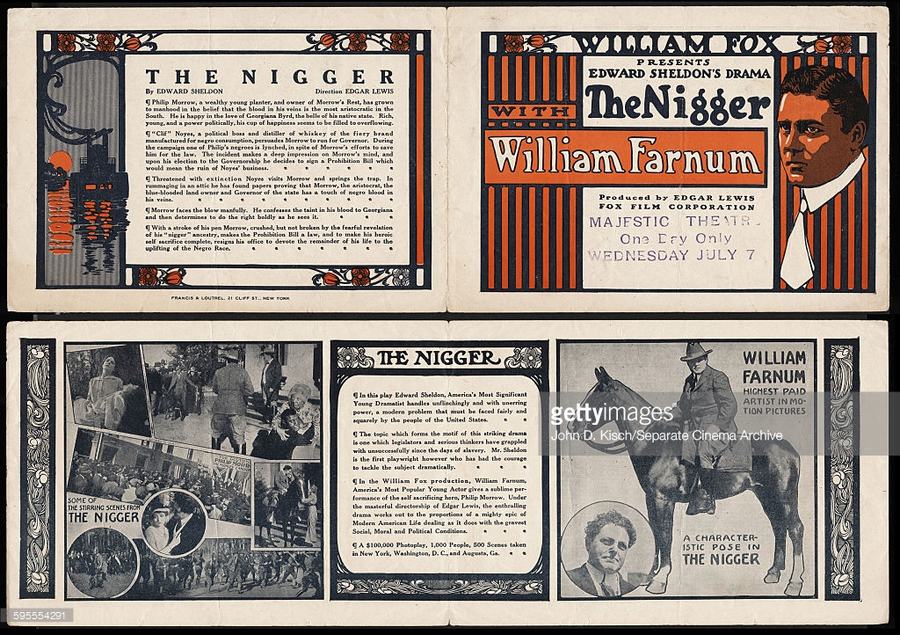
Dir: Edgar Lewis
Philip Morrow grows to manhood in the belief that the blood in his veins is the most aristocratic in the South. "Clif" Noyes, a distiller of whiskey of the fiery brand manufactured for consumption, persuades Morrow to run for Governor. Upon his election to the Governorship he decides to sign a Prohibition Bill which means the ruin of Noyes' business. Noyes visits Morrow. He has found papers proving that Morrow has blood in him. Morrow, undaunted, makes the Prohibition Bill a law, and resigns his office and sacrifices his love to devote his life to the uplift of the Negro.
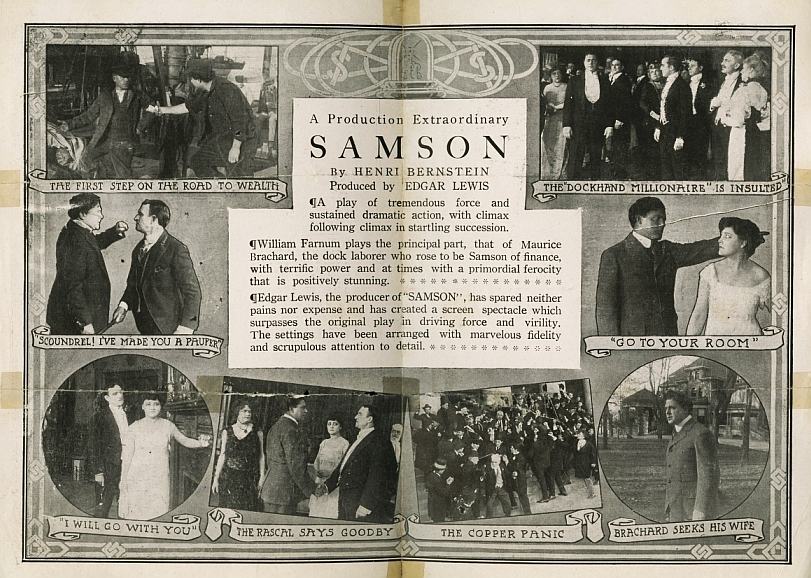
Dir: Edgar Lewis
Murice Brachard, a dock laborer, rises to be a "Samson" of finance with terrific power and a primordial ferocity, which he needs when his wife spurns his devotion, and people he trusts try to pull down the structure of wealth he has erected.
View Details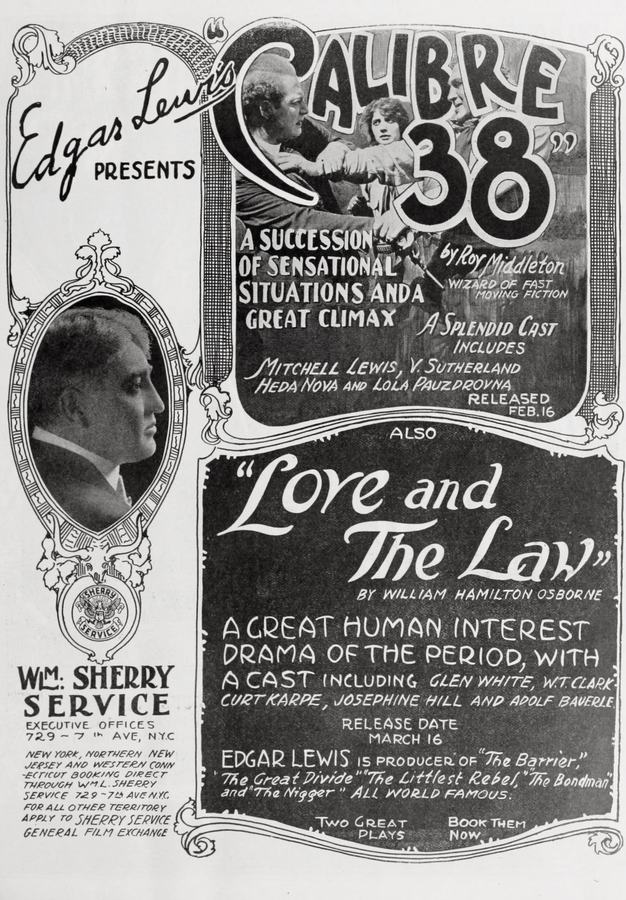
Dir: Edgar Lewis
Karl "Curly" Casterline, a wrongfully discharged New York City policeman, finds work on the Midwestern farm of Adolf Bauerle to help the war effort. Curly is attracted to his boss's niece, Mina, but also realizes that Adolf and his cohort, Kurz, plan to blow up a troop train. Curly kills the two saboteurs and saves the train, but he is jailed by the abusive Sheriff Herman Lindig. Although Mina praises Curly for saving the soldiers' lives, he is sentenced to death and is denied a pardon from the governor. After the case attracts national attention, the governor explains that he prolonged Curly's incarceration to draw attention to the danger of German propaganda. Curly marries Mina and is later pardoned by the governor, who enlists him as an officer to protect the state from its enemies. Sheriff Lindig and his German conspirators are convicted and escorted to federal prison by Curly.

Dir: Edgar Lewis
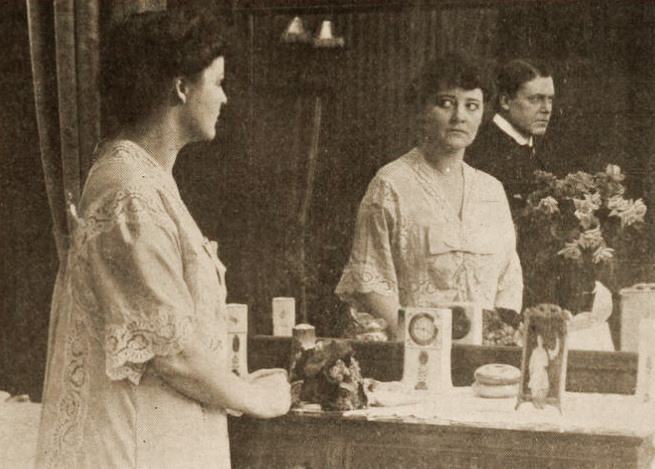
Stephen Browning, a minister in a small city, is unable to cope with the strong opposition in his parish, which is fostered and led by Raphael Creeke, his rival for the love of Irene Manton. Meanwhile, James, Stephen's brother, is released from prison after serving a term for borrowing money to lend to a friend's sick wife and child, and upon hearing of his brother's tribulations decides to act as the minister's substitute. After Stephen goes to a neighboring farm to recuperate from a nervous breakdown, James assumes his brother's identity, inspires the confidence of the congregation, discovers Creeke's conniving and wins Irene's love. With the help of a blackmailer, Creeke attempts to expose James's record, but his scheme backfires when the minister wins the support of his congregation by admitting his true identity. Stephen is murdered by Jacob Dreener, one of Creeke's accomplices, who mistakes the minister for his brother. James is then left to occupy his brother's shoes permanently, bringing Creeke to justice and winning Irene for his wife.
View Details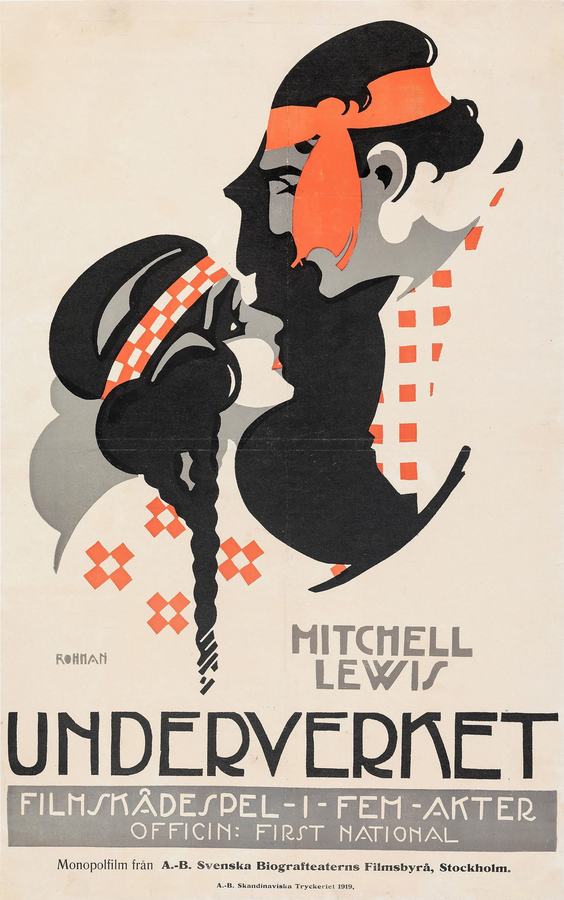
Dir: Edgar Lewis
Dr. Robert Winston loses faith in himself and his religion when his own mother dies under his scalpel. Abandoning his profession, he moves to the Canadian Northwest, where he avoids companionship and drinks constantly. Despite Robert's atheism, he attracts the interest of Jeanette Mercier, the minister's daughter, and under her gentle influence, he is slowly regenerated. In the meantime, an Indian named Lone Deer bids a temporary farewell to his sweetheart Winona, whose father wishes to die among his own people, but when he finds her canoe overturned in the water, he assumes that she has drowned. Later Lone Deer saves Jeanette from Lou Baribeau, the brutal and lecherous company agent, but is seriously wounded in the struggle. Rev. Mercier convinces Robert to operate, and because the procedure proves successful, the doctor regains his faith and marries Jeanette. Winona finally returns to aid in Lone Deer's recovery.
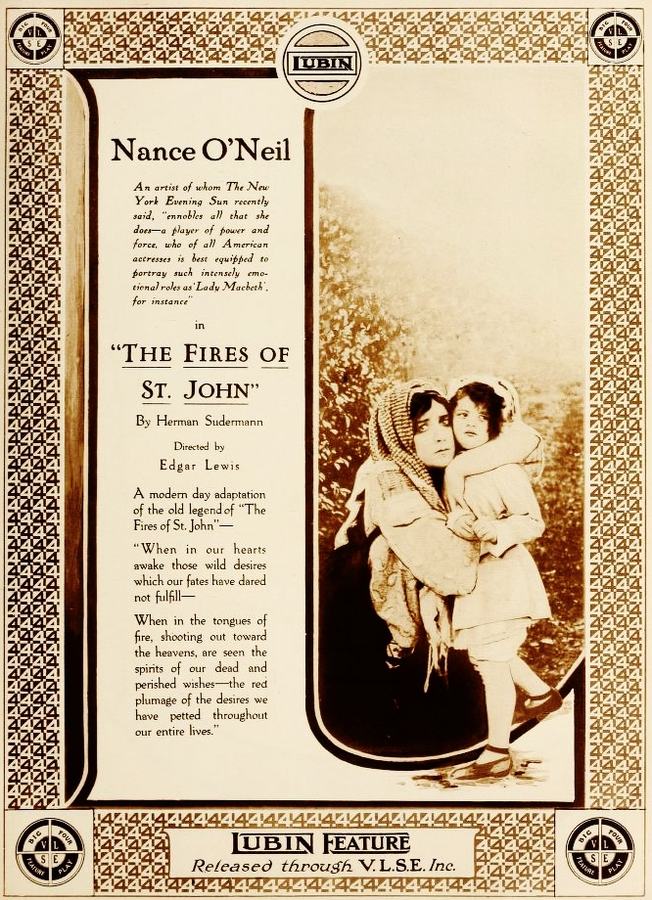
Dir: Edgar Lewis
The picture opens in Pennsylvania 25 years ago, during the winter of terrible drought. Vogel, the village's most prosperous farmer, is called to his only brother's bedside to take charge of his 4-year-old nephew George. On his way home from the suicide's house, Vogel finds an old gypsy woman carrying an infant almost frozen to death. Vogel takes the infant home with him and the next day adopts her with George. The old gypsy is paid a sum of money to give up all claim of the child on condition that she will not interfere in the future. She accepts and departs. Marika and George are known in the town as the calamity children. Three years later, a daughter, Gertrude, is born to Vogel. The family is returning from her christening when the old gypsy woman suddenly seizes Marika and caresses her. The crowd drives off the old woman, the the incident makes an impression on Marika's young mind. Marika and George become childhood sweethearts, and when George is 12, he and Marika plant a little tree in the garden behind the house and call it their sweetheart tree. Seeing this, Vogel chides George for being so sentimentally silly, and orders him to get to work filling the grain bins. George resents Vogel's manner, and Vogel angrily flings out that George's father was a suicide who left Vogelto pay all his debts and bring up his son. George runs away, vowing that he will not return to the village until he can repay Vogel in full. Years pass and Marika and Gertrude are grown to young womanhood. Marika, with the memory of George ever in her heart, learns that he has prospered and is about to return to the village. Vogel, who hears this news, decides that George is the man to marry his daughter Gertrude. George returns, and is hailed with delight by all except Marika, who, actuated by a motive of gratitude because of all Vogel has done for her in the past, stifles the call of her own heart and keeps her love for George locked within her own breast. Later George asks Marika why she avoids him, but she's evasive, and he, in a fit of pique, proposes to Gertrude. When she hears of this, Marika insists upon fitting up the new home which George and his future bride are to occupy in a neighboring village. This necessitates her making frequent trips at night, returning to her home the following day. On one of these trips Marika again meets the old gypsy woman, who seizes her and calls her her daughter. Marika rushes to her home and later, as she hears the family discussing the incident of meeting the gypsy years ago, she realizes for the first time that the old hag is her own mother. It is St. John's Eve, two days before the wedding of George and Gertrude, and Marika is to make her last trip to the couple's new home. The family have retired and George has remained up to keep Marika company until train time. As she realizes that George is soon to go out of her life forever, Marika is unable to restrain the pent-up passion of years, and she begs George to take her in his arms. This action is seen through the window by the old gypsy, who realizes that from now on she can secure money from George to keep the facts of what took place from the public. As the day dawns George begs Marika to let him go to Vogel and tell his love for her, but she, knowing that the shock would kill Gertrude and break her foster parents' hearts, refuses. Later she silently looks on with breaking heart as George and Gertrude are married. During the wedding ceremony the old gypsy enters Vogel's house and is found by the returning guests in the cellar, intoxicated. She is arrested and taken to jail. Marika learns of this and goes at once to her mother, and finds her very ill. She dies in delirium. The next morning Pastor Hoffman, who has always loved Marika, comes to the cell and finds his beloved bending over the body of her mother. He takes her into his arms and she leaves the prison with him.
View Details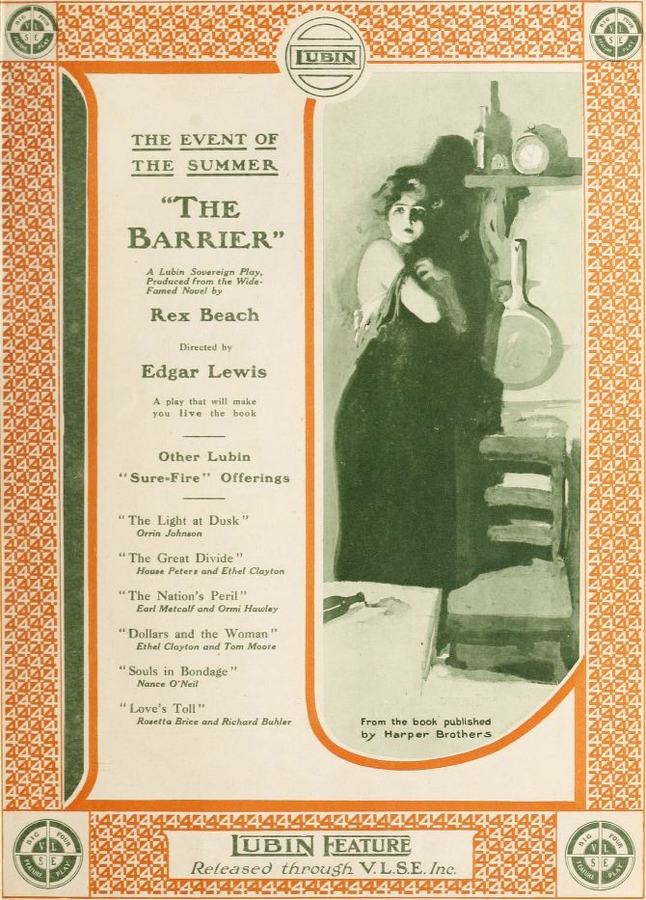
Dir: Edgar Lewis
A barrier stands between Lt. Meade Burrell and Necia, the woman he loves. That barrier is the fact that she's a "half-breed"--half-Indian and half-white, with an Indian mother and John Gale, a white trader, for a father. Although he has proposed marriage to Necia, she releases him from it when she realizes the damage that marrying a half-breed would do to him personally and professionally. One day a man arrives in town with information that could solve everyone's problems.
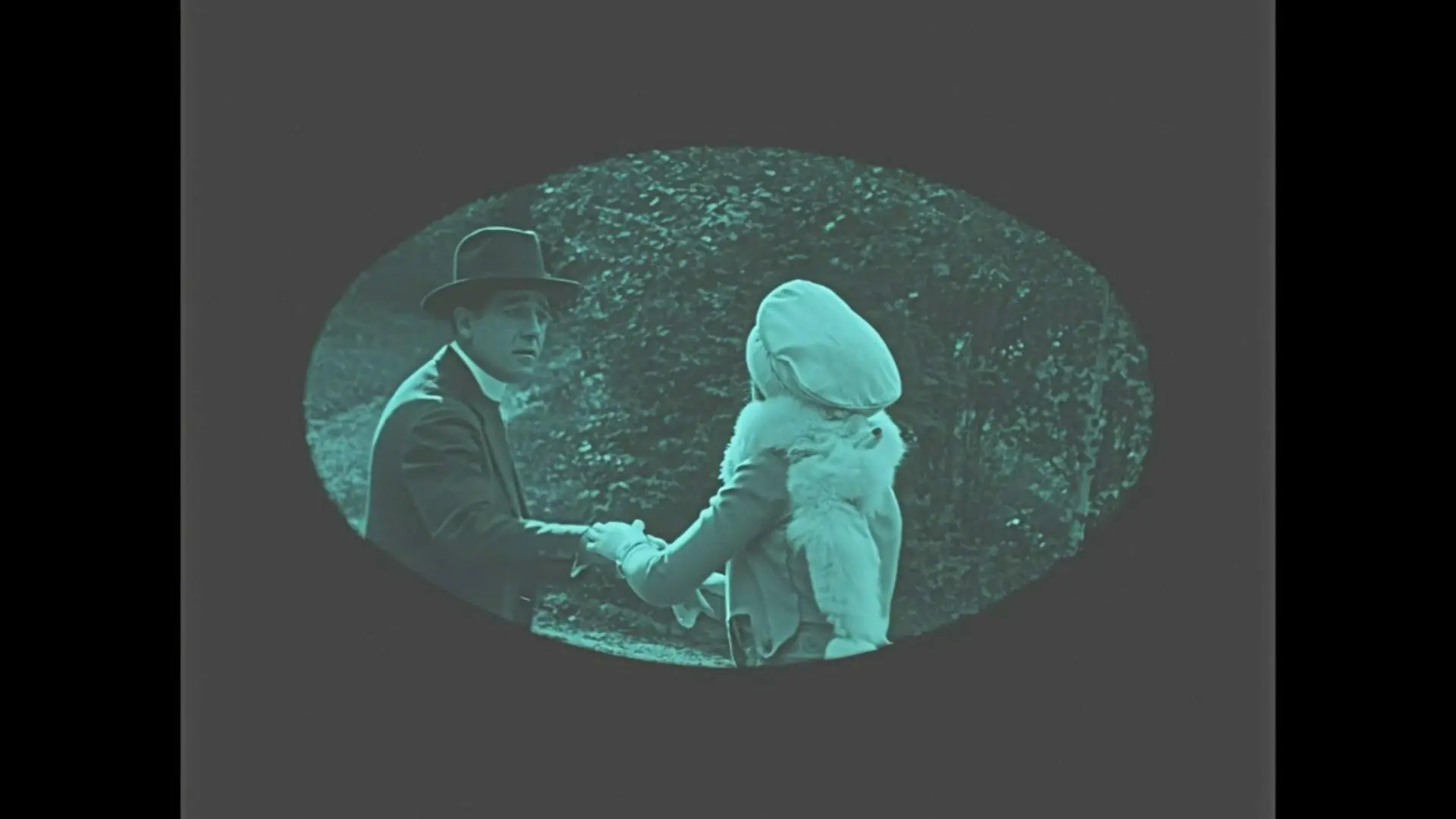
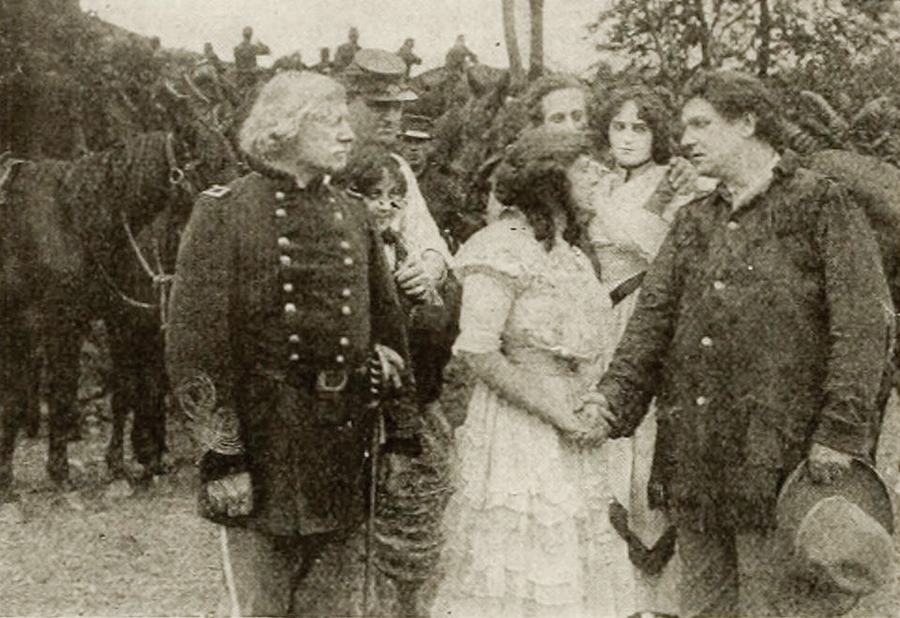
Dir: Edgar Lewis
Captain Gray, of the United States Army, detailed to quell the Indian uprising, is wounded. A courier is dispatched to Gray's home with the news. Mrs. Gray, about to become a mother, receives a violent shock at the recital of the details of her husband's injury by the courier. The child born at this inopportune time is Wallace Gray. The prenatal influence exercised over the child at the time of his mother being informed of her husband's injury marks him as a coward. The report of a shot or the sound of an explosion throws the lad into spasms of fear. He is sent to college and there forms a strong comradeship with Swiftwind, an Indian, sent by his tribe to be educated. Wallace also forms a strong attachment for Florence Dunbar, a ward of his father, who is now Colonel Gray. Swiftwind is made acquainted with the moral defect inherent in Wallace and pities and protects him whenever the lad is made the subject of the jeers of his friends because of his born defect. Swiftwind becomes a graduate physician and receives a commission as assistant army surgeon, detailed to Fort Terry, in command of Colonel Gray. His immediate superior is Dr. Sherwood, an unscrupulous man. Florence Dunbar and Wallace Gray, traveling in a stagecoach to Fort Terry, are attacked by Indians. Wallace, with a cringing fear, deserts his companion, who is saved only by the timely arrival of Dr. Sherwood and troops. Sherwood marries Florence, nothing more being heard of Wallace, who, however, enlists in another regiment under General Crook, deserts under fire, and ultimately surrenders himself to his father, in the hope that he will be condemned to death. The boy, however, is sentenced to the "pyramids." While working under "ball and chain" he hears that his father and a small band of Americans are hemmed in a canyon by Indians with no hope of relief. The latter, having observed the Northern Lights in the heavens, follow their belief that the "Lights" foretell victory in battle and start on a massacre. General Crook calls for a volunteer to pass through the Indian lines to deliver a message to Colonel Gray. Swiftwind volunteers, but being weak from exhaustion and privation, falls as he is about to commence his ride. Wallace begs for the opportunity to redeem himself, and mounting his horse, arrives with the message to the besieged band just as they are about to recognize a false flag of truce of the Indians. Sherwood attempts to kill his wife by substituting cholera germs in a bottle labeled morphine. He is injured, however, and Swiftwind, intending to alleviate Dr. Sherwood's suffering with morphine, inoculates him with the cholera germs, unwittingly putting an end to him. Wallace's redemption restores him to the affection of Florence, whom he marries.
View Details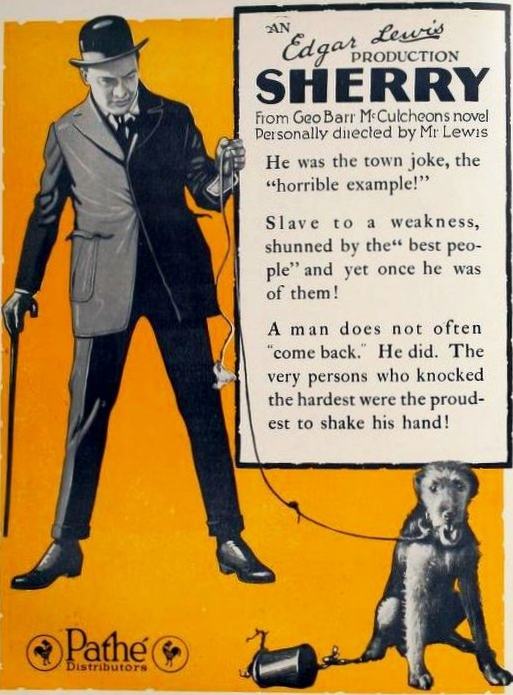
Dir: Edgar Lewis
After Sheridan Redpath, known as Sherry, squanders the last of his inheritance on drink, he plucks up his courage and decides to go to work. Employed as a bodyguard by Andrew Gilman, the richest man in town, Sherry is on duty one night when he discovers burglars ransacking the neighboring Compton residence. Entering the house, he captures two men, one of whom proves to be Gilman's stepson. Subsequently, the two rogues break jail and are pursued by the sheriff's posse, of which Sherry is a member. Gilman's stepson takes refuge in his mother's apartments, and in the ensuing gunfire, both son and mother are killed. Sherry then becomes a power in the Gilman business and, once again solvent and sober, marries his sweetheart, Morna O'Brien.
View DetailsAnalysis relative to The Plunderer
| Film Title | Atmosphere | Complexity | Similarity |
|---|---|---|---|
| The Toilers | Surreal | Abstract | 88% Match |
| The Governor | Gritty | High | 86% Match |
| Samson | Gothic | High | 88% Match |
| Love and the Law | Surreal | Dense | 91% Match |
| Other Men's Shoes | Surreal | High | 91% Match |
This guide was algorithmically generated using the cinematic metadata of Edgar Lewis's archive. Last updated: 6/20/2026.
Back to The Plunderer Details →