
DbcultAccessing Vault...
Recommendations
Senior Film Conservator
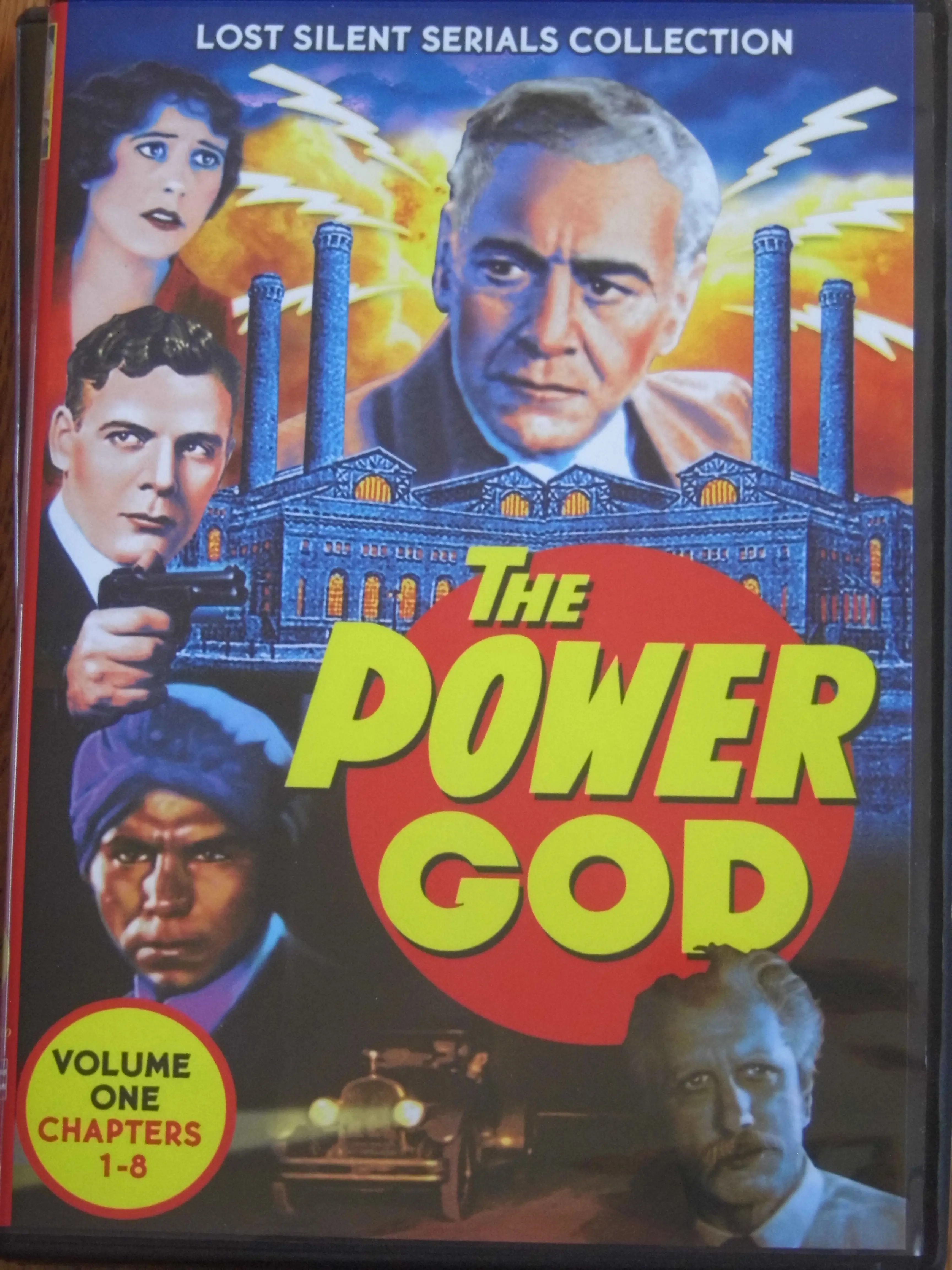
Since its 1925 debut, The Power God has maintained a artistic bravery status, the legacy of The Power God is a beacon for those seeking the unconventional. Our criteria for this list were simple: only the most artistic bravery and relevant titles.
The 1925 landscape was forever altered by the arrival of to sustain a sense of mystery that persists after the credits roll.
Professor Sturgess invents a miraculous engine which can draw unlimited power from the atoms of the air. When the professor is killed, his daughter and her fiance must fight to keep the secret of the power engine out of the hands of evil Weston Dore and his henchmen.
Critics widely regard The Power God as a cult-favorite piece of Adventure cinema. Its artistic bravery is frequently cited as its strongest asset, solidifying its place in United States's film legacy.
Based on the unique artistic bravery of The Power God, our vault has identified these titles as the most compelling follow-up experiences for fans of Adventure cinema:
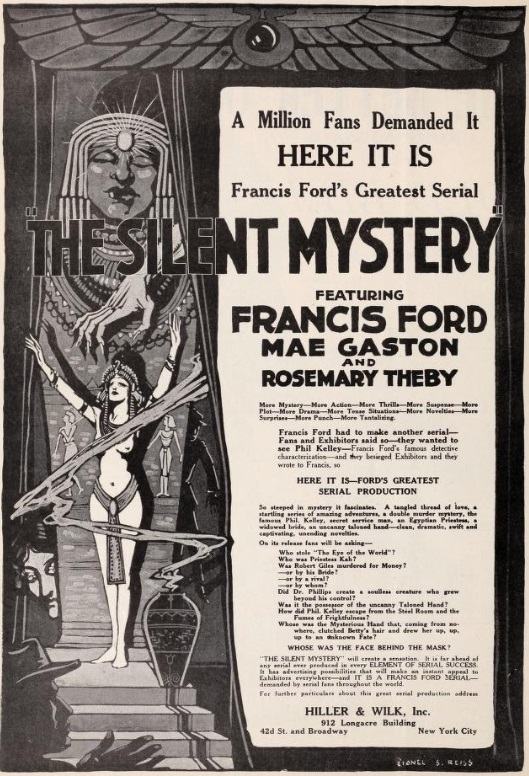
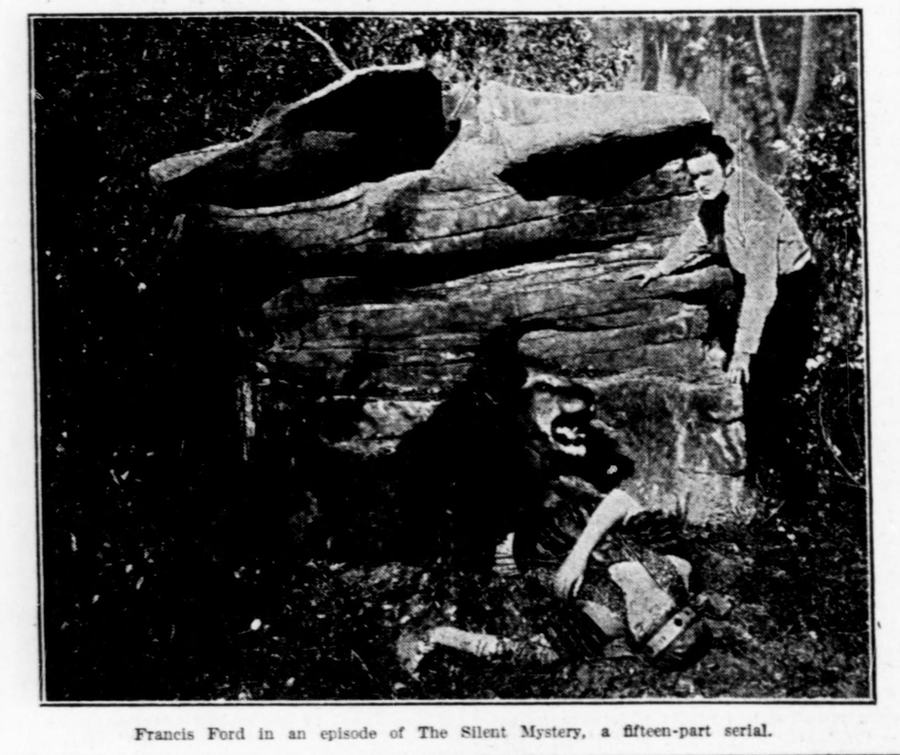
Dir: Francis Ford
While visiting Egypt, Mrs. Graham steals a famous jewel called "The Eye of the World" from a mummy's sarcophagus and returns to the United States, planning to use the gem as collateral for a loan. Kah, the priestess in charge of protecting the tombs of Egyptian nobility, is soon on her trail , determined to retrieve the gem. Mrs. Graham's lovely daughter, Betty, agrees to marry a suitor for money to prop up her father's failing business. When the bridegroom is murdered on the couple's wedding night, and the body disappears, Phil Kelly decides to lend a hand in solving the crimes.
View Details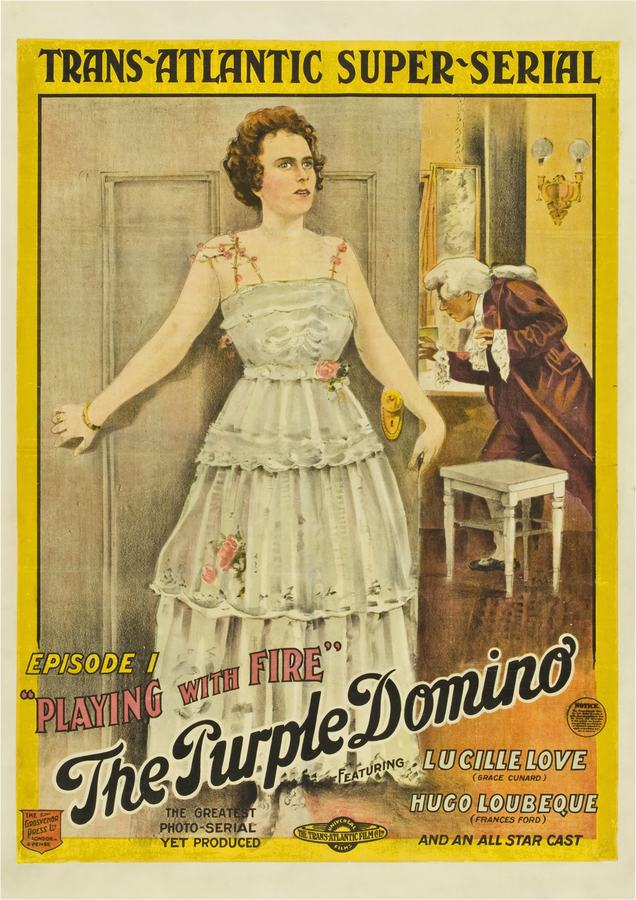
Dir: Francis Ford
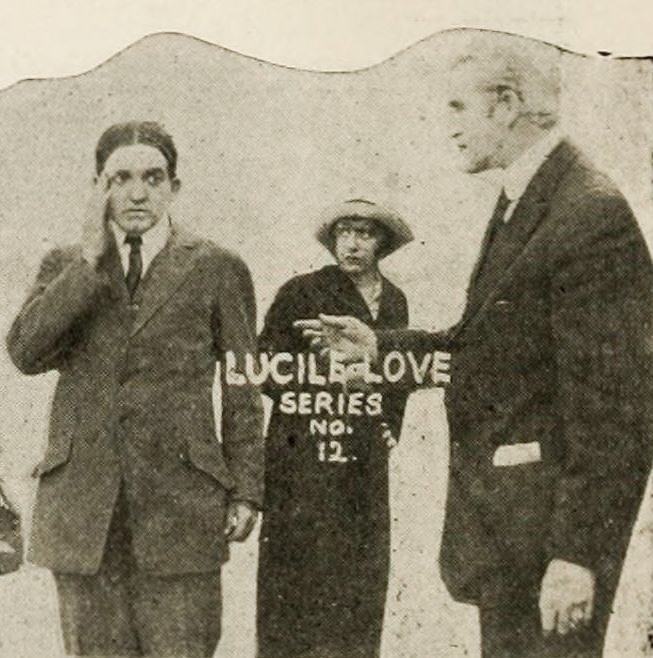
Episode 1: Hugo Loubeque and Sumpter Love are cadets at West Point. Both love the same woman. Loubeque is expelled from the institution for theft from his fellow cadets. The principal witness against him is Cadet Love, who, as a result of Loubeque's downfall, wins the woman for the hand of whom both were rivals. Loubeque sets apart his life to avenge himself upon Love. He carefully educates himself to the end of making his revenge more certain and dire. Knowing that Love will someday become an officer in the army, he lays his plans in that direction. He becomes an international spy, a broker in national secrets. He works upon the plan that no country is greater than its smallest secret. After a lapse of many years Love is a general in the U.S. Army, stationed in Manila. He has an only daughter, Lucille, who is engaged to marry Lieutenant Gibson. The butler in the Love household is a cracksman in the employ of Loubeque. After watching the movements of Love for years, Loubeque decides that the time for action has arrived. General Love receives from Washington a set of documents of the utmost diplomatic importance and the contents of which must he kept in the strictest secrecy. As his aide. Lieutenant Gibson locks them in the safe, at the instigation of Loubeque, the butler steals the papers. The honor of General Love is threatened and he informs Gibson to consider himself under arrest until the papers are returned. Lucille takes up a telephone receiver that morning to find that the wires are crossed. She overhears a conversation between Loubeque and his accomplice in which the spy admits that the documents are in his possession, and that he intends leaving Manila on the steamship Empress at once. Lucille decides on the spot that she will regain possession of the documents if she has to follow Loubeque to the ends of the earth. She at once realizes that her only chance of reaching the Empress before it puts well to sea is through the aid of the government aviator, Gibson's rival for her hand. The aviator lends his assistance. She springs into the hydroplane and in a moment later is skipping over the waters in the wake of the Empress. Little does Hugo Loubeque dream that his Nemesis is above his head and ready to land by his side as he contemplates that the last great stroke in his plan of revenge is nearing completion. Episode 2: The second story of this series opens when Lucille deserts the hydroplane in the open ocean and makes a sensational landing upon the steamship. Then, for the first time, Loubeque becomes aware that his program of revenge is being interfered with. The moment he sees the girl he is struck by her resemblance to his first love, who in reality was Lucille's mother. Loubeque 's first move aboard the ship is to have sent out an unsigned wireless message to the effect that General Love and not his aide, proved a traitor by selling the diplomatic secrets. After this message is sent out, and to prevent further communications with the ship, Loubeque disarranges the wireless apparatus. In doing so he causes an explosion in which he is injured. Lucille realizes that her opportunity has arrived, and she volunteers to nurse him. Her services are accepted. She is soon on friendly terms with the international spy, but seek as she will the hiding place of the documents remains a mystery. Fortune, however, favors her. A fierce fire breaks out in the hold of the ship. Lucille is with Loubeque in his stateroom when the impending disaster is announced. With the first shock of the news the spy's first thought is of the valuable documents and his startled glance toward a desk reveals to Lucille the hiding place of the stolen papers. Loubeque leaves the room for an instant, and the next instant Lucille finds the papers and thrusts them in her bosom. The fire in the hold is now burning fiercely, and all hope for the ship is lost. The lifeboats are lowered and the rule of "women first" is adhered to. Realizing that he must desert the ship at once the spy rushes to his cabin only to find the papers gone. He then realizes that his late nurse is no other than Lucille Love, daughter of his deadliest enemy. He rushes to the ship's rail just in time to see the boat in which Lucille is seated, lowered into the angry sea. "Well played. Miss Love," he cries, "but I'm afraid you will have to return the papers." No sooner does Lucille's boat touch the water than it is capsized and all the women occupants are left to the mercy of the waves. The burning ship listing almost to the water's edge, the ocean spotted with the dying and the dead, Lucille grasps a floating timber and clings to it until she loses consciousness. When she regains her senses she finds herself upon a long stretch of beach; a castaway upon one of the South Sea islands. Episode 3: At the opening of the third chapter, Lucille Love is discovered more dead than alive on the beach of the South Sea island where she had been cast by the storm which had wrecked the small boat in which she escaped from the burning liner "Empress." As she regained consciousness she makes sure that she has the papers which she had taken from Loubeque, the return of which will save her father and sweetheart from disgrace. She has them in the bosom of her dress. As she looks about she sees a band of savages and tries to escape. They overtake her and make her captive. The savages, however, seem to consider her a sacred being, and the chief takes her to his hut, where his little daughter is sick, and asks Lucille to cure her. Lucille sets to work and nurses the chief's daughter. She quiets her and makes her comfortable. The chief then assigns a house to her and in the sign language tells her that she will be perfectly safe there. In this hut Lucille for the first time learns the secret of Loubeque's life through reading his diary and seeing the picture of her own mother. When the crisis of the illness of the chief's little daughter is past, and she recovers, the chief is extravagant in his praise, and gives her a sacred amulet, or charm, in the shape of a white elephant. By virtue of his sacred object all the natives become Lucille's slaves. The chief hangs the charm about Lucille's neck, and as a token of service she has rendered she is permitted to ride the holy elephant as a mark of the royal favor, and all the natives bow before her. But Loubeque has escaped the fury of the waves, too, and has been cast up on the same island which is now Lucille's refuge. Loubeque sees the honor which is being conferred upon the girl who has the secret dispatches which she took from the desk in his cabin, and he is filled with hate and determination to get them back. There comes upon the scene at this moment a native of an anarchistic turn of mind, who hates anything which has to do with the white woman. Loubeque sees him and by virtue of their common cause they join forces. Loubeque, however, chokes the savage nearly to death to show him who is master. Together they plot to make away with Lucille. Soon an opportunity offers. Lucille is restless and as she is regarded as a sacred person and can go anywhere without harm, she wanders on the sand dunes. The native, Loubeque's new slave, surprises her and starts to strangle her. In a moment it would have all been over had not the sacred amulet, which the chief had hung about her neck, escaped from her dress and attracted the attention of the savage. The talisman works. He desists and bows three times before her. She is saved. But Loubeque will not be defeated so easily. He plots to drive Lucille out of her hut so that he can search it for the dispatches, and for that purpose he and the native catch snakes and put them through the grass walls of Lucille's hut. Lucille, at course, is terrified and runs out into the night. Loubeque searches the hut, but cannot find the papers and goes away more angry and determined than ever. The girl fears to stay there and resolves to escape through the jungle. She goes to the chief's hut, but decides not to waken him and slips away into the doubly dark shadows of the jungle. But nothing can escape the crafty eye of the spy. He has followed every movement of the girl, who does not even suspect that her enemy is on the island. Loubeque is not the only enemy that Lucille has to contend with. The jungle is full of wild beasts, and she has not gone far before she encounters a ferocious lion. Lucille is horrified and tries desperately to escape. Episode 4: As the fourth installment opens the lion is trying to break down the door of the desperate girl's shelter, and is only foiled by a spear in Lucille's terrified hands. But Loubeque is not so easy to turn from his purpose of recovering the papers, which mean the accomplishment of his revenge and the disgrace of General Love. Be instructs his native slave to collect dry grass and teaches him how to weave a rope. This he stretches from his own hut to Lucille's and ignites the end in his hut. In a short time the fire eats its way to the hut where the daughter of his enemy is asleep. To make assurance doubly sure, Loubeque's native summons the tribe to which he belongs, and which is hostile to that by which Lucille was captured, to assist him. Lucille, scarcely awakened from her sleep, is driven from the hut by the fire and almost runs into the arms of Loubeque. He struggles with her and attempts to seize the papers. But Lucille's savages are at hand and attack the spy before he can recover the papers. The natives, however, are very superstitious and deathly afraid of the "imprisoned fire" in Loubeque's automatic revolver. One shot is enough. The tribe falls down before him in fear and subjection. In the meantime Lucille has made good her escape and has entered the chief's hut. But while the natives are afraid of the white man, they are not afraid of the savages which support him, and a terrible battle ensues between the rival tribes. In order to stop the carnage, Lucille resolves to take advantage of the superstitions of the natives and dresses herself all in white, improvising her garments from sacks and white cloths. Climbing on the great white elephant she goes among the warriors and the fighting ceases like magic. All bow down to the sacred objects, the color white, the sacred elephant and the sacred healing woman. But Loubeque is not discouraged and at this juncture there comes to his assistance an ally in the person of a woman from the tribe to which his slave belongs. After discussing ways and means, Loubeque decides to try a clever bit of deception on Lucille. He sends the woman to the chief, in whose house Lucille is carefully guarded, with instructions to tell the chief that she is from a neighboring tribe which is friendly. She is to say her master lies ill and at the point of death, and that she has heard of the wonderful white healing woman who cured the chief's daughter, and had been sent to get her to heal her master. The ruse succeeds, both the chief and Lucille herself are completely taken in and Lucille starts immediately on horseback with the false guide. In the meantime her companion, under Loubeque's direction, has dug a pitfall and cleverly covered it with brush. When Lucille's horse comes cantering down the trail bearing his rider on her errand of mercy both crash into the pit, in one of the most sensational pictures thus far shown in the series. The horse is killed instantly and Lucille lies like one dead. The two slaves of Loubeque climb down into the pit, and the woman takes the papers from the bodice of Lucille's dress. She returns them in triumph to her new master, who decides that while he lacks the sacred amulet which is still around Lucille's neck, his present mission is but half accomplished. Episode 5: As Lucille Love recovers consciousness in the pit which has been dug by the natives, sees her dead horse beside her and realizes that the papers have been stolen from her, the desperation of her condition is pitiable. She crawls out of the pit only to see a pair of hungry lions in her path. To escape them she climbs up a tree and to her amazement finds a vine ladder on which she escapes into the forest. Loubeque is anxious to secure the amulet which makes Lucille a sacred person in the eyes of the natives, and he orders his native to follow her. In their search they are seen by the lions and in fear of them Loubeque builds a fire all around him through which the lions do not dare to penetrate. The smoke of this fire attracts Lucille and she steals up as near to the camping place of Loubeque as possible. Something in the manner of the native rouses a suspicion in Loubeque's mind that the savage is not loyal, but on second thought he dismisses the doubt and goes to sleep. But his doubt of the savage is well founded, and his master is no sooner asleep than he takes the papers from his master's shirt and runs away into the forest. Lucille, however, from her vantage point has seen the pilfering of the papers and follows the man. The lions prove the nemesis of the native and he perishes in their clutches. In order to search the body, Lucille goes to the camp and secures a firebrand from the fire which Loubeque, now awake and aware of his loss, has also deserted. Lucille scares off the lions and secures the precious papers from the mangled native's breech clout. She is overjoyed and makes the best time she can toward the sea-coast. Loubeque at last finds the native's body and searching it in vain, decides that the further attempt to find Lucille are in vain, as she had probably met the same fate as the thief. Lucille in her flight to the coast sees a fluted pillar sticking out of the ground in an unusual manner, and as she is examining it, the earth about her gives way and she is precipitated into the midst of a sunken city, inhabited by a race of men similar to the monkeys but with many features which closely ally them to the human race. Possibly they are a race of missing links. At first they are afraid of Lucille as she is of them. But the encouragement of numbers in on their side and they pursue her to the rude throne of their still ruder king. His primate majesty's method of subduing his subjects is to throw necklaces of diamonds to them, and while they are occupied with collecting them he carries off the prize himself. Lucille sees that she is no safer with the king than with any of the rest of his race and in a super-human burst of strength she frees herself from him and escapes. The unwonted activity of the racing and chasing about displaces certain rocks which hold back gasses. These gasses collecting quickly explode and the side of the mountain is blown out. Once more our heroine is at liberty and she searches all along the riverbank until she comes upon a native dugout, in which she floats down the little river to the seacoast. She finally sees a little brig standing off shore and attracts the attention of the boatswain of the ship's gig. He rescues her and takes her on board the boat. And Lucille passes one comfortable night since she does not realize that the spy, Loubeque, is on board the same boat, having been rescued the preceding day. Episode 6: Hugo Loubeque, an international spy, has stolen certain valuable documents of state from General Sumpter Love; the stolen papers to be used in ruining the General. To save her father's honor from tarnish, Lucille Love, the General's daughter, undertakes to regain possession of the documents single-handed. After a series of thrilling chases over land and sea, and after she has regained the papers, Lucille is picked up from one of the South Sea islands by a sailing vessel. Little does she realize, however, that the vessel is owned by her enemy, Hugo Loubeque, and that he is aboard the same boat. As soon as Loubeque discovers that Lucille is aboard the boat with the coveted documents, he disguises as a Chinese mandarin to further his plans in regaining the papers. Meanwhile Lucille is impressed by two members of the crew. The first is the captain, who is not long in showing her that he has evil designs upon her. The second is the first mate, a gruff old tar, with whom she makes friends. One night the captain attacks Lucille, and she is only saved from his brutality by the timely interference of Loubeque. The girl recognizes the spy despite his disguise, and puts herself on guard against him. Knowing that the papers must be valuable, the captain steals them from Lucille's cabin. Again the captain attacks her. This time the girl draws a revolver, forces the captain to the deck and shows him up to the crew as a coward. By this time there is a general feeling of unrest among the members of the crew. The time comes, however, when the sailors divide and carry on an armed mutiny. A few cast their lot with Lucille and the rest side with the captain. A fierce battle between contending forces is then waged upon the deck of the ship. At a critical moment when Lucille and her followers seem to be doomed, Loubeque comes unexpectedly to the girl's aid and for an instant the danger is past. But only for an instant because in the thick of the fray a battleship is sighted. Realizing that the boat is carrying contraband arms to China and that capture will mean imprisonment, those of the crew who were Lucille's friends turn against her and join the captain. Again in command, the captain has Loubeque thrown overboard and for Lucille he has even a worse fate planned. She is placed in a rowboat with a jug of water and cast adrift upon the South Seas. When she has drifted some distance from the ship, she rescues Loubeque from the water. In the small boat there is but sufficient water to last a few days. Loubeque, however, shows the greatest consideration for the helpless girl and when the chill of night comes on he covers her with his own coat. They are alone, adrift upon the South Seas and neither has the documents, the quest of which has caused them to face so many dangers. Episode 7: After numerous stirring adventures by land and sea in her effort to regain the papers which will save her father from dishonor, Lucille Love and Hugo Loubeque, her father's enemy, find themselves adrift in an open boat off the coast of China. The papers, possession of which both are fighting for, are now in the hands of Captain Wetheral of the ship from which Lucille and Loubeque were cast adrift. The enmity between Lucille and the spy dies down when they find themselves in the same boat at the mercy of the waves and winds. They are a man and a woman fighting against death. When Lucille awakens from her first sleep of trouble and exhaustion, she learns from Loubeque that the water barrel has sprung a leak and is empty. In the days that follow Loubeque proves to be a man, indeed. As a result of thirst and exposure Lucille becomes delirious, and it is only by use of main strength that Loubeque keeps her in the boat. After many days, however, the outcasts land on the coast of China. Lucille is ill and the spy turns her over to an old Chinese woman. Howbeit, as soon as one danger is averted another springs up. The Chinese woman no sooner sees the costly necklace which Lucille wears than she decides to steal it. Lucille learns of the plot, and when the thieving woman and a confederate come to rob her she is prepared. In self-protection she shoots the Chinese woman and uses the confederate to cover her retreat. In the meantime Hugo Loubeque has gathered a force of men and attacked Captain Wetheral's ship, which rides in the harbor. Loubeque takes the precious documents from the captain and has him thrown into prison. Loubeque then opens negotiations with a Chinese merchant, which results in his signing an agreement to smuggle ammunition to the port. Lucille learns from the imprisoned sea captain that Loubeque has again come into the possession of the papers. The captain, however, had retained Loubeque' s diary, and this he gives to the girl. While shadowing Louheque Lucille learns of his intended smuggling operations, and when the occasion offers she steals Loubeque's signed contract with the Chinese merchant, with the intention of using it as a lever to force the stolen documents from him. The girl, however, is now in a new predicament. Loubeque has regained possession of his ship and intends sailing immediately for the United States, where the papers will be used to dishonor her father. She hides on the wharf and watches Loubeque board the ship. It will sail within a few minutes, and whatever she does must be done quickly. Episode 8: No sooner than Lucille hides herself among the boxes on the wharf than she hears Loubeque's voice. An officer of the Chinese police is questioning him concerning the whereabouts of Lucille. Her overt act in protecting her life against a Chinese woman has been construed as murder, and she is confronted by this new danger. Even while Loubeque is talking with the policeman, he looks around the corner of the boxes and sees Lucille. He is impressed by her forlorn situation, and out of sheer pity for her he throws the policeman off the trail. Loubeque then goes aboard the ship, and it sets sail, not, however, before Lucille has stolen into the hold and found a hiding place. Again Loubeque is touched by pity for the girl, and he sends a sailor into the hold that he may discover Lucille, and that she may not want for the necessities of existence. The girl is discovered and taken before the captain. The good old mariner takes on an air of mock seriousness, and ordains that the punishment shall consist in serving as his cabin boy during the voyage. The documents of which Lucille is in search are again in the possession of Loubeque. One day, while he is in his stateroom, he catches sight of Lucille spying on him through a porthole. Surmising her purpose. Loubeque takes the documents from his pocket, places them in a scarf and hides the scarf under a cushion. The face of Lucille disappears from the porthole. The man now removes the genuine documents from the scarf and places a package of blank papers in their place. As a result, when Lucille steals in to his stateroom, she falls into Loubeque's trap. She steals the blank papers, and when she discovers Loubeque's trick, her anger is only equaled by her chagrin. But two can play at the same game. The girl holds the papers signed by Loubeque, which mark him as a smuggler of contraband arms into China. The international spy discovers the girl in his stateroom. He proposes to her that she give him the papers in exchange for the documents which will save her father's honor. She agrees and each hands the other a package of blank papers. It is still a neck to neck race of wits and cunning until Loubeque makes veiled threats as to what will transpire when the ship arrives at San Francisco. Lucille appeals to the captain for aid and describes her adventures to him. The captain calls Loubeque for an explanation of his conduct, and Loubeque tells the captain that she is insane. Her strange story partly corroborates this, and the captain is not decided in the mater when the boat arrives at San Francisco. Despite the captain's precautions, Loubeque's agents press around Lucille at the gangplank and abduct her. She is whisked away in a taxicab in a city where she has no friends. Episode 9: After Lucille is abducted from the ocean liner on its arrival at San Francisco, she is hurried to Hugo Loubeque's house by his accomplice. Although Loubeque treats his pretty captive kindly, she is never left unguarded. Again the extreme prowess of Loubeque is impressed upon the unfortunate girl. His house even, has been specially constructed to trap his victims and deceive the police. Ordinary-appearing staircases sink into secret chambers at his wish. The side walls of rooms contract as it were with dungeons of the inquisition, and even the floors of rooms move upward and downward, from story to story. Never had a successful outcome of her mission looked more hopeless. While Lucille is held incommunicado, Captain Clarkson, of the liner, and her friend, is not idle. He locates the house where the girl is held prisoner, and has it surrounded by detectives. In the meantime Loubeque becomes a victim of his own cleverness. He stumbles into a pitfall of his own making. One of the moving floors comes down upon him by accident and crushes him into unconsciousness. Before he has regained his senses Lucille is in his pocket, and is again in possession of the papers. Fearing the consequences of her act she hides the papers in the baseboard of a wall. When Loubeque awakens he misses the documents, and, although the girl denies all knowledge of them, he knows that only she would take them. His plans are interrupted, however, by the arrival of Captain Clarkson and the police. Loubeque allows them to search every nook and corner of the house. The house was built for just such an emergency, and they do not find Lucille, although they are sure she is there. Shortly afterward Lucille communicates with the detectives. The officers of the law fight their way into the house, and a terrific battle with Loubeque's henchmen follows. Collapsible rooms close in and crush the fighters. Traps open and receive the unwary, and the floors of rooms move from one story to another. In the midst of the fight a rope is dropped to Lucille, and she escapes to the roof. Loubeque is hot on her trail, however. He disables or slays her rescuers, and the fight continues at a dizzy height over housetops. Lucille at last sees an opening. She climbs down a fire-escape and Loubeque does not follow. He has a better plan. Lucille finds her way into an office building and rejoices at her freedom. She starts downstairs and meets Loubeque coming up. "You are too much trouble here," comments Loubeque, "I will take you to my ranch in Mexico." The words daze Lucille. Her tongue cleaves to the roof of her mouth. Her usual poise and self-possession flee. Ordinarily, she would have sought safety in flight. Now she seems to sense the futility of such a move. Crestfallen and supine, she follows the man of iron will down the stairs and into the street. Episode 10: When Lucille again finds herself in the hands of Hugo Loubeque all the spirit of fight is temporarily taken out of her. She is overpowered and crushed down by her utter helplessness in the hands of the unscrupulous spy. Consequently, she allows herself to be led to another of Loubeque's strongholds. To make easy his plans for removing the girl to his Mexican estate, Loubeque orders her drugged. Realizing the uselessness of combating him, Lucille agrees to drink a potion of drugged wine, providing that a lady attends her during the trip to Mexico. Loubeque agrees to this, and she swallows a powerful sleeping potion. Thompson, Loubeque's right-hand man, knows that Lucille has the costly ruby necklace she found in the sunken city, and as soon as the drug takes effect he plans to take the jewels from her. He attacks her, however, before the drug has completely done its work. She struggles with the thief and is rescued from the situation by Loubeque. Lucille is now overcome by a deep, unnatural sleep. Friends are at hand, but they come too late, as Lucille cannot combine with them against the spy. Detectives again locate Loubeque. A battle ensues, and the detectives are again defeated by the cunning spy, who prepares for every emergency. When Lucille awakens from the effect of the drugs she finds herself on Loubeque's estate in Mexico. She has the liberty of a large hacienda, but is forbidden to go outside of its walls. Indeed, she cannot go outside, as every avenue of escape is guarded by armed men. Considering that Lucille is now safely out of his way. Hugo Loubeque returns to San Francisco to search his house for the fateful papers which Lucille hid there. Howbeit, coincidence and chance play a part in the affairs of men which the most sagacious cannot foretell. After Loubeque's departure a Mexican bandit ventures into the hacienda in a spirit of mischief, and thus Lucille finds a friend in her dire need. Thompson again plans to steal the ruby necklace from Lucille, and to forward his design he saws the iron bars of Lucille's window with the purpose of entering her room that night and stealing the jewel. His trivial act becomes a means of succor to Lucille. When Thompson enters her room and attacks her that night, the bandit is called to the scene by her cries. He shoots Thompson, and with his help Lucille escapes from her prison house and from the hacienda. Even while she is escaping a new element of mystery enters into the story. The guards stand upon the hacienda walls firing at Lucille and her escort, when a veiled woman arrives and directs operations against the fugitives. When they have arrived almost at a point of safety. Lucille's good friend, the bandit, is shot and the girl rides forth alone into a foreign country embroiled in civil wars. Episode 11: When Lucille escapes from Hugo Loubeque's Mexican ranch, where she was held prisoner, she falls into a veritable hotbed of revolutionary activity. While hiding from a troop of rebel soldiers she overhears a number of Mexicans plotting against an American ranchman. Out of sympathy for her countrymen she hurries to them and tells them of the danger which threatens. Instantly the cowboys fly to arms and meet the advancing soldiers. In the height of a fierce battle, with shrapnel and bombs bursting about her. Lucille is grabbed from her horse by a Mexican and carried away from the scene of battle to a strange hacienda, which is used as a base of operations by the Mexican troops in the vicinity. An instant after Lucille is locked in a prison room she looks out of the window and sees an automobile approaching. In that automobile is Hugo Loubeque, and with a sinking heart she realizes that it was through his activity that she is again in his power. In a spirit of hopeless desperation which lends her the strength of a man. the girl wields a heavy bottle in the air and strikes her Mexican guard senseless. In order to perfect her plan of escape, which she so suddenly conceived, she dresses herself in the Mexican clothes. Before she can leave the room, however, a second soldier enters and it is not until she disables him that she makes her escape from the house. Once outside she jumps into Loubeque's automobile and dashes away. In the meantime the Mexican position has been attacked by Federals. With soldiers moving in two directions during the progress of battle, Lucille glides the machine toward the American border. She is hotly pursued by a detachment of cavalry, but she outdistances the horsemen and arrives at the American military headquarters in safety. The officers listen to her story and aid her with money and clothes. Now that she has thrown off Loubeque's power Lucille's first thought is of the papers which she hid in the spy's San Francisco home, and she sets out to get possession of them. While en route to San Francisco by train she is recognized by Thompson, one of Loubeque's principal confederates. Thompson telegraphs Loubeque of the girl's movements, and is instructed by Loubeque to allow Lucille to enter his home without interference, but that when she is once inside to hold her prisoner. Little suspecting that the spy knows of her movements. Lucille disguises herself and enters Loubeque's house to get the papers. She finds the papers, but a moment before she leaves, the room in which she is in hiding sinks to the cellar, and she finds herself trapped and Hugo Loubeque awaiting her with a sinister smile. Episode 12: True it is that Lucille has regained possession of the priceless documents, still she is in a more dangerous position than ever before. She again finds herself Hugo Loubeque's prisoner in his San Francisco residence. Her position is especially dangerous because Loubeque is now thoroughly tired of the extreme bother she has caused him. She realizes that he is now in deadly earnest, and when he demands the return of the papers she promptly hands them to him in fright and misgiving. A fortunate incident to divert Loubeque's anger occurs when Thompson, the crook-butler, enters. Lucille accuses him of stealing her jewels, and to prove her assertions she takes the "stolen" jewels from his pocket. Loubeque's pent-up anger and impatience then breaks in all its fury on the butler. The spy knocks the man down and strangles him almost into insensibility. While Lucille is waiting for her fate to be decided she glances listlessly out of the barred window. Outside of the house she sees Lieutenant Gibson, the man she loves, and who is in the same predicament with her father in that both will be dishonored unless the documents are recovered from Loubeque before he finds an opportunity to use them. Lieutenant Gibson has tracked Lucille to this house. However, Loubeque sees Gibson almost as quick as does Lucille, and he at once begins giving orders to his men that they may forestall an attack. However, Lieutenant Gibson is just as quick in action as Loubeque, and before the spy can get his forces together Gibson's men attack the house, batter down the front door and begin fighting in the corridors and upon the stairways. Loubeque realizes that his force is outnumbered and commands all to escape through the underground tunnel. Lucille is carried into the tunnel, but in covering the retreat of his men Loubeque hesitates a moment too long and Gibson dashes in and holds him up at the point of a revolver. Loubeque holds up his hands and backs against the door. Gibson looks around and gives an order, and as he does so the door against which Loubeque leans quickly pivots and the spy disappears. Loubeque joins his men in the tunnel. They escape with Lucille to an automobile. The girl soon realizes that she is being taken back to Loubeque's estate in Mexico. Once arrived at the hacienda. Thompson, the butler, begins to smart under the ill-treatment given him by Loubeque. The butler rebels against the spy and takes Loubeque's chauffeur into his confidence, and between them they plan to liberate Lucille and escape themselves. They communicate their plans to Lucille and all three decide that that night at the third hoot of the owl, they will escape in Loubeque's automobile. Loubeque becomes suspicious of the conspirators, and when he can learn nothing by other means, he plays possum. He pretends that he is asleep, and watches the three people out of the corner of his eye. Already the owl-hoot signal has been twice given, and Lucille is ready to escape, when Loubeque jumps to his feet and grapples with the astonished butler. While they are fighting the spy drops the documents. Lucille picks them up. She herself gives the third signal, jumps over the balustrade, climbs into the automobile and speeds away with the chauffeur. After overpowering Thompson, Loubeque dashes to the front of the house just in time to see Lucille being whisked away in his machine. He calls his men together. They mount their horses and give chase. Episode 13: Taking advantage of Loubeque's quarrel with Thompson, his butler, Lucille picks up the priceless documents from the floor, where they fell during the scuffle. She runs out of the hacienda, jumps into Loubeque's machine with the chauffeur, who has decided to aid her, and begins a wild dash toward the American frontier. Loubeque takes after her in another machine, and a spectacular and thrilling chase begins. The country is rough and the roads are rough and in bad shape. Loubeque can better stand the rough handling than the girl, and as a consequence he gains on her rapidly. Knowing what his fate will be if the spy overtakes him, Lucille's chauffeur loses his head while driving the machine over a dugway. The sight which Loubeque then witnesses freezes his blood and causes him to cover his eyes that he may see no more. Lucille's automobile swerves, hesitates and then dashes from the dugway and topples from the edge of the cliff into the terrible abyss. When she regains consciousness she finds herself in bed, with Loubeque caring for her and administering to her injuries. The papers are gone, and she is set back to the point where she started. The futility of fighting the purposes of such a man as Loubeque, with all his physical power, determination and keen sense of intrigue, dawns upon the girl and leaves her without an ounce of fighting energy. Unasked, she agrees to give up the fight which has already cost her so much and return to San Francisco. In her heart she has begun to admire Hugo Loubeque, his steadfastness to a purpose which could actuate only a man of intense character and brilliant imagination. Although he dare not admit it to himself, Loubeque has a feeling for Lucille which is far greater than a passing admiration for her determination, bravery and energy in fighting apparently insurmountable obstacles. However, Loubeque has never lost sight of his objective point, viz, the ruination of Sumpter Love, the man who stole his sweetheart and wrecked his life. Thus when he arrives in San Francisco with Lucille he at once begins negotiations with a Lieutenant Hadley to turn over the papers to the Department of State and thus dishonor Lucille's father. He makes an appointment to meet Hadley at a café, and there deliver the papers to him. Lucille learns of his plans and accompanies him to the café. Knowing that the spy will not talk business in her presence, Lucille feigns illness and is excused. She hires one of the cabaret dancers to allow her to use her clothes and dance in her place. Lucille dances in the café, and now and then, when she edges near Loubeque, she overhears portions of his conversation. Then a most unexpected thing happens. Lieutenant Gibson, Lucille's sweetheart, happens into the café. He cannot believe his eyes when he sees Lucille, the only daughter of General Sumpter Love, as a cabaret dancer. Lucille also sees Gibson and runs to him with the light of recognition and love in her eyes. But Gibson pushes her from him in disgust. He can have nothing to do with a cabaret dancer. She pleads with him, but he will not listen to an explanation and rushes from the café. Episode 14: After her humiliation in the eyes of the man she loves, and after failing to secure the information she sought to secure by eavesdropping on Loubeque in the café, Lucille returns to her hotel crestfallen and without hope. However, good fortune comes from an unexpected source, and by a strange stroke of circumstances Hugo Loubeque is again outwitted in an attempt to deliver the documents to Lieutenant Hadley. By previous arrangement, Hadley was to communicate with Loubeque by carrier pigeon and arrange for a definite meeting place. As Lucille sat at breakfast before an open window the pigeon, bound for Loubeque's room, was attracted into Lucille's window by the crumbs upon the table. She took up the bird and began fondling it, when she discovered Hadley's note, and then wrote another, a misleading missive, and substituted it for the original. The pigeon then was liberated and flew to Loubeque's room with the counterfeit message. In the meantime, Thompson, the crook-butler, steals into Loubeque's room in an attempt to avenge himself upon the international spy. While Thompson is still hiding in his room, Lucille enters with the intention of drawing Loubeque out and making him speak. She is unsuccessful, however, and leaves, but not before she realizes that something is wrong. Loubeque has heard someone behind his curtain, and then begins to steal forward toward the spy. Lucille is watching from the fire escape. She watches Loubeque wait for an opportune moment, and then swing around on the butler and disarm him before he can put his murderous plan into execution. Loubeque then telephones the police that there is a thief in his room. Loubeque hesitates in having Thompson arrested, however, when the butler tells him that he will tell the police all. Thompson awaits his chance, and attempts to kill Loubeque, who is too quick for him, and shoots him. He drags Thompson's body out of his room and into Lucille's room. In the meantime the girl has entered Loubeque's room and begins searching for his papers. The police enter and arrest her as a thief. Despite her objections she is taken to the police station. While this is happening, however, Loubeque discovers that Lucille has been arrested in error. Then he does a strange thing. As long as she is in jail she cannot interfere with his plans. It would have been the most natural thing in the world for him to have left her there. Instead of doing this, he at once communicated with the police and instructed them to release Lucille, as she was not the thief, and was arrested in error. Lucille is set free. She is coming to understand Loubeque less every day. She realizes, and had had demonstration of his iron will. She had done everything in her power to defeat him, and even to attempt to kill him, and then he is instrumental in having her released from prison. He is an enigma, a paradox. Episode 15: Hugo Loubeque, the international spy, falls into the trap which heretofore he had used to defeat those who opposed him. Plan as a man will, unforeseen coincidences arise which confound reason and place the work of a lifetime at naught. It happened thus with Loubeque. When Lucille learned that Loubeque was to meet Lieutenant Hadley at his (Loubeque's) home, she at once hastened to the rendezvous herself. As she was the first to arrive, she took a look through the house of so many terrors. When she beheld a picture of Loubeque upon the wall, the thought of all his crimes and the bitter hatred of her father overwhelmed her, and she raised her revolver and fired into the face of the picture. Even before the echo of the report had died away an amazing thing happened. She saw the floor of a bedroom slowly sink out of sight. Had she not known what had already transpired in that house, she would have been, indeed, confounded. Lucille removed the picture from the wall, and behind it found a switchboard. It was from this board that Loubeque controlled all the traps, staircases and sliding ways and floors of the house. Forthwith she tested every switch. One caused a staircase to disappear, while another caused a desk to sink into the floor. No sooner than she had mastered the system of switches than Lieutenant Hadley arrived. In an instant she laid her plan of action. She informed Hadley that Loubeque was not there, but that he would leave on the Golden State Limited that night. Hadley was satisfied and left. A few moments later Loubeque arrived to keep his appointment with Hadley. Instead of Hadley he found Lucille. As Loubeque leaned against the desk Lucille pressed the proper button and Loubeque fell through the floor with the heavy desk upon him. While he was still in a stunned condition, Lucille crept into the cellar and removed the documents from his inside pocket. An instant later Loubeque recovered and ran after the girl, but he was just one minute too late. She ran to the mouth of the secret tunnel, and just before Loubeque grasped her in his arms she closed down and locked the iron gate. This was her moment at last. She could laugh and jibe the spy, and he was helpless to harm her. But time had not ceased to be precious. Lucille rushed to the railroad station and caught the outgoing train. Loubeque also arrived, but he was too late. Lucille was gone forever with the papers. Returning to his home, Loubeque told Gibson that Lucille was on her way to Washington with the documents, but Gibson thought the spy was lying to him. Each took a sword, and they decided to settle the argument with blood. In the midst of a terrible duel, however, the house was surrounded by detectives, and Loubeque saw that he must escape while there was yet time. In the instant before the detectives rushed in, Loubeque took a package from his pocket containing Lucille's costly necklace and banded it to Gibson, with instructions to take it to the Secretary of War. A moment later Loubeque disappeared and the floors of the house tumbled into the cellar, trapping those who had come to arrest a spy. Lucille delivered the documents to the Secretary of War at Washington, and thus saved the name of her father and of her sweetheart, Lieutenant Gibson. Gibson arrived while Lucille was yet with the Secretary. He fell at Lucille's feet and begged her forgiveness for misjudging her, and she was only too willing to re-establish him again in her heart. That night Loubeque wrote in his diary: "My debt of hate toward Sumpter Love is canceled, for no hate can outlive love in the man who has known Lucille." Loubeque loved Lucille. END
View Details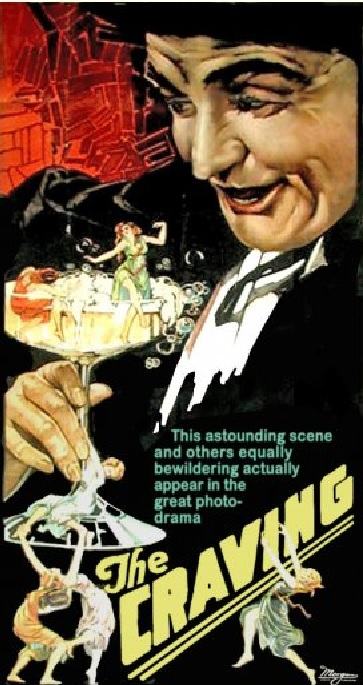
Dir: Francis Ford
An Indian scholar seeks an American colleague who is working on a powerful explosive, trying to get to his formula by taking advantage of his drinking problem.
View Details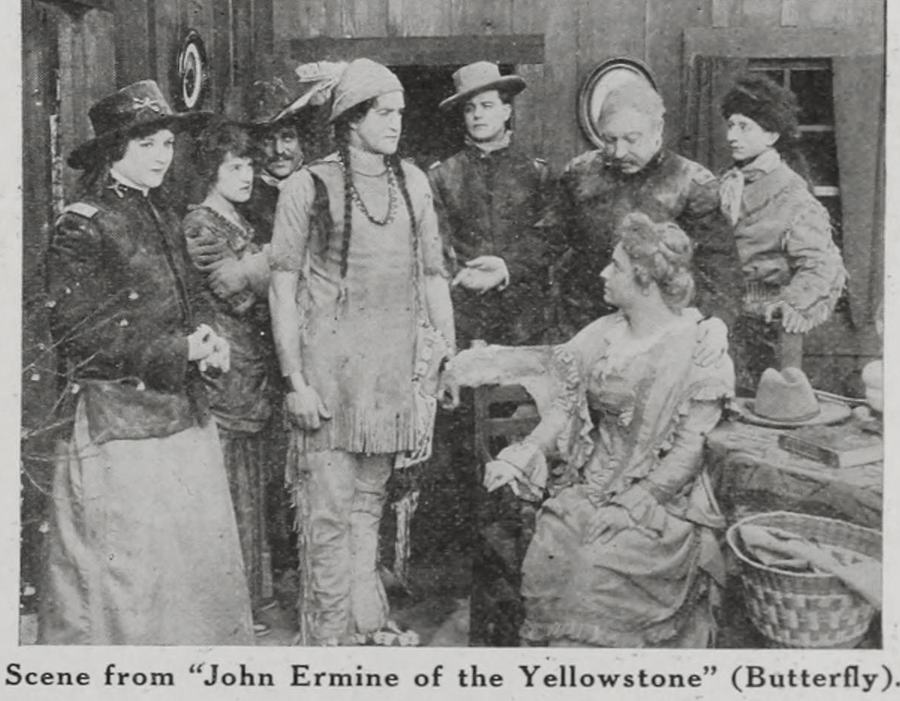
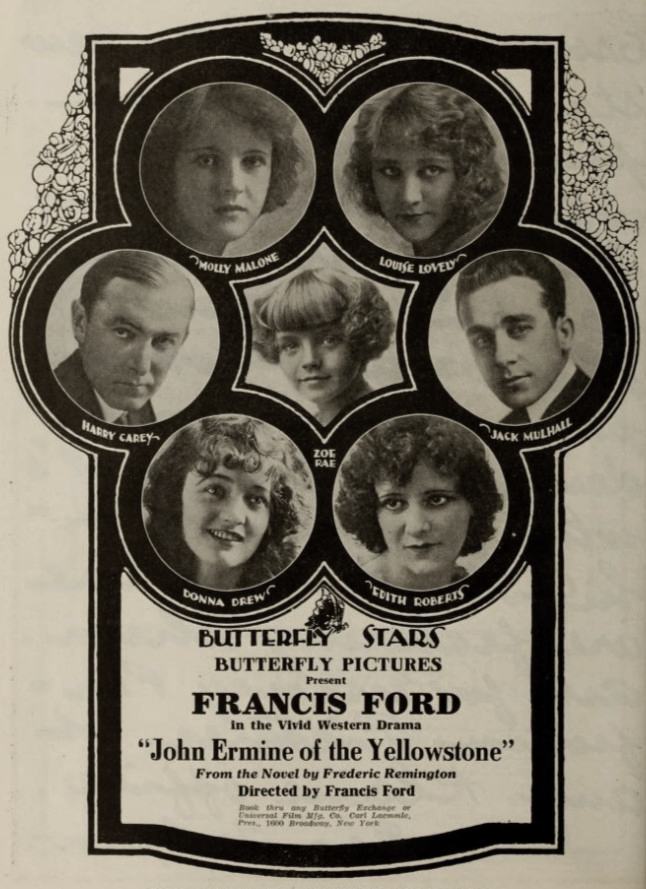
Dir: Francis Ford
As a baby, John Ermine is stolen from a wagon train by the Crow Indians and is adopted by Chief Fire Bear. John grows to manhood, ignorant that he is a white man until his parentage is disclosed to him by Crooked Bear,.
View Details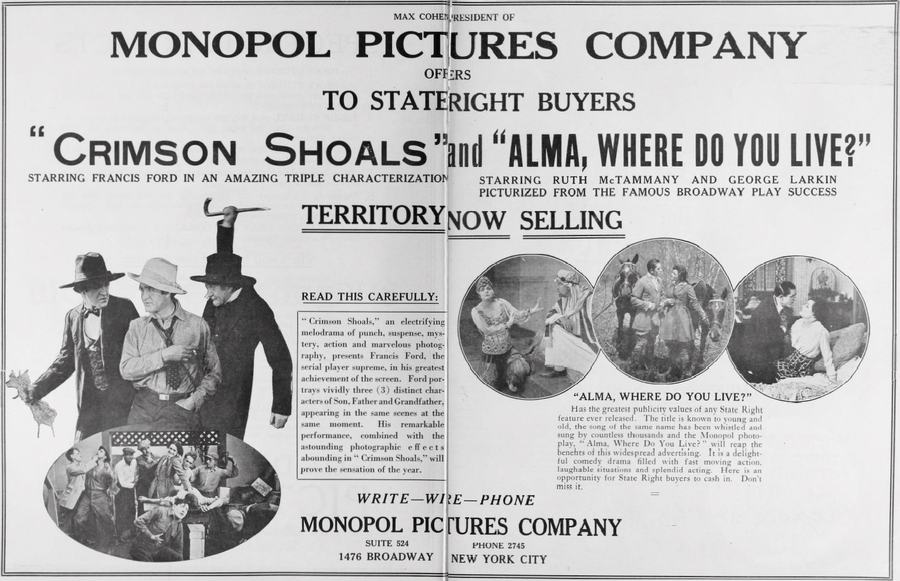
Dir: Francis Ford
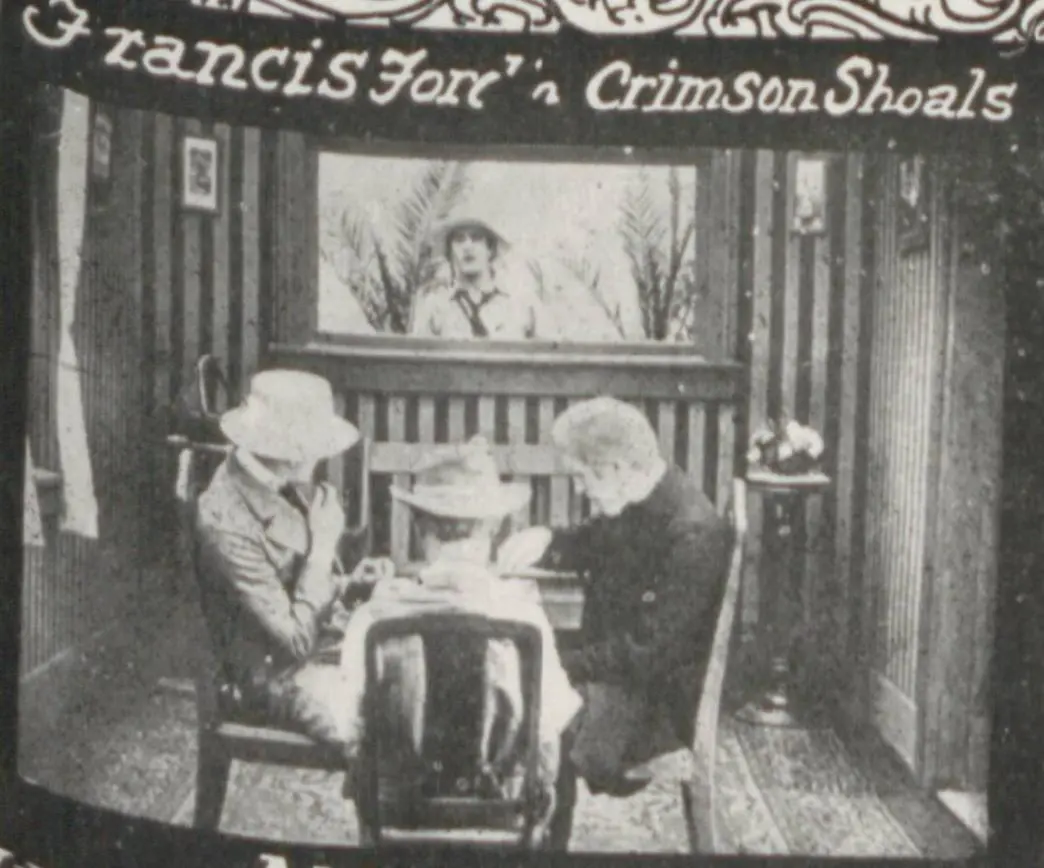
Frederick Fielding secretly marries his neighbor, Marguerite Quinn, and gives her his signet ring, even though her mother and father are enemies of his parents. The young groom then travels to the coral-rich island of Crimson Shoals, which is owned by his father, Thomas. Years later, Frederick, a prosperous owner of the island, grieves upon learning his wife has died, but is soon preoccupied with the theft of its coral reserves. Suspecting foreman Jack Quinn, Frederick and Thomas sail for the island. Helen, a member of Frederick's crew, falls in love with Jack and discovers that Rex Burke, the company auditor, is responsible for the theft. After a series of adventures and fights, Jack drops a charge of dynamite from an airplane, destroying the submarine Rex used to steal the coral. Frederick notices that Jack is wearing Marguerite's signet ring, and realizes that they are father and son, enabling Jack and Helen to continue their romance.
View Details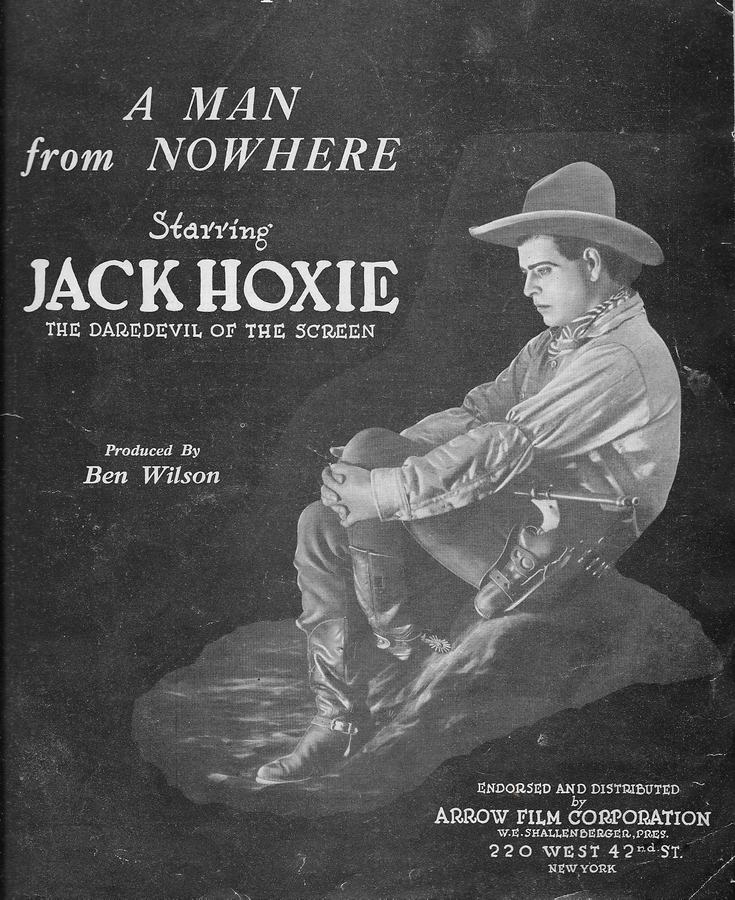
Dir: Francis Ford
Clay Norton and Duke Fuller are partners in a mining venture and have several claims, none of which have proved particularly successfully but do have promise. They are both in love with Agnes, and Clay wins her hand. While he is away in a nearby town to buy a wedding ring, Jim Butts, who has the territory's best mine, dies and Duke jumps his claim and sells it for $10,000, and the widow Butts is left penniless. When Clay, on his return, finds out what Duke has done, he demands his partnership share of $5,000 and tells Duke that they should see the widow and give her the money to go East so she will cause them no trouble. They visit her together and Clay tells her he will give her $5,000 and forces Duke to do the same. Overcome with the shock of the good fortune, the widow faints, and Duke, furious at being tricked, rushes from the cabin and meets Agnes, who is on her way to meet Clay. He takes her to the door of the cabin where she sees the widow Butts in the arms of her sweetheart. Misunderstanding the situation and being told by Duke that Clay is unfaithful to her, she breaks off their engagement.
View Details
Dir: Francis Ford
A fascinating piece of cinema that shares thematic elements.
View Details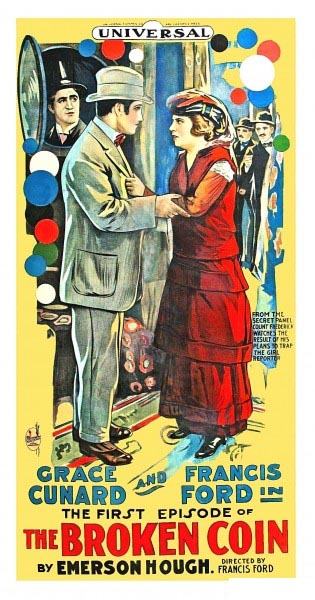
Dir: Francis Ford
Episode 1: "The Broken Coin" Kitty Grey, a reporter, leaves her office for lunch. On her way to the restaurant she sees in an old curiosity shop half of a broken coin, inscribed in Latin. The name "Gretzhoffen" attracts her attention, and she buys the coin. On her way out of the shop she drops the papers she is carrying, which are picked up and handed to her by a foreign-looking man, who had been watching the coin before Kitty came along. Kitty goes on her way and the man enters the shop to buy the coin. He is told by the proprietor that the young lady who just left the shop bought it. Kitty, thinking she has material for a good story, forgets about lunch and goes to her room for an old article she has written regarding the poverty-stricken Kingdom of Gretzhoffen, and with the aid of a Latin grammar, translates the inscription on the coin, which reads: "Underneath flagstone of north corner torture cham he found treasures valuable s the kingd Gretzhoffen Mi." Tis arouses her imagination to such an extent that she hurries back to her office and asks the editor to give her three months to go to Gretzhoffen and locate the other half of the coin. In the meantime the mysterious looking foreigner has followed Kitty to her home, entered her room while she was at the office and ransacked everything in general, looking for the coin which Kitty, at that moment, had in a chamois bag around her neck. He leaves, disgusted. Everything ready for her departure, Kitty goes aboard the boat, where she comes face to face with the foreigner. After dinner Kitty falls asleep in her stateroom, after making sure that the half coin is safe. She awakens suddenly to glimpse the profile of a man at the porthole of her compartment. He disappears as she sits up. Realizing something is wrong, Kitty, after making sure no one is watching her, takes the coin, her passport and other valuables from the bag and hides them in her stocking. After another cautious survey she returns to bed. Sometime later she is awakened to find a hand holding her chamois bag disappear through the porthole. She runs to the porthole just in time to see the form of a man disappear around the bow of the boat. Realizing the bag contained only her handkerchief and an American half-dollar, and that the coin is safe in her stocking, Kitty locks the porthole and retires for the night. She sees no more of the strange foreigner, and arrives safe in Gretzhoffen. On investigating, with the help of the American Consul, Kitty finds that the Kingdom of Gretzhoffen is a very poor little principality, ruled by a puppet king, Michael the Second, who is under the power of a supposed friend, Count Frederick. Frederick, in reality, is the pretender to the throne occupied by the puppet, and uses Michael, under the guise of friendship, to further his own plans and to ascend to the throne of Gretzhoffen. The financial straits of the little kingdom are due to the fact that gold scripts and jewels belonging to Michael's father, the old King Michael the First, have been missing since the death of the old king, and the only clue to the missing valuables is half of a broken coin, inscribed in Latin, and given to the present king by an old servant of Michael the First's on his, the servant's, deathbed. Michael, the puppet, has, after a fashion, tried to locate the other half of the coin. Count Frederick, knowing of the coin and its value, procures it, through the aid of his valet and accomplice, Grahame, and determines to find the other half, dethrone Michael, and ascend the throne, a rich ruler of Gretzhoffen. Thanking the consul for the information, Kitty bids him good-day and strikes out for the hotel. In the meantime, Roleau, the foreigner who followed Kitty on her trip and is, in reality, a hireling of the unscrupulous Frederick, reports to his employer with the bag he has obtained from Kitty on board the liner. Frederick is greatly angered at finding the bag minus the precious half coin and beats the cringing Roleau. Frederick, quickly forgetting Roleau, sets about to find another way to get the coin. Kitty, in a taxi on her way home, sees a man stagger from the back door of a fashionable house, trying to cover his blood-stained face with his coat sleeve, and stopping her car near the man, she gets out and tries to help him.
View Details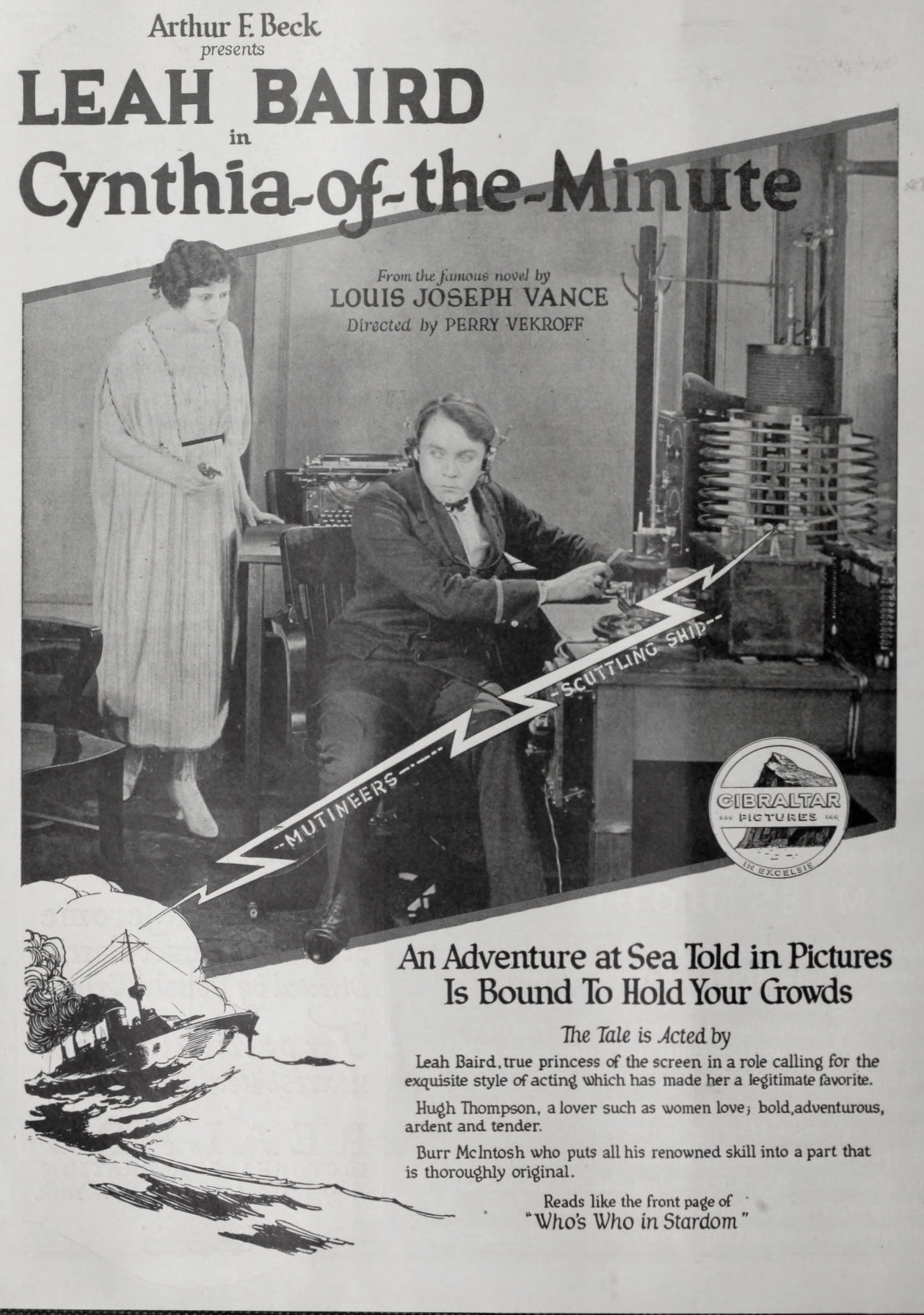
Dir: Perry N. Vekroff
While in New York seeking work, Cynthia, a young English girl, meets Bruce Crittenden and George Rhode who introduce her to Madame Savarin, a wealthy woman seeking a companion for a sea voyage. She hires Cynthia, and while at sea, Cynthia discovers that Bruce is the ship's purser. Cynthia's father was a famous wireless expert who taught her how to read code, which enables her to overhear a plot to sink the ship and steal Mrs. Savarin's jewels. Soon after, the crew mutinies, and while Rhode and Bruce fight the crew, Cynthia sounds the alarm. As he is attempting to foil the jewel thieves, Bruce falls overboard, and Cynthia swims to his rescue with the jewels strapped to her back. They are rescued by a government patrol boat and taken back to New York where Cynthia and Bruce are married.
View Details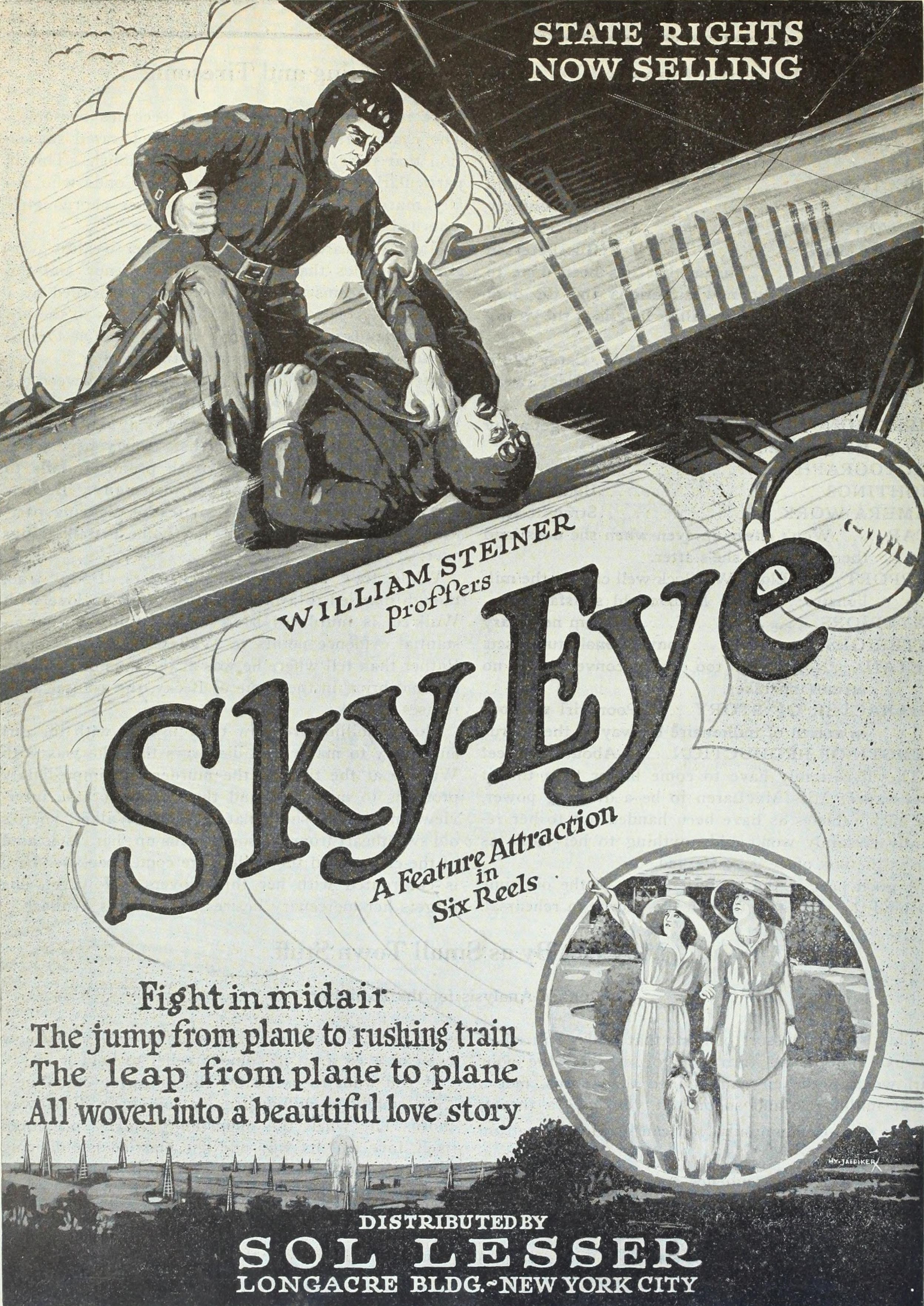
Dir: Aubrey M. Kennedy
Wealthy oil magnate Harry Mangin is in love with his competitor James Murdock's daughter Blanche. Mangin schemes to ruin Blanche's father so that the girl will be forced to accept his attention. However, Blanche loves "Sky Eye" Blake, an aviator at the adjoining U. S. aviation field. When Mangin is driven in desperation to muster his own private air force in order to destroy his rival's oil plants, "Sky Eye" takes to the skies to quell the riot. After several daring escapades, "Sky Eye" captures Mangin and wins Blanche for his bride.
View DetailsAnalysis relative to The Power God
| Film Title | Atmosphere | Complexity | Similarity |
|---|---|---|---|
| The Silent Mystery | Tense | Layered | 89% Match |
| Lucille Love: The Girl of Mystery | Gothic | Abstract | 94% Match |
| The Craving | Ethereal | Abstract | 92% Match |
| John Ermine of Yellowstone | Surreal | Abstract | 94% Match |
| Crimson Shoals | Surreal | Layered | 88% Match |
This guide was algorithmically generated using the cinematic metadata of Francis Ford's archive. Last updated: 6/23/2026.
Back to The Power God Details →