
DbcultAccessing Vault...
Recommendations
Senior Film Conservator
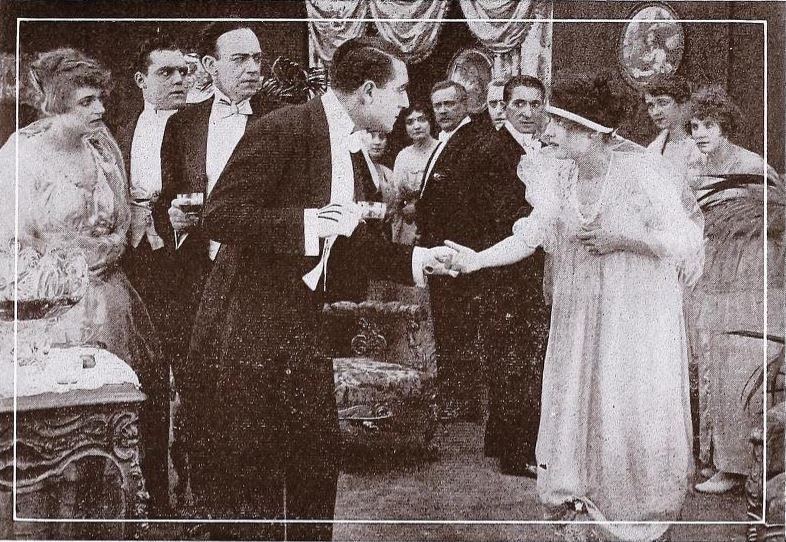
After experiencing the unique vision of The Pretenders (1915), you are likely searching for more films that share its specific artistic vision. Unlock a new level of cinematic understanding with these cult alternatives.
This 1915 cult classic stands as a testament to push the boundaries of conventional storytelling.
Dick, who thinks Elsie is a farmer's daughter, and Elsie, who believes Dick to be a hired man, fall in love with each other. While returning from a trip to the city shortly afterwards, Dick accidentally exchanges traveling bags with Spike, a burglar, on his way to rob the Dunbars' summer home. Pinkarter, a detective, witnesses the incident and trails Dick. Late that night, the young man sees Elsie apparently breaking into a cottage. The girl had accidentally been locked out of the farmhouse where she had been stopping, and therefore decided to return to her father's country home nearby. Ignorant of this, Dick believes Elsie a thief and follows her into the house, Spike also gets inside, and the three are presently bagged by Pinkarter and lugged to the village lockup. In his effort to establish his identity, Dick requests the detective to examine his travelling bag. When this is done, a fine collection of burglar's tools is brought to view. Thus Elsie is led to think her lover a thief. Although Dick eventually clears himself, this comes too late; Elsie's identity has been established by her father, who then took her home. Still in ignorance of each other's identity, the heartbroken lovers return to the city. Some time later Dick accompanies a friend to a dinner given at the Dunbar's home. To his intense surprise, the boy finds himself confronting Elsie. Still believing him to be a burglar, Elsie shouts for help. Dunbar is about to hand the luckless youth over to the police when the snarl is untangled, and the course of true love allowed to run smoothly.
The influence of Robert G. Vignola in The Pretenders can be felt in the way modern cult films handle unique vision. From the specific lighting choices to the pacing, this 1915 release set a high bar for atmospheric immersion.
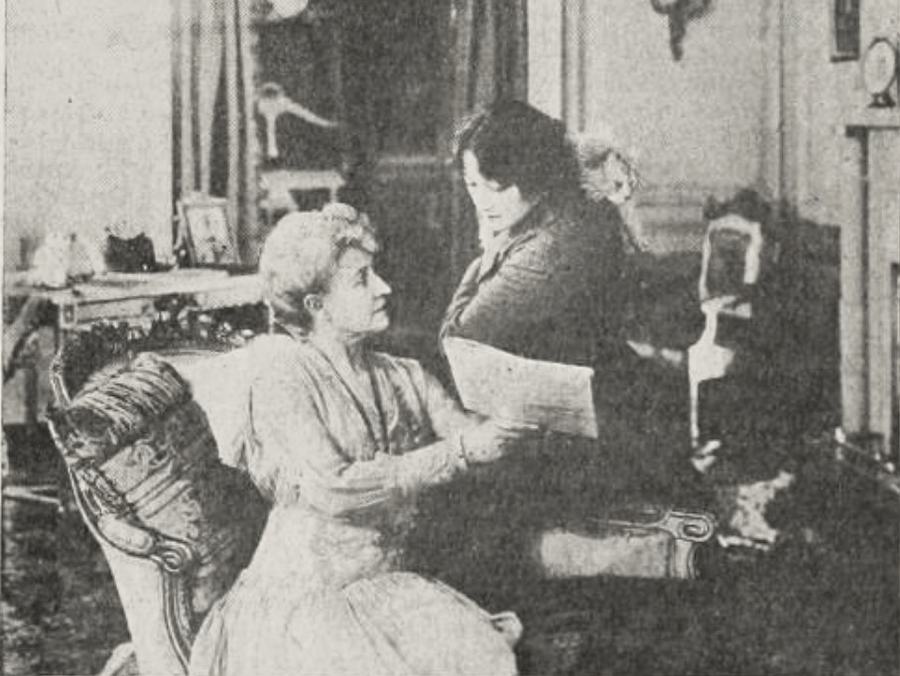
Based on the unique unique vision of The Pretenders, our vault has identified these titles as the most compelling follow-up experiences for fans of cult cinema:
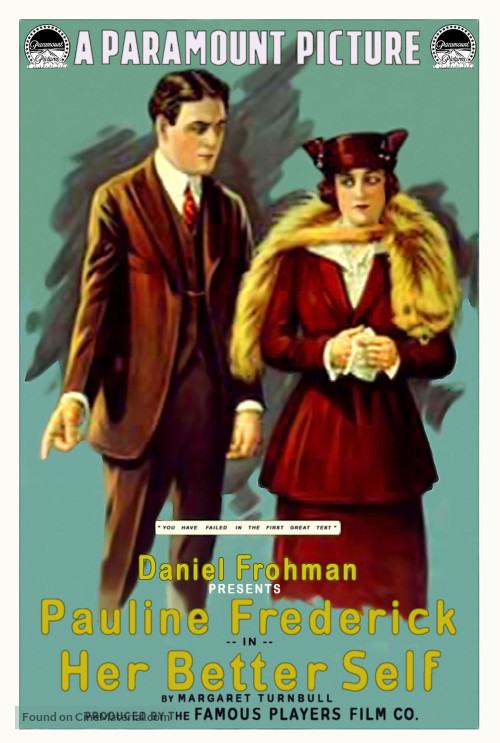
Dir: Robert G. Vignola
Society debutante Vivian Tyler is engaged to marry Count Belloto, then meets Dr. Robert Keith, whose work in uplifting the poor has attracted wide attention, she is strongly attracted to him and asks permission to work in his sanitarium, where the poor of the city receive treatment free of charge. There she meets Aggie May, a woman arrested as a streetwalker, and because she wears a locket bearing Dr. Keith's picture, Vivian assumes that the doctor has been responsible for the woman's downfall. Later, Aggie kills herself, and although Vivian witnesses the act, to avoid a scandal she hurries away before the police come. Dr. Keith is arrested for Aggie's death, the locket providing evidence of guilt. Just as he is to be convicted, Vivian rushes into the courtroom and gives the testimony that clears the doctor.
View Details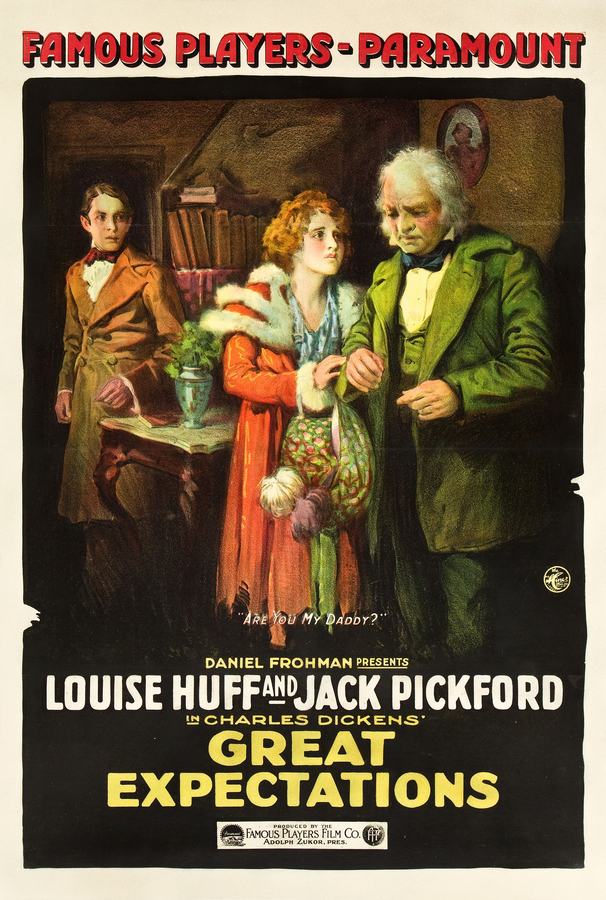
Dir: Robert G. Vignola
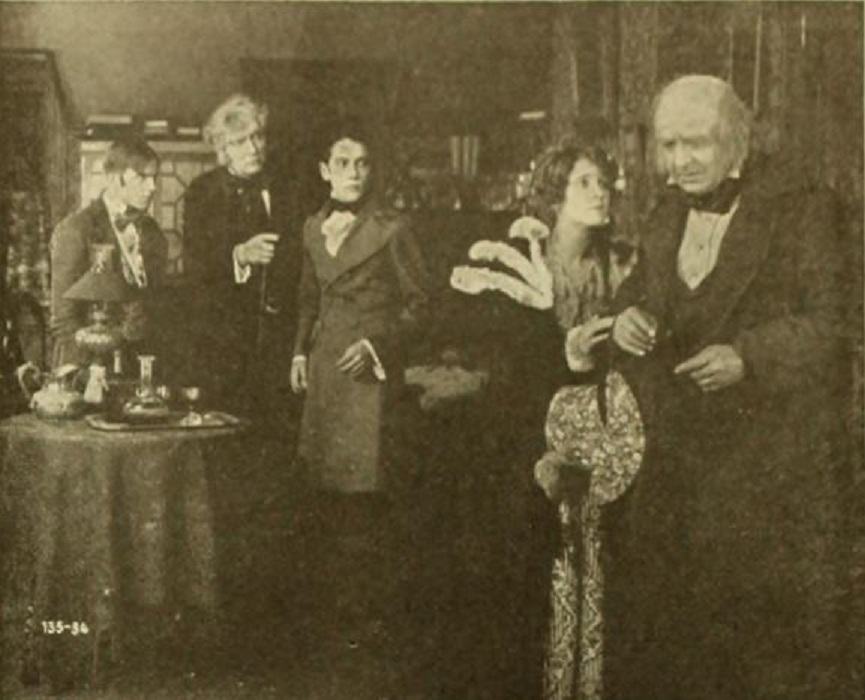
A humble orphan suddenly becomes a gentleman with the help of an unknown benefactor.
View Details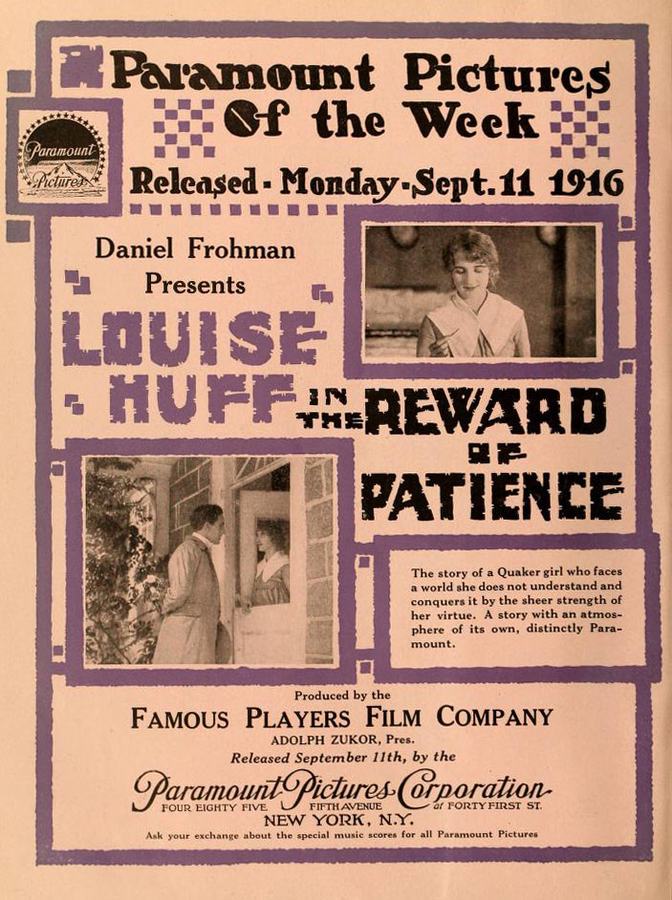
Dir: Robert G. Vignola
When rich civil engineer Robert Penfield goes to a small Quaker town in Pennsylvania to supervise a job, he meets Patience, who soon falls in love with him, but Robert is engaged to Edith, who plans to marry him for his money only. To remain close to Robert, Patience returns with him to the city to take a job as his mother's secretary. After Robert and Edith's wedding, and following the birth of their child, Patience takes care of the baby much more enthusiastically than Edith does; in fact, Edith is preoccupied with Paul Dunstan, a former suitor who wasn't rich enough to marry her, but who has since inherited a fortune. Finally, the couple elope, but they both die when Paul's yacht sinks. After the accident, Robert realizes that he loves Patience, and marries her.
View Details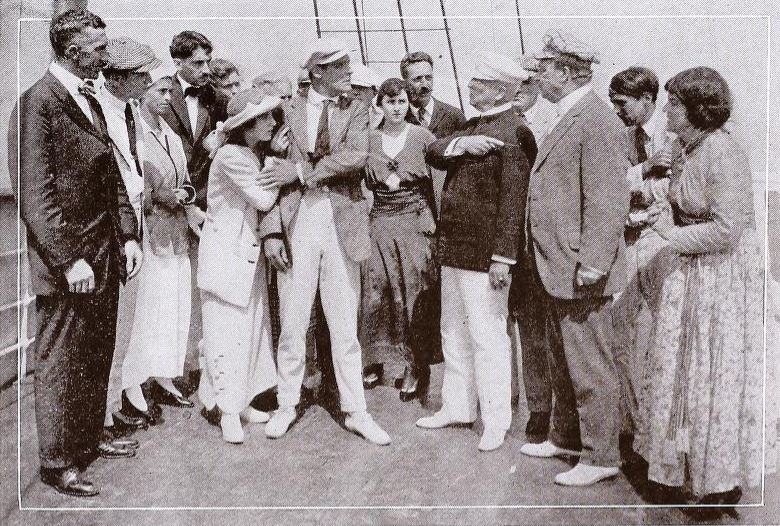
Dir: Robert G. Vignola
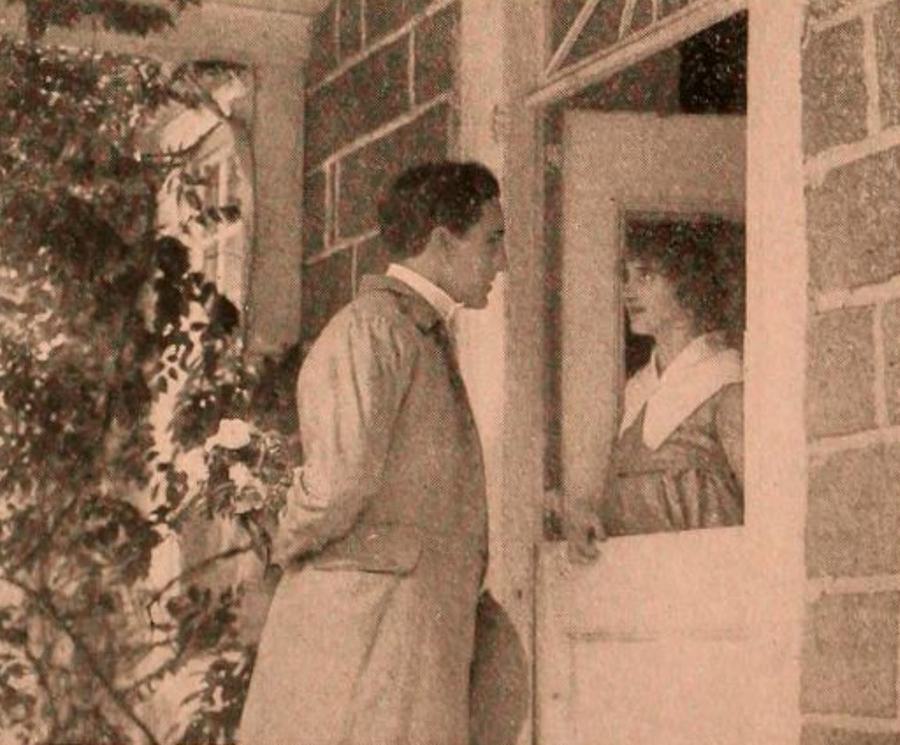
Lester, returning from Mexico, becomes interested in Helen, a girl whose life he had saved. Helen, according to her uncle, Vanderhoff, is insane. Dr. Luchow, Lester's friend, confirms Vanderhoff's statement. Upon returning home, the author finds that the Vanderhoffs have rented the adjoining cottage. The writer sees Helen drop a note. Picking it up, he finds the paper blank. Lester's window faces Helen's window. That night, the girl informs him in pantomime that the note contains a message written in milk. Scorching brings the message into view. As the result, Lester learns that Helen is the victim of a foul plot on the part of her uncle who desires to obtain her fortune. The girl drops a notebook which contains the details. The author is thus informed that Vanderhoff, by keeping his niece drugged with a loco weed preparation, succeeds in fooling the physicians who examine her. Lester breaks into the Vanderhoff house the following morning. He is discovered by Jose, who knocks the author unconscious and places him in the room above the dining room. Vanderhoff hastens his preparations to place Helen in the insane asylum. Dr. Luchow calls for the purpose of preparing the papers. Lester, using the top of a ventilator, saws away at his bonds. The blood from his bruised hands drips down upon Luchow's paper and the doctor soon becomes aware of what is going on. Jose attacks Lester just as the latter gains his freedom, but Dr. Luchow's timely arrival saves his friend. The Mexican and Vanderhoff endeavor to make their get-away in an auto, but an explosion, which wrecks the machine, ends their villainous careers.
View Details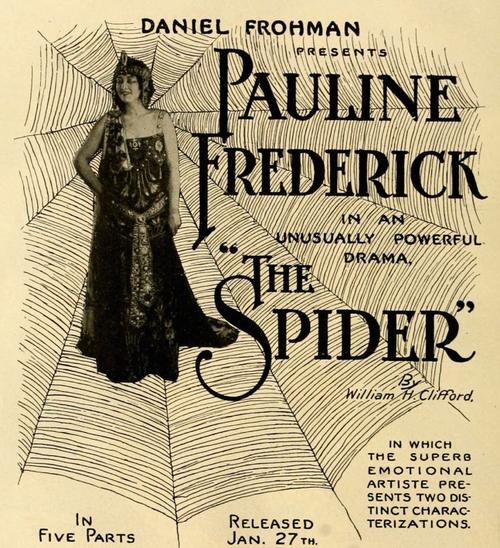
Dir: Robert G. Vignola
Valerie St. Cyr, seizes a chance for excitement and money, deserts her infant daughter Joan and her impoverished husband and runs away to Paris with the Count Du Poissy. Years later, without knowing that they are mother and daughter, both Valerie and Joan fall in love with artist Julian St. Saens, who rejects the former but becomes engaged to the latter. Enraged, Valerie convinces the count to kidnap Joan, but after she is captured, Joan stabs the count to death. When Valerie learns that Joan is her daughter, she takes the blame for the murder and goes to the guillotine while Joan, still unaware that Valerie is her mother, makes plans with Julian for their marriage.
View Details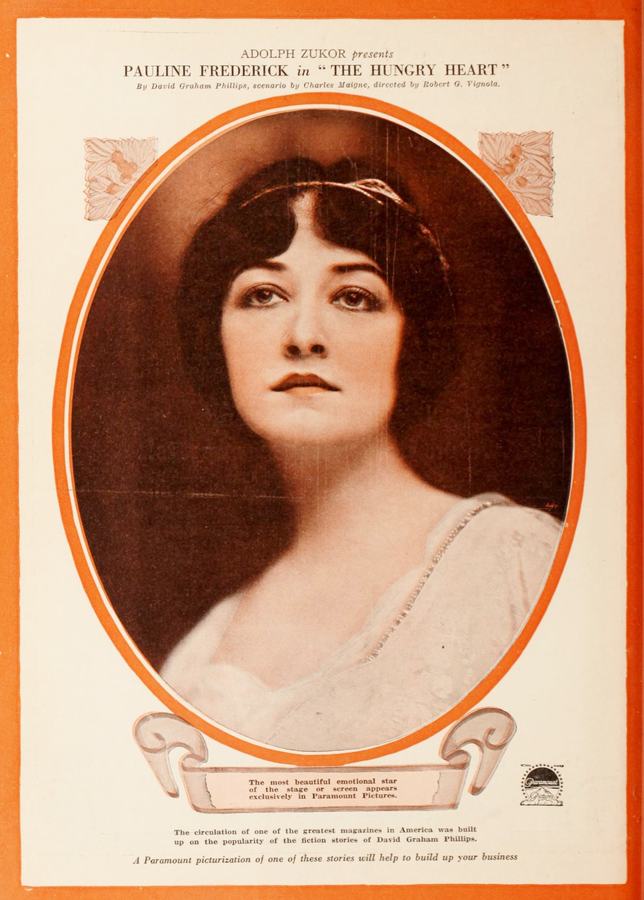
Dir: Robert G. Vignola
After their wedding, Richard Vaughan and his wife Courtney take up residence in Richard's ancestral home. Courtney, despised by Nanny, the old housekeeper, and neglected by her husband, who buries himself in his chemical experiments, leads a lonely life. Consequently, when experimental chemist Basil Gallatin pays a lengthy visit to the Vaughan home, Courtney finds herself attracted to him. One day, during Richard's absence, a burglar alarm places Courtney and Gallatin in a compromising situation. Witnessing their embrace, Nanny is struck speechless, but when Richard returns she recovers her speech and gives damning evidence against Courtney. Gallatin flees, and Richard, realizing his culpability, gives his wife a divorce. Having read of the divorce, Gallatin returns and Courtney admonishes Richard to kill them both. Richard frightens Gallatin away with the threat of exploding one of his compounds, but Courtney defies death and remains. A reconciliation between husband and wife then follows.
View Details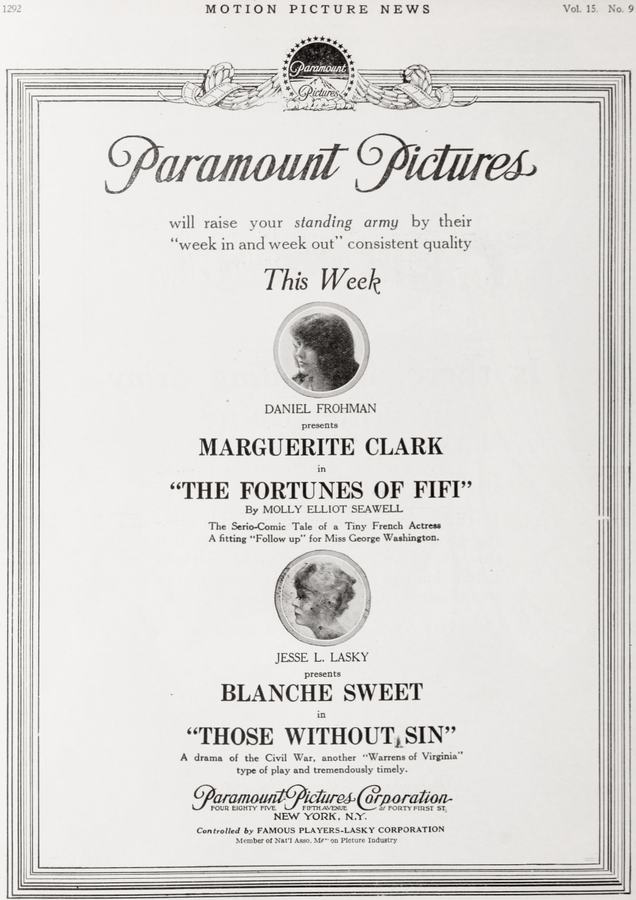
Dir: Robert G. Vignola
Fifi is seen as Pierrot in a French play that is a failure despite her effort to put ginger into the rest of the cast. Among the few in the last audience was Cartouche, a veteran, who had become an actor when his wounds no longer allowed him to follow Napoleon. Through Cartouche's efforts Fifi is employed at the Imperial theater in Parts. He takes her to his lodging, determined to protect her. Fifi fails to understand how much Cartouche is doing for her, and when he gives her money to buy clothes she purchases a toy dog sailed Toto. The veteran buys a lottery ticket and gives it to Fifi. The ticket bears the winning number and Fifi finds herself in possession of a fortune. Cartouche decides Fifi must be educated. He applies to his old general, who suggests that Fifi be sent to the home of Louis Bourcet, an attorney who lives alone with his mother. Instead of putting her money in the bank Fifi hides it and startles the Bourcet family by her extravagance. They decide she has even more money than they thought and Louis begins to see in the wealthy Fifi a very acceptable wife. He makes love to the girl, and she accepts his proffer. Then she sets about to make him break the engagement by squandering her money, realizing she is in love with Cartouche. Accordingly she buys the most impossible things, scandalizing the Bourcet family into a complete renunciation by giving the remainder of her wealth to a charitable benefit for old soldiers. Ejected from the house by the angry Mme. Bourcet, Fifi returns to the Imperial, where she demands more money for her services because she has been publicly thanked by the General for her donation to charity. She tells Cartouche she loves him, but the old soldier refuses. to permit her to "throw herself away" upon him until Fifi gets an inspiration of her own.
View Details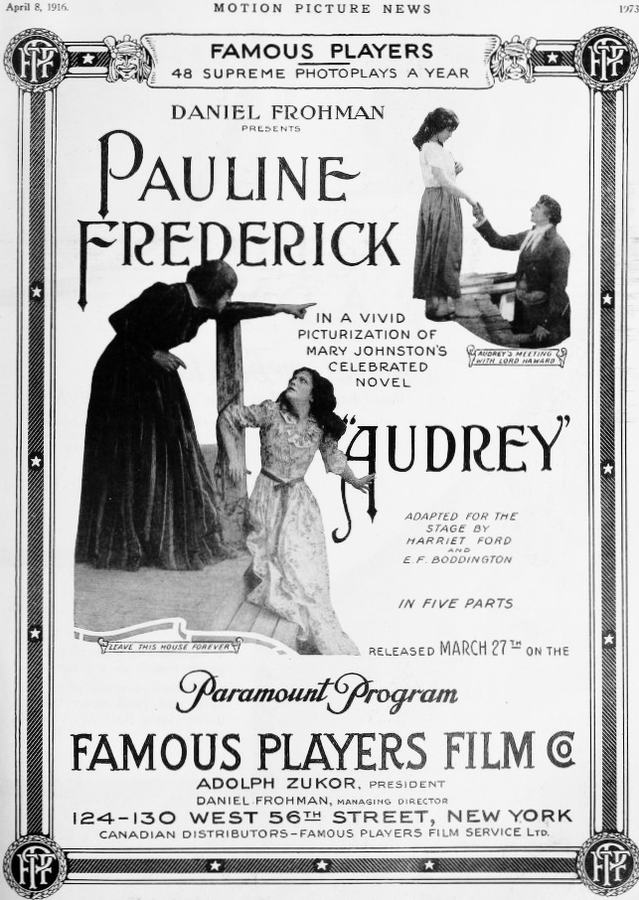
Dir: Robert G. Vignola
Audrey, an orphan, becomes the ward of a wealthy man, but when he travels to England, she is turned over to an unscrupulous couple who usurp her money and turn her into a slavey.
View Details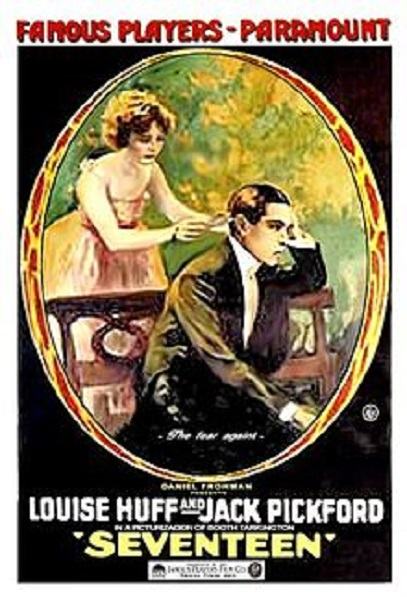
Dir: Robert G. Vignola
Seventeen-year-old William Sylvanus Baxter has fallen madly in love with young coquette Lola Pratt. After he has spent all his money on the fickle girl, she runs off with an older man. Now heartbroken, William contemplates suicide until May Parcher, a friend from childhood, visits him and decides to fall in love with him.
View Details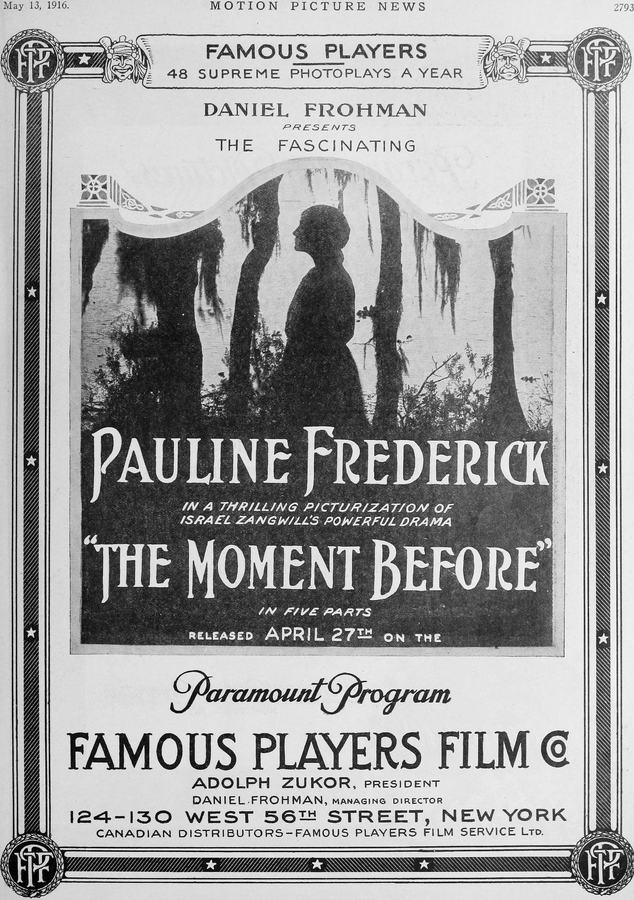
Dir: Robert G. Vignola
One moment before she dies, the aged, philanthropic, and universally respected Duchess of Maldon sees her life flash before her. As Madge, a young gypsy woman, two men fight for her, after which the winner, John, forces her to marry him. Then Madge deserts John and begins a romance in England with Harold, the youngest son of the Duke of Maldon. Soon, however, Harold fights with his older brother, who has criticized the affair with a married woman, and, believing that he has killed his brother, Harold leaves Madge behind and smuggles himself out of the country. Years later, Harold, who has found out that his brother did not die, meets Madge once again, and, determined not to let him leave her a second time, Madge kills John so that she and Harold can marry. Successfully covering up past scandals, Madge and Harold begin a life so sedate and distinguished that they quickly become England's model couple.
View DetailsAnalysis relative to The Pretenders
| Film Title | Atmosphere | Complexity | Similarity |
|---|---|---|---|
| Her Better Self | Surreal | Linear | 93% Match |
| Great Expectations | Ethereal | Dense | 87% Match |
| The Reward of Patience | Gritty | Dense | 97% Match |
| The Vanderhoff Affair | Tense | Dense | 89% Match |
| The Spider | Gritty | Linear | 97% Match |
This guide was algorithmically generated using the cinematic metadata of Robert G. Vignola's archive. Last updated: 8/16/2026.
Back to The Pretenders Details →