
DbcultAccessing Vault...
Recommendations
Senior Film Conservator
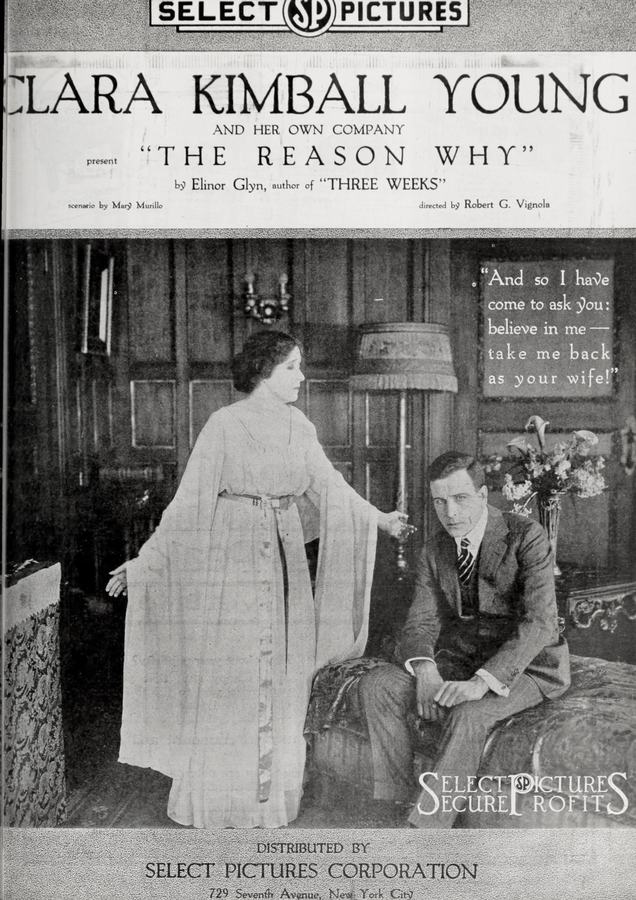
If the stylistic flair of Robert G. Vignola's work in The Reason Why left an impression, the cinematic shorthand used by Robert G. Vignola is both ancient and revolutionary. We've prioritized films that capture the 1918 aesthetic with similar precision.
By merging stylistic flair with cult tropes, it to articulate the unspoken anxieties of United States's 1918 era.
A Russian refugee who masquerades as Zara, niece of Francis Markrute, comes to his home and marries Lord Tancred, a scion of the English nobility, after a long series of misadventures she makes a full confession to her supposed uncle and to her husband regarding her origin and her young son by a former marriage to a Russian prefect of police, whom an infuriated mob murdered for his cruelty. Tancred is stunned, but only for a moment. Overwhelmed with forgiveness he avows his undying love.
The Reason Why was a significant production in United States, bringing a unique perspective to the global stage. It continues to be a top recommendation for anyone studying cult history.
Based on the unique stylistic flair of The Reason Why, our vault has identified these titles as the most compelling follow-up experiences for fans of cult cinema:
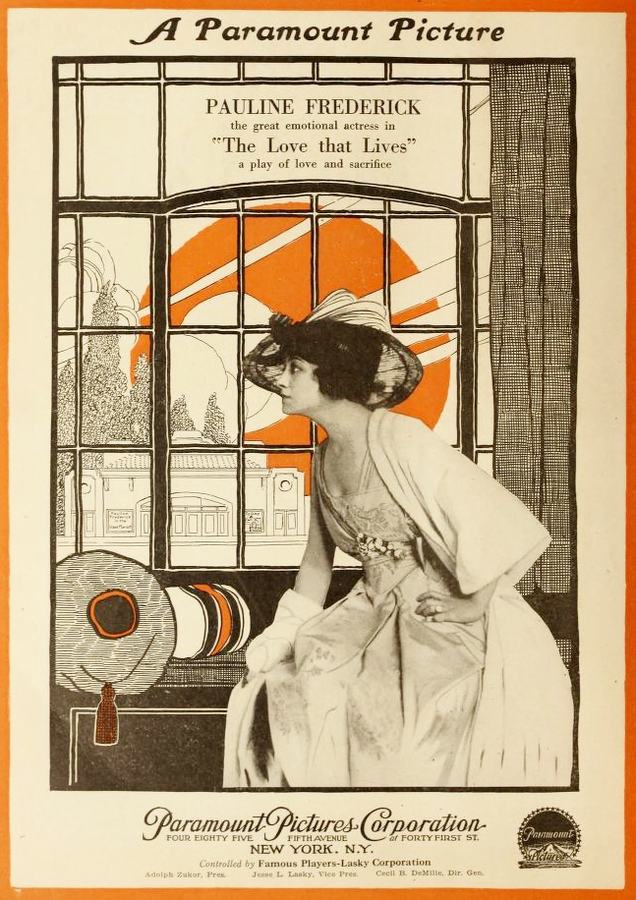
Dir: Robert G. Vignola
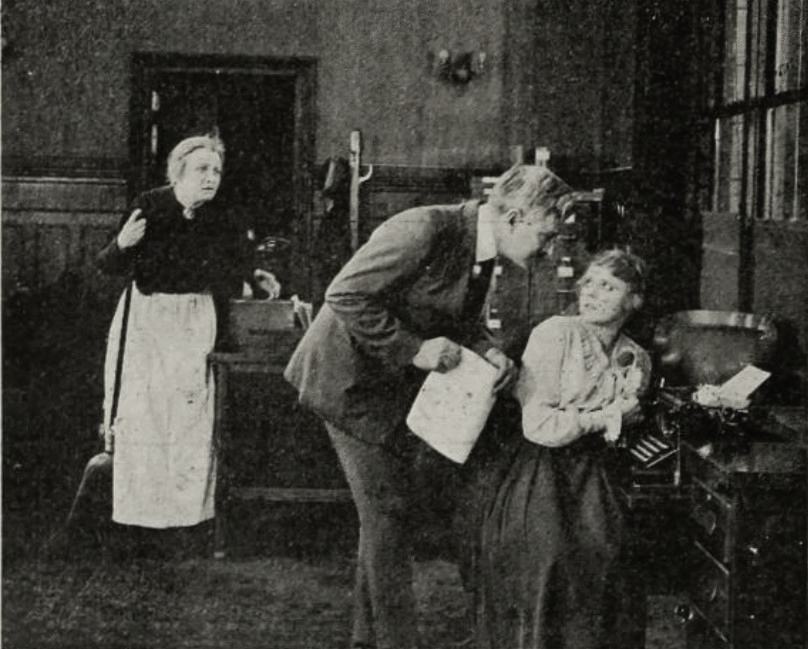
Molly McGill, a scrub-woman, labors long hours so that her children will not have to face life in the slums. Driven to desperation after her husband and baby daughter are killed in the streets, and fearful that her little son Jimmy will suffer the same fate, Molly accepts the proposition of Harvey Brooks, a broker in one of the offices that she cleans, to become his mistress. Keeping her life a secret from her son, she places him in a vocational school. When Jimmy finishes his education, Molly returns to her life as a scrub-woman. Then one day she reads in the paper of an heroic act performed by Jimmy, who is now a fireman. Unable to resist temptation, she creeps past the fire station where she sees Jimmy with his sweetheart, Dora Palmer. Later the girl seeks employment as a stenographer in Brooks's office where Molly is again working, and she keeps a watchful eye on Dora. True to Molly's suspicions, Brooks attacks Dora and Molly springs to her aid. In the ensuing fight, Brooks is killed and a fire breaks out. Jimmy comes to the rescue, but there is time to save only one of the women; and so Molly is left behind to die in peace, knowing that her son has escaped the slums.
View Details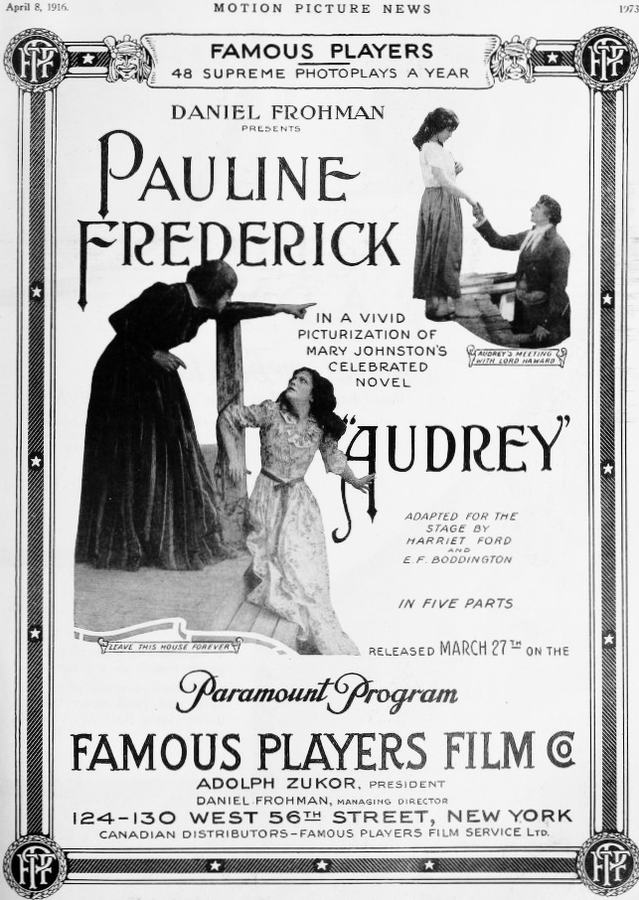
Dir: Robert G. Vignola
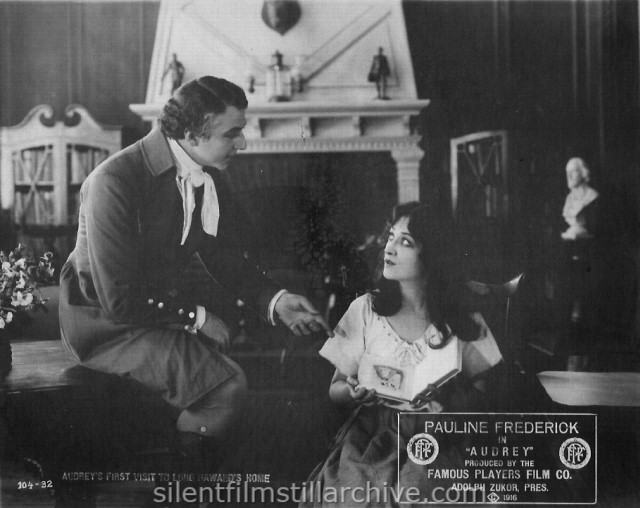
Audrey, an orphan, becomes the ward of a wealthy man, but when he travels to England, she is turned over to an unscrupulous couple who usurp her money and turn her into a slavey.
View Details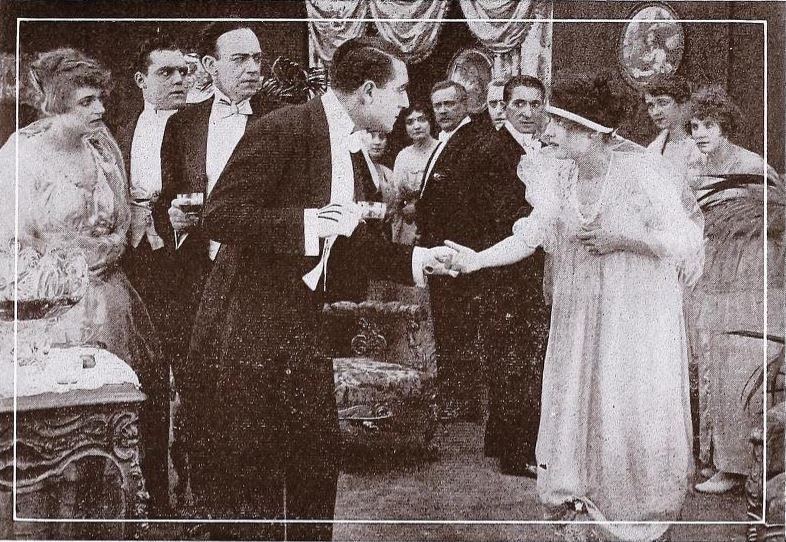
Dir: Robert G. Vignola
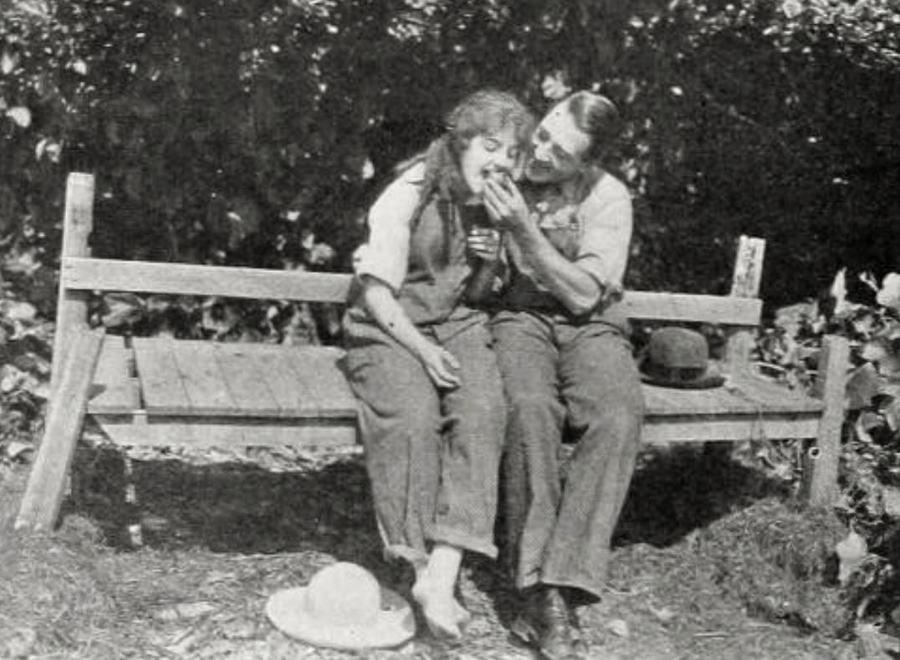
Dick, who thinks Elsie is a farmer's daughter, and Elsie, who believes Dick to be a hired man, fall in love with each other. While returning from a trip to the city shortly afterwards, Dick accidentally exchanges traveling bags with Spike, a burglar, on his way to rob the Dunbars' summer home. Pinkarter, a detective, witnesses the incident and trails Dick. Late that night, the young man sees Elsie apparently breaking into a cottage. The girl had accidentally been locked out of the farmhouse where she had been stopping, and therefore decided to return to her father's country home nearby. Ignorant of this, Dick believes Elsie a thief and follows her into the house, Spike also gets inside, and the three are presently bagged by Pinkarter and lugged to the village lockup. In his effort to establish his identity, Dick requests the detective to examine his travelling bag. When this is done, a fine collection of burglar's tools is brought to view. Thus Elsie is led to think her lover a thief. Although Dick eventually clears himself, this comes too late; Elsie's identity has been established by her father, who then took her home. Still in ignorance of each other's identity, the heartbroken lovers return to the city. Some time later Dick accompanies a friend to a dinner given at the Dunbar's home. To his intense surprise, the boy finds himself confronting Elsie. Still believing him to be a burglar, Elsie shouts for help. Dunbar is about to hand the luckless youth over to the police when the snarl is untangled, and the course of true love allowed to run smoothly.
View Details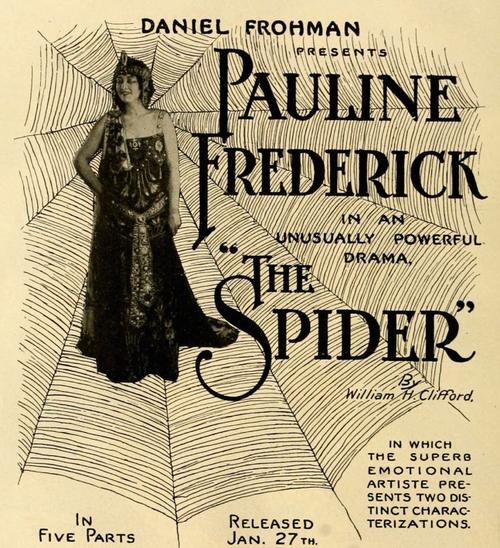
Dir: Robert G. Vignola
Valerie St. Cyr, seizes a chance for excitement and money, deserts her infant daughter Joan and her impoverished husband and runs away to Paris with the Count Du Poissy. Years later, without knowing that they are mother and daughter, both Valerie and Joan fall in love with artist Julian St. Saens, who rejects the former but becomes engaged to the latter. Enraged, Valerie convinces the count to kidnap Joan, but after she is captured, Joan stabs the count to death. When Valerie learns that Joan is her daughter, she takes the blame for the murder and goes to the guillotine while Joan, still unaware that Valerie is her mother, makes plans with Julian for their marriage.
View Details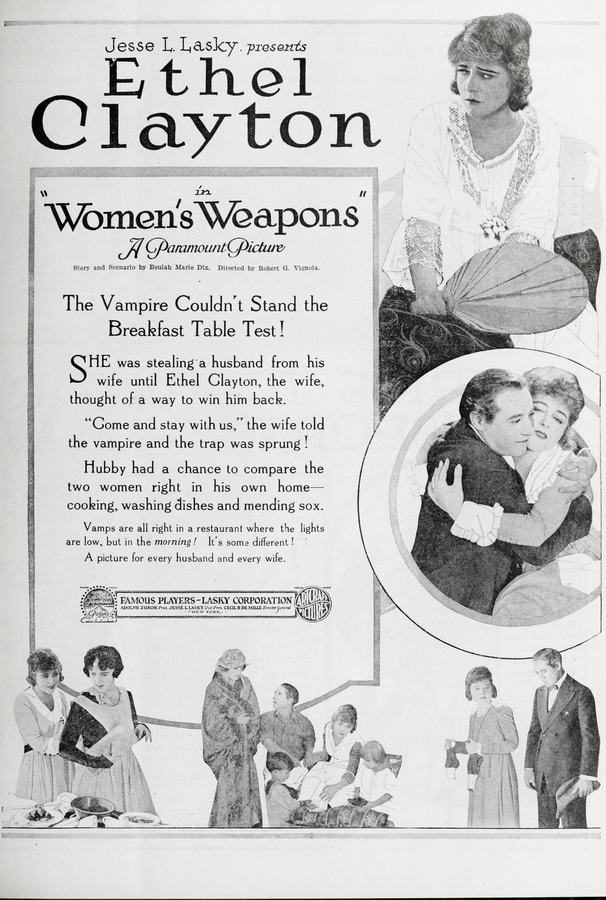
Dir: Robert G. Vignola
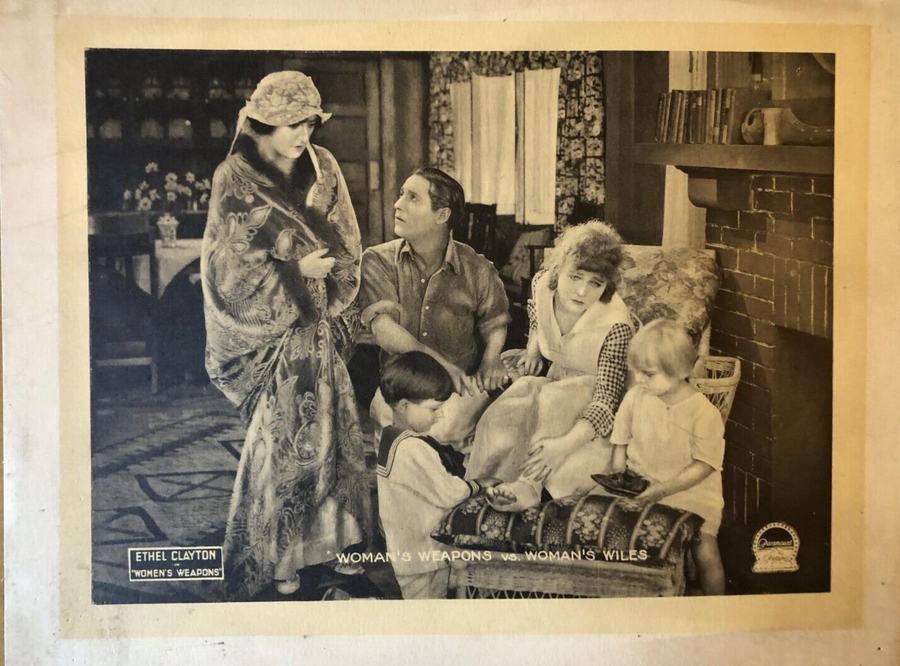
The children of a a novelist, Nicholas, contract scarlet fever. His wife Anne stays in the house to take care of them, but the house is quarantined by the authorities and Nicholas, not being allowed in the house, takes a room in town until the quarantine is lifted. Lonely, he begins to feel attracted to his illustrator, Esmee. They begin an affair, but soon Nicholas finds that Esmee's expensive tastes are driving him to bankruptcy. His wife finds out about the affair, and devises a plan to teach her husband a lesson and get his mistress out of the picture at the same time.
View Details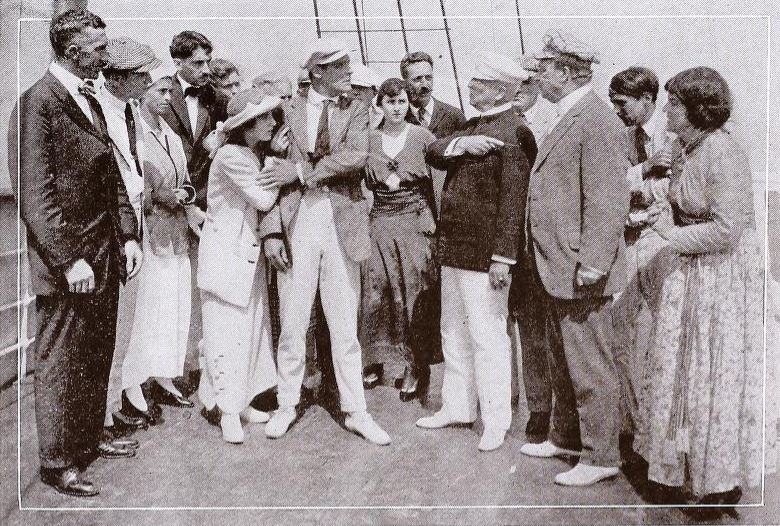
Dir: Robert G. Vignola
Lester, returning from Mexico, becomes interested in Helen, a girl whose life he had saved. Helen, according to her uncle, Vanderhoff, is insane. Dr. Luchow, Lester's friend, confirms Vanderhoff's statement. Upon returning home, the author finds that the Vanderhoffs have rented the adjoining cottage. The writer sees Helen drop a note. Picking it up, he finds the paper blank. Lester's window faces Helen's window. That night, the girl informs him in pantomime that the note contains a message written in milk. Scorching brings the message into view. As the result, Lester learns that Helen is the victim of a foul plot on the part of her uncle who desires to obtain her fortune. The girl drops a notebook which contains the details. The author is thus informed that Vanderhoff, by keeping his niece drugged with a loco weed preparation, succeeds in fooling the physicians who examine her. Lester breaks into the Vanderhoff house the following morning. He is discovered by Jose, who knocks the author unconscious and places him in the room above the dining room. Vanderhoff hastens his preparations to place Helen in the insane asylum. Dr. Luchow calls for the purpose of preparing the papers. Lester, using the top of a ventilator, saws away at his bonds. The blood from his bruised hands drips down upon Luchow's paper and the doctor soon becomes aware of what is going on. Jose attacks Lester just as the latter gains his freedom, but Dr. Luchow's timely arrival saves his friend. The Mexican and Vanderhoff endeavor to make their get-away in an auto, but an explosion, which wrecks the machine, ends their villainous careers.
View Details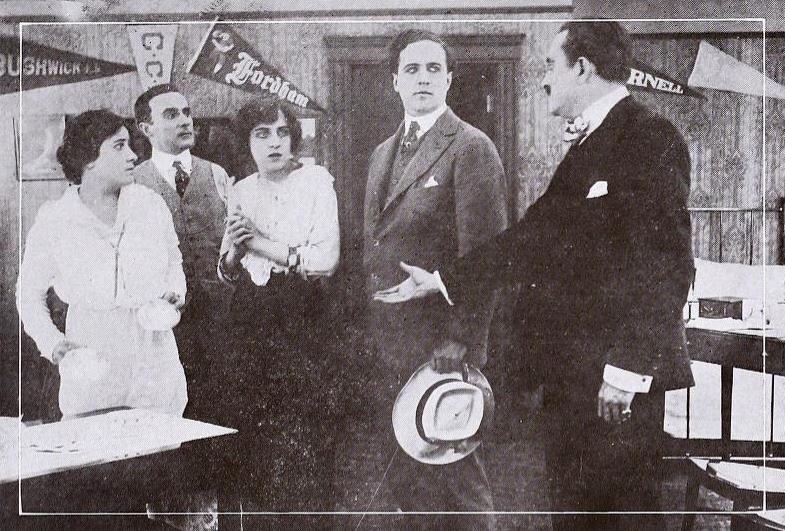
Dir: Robert G. Vignola
Anna, who lives with her harsh-tempered aunt, eagerly seizes the opportunity to join a traveling repertoire company. The girl and Darnton, the "villain" in the company, become deeply interested in each other, and because of Anna Darnton conquers his terrible craving for liquor. Later, when the troupe disbands in New York, Anna meets Rita. The girl makes the acquaintance of Marbridge, an agent of the worst type, and only her wit saves her from the man's clutches. Following a quarrel with Darnton, Anna foolishly consents to go autoing with Rita and the fast set with which the latter associates. The auto hurtles over an embankment and Anna alone escapes death. A reconciliation with Darnton follows. Anna obtains a position in the company in which Darnton plays the villain. The girl receives her great opportunity when the star, whom she is understudying, is injured on the opening night. Enwright, the manager, learns of the love between the new star and Darnton. Fearing lest sentiment affect their work, he sends Darnton to head the Chicago company. But the separation depresses Anna so greatly that Enwright orders Darnton to return. The player comes back unknown to Anna and suddenly appears before her at the next performance. The ensuing scene thrills the audience, which never for a moment suspects that the heroine and the villain are secret lovers. But the moment the curtain has descended Anna walks into Darnton's arms. Her lips meet his.
View Details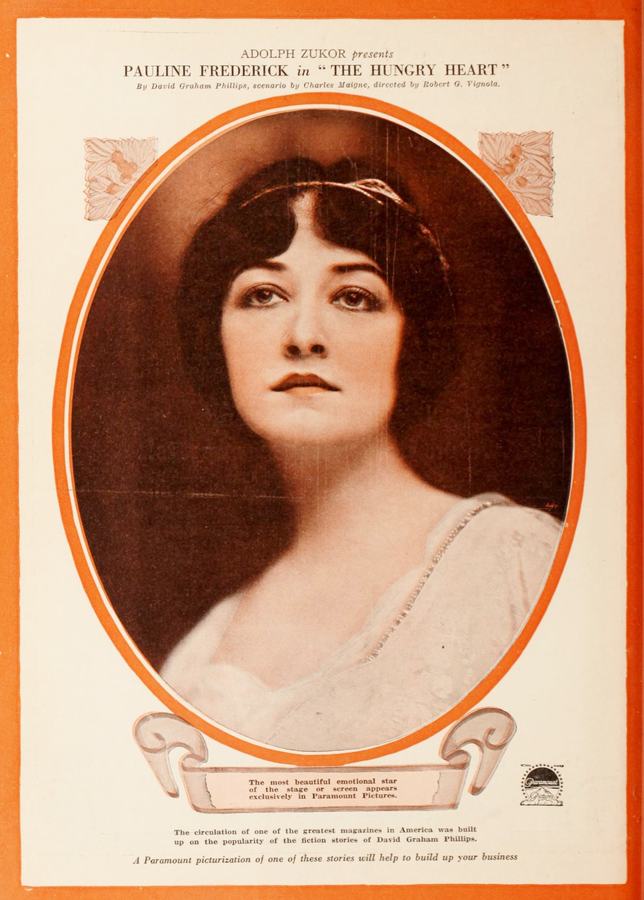
Dir: Robert G. Vignola
After their wedding, Richard Vaughan and his wife Courtney take up residence in Richard's ancestral home. Courtney, despised by Nanny, the old housekeeper, and neglected by her husband, who buries himself in his chemical experiments, leads a lonely life. Consequently, when experimental chemist Basil Gallatin pays a lengthy visit to the Vaughan home, Courtney finds herself attracted to him. One day, during Richard's absence, a burglar alarm places Courtney and Gallatin in a compromising situation. Witnessing their embrace, Nanny is struck speechless, but when Richard returns she recovers her speech and gives damning evidence against Courtney. Gallatin flees, and Richard, realizing his culpability, gives his wife a divorce. Having read of the divorce, Gallatin returns and Courtney admonishes Richard to kill them both. Richard frightens Gallatin away with the threat of exploding one of his compounds, but Courtney defies death and remains. A reconciliation between husband and wife then follows.
View Details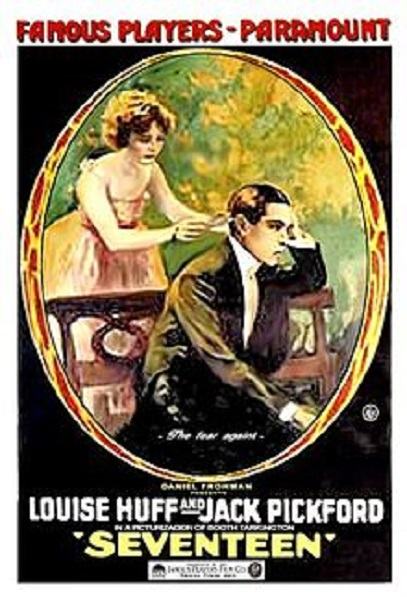
Dir: Robert G. Vignola
Seventeen-year-old William Sylvanus Baxter has fallen madly in love with young coquette Lola Pratt. After he has spent all his money on the fickle girl, she runs off with an older man. Now heartbroken, William contemplates suicide until May Parcher, a friend from childhood, visits him and decides to fall in love with him.
View Details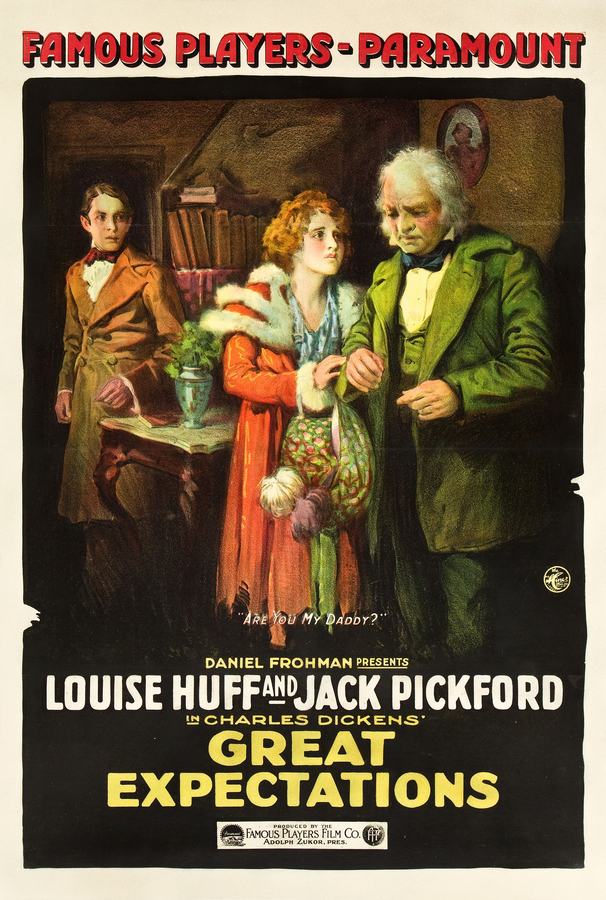
Dir: Robert G. Vignola
A humble orphan suddenly becomes a gentleman with the help of an unknown benefactor.
View DetailsAnalysis relative to The Reason Why
| Film Title | Atmosphere | Complexity | Similarity |
|---|---|---|---|
| The Love That Lives | Gritty | High | 92% Match |
| Audrey | Tense | Abstract | 92% Match |
| The Pretenders | Tense | High | 96% Match |
| The Spider | Gritty | Linear | 97% Match |
| Women's Weapons | Surreal | High | 89% Match |
This guide was algorithmically generated using the cinematic metadata of Robert G. Vignola's archive. Last updated: 8/17/2026.
Back to The Reason Why Details →