
DbcultAccessing Vault...
Recommendations
Senior Film Conservator
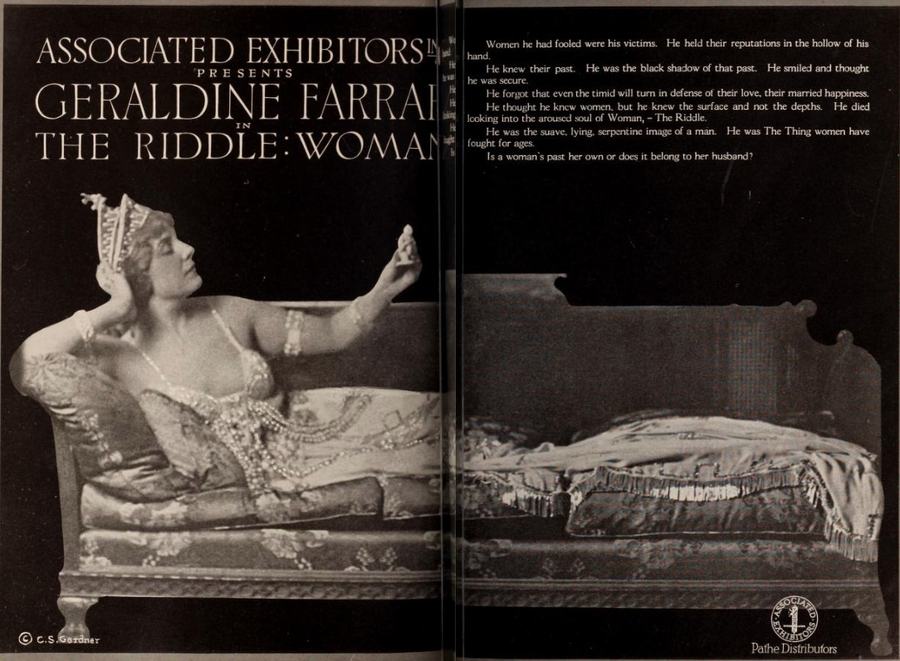
The artistic legacy of Edward José was forever changed by The Riddle: Woman, the thematic layers of this 1920 classic invite a wider exploration of the genre. This list serves as a bridge to other Drama experiences that are just as potent.
The vintage appeal of The Riddle: Woman to reinvent the tropes of Drama cinema for a global audience.
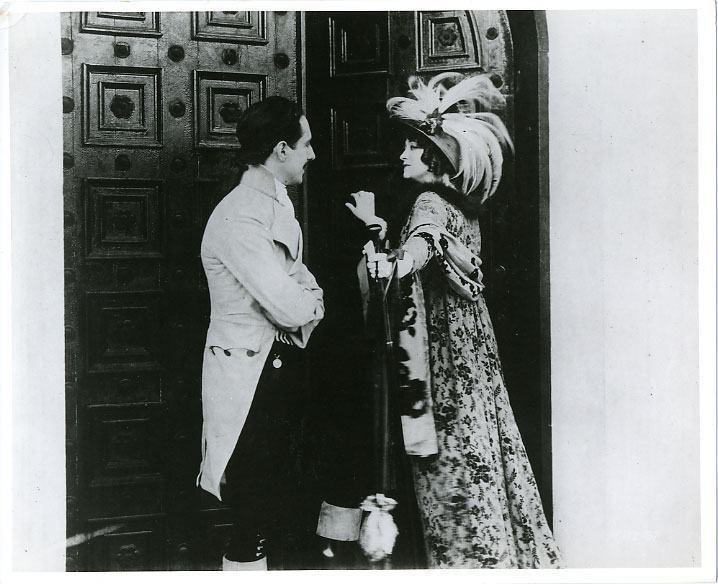
Lilla Gravert falls into the clutches of a master blackmailer, Eric Helsingor.
Based on the unique character-driven intensity of The Riddle: Woman, our vault has identified these titles as the most compelling follow-up experiences for fans of Drama cinema:
Dir: Edward José
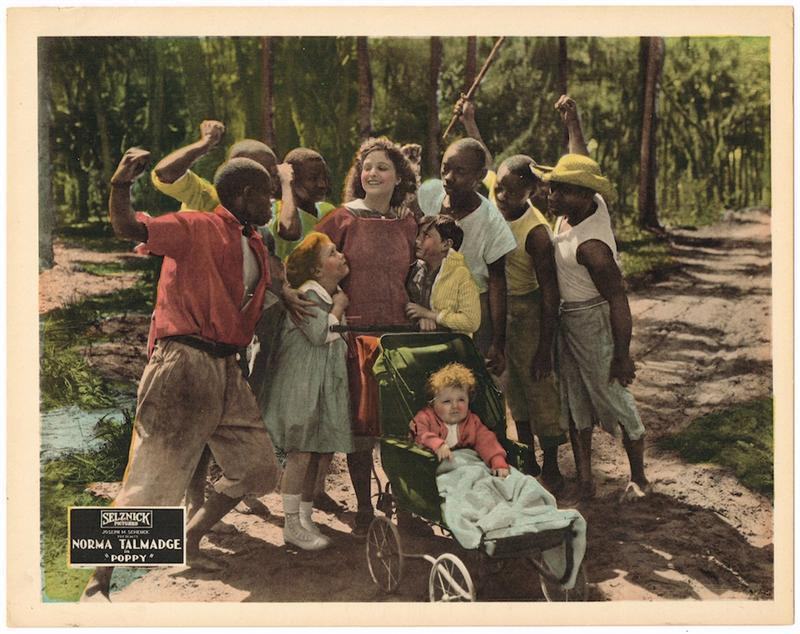
An orphan in Africa unwittingly marries an abusive man, falls in love with and gets pregnant by an amnesiac, runs away and becomes a novelist.
View Details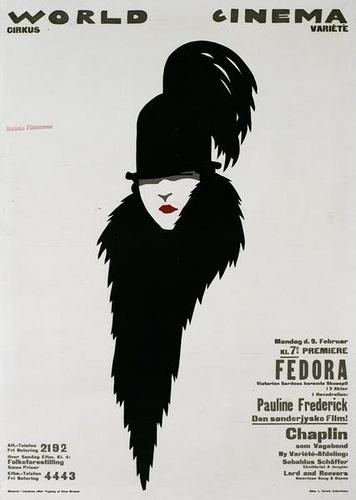
Dir: Edward José
Fedora, a beautiful and elegant woman of Russian society, travels to Paris in search of her fiance's murderer.
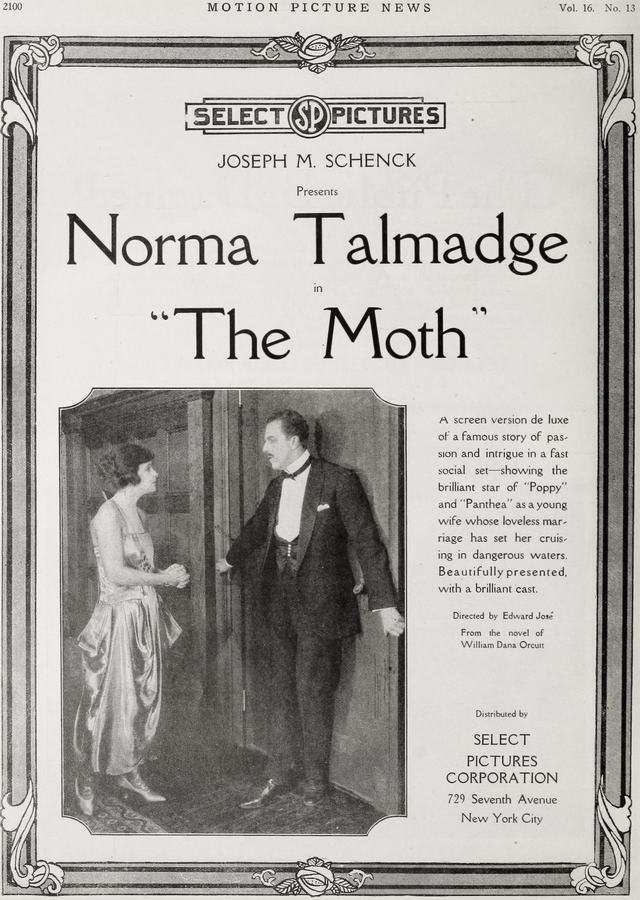
Dir: Edward José
Spoiled young heiress Lucy Gillam knows only a life filled with parties and flirtations until she falls in love with a man who loves only her money. She marries him, and after their child is born, she is confronted with life's harsh realities after her husband demands more and more money with which to support his mistress. When he tires of his other woman, he discards her and she kills herself. Suspicion for her death points to her ex-lover, and after much misfortune, Lucy is freed from the burden of her husband and faces life as a responsible adult.
View Details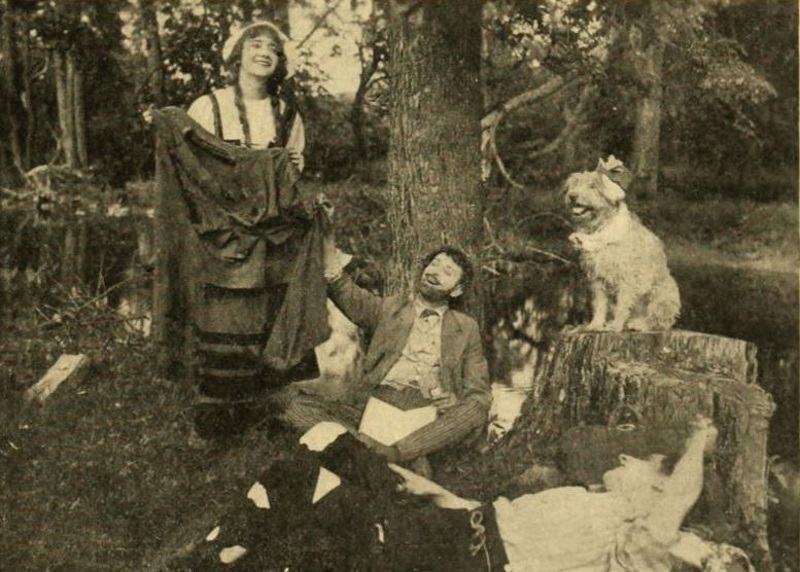
Dir: Edward José
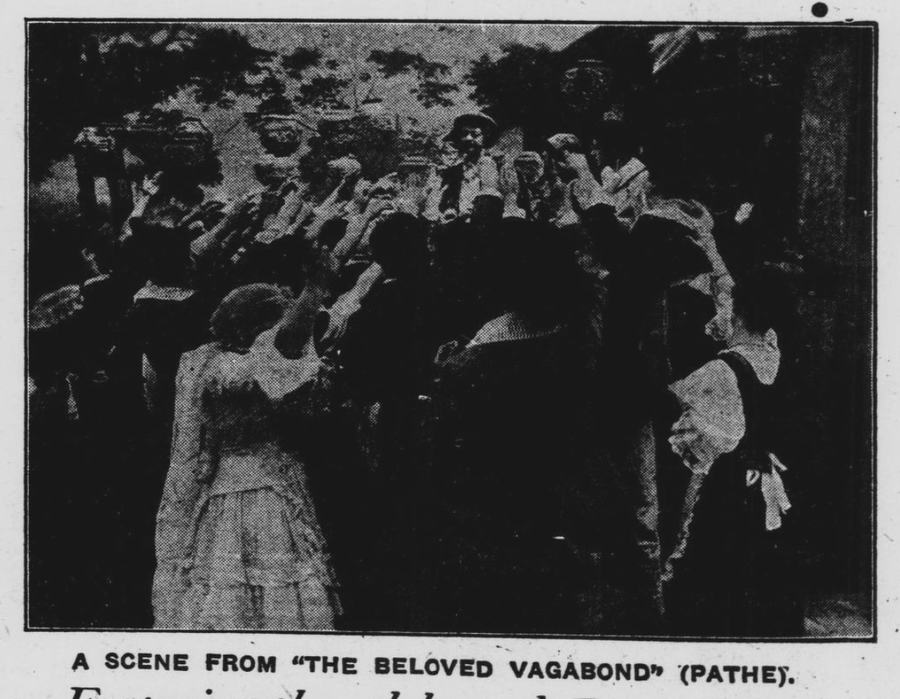
Brilliant young architect Gaston De Nerac returns to London from France to marry his cousin Joanna Rushworth. To prevent Joanna's father from losing his business, Gaston borrows money from a rival suitor with the stipulation that he postpone the marriage and refrain from communication with Joanna for two years. After the suitor convinces Joanna that Gaston bartered her love for money, she marries the suitor. When Gaston learns of this, he begins a reckless, cynical life as a traveling musician known as Paragot. In the London slums, he makes the acquaintance of Asticot, a ragamuffin. They wander through France and Paragot adopts Blanquette, an itinerant singer, after her aged partner dies. Years later, when the happy threesome perform at a peasant wedding, Paragot encounters Joanna, who has learned the truth. After Joanna's husband is killed in the street, she and Paragot plan to marry, but because he is unable to adjust to societal conventions, Paragot marries Blanquette instead.
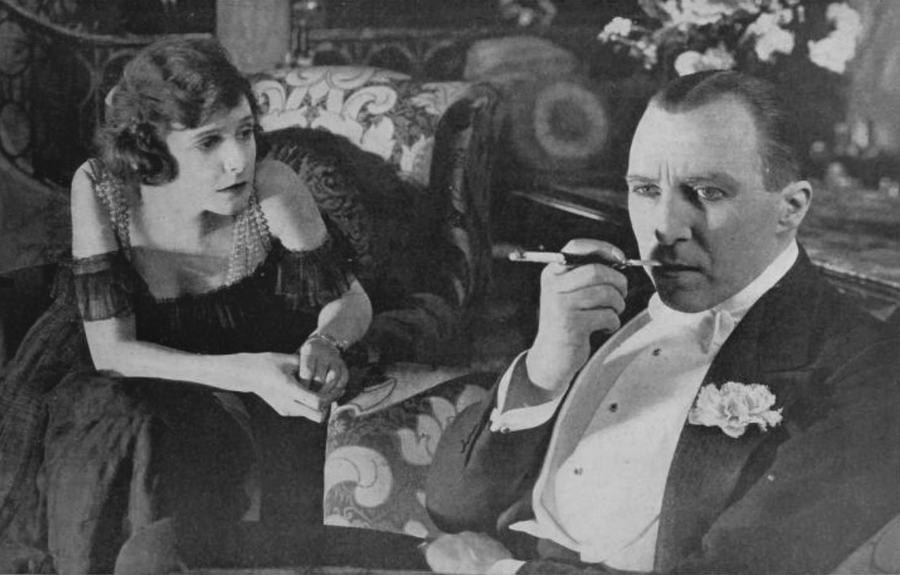
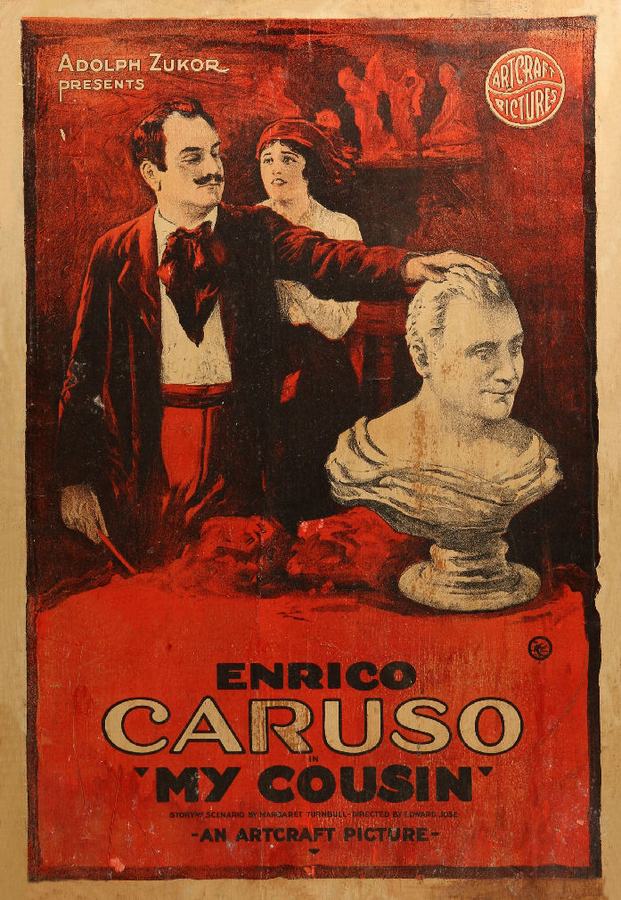
Dir: Edward José
Sincere but struggling sculptor Tommasso (Caruso--bushy moustache, gawky) works in an ornamental plaster shop, but his masterpiece on the side is a bust of his cousin Caroli (Caruso--no moustache, polished), who is the Metropolitan Opera's leading tenor. Tommasso hopes to marry his model Rosa, but her father, restaurant owner Pietro, wants her to find someone more settled and money-conscious, such as the greengrocer Lombardi down the street. Tommasso, he says, throws away his money, such as for a pair of tickets to take Rosa to the opera to see his famed cousin. After the opera, the cousins cross paths in the swanky Galeotto's restaurant, but when neither recognizes the other, Tommasso is generally mocked and Rosa believes him a liar and unworthy. Tommasso must recover his reputation and make a sale, preferably the Caroli bust to his cousin, in order to win Rosa back.
View Details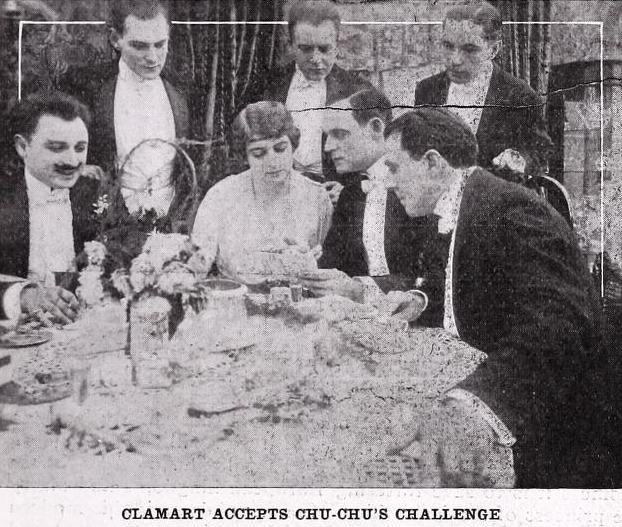
Dir: Edward José
Frank Clamart, abandoned illegitimate son of a wealthy merchant, flees to Paris and joins a gang of "society crooks" led by Chu-Chu and Leontine Petrovsky, his sometime-lover. To prove his prowess to the gang and to Leontine, with whom he has fallen in love, Frank attempts to rob the house of a well-to-do family but is shot by the owner. As Leontine escapes unharmed, Frank is inspected by the owner's wife, who, recognizing a birthmark on Frank's wrist, identifies him as her husband's missing half-brother. Nursed back to health by his sister-in-law, Frank agrees to renounce his life of crime, but when a jealous Chu-Chu breaks into the house and steals the family jewels, Frank is suspected. To exonerate himself, Frank tricks Chu-Chu and retrieves the gems. Determined to have revenge, Chu-Chu tries once more to rob the house and, when caught by Frank, shoots him in the shoulder. Frank pursues Chu-Chu in a taxicab, forces him over a cliff, then leaves with his new love, the cab driver, who fires a shot that kills Chu-Chu.
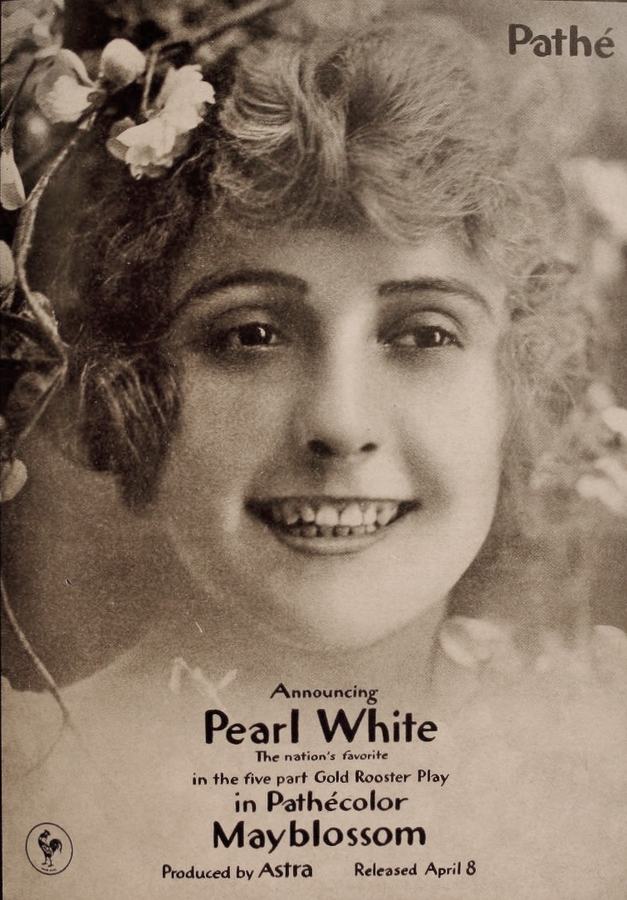
Dir: Edward José
In the blossom time in spring, in the sunny southland, Anabel Lee returned home from the young ladies' finishing academy. Warner Richmond, the favorite of society and beloved by all the maids for miles around, received notice to come to his grandfather's home to stay with him during his last days. Warner did so and on his arrival was warned by his grandfather to forego the society of the fair sex, but Warner one day passed by where Anabel sat reading and to her he was her prince charming. Forced to marry Anabel, Warner insisted on keeping the marriage a secret on account of his grandfather's wishes. Just after the grandfather died, leaving Warner a large fortune, he became enamored with an opera singer of fame. Destroying all records of his marriage to Anabel, he then married the opera singer, but love in this case lasted until she secured all his money. Soon believing her husband dead. Anabel married the sweetheart of her childhood days. No cloud darkened the sky of their happiness until Warner came wandering in his drunken travels to the old countryside again. Attended in his delirium by Anabel's doctor husband, he gives out the story of his life. The doctor returns to find Anabel gone with her child. He follows. Warner in his delirium overturns a lamp and the house burns to the ground with all evidence to clear Anabel's name. But love finds the way.
View Details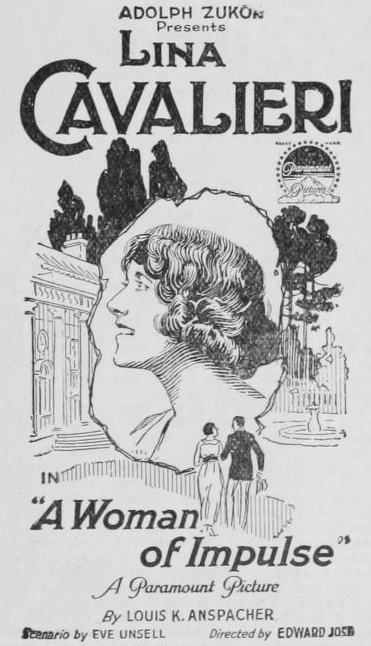
Dir: Edward José
Leonora is the daughter of a poor lace-maker. She possesses a beautiful voice, but is not aware of the opportunity it offers her. Wealthy Americans Mr. and Mrs. Stuart discover its powers, and after her mother's death they adopt Leonora and her younger sister Nina. Shortly afterwards she blossoms forth in Paris as its idol. She is now "La Vecci," a much-admired and sought-after prima donna. One of her most ardent suitors is Count Nerval of Spain, whom she refuses to marry because of his unusually jealous disposition--although she does love him. His American cousin Phillip also becomes infatuated with the singer. Jealous of this new rival, Nerval almost forces Leonora to marry him. They depart for America for their honeymoon. Nina, accompanying them, meets young doctor Paul Spencer aboard ship and they fall in love. Leonora goes on tour in the States and when in the South receives an invitation to visit Phillip and his parents. He again makes love to her, but she remains faithful to her marriage vows, so fickle Phillip turns his attention on Nina. Jealous Nerval breaks with Leonora for the time being because of her presence in his cousin's home. Nina receives a letter from Paul saying that he is coming to visit. Leonora shows the letter to Phillip, asking her to discontinue favoring Nina with his attention. That night Phillip attempts to kiss the charmer; afraid, she tries to stab him with a dagger. He easily defends himself and seizes her in his arms and she faints, but when she recovers, she discovers Phillip dead. When Paul arrives, he conducts an investigation and proves that Leonora could not have inflicted the wound. Soon after, a Creole girl confesses to the deed. She had loved Phillip. Later Leonora and her husband are reunited. Motion Picture News, September 28, 1918
Dir: Edward José
Floria Tosca, a famous Italian opera singer, suspects that her lover, Mario Cavaradossi, is unfaithful and secretly follows him to his villa on the outskirts of Rome. La Tosca is relieved to discover that Mario is harboring not another woman but Cesare Angelotti, a political prisoner. Her relief turns to despair, however, when Baron Scarpia, Rome's tyrannical chief of police, arrives and demands that Mario turn Cesare over to the authorities under penalty of torture. He refuses, but La Tosca, unable to endure Mario's screams, confesses. All three are arrested, and the baron threatens to have Mario shot unless La Tosca gives herself to him. She consents, but when Scarpia approaches her, she stabs him. Finding that Mario has been shot despite the baron's promise, she leaps from a high tower to her death.
View Details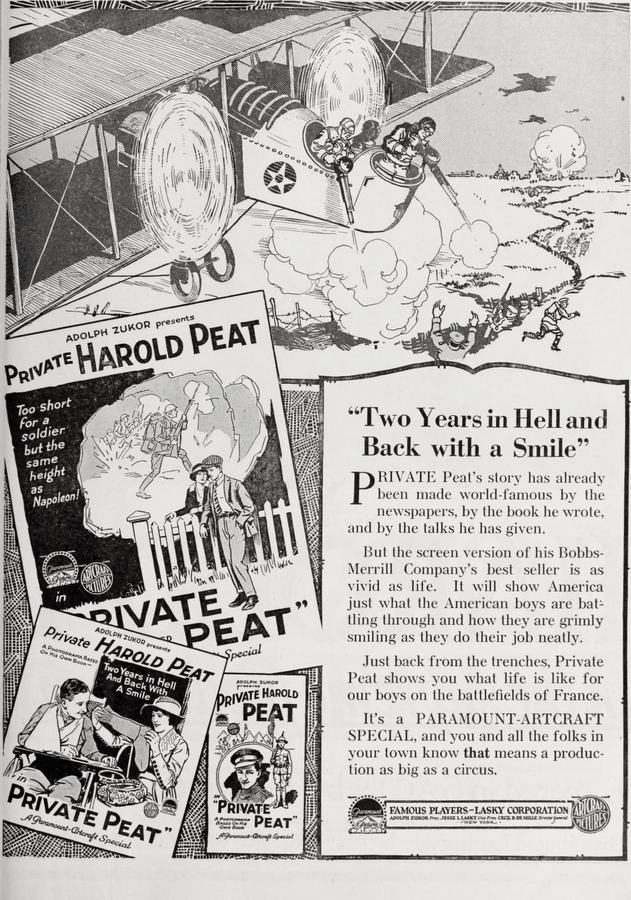
Dir: Edward José
Harold R. Peat tries to enlist in the United States army so that he may fight in World War I but is rejected by the recruiting officer. He is despondent until he and his friend, Old Bill, concoct a scheme whereby they are both accepted. After a stint in training camp, Harry bids his sweetheart Mary goodbye and accompanies Bill to France. Following several adventures at the front, Bill is killed and Harold, in trying to save a load of ammunition, is wounded. Harold spends some time in a French hospital, after which Mary comes to France to bring her heroic private home.
View DetailsAnalysis relative to The Riddle: Woman
| Film Title | Atmosphere | Complexity | Similarity |
|---|---|---|---|
| Poppy | Tense | Layered | 96% Match |
| Fedora | Surreal | Abstract | 95% Match |
| The Moth | Surreal | Abstract | 98% Match |
| The Beloved Vagabond | Ethereal | Dense | 96% Match |
| My Cousin | Gothic | Linear | 90% Match |
This guide was algorithmically generated using the cinematic metadata of Edward José's archive. Last updated: 6/27/2026.
Back to The Riddle: Woman Details →