
DbcultAccessing Vault...
Recommendations
Senior Film Conservator
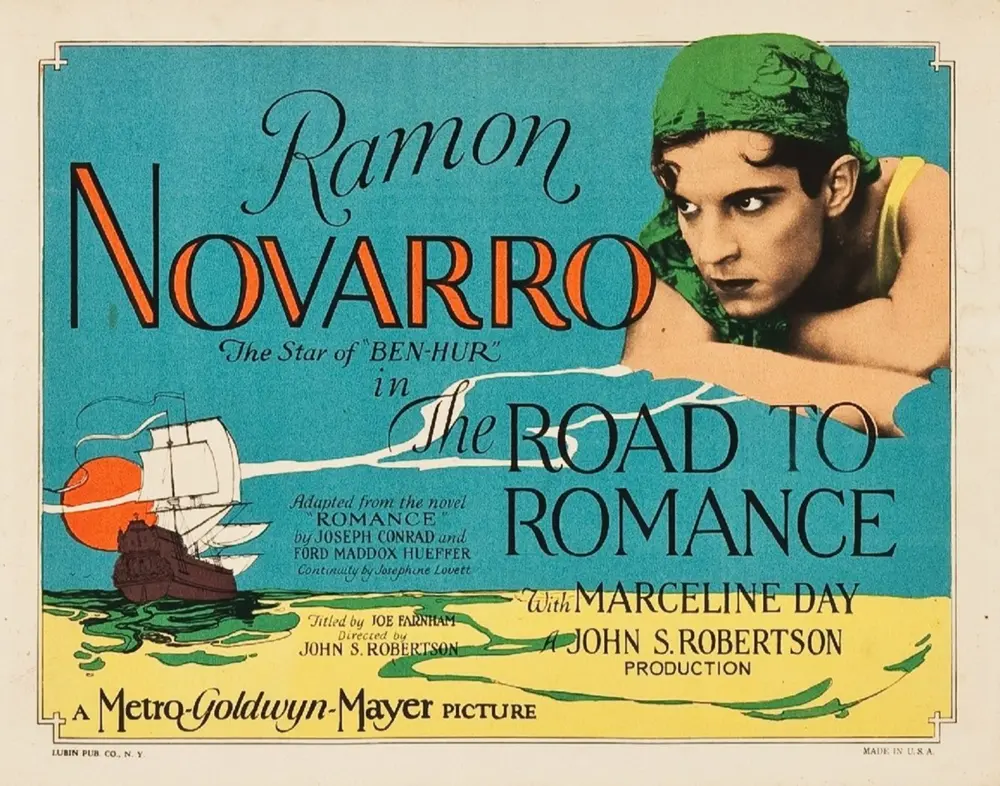
Since its 1927 debut, The Road to Romance has maintained a character-driven intensity status, you are likely searching for more films that share its specific artistic vision. We have meticulously scanned our vault to find hidden gems that resonate with this work.
The 1927 landscape was forever altered by the arrival of to push the boundaries of conventional storytelling.
The beautiful Serafina is captured by Balthasar's pirates on an island near Cuba, but the redoubtable José Armando arrives from Spain to effect her rescue.
The influence of John S. Robertson in The Road to Romance can be felt in the way modern Drama films handle character-driven intensity. From the specific lighting choices to the pacing, this 1927 release set a high bar for atmospheric immersion.
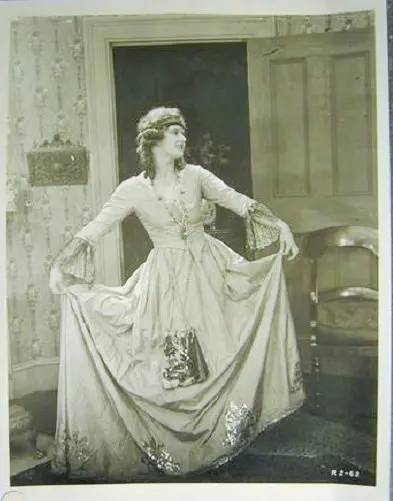
Based on the unique character-driven intensity of The Road to Romance, our vault has identified these titles as the most compelling follow-up experiences for fans of Drama cinema:
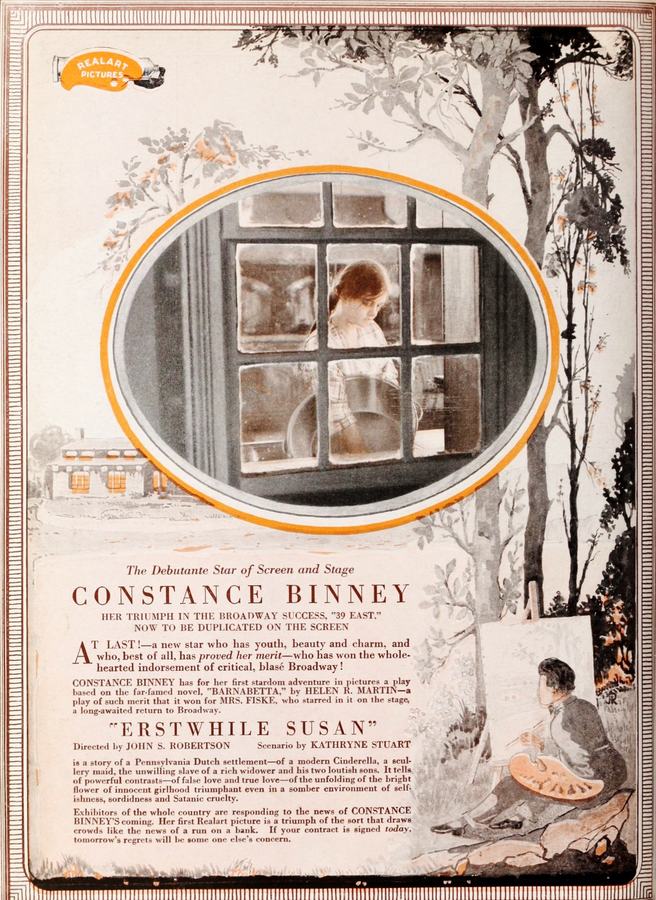
Dir: John S. Robertson
Barnabetta Dreary's grim life of slaving for her Amish father Barnaby and her two brothers, is surprisingly changed when Barnaby marries Juliet Miller. Known as Erstwhile Susan, she becomes fond of Barnabetta, and because she retains control of her fortune, induces the other Drearys to relieve Barnabetta of some of her drudgery. After Barnaby has a stroke brought on when Susan proposes sending Barnabetta to school, she goes to a prep school where the president, Doctor Barrett, and a trustee, State Senator Jordan, both fall for her newly acquired charm, to the dismay of Jordan's sister who loves Barrett. When the sister interferes with Barnabetta's plan to work in the school after graduation, Barnabetta helps Jordan win his campaign for governor, and after exposing him to her family's crude table manners, Barnabetta accepts Jordan's marriage proposal, while Susan succeeds in reforming Barnaby and his sons.
View Details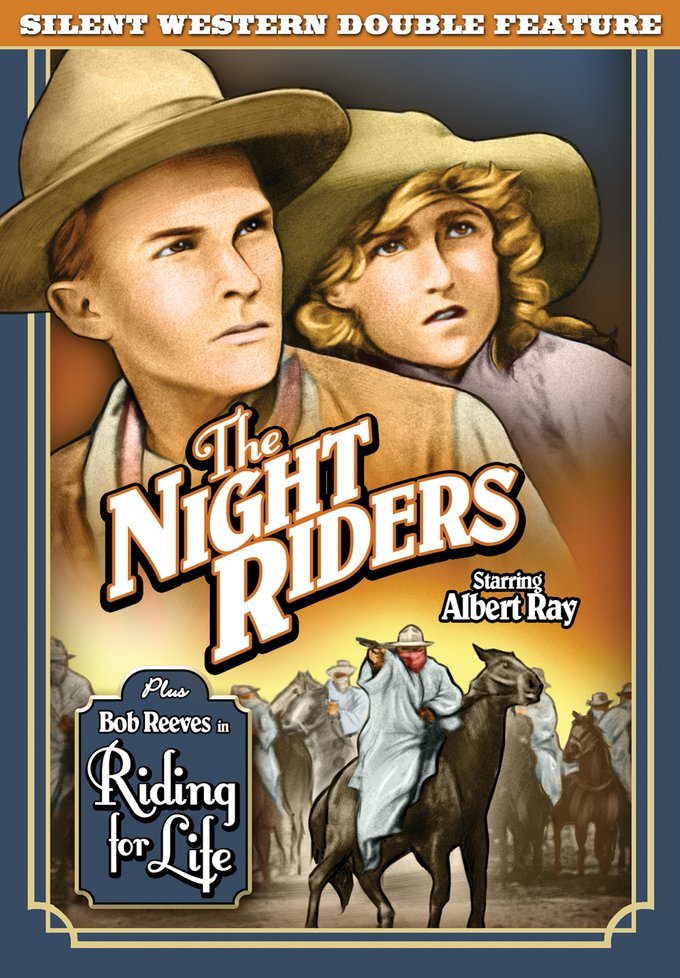
Dir: Alexander Butler
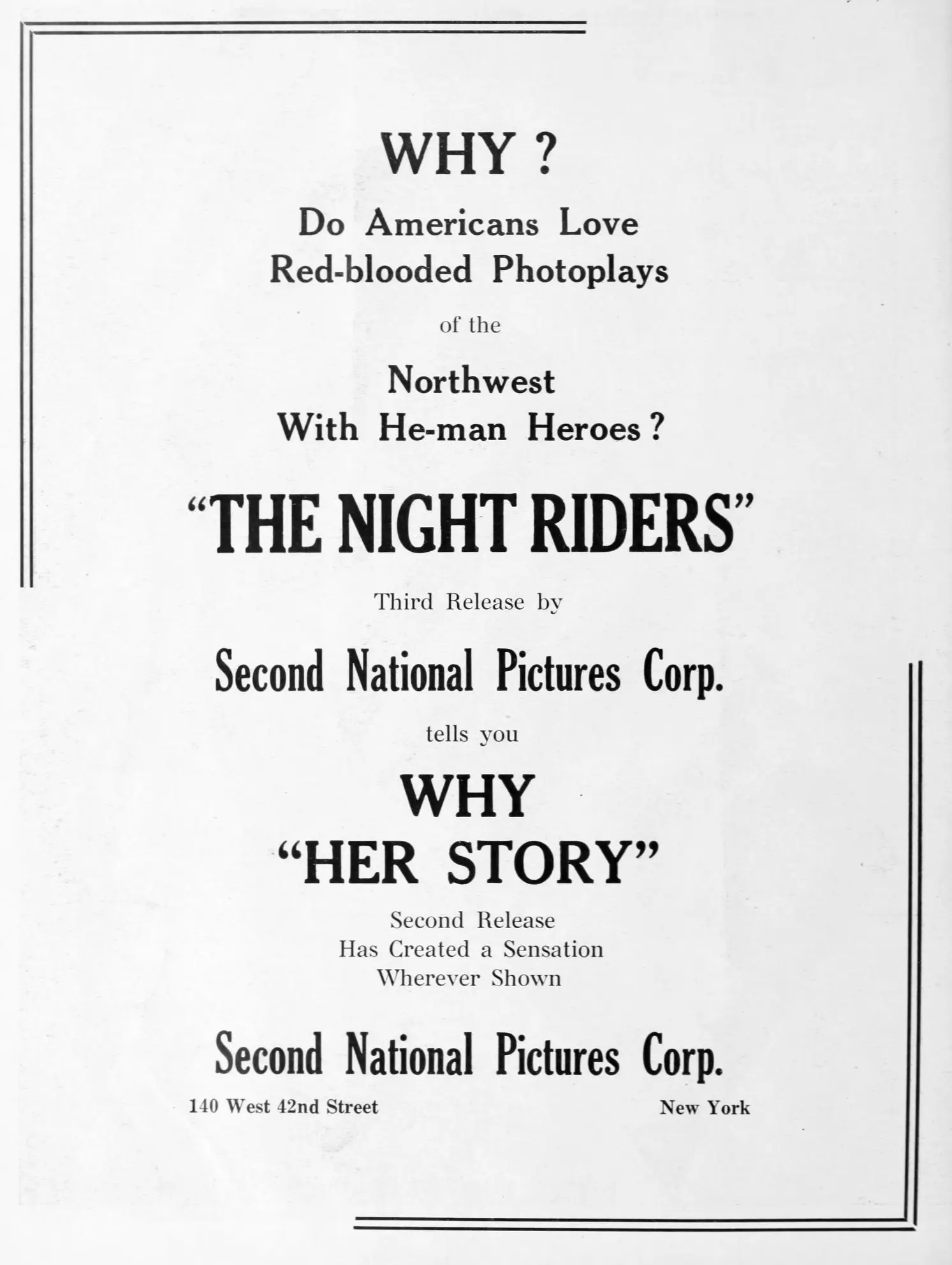
In Alberta, Canada, a Cornish emigrant unmasks a rustler posing as the girl's "blind" father.
View Details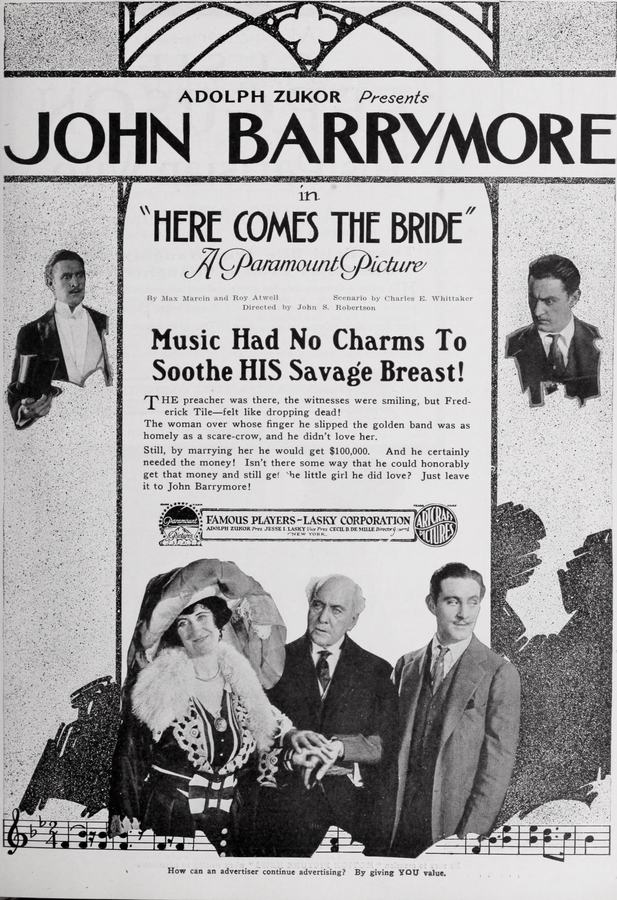
Dir: John S. Robertson
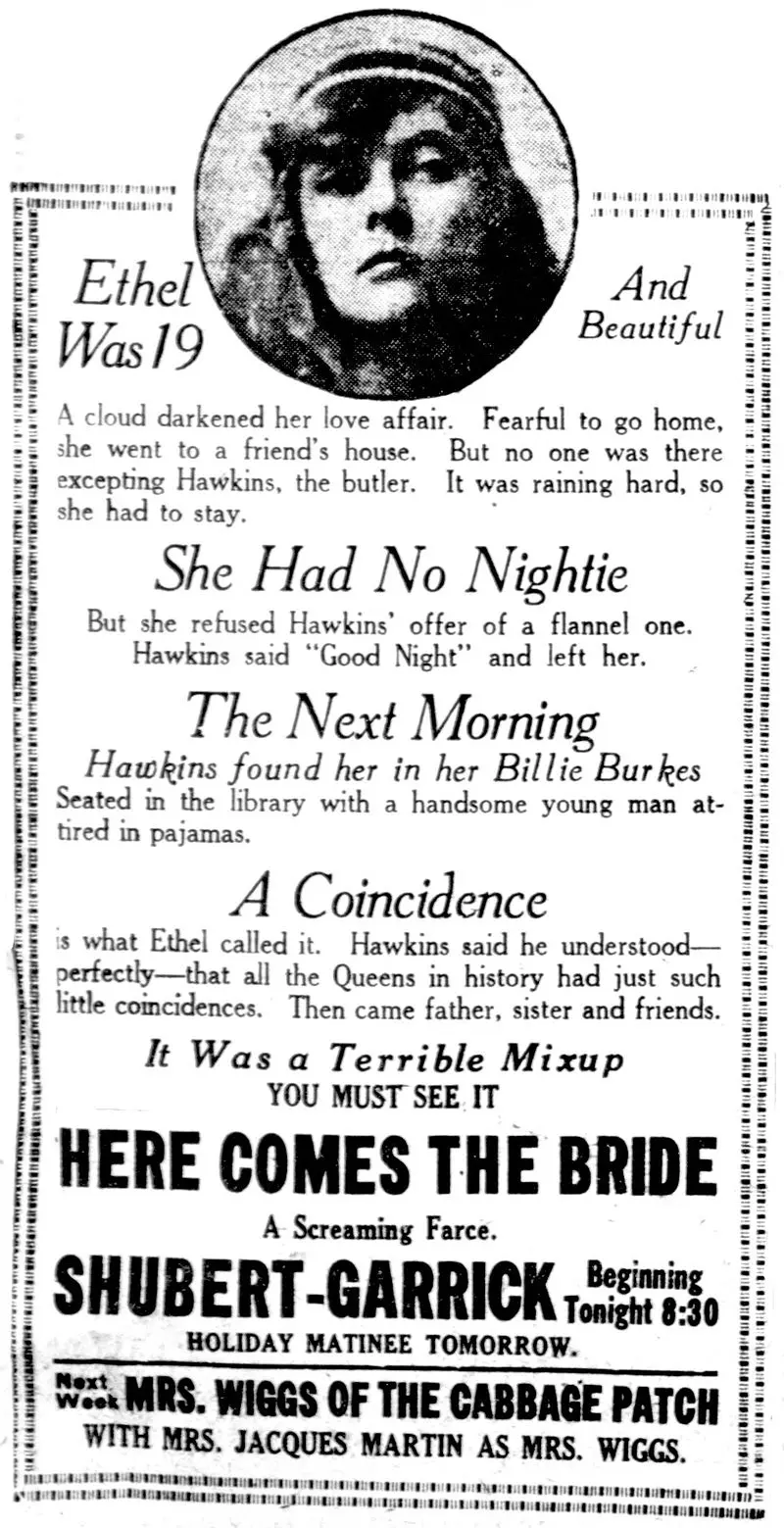
A young man with little means wants to marry a rich girl, and thinks up a scheme to get rich.
View Details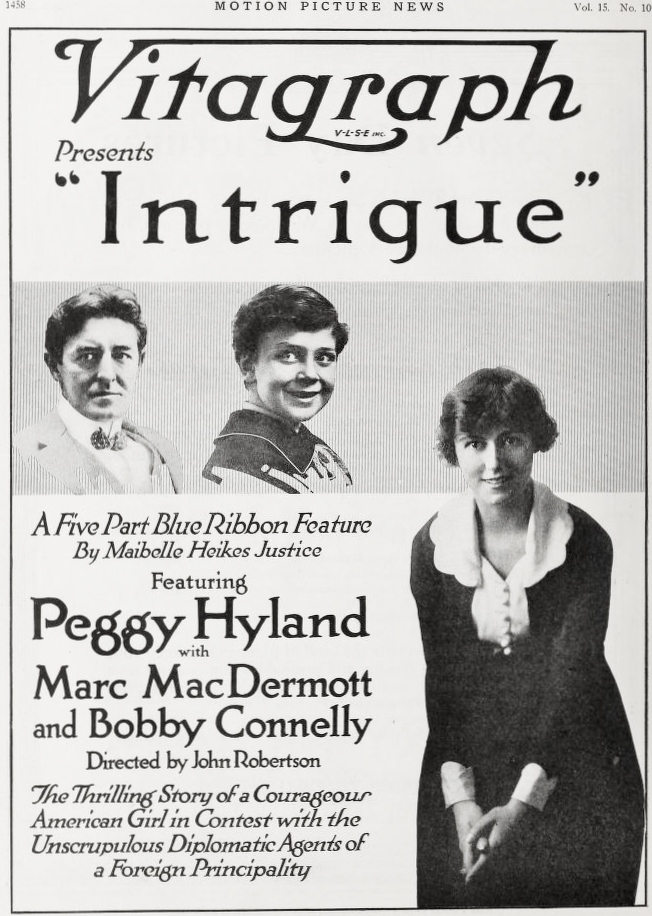
Dir: John S. Robertson
While traveling to meet her sweetheart, Richard Carr, in the capital of the Grand Duchy of Bonaluria, Peggy Dare's train compartment door is thrust open and a little boy is thrown at her feet. Peggy is so taken with the child, who tells her that his name is Manouche, that she looks after him. She foils an attempt to kill Manouche, before arriving in Bonaluria where she learns from Richard that the boy is really the Grand Duke. Peggy and Manouche are then separated as Peggy goes to live with Richard's mother and the boy returns to court. However, the power hungry Prince Henri, who is madly in love with Peggy, abducts the little duke and holds him ransom for Peggy's affections. For the sake of the child, Peggy agrees to go away with the prince and accompanies him to the castle. Carr, believing that Peggy has betrayed him, follows and is imprisoned by the prince. They are all rescued when the Royal Guards, summoned by Peggy, arrive and arrest the prince. Carr then apologizes to Peggy for his suspicions, and together they sail for America.
View Details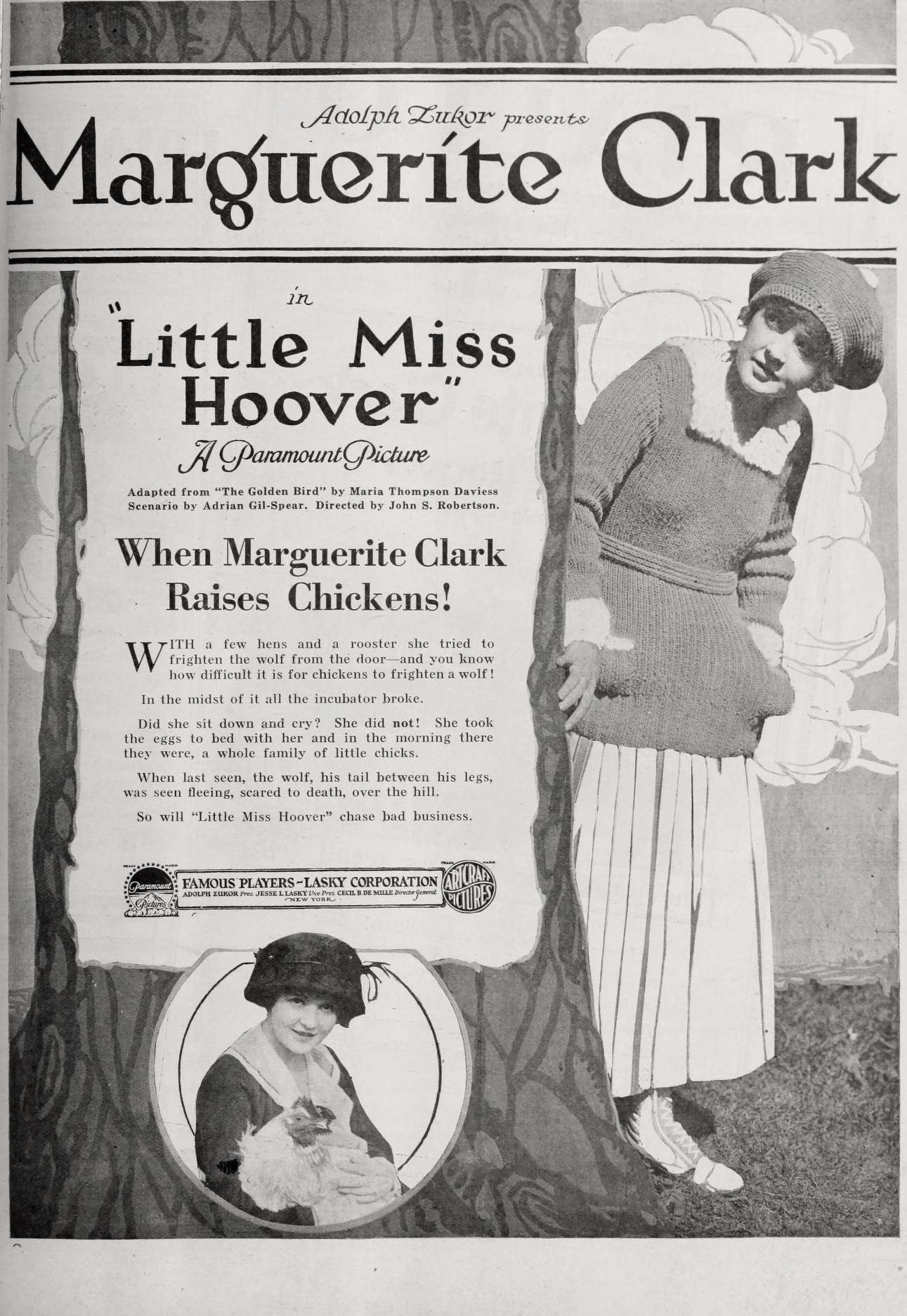
Dir: John S. Robertson
During World War I, Washington, D.C. society girl Nancy Craddock decides to enlist in the Food Administration on the theory that "eggs will win the war."
View Details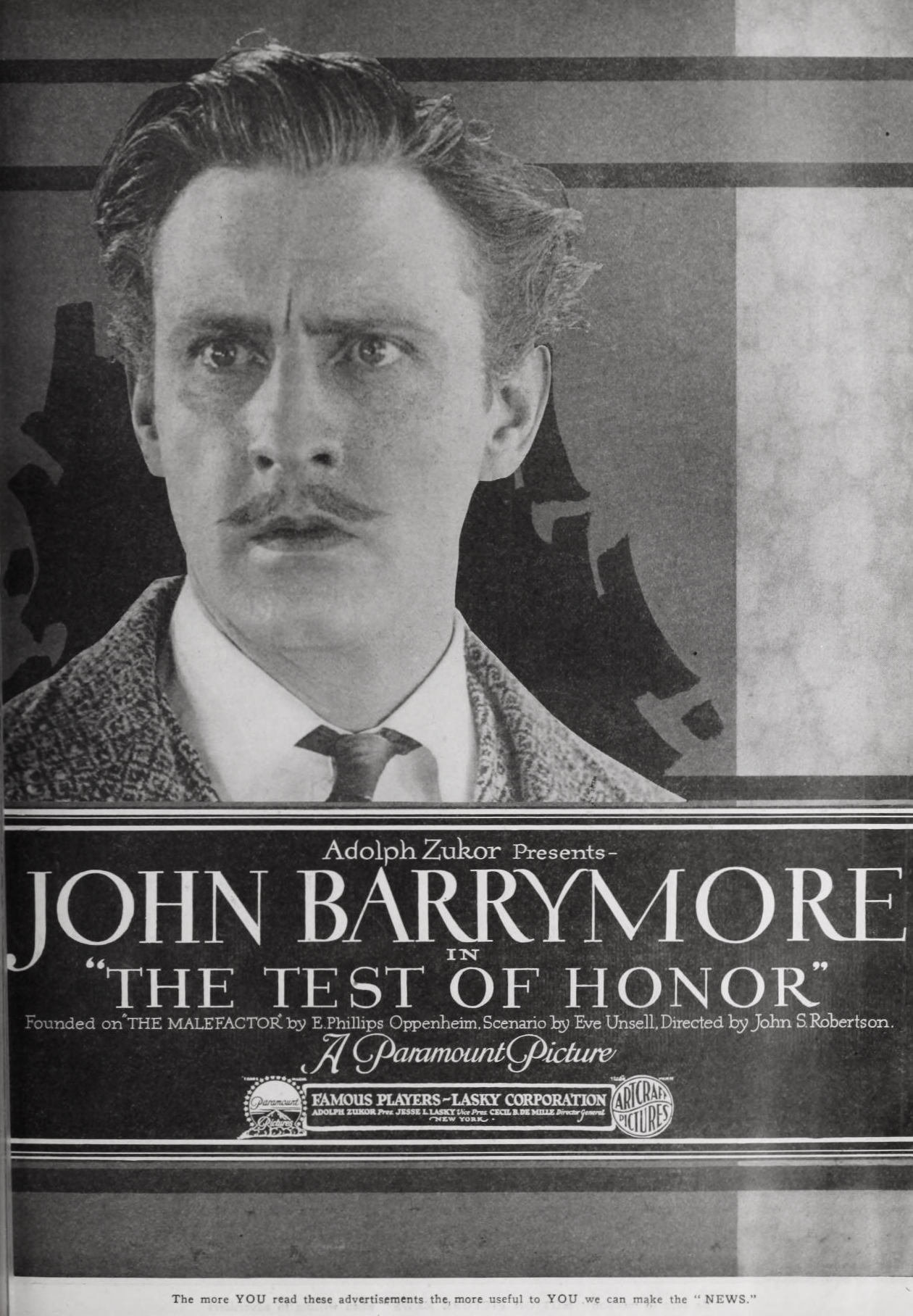
Dir: John S. Robertson
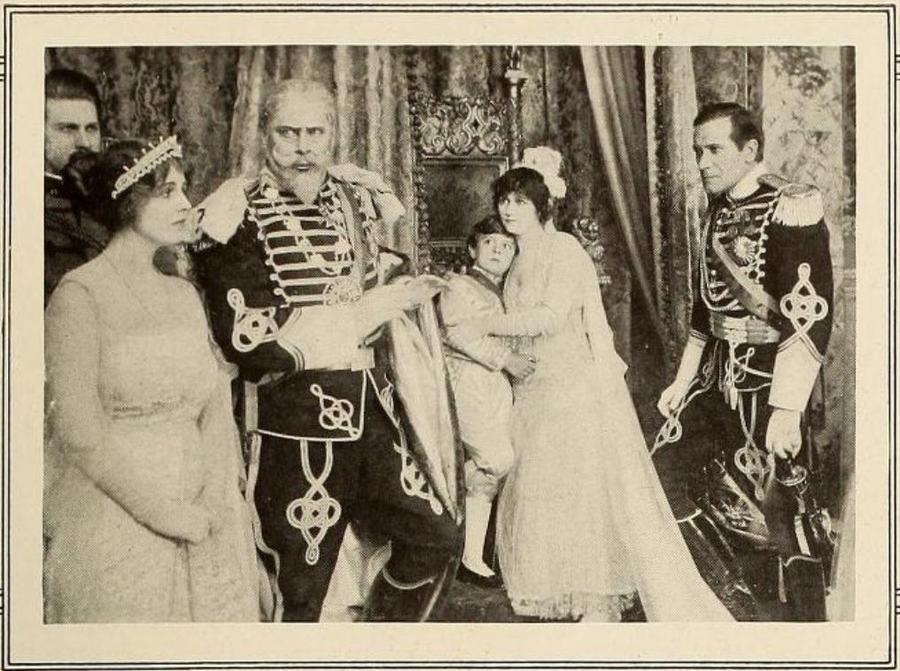
After serving a term in prison for a crime he did not commit, a man exacts revenge upon the two people who framed him.
View Details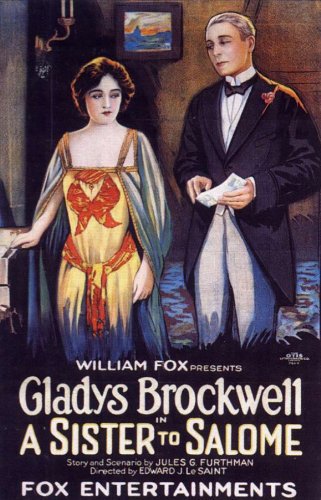
Dir: Edward LeSaint
When famous opera singer Elinore Duane undergoes an operation on her throat, she has a series of ether-induced visions. In one, she is transported to ancient Rome where she appears as a much-admired woman in love with Paul, a young heretic, and at odds with Lutor, the high priest. To save her love, she poisons Lutor with her ring. After several other visions which involve variations on this love triangle, Elinore awakens to discover that Lutor is actually her doctor, Sascha Jaccard, and that Paul is the son of a friend who has come to visit the recovering prima donna.
View Details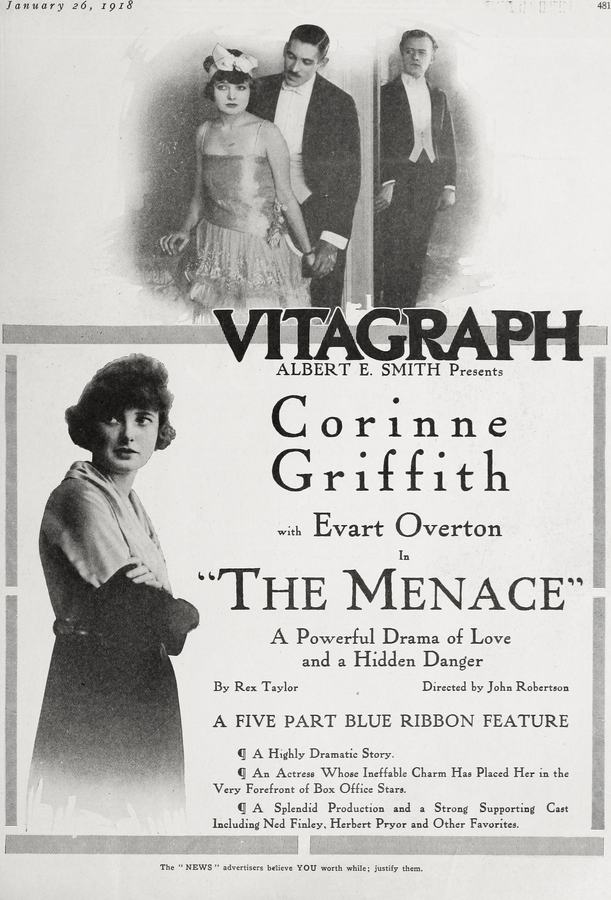
Dir: John S. Robertson
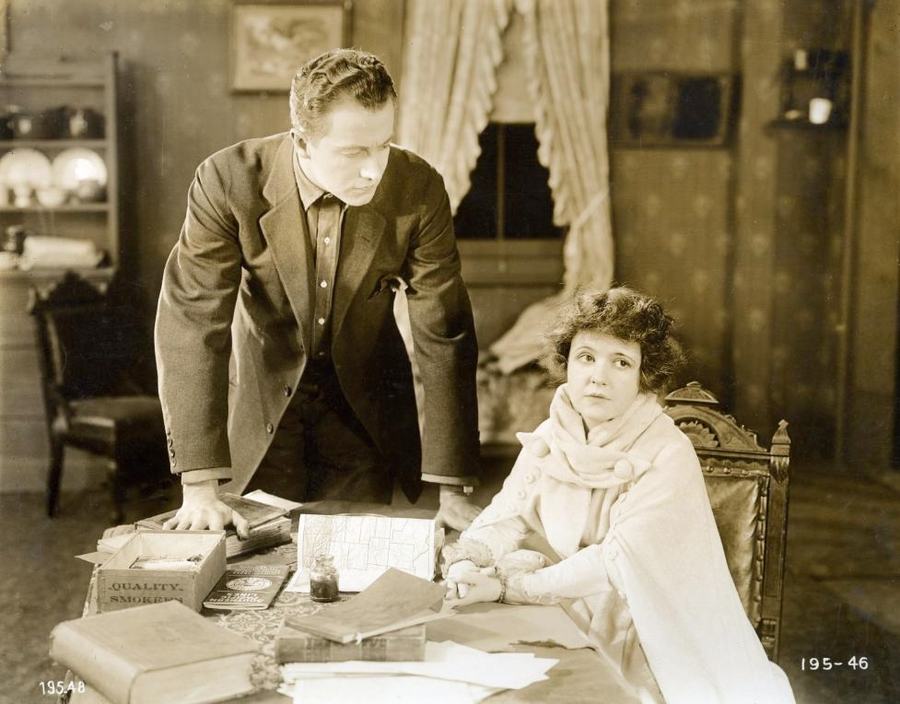
To prove his theory that environment rather than heredity determines a man's character, Dr. Burnell adopts young Richard, the son of an imprisoned crook Morgan. Upon graduating from college, Richard proposes to Virginia Denton, but several days before the wedding, Morgan appears and threatens to reveal himself as Richard's father unless the young man aids him in a number of robberies. Through Robert Hargraves, Dr. Burnell discovers Richard's part in the crimes and starts to believe that his theory is incorrect. When Morgan decides to rob the Denton home, Richard arranges with Dr. Burnell to trap them in the act, but it is Virginia who discovers the two rifling the safe, and she immediately breaks the engagement. After the police arrive, however, Morgan reveals that Richard is actually Dr. Burnell's son, kidnapped by Morgan at an early age. His name cleared, Richard marries Virginia.
View Details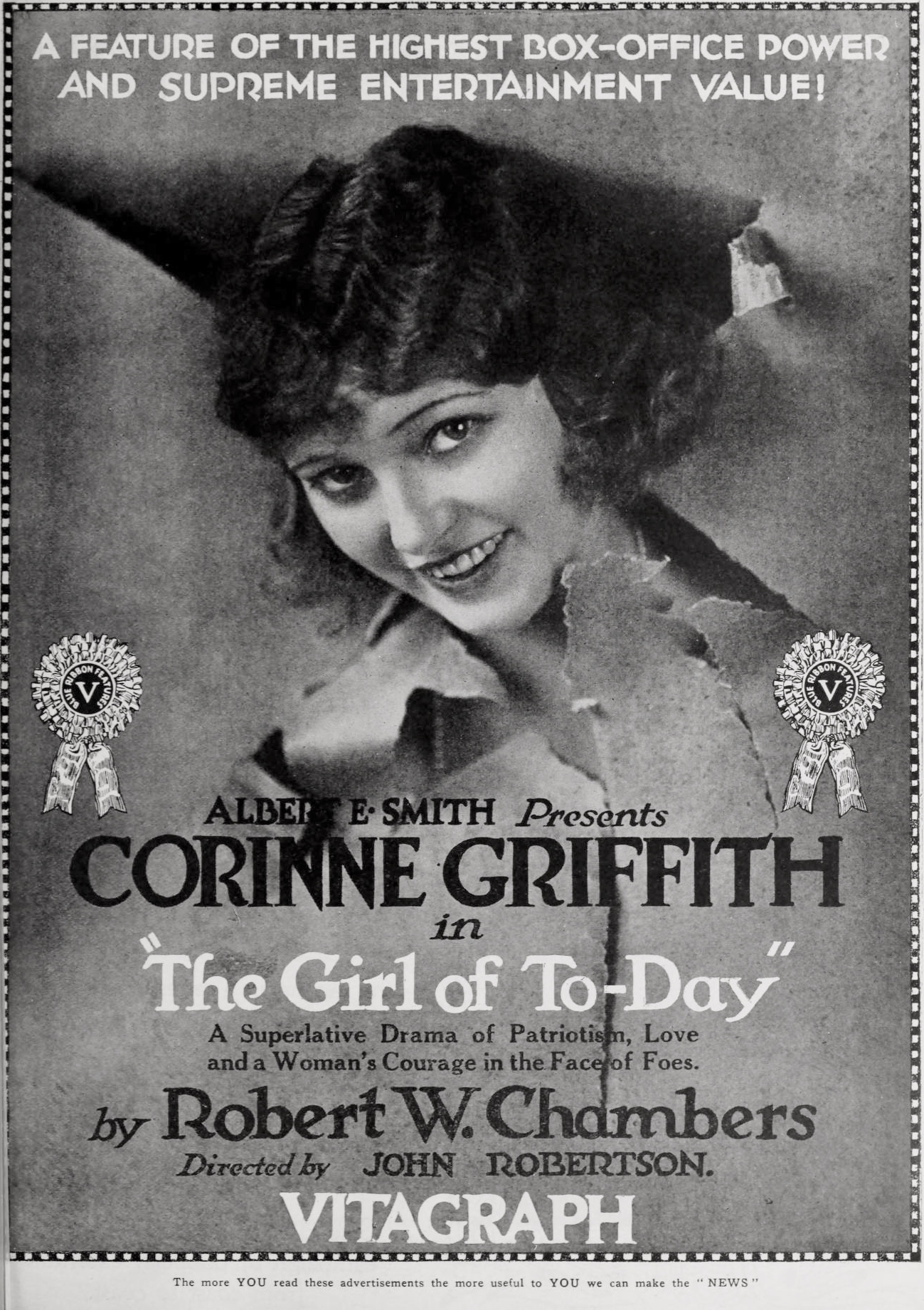
Dir: John S. Robertson
During World War I, beautiful and patriotic Leslie Selden is courted by two ardent admirers: Jack Wynn, a young man not yet taken by the draft, and Dr. Wolff, a Danish scientist who is actually a German agent. When Jack learns that Wolff is masterminding a plot to bomb several munitions factories and destroy the water system in New York City, he goes to the spy's home and confronts him. Wolff locks him up, then forges a note to Leslie claiming that the young man has run away to escape the draft. Her suspicions aroused, Leslie alerts the authorities and plants a dictograph in Wolff's house, through which she learns of the scheduled bombings. Accompanied by the police, she arrives at Wolff's residence just in time to prevent Jack's murder and the destruction of the city.
View Details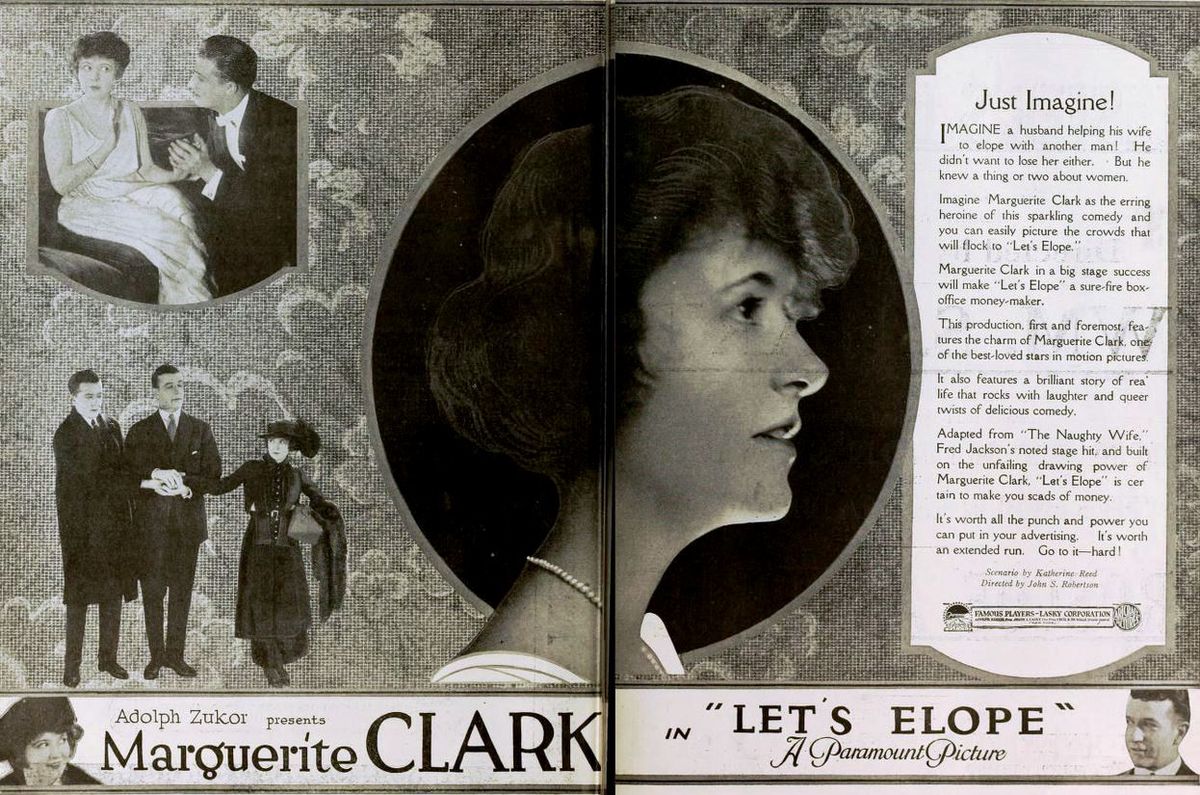
Dir: John S. Robertson
Author Hilary Farrington and his wife Eloise have been married about a year, and although Hilary loves his wife, he has become engrossed in his writing and doesn't realize how lonely his wife has become. Eloise starts spending time in the company of Darrell McKnight, who neglects his own fiancée, Nora Gail. Eloise promises to go west with Darrell if her husband doesn't take her to his bungalow, where he is beginning his new book. Darrell tells Nora that he loves someone else. Nora decides to team up with Hilary to prevent a scandal. When Hilary leaves for his bungalow without asking Eloise to accompany him, she phones Darrell and tells him she will be ready to elope with him in half an hour. While Darrell waits outside the Farrington house, Hilary returns, having forgotten something. Eloise is dressing and does not hear Hilary enter the house. While he is looking for the forgotten item, Nora arrives and tells Hilary the whole story. They agree to work together to make Eloise and Darrell sick of each other. Hilary goes to Eloise's room and feigns surprise when he sees her preparing to leave. Darrell enters the house, and he and Eloise are taken aback when Hilary suggests the pair use his bungalow for their "honeymoon." When the two protest, Hilary convinces them to go by pulling out a gun. Darrell and Eloise encounter another surprise at the bungalow. The chauffeur reports that the car is out of gas, so all three principals have to stay in the bungalow. After a meal in which Hilary keeps reminding Eloise of their own honeymoon, Hilary says he will try to get gas for the car. Just as he is leaving, Nora appears, pretending she is lost and her car has broken down. Now Darrell believes that Hilary and Nora have planned an elopement of their own. Eloise become jealous, and everyone goes off to their rooms except for Hilary, who remains downstairs in the dark. Eloise calls her uncle, who is a Bishop, tells him everything that has happened, and begs him to come to the bungalow to help her get rid of Nora and Darrell. After a series of misadventures during the night, Eloise awakens first, finds Hilary's car, and discovers it has plenty of gas. She drives off and meets the Bishop at the train station. Back at the bungalow, Nora and Darrell have made up and decide to get married as soon as possible. Eloise and the Bishop arrive, and Nora and Darrell get married on the spot. Eloise and Hilary send everyone off in the car, then settle it for their own "second honeymoon."
View DetailsAnalysis relative to The Road to Romance
| Film Title | Atmosphere | Complexity | Similarity |
|---|---|---|---|
| Erstwhile Susan | Surreal | Linear | 92% Match |
| The Night Riders | Ethereal | High | 96% Match |
| Here Comes the Bride | Gothic | High | 93% Match |
| Intrigue | Surreal | High | 91% Match |
| Little Miss Hoover | Tense | Abstract | 93% Match |
This guide was algorithmically generated using the cinematic metadata of John S. Robertson's archive. Last updated: 8/17/2026.
Back to The Road to Romance Details →