
DbcultAccessing Vault...
Recommendations
Senior Film Conservator
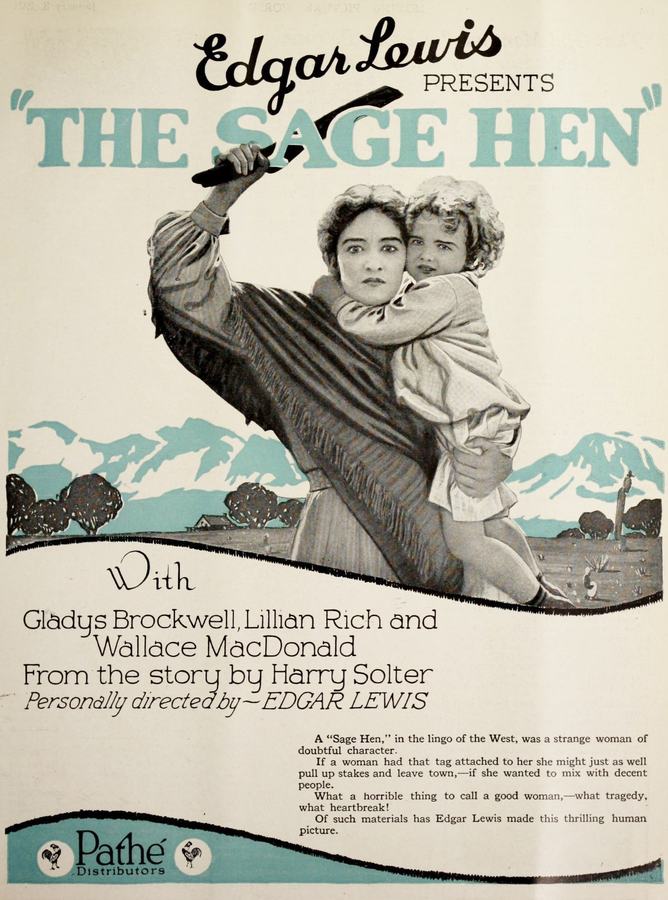
Since its 1921 debut, The Sage Hen has maintained a character-driven intensity status, you are likely searching for more films that share its specific artistic vision. We have meticulously scanned our vault to find hidden gems that resonate with this work.
The 1921 landscape was forever altered by the arrival of to push the boundaries of conventional storytelling.
Jane Croft is the subject of cruel gossip in Silver Creek, Arizona, in 1880, and is nicknamed "The Sage Hen." The Home Purity League drives her out of town with her son, John. She sends him back to town on a horse when they are attacked by Indians. There he is adopted by the Rudds; and when they move away, Jane loses contact with her son for 20 years. In the meantime, she becomes housekeeper to George Sanson and a "mother" to his daughter, Stella. A gold rush brings John back as a lieutenant of cavalry. He falls in love with Stella, but Craney, a gambler, threatens to expose Jane's past unless she gives Stella to him. The father is killed, but John saves his mother and Stella from further jeopardy. Jane confesses her past to her son and is able to find happiness after years of sorrow.
The influence of Edgar Lewis in The Sage Hen can be felt in the way modern Western films handle character-driven intensity. From the specific lighting choices to the pacing, this 1921 release set a high bar for atmospheric immersion.
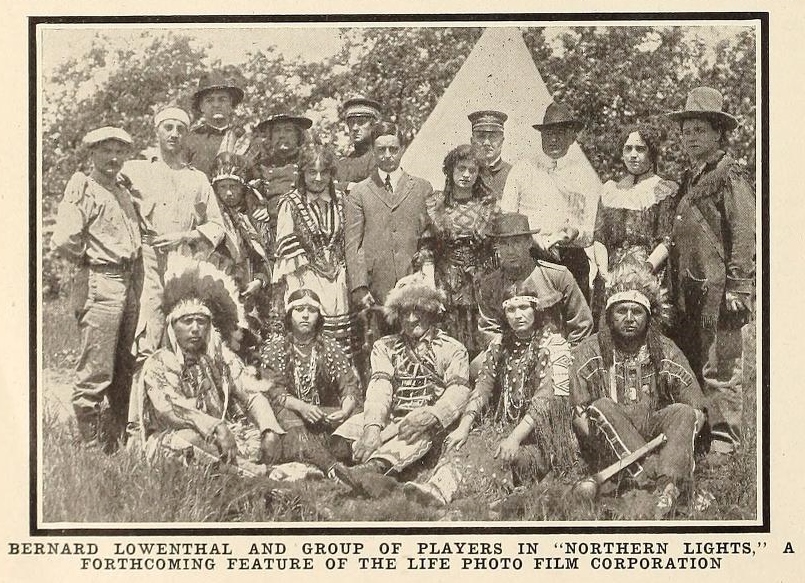
Based on the unique character-driven intensity of The Sage Hen, our vault has identified these titles as the most compelling follow-up experiences for fans of Western cinema:
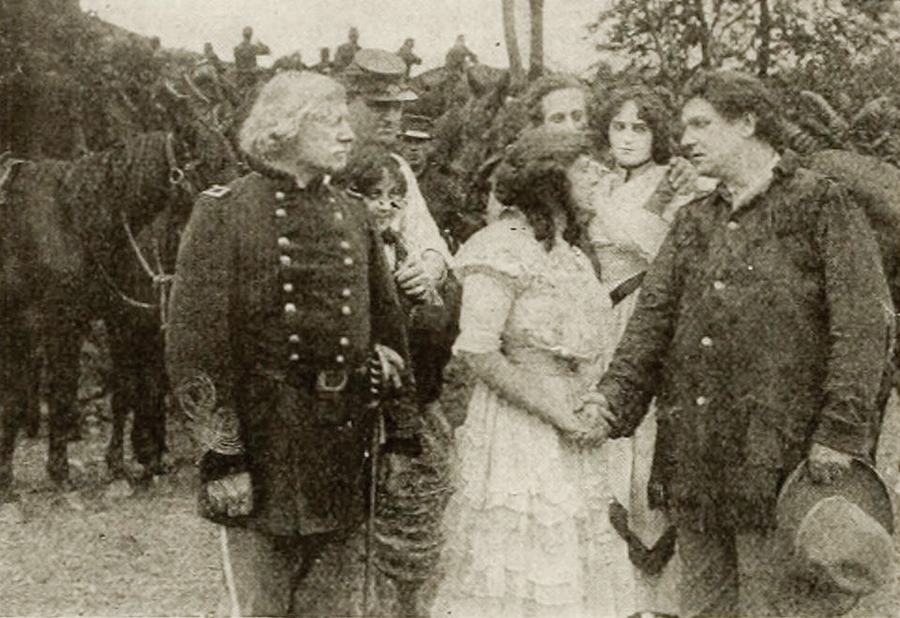
Dir: Edgar Lewis
Captain Gray, of the United States Army, detailed to quell the Indian uprising, is wounded. A courier is dispatched to Gray's home with the news. Mrs. Gray, about to become a mother, receives a violent shock at the recital of the details of her husband's injury by the courier. The child born at this inopportune time is Wallace Gray. The prenatal influence exercised over the child at the time of his mother being informed of her husband's injury marks him as a coward. The report of a shot or the sound of an explosion throws the lad into spasms of fear. He is sent to college and there forms a strong comradeship with Swiftwind, an Indian, sent by his tribe to be educated. Wallace also forms a strong attachment for Florence Dunbar, a ward of his father, who is now Colonel Gray. Swiftwind is made acquainted with the moral defect inherent in Wallace and pities and protects him whenever the lad is made the subject of the jeers of his friends because of his born defect. Swiftwind becomes a graduate physician and receives a commission as assistant army surgeon, detailed to Fort Terry, in command of Colonel Gray. His immediate superior is Dr. Sherwood, an unscrupulous man. Florence Dunbar and Wallace Gray, traveling in a stagecoach to Fort Terry, are attacked by Indians. Wallace, with a cringing fear, deserts his companion, who is saved only by the timely arrival of Dr. Sherwood and troops. Sherwood marries Florence, nothing more being heard of Wallace, who, however, enlists in another regiment under General Crook, deserts under fire, and ultimately surrenders himself to his father, in the hope that he will be condemned to death. The boy, however, is sentenced to the "pyramids." While working under "ball and chain" he hears that his father and a small band of Americans are hemmed in a canyon by Indians with no hope of relief. The latter, having observed the Northern Lights in the heavens, follow their belief that the "Lights" foretell victory in battle and start on a massacre. General Crook calls for a volunteer to pass through the Indian lines to deliver a message to Colonel Gray. Swiftwind volunteers, but being weak from exhaustion and privation, falls as he is about to commence his ride. Wallace begs for the opportunity to redeem himself, and mounting his horse, arrives with the message to the besieged band just as they are about to recognize a false flag of truce of the Indians. Sherwood attempts to kill his wife by substituting cholera germs in a bottle labeled morphine. He is injured, however, and Swiftwind, intending to alleviate Dr. Sherwood's suffering with morphine, inoculates him with the cholera germs, unwittingly putting an end to him. Wallace's redemption restores him to the affection of Florence, whom he marries.
View Details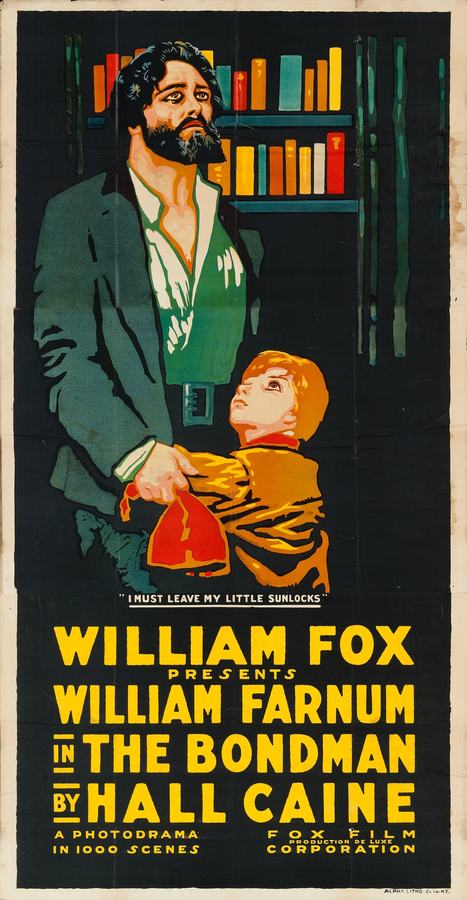
Dir: Edgar Lewis
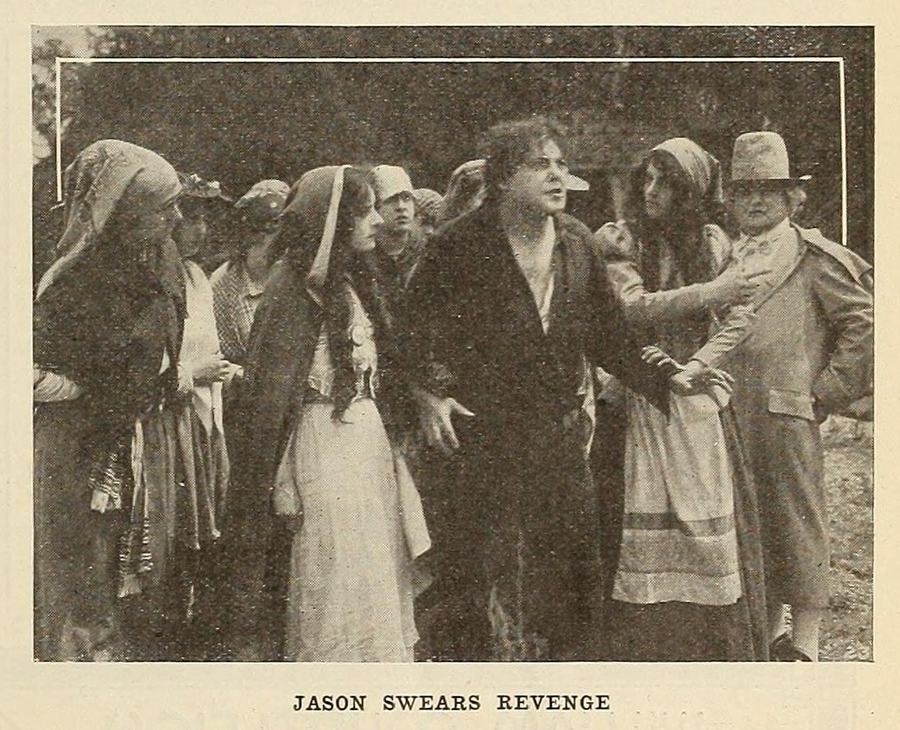
Stephen Orry is an Icelandic vagabond. Rachel, the daughter of the governor of the province, is attracted to him. Her father, who is against the relationship, drives her from home, and she marries Orry. But she cannot make a man out of Orry, who runs off to sea. Rachel supports herself and her son Jason, while Orry begins a new life on the Isle of Man. He marries Liza Killey and they have a son named Sunlocks. When Liza mistreats Sunlocks, Orry takes him away to the governor of the Isle for safekeeping. After Rachel dies, Jason sets out for revenge against his father. His half-brother Sunlocks sets out for Iceland to find Rachel and Jason to make reparations, while Jason comes to the Isle of Man. While there, Jason saves his father from drowning, and after his father dies from a natural death, he turns his desire for revenge against Sunlocks. But when Sunlocks becomes a political prisoner, Jason forgoes his revenge and dies in place of Sunlocks.
View Details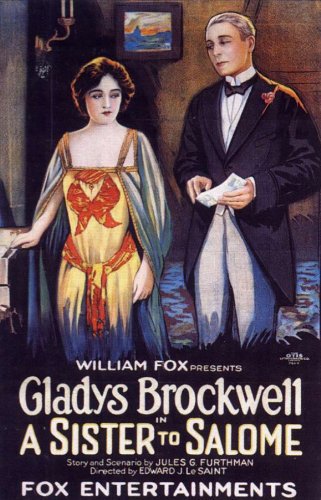
Dir: Edward LeSaint
When famous opera singer Elinore Duane undergoes an operation on her throat, she has a series of ether-induced visions. In one, she is transported to ancient Rome where she appears as a much-admired woman in love with Paul, a young heretic, and at odds with Lutor, the high priest. To save her love, she poisons Lutor with her ring. After several other visions which involve variations on this love triangle, Elinore awakens to discover that Lutor is actually her doctor, Sascha Jaccard, and that Paul is the son of a friend who has come to visit the recovering prima donna.
View Details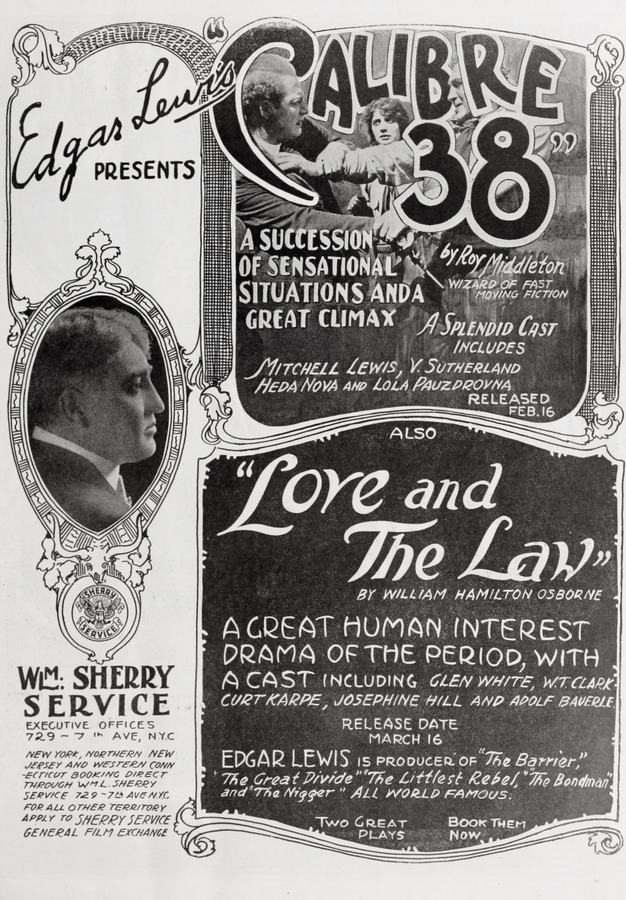
Dir: Edgar Lewis
Montana cattleman Austin Brandt is jilted by Rosemary, who elopes with stranger Royce Greer, but he is consoled by his 20-year-old niece Joan. Rosemary later returns to Custer City to run a dance hall with her husband, who mistreats her. Eastern capitalist Robert Barton comes to town with his son Ford to settle a financial misunderstanding with Brandt. After reprimanding his son, Robert Barton is later found dead in his bed. Knowing of their financial argument, Ford believes Brandt is responsible, while Greer and his gang claim that Ford committed the murder. Convinced of his innocence, Ford asks Brandt to help him find the murderer. They discover that Barton was shot with a .38 caliber bullet, and Greer carries such a revolver. Meanwhile Greer's mob storms Brandt's house demanding Ford be taken prisoner. Brandt forces a confession from Greer, who is dragged away. After her husband's death, Rosemary departs and leaves a note explaining her love for Brandt. Joan and Ford find happiness together.
View Details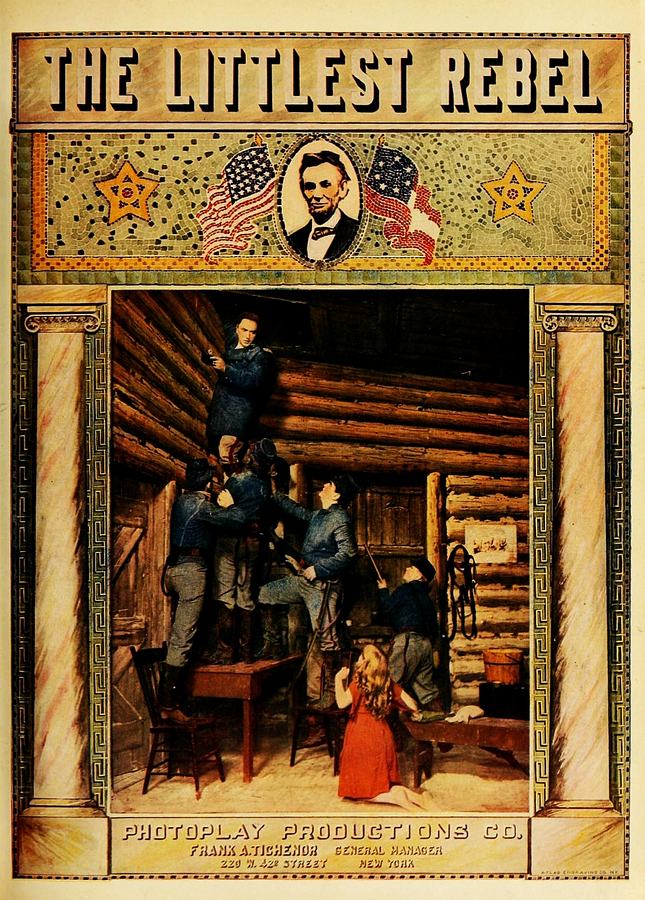
Dir: Edgar Lewis
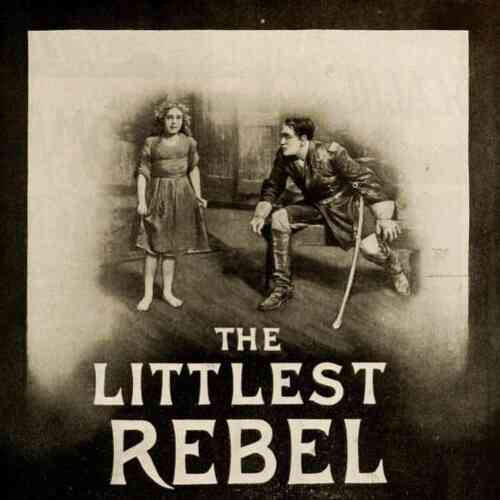
Herbert Carey discharges the Dudley brothers, Joe and Jim, from their positions as overseers on his plantation and thereby incurs their enmity. War is declared and Carey, after bidding his wife and daughter Virgie farewell, joins the Southern forces, the Dudleys joining the Northern. The spring of '61 finds Carey the most dangerous and daring of Confederate scouts. The Dudleys are under the command of Colonel Morrison, a dashing, chivalrous young Northern officer. Grant closes in on Richmond and orders Morrison to capture Carey. Morrison takes a small detachment of troops, including Jim Dudley, and going to the Carey homestead, searches it. Dudley, seeing a chance for revenge, sets fire to the house, but in endeavoring to escape is shot and killed by Morrison, who has discovered his treachery. Penniless and with the house in ruins, Mrs. Carey and Virgie finally seek shelter in their former overseers' deserted cabin. Mrs. Carey sinks down and finally dies. Carey, hearing of this, gets to the cottage and assists Uncle Billy to bury her. Carey, wishing to remove Virgie to Richmond, receives a pass from Lee permitting Virgie and an escort to go through the Confederate lines. As he goes to the cottage to deliver the pass to Uncle Billy he is discovered and captured in it by Morrison. Carey tells him why he had come and Morrison's heart, being touched, he also gives Carey a pass through the Northern lines, telling him to take Virgie into Richmond himself. Joe Dudley discovers this and informs the Northern officer that Morrison has given a pass to Carey, the notorious scout, to pass through the Northern lines. Carey and Morrison are captured, court-martialed and sentenced to be shot. Little Virgie, hearing of this, goes to Grant and pleads with him to save her "Daddy." Carey is called before Grant and tells his story. Grant's heart is touched and he releases Carey telling him that though he cannot honor Morrison's pass, he can honor that of General Lee. Morrison is released also, and Carey and The Littlest Rebel. Virgie, are once more reunited. After the war finds Morrison, his wife and child, meeting Carey and Virgie over his wife's grave; the North and South join hands. The Confederate flag is seen meeting the Stars and Stripes; they flutter for a moment, then slowly intertwine and the picture fades away.
View Details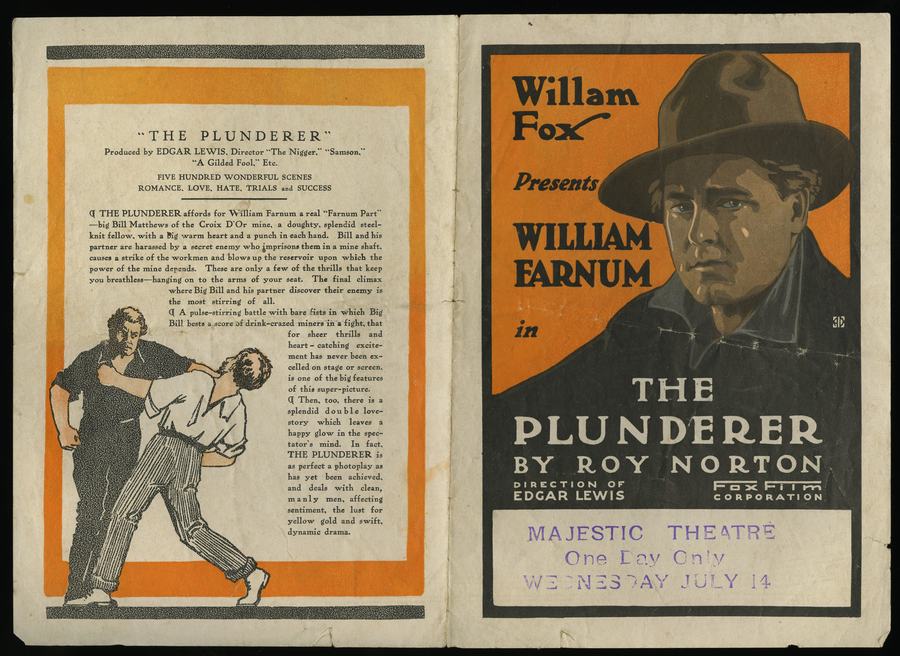
Dir: Edgar Lewis
Bill Matthews and his partner, owners of the "Croix D'or mine, are beset on all sides dues to the schemes of a trusted colleague who plots to take their mine away from them, and leaves no under-handed method un-attempted in the process.
View Details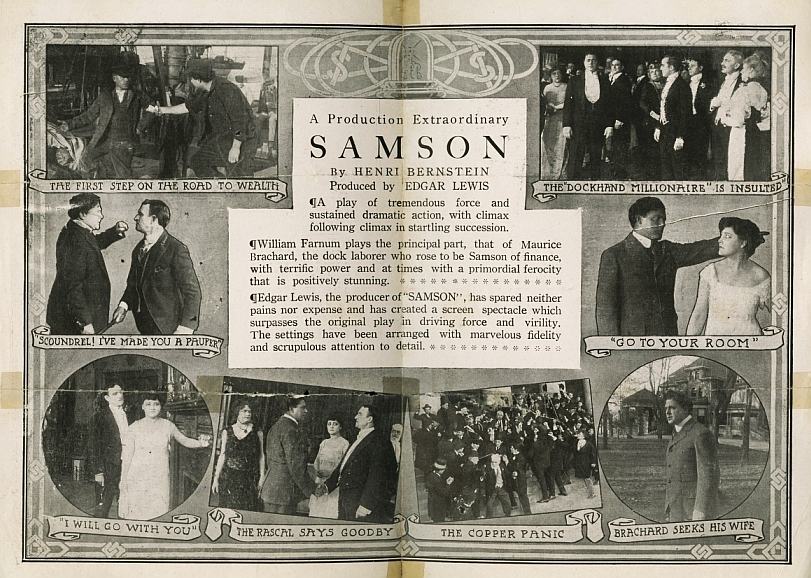
Dir: Edgar Lewis
Murice Brachard, a dock laborer, rises to be a "Samson" of finance with terrific power and a primordial ferocity, which he needs when his wife spurns his devotion, and people he trusts try to pull down the structure of wealth he has erected.
View Details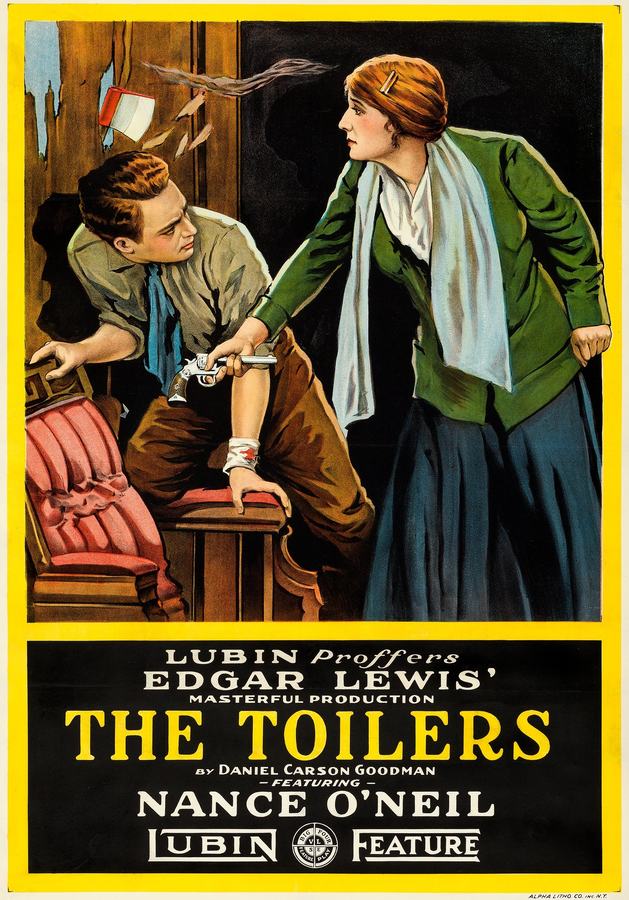
Dir: Edgar Lewis
The scene is set in the Pennsylvania petroleum region. Oil worker William Brett has used his scanty hoard of savings to send his daughter Jane to the city to secure a higher education. Completing her course as a trained nurse, Jane visits her old home. Amid the settlement's corroding influence, her brother becomes a thief. Jane's sister Annie falls a prey to the blandishments of a tempter from the city. Fired with indignation against the injustice of affairs, Jane devotes herself to the double mission of avenging and of righting the wrongs of which her family and the community in general have been subjected. Her father is seriously hurt in an accident at work, and his pay is stopped. Jane hastens to the city, determined to make an effort to awaken William Jameson, the millionaire owner of the oil field, to a realization of the wrongs imposed upon the workers. She arrives at a time when the millionaire's son John Jameson, who glimpsed the light of uplift, is vainly pleading with his father to listen to his plans for the betterment of the workers' conditions. Jane is compelled to force her way into the Jameson mansion during the progress of a bal masque given in aid of the Society for Prevention of Cruelty to Animals. She accosts William Jameson in his study, and wild with anger and further maddened by the millionaire's gibes, she tries to kill him and is arrested by detectives. Although she and young Jameson have not met, the latter is instrumental in obtaining her release. Jane goes back to the workers and a secret strike is formed, Jane being the ring-leader. They determine to fire the wells to teach Jameson a lesson. It is at this time that John Jameson comes to the oil wells to investigate conditions. His identity is not known by anyone except the superintendent. Morgan, the ringleader of the workers, is in love with Jane, and on the eve of the firing of the wells he learns of Jameson's identity by breaking into his cottage. The same evening, to save the property, young Jameson goes to Jane, confesses his identity, and pleads with her to help him save the property. Jane is in a quandary. She has fallen in love with the man, whom she believed to be a workman, and he with her. Finally, when she goes to the meeting place of the strikers and pleads with them to hold off, Morgan, who has just broken into Jameson's hut, rushes in, and accuses her of being a traitor. There is a fight. They trample over Jane and rush to the wells. Jane, realizing that they will turn to her unsuspecting lover and try to kill him, drags herself to him and just in time throws herself in front of him as the strikers rush to kill him. However, John Jameson bares himself to the strikers, asks them to listen to him, and proves to them that he is there on their behalf. He then goes to his father and forces him to give in to the strikers, and all ends happily.
View Details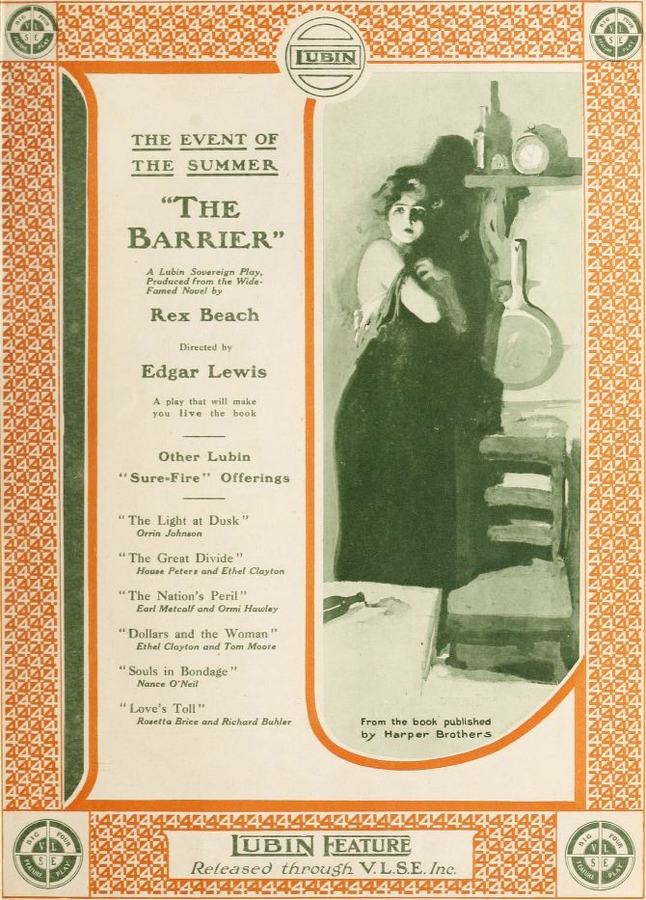
Dir: Edgar Lewis
A barrier stands between Lt. Meade Burrell and Necia, the woman he loves. That barrier is the fact that she's a "half-breed"--half-Indian and half-white, with an Indian mother and John Gale, a white trader, for a father. Although he has proposed marriage to Necia, she releases him from it when she realizes the damage that marrying a half-breed would do to him personally and professionally. One day a man arrives in town with information that could solve everyone's problems.
View Details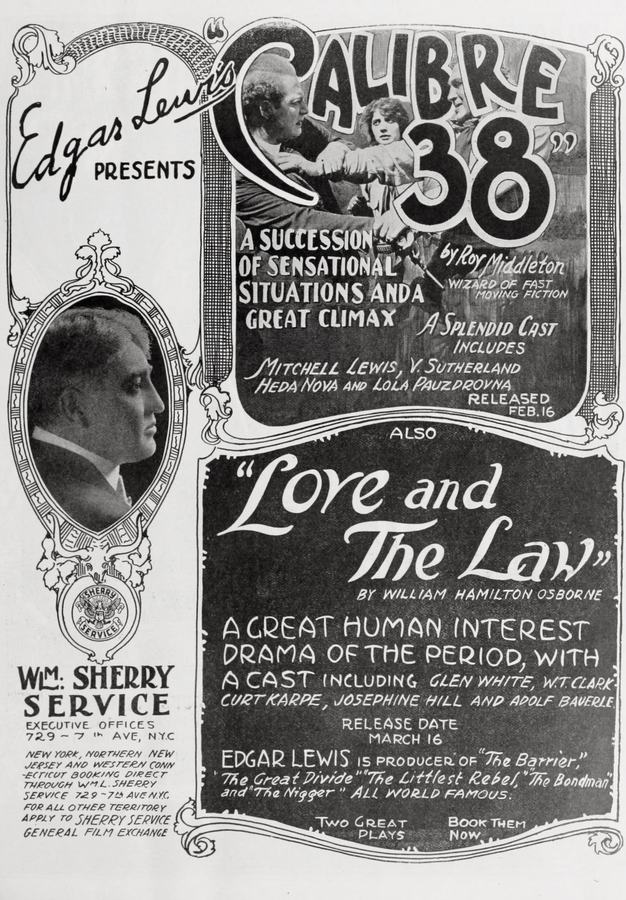
Dir: Edgar Lewis
Karl "Curly" Casterline, a wrongfully discharged New York City policeman, finds work on the Midwestern farm of Adolf Bauerle to help the war effort. Curly is attracted to his boss's niece, Mina, but also realizes that Adolf and his cohort, Kurz, plan to blow up a troop train. Curly kills the two saboteurs and saves the train, but he is jailed by the abusive Sheriff Herman Lindig. Although Mina praises Curly for saving the soldiers' lives, he is sentenced to death and is denied a pardon from the governor. After the case attracts national attention, the governor explains that he prolonged Curly's incarceration to draw attention to the danger of German propaganda. Curly marries Mina and is later pardoned by the governor, who enlists him as an officer to protect the state from its enemies. Sheriff Lindig and his German conspirators are convicted and escorted to federal prison by Curly.
View DetailsAnalysis relative to The Sage Hen
| Film Title | Atmosphere | Complexity | Similarity |
|---|---|---|---|
| Northern Lights | Tense | Abstract | 94% Match |
| The Bondman | Ethereal | High | 91% Match |
| A Sister to Salome | Gothic | High | 88% Match |
| Calibre 38 | Gritty | Linear | 92% Match |
| The Littlest Rebel | Gothic | High | 92% Match |
This guide was algorithmically generated using the cinematic metadata of Edgar Lewis's archive. Last updated: 6/25/2026.
Back to The Sage Hen Details →