
DbcultAccessing Vault...
Recommendations
Senior Film Conservator
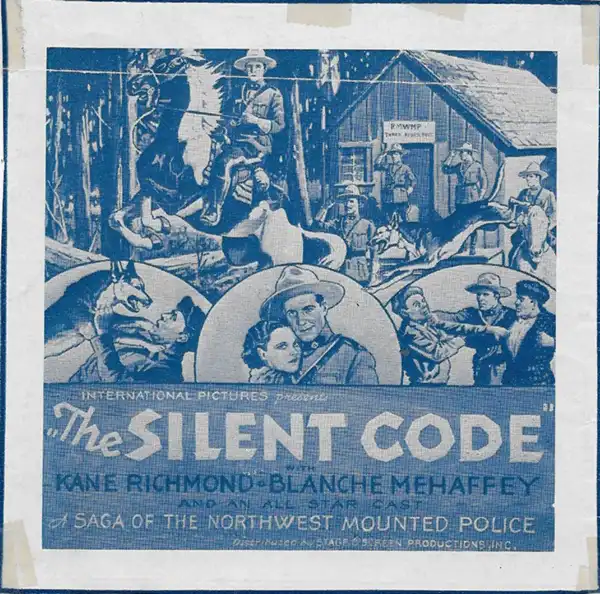
Witnessing the stylistic evolution of Stuart Paton through The Silent Code is profound, audiences who connected with its message often look for similar thematic gravity. Each of these movies shares a piece of the emotional resonance that made The Silent Code so special.
The synthesis of form and function in The Silent Code to establish Stuart Paton as a true visionary of the 1935s.
Nothwest Mounted Police Corporal Jerry Hale is assigned to take over the district of a fellow-officer, and is puzzled as he had worked this district before and had been mysteriously transferred, disrupting his romance with Helen Brent, the niece of Peter Barkley, the Factor at the trading post. An accountant of the company Berkley works for threatens to expose him when his account is found $10,000 short. Barkley pleads for more time to raise the money. His opportunity arises when he learns that Helen's father and his brother-in-law, Nathan Brent, has struck it rich and is on his way to visit Helen. Barkley instructs his henchmen Carney and Breen to lie in wait and rob Brent of his gold. Brent has a premonition of trouble and buries his gold, making a map of the location. Barkley is disturbed by the arrival of Corporal Hale and goes to warn his men, and finds them already engaged in the attack on Brent. Brent's dog Wolfgang (played by a dog named Rex, or maybe the other way around) attacks Barkley who, in trying to shoot Wolfgang (or Rex) shoots Brent instead. Hale rushes toward the sound of the shot and the hidden Barkley watches the dying Brent give him the map. On his way to town, Hale is knocked unconscious off his horse, and Barkley takes the map, studies it and then replaces it. Hale reports the murder to Mountie headquarters, and is amazed to find himself accused by his Commandant of the murder and he produces three affidavits attesting to his guilt. Things look dark for Hale, but Wolfgang (or Rex) is also working on the case.
Based on the unique emotional resonance of The Silent Code, our vault has identified these titles as the most compelling follow-up experiences for fans of Western cinema:
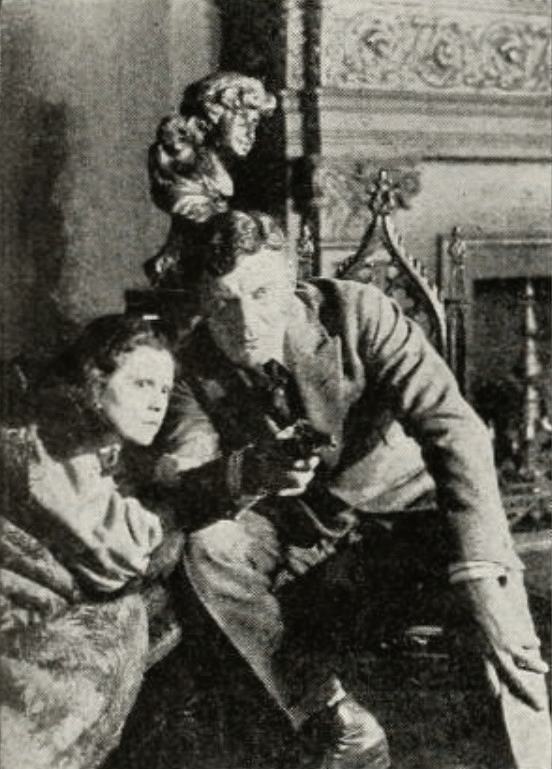
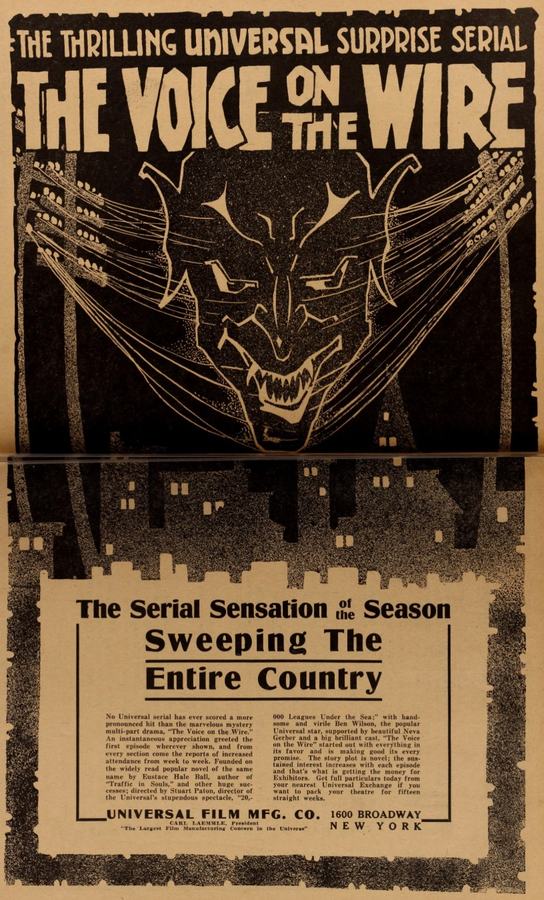
Dir: Stuart Paton
Episode 1: "The Oriental Death Punch" Alvin Van Cleft has a penchant for chorus girls, particularly Polly Marion. One night they leave a café and enter a taxi, closely watched by two muffled figures. As Van Cleft and the girl are riding through the park Van Cleft falls into a stupor, a mysterious hand which seems to have no attachment to a body, enters the cab and kills Van Cleft. Later Howard, his son, is notified by a mysterious voice that his father has been murdered and is the third victim, two others interested in chorus girls having preceded him. Howard notifies John Shirley, interested in criminology, and Professor Montague, a prominent physician, and they, together with Cronin, head of a detective agency, start working on the case. Shirley arrives at the conclusion that Van Cleft was murdered by the Japanese death punch, Sen Si Yao, as he is telling this to his friends he receives a telephone message that Cronin is in Bellevue Hospital with a crushed skull and that Montague may be the fourth victim. Shirley visits Cronin, who tells how he was beaten by two chaps who had been in the same taxi with him. Shirley then receives a message that he will be the next victim if he does not stop meddling in others' affairs. The professor, to the surprise of Howard, disguises himself and goes out the back way; as he jumps over the wall he is attacked by two thugs, whom he overpowers and marches to the police station.
View Details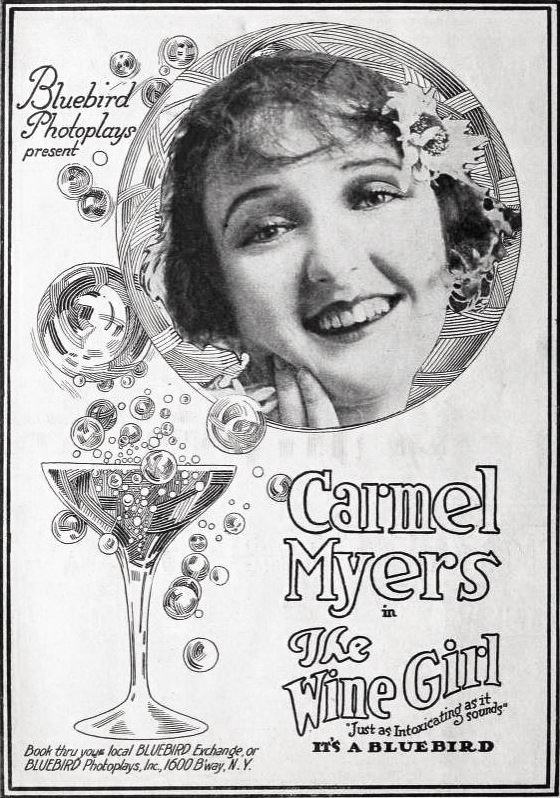
Dir: Stuart Paton
Andrea Minghetti runs a California vineyard with the help of his pretty niece Bona, who cooks for the employees. A worker named Chico Piave, who belongs to a secret crime society, tries unsuccessfully to force himself on Bona, and later, he demands that Andrea give him both the young woman and a large sum in cash. Meanwhile, the wealthy Frank Harris accepts a job at the vineyard on a dare and is so impressed with Bona's cooking that he offers her a position in his mother's kitchen. Mrs. Harris treats Bona cruelly until word comes that Bona has inherited a fortune from Andrea, who has disappeared in her absence. Mrs. Harris' sudden kindness dismays Bona, who returns home and informs the police of Chico's earlier threats. Chico is arrested, but Andrea, who merely hid to escape the criminal, returns to the vineyard, as does Frank, who declares his love for Bona.
Dir: Stuart Paton
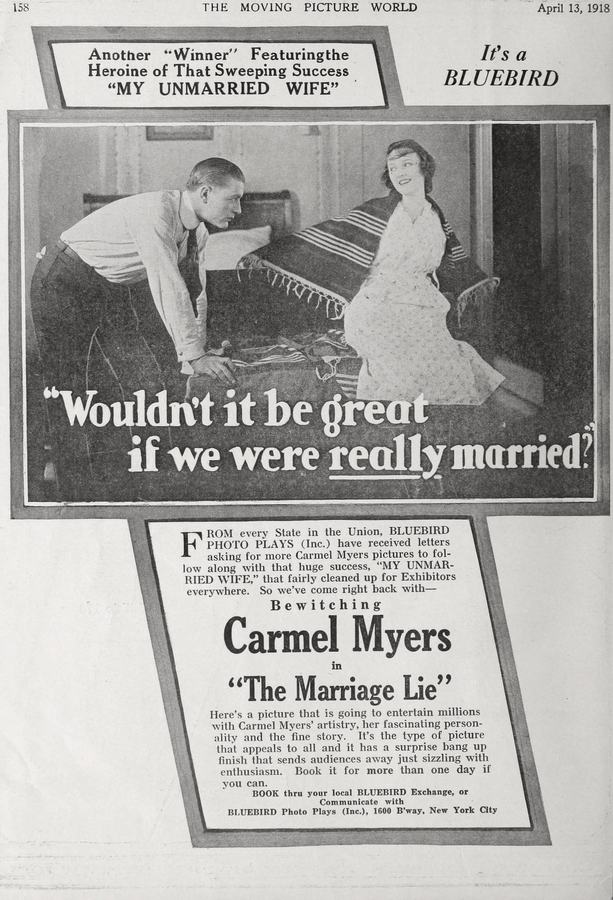
Being an unmarried man, Douglas Seward, a young engineer, is unable to secure a position with Terence Craver, a contractor. In search for a wife Seward meets Eileen Orton, who has been left destitute by the death of her father. He makes an agreement to support her if she present herself as his wife at Craver's office. She agrees and Seward secures a position and leaves for South America. The contractor, who has a mania for beautiful women, falls in love with Eileen, but she does not care for him, having become much attracted to Seward, who is sending her half his salary each week for her maintenance. Months later Seward comes to New York to see Eileen and arrives in time to protect her from Craver. The marriage lie no longer necessary, Seward proposes to Eileen, and they are forthwith made man and wife.
View Details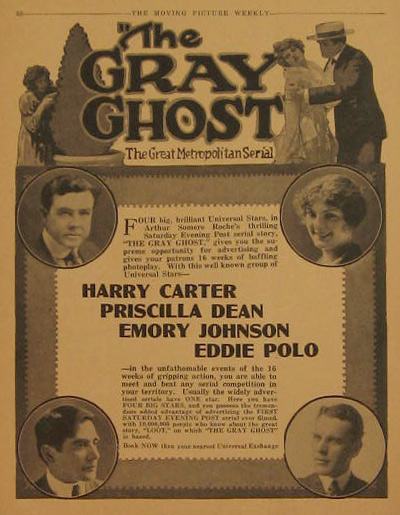
Dir: Stuart Paton
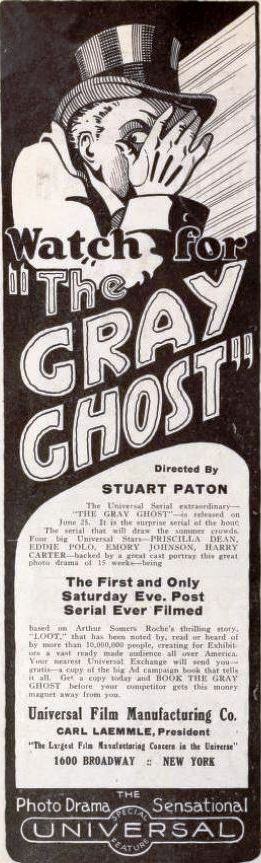
Episode 1: "The Bank Mystery" Mr. Carlow, a wealthy American living in London, is engaged to Lady Gwendolin, and has ordered from Arabin and Company, famous Fifth Avenue jewelers, a necklace worth two million dollars, to be made for her wedding present. She is anxious to see it, and he sends the junior partner of his London solicitors, Wade Hildreth, to America to get the jewel. He cables the young attorney's personal description to Arabin, and gives Wade his certified check for two million dollars. Wade makes ready to go with his secretary. Jean Marco. In New York is a master criminal known as the Gray Ghost. So perfect is his organization that he is never even suspected of the crimes and robberies which follow each other in quick succession. Only one member of the detective force really believes in his identity. This is Jerry Tyron. The Gray Ghost intercepts the message from Arabin. He prepares a reception for Hildreth, for he wishes to get the necklace and the check. Banker Olmstead is at dinner with his wife and son who is employed in the bank with him. His father is anxious that the books shall be in order, as the auditor is coming to examine them. He decides to go down to the bank. Young Olmstead is in the power of the Gray Ghost, to whom he has lost at cards. He goes to him to say that the game is up, and asks for mercy. Instead of helping him, the man plans to get him further into his power. Morn Light, a musical comedy star, whose connection with the Ghost is mysterious, arrives during their discussion. The Ghost asks her to retire, but she listens and watches. She sees the Ghost's men strike down Olmstead, and demands to know what is to be done with him. The Ghost tells her to mind her own business, and she is very angry. He sends her home. Olmstead has arrived at the bank and ordered the vault to be opened. The watchman is in the pay of the Ghost. Olmstead discovers his son's thefts from the bank. Suddenly he is shot down. It is the Ghost's men who have been introduced into the vault by the watchman. The men appear, carrying the boy. They place a revolver in his hand, and leave him lying upon his father's body. He comes to, and the watchman tells him that he has shot his father, and that the police are after him. He cannot believe it, but an officer rushes in and drags him out. In the car the officer changes his clothes to civilian attire, and when Olmstead demands to know what it means he is silenced. The Gray Ghost waits till one o'clock, and then he calls up Tyron and tells him that the bank has been robbed. Tyron sets out at once with a large force of police. They arrive at the bank, and find the unconscious watchman. The body of the banker has disappeared.
Dir: Stuart Paton
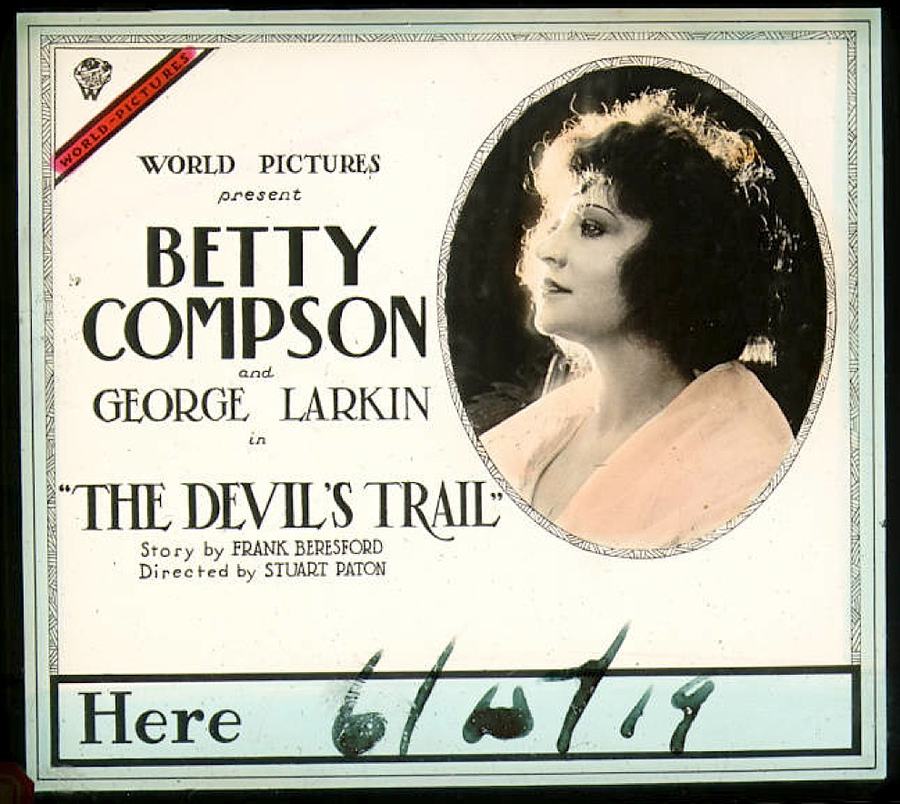
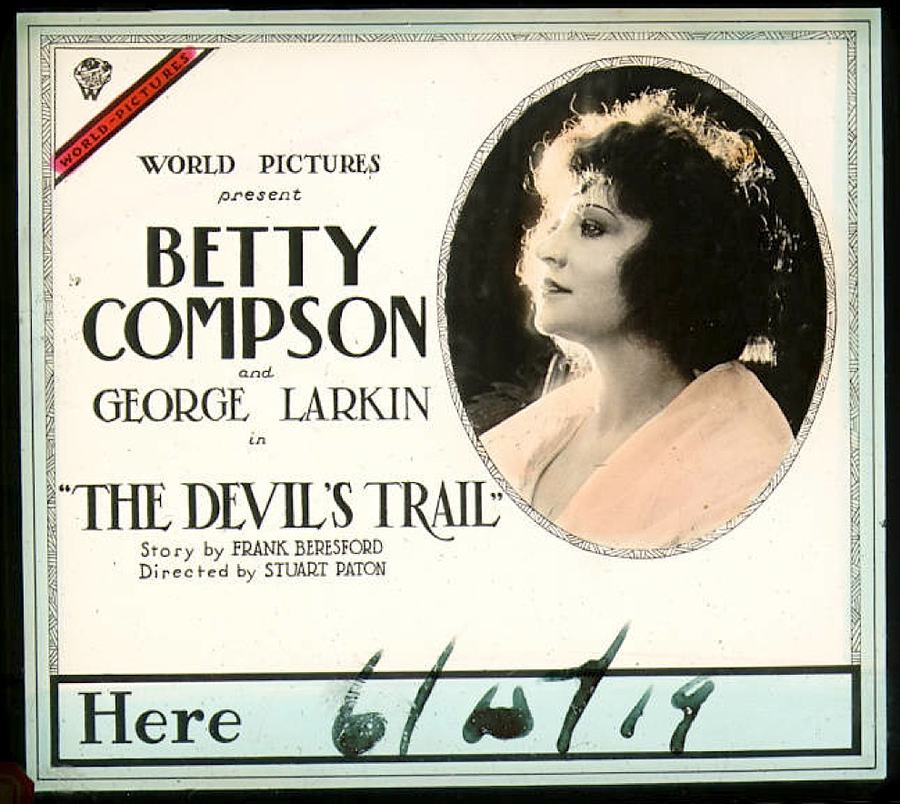
Whiskey smuggler Dubec, trades liquor to the Indians, takes revenge on the Royal North West Mounted Police pursuing him by killing the wife of post commander Sergeant Delisle and abducting his teen-aged daughter Nonette. After twelve years of futile searches, the eighteenth birthday celebration of Delisle's other daughter Julie is disrupted when Sergeant MacNair arrives to replace Delisle because Delisle cannot control the lawlessness in the camp. MacNair falls in love with Julie though she scorns him. When Dubec and Nonette, now his wife, return from the Klondike with a dance hall troupe of women, Delisle, not recognizing Dubec but resenting his flirtations with Julie, orders them to leave. Dubec captures Julie and MacNair, forcing Julie to dance, and offers her to the highest bidder. MacNair saves her just as Delisle, warned by Nonette of Dubec, arrives. Nonette is reunited with her father, and MacNair and Julie, now in love, embrace.
View Details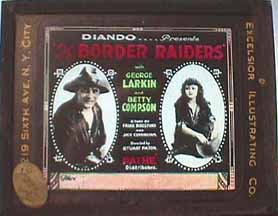
Dir: Stuart Paton
John Hardy, a ranch owner, marries Cleo Dade, not realizing she belongs to a gang planning to use the ranch as headquarters for Mock Sing's opium smuggling operations. When Hardy suddenly disappears, Cleo takes charge of the ranch, usurping the place of Hardy's daughter, Rose. Suspecting her father is still alive, Rose visits Mock Sing's cabin. John Smith, a card dealer for Mock Sing who is attracted to Rose, saves her from Mock Sing's assault and frees Hardy, who has been held prisoner. Soon after, Hardy's ranch hands attack and kill Mock Sing, Cleo is revealed as the wife of gang member "Square Deal" Dixon, and the ranch is restored to Hardy. John Smith, actually a government agent sent to curb opium trafficking on the border, marries Rose.
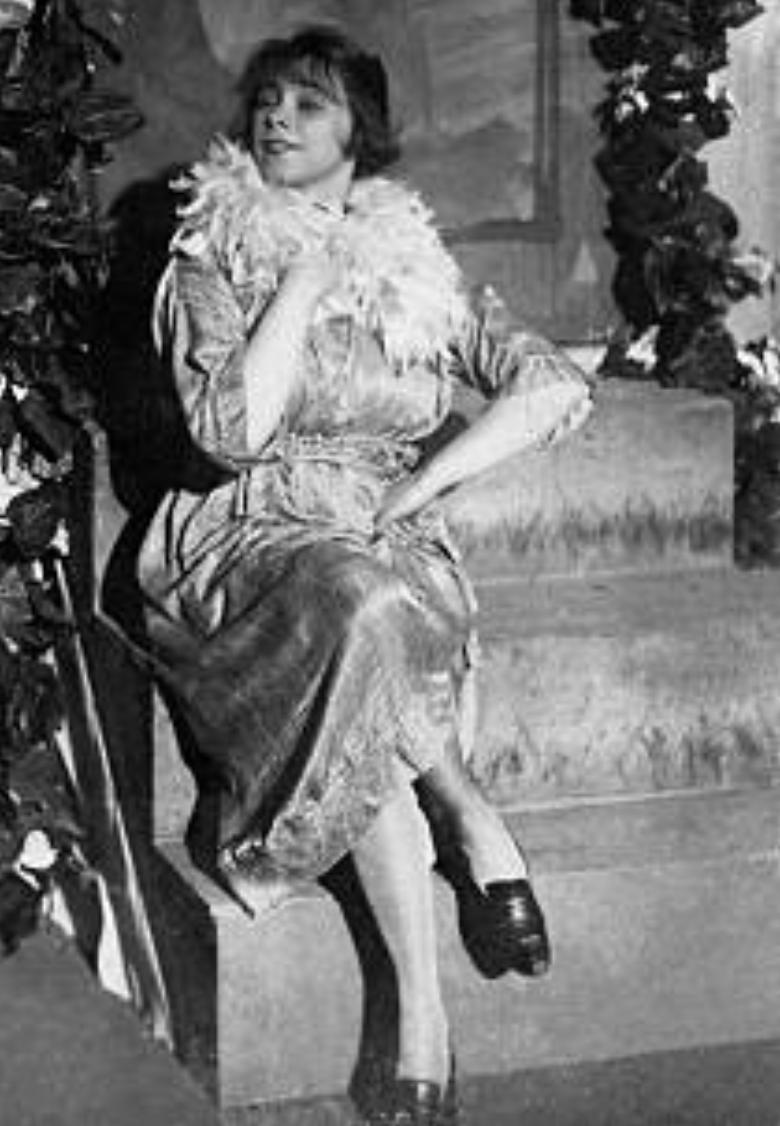
Dir: Bruno Ziener
A fascinating piece of cinema that shares thematic elements.
View Details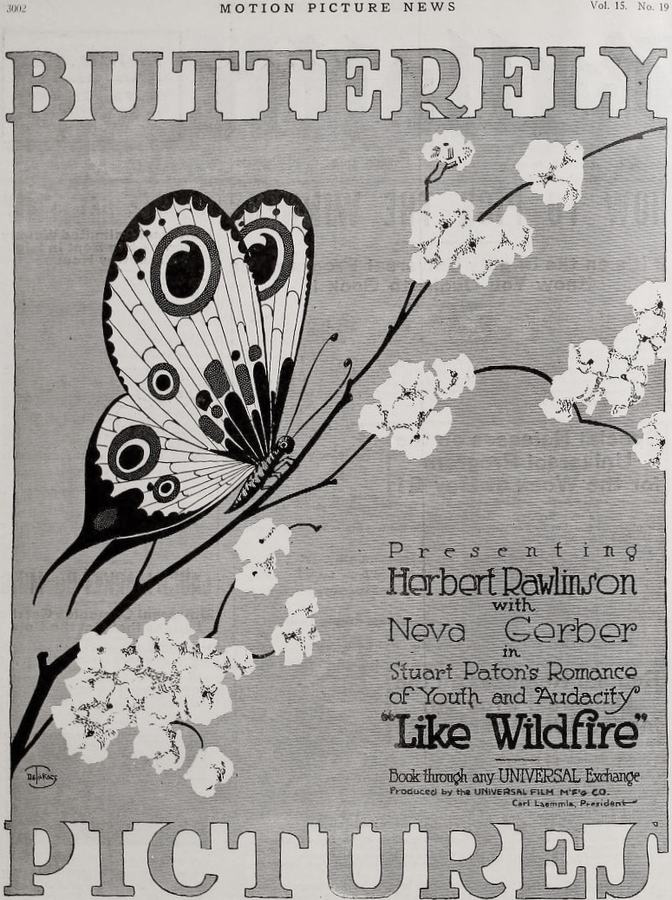
Dir: Stuart Paton
Tommy Buckman, the ne'er-do-well son of dime store magnate John Buckman, is given one last chance to succeed by surveying a possible location in New England for the opening of another store in his father's chain. Arriving in the town of Winton, Tommy lands in jail and, disowned by his father, is bailed out by Nina Potter, whose father owns the only dime store in town. Tommy accepts a job as a delivery boy in the Potter store and soon rises to the post of general manager. When Buckman opens the store across the street, Tommy, now an adroit manager, corners the market. Old Buckman is sent for, and when he arrives to discover that his own son has beaten him in business, he consents to Tommy's marriage to Nina and withdraws his store from the town of Winton.
Dir: Stuart Paton
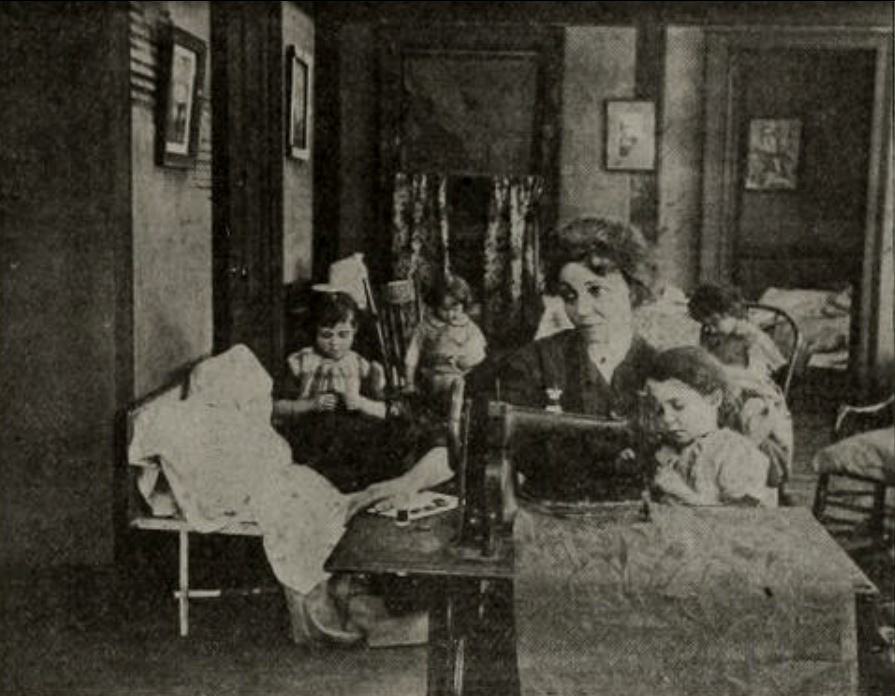
Emerson Boyd is the owner of the Great Boyd Mills, a relentless scheming, grinding corporation, which employs child labor and disregards all laws of health and sanitation. He is also in control of the Boyd Chemical Company, another large corporation with the same greedy and heartless policy which turns out upon the public certain harmful and toxic medicines, among which is Saco-Ozone, a widely advertised cure for tuberculosis and pulmonary diseases. Back of the powerful arm of Emerson Boyd is David Duncan, general manager of the Boyd Mills. Duncan is also a crooked politician. He is in love with Eleanor, Boyd's daughter, who, however, is secretly engaged to Matthew Brand, one of the idle rich. Emerson Boyd reads a newspaper attack upon the Boyd Corporation and, in a great rage, calls Duncan to see what influence he can use as a political boss to muzzle the paper. Eleanor goes away and Brand runs across the newspaper article against her father. Alarmed by the facts set forth in the paper, Brand determines to investigate, and, calling upon Cole, the editor of the "Clarion," hears a story that makes him sick at heart. Then he learns that Boyd's political machine has muzzled the paper. Brand pays a visit to Boyd's factories, and is horrified at the unsanitary conditions. Brand visits the "Clarion" office and buys the paper, but retains Cole to help him. They start at once on an article that drives Boyd wild with rage when the paper comes from the press. Brand goes to call on Eleanor. At the same time Duncan and the detective are closeted with Boyd. While Brand is telling Eleanor of his campaign with the Tuberculosis Society to wipe out the dread disease the detective is telling Boyd that the man who is so bitterly opposing him and printing the vitriolic stories is none other than the quiet Matthew Brand, who has been courting his daughter. Boyd is astounded. Meanwhile, Eleanor has become so enthusiastic that she determines that her father must hear the story and hurries to the library, where Boyd is closeted with his hirelings, and begs him to come and listen to Matthew Brand. When Brand sees Boyd, the latter attacks him unsparingly and, refusing to grant him a hearing, orders him to leave the house and never return. Eleanor is astounded. The National Tuberculosis Society meets with failure, for, when Boyd learns of the proposed sanitarium, he orders the mayor to prevent it, fearing that it might hurt his patent medicine business. Following the dictates of his superior, Mayor Alrich replies that the finances of the town would not warrant such a measure. Meanwhile Boyd becomes interested in the persistent attack upon the horrible system of the great mills and inquires of Duncan as to the truth of the stories. The latter lies glibly. In the meantime, Eleanor has gone to the "Clarion'' office to see her sweetheart. Duncan calls, and Brand pushes Eleanor into an adjoining room, that she may hear what is said. Duncan threatens Brand to induce him to stop the damaging articles, but Brand defies him. Boyd is beginning to admire Brand, but Duncan plans to dynamite the "Clarion." Eleanor, becoming very ill, the old family physician is sent for, and, making a thorough examination, tells Boyd the crushing news that his daughter has symptoms of tuberculosis. Duncan arrives at the rendezvous where he learns that the police have become suspicious of the gangsters and they had retired to await his orders. Duncan is angered to the utmost over the hitch in the well-laid plans, and, calling them all the utmost cowards, takes the bomb himself and bids them follow. In the darkness of the rear of the "Clarion" office, Duncan sets the bomb and lights it, while on the inside, Brand and a helper are working over some copy. The bomb has a defective fuse, and a premature explosion takes place, killing Duncan, while the falling bricks and masonry seriously injure Brand. Boyd's family physician tells the money king that there are no places in Every-town for the proper treatment of tuberculosis, as Boyd and other corporation owners have persistently fought to keep out all sanitariums. Boyd thinks of his own remedy, and sends for a case of Saco-Ozone. He reads from the testimonials of its wonderful cures, but the family physician appears, and hurls it all from the window, telling him that it is harmful and poisonous. He then tells Boyd that Eleanor, to get well, must be sent to an open air sanitarium. When Boyd tells Eleanor of the doctor's suggestion, and offers her anything her heart desires, if she will only try to get well, he is told that her one wish is that he will send for Brand and listen to him. Boyd leads Brand to the library, where he listens to the other's talk on the existing evil conditions and of his efforts to prevent the spreading of tuberculosis. Boyd thereupon plans to reconstruct Every-town. Miracle upon miracle is accomplished by the enthusiastic money king, who sends his daughter to a sanitarium, where she ultimately recovers after receiving good care, fresh air, rest and wholesome food. The story ends one year later with a big banquet to celebrate a new and clean Every-town and, incidentally, the engagement of Eleanor and Brand.
View Details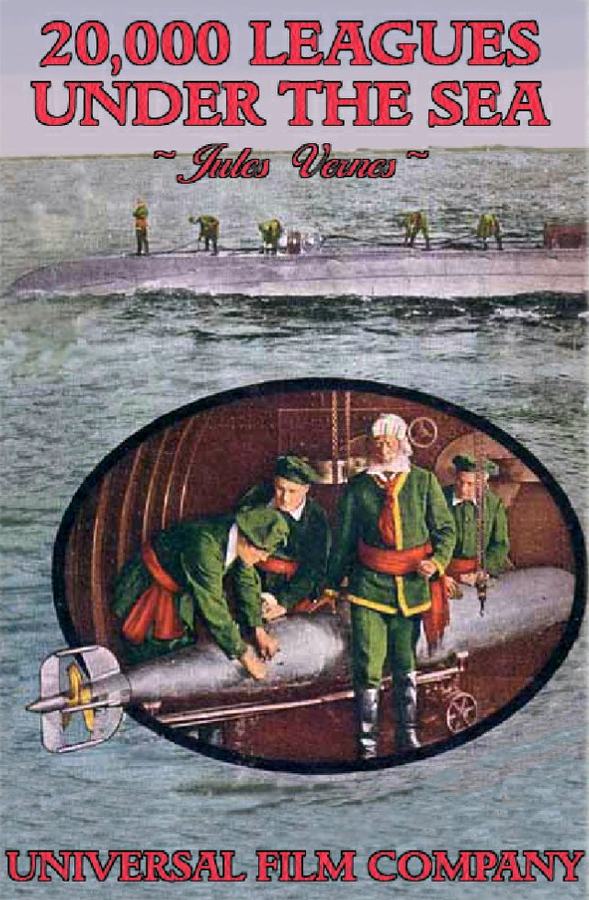
Dir: Stuart Paton
A French professor and his daughter accompany Captain Nemo on an adventure aboard a submarine.
View DetailsAnalysis relative to The Silent Code
| Film Title | Atmosphere | Complexity | Similarity |
|---|---|---|---|
| The Voice on the Wire | Ethereal | Dense | 96% Match |
| The Wine Girl | Tense | Layered | 86% Match |
| The Marriage Lie | Tense | Abstract | 97% Match |
| The Gray Ghost | Gritty | Dense | 93% Match |
| The Devil's Trail | Ethereal | Linear | 92% Match |
This guide was algorithmically generated using the cinematic metadata of Stuart Paton's archive. Last updated: 6/17/2026.
Back to The Silent Code Details →