
DbcultAccessing Vault...
Recommendations
Senior Film Conservator
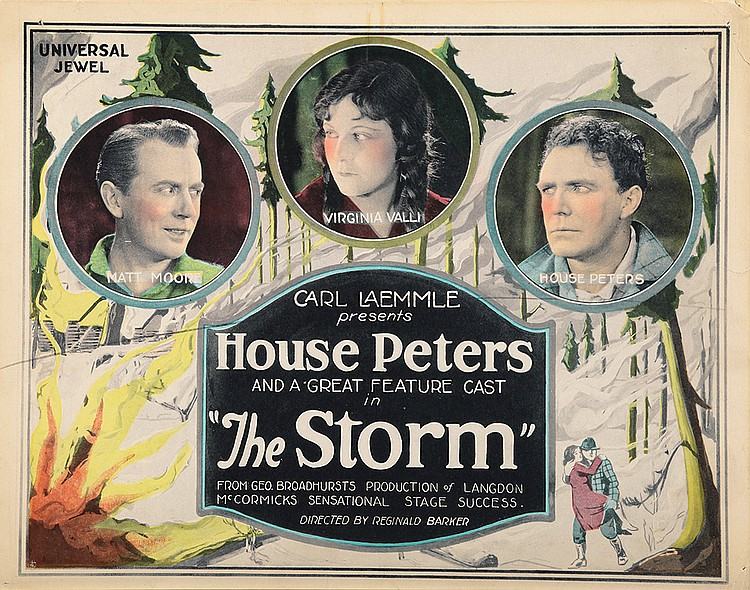
The 1922 release of The Storm redefined the parameters of Drama storytelling, the narrative complexity found here is a rare find in the 1922 landscape. Prepare to discover your next favorite movie in our hand-picked collection.
Historically, The Storm represents to explore the darker corners of the human condition with thematic gravity.
War buddies Burr Winton and Dave Stewart retreat to Burr's cabin in the Canadian Northwest after Dave helps Burr pay a gambling debt. During the winter months, Jacques Fachard, a French trapper, and his daughter Manette, who have eluded the Mounted Police, seek refuge in their cabin. Fachard dies of a bullet wound, after having persuaded the men to care for his daughter. Both fall in love with Manette; Burr, deeply in love for the first time and eager to marry her, is furiously jealous and threatens Dave. Food shortage makes it necessary for Burr to seek aid. Manette, after having been defended by Burr, starts after him in the storm; but Dave stops her and brings his friends back and leaves them to their happiness.
The influence of Reginald Barker in The Storm can be felt in the way modern Drama films handle thematic gravity. From the specific lighting choices to the pacing, this 1922 release set a high bar for atmospheric immersion.
Based on the unique thematic gravity of The Storm, our vault has identified these titles as the most compelling follow-up experiences for fans of Drama cinema:
Dir: Reginald Barker
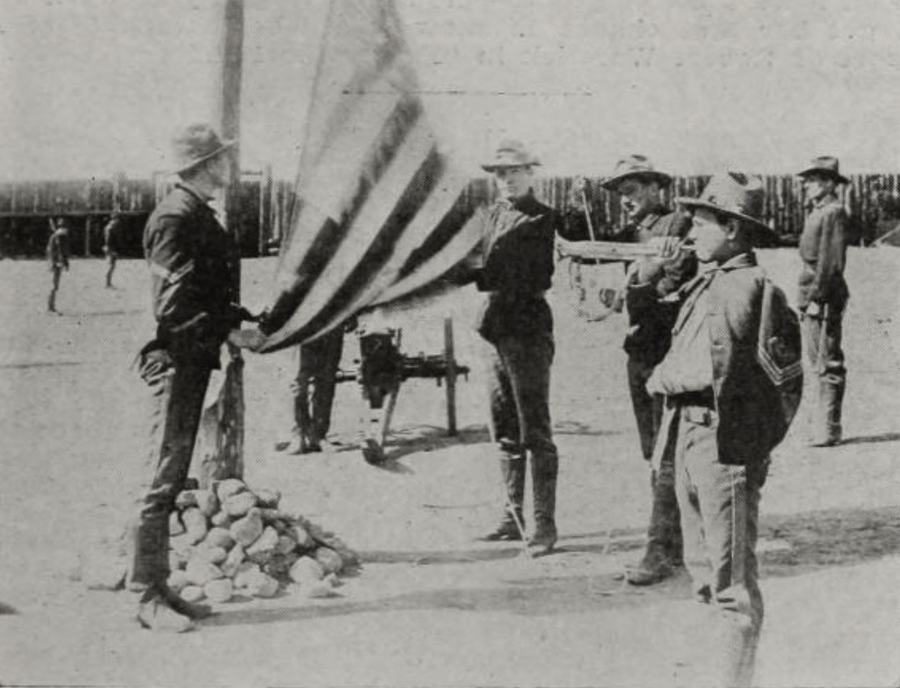
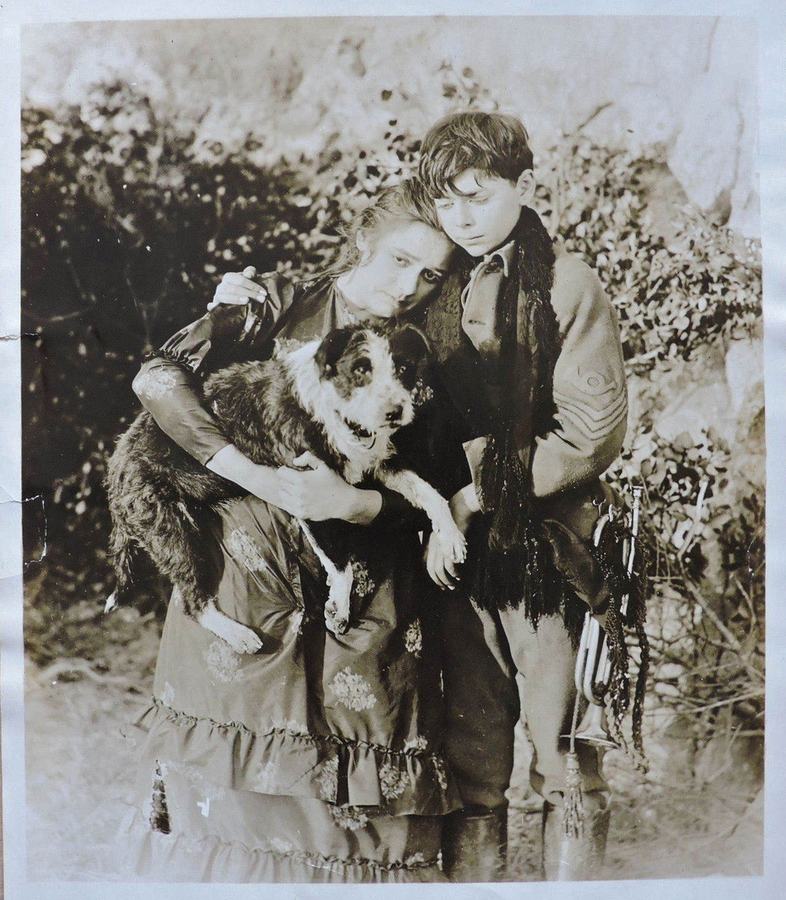
Billy, who is the little son of Captain Andrews, commandant of a western army post, has one ambition in life, and that is to become a good soldier. This he has confided to his friend, Sergeant Hogan, and the sergeant takes pains to foster the idea. He really needs all his courage to face a new situation that has come up in his life. His father is going to marry again. While he knows absolutely nothing about his prospective stepmother, he can conceive of no one worthy of taking the place of his beloved mother, who lies in the little cemetery outside the fort. In spite of Billy, however, the wedding takes place. The newcomer tries in every way to win over the little fellow, but beyond politeness his friendship stops. Soon after the wedding his father is called at the head of his regiment to quell an uprising of the Sioux Indians, forty miles away. He leaves his bride in little Billy's care. The distant trouble is but a ruse on the part of Lame Bear, the Indian chief, and now, with his picked braves, he swoops down on the weakened garrison at the fort. The defenders of the fort are so few in number that it is but a question of time before they must surrender. Billy, bearing in mind the admonition of his father to take care of his stepmother, takes her away from the fort by a secret passage and hides her in a cave in the hills. Suddenly he observes the wavering men at the stockade. Bethinking himself of his bugle and hoping to lead the Indians to believe that his father and the regiment are returning, he blows the signal to charge from a distant knoll outside the fort. The outcome of that bugle call saves the garrison and draws Billy and his stepmother together.
View Details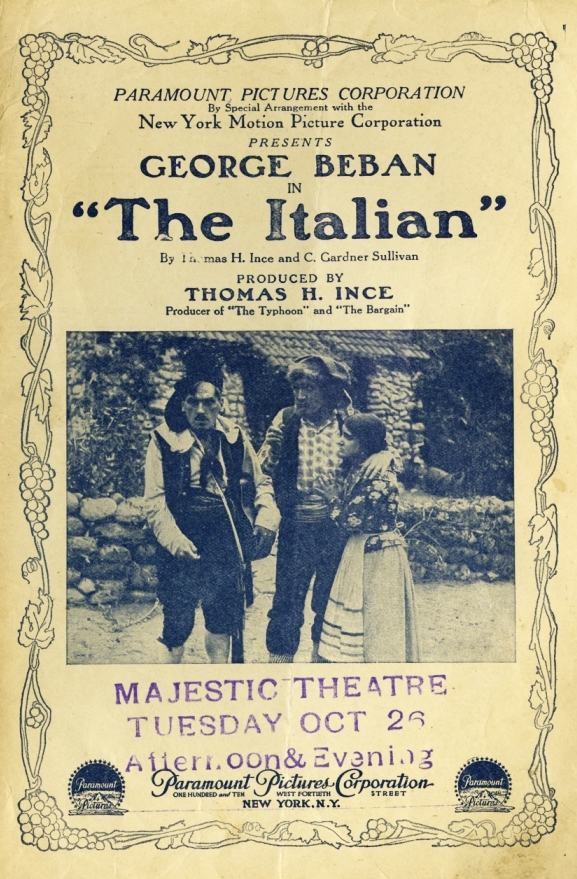
Dir: Reginald Barker
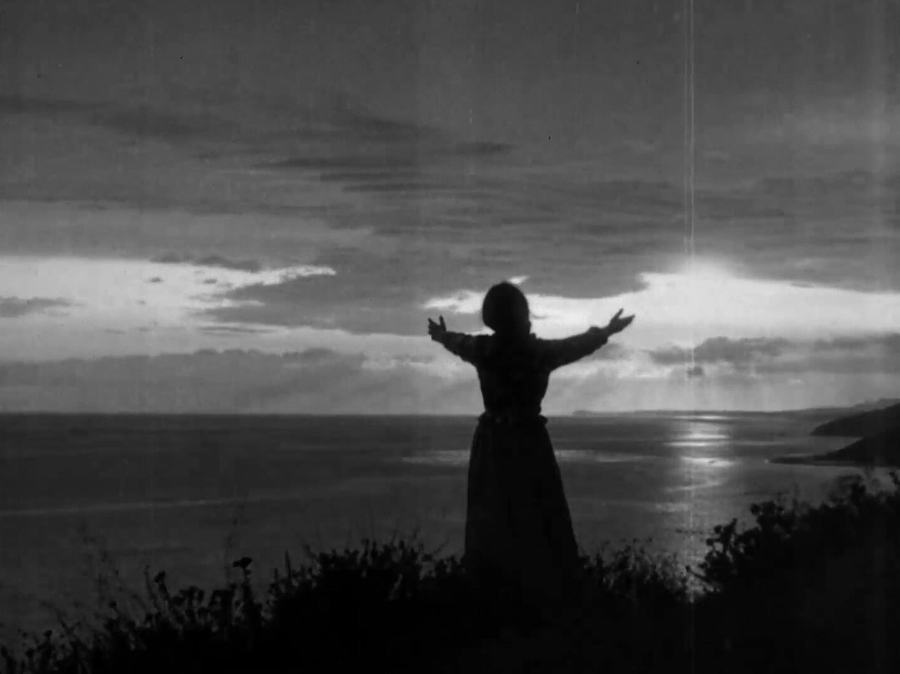
An Italian immigrant and his sweetheart search for a better life in America, but the harsh realities of life in the slums of New York City lay waste to their hopes and dreams.
View Details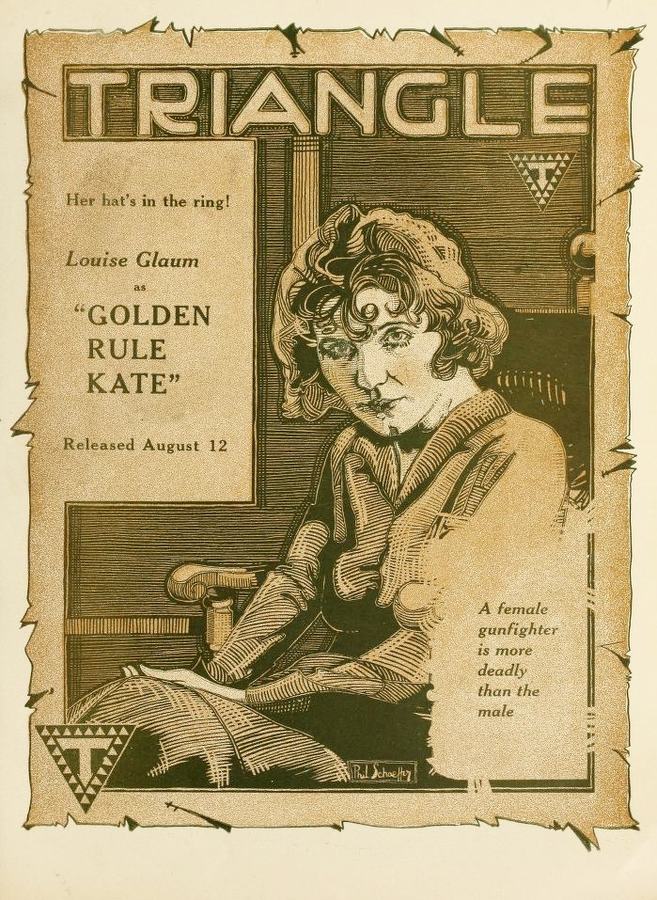
Dir: Reginald Barker
Mercedes Murphy and her partner, Slick Barney, run a saloon and dance hall in the tough town of Paradise, Nevada. While Mercedes is a hard-nosed businesswoman, she has a soft spot for her sister Olive, with whom she lives. One day a preacher, Rev. McGregor, who is determined to "reform" Paradise, sets up his church right next to the saloon. Mercedes is at first opposed to the reverend, but is eventually won over by his sermons and closes the dance hall. However, she soon discovers that Olive's "virtue" may no longer be so virtuous--and she suspects that the minister might be responsible for this.
View Details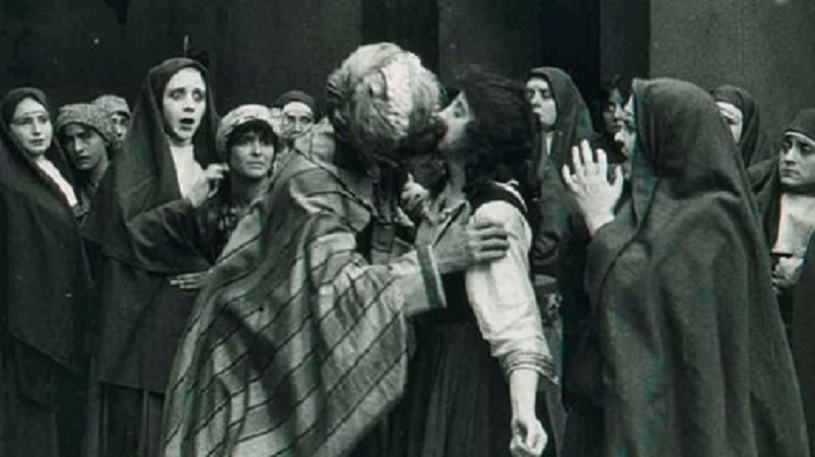
Dir: Reginald Barker
In war-torn Europe, Colonel Damien seizes an enemy town, then to persuade the defeated soldiers to give up their ill-gotten money, the Emir of Balkania, commander of the supporting native troops, threatens to unleash his men on the women who are staying in the town abbey. After giving the captured men a payment deadline, Damien collapses in a chair and falls asleep. As he sleeps, the emir goes to the abbey where Sylvia, the colonel's daughter, is staying in secret. He offers to free the other women in exchange for her sexual favors, but after complying with his demands, she shoots and kills him. When Damien discovers the emir's corpse, he orders the assassin shot, and covered in a veil, Sylvia is promptly executed. After her body is identified, the colonel is overcome with grief. Finally, he wakes up in his armchair and, realizing the tragedy was only a dream, orders his troops to leave the town in peace.
View Details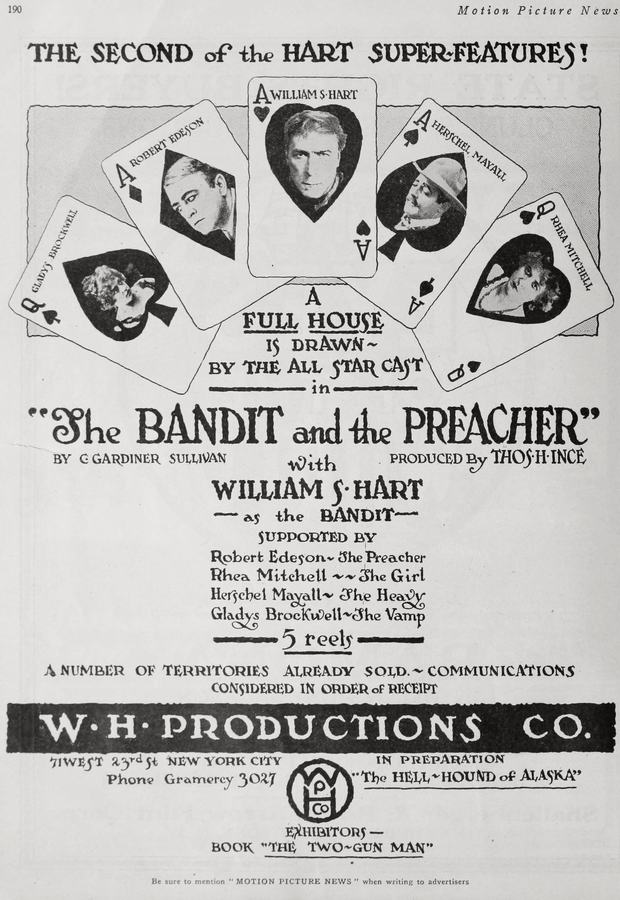
Dir: Reginald Barker
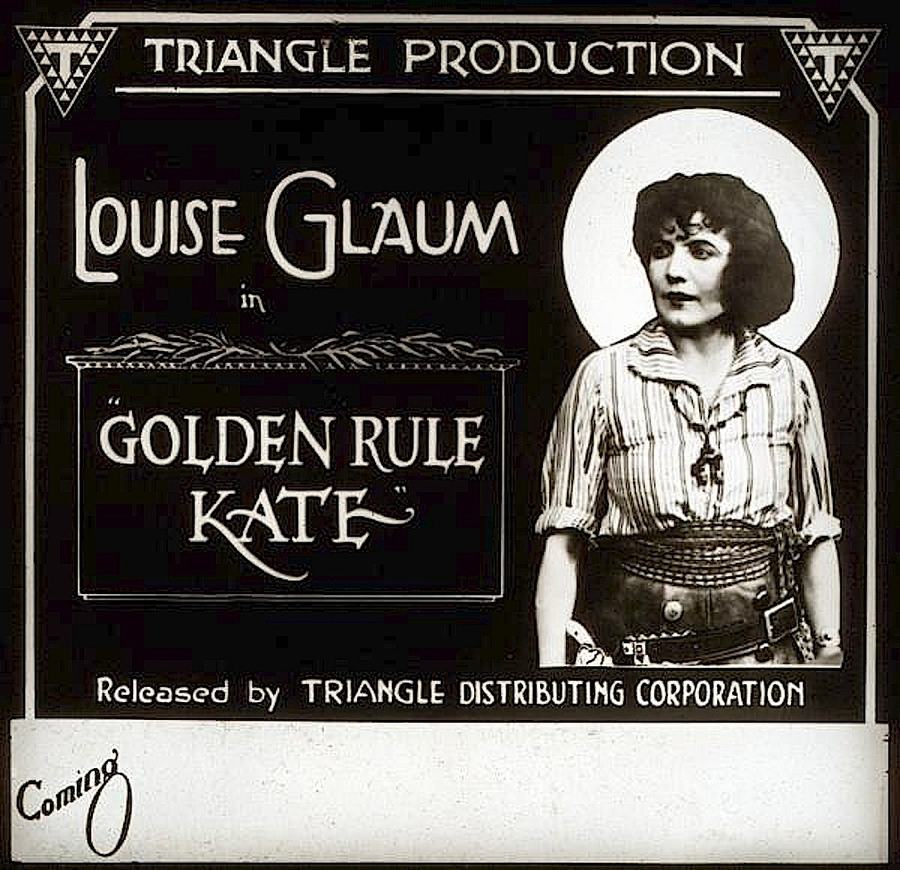
A stagecoach robber falls in love with a saloon girl. However, she falls for a pastor, who converts her; she marries him. The robber is so impressed by this that he decides to turn over a new leaf. However, a shady gambler sets his sights on the former saloon girl, and the robber has to protect her from his advances.
View Details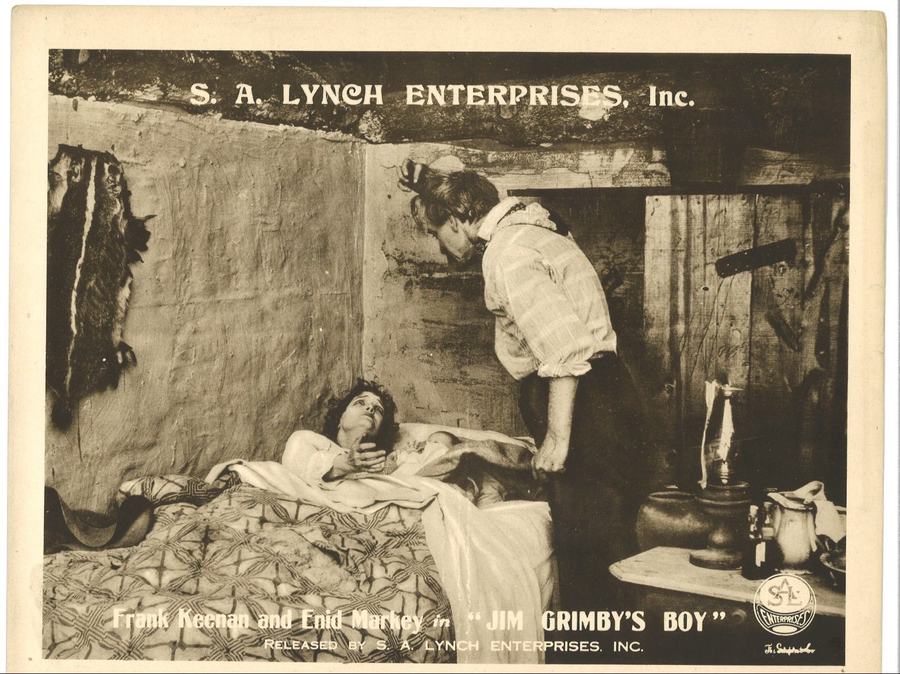
Dir: Reginald Barker
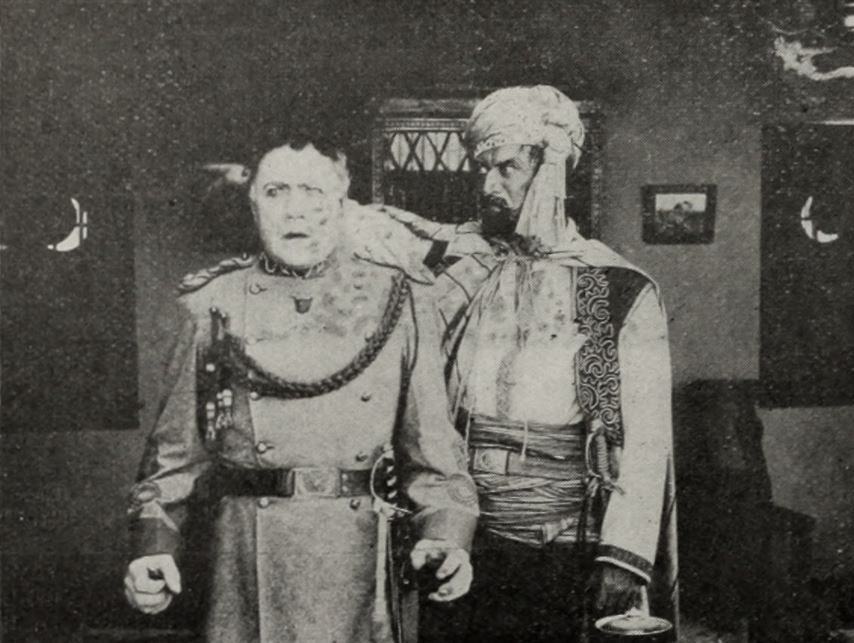
After his wife dies in childbirth, mountaineer Jim Grimsby names his newborn daughter Bill, and raises her as a boy. Remaining a boy in name only, however, Bill soon wants to style her hair and wear the latest fashions. She soon develops a crush on the new sheriff, Waldo Whittier. Appalled at the prospect of his "son" marrying Waldo, Jim decides to test the sheriff's grit, and so, believing that Waldo will be too frightened to come after him, he robs a casino. The sheriff does pursue, however, and, further impressing Jim, Bill pulls a rifle on Waldo to protect her father. Now certain of the sheriff's manliness, and convinced that his daughter has not forgotten how to act like a man, Jim returns the casino's money and agrees to let Bill and Waldo continue their courtship.
View Details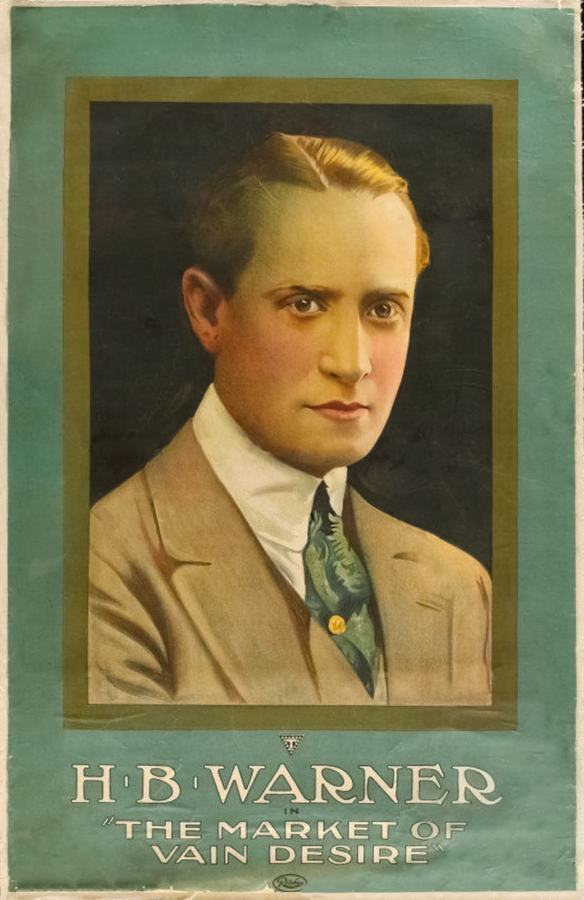
Dir: Reginald Barker
A parson, in love with a girl who is betrothed to a rich Count in her family's hope of partaking in the Count's fortune, uses his pulpit in a scheme to shame the family into allowing the girl to break the engagement and marry him instead.
View Details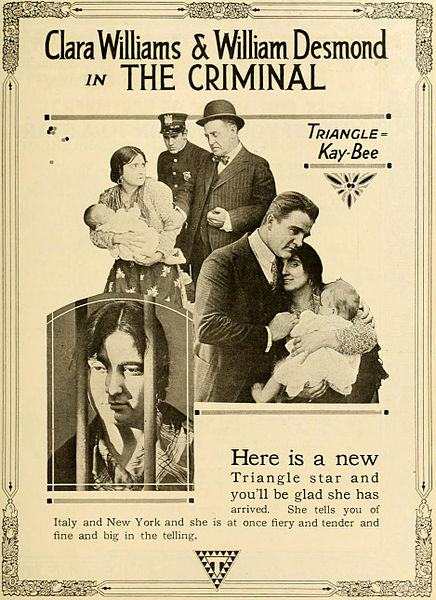
Dir: Reginald Barker
A young Italian immigrant girl, uneducated and superstitious, finds an abandoned baby on the stairs of her tenement, with a note attached explaining the baby is illegitimate. A young newspaper reporter, whom the girl knows from waiting on him at the restaurant where she works, reads the note for her. But the police arrest her, at no evidence whatsoever other than possession of the baby, for kidnapping. She refuses to tell them the baby was abandoned and fatherless, because she was herself, and confesses, in order to save the baby from being branded a bastard, that she stole it. The reporter goes to the jail and elicits the truth from her. And then proposes to her and adopts the baby.
View Details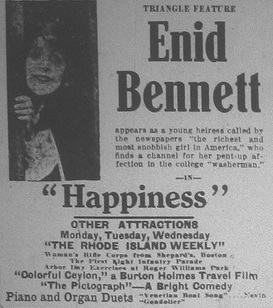
Dir: Reginald Barker
Doris Wingate is featured in a Sunday magazine supplement as the most snobbish girl in America. In reality, Doris is lovable and eager for friends, and it is her Aunt Priscilla who deliberately cultivates the false impression. Realizing this, her uncle ships Doris off to a co-educational college, but unfortunately, her reputation preceded her and she is snubbed by the other students. However, in Robert Lee Hollister, a fellow student who takes in washing to earn his tuition, and his little helper Dolly Temple, Doris finds true friends. Entering into a business partnership with her new friends, Doris spends her happiest hours sorting linen until her Aunt Priscilla arrives to break up the match. Doris defies her aunt and elopes with Bob, thus shattering her image as a snob, and the two settle down to a happy life together.
View Details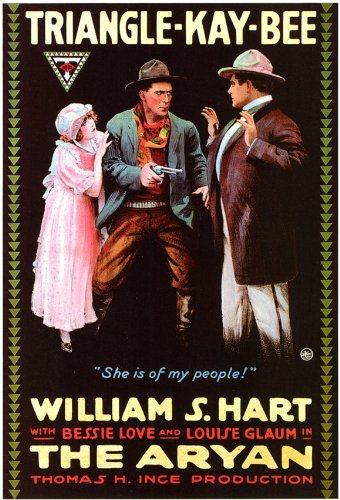
Dir: Reginald Barker
Denton rides into Yellow Ridge with a money-belt filled after years of toil in the mines beyond the desert. The local gamblers covet the fortune but fail to get Steve to try the roulette table until the enticer, Trixie, comes to exercise her charms on him. He blindly follows her lead and is watching the wheel with stern stare when a telegram is received. He asks the woman to read it. She lies when she says it contains good news, for it tells of his mother's critical illness. In the morning Steve awakes to find his belt is empty. In his feverish search through his pockets, he comes upon the telegram. As the truth dawns he goes to the telegraph office to send home a wire. The operator hands him the news that his mother has died. Wild with rage, he shoots up the town and drives away with Trixie lying limp over his horse before him. His heart is now filled with hate for all women and Trixie becomes his slave in a community where he tolerates only the scum of the section. Across the desert comes a pack train of Mississippi farmers who have left their fertile valleys to hunt for gold. Their water is all but gone and their stock is fagged. Their leaders plead with Steve for aid, but the white race may expect nothing from him. Back to the wailing women and children go the despondent leaders. Mary Jane, a waif among them, is not cowed by the story they tell, and by night she goes to repeat their please to the harsh white man. He looks upon her as another victim to share Trixie's lot, but her innocent, fearless attitude toward him makes him hesitate. Meanwhile, his men have carried off the women of the train. As the men pursue and bloodshed is in the air, Steve yields to the little girl and trades the safety of those people for his rich mine, leaves his wealth to his followers and guides the strangers out of the desert.
View DetailsAnalysis relative to The Storm
| Film Title | Atmosphere | Complexity | Similarity |
|---|---|---|---|
| The Bugle Call | Tense | Dense | 96% Match |
| The Italian | Ethereal | Dense | 92% Match |
| Golden Rule Kate | Gritty | High | 98% Match |
| The Despoiler | Gothic | Linear | 85% Match |
| On the Night Stage | Tense | Abstract | 95% Match |
This guide was algorithmically generated using the cinematic metadata of Reginald Barker's archive. Last updated: 6/25/2026.
Back to The Storm Details →