
DbcultAccessing Vault...
Recommendations
Senior Film Conservator
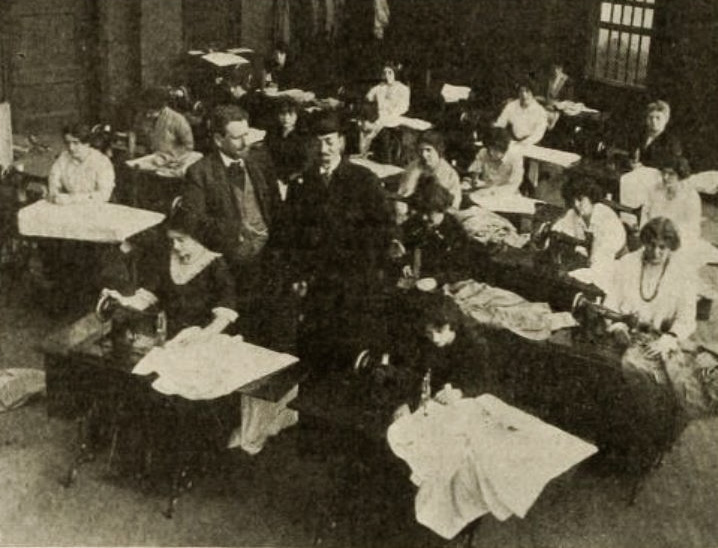
The 1914 release of The Temptations of Satan redefined the parameters of cult storytelling, the narrative complexity found here is a rare find in the 1914 landscape. Prepare to discover your next favorite movie in our hand-picked collection.
Historically, The Temptations of Satan represents to explore the darker corners of the human condition with unique vision.
Satan decides to ruin the innocence of ambitious Everygirl, who has a beautiful voice and wishes to pursue a career singing in opera. He thus assumes human form and follows her in order to make sure that she accepts his terms.
The influence of Herbert Blaché in The Temptations of Satan can be felt in the way modern cult films handle unique vision. From the specific lighting choices to the pacing, this 1914 release set a high bar for atmospheric immersion.
Based on the unique unique vision of The Temptations of Satan, our vault has identified these titles as the most compelling follow-up experiences for fans of cult cinema:
Dir: Herbert Blaché
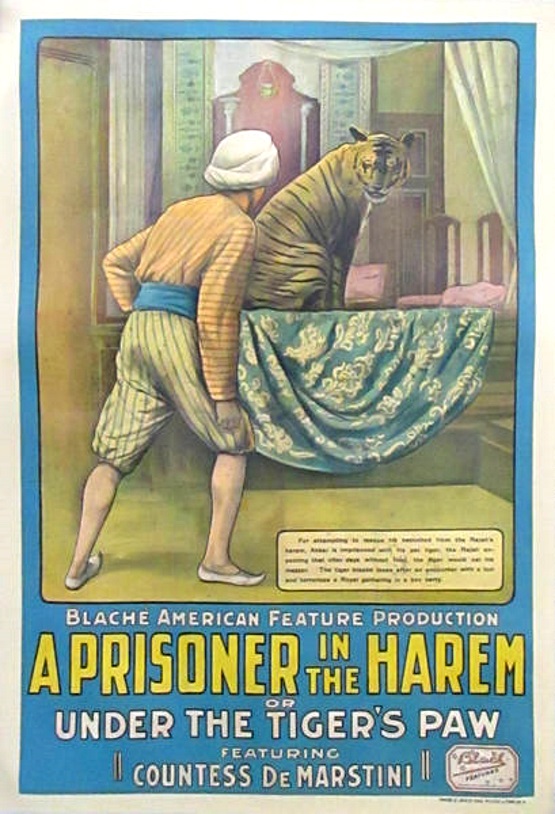
A woman sold as a bride to the local Rajah is saved by her lover and his loyal tiger.
View Details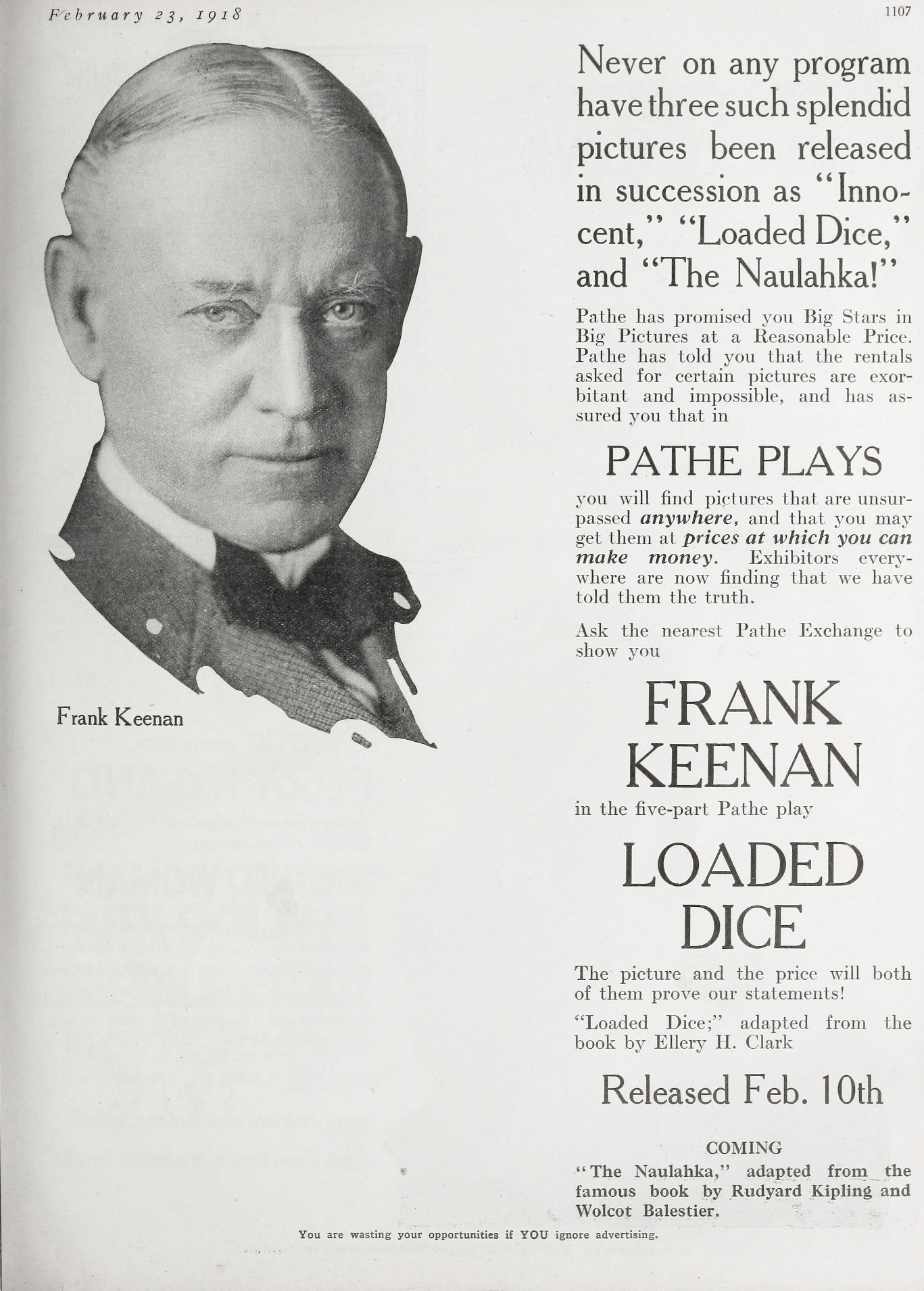
Dir: Herbert Blaché
A crooked promoter commits two murders in his efforts to gain wealth and influence. He is shot on the night of his election as governor and repents of his crimes on his deathbed.
View Details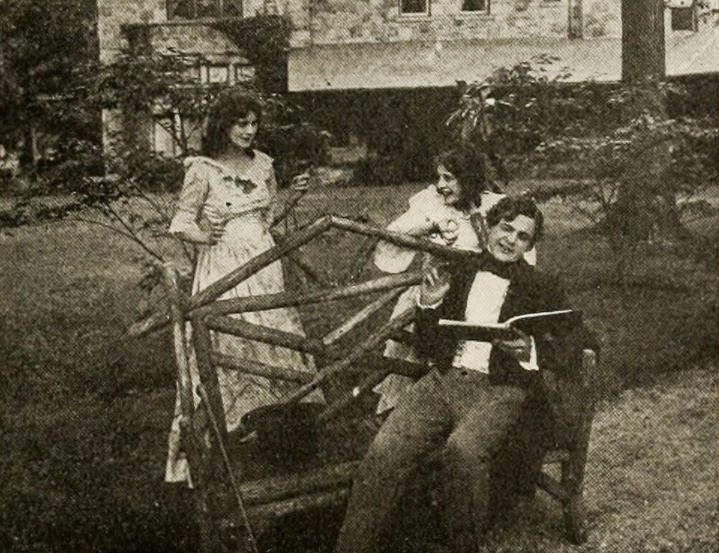
Dir: Herbert Blaché
An opium-addicted choirmaster develops an obsession for a beautiful young girl and will not stop short of murder in order to have her.
View Details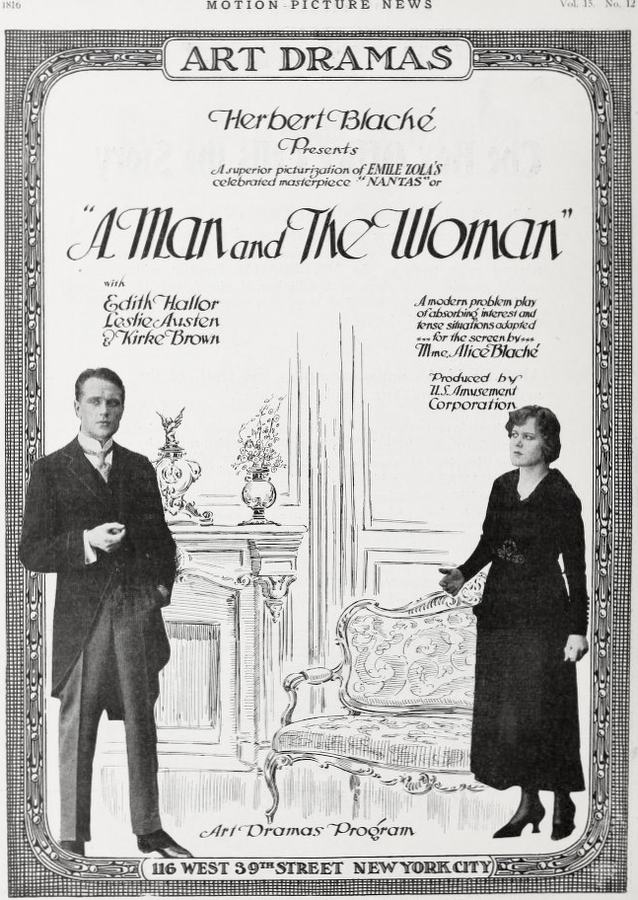
Dir: Herbert Blaché
A fascinating piece of cinema that shares thematic elements.
View Details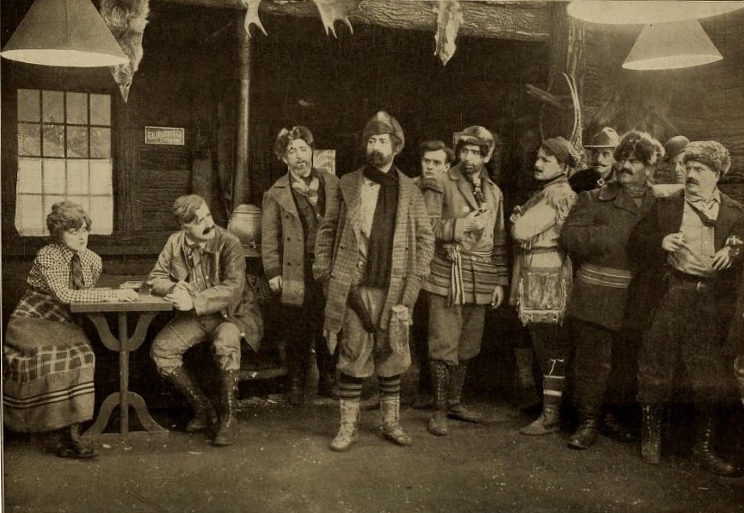
Dir: Herbert Blaché
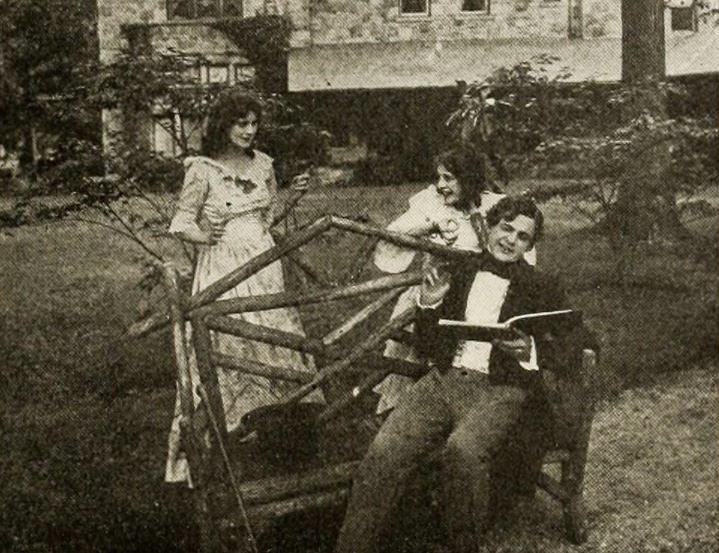
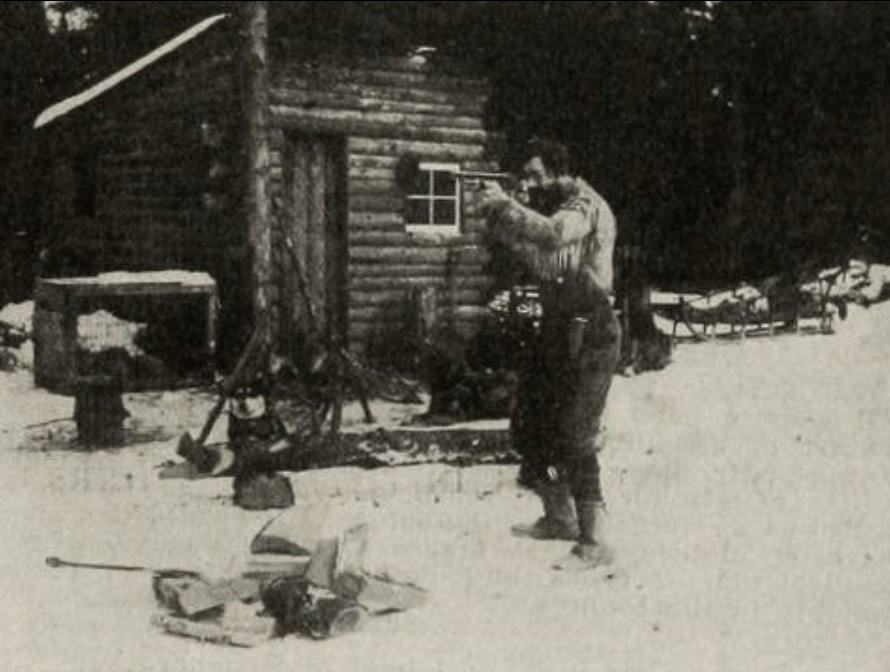
The opening scene is of the interior of the Malamute saloon. Dangerous Dan McGrew and the lady known as Lou are seen seated at a table in one corner. A dog-sleigh stops outside, and its owner, a tired-looking, bedraggled miner, stumbles through the door. After treating the house, he sits down at the piano and begins to play. Into the soulful, stirring music he pours his pent up feelings of hatred, sorrow, love, and regret. Years before, Jim Maxwell's best friend Dan McGrew had deceived his wife into believing him unfaithful. Their elopement completely unnerved him for a time. But finally he resolved to forget about it, until he next met Dan McGrew. Years afterwards, while prospecting, he met his daughter, now grown to womanhood and married. Her husband had been arrested for a murder committed by McGrew, and Maxwell assisted in effecting his escape. Just previous to the miner's entrance, Nell's husband had been captured in the saloon by the sheriff. As Maxwell finishes playing, he turns about, faces Dangerous Dan McGrew, and tells him, in uncomplimentary language, what he thinks of a man of his type. The lights go out, two guns blaze in the dark, and both men fall. Maxwell recovers and is reunited with his wife Lou. McGrew dies.--May 22 1915.
View Details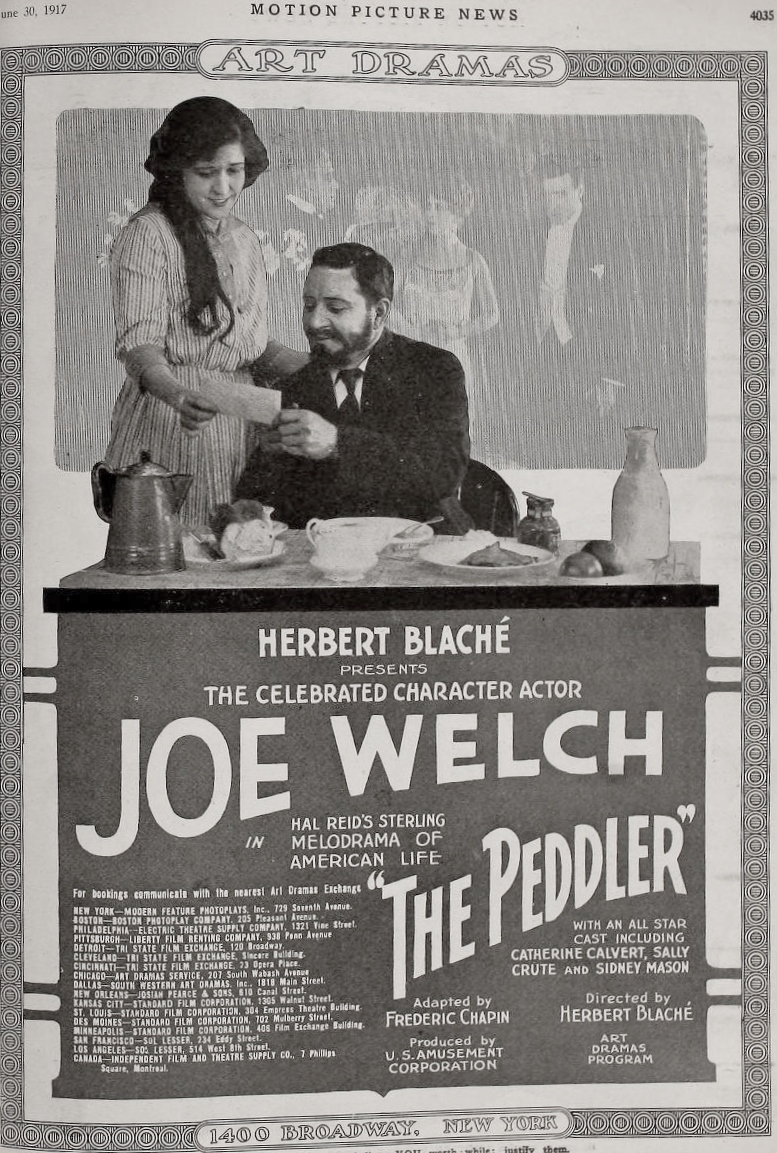
Dir: Herbert Blaché
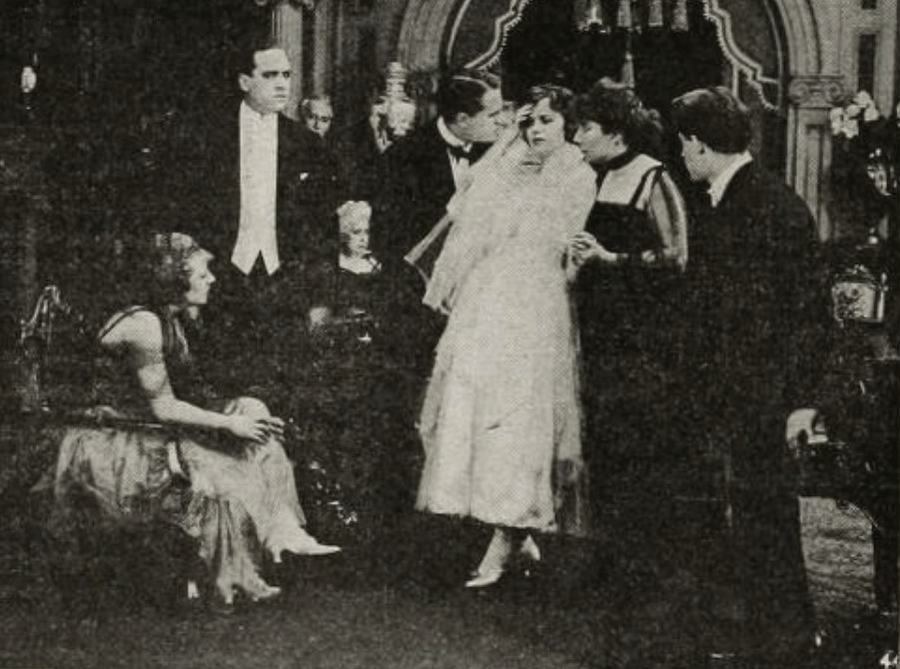
Abraham Jacobs, an itinerant Jewish country peddler, saves his pennies until he can afford to open a small second-hand clothing store. Unfortunately, Abraham's son Sonny has not inherited his father's decent, hard working instincts, and when his mistress, Mrs. Morgan, is in need of money, Sammy robs Abraham's safe and then disappears. Time passes, and oil is discovered on a tract of land left to Abraham by his late wife. Although he can now afford to live in comfort with his adopted daughter Mary, Abraham still strongly feels the loss of his son. His life is finally made complete when Sammy returns repentant to marry Abraham's housekeeper Sarah, and the old peddler, his struggles now over, is able to spend the rest of his days surrounded by his family.
View Details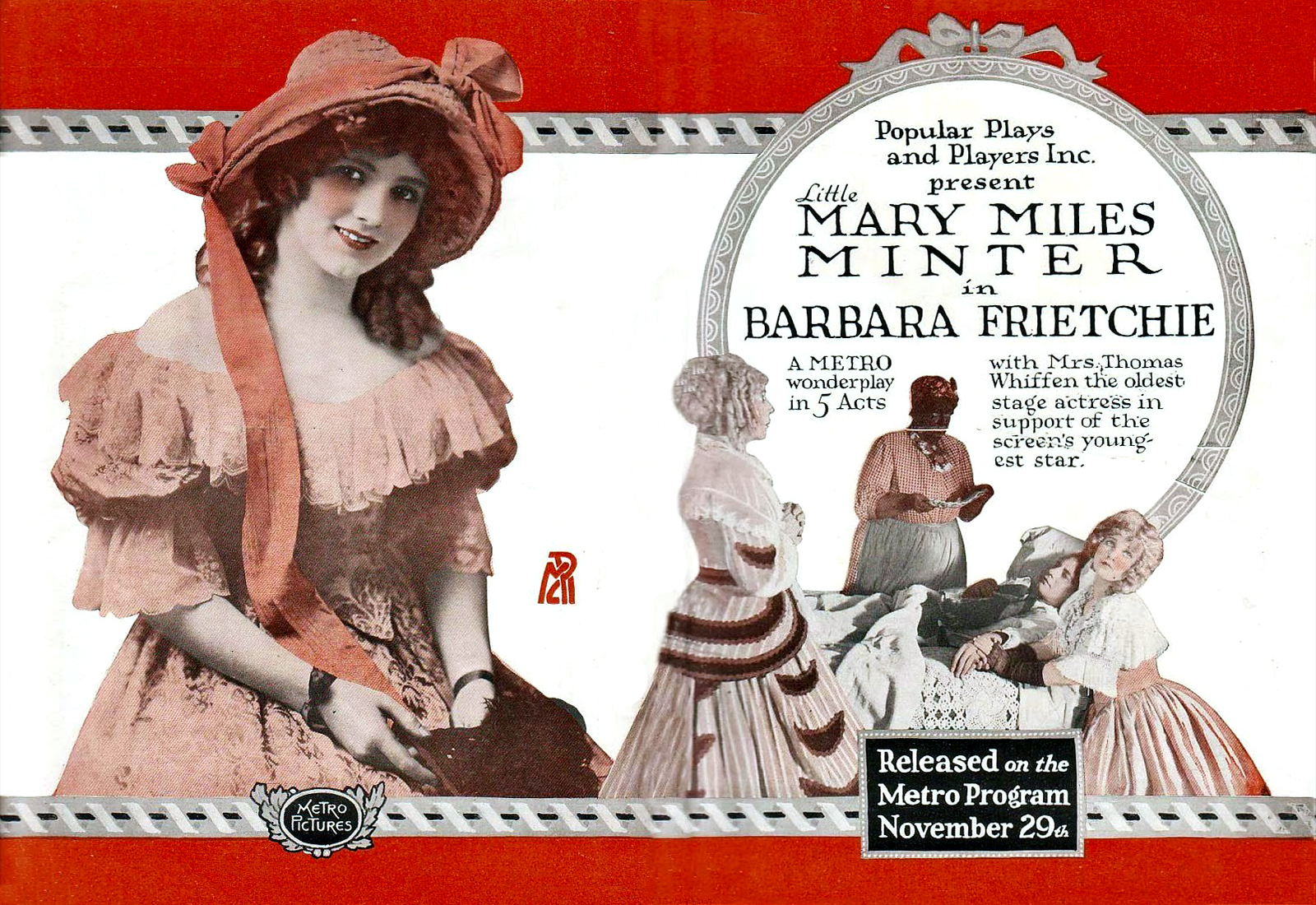
Dir: Herbert Blaché
An old woman in Frederick, Maryland during the U.S. Civil War displays her American flag in defiance of the armies of Confederate general Thomas J. Jackson. Based on the folk tale that grew from the poem by John Greenleaf Whittier.
View Details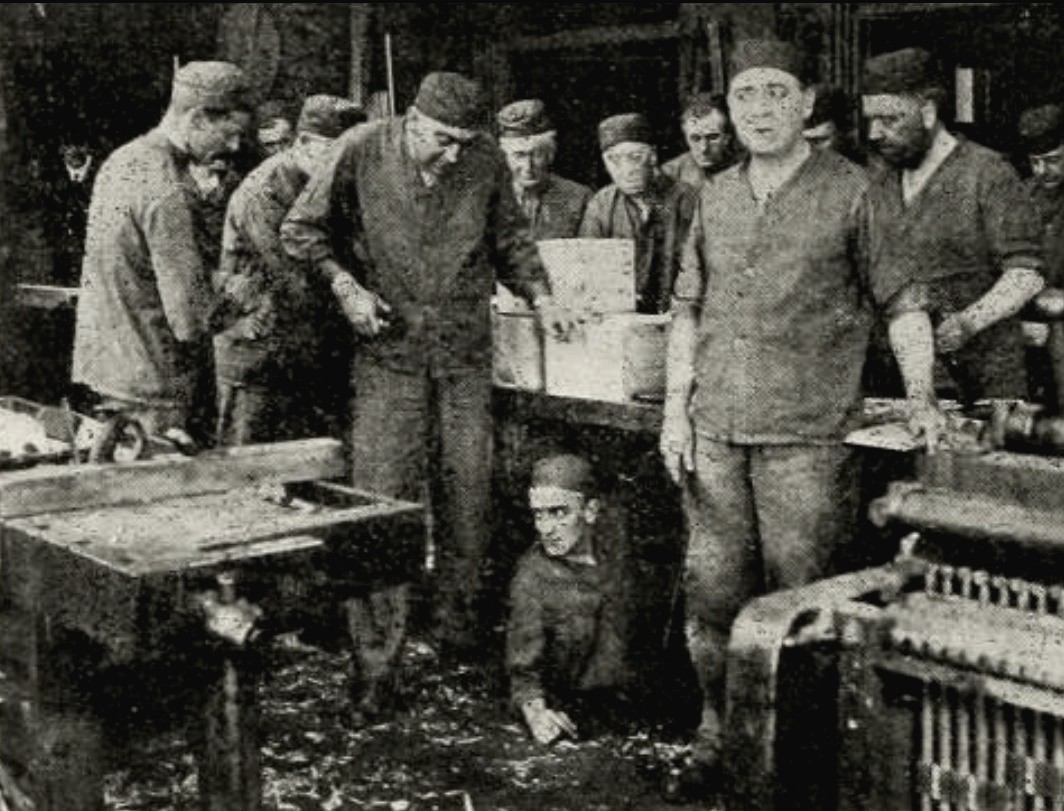
Dir: Herbert Blaché
A fascinating piece of cinema that shares thematic elements.
View Details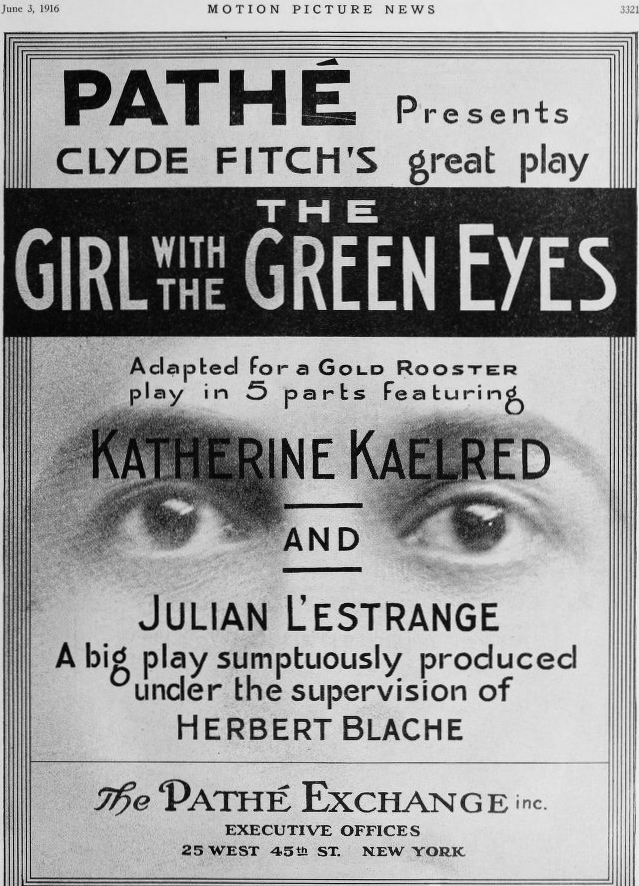
Dir: Herbert Blaché
Strolling through the park one evening, Travers comes upon a woman about to throw herself in the lake. It is his sister. She tells him she was betrayed by a man who is her son's father, and she is about to end it all because she is no longer able to endure her destitution. Travers soothes her and promises to take care of her and her son. He furnishes an apartment for them and makes frequent calls there. On one of them he is seen and recognized by Mansfield, a clubman of his, who is infatuated with Mrs. Travers and uses this suspicious, though unconfirmed, incident to try to persuade her to give him her love. Mrs. Travers, made credulous by her insane jealousy of her husband, slightly encourages Mansfield, who, with the bravado of his sort, boasts at the club of his affair with her. Travers hears of this and is uncontrollable. He sends for his sister to come to his dressing room in the theatre, and Mansfield, hearing of it, brings Mrs. Travers to surprise him. Here is the big scene of the play wherein Travers demands of Mansfield an explanation of his conduct, and Travers' sister recognizes Mansfield as the man who deserted her. Travers attempts to kill Mansfield, who is saved by the police. Then Mrs. Travers, learning the identity of "the other woman," and ridden by remorse for the jealousy that has made her doubt her husband and lose his love, attempts to poison herself. She is saved, however, and reunited to her husband by a love whose constant light outshines the occasional flashes from her "green eyes."
View Details
Dir: Herbert Blaché
A fascinating piece of cinema that shares thematic elements.
View DetailsAnalysis relative to The Temptations of Satan
| Film Title | Atmosphere | Complexity | Similarity |
|---|---|---|---|
| A Prisoner in the Harem | Gritty | Layered | 88% Match |
| Loaded Dice | Surreal | Linear | 87% Match |
| The Mystery of Edwin Drood | Surreal | Abstract | 98% Match |
| A Man and the Woman | Gritty | Linear | 93% Match |
| The Shooting of Dan McGrew | Gothic | Linear | 93% Match |
This guide was algorithmically generated using the cinematic metadata of Herbert Blaché's archive. Last updated: 8/16/2026.
Back to The Temptations of Satan Details →