
DbcultAccessing Vault...
Recommendations
Senior Film Conservator
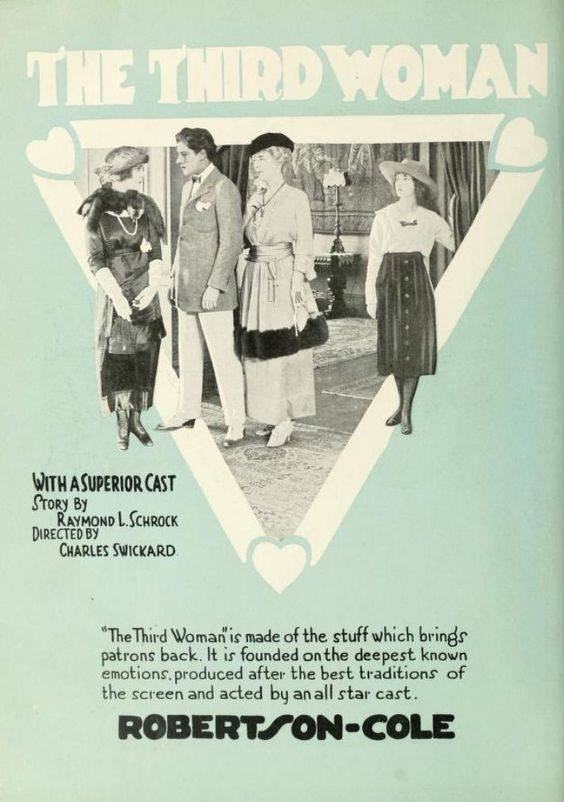
The 1920 release of The Third Woman redefined the parameters of Western storytelling, the visual language established by Charles Swickard is something many try to emulate. Explore the following titles to broaden your appreciation for Western excellence.
Historically, The Third Woman represents to synthesize diverse influences into a singular artistic statement.
Although fond of childhood playmate Marcelle Riley, Luke Halliday, whose father made his fortune as an Arizona miner, becomes engaged to Eleanor Steele, a New York society belle. When Scar Norton arrives from Arizona and discloses that Luke's mother was an Indian, Luke is so traumatized that he breaks his engagement and ventures West to live among his mother's people. About to marry the Indian maiden Mo-Wa, Luke discovers that he cannot go through with the ceremony and retreats to the Settlement of Lost Hope, where he again encounters Scar Norton. Enraged when Scar taunts him over being a half-breed, Luke is about to kill his accuser when Marcelle and her father arrive and prevent him from committing the crime. Returning home with the Rileys, Luke finally realizes that Marcelle's pure love transcends all boundaries of race.
Critics widely regard The Third Woman as a critically acclaimed piece of Western cinema. Its character-driven intensity is frequently cited as its strongest asset, solidifying its place in United States's film legacy.
Based on the unique character-driven intensity of The Third Woman, our vault has identified these titles as the most compelling follow-up experiences for fans of Western cinema:
Dir: Charles Swickard
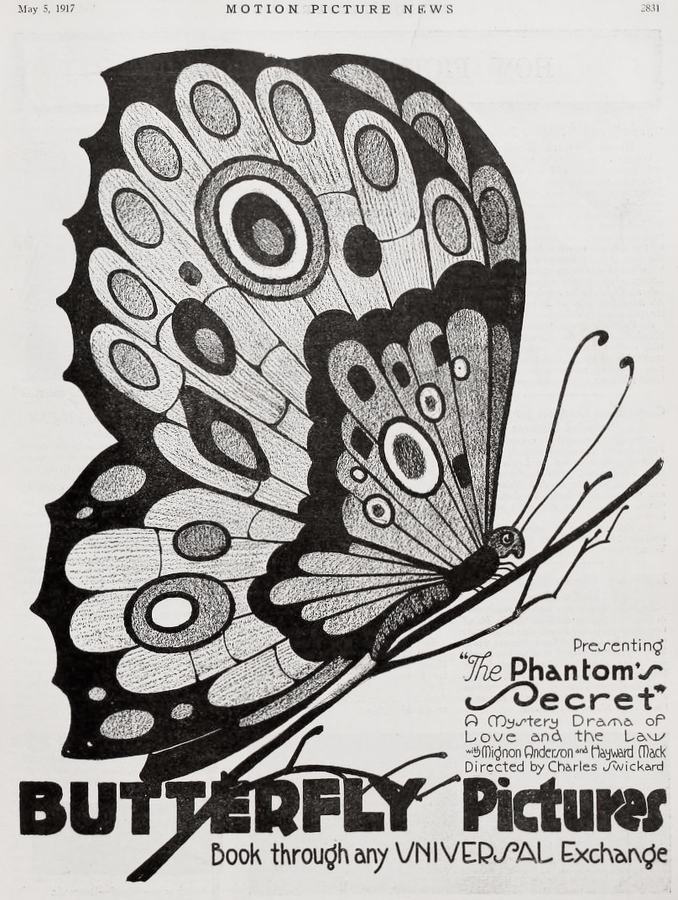
At the death of Count de Beaulieu, his daughter Jeanne learns that her father had been the arch criminal known as The Phantom. The only other person who knew her father's identity was his lieutenant, Franz Leroux, who now demands that Jeanne marry him in return for his silence. She agrees and they go to America where Jeanne meets an old friend, Jane Elliot. Jeanne confides her secret to Jane, and the two decide to flee to Florida. When en route their train is wrecked and Jane killed, Jeanne, in order to protect herself from her criminal husband, assumes Jane's identity. Posing as Jane, she visits the Marstons and falls in love with Henry Marston. Soon after, Leroux arrives and Jeanne is forced to tell her story. While explanations are in progress, one of Leroux's confederates, whom he had double-crossed, kills the criminal. Henry then forgives Jeanne her deception and together they begin a new life.
View Details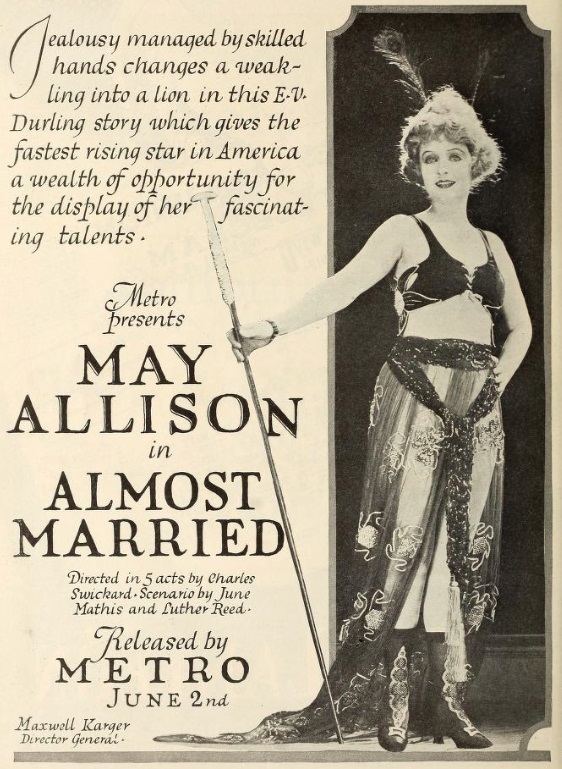
Dir: Charles Swickard
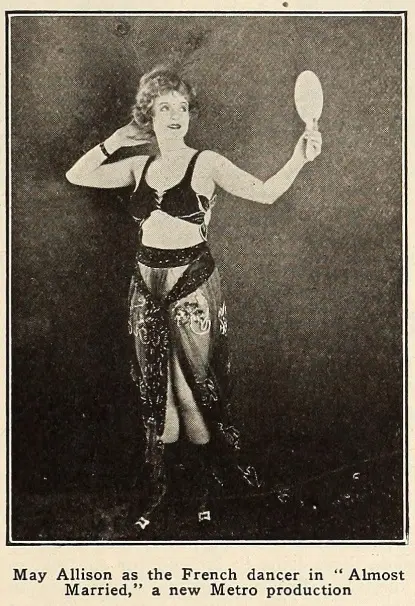
Wealthy young American Carrington O'Connell is traveling Europe with a "social advisor" to become more polished and sophisticated. While stopping at an inn in Switzerland, he is entranced by pretty young Adrienne Le Blanc, whose parents own the inn and in which she entertains travelers. Adrienne falls for him, but his "advisor" warns him against such a socially "unacceptable" relationship, and he reluctantly leaves. Adrienne soon gets a contract with a theatrical agent for appearances at a musical hall in America, where she happens to meet Carrington's wealthy father Michael. Complications ensue.
View Details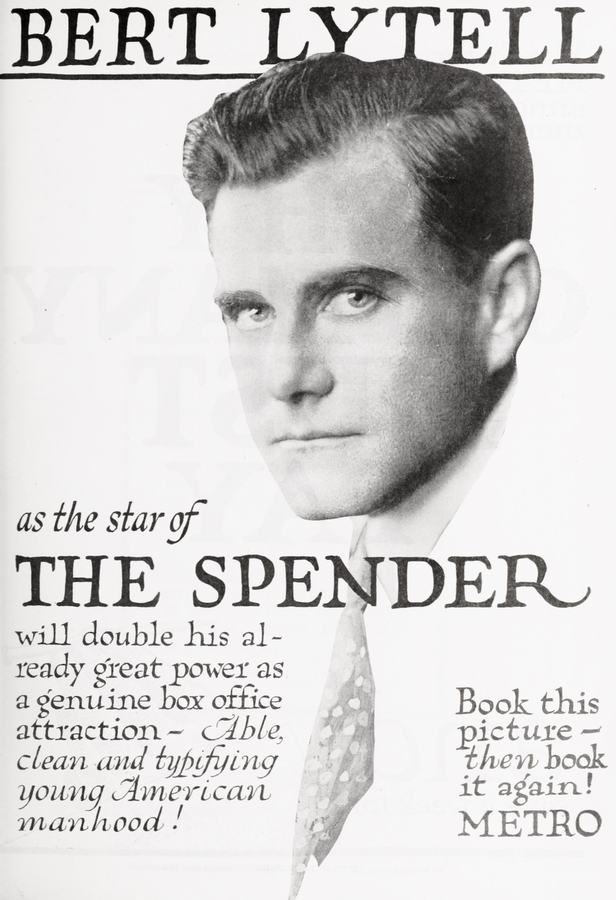
Dir: Charles Swickard
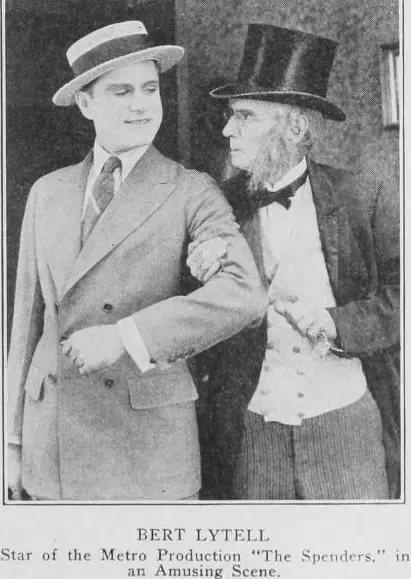
Dick Bisbee loses his job in his millionaire uncle T. W. Bisbee's factory because of the hostility of crooked manager Elmer Robbins. Before leaving, Dick denounces his uncle for his niggardly ways and advises him that there are no pockets in a shroud. Dick goes to live at the home of his one office friend, bookkeeper Stetson, and he falls in love with Stetson's daughter Helen. The next day T. W. feels remorse and under Dick's guidance he abandons his miserly ways and spends his money having a good time. After overhearing Helen telling Dick what she would do if she had T. W.'s money, T. W. follows her advice. Robbins is arrested for embezzlement, and T. W. makes Stetson manager and Dick a partner in the factory.
View Details
Dir: Charles Swickard
Engineer Bob Durland, a rival of the wealthy Harold Blake for the hand of Alice Randolph, goes to Mexico during its revolution to prevent Morgan Randolph from losing his oil concession. Harold accompanies him, but when the Mexican insurrectionists threaten the two Americans, he becomes frightened and leaves. Upon his return, he reports that while he himself heroically fought off the revolutionaries, Bob died a coward's death, and Alice, believing her true sweetheart to be dead, agrees to marry Harold. Meanwhile, Bob saves Randolph's mines despite several attempts on his life and then returns to the United States, just in time to prevent his girl from marrying the wrong man. After evening the score with Harold in a fight, Bob takes his place beside Alice at the altar.
View Details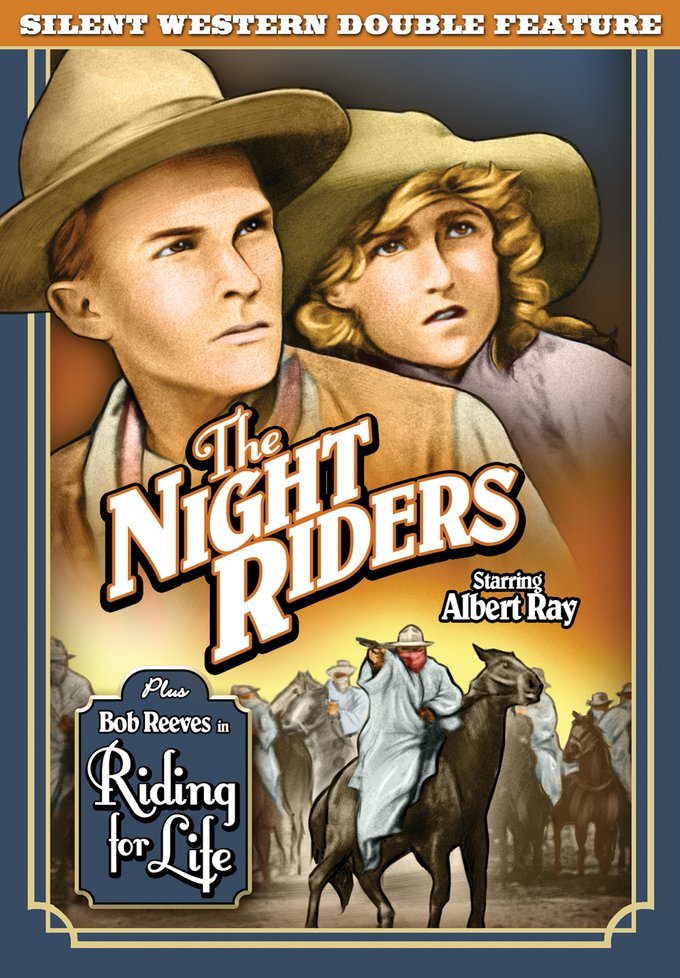
Dir: Alexander Butler
In Alberta, Canada, a Cornish emigrant unmasks a rustler posing as the girl's "blind" father.
View Details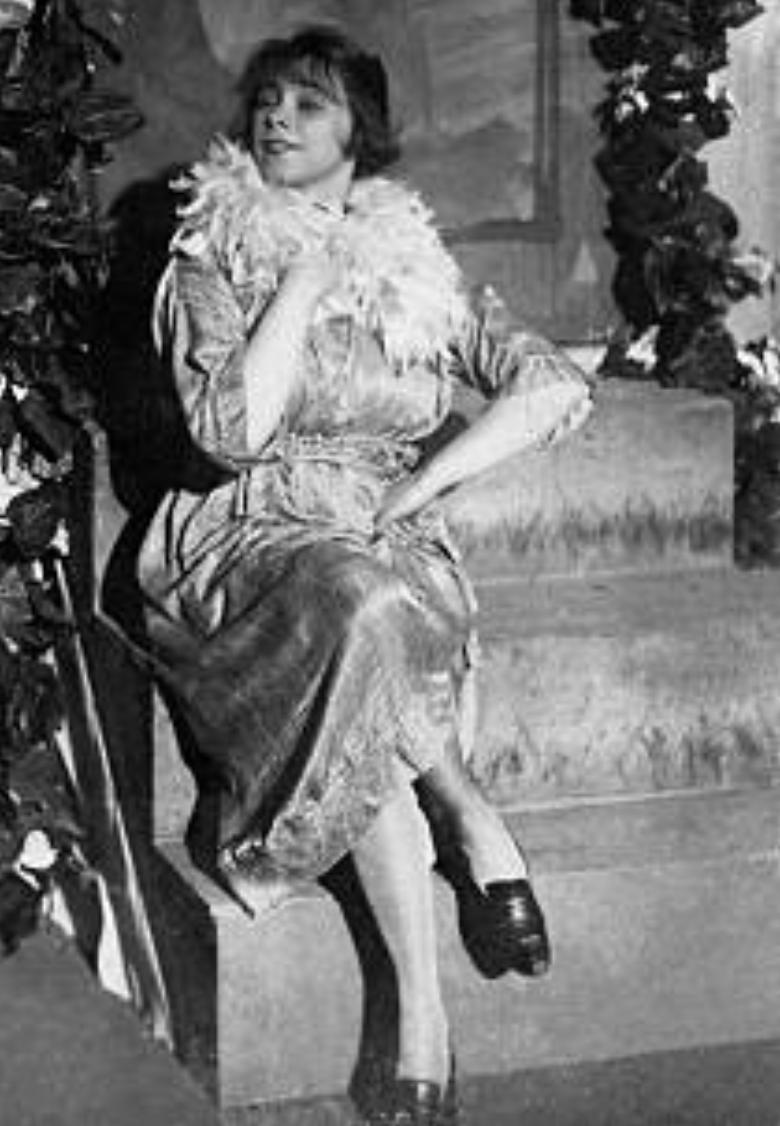
Dir: Bruno Ziener
A fascinating piece of cinema that shares thematic elements.
View Details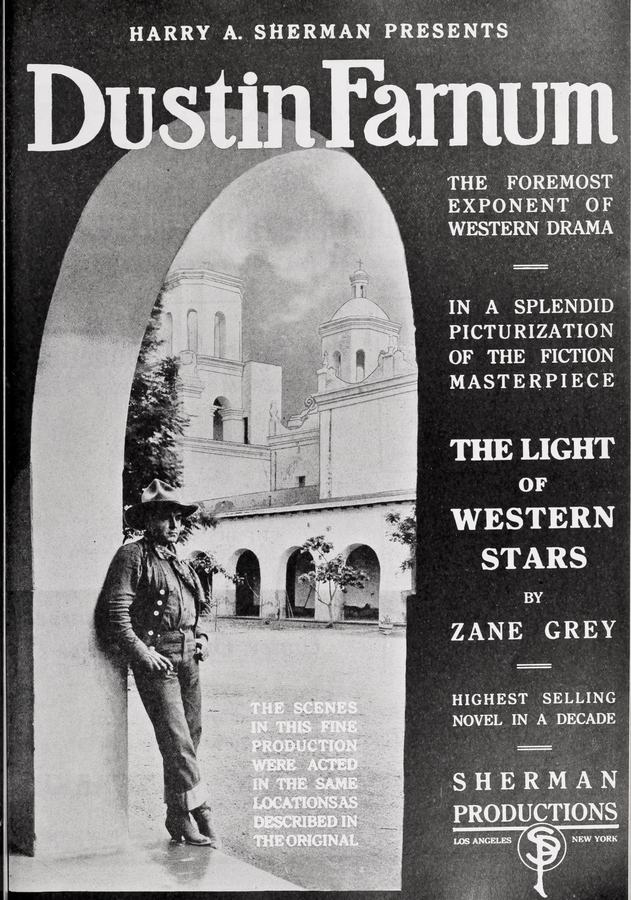
Dir: Charles Swickard
A friend of Dick Bailey is killed by a mysterious assailant, whom Dick suspects to be Stack, who is in league with the crooked sheriff. Out on a spree Dick swears he will marry the first woman he sees, who happens to be Ruth Hammond, sister of his dead friend, arriving to take charge of the Hammond ranch. Revolted by his rough proposal,she fires him as the Hammond foreman and she proceeds to the ranch. Stack informs her he has purchased the ranch for the payment of the back-due taxes, and she relents and rehires Dick and his friends to aid her in her fight against Stack.
View Details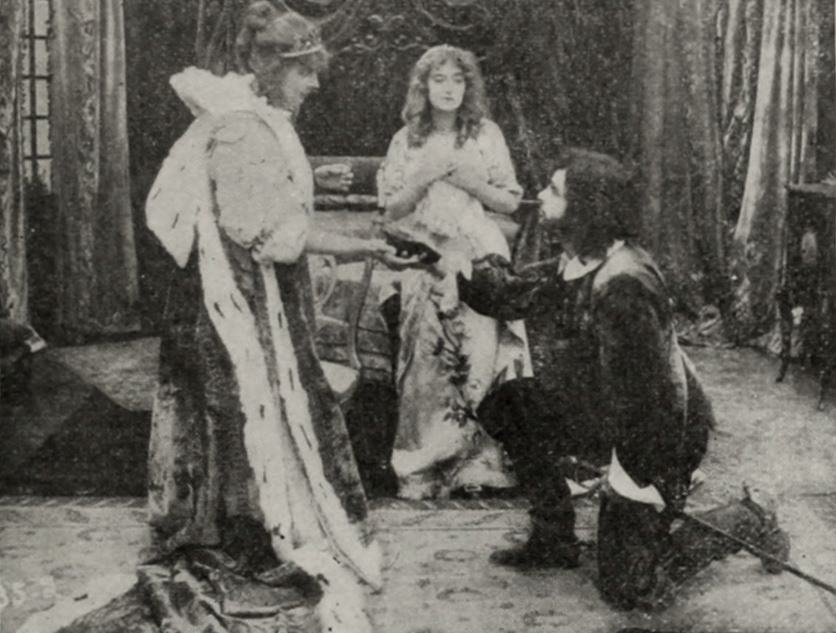
Dir: Charles Swickard
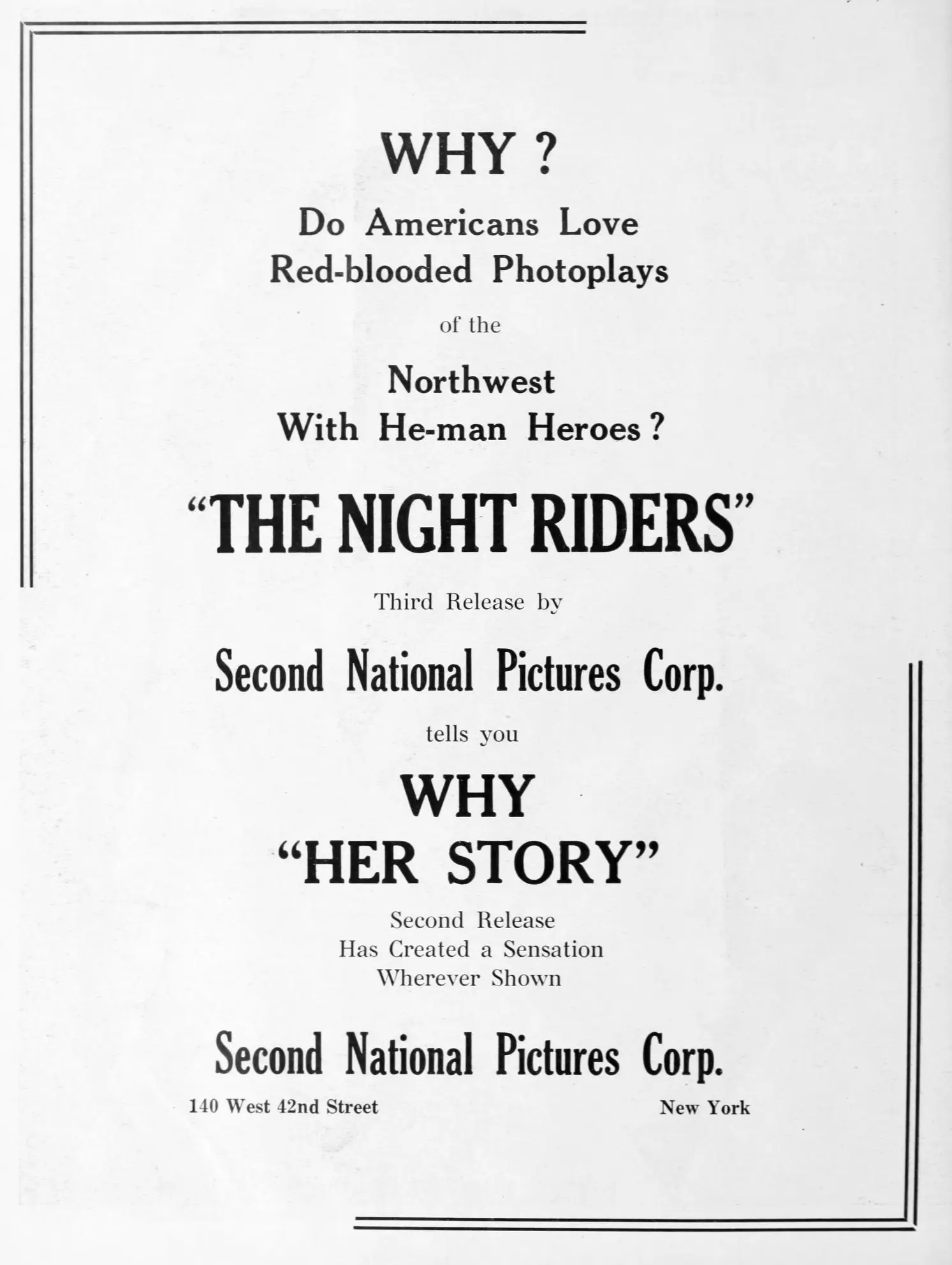
D'Artagnan goes to Paris and becomes a member of the famous King's Musketeers. The Queen sends him on a dangerous mission to England. His three companions are either captured or put out of commission in the course of fights on foot and horseback. D'Artagnan reaches London and recovers from the Duke of Buckingham a pair of studs the Queen gave him as tokens of regard. On the ship on which he returns the hero is captured by his deadly enemy, De Rochfort. Jumping over the side, he clings to the chains of the vessel till it reaches port in France. He restores the studs to the Queen, and she has them put back into the necklace where they belong. Cardinal Richelieu has induced the King to command the Queen to appear wearing the necklace at a great court ball. When he sees the complete necklace, his plan to embarrass the Queen falls through. In addition to obtaining the favor of the Queen, D'Artagnan is rejoiced over the safe return of his comrades and his reward from his sweetheart for his bravery.
View Details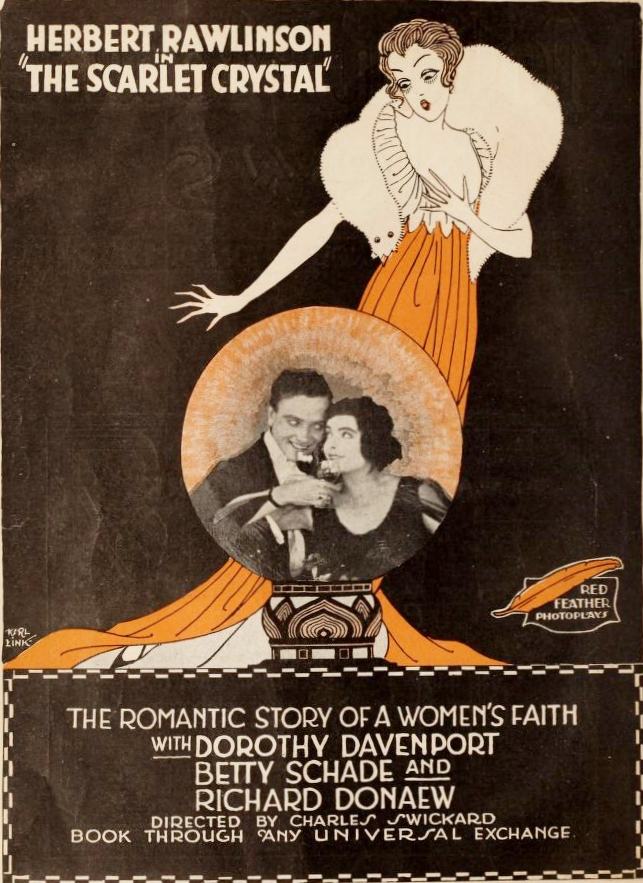
Dir: Charles Swickard
Priscilla Worth, an innocent country girl, goes to the city to visit her aunt, a typical society butterfly, who has sent for her, thinking her child-like simplicity will afford a welcome relief to Vincent Morgan, a wealthy bachelor, and man about town. The plan works well. Vincent marries Priscilla, and takes her on a tour around the world. However, one of his sweethearts, Marie Delys, a vampire chorus girl, resents being cast aside; and after Vincent returns, although he struggles with his better nature, he again succumbs to her charm. Priscilla grieves, but the memory of his love keeps alive her faith. Maxfield Durant, an artist, who painted her portrait when she first came to the city, had also fallen in love with her, but before he declared his love, she accepted Vincent. He advertises for a model who is beautiful, but not of the brazen type, and secures Peggy Lovel, a girl from the slums. Both Vincent, who is having Marie's picture painted, and his friend, Billy Van Duyn, become interested in Peggy. This arouses Marie's jealousy. Priscilla, remembering her portrait, requests Durant to bring it to her. He cannot refrain from showing his great love. Vincent, seeing this, flies into a terrible rage. Priscilla, conscious of no wrong, seeks consolation in the coming of her child. She gazes into a crystal which they brought from Egypt, and views scenes of horror, but her love for her husband renews her faith in him. Durant, unable to longer endure being so near Priscilla, closes his studio and becomes a wanderer. This throws Peggy out of employment, and she goes to Vincent, seeking help for herself and invalid mother. Billy, intoxicated, wants her, but Vincent sends her away, and takes Billie to his home. Peggy, knowing her mother's need of food, returns to Vincent's apartment, where he finds her asleep. As Vincent removes the glass stopper from a bottle of liquor, he sees, as in a crystal; Peggy sacrificing herself, and being sneered at by Billy. She returns home, finds her mother is dead, and takes to drugs to forget her dishonor. Finally she goes to a café where Marie and Vincent are drinking, and falls dead at the foot of the stairs, while Marie stabs Vincent and herself. The horror of this vision awakens Vincent's better nature and he sends Peggy home unharmed. Priscilla, who has been waiting with her baby, sees in the crystal, the fight for Vincent's soul, and when the face of the Christus appears, she knows the victory is won. Soon after, Vincent returns repentant.
View Details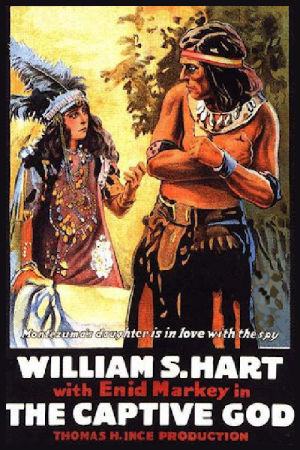
Dir: Charles Swickard
The picture tells the story of a little Spanish boy who is cast upon the shore of the east coast of Mexico early in the sixteenth century, when Mexico was dominated by the Aztec Indians. Never having seen a white person before, the local natives, a tribe called Tehuans, bring him up as a god and call him Chiapa. When he reaches manhood, Chiapa is given authority over his entire tribe. He falls in love with the priestess, Tecolote, and she yields to his advances although she is quite unworthy of him, and encourages other suitors. Then the Aztecs hear that under the white god the Tehuans are very prosperous, and start forth to conquer them. The Aztec army is under command of Mexitli, the chief general of Montezuma, the Emperor, and having conquered the Tehuans, he carried off Tecolote as his personal slave. Chiapa follows as a spy. In the garden of Montezuma, he is wounded by a guard, but Lolomi, the beautiful daughter of the Emperor, saves him. They fall in love. Meanwhile Mexitli has tired of Tecolote, and now seeks the hand of the Princess Lolomi, who would rather die than have him. As the Emperor gives Mexitli his consent, he tries to get the princess by force, and in doing so discovers Chiapa. Luiapa is sentenced to die at the end of the year on the sacrificial stone. But Lolomi, finding her pleas to her father of no avail, sends word to the Tehuans that their god is captive. An avenging army sweeps down, and there is brought about a sequence of thrilling scenes with a smashing finish.
View DetailsAnalysis relative to The Third Woman
| Film Title | Atmosphere | Complexity | Similarity |
|---|---|---|---|
| The Phantom's Secret | Surreal | Layered | 89% Match |
| Almost Married | Gothic | Layered | 93% Match |
| The Spender | Gritty | Layered | 92% Match |
| Hitting the High Spots | Tense | Layered | 98% Match |
| The Night Riders | Ethereal | High | 96% Match |
This guide was algorithmically generated using the cinematic metadata of Charles Swickard's archive. Last updated: 6/27/2026.
Back to The Third Woman Details →