
DbcultAccessing Vault...
Recommendations
Senior Film Conservator
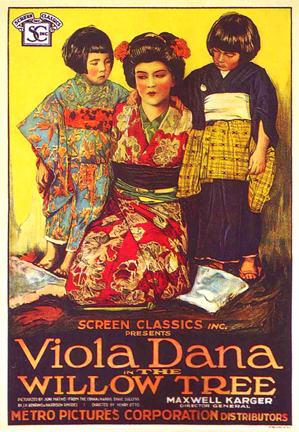
For cinephiles who admire the emotional resonance within The Willow Tree, its lasting impact ensures that its spirit lives on in modern recommendations. Each of these movies shares a piece of the emotional resonance that made The Willow Tree so special.
At its core, The Willow Tree is a study in to provoke thought and inspire awe in equal measure.
A Japanese girl falls in love with an Englishman who soon afterward departs for the war against Germany in Europe. She endures for four years, awaiting his return.
The Willow Tree was a significant production in United States, showcasing the immense talent of Edward Connelly, Harry Dunkinson, Viola Dana. It continues to be a top recommendation for anyone studying Drama history.
Based on the unique emotional resonance of The Willow Tree, our vault has identified these titles as the most compelling follow-up experiences for fans of Drama cinema:
Dir: Henry Otto
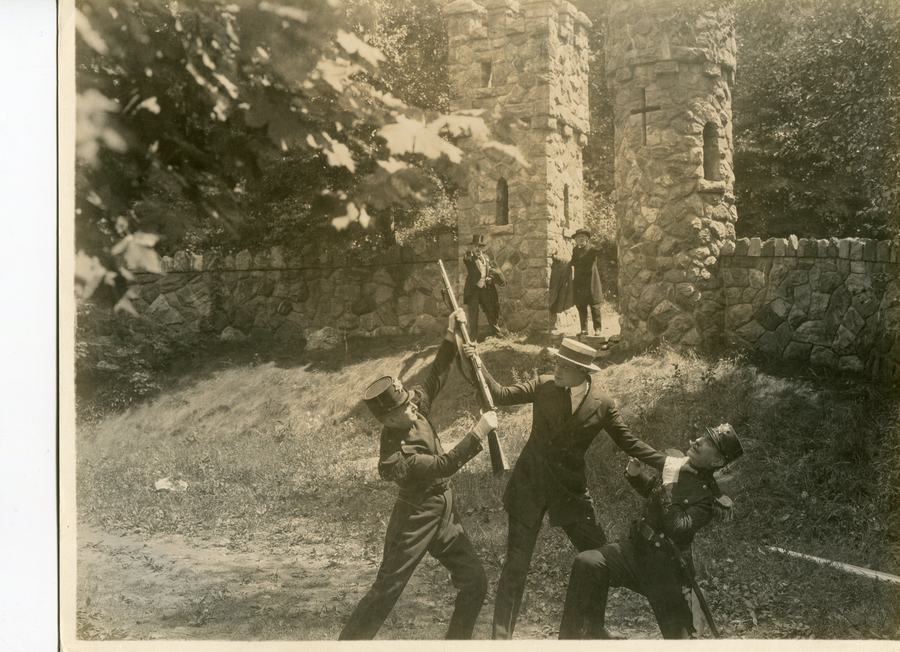
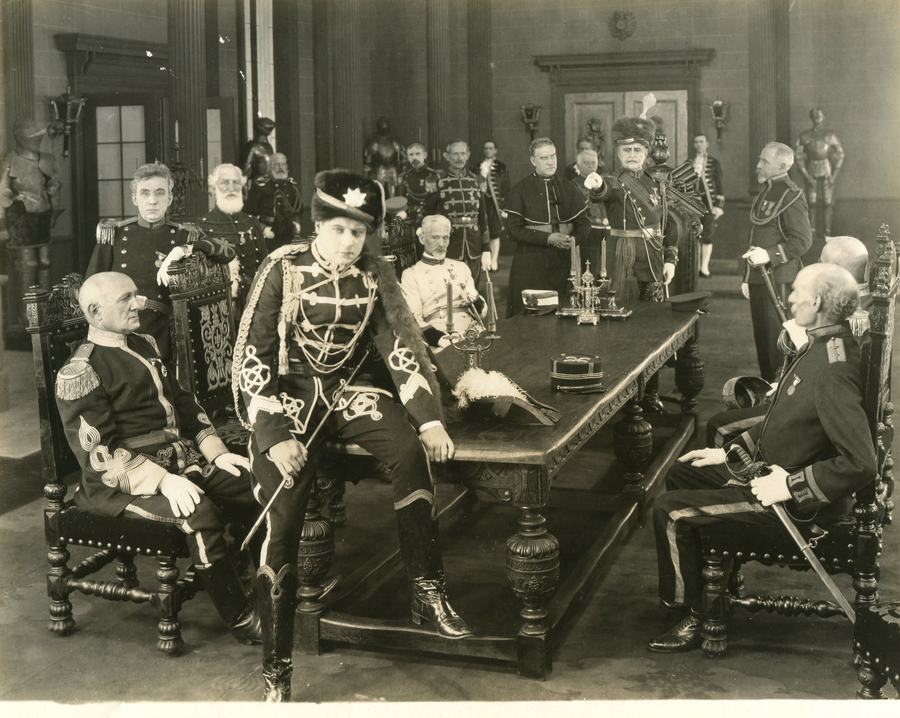
King Rudolph of Rugaria sends his son, Prince Boris, to America to marry into wealth so that the country can recover from its financial difficulties. Rich Mrs. Hanway, eager to have her daughter Althea become a princess, takes her with Boris to Rugaria. Meanwhile, Rupert Danza, a Columbia University student, is told by a mysterious envoy that he is needed in Rugaria to lead a revolution. Although he laughs at first, he follows, when he learns that his sweetheart Althea has gone there. While Rupert's knowledge of democracy inspires the revolutionaries, his sword play enables him to rescue Althea from Boris. After an anarchist wounds the king, Rupert is arrested, but as a firing squad prepares to execute him, Countess Olga reveals that he is really the king's son who was kidnapped as a child and sent to America to absorb democracy for the coming revolution. After Rudolph dies, Rupert declines the crown, but is elected president of the newly-created republic. Althea then becomes his First Lady.
View Details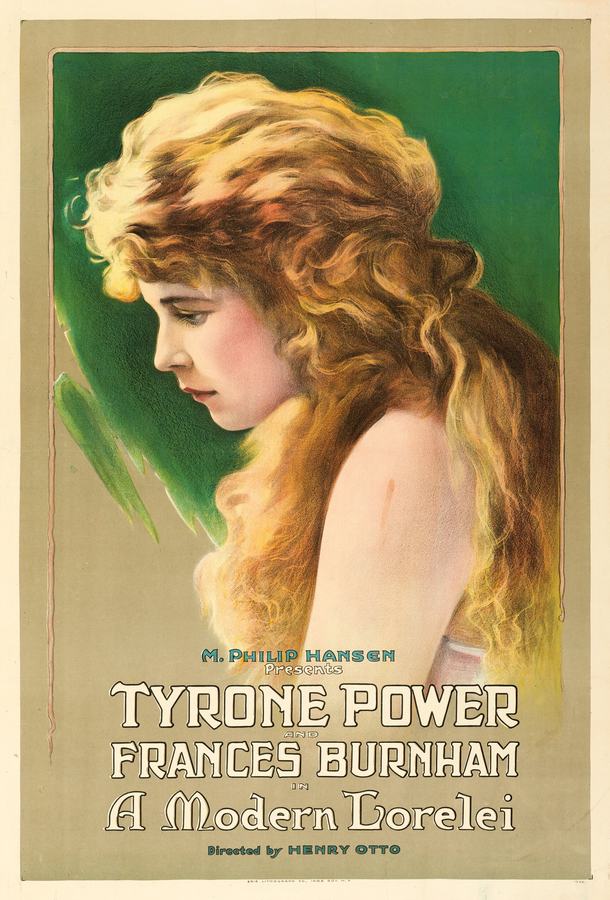
Dir: Henry Otto
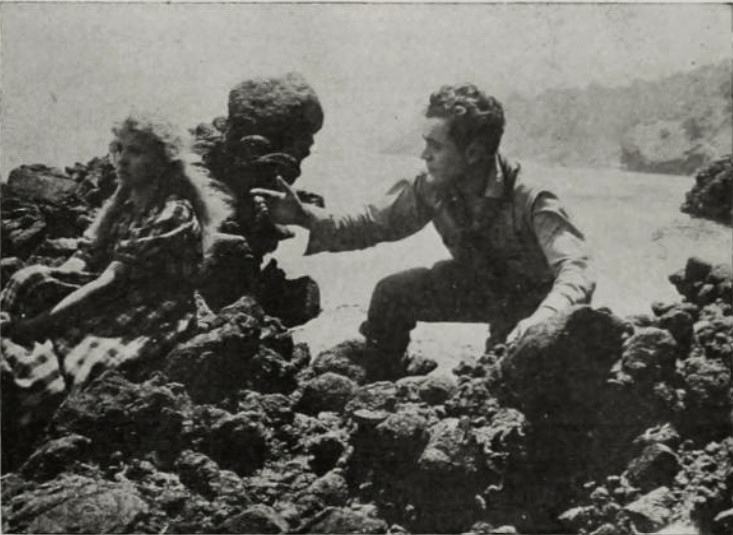
In the South Seas lives Lorelei, who decides to act out her fantasies and poses on the rocks as she sings. From his yacht, Dorian, hears Lorelei's song and goes to investigate. His boat is destroyed on the rocks, and Lorelei cares for him.
View Details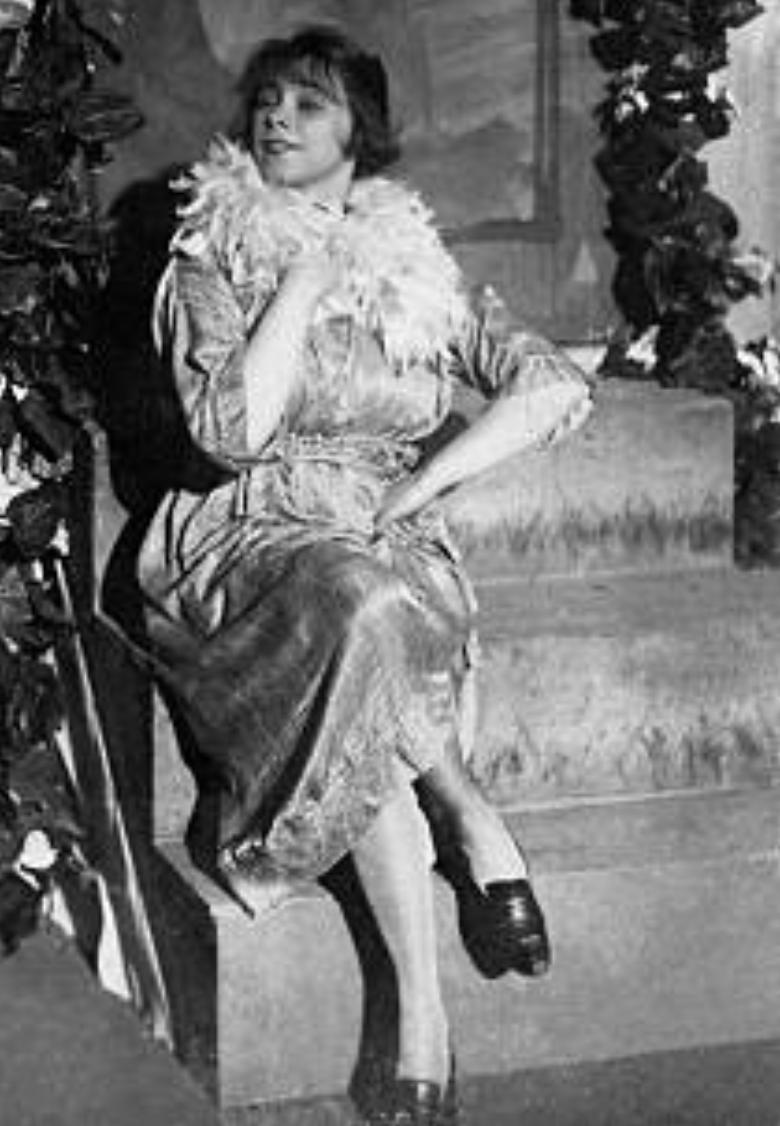
Dir: Bruno Ziener
A fascinating piece of cinema that shares thematic elements.
View Details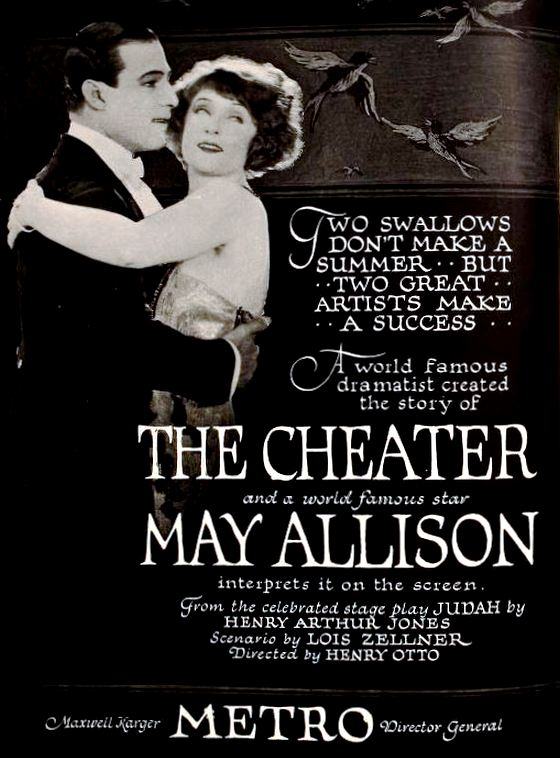
Dir: Henry Otto
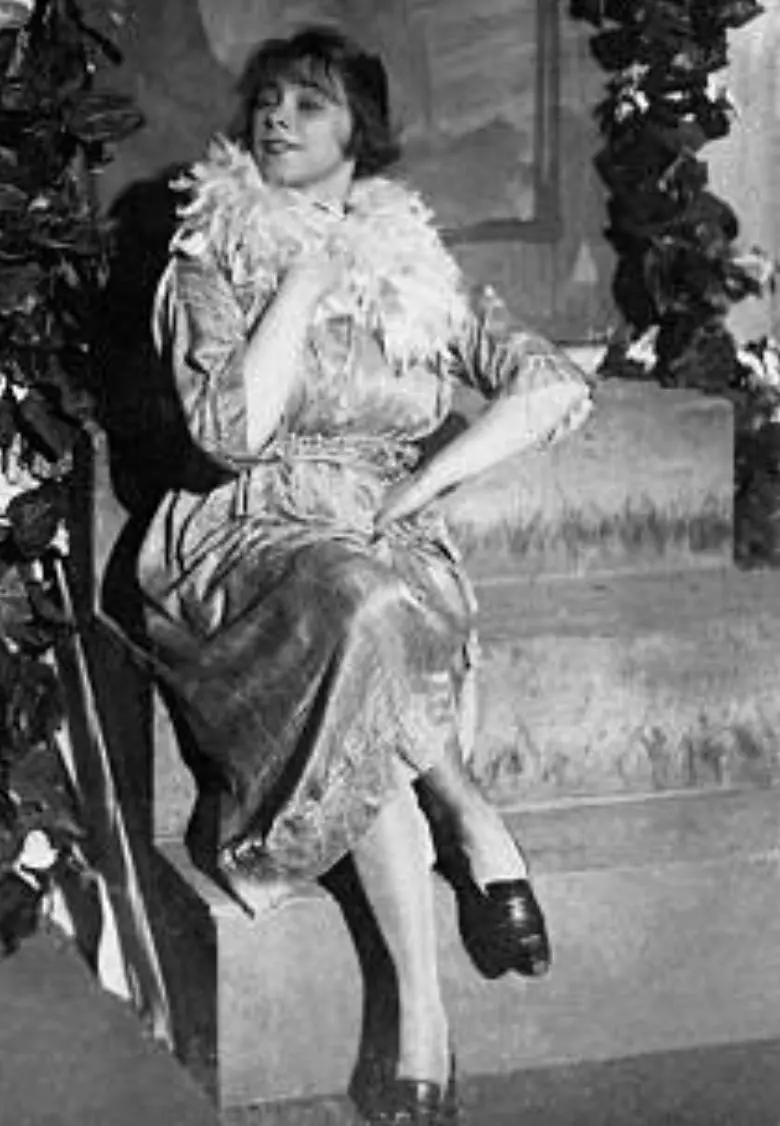
Lilly Meany, a member of a London underworld gang, poses as a faith healer to fleece wealthy hypochondriacs. On the recommendation of socialite Mrs. Prall, Lord Asgarby beseeches Lilly to cure his young crippled sister Eve. When Lilly mends a broken doll, she inspires Eve's confidence, and soon Eve is cured. Then Lord Asgarby falls in love with Lilly, and she confesses her scheme. He forgives her and they marry.
View Details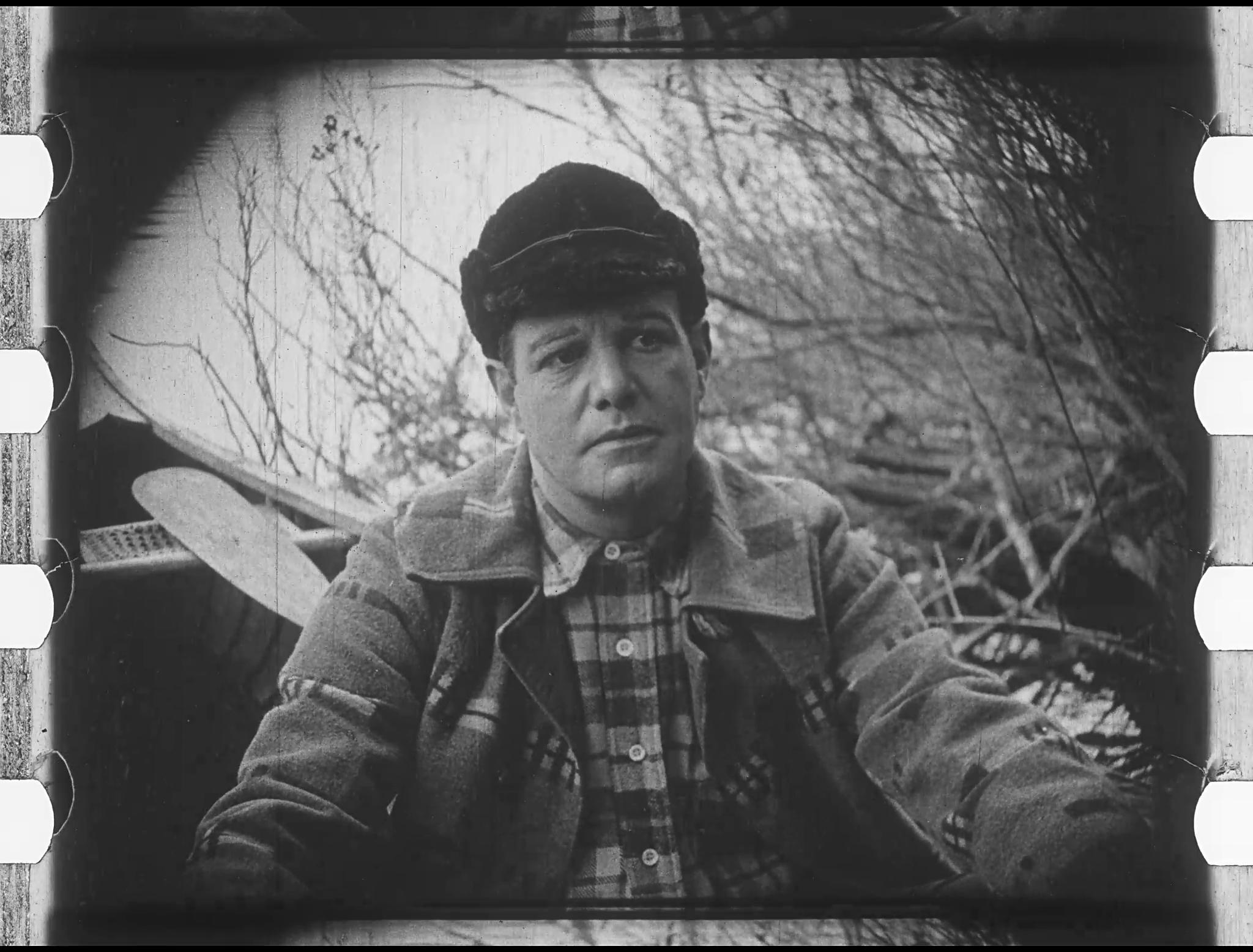
Dir: Edgar Jones
A mail-order bride arrives at a Maine lumber camp but doesn't like her prospective husband.
View Details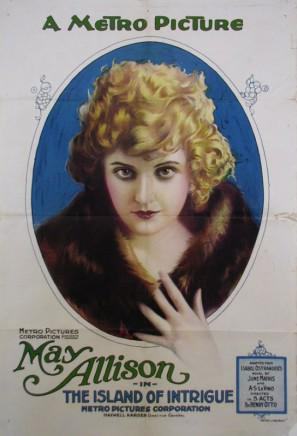
Dir: Henry Otto
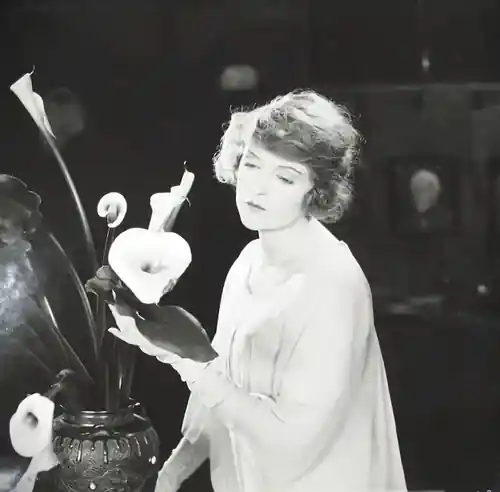
When oil magnate Thomas Waring receives a letter from his old friend, Mrs. Juliet Smith, suggesting that his beloved daughter Maida spend her vacation at Mrs. Smith's island home, Waring encourages Maida to accept as he has to go East on business. After Mrs. Smith supposedly gets Maida, Waring receives a call from the real Mrs. Smith, who says that Maida has left with an impostor. On the island, Maida lives luxuriously, unaware that her hosts are sending her father ransom notes. She meets Gilbert Spear, camping out, and they fall in love. After receiving no response from Waring, the kidnappers reveal their scheme to Maida and demand that she write to her father. They lock her in when she refuses, but she escapes and leaves the island with Gilbert. Although they are overtaken by the criminals, Waring and the police pull up and the gang is taken into custody, leaving Gilbert and Maida free to pursue their romance.
View Details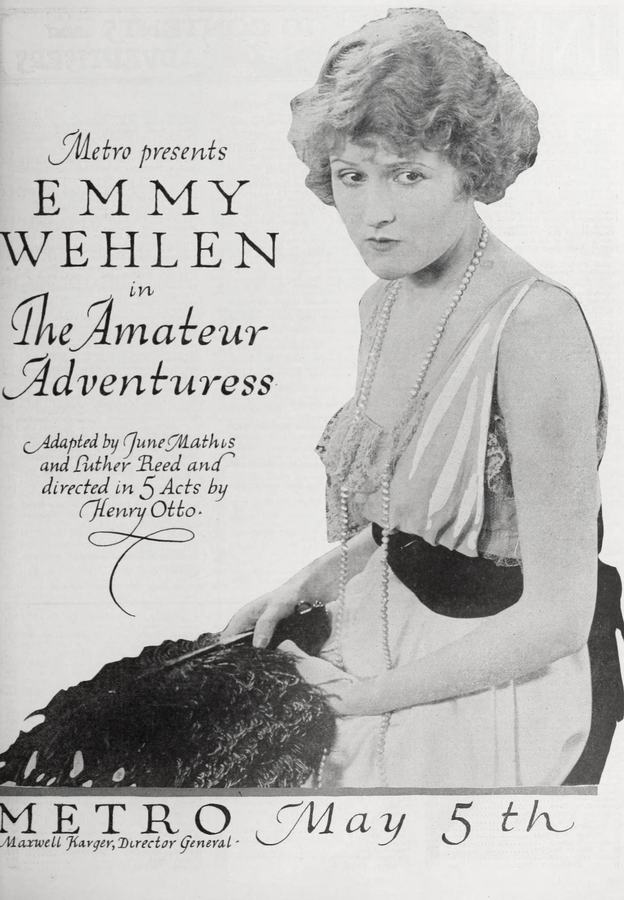
Dir: Henry Otto
William Claxtonbury, the elderly, lecherous head of the Working Girls' Welfare Association, flirts with his pretty clients and gives plainer applicants an inspirational pamphlet. Claxtonbury's stenographer, Norma Wood, is engaged to George Goodie, a sanctimonious, miserly clerk, who looks forward to her continued employment after their marriage. Determined to have a fling at life, Norma walks out on Goodie and charges a number of gowns to Claxtonbury. In her finery she visits a restaurant, where she meets Oliver Morley. Oliver's sister, Mrs. Sentel, a wealthy widow whose two passions in life are her son Gregory and "the movies," hires Norma for $5,000 to lure Gregory from his portly sweetheart, a delicatessen owner's daughter. Using tips found in How to Win a Man in 48 Hours , written by a "picture vamp," Norma succeeds and Gregory proposes to her. Norma, however, realizes that she has fallen in love with Oliver and confesses all to him. Her love is reciprocated and Norma and Oliver plan to marry.
View Details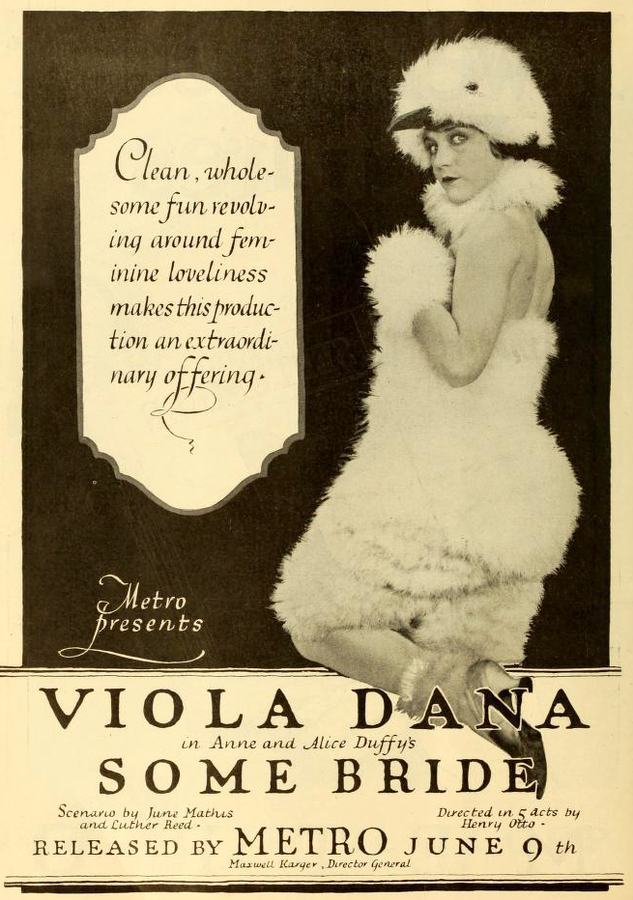
Dir: Henry Otto
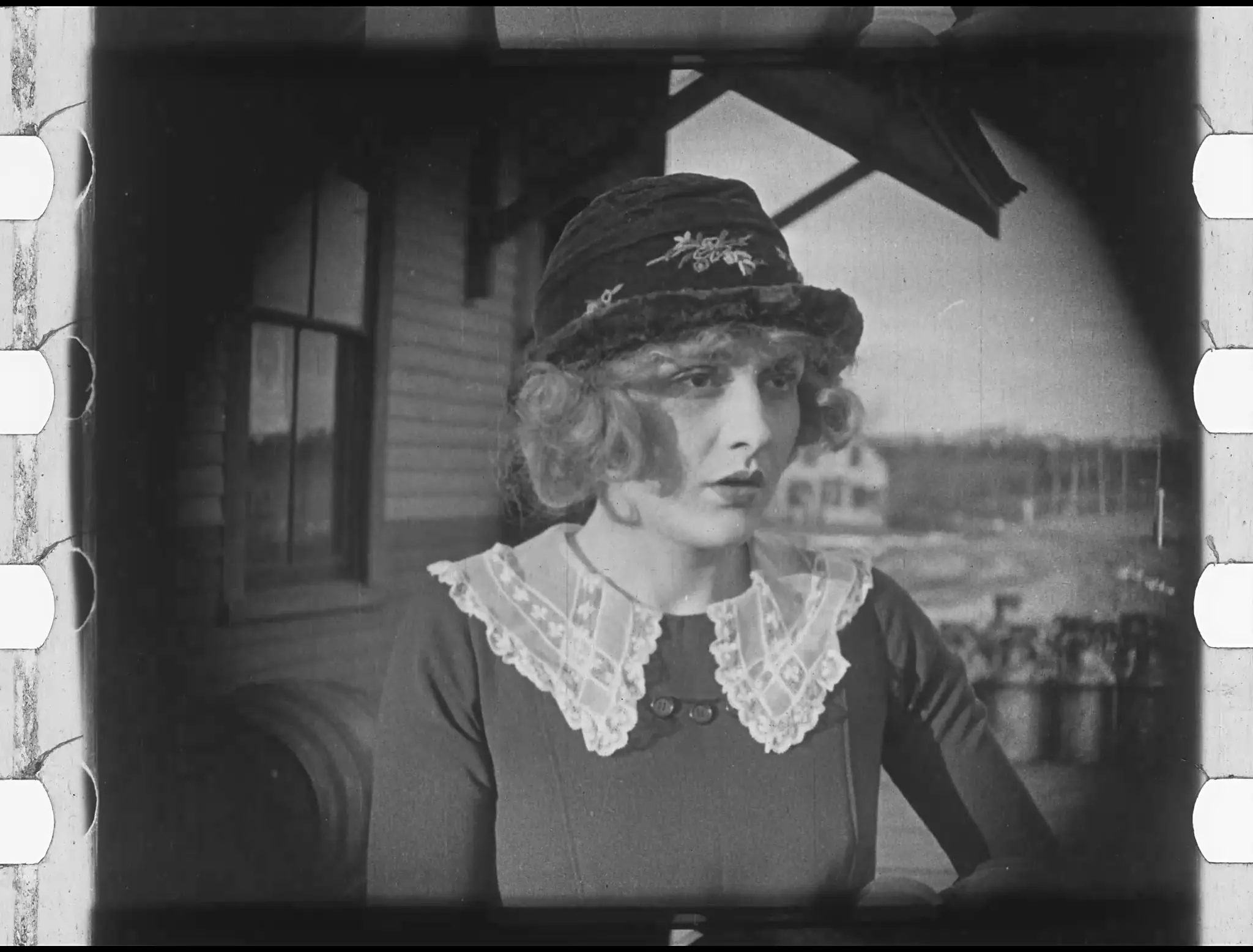
Young bride Patricia Morley's flirtatious ways at a summer resort keep her husband Henry in a state of continual anxiety. At an old-fashioned barn dance, Patricia enacts the role of a chicken breaking out of an egg, and Henry's wrath explodes. After accusing her of being in love with another man, Henry returns to New York and files for divorce. Heartbroken, Patricia sends her friend Victoria French to tell Henry that she is dying. Meanwhile, Patricia goes to a hospital and alarms the staff with her hysterical conduct. Later the nurse discovers that Patricia is bluffing. Henry arrives at the hospital just in time to see Patricia pretending to be nurse to his divorce lawyer, Geoffrey Patten, whose leg is broken. Henry's anger explodes again, but he makes up with Patricia and they go home together. Henry hires the hospital nurse as a detective, causing more complications, but Henry finally is cured of his jealousy.
View Details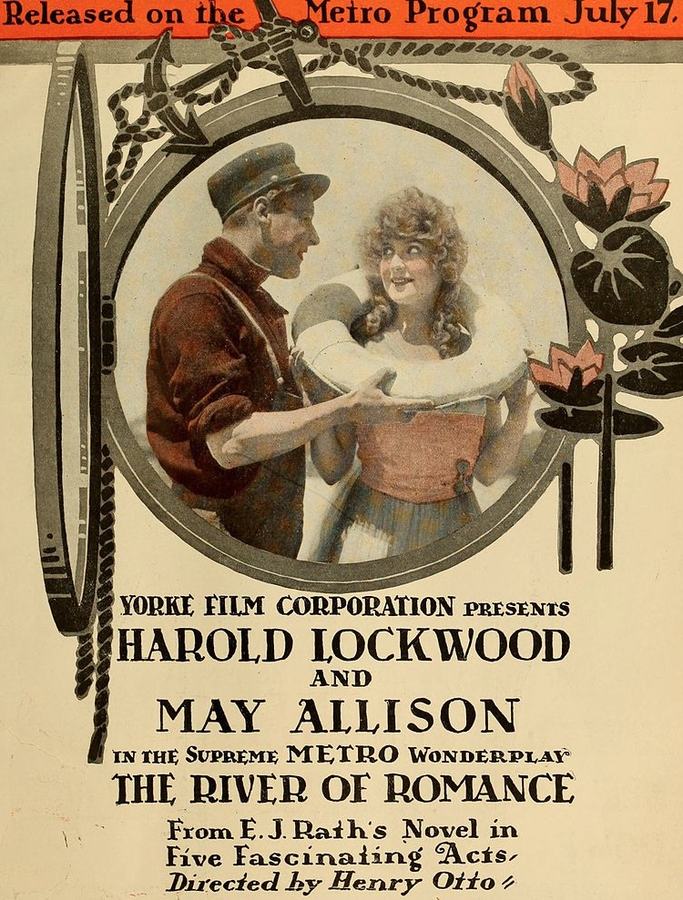
Dir: Henry Otto
Rosalind Chalmers, a New York society girl, goes on an unannounced visit to her friends, the Witherbees, at the Thousand Islands, primarily for the purpose of escaping the unwelcome attention of Reginald Williams. She misses the last boat to their island, and is taken over in the decrepit motorboat of an interesting young man known as Sam. Sam is really William Kellogg, heir to the Davidson millions. During the absence of his uncle, Henry Davidson, Kellogg has broken a handsome vase, and decides to earn the money himself to pay for it. So as One-Cylinder Sam he begins to carry passengers between the islands. On the way to the Witherbee island Kellogg's motor goes dead. Rosalind's hobby is motors, and she puts the engine in working order in no time. When they reach the island the family has retired for the night. Rosalind tries to climb in a window, but sets off a burglar alarm, and runs to escape the people who come to investigate. Startled by shots, she takes a small boat, and goes out into the river. She hears more shots, this time for Davidson Island. From angry voices she learns that the supposed burglars are there, too. Two motorboats set out. Soon the engine of one goes dead, and Rosalind goes to help. Kellogg, whom she knows as Sam, and whom she things is a burglar, is in the boat. But in spite of this she starts his engine for him, on account of the strange attraction he has for her, and aids his escape from the pursuing boat. Rosalind and Kellogg thereafter see a great deal of each other in the simple life of the islands. At a hotel dance he appears in his evening clothes, and after getting Rosalind to dance with him, induces her to go for a short walk in the moonlight. He tells her he is madly in love with her, and that he is going to marry her, with her consent or without it. She still thinks he is a burglar, and is frightened. He picks her up and carries her to his boat, but in mid-stream the boat strikes a submerged rock and sinks. Kellogg swims ashore with Rosalind to his uncle's island. He offers to break into the house and get some dry clothes for her and though still thinking he is a burglar she consents. Kellogg arrays himself in fresh clothes, and is greeted joyfully by his uncle. Kellogg hands him a purse containing the money for the vase, earned by his efforts as "One-Cylinder Sam," and introduces him to Rosalind, who is relieved to know that the man she is going to marry is not a burglar.
View Details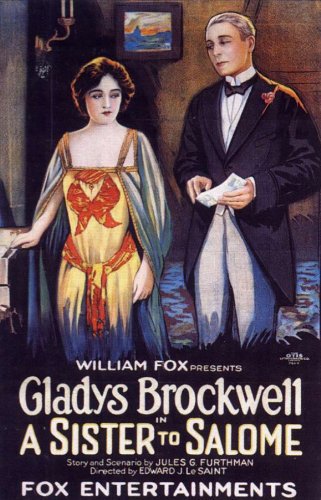
Dir: Edward LeSaint
When famous opera singer Elinore Duane undergoes an operation on her throat, she has a series of ether-induced visions. In one, she is transported to ancient Rome where she appears as a much-admired woman in love with Paul, a young heretic, and at odds with Lutor, the high priest. To save her love, she poisons Lutor with her ring. After several other visions which involve variations on this love triangle, Elinore awakens to discover that Lutor is actually her doctor, Sascha Jaccard, and that Paul is the son of a friend who has come to visit the recovering prima donna.
View DetailsAnalysis relative to The Willow Tree
| Film Title | Atmosphere | Complexity | Similarity |
|---|---|---|---|
| The Great Romance | Ethereal | Abstract | 93% Match |
| Lorelei of the Sea | Tense | Dense | 88% Match |
| Eva, wo bist du? | Gothic | Dense | 86% Match |
| The Cheater | Ethereal | Dense | 86% Match |
| In the River | Gritty | High | 92% Match |
This guide was algorithmically generated using the cinematic metadata of Henry Otto's archive. Last updated: 6/27/2026.
Back to The Willow Tree Details →