
DbcultAccessing Vault...
Recommendations
Senior Film Conservator
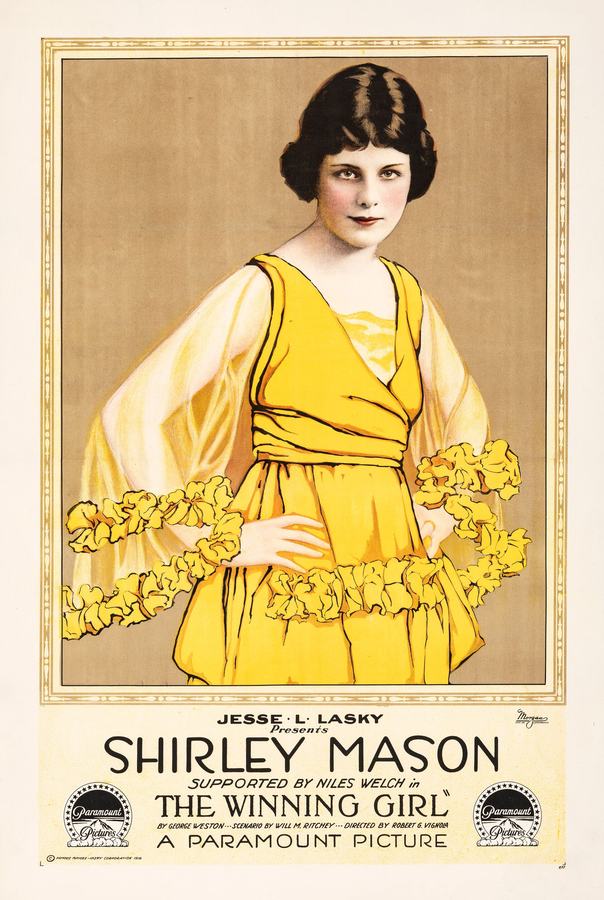
Looking back at the 1919 milestone that is The Winning Girl, the cinematic shorthand used by Robert G. Vignola is both ancient and revolutionary. Dive into this collection and find the spiritual successors to Robert G. Vignola's vision.
As Robert G. Vignola's most celebrated work, it defines to articulate the unspoken anxieties of United States's 1919 era.
Because he had previously picked the name James for his first-born, when a female arrives, Major Milligan, a well-meaning but lazy dreamer, calls his daughter Jamesina, or Jemmy for short. With the birth of her second child, Mrs. Milligan dies, and several years later, when Jemmy is about eighteen, the Major marries a widow with three children. Soon the family is deeply in debt. Jemmy gets work at a textile factory, gets jobs for the other children, and even inspires the Major to work. She falls in love with Stanley Templeton, an aviator on furlough, but because his mother disapproves, Jemmy refuses to marry him. After Stanley returns to the war, Jemmy captures a German spy in the plant who was soaking cloth for airplanes in acid. She receives a reward which allows the Milligans to pay off their mortgage. Mrs. Templeton apologizes, and when Stanley returns, she warmly approves of their engagement.
Based on the unique cinematic excellence of The Winning Girl, our vault has identified these titles as the most compelling follow-up experiences for fans of cult cinema:
Dir: Robert G. Vignola
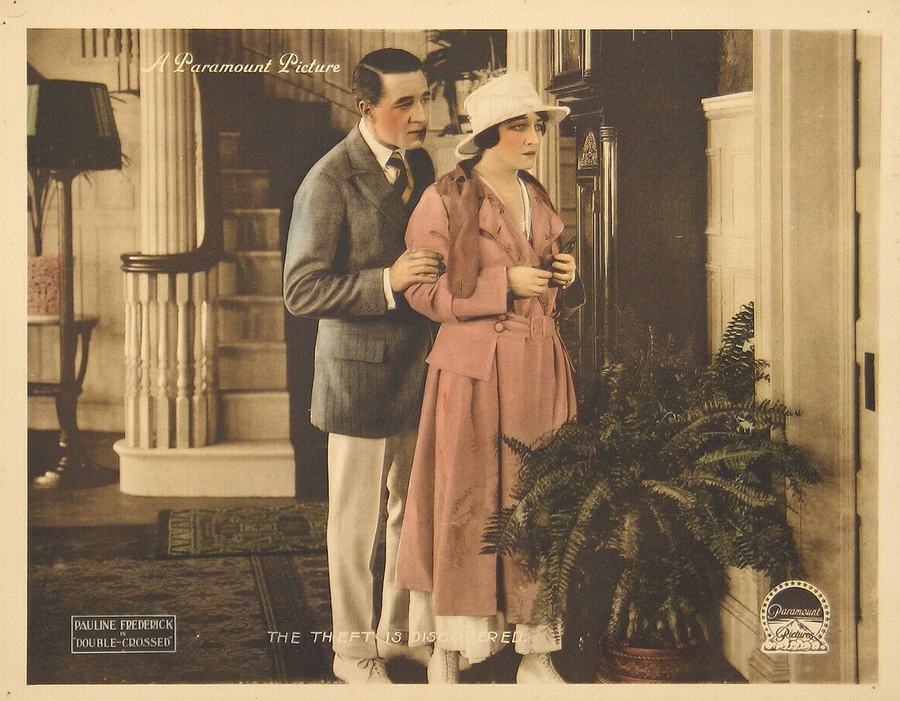
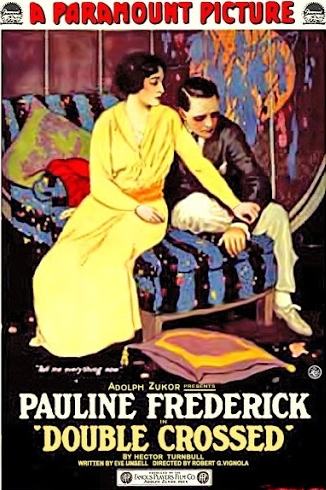
Young Frank Stratton, the scion of a wealthy family who is temporarily short of funds, has borrowed a valuable bracelet and hasn't returned it to its owner. A crooked detective, Jim Foley, finds the bracelet in Stratton's possession and promises not to arrest him for it in return for Stratton signing a confession that he stole it, which Foley intends to use at a future date. Years pass and a political boss in danger of losing an election asks Foley's help in getting valuable papers from his opponent, Worthington Lawrence. Foley knows that Lawrence is a friend of Stratton and tells Stratton that unless he steals those papers Foley will make his signed confession public. Complications ensue.
View Details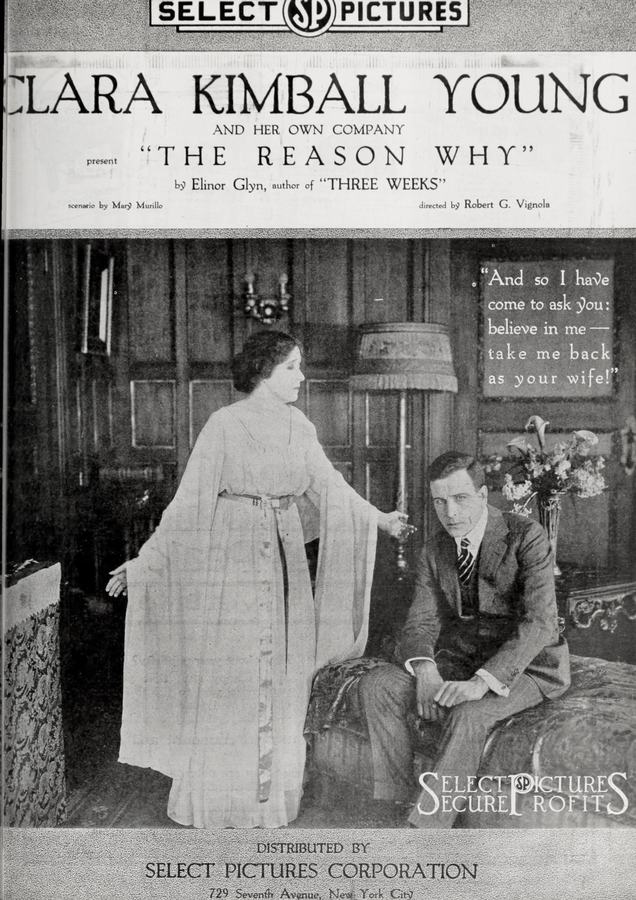
Dir: Robert G. Vignola
A Russian refugee who masquerades as Zara, niece of Francis Markrute, comes to his home and marries Lord Tancred, a scion of the English nobility, after a long series of misadventures she makes a full confession to her supposed uncle and to her husband regarding her origin and her young son by a former marriage to a Russian prefect of police, whom an infuriated mob murdered for his cruelty. Tancred is stunned, but only for a moment. Overwhelmed with forgiveness he avows his undying love.
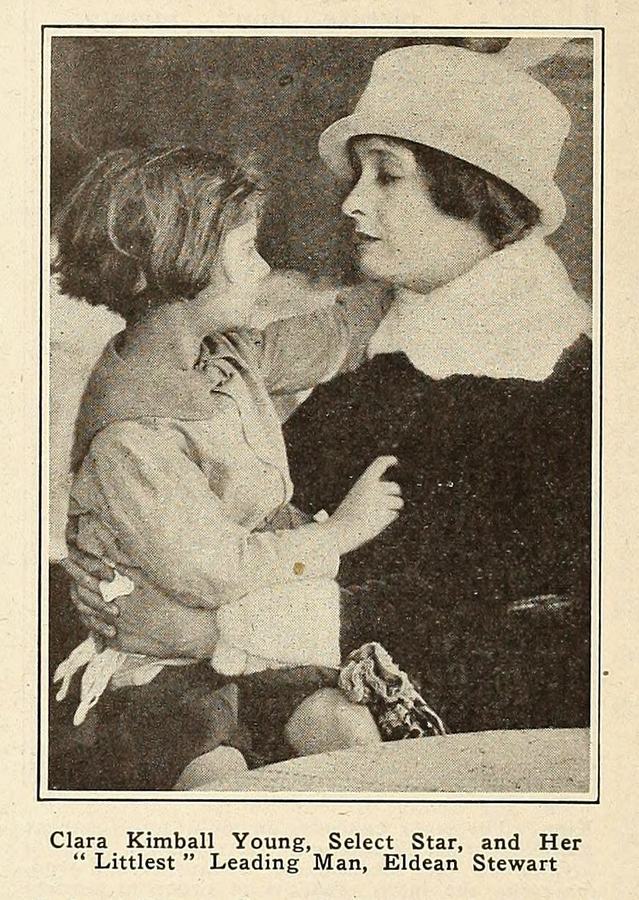
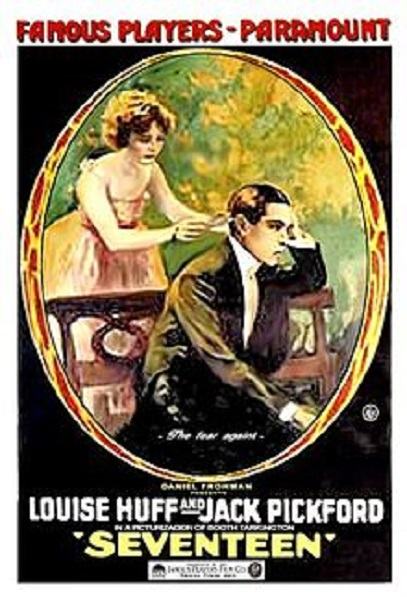
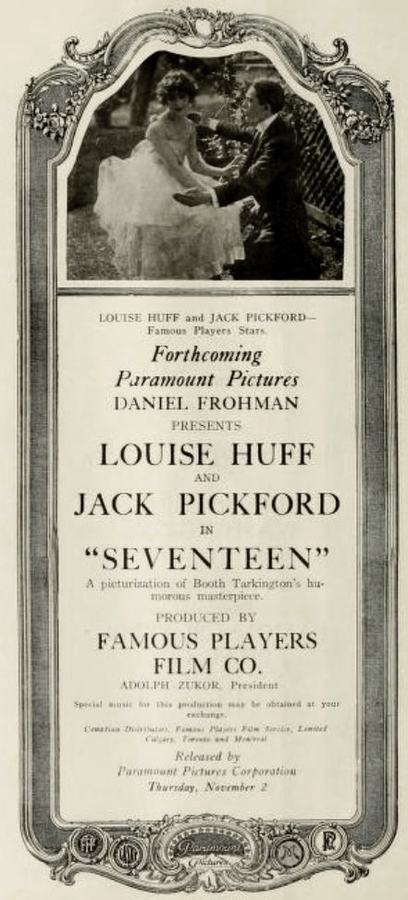
Dir: Robert G. Vignola
Seventeen-year-old William Sylvanus Baxter has fallen madly in love with young coquette Lola Pratt. After he has spent all his money on the fickle girl, she runs off with an older man. Now heartbroken, William contemplates suicide until May Parcher, a friend from childhood, visits him and decides to fall in love with him.
View Details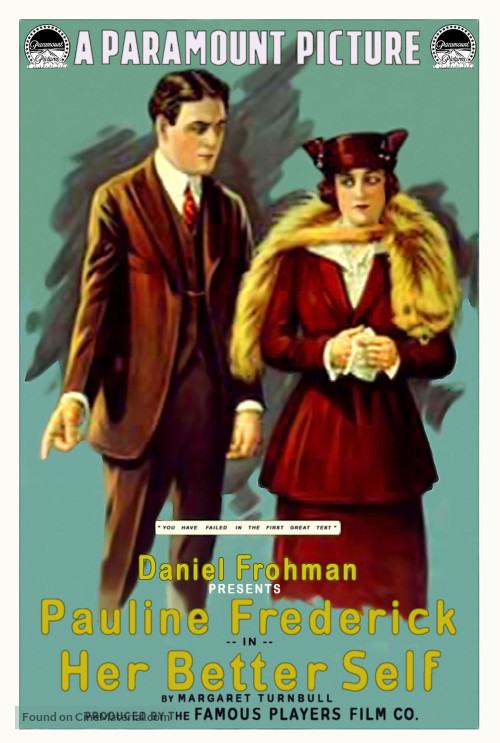
Dir: Robert G. Vignola
Society debutante Vivian Tyler is engaged to marry Count Belloto, then meets Dr. Robert Keith, whose work in uplifting the poor has attracted wide attention, she is strongly attracted to him and asks permission to work in his sanitarium, where the poor of the city receive treatment free of charge. There she meets Aggie May, a woman arrested as a streetwalker, and because she wears a locket bearing Dr. Keith's picture, Vivian assumes that the doctor has been responsible for the woman's downfall. Later, Aggie kills herself, and although Vivian witnesses the act, to avoid a scandal she hurries away before the police come. Dr. Keith is arrested for Aggie's death, the locket providing evidence of guilt. Just as he is to be convicted, Vivian rushes into the courtroom and gives the testimony that clears the doctor.
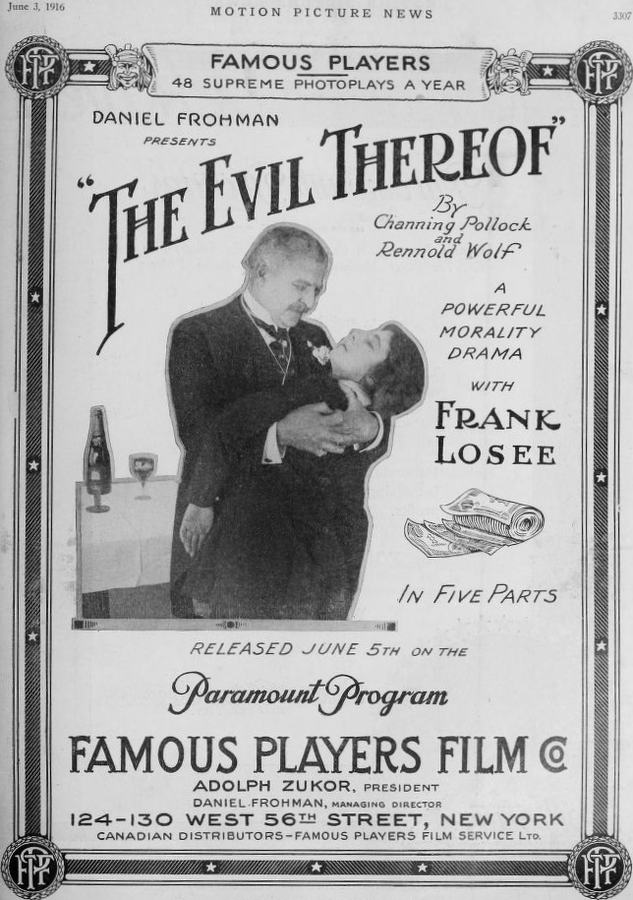
Dir: Robert G. Vignola
A fascinating piece of cinema that shares thematic elements.
View Details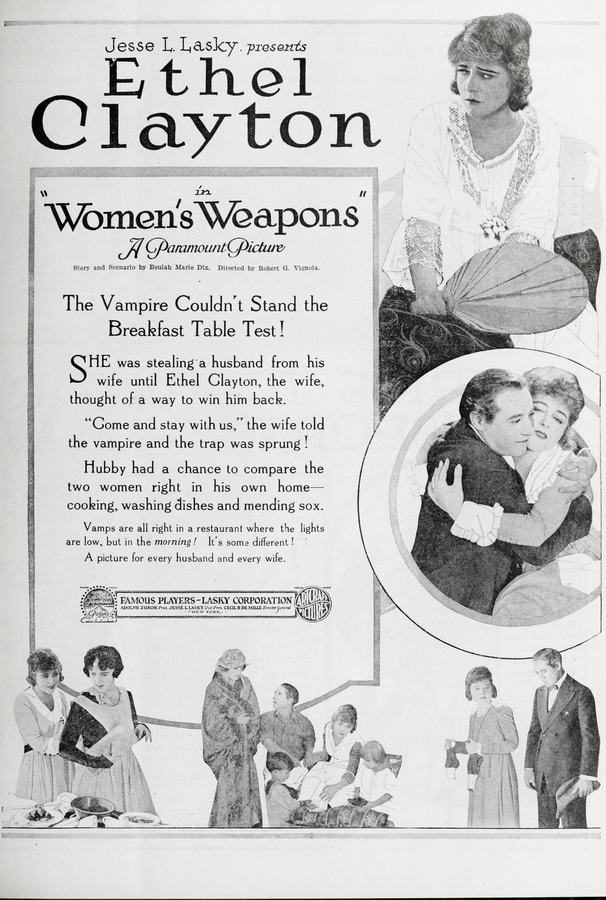
Dir: Robert G. Vignola
The children of a a novelist, Nicholas, contract scarlet fever. His wife Anne stays in the house to take care of them, but the house is quarantined by the authorities and Nicholas, not being allowed in the house, takes a room in town until the quarantine is lifted. Lonely, he begins to feel attracted to his illustrator, Esmee. They begin an affair, but soon Nicholas finds that Esmee's expensive tastes are driving him to bankruptcy. His wife finds out about the affair, and devises a plan to teach her husband a lesson and get his mistress out of the picture at the same time.
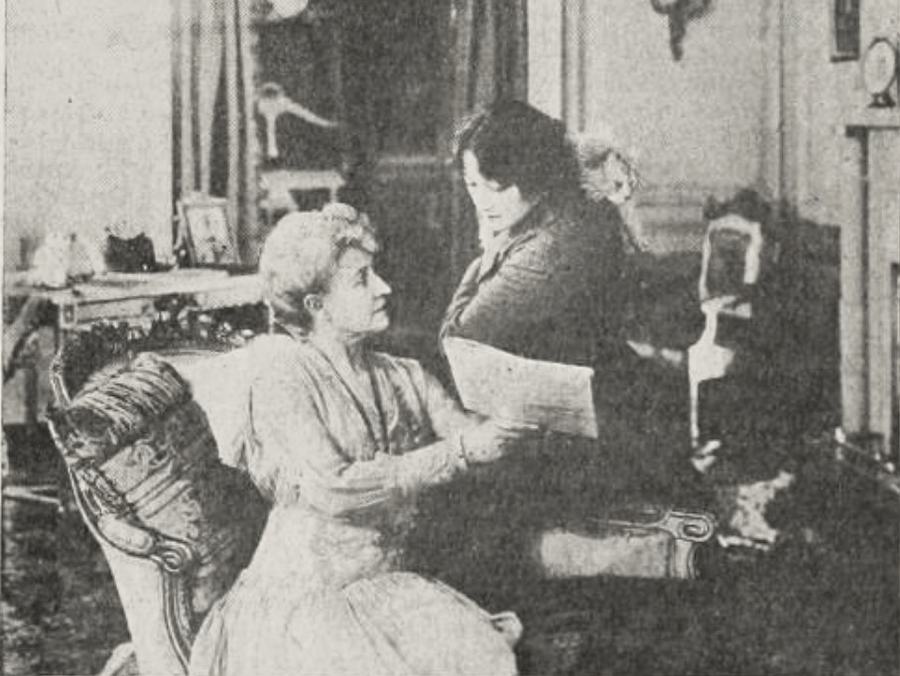
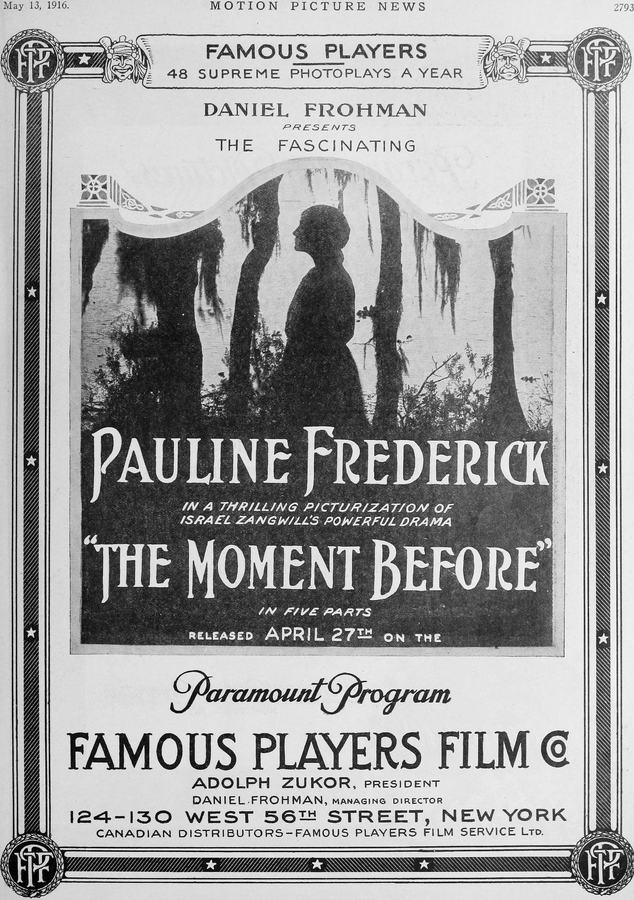
Dir: Robert G. Vignola
One moment before she dies, the aged, philanthropic, and universally respected Duchess of Maldon sees her life flash before her. As Madge, a young gypsy woman, two men fight for her, after which the winner, John, forces her to marry him. Then Madge deserts John and begins a romance in England with Harold, the youngest son of the Duke of Maldon. Soon, however, Harold fights with his older brother, who has criticized the affair with a married woman, and, believing that he has killed his brother, Harold leaves Madge behind and smuggles himself out of the country. Years later, Harold, who has found out that his brother did not die, meets Madge once again, and, determined not to let him leave her a second time, Madge kills John so that she and Harold can marry. Successfully covering up past scandals, Madge and Harold begin a life so sedate and distinguished that they quickly become England's model couple.
View Details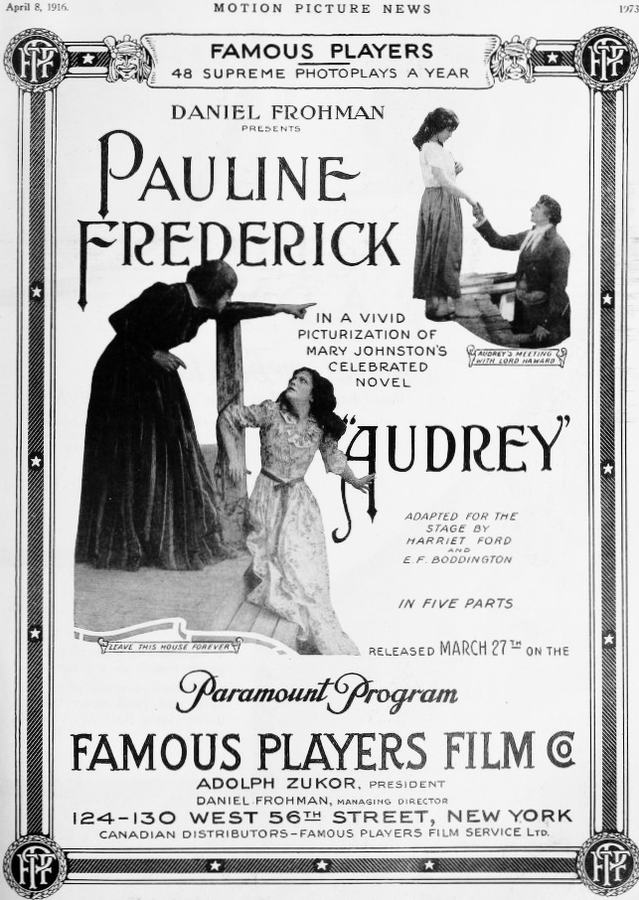
Dir: Robert G. Vignola
Audrey, an orphan, becomes the ward of a wealthy man, but when he travels to England, she is turned over to an unscrupulous couple who usurp her money and turn her into a slavey.
Dir: Robert G. Vignola
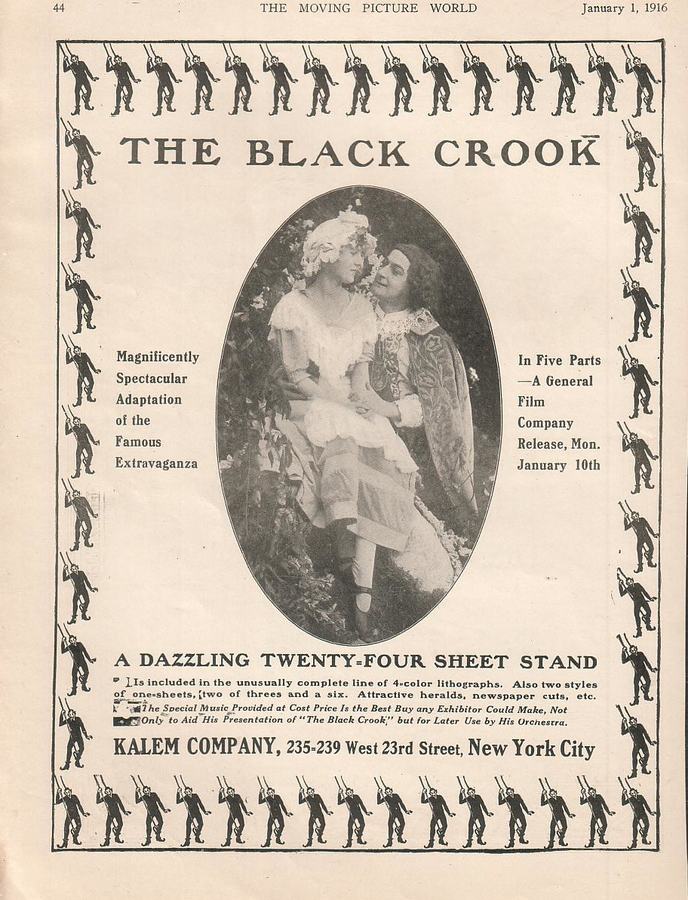
Amina loves Rudolph and turns the powerful Count Wolfenstein down when he proposes to her. In a jealous rage, Wolfenstein throws Rudolph into a dungeon. Meanwhile, Hertzog, "The Black Crook," has a deal with the devil: he must hand over to Satan one soul each year or find himself banished to Hell. With only 24 hours left before the year ends, Hertzog focuses all of his attention on Amina and Rudolph, believing them to be weakened from despair and therefore easy prey.
View Details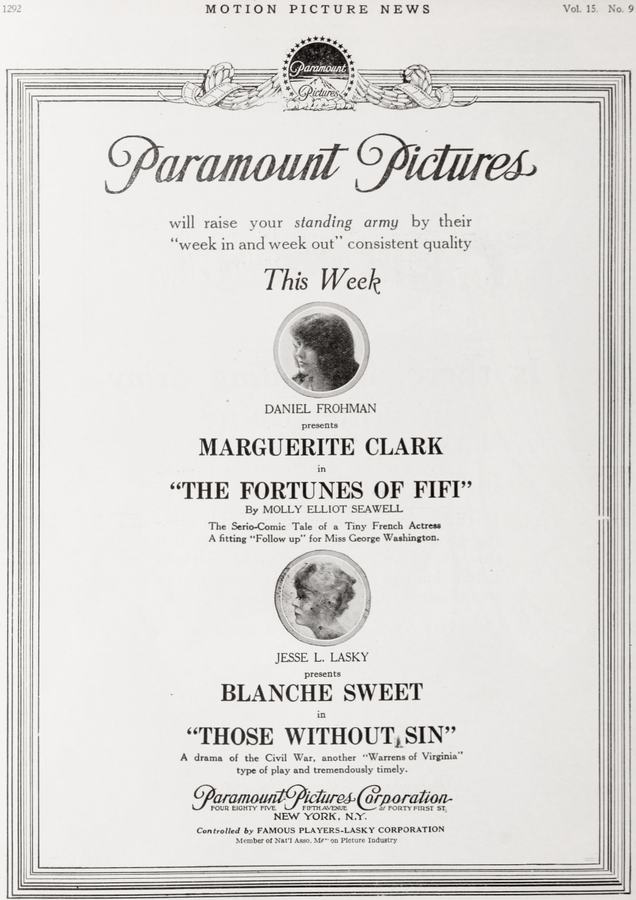
Dir: Robert G. Vignola
Fifi is seen as Pierrot in a French play that is a failure despite her effort to put ginger into the rest of the cast. Among the few in the last audience was Cartouche, a veteran, who had become an actor when his wounds no longer allowed him to follow Napoleon. Through Cartouche's efforts Fifi is employed at the Imperial theater in Parts. He takes her to his lodging, determined to protect her. Fifi fails to understand how much Cartouche is doing for her, and when he gives her money to buy clothes she purchases a toy dog sailed Toto. The veteran buys a lottery ticket and gives it to Fifi. The ticket bears the winning number and Fifi finds herself in possession of a fortune. Cartouche decides Fifi must be educated. He applies to his old general, who suggests that Fifi be sent to the home of Louis Bourcet, an attorney who lives alone with his mother. Instead of putting her money in the bank Fifi hides it and startles the Bourcet family by her extravagance. They decide she has even more money than they thought and Louis begins to see in the wealthy Fifi a very acceptable wife. He makes love to the girl, and she accepts his proffer. Then she sets about to make him break the engagement by squandering her money, realizing she is in love with Cartouche. Accordingly she buys the most impossible things, scandalizing the Bourcet family into a complete renunciation by giving the remainder of her wealth to a charitable benefit for old soldiers. Ejected from the house by the angry Mme. Bourcet, Fifi returns to the Imperial, where she demands more money for her services because she has been publicly thanked by the General for her donation to charity. She tells Cartouche she loves him, but the old soldier refuses. to permit her to "throw herself away" upon him until Fifi gets an inspiration of her own.
View DetailsAnalysis relative to The Winning Girl
| Film Title | Atmosphere | Complexity | Similarity |
|---|---|---|---|
| Double Crossed | Gritty | Abstract | 97% Match |
| The Reason Why | Ethereal | Linear | 87% Match |
| Seventeen | Gothic | Abstract | 85% Match |
| Her Better Self | Surreal | Linear | 93% Match |
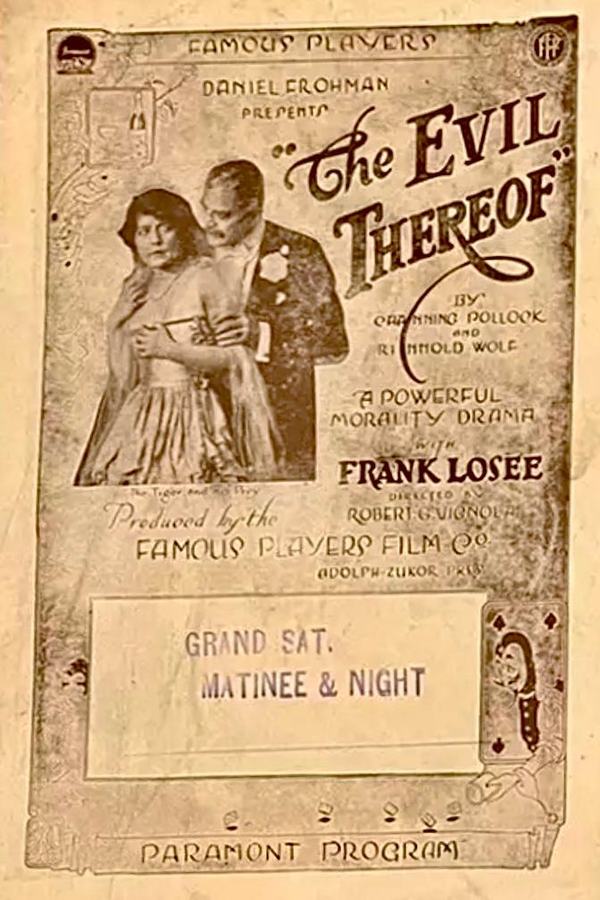
| The Evil Thereof | Tense | Linear | 90% Match |
This guide was algorithmically generated using the cinematic metadata of Robert G. Vignola's archive. Last updated: 6/21/2026.
Back to The Winning Girl Details →