
DbcultAccessing Vault...
Recommendations
Senior Film Conservator

The evocative power of The Winning of Sally Temple (1917) continues to haunt audiences with its unique vision, its status as a United States icon makes it a perfect starting point for discovery. The following gems are essential viewing for anyone captivated by The Winning of Sally Temple.
The visceral impact of The Winning of Sally Temple (1917) stems from to serve as a cornerstone for cult enthusiasts worldwide.
Sally Temple, an actress at the Drury Lane Theatre, is benefactress and idol of the people of Pump Lane, where she lives. They are continually oppressed by their landlord, the Duke of Chatto, and to help them Sally gives them of her own money. Lady Pamela, ward of the wealthy and reckless Lord Romsey, marries three weeks before she is of age, and when the news that he is to be home in three days reaches her, it is suggested that someone take her place, otherwise Lord Romsey might seize her property. They choose Sally as the substitute, promising her ample remuneration. She accepts, that she may be able to help her people more. Talbot, the Duke of Chatto's agent, sees Sally on one of his visits to Pump Lane and tells his master of her beauty. Romsey loses no time in calling, but finds Sally is away. Having never seen his ward, the deception is a success, but when Romsey attempts to exercise his authority and Sally rebels, he locks her in her boudoir. He tells Sally she must marry him at once and she runs away. She encounters Jellitt, a prize fighter, who offers his protection. As she mounts the steps of a stagecoach, Romsey reaches her and she tells him of the deception, but he is still determined to marry her. As he starts to drag her from the coach. Jellitt seizes him and the two men engage in a terrific fight. Jelitt winning, but leaving Romsey's determination unchanged. He dons a workman's garb and sets out for London. Reaching Pump Lane he finds Sally, and tells her he needs employment. She secures work for him with the blacksmith. He employs other methods than force to win the girl now and helps the poor people. The Duke of Chatto has Sally kidnapped, and Romsey and Jellitt rescue her. Next day Chatto, with some of his servants, seeks Romsey to have him flogged. Romsey discloses his identity, demanding that the Duke sell him Pump Lane or "answer to the Marquis of Romsey for his deeds." He presents Pump Lane to the future Lady Romsey, who gives it to her people, and amid the cheers of the crowd, the happy pair walk away, arm in arm.
Critics widely regard The Winning of Sally Temple as a cult-favorite piece of cult cinema. Its unique vision is frequently cited as its strongest asset, solidifying its place in United States's film legacy.
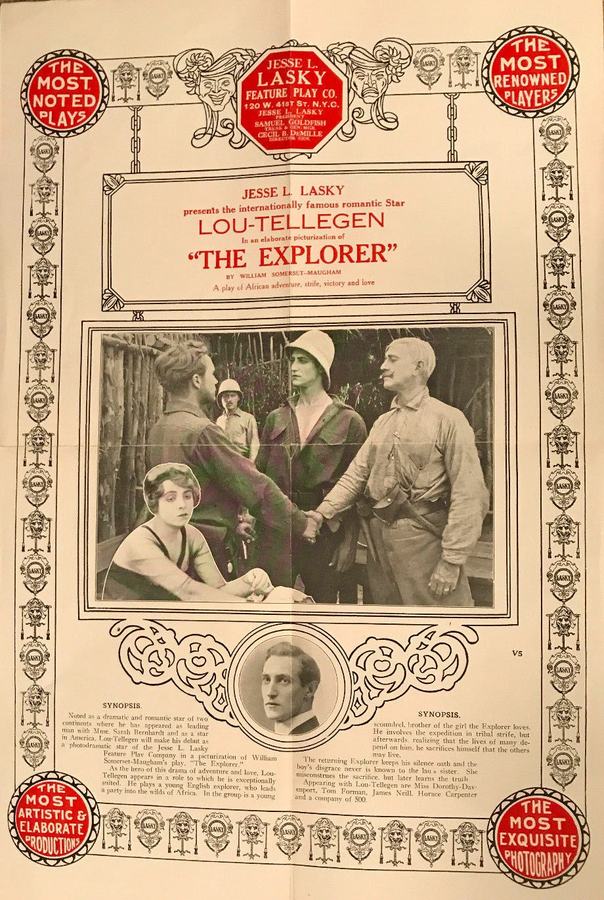
Based on the unique unique vision of The Winning of Sally Temple, our vault has identified these titles as the most compelling follow-up experiences for fans of cult cinema:

Dir: George Melford
A fascinating piece of cinema that shares thematic elements.
View Details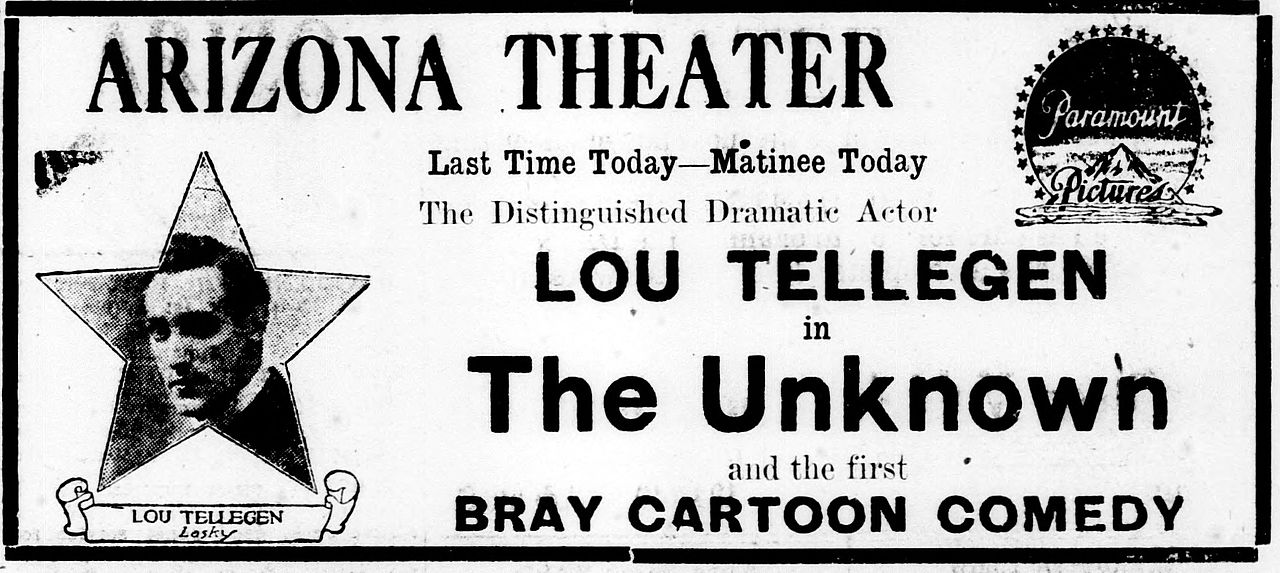
Dir: George Melford
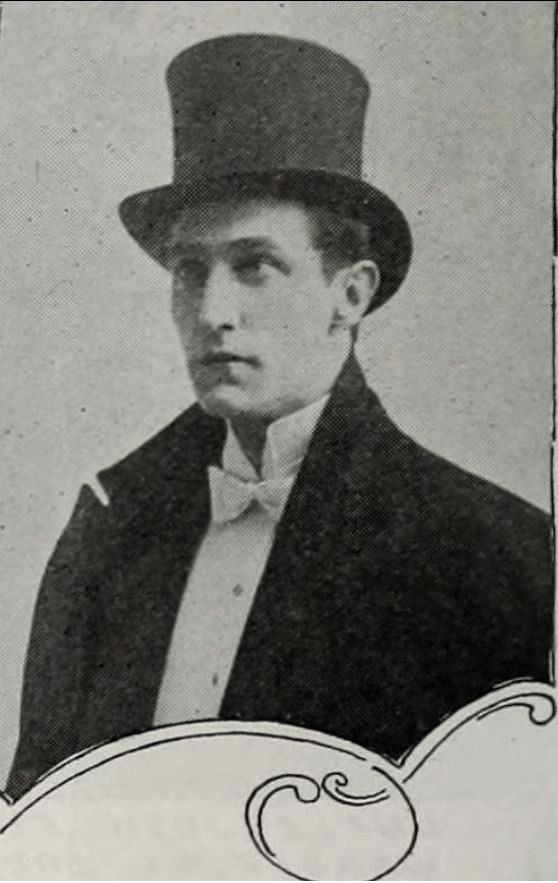
A young man joins the French Foreign Legion and is sent to Algieria, where he becomes a target for hatred by his commander. However, the commander has a change of heart when he realizes who the young man is.
View Details
Dir: George Melford
Masha, a young Russian emigrant traveling to the U.S., is saved from an officer's advances by civil engineer David Harding. Upon landing in America, J. J. Walton, a self-made political boss and contractor, pursues Masha and hires her as his maid. She leaves after the first night, but becomes his mistress after Walton promises her an education and marriage. Sometime later, David defeats Walton in a bidding war for a contract to build a dam in Arizona. Intent on ruining David, Walton dynamites the dam while Masha distracts the engineer. Although Walton takes refuge, he is drowned in the floodwaters. David and Masha survive, and confess their mutual love.
View Details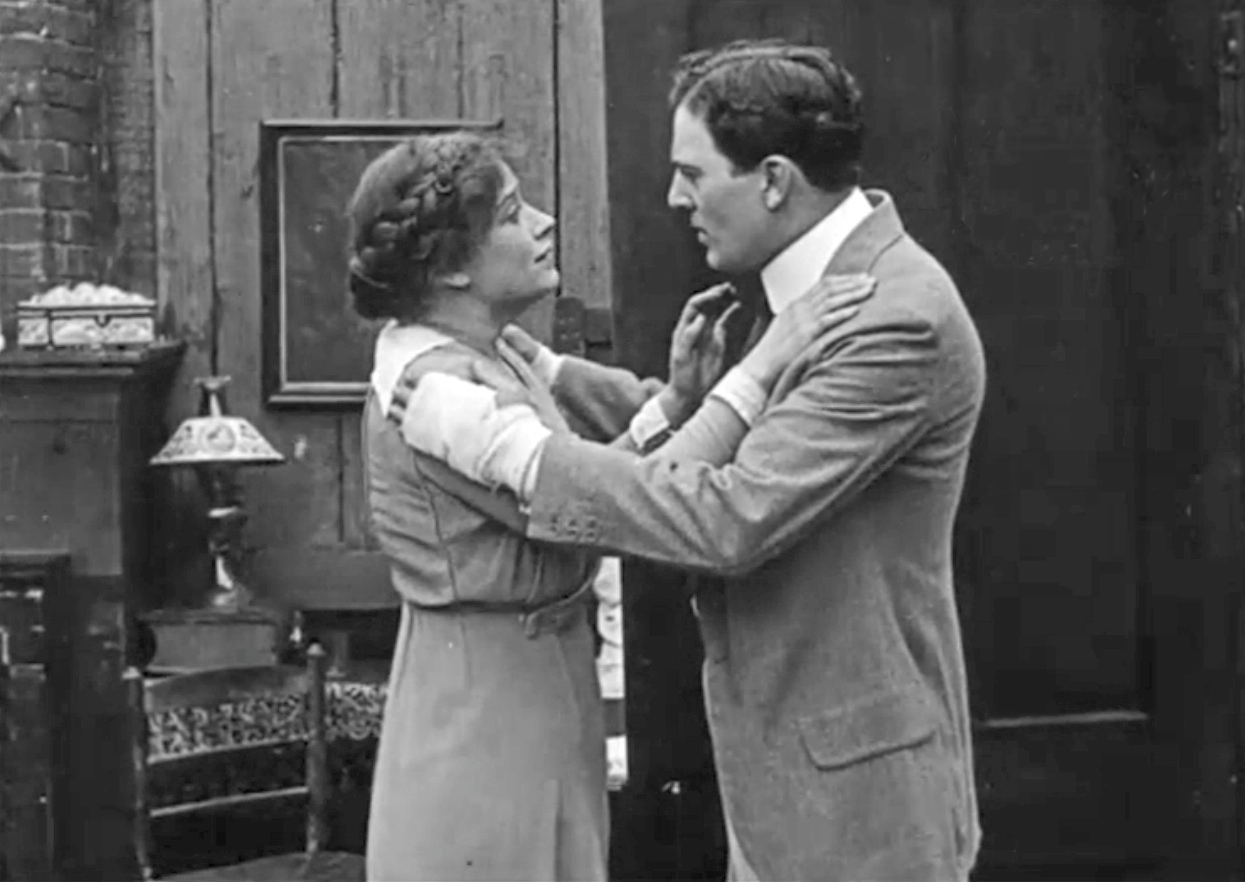
Dir: George Melford
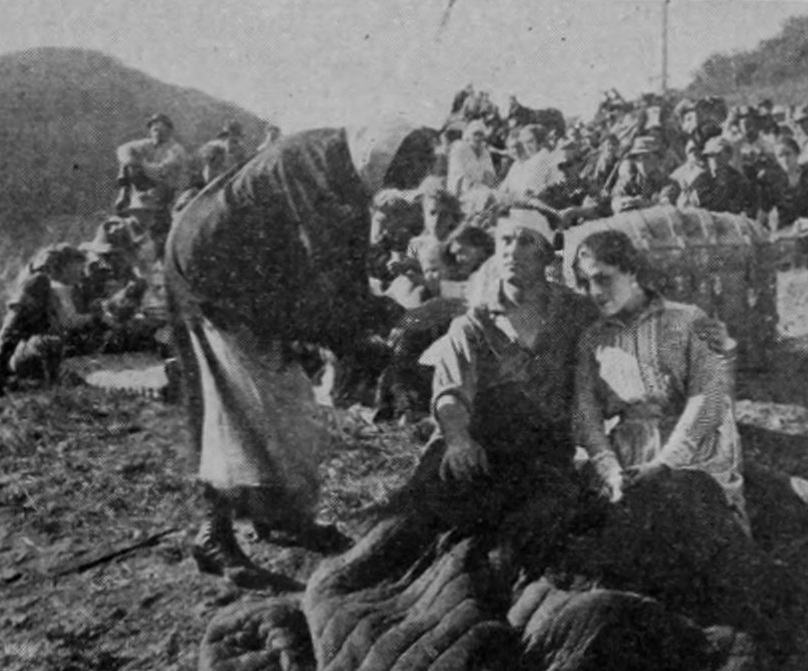
Helen Scott has been left the sole owner of the Scott Canneries by her father's death, but being too busy with social duties, she leaves the handling of the industry's business to her hard-fisted uncle and only calls upon him when she needs money. Harvey Brooks, manager of the canneries' Tampa branch, is a hard-working young man with new ideas of social welfare. He has hundreds of people in his employ working under most unfavorable conditions for starvation wages. He has pleaded with Helen Scott and her uncle to better the working conditions but has always been ignored. During the height of the social season, Helen goes to Palm Beach, Florida with a party of friends for the yacht races. While sailing her sloop one foggy night, it is run down and sunk by a large schooner, a fruit carrier for the Scott canneries. Helen is rescued from the sea by the captain of the schooner. The heiress is stunned by a blow on the head, received at the time her sloop was struck. When she recovers she is unable to remember her name or her identity. The schooner captain takes Helen to his home, and when she has recovered, his daughter, who works in the cannery, secures Helen a position beside her at the cutting table. Brooks, hearing of Helen's accident and loss of identity, takes an interest in her and she is attracted by his kind manner. Labor leaders are urging the cannery workers to strike and place the blame for the conditions upon young Brooks. One night Brooks is slugged and bound to a chair in his frame office building and the plant is set on fire by the excited workers. Helen rushes through the flames to his aid and as she unbinds him she is overcome by smoke and falls unconscious by his chair. Brooks carries her to safety through the burning buildings and returns her to the schooner captain's home. While they are both recovering from their burns a detective, employed by the uncle, locates Helen. The shock of the fire and the burns has slightly restored Helen's memory and the clever detective finally brings her to realize who she really is. Helen is in love with Brooks and he with her, believing that she is a poor factory girl. The heiress realizes that Brooks hates the real Helen Scott for her indifference to the workers. When he has recovered she meets him alone, tells him she is Helen Scott, and breaks down his wall of hatred and together they go to help their coworkers.
View Details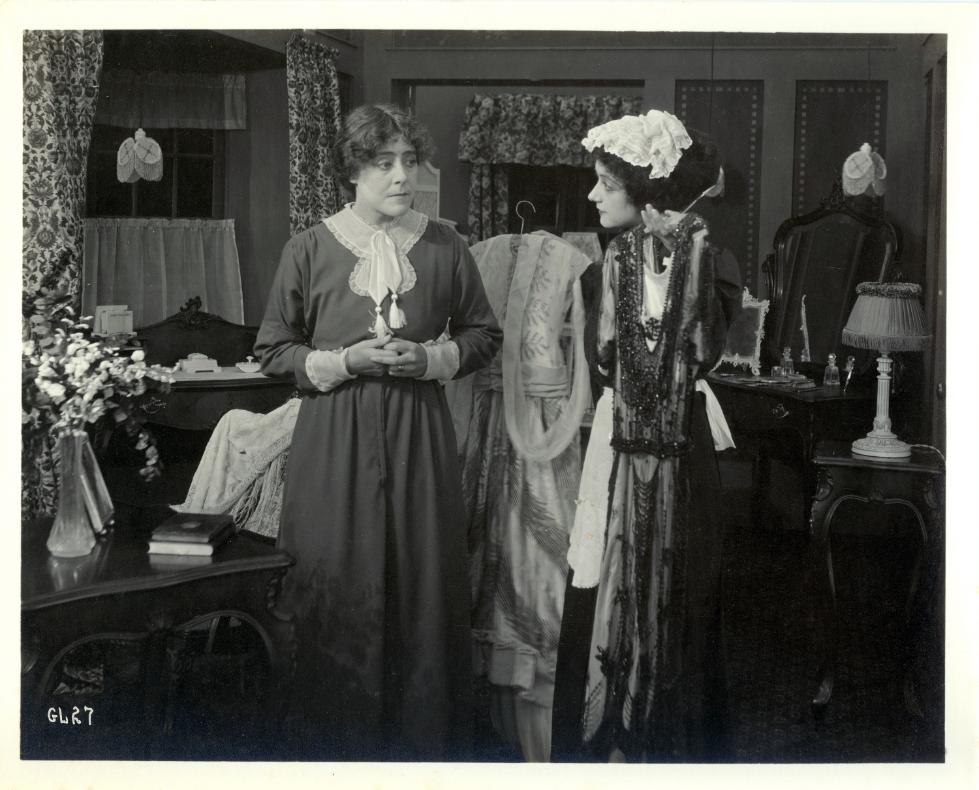
Dir: George Melford
At the opening of the story Daniel Slade is working in a mine and, though not positively in need, he and his wife live in comparative poverty. Slade is a man filled with ambition, but his wife is contented and absorbed in her love for her husband. By a fortunate accident he discovers a gold mine, and with his newly acquired wealth, immediately sets out to make a position of influence for himself in the world. His aggressive personality and ability at once attract attention, these qualities being combined with wealth, and the possibilities of a political career are pointed out to him by Senator Strickland. Slade has no sooner established himself in his new surroundings than he comes to feel that his wife does not know how to take advantage of their altered circumstances. She is still the same simple, home-loving person. In the course of time he becomes attracted to the Senator's daughter, who, like himself, is of ambitious temperament. In fact, though she does not love him, she agrees to marry him if he obtains a divorce from his wife. The concluding episodes of the story show how the wife rescues her husband from his unpardonable folly, and how, much chastened, he finally persuades her to come back to him. He has now become the chief executive of the State and Mary at last takes her place as the Governor's Lady.
View Details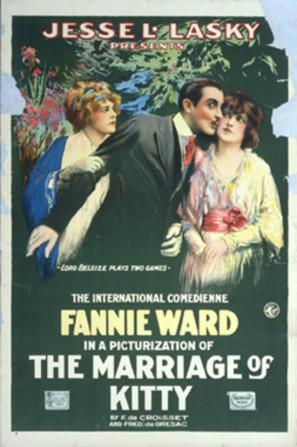
Dir: George Melford
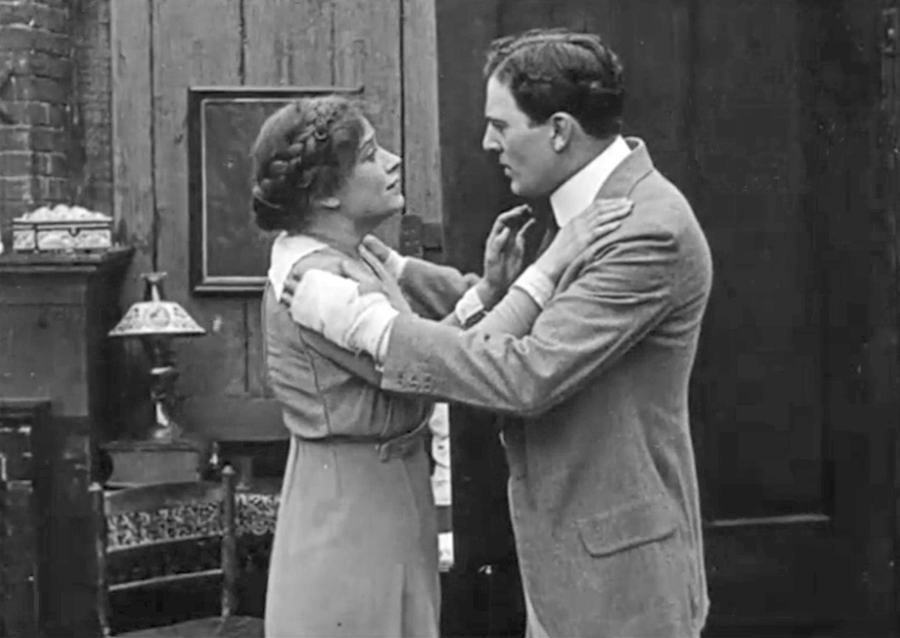
For the first time in her life Katherine Silverton--Kitty to her friends--hesitated about spending carfare to ride six blocks to the law office of her godfather, John Travers. She was not used to walking and she didn't intend to start just because her money supply was short and she faced a future which threatened economy of the strictest sort. Kitty's father had died leaving her practically nothing. She sought the advice of Mr. Travers. At the moment she entered the outer office, Mr. Travers had a perplexing problem on his hands. He was attorney for a large estate, the heir to which, Lord Reginald Belsize, had that morning arrived in New York to claim his inheritance. Lord Reginald was young, good-looking and ambitious to marry Mme. Helen de Semiano. Mme. Helen saw a favored match in Lord Reginald, who was soon to be wealthy, and her young-spendthrift brother Jack Churchill encouraged the match. But certain provisions of the will perplexed Mr. Travers. They also perplexed Lord Reginald. It was stipulated that Lord Reginald was to marry within a year or lose his inheritance; it further was stipulated that he was not to marry an actress. Lord Reginald didn't see how it could be arranged as he had brought Mme. Helen and her brother to New York. Mr. Travers suggested that he marry someone else first, leave her after the wedding and in six months she will obtain a divorce on grounds of desertion, making you free to marry whom you please. Then Kitty entered the office. Kitty assented to the proposition readily. She had the promise of a large sum of money, a quick divorce, and a chance to look around the world. But Kitty was very attractive and pretty, and Lord Reginald said that if Mme. Helen, who had reluctantly agreed to the arrangement, should see such an attractive young woman, she would refuse her consent. But resourceful Kitty rearranged her hair, put on a gingham apron, rolled up her sleeves, and made herself into a most unpromising person. Mme. Helen passed approval, not knowing the hoax. The ceremony was quickly performed and Lord Reginald and his bride left to be gone for several months until Kitty had gained her divorce. Meanwhile the jealousy of Mme. Helen was discouraging Lord Reginald, so one day he went to Long Island where Kitty was living. Realizing her opportunity, Kitty did everything within her power to make him happy. When Mme. Helen arrived, having followed Lord Reginald, the latter told her the time had come for the parting of their ways. Kitty, he said, was the woman he loved, and Kitty admitted that she loved him.
View Details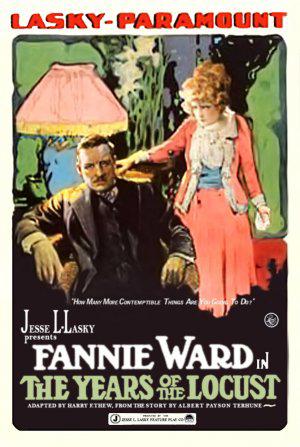
Dir: George Melford
Despite her love for penniless Dirck Mead, Lorraine marries wealthy Aaron Roth to save her family from financial ruin. Roth is a swindler and when trying to escape the wrath of the law, he jumps from a ship and is declared dead. Mead, now a diamond magnate, finds Lorraine in New York, marries her and takes her to live in South Africa, where, as it happens, Roth, who survived his leap from the ship, is currently conducting his shady business. Roth discovers Lorraine's situation and threatens her with exposure, and Lorraine is about to leave Mead when she learns of Roth's plan to steal a valuable diamond that Mead is escorting to the city. Summoning help, Lorraine reaches Mead in time to thwart the robbery. Roth is killed in the fight, and Lorraine is spared the task of resolving her marital status.
View Details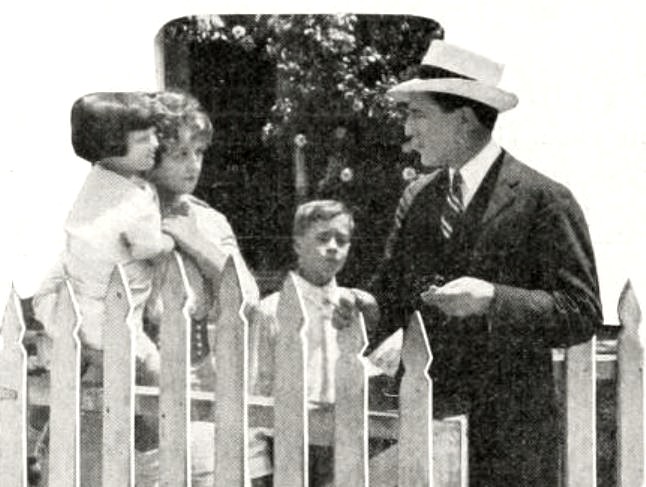
Dir: George Melford
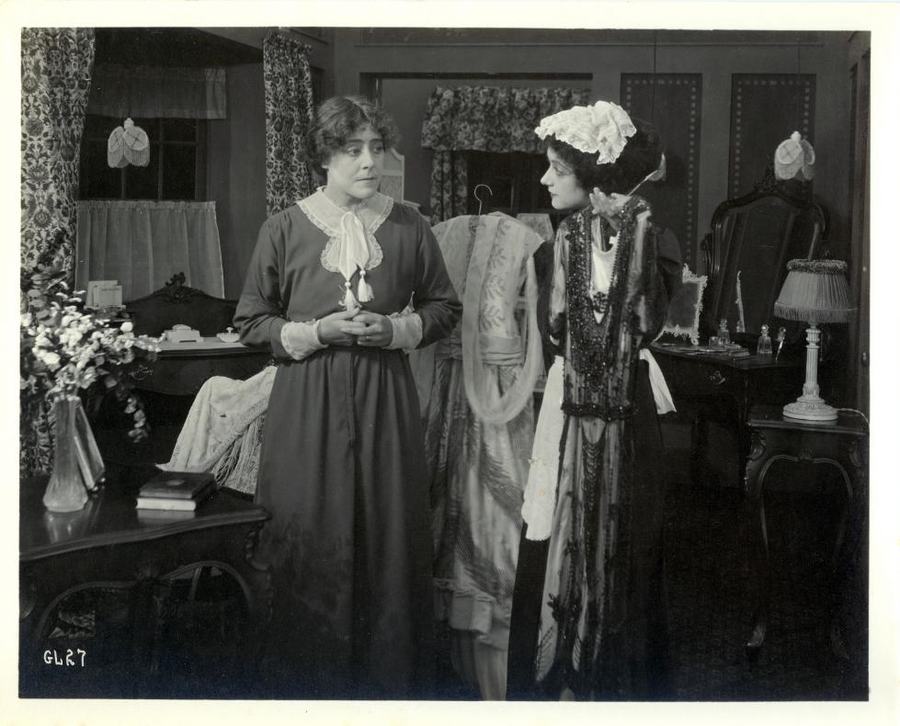
Anna Granger's husband commits a fraud at the bank where he works and is condemned to pay the penalty of a jail sentence. In the hope of proving his innocence she goes to work, under an assumed name, for the President of the closed bank. This man is now indicted himself, though unjustly, and employs detectives who finally unearth a letter positively establishing the guilt of Granger. In spite of everything, Anna remains faithful until she learns that the theft her husband committed was to get money for another woman. Then comes a sudden climax which puts an end to a situation which she could not possibly endure.
View Details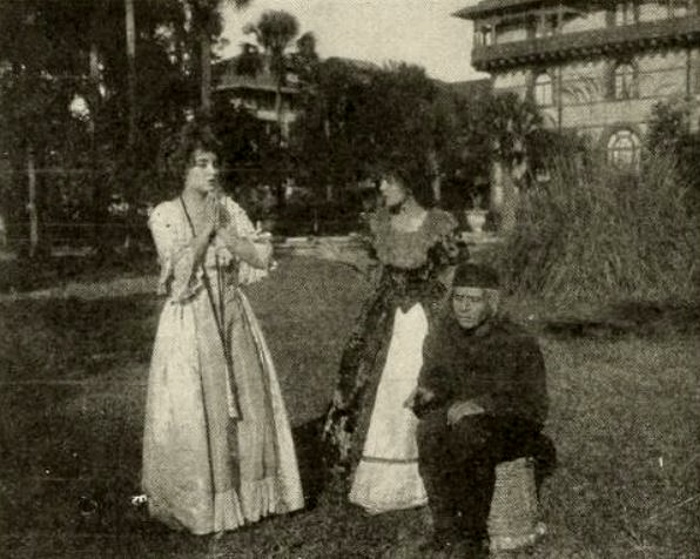
Dir: George Melford
Foster sister of the Duchess d'Aubeterre, Madeline, marries Jean Renaud, a French soldier, and has a daughter named Adrienne. Five years later, on a battlefield, Renaud is entrusted by the Count de Moray with jewels and papers proving that Adrienne is his heir. After Moray's death, Renaud gives everything to Madeline and then returns to the battle. Lazarre, who had followed Renaud, then goes to Madeline and demands the jewels. Madeline's refusal awakens Adrienne, but Madeline quiets her by saying that her father is home. When Madeline still refuses Lazarre's request, he stabs her. Later, Adrienne tells the neighbors that her father had just been with her mother. Renaud is sentenced to prison for life, after which the Duchess adopts Adrienne. Many years later, Adrienne re-encounters her father and eventually the true murderer is revealed and Renaud is pardoned.
View Details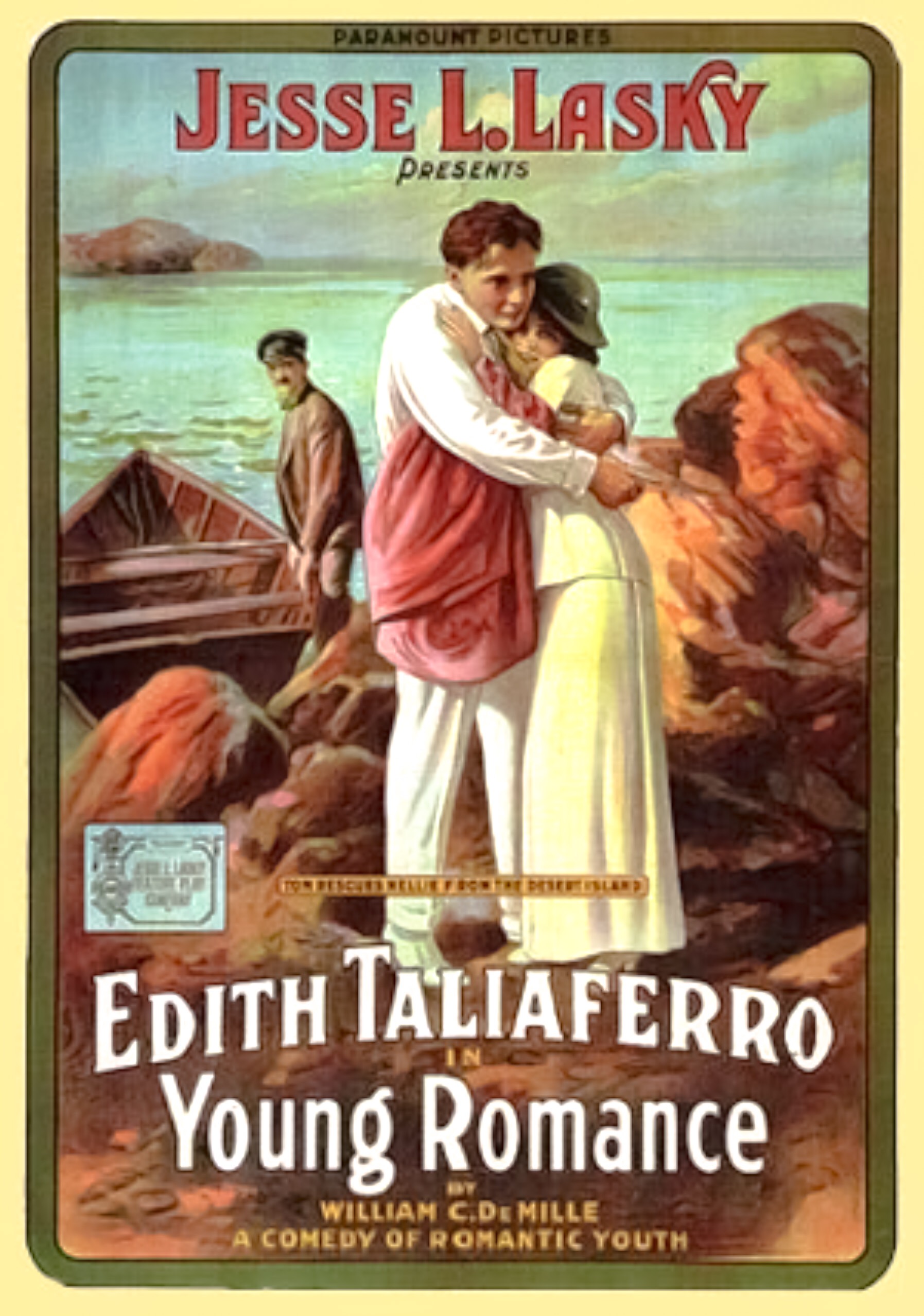
Dir: George Melford
Two people working in the same department store pretend to be aristocracy at a fancy resort, intending to pull a wealthy spouse, but end up falling in love with each other instead.
View DetailsAnalysis relative to The Winning of Sally Temple
| Film Title | Atmosphere | Complexity | Similarity |
|---|---|---|---|
| The Explorer | Gritty | High | 97% Match |
| The Unknown | Surreal | High | 94% Match |
| The Immigrant | Gothic | High | 86% Match |
| Out of the Darkness | Tense | Layered | 86% Match |
| The Governor's Lady | Ethereal | High | 98% Match |
This guide was algorithmically generated using the cinematic metadata of George Melford's archive. Last updated: 6/28/2026.
Back to The Winning of Sally Temple Details →