
DbcultAccessing Vault...
Recommendations
Senior Film Conservator

Delving into the atmospheric depths of The Woman reveals a master at work, the artistic provocations of The Woman demand a follow-up of equal intensity. These hand-selected movies are designed to satiate your craving for cult quality.
The enduring power of The Woman lies in to transcend the limitations of its 1915 budget and technology.
The story relates the attempt of a group of machine politicians at Washington to ruin Matthew Standish, an insurgent who has made himself so strong with the people that he is in a position to defeat the Mullins bill, fostered by a corrupt ring in Washington, in favor of certain railroads. The leaders of this ring are Jim Blake, the boss of the party machine, and his son-in-law Mark Robertson. Standish is being hailed throughout the country as the exponent of morals and virtue, and Blake realizes that the only way to defeat him is to find some blot on his record in the past. He puts a detective to work, who, by bribing Standish's former secretary, finds out that some years ago Standish became involved with a young woman of good family, but for some reason he did not marry her. Blake realizes that skillfully handled, this story could be made to ruin Standish's career, but without the woman's name it will look like a campaign lie. So the entire machine bends its energy to discovering the woman's identity to prove the story. To accomplish this, they lay a trap that they think will make Standish try to warn the woman by telephone. He is deceived and does telephone the woman to be on her guard, calling the number Plaza 1001. Wanda Kelly, telephone girl at the Keswick, has been told of the plan by Blake, who believes that she can be bribed to give him the telephone number. After Standish telephones, Blake's son-in-law Robertson comes in to 'phone his home in New York, calling the same number that Standish has just called. Wanda, the operator, sees that the woman in the case is really Blake's daughter and Robertson's wife, and besides refusing to give the number, destroys her record sheet. Mrs. Robertson arrives from New York and is driven to desperation when Standish informs her that, though he has tried to protect her, he needs to give her name to Blake and Robertson if they continue striving to ruin him by this story. The subsequent events leading to the conclusion of the drama and the defeat of the offensive Mullins bill in Congress are stirring in the extreme. Once again the telephone girl interferes in the plot by disconnecting the wires when the "ring'' politicians, driven to their last ditch, are trying to telephone a newspaper to release the story even without the woman's name. She keeps her courage after this, even when threatened with arrest and criminal prosecution. It is the woman herself who finally comes to the rescue and refuses to see the little telephone girl made to suffer further on her behalf. This terrible revelation makes Blake and Robertson see what a veritable heroine she has been and even leads to the happy consummation of a romance between the telephone operator and Jim Blake's son.
The influence of George Melford in The Woman can be felt in the way modern cult films handle cult status. From the specific lighting choices to the pacing, this 1915 release set a high bar for atmospheric immersion.
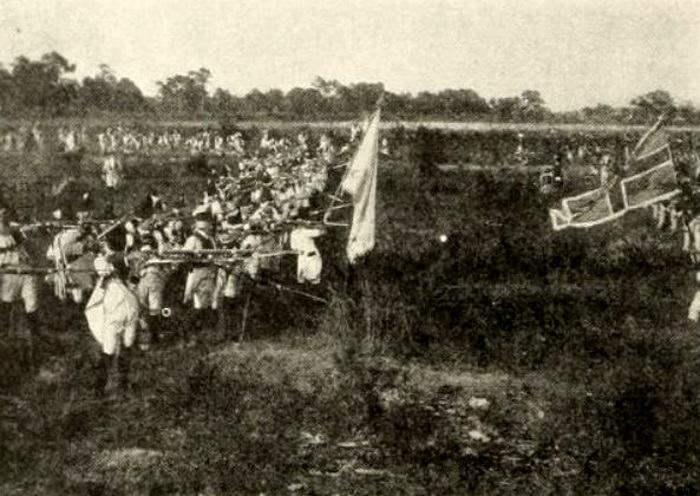
Based on the unique cult status of The Woman, our vault has identified these titles as the most compelling follow-up experiences for fans of cult cinema:
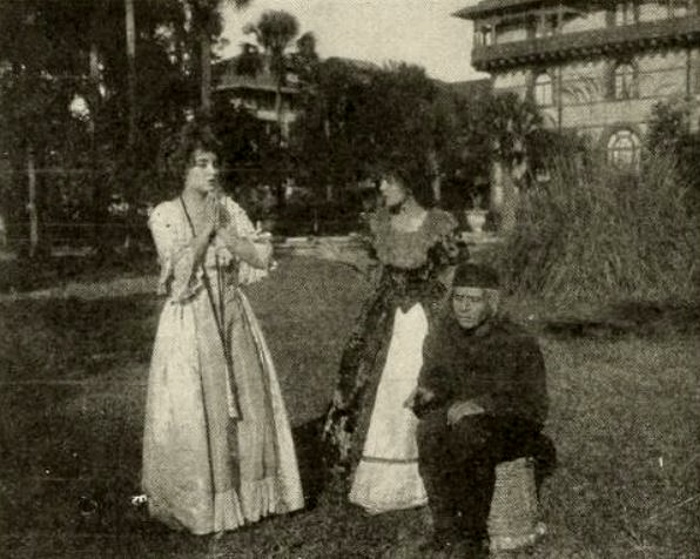
Dir: George Melford
Foster sister of the Duchess d'Aubeterre, Madeline, marries Jean Renaud, a French soldier, and has a daughter named Adrienne. Five years later, on a battlefield, Renaud is entrusted by the Count de Moray with jewels and papers proving that Adrienne is his heir. After Moray's death, Renaud gives everything to Madeline and then returns to the battle. Lazarre, who had followed Renaud, then goes to Madeline and demands the jewels. Madeline's refusal awakens Adrienne, but Madeline quiets her by saying that her father is home. When Madeline still refuses Lazarre's request, he stabs her. Later, Adrienne tells the neighbors that her father had just been with her mother. Renaud is sentenced to prison for life, after which the Duchess adopts Adrienne. Many years later, Adrienne re-encounters her father and eventually the true murderer is revealed and Renaud is pardoned.
View Details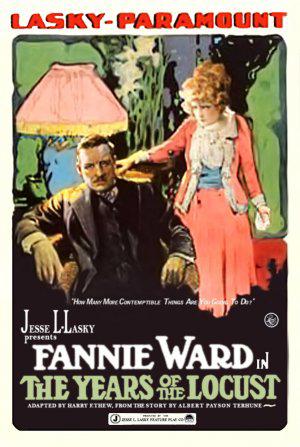
Dir: George Melford
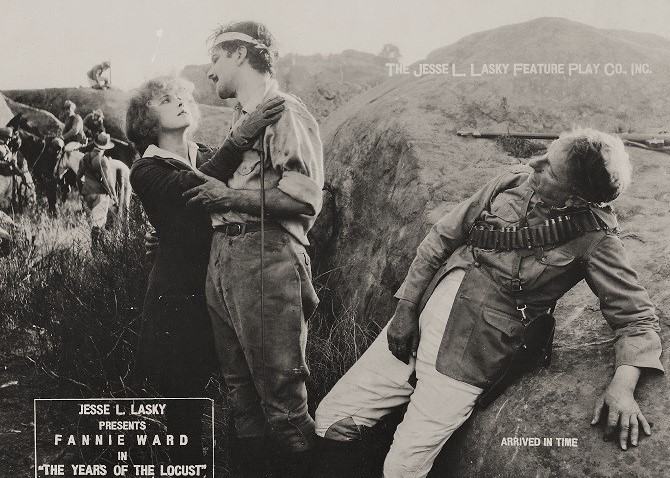
Despite her love for penniless Dirck Mead, Lorraine marries wealthy Aaron Roth to save her family from financial ruin. Roth is a swindler and when trying to escape the wrath of the law, he jumps from a ship and is declared dead. Mead, now a diamond magnate, finds Lorraine in New York, marries her and takes her to live in South Africa, where, as it happens, Roth, who survived his leap from the ship, is currently conducting his shady business. Roth discovers Lorraine's situation and threatens her with exposure, and Lorraine is about to leave Mead when she learns of Roth's plan to steal a valuable diamond that Mead is escorting to the city. Summoning help, Lorraine reaches Mead in time to thwart the robbery. Roth is killed in the fight, and Lorraine is spared the task of resolving her marital status.
View Details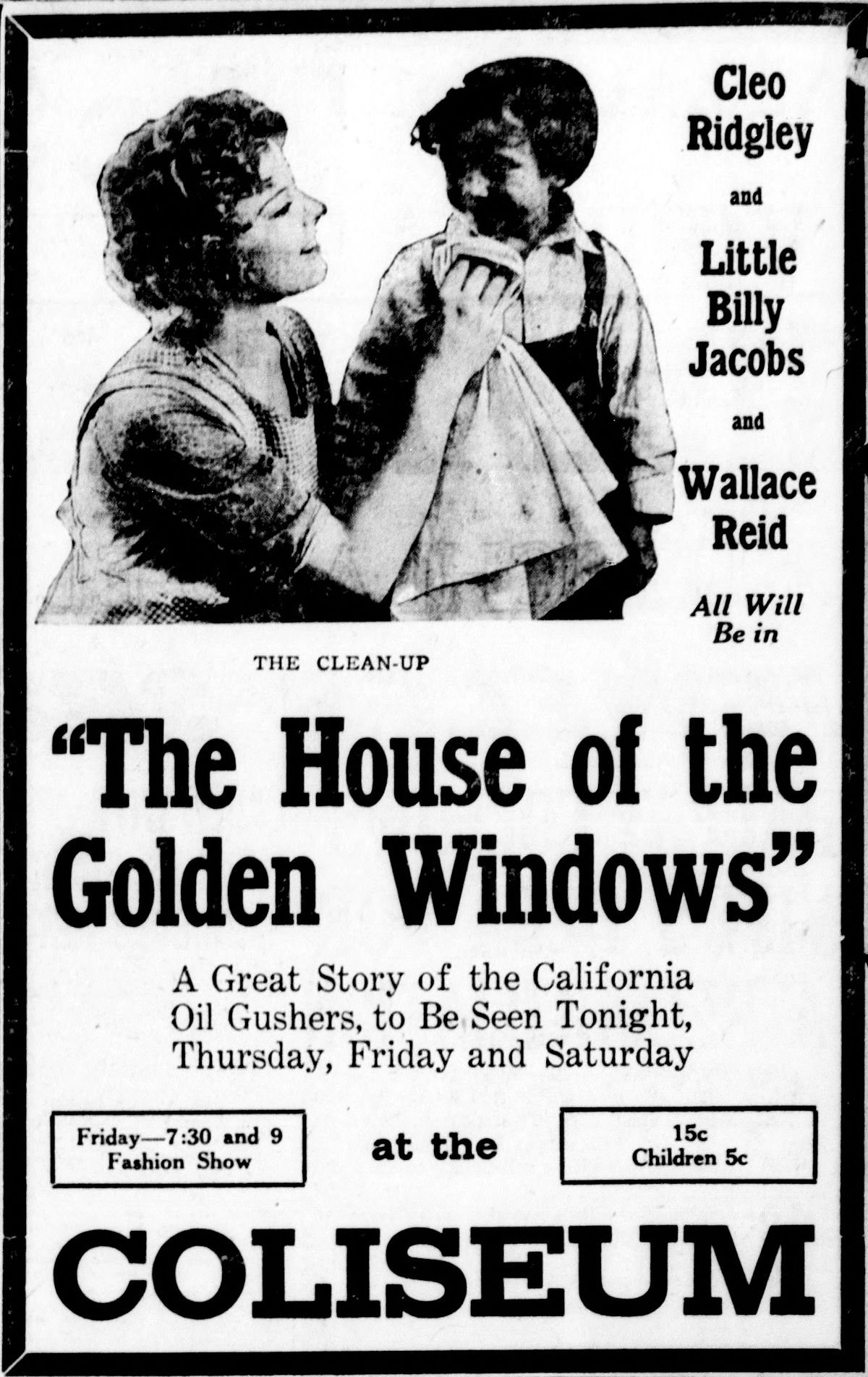
Dir: George Melford
Sue Wells husband Tom works as a shepherd, is sick of being poor, living in the shadow of Mr. and Mrs. James Peabody's opulent estate. When the Peabodys leave for a vacation, Sue and Tom carry out a check fraud scheme and take advantage of a loophole in the Peabody's lease, resulting in their becoming the owners of the estate. However, living in the mansion does little to make Sue happy, and when James returns and discovers what she and her husband have done, he kills Tom. He is about to murder Sue, too, when she wakes up, and realizes that her life as a wealthy landowner has been only a dream. James then enters, and announces that he has made Tom the estate manager, which forever ends Sue's financial worries.
View Details
Dir: George Melford
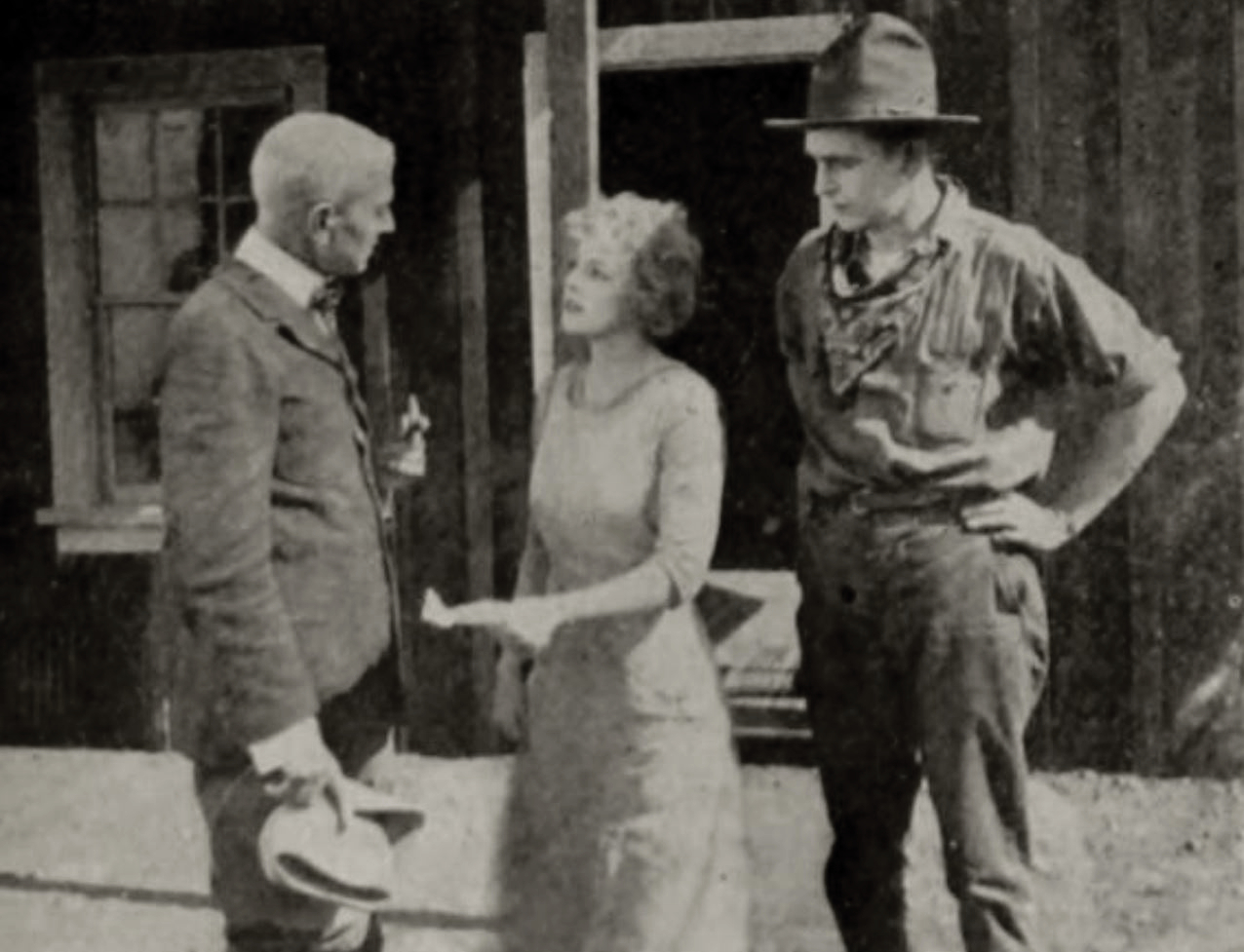
Masha, a young Russian emigrant traveling to the U.S., is saved from an officer's advances by civil engineer David Harding. Upon landing in America, J. J. Walton, a self-made political boss and contractor, pursues Masha and hires her as his maid. She leaves after the first night, but becomes his mistress after Walton promises her an education and marriage. Sometime later, David defeats Walton in a bidding war for a contract to build a dam in Arizona. Intent on ruining David, Walton dynamites the dam while Masha distracts the engineer. Although Walton takes refuge, he is drowned in the floodwaters. David and Masha survive, and confess their mutual love.
View Details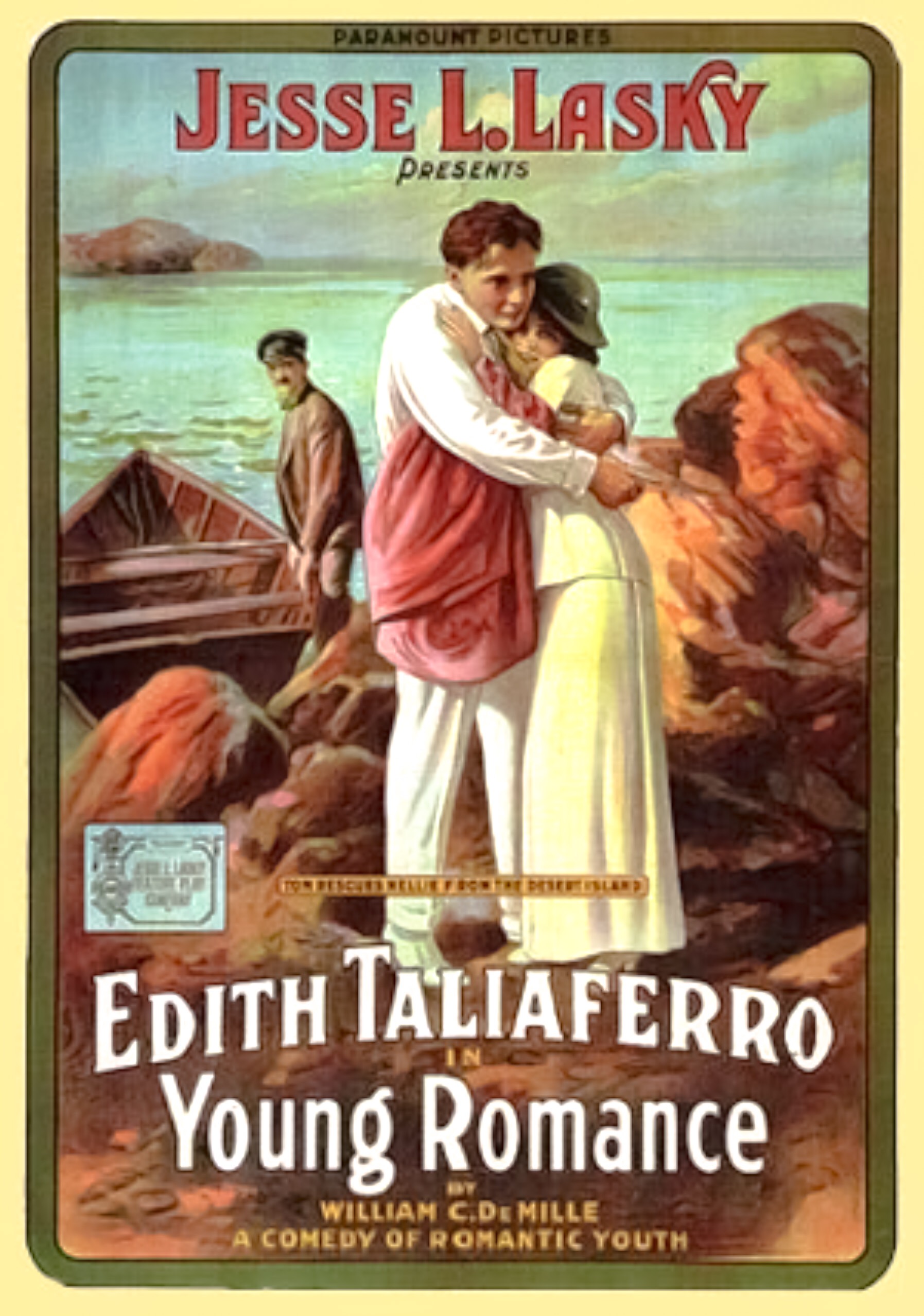
Dir: George Melford
Two people working in the same department store pretend to be aristocracy at a fancy resort, intending to pull a wealthy spouse, but end up falling in love with each other instead.
View Details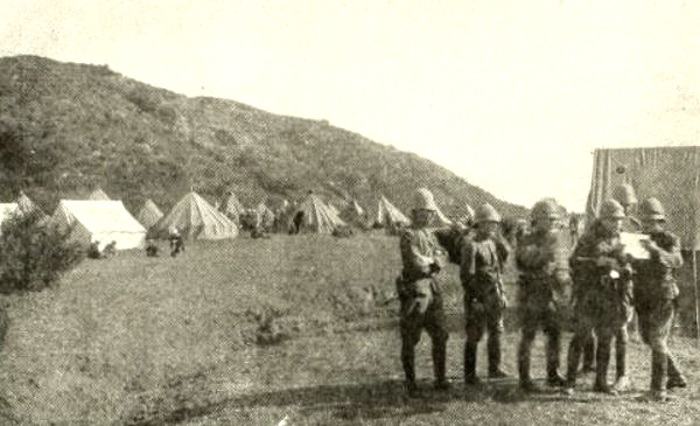
Dir: George Melford
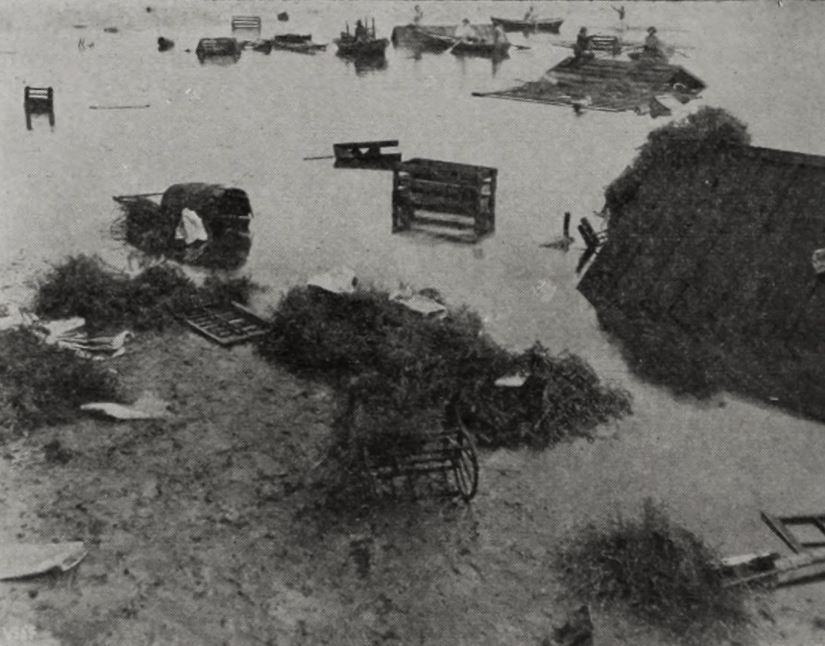
The Lamberts give a charity ball for the benefit of the Widows' and Orphans' Fund. Captain Doane is among the guests. The young officer is in love with Jane, the general's daughter. During the affair, he secures her consent to be his wife. Jane's parents both favor Doane's suit. General Lambert places the box containing the receipts of the ball on his library tale. A moment later he is called away. At the same time, Jack, his son, loses heavily at cards to a professional sharp. The man holds several I.O.U.'s for which he demands payment. Desperate, Jack promises to let him have the money at once. The boy hastens home. Entering the library, he sees the cash box. Abstracting the money. Jack gives it to the gambler, who waits outside. General Lambert receives a telegram, stating that war has been declared between Great Britain and the Boers. He spreads the news. The general relates an incident of the first Boer campaign, telling how one of his comrades had been treacherously slain by the Boers. Turning to Jack, the father bids him avenge the man's death in the coming fray. Jack, however, confronts the knowledge that he is a thief. Entering the library he desperately searches for a way out. He decides upon the course he must follow. Writing a confession of his guilt, the boy places the note where it can be found and then picks up a revolver. Doane enters the room and views the proceedings in amazed silence. He grasps Jack's hand, just as the boy is about to shoot himself. Jack breaks down. The note tells Doane the whole miserable story. He promises Jack to find a way to clear him. General Lambert and the board of trustees enter the room after Jack leaves. They are about to look for the money, when Doane announces that he has stolen it. Shocked, the general calls in the guests and tells them the story. Jane is brokenhearted at her lover's supposed dishonesty. Disgraced, Captain Doane returns home where he receives a note, demanding his resignation. He complies with the order. The next day, he sees his beloved regiment leave for the front. Another officer marches past, in command of the company that was his. His health undermined by the strain, Doane is stricken with brain fever. When her recovers, a few weeks later, the man enlists under an assumed name and is sent to the Transvaal. By rare good fortune, Doane meets Jack. The young officer recognizes in the private, the man who had saved him from disgrace. Jack succeeds in securing Doane as his orderly. The two armies meet in a terrific battle. The Boers, under General Jaubert, successfully hold the British in check. Lieutenant Lambert is sent to one of the British commanders with dispatches. He is accompanied by Doane. On their way they discover a Boer force creeping upon the British flank. Their warning saves the English troops from destruction. From the top of a hill, the Boers under Jaubert are inflicting terrible punishment upon the British by means of heavy siege guns. A charge gradually drives the Boers back. The British succeed in dislodging their foe from shelter by means of the hail of death from rapid-fire guns. With a superb rush, the English gain the ton of the hill and capture the battery that has inflicted the most damage. Jack and Doane are foremost in the fray. The battery is blown skyward. Jack and Doane's unusual valor win them the commendation of the general in command. Doane wearily returns to his tent. His mind goes back to the night of the ball. His hand wanders to the pocket over his heart and brings to view the picture of Jane. Sadly he gazes upon the face of the girl whose love he had surrendered. With a sigh, the man replaces the picture in its resting place. In another tent, a totally different scene is transpiring. Torn by his conscience, Jack is penning a confession which exonerates Doane, whom he has grown to idolize. Leaving his tent, he hands the letter to Doane, requesting him to keep it in event of his death. He informs his savior that should death overtake him on the field, he wishes to die with the knowledge that he had made reparation. Doane watches the boy depart. He slowly tears the letter to pieces. That day another attack is made upon the Boers. The hills are covered with the heavy smoke of artillery and thousands of rifles. The Lancers sweep the enemy before them in a heroic charge. Jack, leading a bayonet charge against a Boer battery, is struck by a bullet and falls. Fighting like fury, Doane rescues the boy and carries him off the field. Immediately afterward, Doane wires the Lamberts, telling them of Jack's injury. Upon receipt of the message, Jane immediately announces her determination to go to her brother's side. Her father's influence enables her to go to the front as a Red Cross nurse. She reaches Jack's force and is assigned to his hospital tent. As she enters the tent, she sees Doane bending over her brother. Doane is electrified at the sight of his sweetheart. Remembering the offense with which he was charged, the girl draws back in contempt. Jack sees the movement and realizes what caused it. With tears streaming down his face, and despite Doane's efforts to stop him. the boy confesses his story. Thunderstruck, Jane stares at Doane. The man turns away in distress. The next moment. Jane's hand is on his arm. She pleads with him for forgiveness. Surrounded, and facing defeat, the Boers fight with the desperation born of despair. Again and again their fire sweeps the charging British, mowing them down like grass. From the overlooking hills the batteries of the English hurl their deadly missiles in the midst of the shelters which cover the Boers. Doane, assigned to one of the batteries, imbues his comrades with heroic spirit. Time and again the Boers strive to capture the battery, their rifle fire brings the men down one by one. Doane finally remains the sole survivor, but the battery still belches forth the shots placed in it by the men who had manned them. A Boer shell lands next to Doane's gun and explodes. When the smoke lifts, the hero strives in vain to arise. Blood gushes from his eyes. Jane is by her brother's bedside when Doane is brought in on a stretcher. She anxiously hovers over the doctor as he examines the man. The surgeon finally declares that while Doane will recover, he will be blind for life. The girl nurses her sweetheart and brings him back to health. Jack tells his story to the commanding officer. He reveals Doane's nobility and the sacrifice he had made. When Doane recovers the story of his heroism has been spread broadcast. The War Office reinstates him to his former rank and in addition Doane receives a medal of valor. Jane is by her hero's side when the emblem is placed upon his breast.
View Details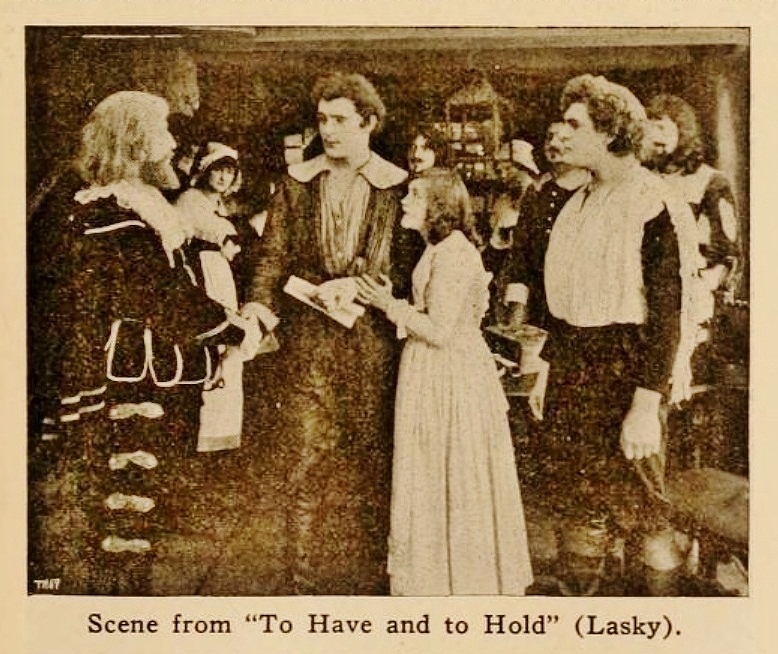
Dir: George Melford
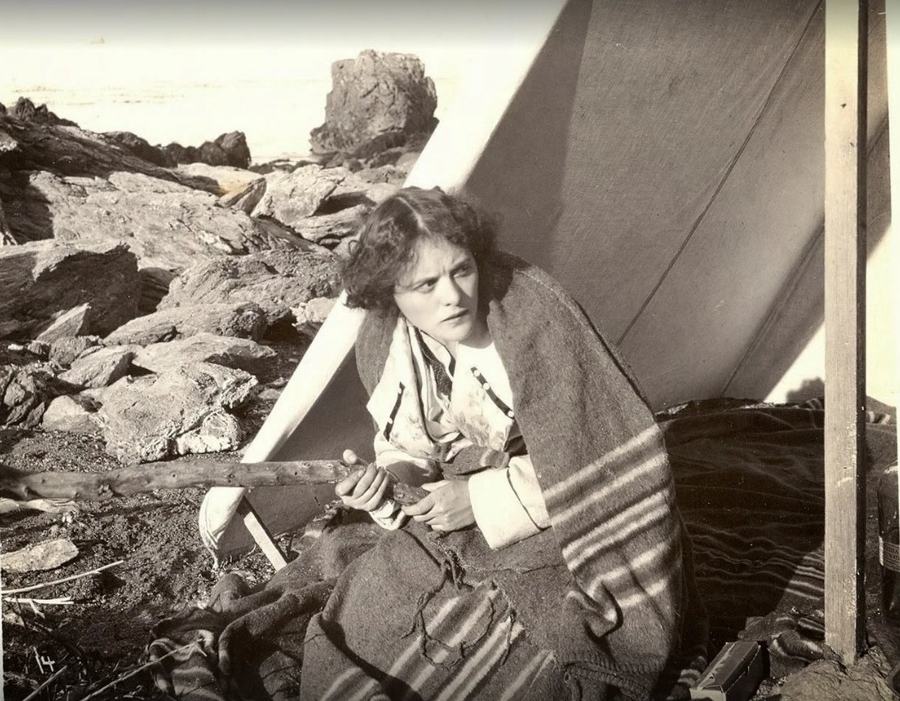
Lady Jocelyn, a favorite in the court of England's King James, escapes a forced marriage to the hated Lord Carnal by fleeing to American colonies. There she meets and marries Captain Ralph Percy. Pursued by Lord Carnal, Lady Jocelyn and her new husband eventually find themselves shipwrecked on a desert island with Lord Carnal. A band of pirates finds them there, and Captain Percy convinces them that he is himself a notorious pirate chief. But Lord Carnal casts them all into danger by revealing Percy's true identity.
View Details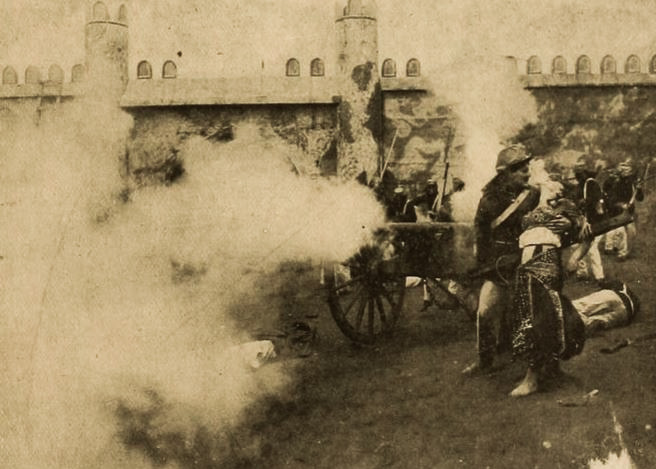
Dir: George Melford
Ram, High Priest of the Temple of Delhi, urges his people to throw off the British yoke. Word of the uprising reaches General Kimber who is in command of the troops at Calcutta. Summoning Captain Arlington and Lieutenant Shannon of the famous Sixth, he orders them to proceed to Delhi with their troops. Arlington and Shannon are rivals for the hand of Dora, the commandant's daughter. Although secretly betrothed to Surrada, the beautiful native girl employed as Dora's maid, Arlington is filled with jealous rage upon discovering that Dora loves his rival. The captain has tired of Surrada but fears to cast her off because of the scandal she may create. Shortly afterwards, Arlington and Shannon reach Delhi where they succeed in restoring order. The High Priest Ram, however, lays his plans for a general uprising and on Sunday, May 10, 1857, the famous massacre at Meerut, which started the nationwide mutiny, commences. Thousands of English men, women and children are slain. Ram and his followers make their way to Delhi. At the sight of the priest, the Sepoy troops turn upon their white officers and slay them. At the first sign of danger, Arlington flees. Shannon, however, rallies the white troops. The soldiers are finally compelled to make a stand about the arsenal. The women and children beg Shannon to slay them, should the natives prove victorious. Knowing the terrible fate which must befall them should they fall into the hands of the Sepoys. Shannon consents. The women and children are placed in the magazine of the arsenal, while Shannon makes preparations to destroy the building in event of defeat. The soldiers are beaten back. The victorious natives rush into the arsenal to capture the women inside. Shannon lights a fuse leading to the powder stored in the building. The awful explosion which follows rends the walls asunder, bringing death to the hundreds in the building. Arlington makes his way back to Calcutta where he informs General Kimber that Shannon and his men have been slain by the natives. Believing her sweetheart dead, Dora is grief-stricken. Arlington attempts to console her but is spurned. By a miracle, Shannon has escaped death in the explosion which destroyed the arsenal. Slaying a native, the lieutenant disguises himself in the man's clothes. After many days he reaches Calcutta. Dora is overjoyed to see her lover alive and uninjured. Fearing lest his cowardice be revealed, Arlington implores Shannon to keep silent. The latter consents. General Kimber marches upon Delhi with his entire army. A few days after her father's departure, Dora decides to follow. Accompanied by a bodyguard of natives, she sets out for Delhi despite Surrada's pleas. The treacherous natives, however, deliver the girl into the hands of Shah, king of Delhi. Inflamed by her beauty, the king decides to make her the queen of his harem. Overwhelmed by the fate which menaces her mistress, Surrada slays the man guarding their room and escapes from the palace. The native girl makes her way out of the city to the British encampment. While she informs General Kimber of his daughter's plight, the murder of the guard is discovered. Dora is thrown into a dungeon to await torture and death. Kimber, Arlington and Shannon are horrified upon hearing Surrada's awful news. Shannon and Arlington beg to be allowed to go to the girl's rescue. Because of his seniority in rank, the honor falls to Arlington. Accompanied by Surrada, the man hastens towards the city gates. The two arrive a moment too late and are locked out of the city tor the night. Unwilling to return to camp, Arlington and Surrada enter the Temple nearby where they determine to hide for the night. There the captain sees the great diamond which forms the eye of the idol Brahma. Filled with greed, Arlington forgets his mission and unknown to Surrada, pries the jewel from its resting place. Umballa, a servant in the Temple, sees the thief at work, and is knocked unconscious after a struggle with the Englishman. To hide the jewel, Arlington returns to camp where he announces his failure. Unable to sleep, Shannon strolls beyond the lines. Learning of Arlington's failure upon his return, the man denounces him as a coward. Later, the thief wraps the diamond in a cloth and gives it to Surrada. He tells the native girl that it contains his mother's jewels. The following morning. Ram, Umballa and a number of natives arrive at the camp and inform General Kimber of the theft of Brahma's eye. Having promised that the sacred edifice should not be molested, the British commander vows to find and punish the offender. Umballa sees Shannon. Mistaking him for his assailant the native accuses the lieutenant of the theft. Circumstances point to Shannon as the vandal. Kimber orders him to his tent. Shortly afterwards, the British troops make an assault upon Delhi. While the attack is going on, Surrada suspecting the truth, comes to Shannon and gives him the package. Heart-broken because of her lover's deception, and fearing the curse of Brahma, the girl suicides before Shannon can interfere. The lieutenant sees that the British are being repulsed. He rejoins his men. Calling for volunteers Shannon announces his intention of blowing up the city gates. Accompanied by three men, the lieutenant crawls to the gates where he plants several sacks of powder A few moments later, the huge doors are torn from their hinges by a terrific explosion. Led by Shannon, the British enter the city and sweep all before them. King Shah hears this news with dismay. Furious, he determines to wreak vengeance upon the daughter of the British commander. Dora is tied to the muzzle of a loaded cannon. After lighting the fuse the natives flee. The maddened rebels make a last stand in the city streets. A number of them surround Arlington. Facing death, the man's courage comes to the surface. Six of the natives fall by his sword. A spear thrust through his breast brings Arlington low. Attracted by a woman's screams for help, Shannon and his men dash into the palace courtyard. The gallant soldier sees his sweetheart's awful danger. Slashing her bonds, Shannon pulls Dora aside. An instant later, a terrific roar appraises the fainting girl of the awful danger from which she had been rescued in the nick of time.
View Details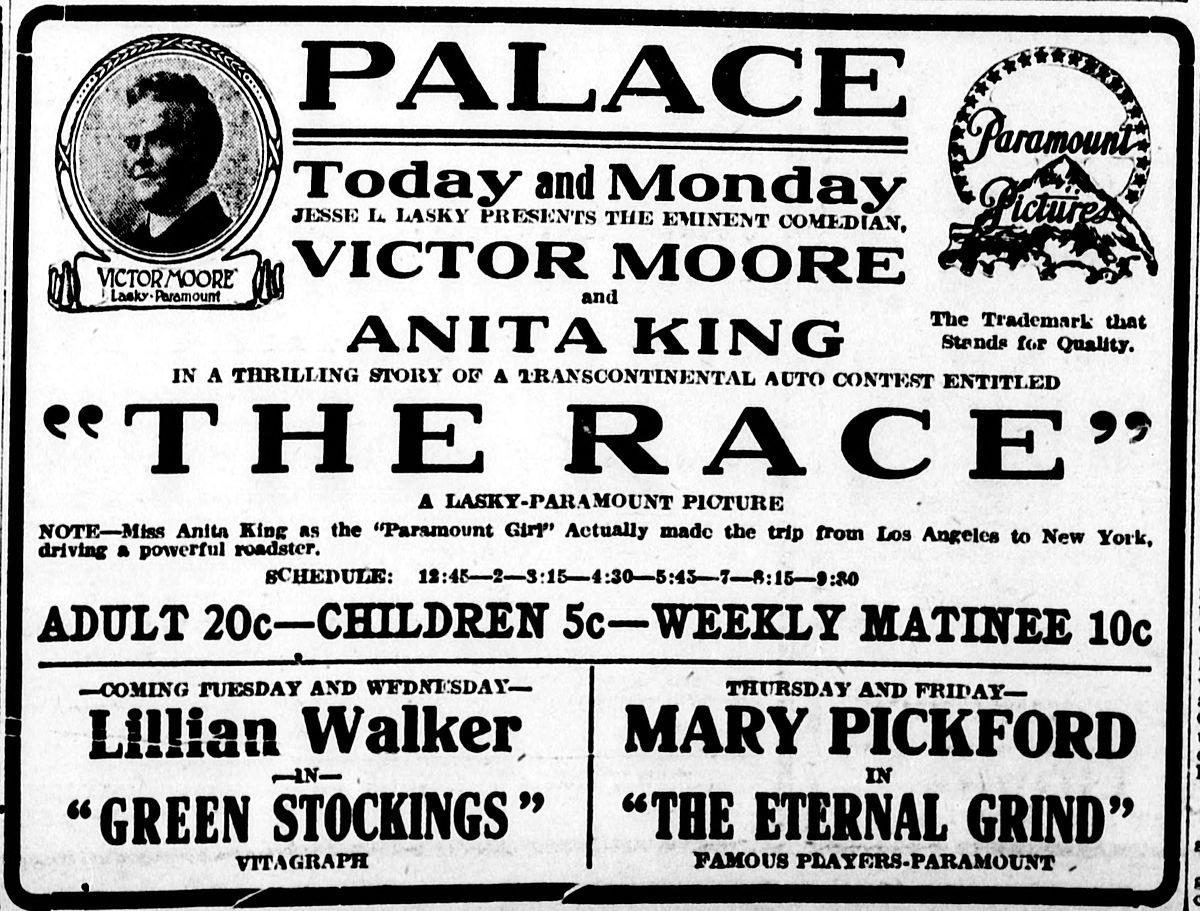
Dir: George Melford
Fed up with his son's wild lifestyle, James Grayson, Sr. disinherits Jimmy and throws him out of the house. Through Grace Van Dyke, a chauffeur, Jimmy gets a job in a garage, and he and Grace's father Andrew invent a revolutionary automobile engine. It will take months to get the patent, however, and Jimmy must pay back a $10,000 debt almost immediately. To get the money, he enters a transcontinental car race which has a large cash prize, and which Grace also has entered. Just as Jimmy is about to win, however, he learns that Andrew is also deeply in debt. As a result, he lets Grace pass him and finish first, so she can get the money for her father. At the finish line, Jimmy is arrested for not paying his debts, but then, far ahead of schedule, the patent rights arrive for the engine, as well as a royalty check that more than covers what Jimmy owes.
View Details
Dir: George Melford
Helen Scott has been left the sole owner of the Scott Canneries by her father's death, but being too busy with social duties, she leaves the handling of the industry's business to her hard-fisted uncle and only calls upon him when she needs money. Harvey Brooks, manager of the canneries' Tampa branch, is a hard-working young man with new ideas of social welfare. He has hundreds of people in his employ working under most unfavorable conditions for starvation wages. He has pleaded with Helen Scott and her uncle to better the working conditions but has always been ignored. During the height of the social season, Helen goes to Palm Beach, Florida with a party of friends for the yacht races. While sailing her sloop one foggy night, it is run down and sunk by a large schooner, a fruit carrier for the Scott canneries. Helen is rescued from the sea by the captain of the schooner. The heiress is stunned by a blow on the head, received at the time her sloop was struck. When she recovers she is unable to remember her name or her identity. The schooner captain takes Helen to his home, and when she has recovered, his daughter, who works in the cannery, secures Helen a position beside her at the cutting table. Brooks, hearing of Helen's accident and loss of identity, takes an interest in her and she is attracted by his kind manner. Labor leaders are urging the cannery workers to strike and place the blame for the conditions upon young Brooks. One night Brooks is slugged and bound to a chair in his frame office building and the plant is set on fire by the excited workers. Helen rushes through the flames to his aid and as she unbinds him she is overcome by smoke and falls unconscious by his chair. Brooks carries her to safety through the burning buildings and returns her to the schooner captain's home. While they are both recovering from their burns a detective, employed by the uncle, locates Helen. The shock of the fire and the burns has slightly restored Helen's memory and the clever detective finally brings her to realize who she really is. Helen is in love with Brooks and he with her, believing that she is a poor factory girl. The heiress realizes that Brooks hates the real Helen Scott for her indifference to the workers. When he has recovered she meets him alone, tells him she is Helen Scott, and breaks down his wall of hatred and together they go to help their coworkers.
View DetailsAnalysis relative to The Woman
| Film Title | Atmosphere | Complexity | Similarity |
|---|---|---|---|
| A Celebrated Case | Gritty | Layered | 94% Match |
| The Years of the Locust | Tense | Linear | 85% Match |
| The House with the Golden Windows | Gothic | High | 91% Match |
| The Immigrant | Gothic | High | 86% Match |
| Young Romance | Surreal | Abstract | 86% Match |
This guide was algorithmically generated using the cinematic metadata of George Melford's archive. Last updated: 8/16/2026.
Back to The Woman Details →