
DbcultAccessing Vault...
Recommendations
Senior Film Conservator
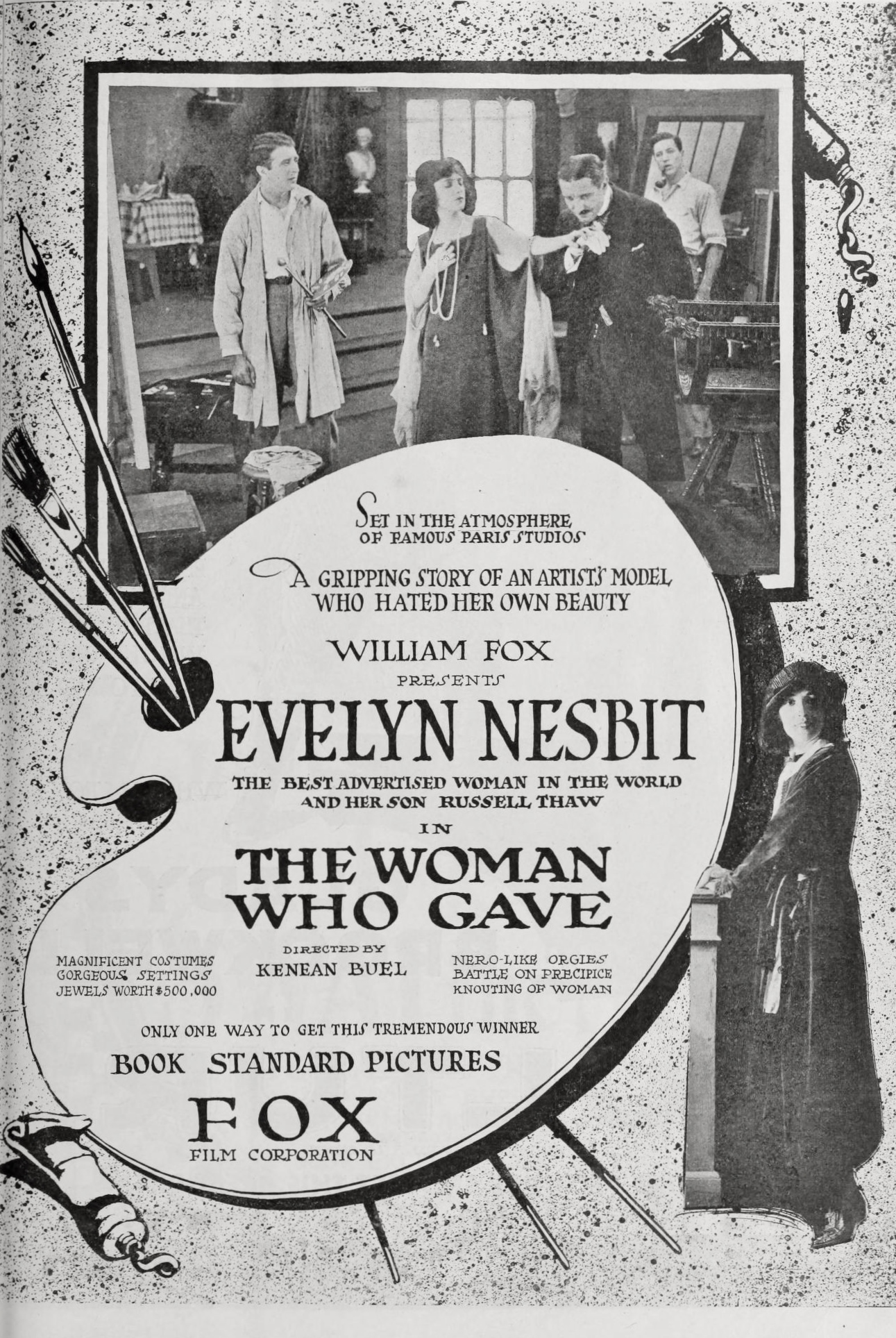
If the cinematic excellence of Kenean Buel's work in The Woman Who Gave left an impression, the cinematic shorthand used by Kenean Buel is both ancient and revolutionary. We've prioritized films that capture the 1918 aesthetic with similar precision.
By merging cinematic excellence with cult tropes, it to articulate the unspoken anxieties of United States's 1918 era.
Colette is a model who poses for two artist brothers, Don and Andrien Walcott. Andrien, a hunchback, creates a beautiful portrait of her which is seen by evil Bulgarian Prince Vacarra. The prince tracks her down and locks her in.
Based on the unique cinematic excellence of The Woman Who Gave, our vault has identified these titles as the most compelling follow-up experiences for fans of cult cinema:
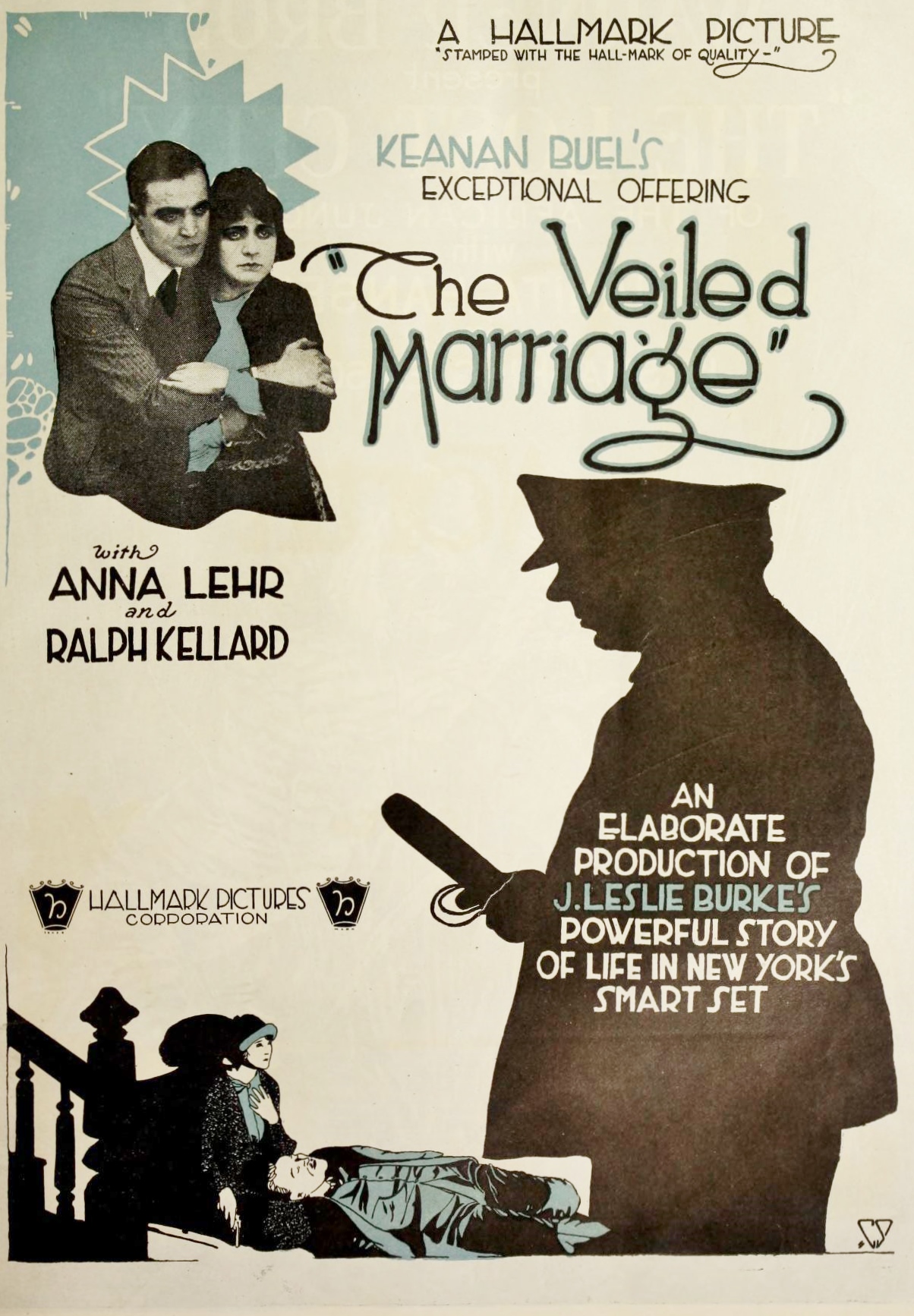
Dir: Kenean Buel
Drinking pals Fred Peyton and John Browning are both members of high society. Upon meeting impoverished Margaret Fallon, Peyton is so impressed with her beauty that he becomes a frequent visitor at the Fallon house. One evening, while returning from dinner, an explosion overturns their automobile and Margaret is temporarily blinded. Meanwhile, Browning has become engaged to a wealthy woman whom Peyton covets for her wealth and Margaret's blindness provides the opportunity for him to obtain this prize. Stealing his friend's wedding license, Peyton substitutes Margaret's name for that of Browning's intended bride and after intoxicating his friend, Peyton sends for Margaret and marries her to Browning. The next day, Peyton lies to his friend that he had drunkenly insisted upon the marriage. Later, when Margaret's eyesight is restored and she is seeking employment, she meets Browning and the two fall in love, unaware that they are husband and wife. Eventually, Browning learns that the woman from whom he is seeking a divorce is actually the woman he loves and, after Peyton is shot by a former mistress, all ends happily.
View Details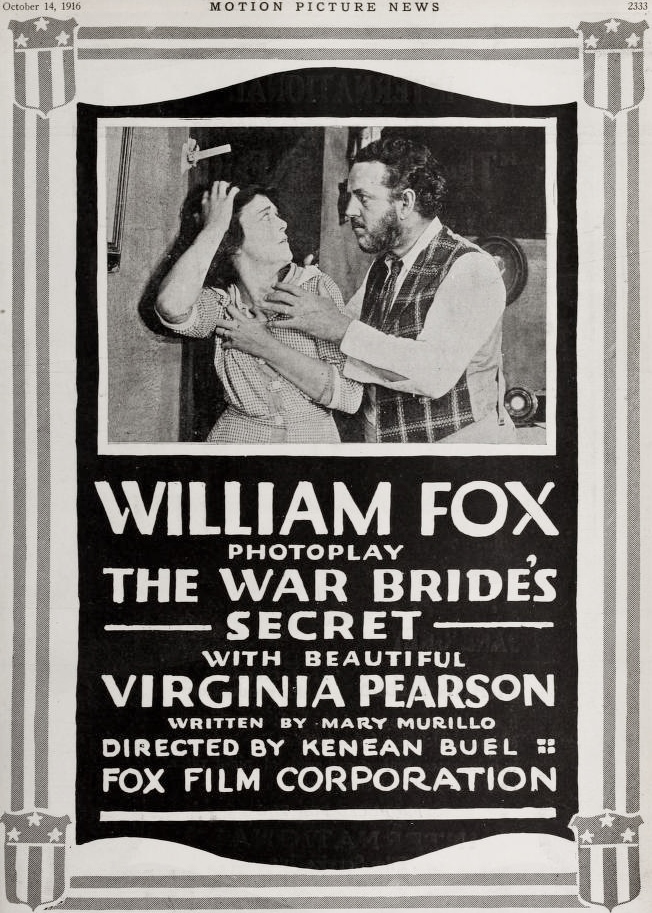
Dir: Kenean Buel
A fascinating piece of cinema that shares thematic elements.
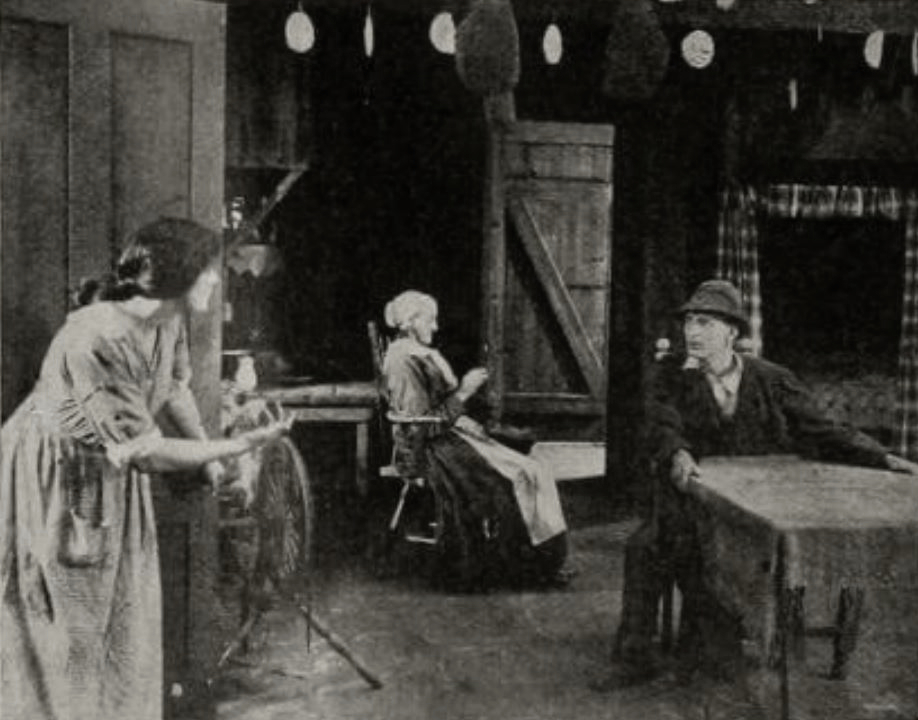
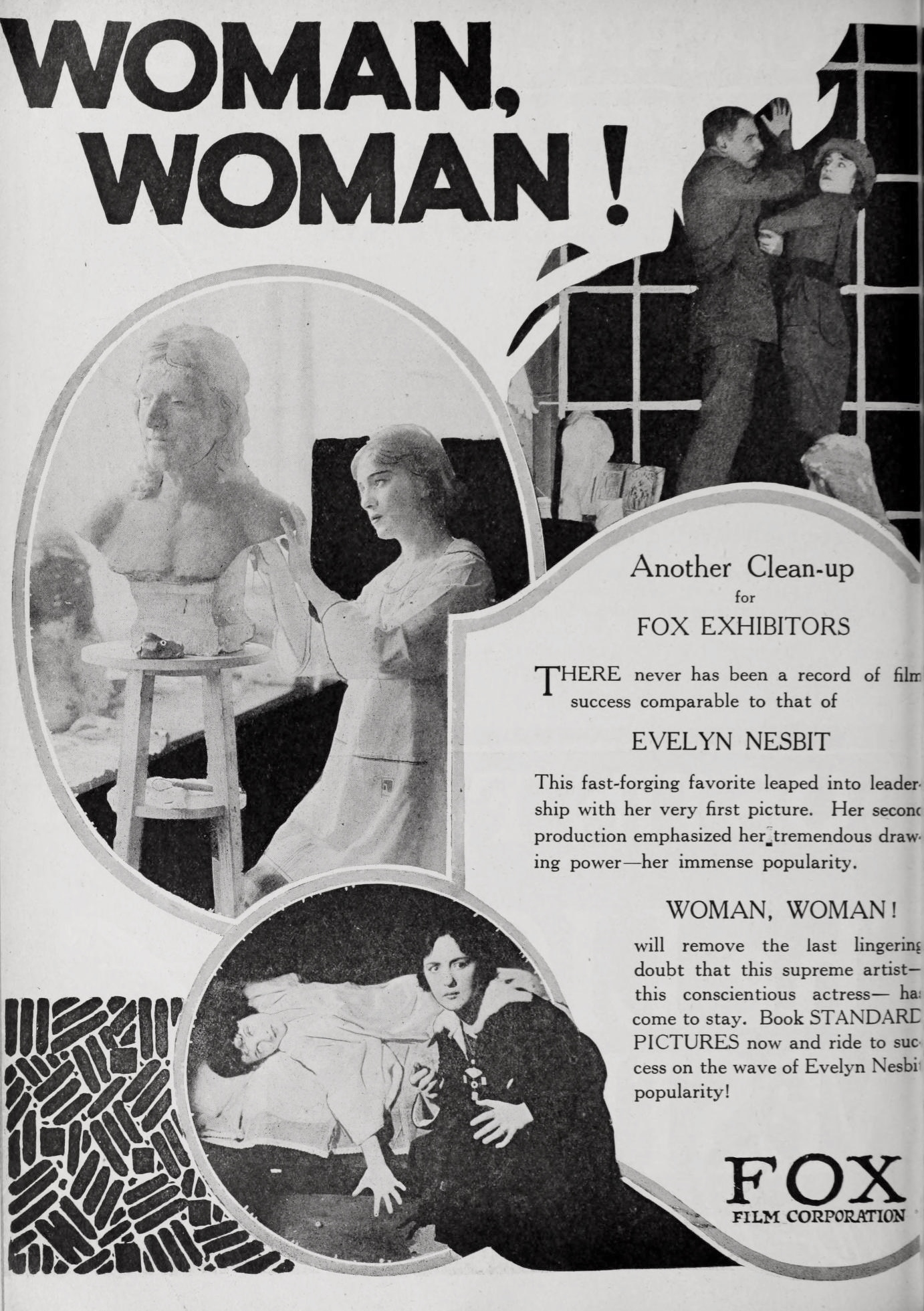
Dir: Kenean Buel
Alice Lindsay arrives in New York from a small town and becomes part of Greenwich Village Bohemian life. Alice resists the advances of Gwenne Stevens, an advocate of free love, and marries civil engineer Samson Rathbone.
View Details
Dir: Kenean Buel
Billy Martin is sent to New York to put through a war contract for his father, a new England manufacturer, and takes $100,000 as a security. The munition broker's secretary, a crook, tells Graham, a gambling house keeper, of Billy's coming. Miller is detailed to lure him to the gambling house. Miller, posing as the broker's representative, meets Billy and offers to show him New York life. He meets Zena and is so captivated that he consents to try his luck at the roulette wheel. After his first success he loses rapidly. At last Zena drags him away with only $15,000 left. Zena repentant, tries to comfort Billy. She finds he is determined to win back his losses and is captivated by his pluck. Reluctantly she takes him to the gambling house. Billy loses all. When the mail brings no word from Billy, his wife comes to New York. She enters his room just after he and Zena arrive. Zena hides in a closet. Billy refuses to return with his wife until he has recovered his father's money. Zeena returns to her apartment. Graham accuses her of double-crossing him. She orders him to leave. Zena sets out to recover Billy's money, and returns to the gambling house. Graham thinks she has repented. Martin comes to New York for Billy. Zena picks him out as the man from whom to get the money. She lures him to her den. Billy calls up, and when Zena recognizes his voice she hangs up. Suspecting Zena has deceived him Billy rushes to the apartment and finds her embracing his father. Zena rushes to him. Billy casts her off. Martin tells Billy he did this to show the treachery of Zena's love. Heaping abuse on Zena, who sees her one true love lost, Billy leaves with his father. Zena in remorse leaves her old home and life, a wreck. Billy asks his father's forgiveness. "I forgive you," says the old man, "but I can't forget that I trusted you."
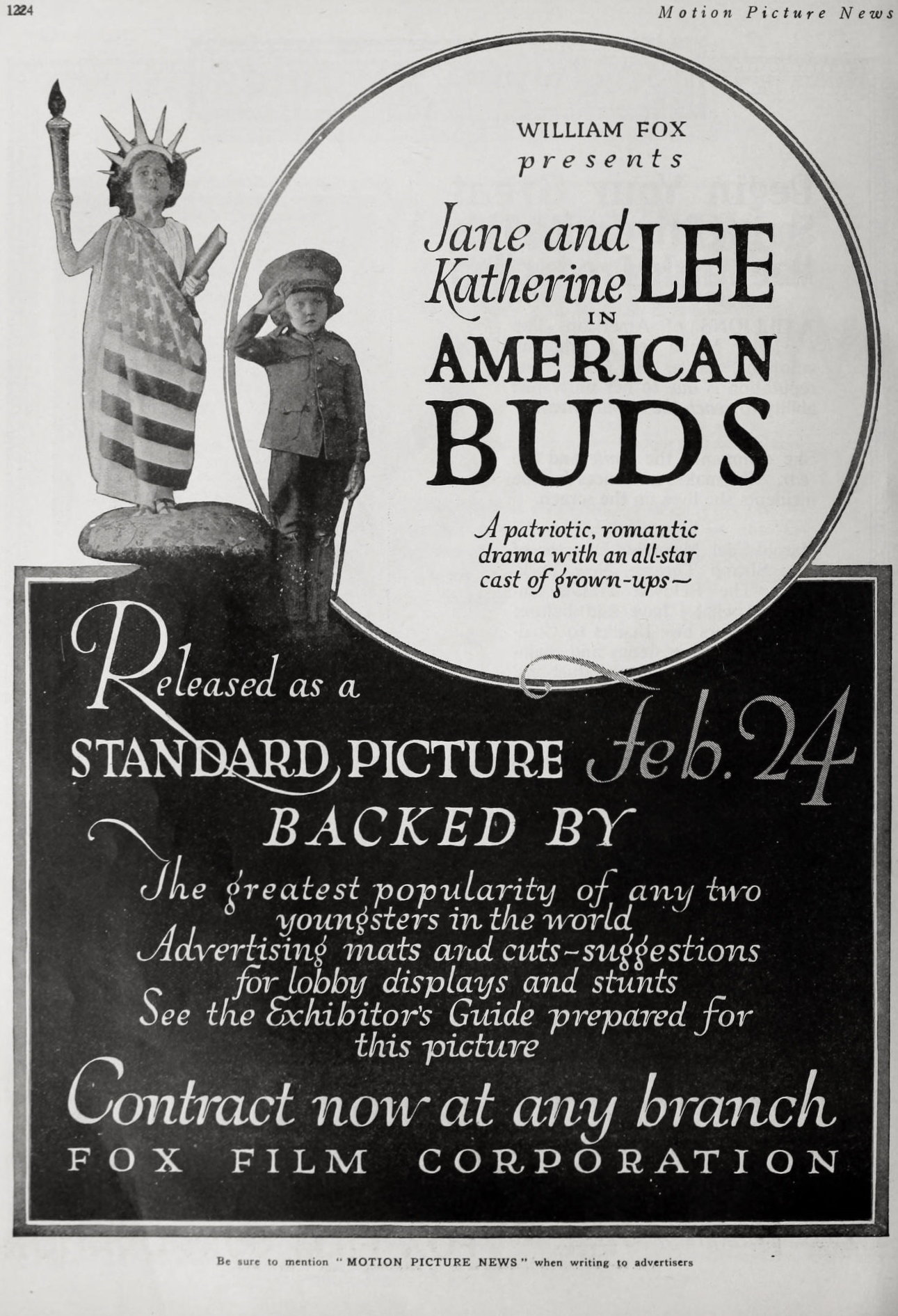
Dir: Kenean Buel
Letters from the late mother of orphaned sisters Jane and Katherine seem to indicate that their father is Capt. Bob Dutton. Under orders from his superior, Colonel Harding, to acknowledge the children or quit the service, Dutton accepts responsibility for them. Shocked by his presumably checkered past, Cecile Harding, Dutton's fiancée and the colonel's daughter, breaks their engagement. One evening Jane surprises Capt. Robert Duncan, Dutton's rival for Cecile, stealing Bob's papers. Subsequently shot, the dying Duncan reveals that he is an Austrian agent, as well as the father of Katherine and Jane, having eloped years earlier with Ethel Harding, the colonel's older daughter. The colonel assumes the care of Jane and Katherine, and Dutton and Cecile are reconciled.
View Details
Dir: Kenean Buel
Young Margaret Walsh's husband dies while on a polar expedition. Grief-stricken, she consents to marry Morgan Delafield, a much-older man who is a close friend of her father. However, it's not long before she falls in love with Stephen Bond, a man who's actually younger than she is. While she tries to resist her feelings for Stephen to not endanger her marriage, gossip about the pair nevertheless begins to make the rounds, with unintended consequences for all concerned.
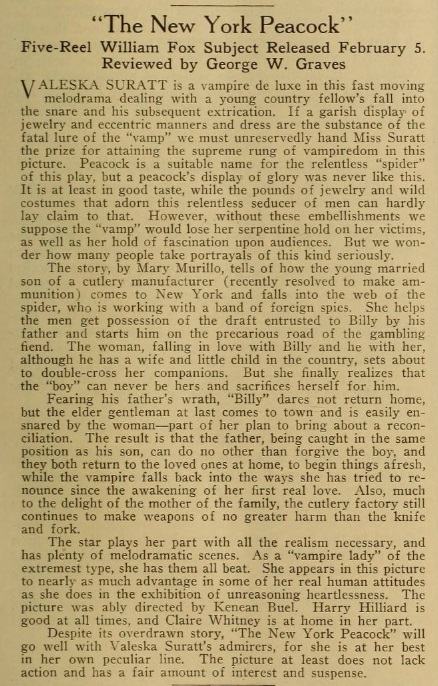
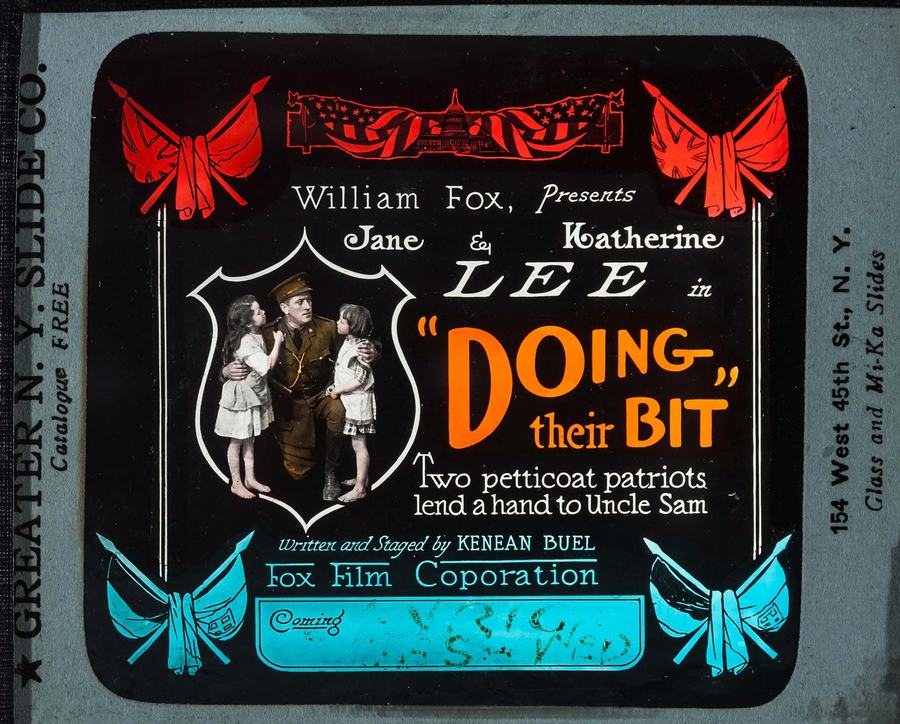
Dir: Kenean Buel
Little Kate and Janie O'Dowd are sent to their wealthy American uncle, Michael O'Dowd, after their Irish father loses his life on a World War I battlefield. Having been locked accidentally into O'Dowd's munitions plant one evening, the children catch sight of their intoxicated cousin Miles O'Dowd admitting two men into the factory. The girls recognize the two as spies they had seen on the boat to America sending signals to a German submarine. After the spies knock Miles cold, the children trap them in a die-stamping machine until help arrives. Miles and factory worker Jerry Flynn, who loves young Patricia O'Dowd, enlist and are soon joined by Alfred Vanderspent, whose wealthy mother's plot to falsify his birth records is foiled by the children.
View Details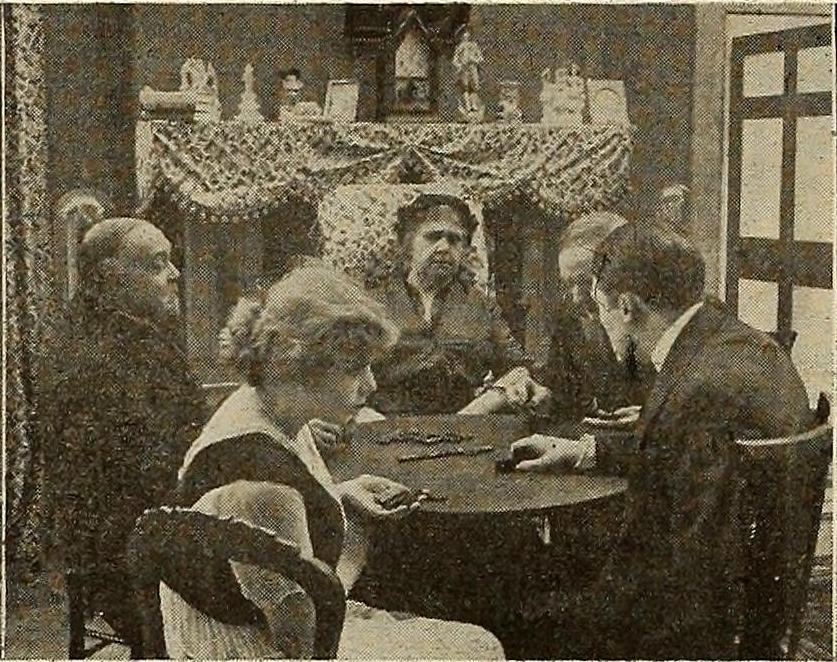
Dir: Kenean Buel
Therese Roger is the daughter of a West Indian planter. When she is a baby her parents are murdered and she is adopted by her aunt, Madame Roger, keeper of a haberdashery shop in one of the smaller villages in southern France. She grows up with Madame Roger's son Camille, a sickly, sexless creature she ultimately marries in deference to her aunt's wishes. The monotony of Therese's married life tells on her. The uninteresting Camille each day drones out his existence in an office. At night he returns ever at the same hour, ever in the same enfeebled health and depressed spirits. Two neighbors, Dr. Gribet and Michaud, the prefect of police, drop into the Roger household for their weekly game of dominoes with Madame Roger. Suzanna, daughter of Dr. Grivet and Oliver, son of Michaud, who are in love, call frequently on the aged Madame Roger to pay their respects. Therese, full of youth and life, tires of her environment and its unchanging cycle of events. Camille collapses one day at the office and is brought home by his friend Laurant, Camille's opposite. When Laurant meets Therese, they are attracted to each other, and when he becomes a frequent visitor, a liaison develops between them. Seeing Camille as the only obstacle to their happiness, the two evil lovers decide to kill him. When the opportunity arises, they drown him. They manage to escape suspicion from the murdered man's mother and in course of time marry with the old woman's consent. But they have not attained the happiness which they thought would be theirs with Camille out of the way, for their crime haunts them. It shows in their faces. It stalks through their home. It leads them into quarreling with each other. During one of their stormy scenes they are overheard by Madame Roger, who becomes stricken with paralysis and the total loss of speech upon learning how her son died. The helpless old mother gloats over the torture which Therese and Laurant suffer from their consciences. In time, when guests are present, she tries to write her accusation of them upon the tablecloth with the edge of a domino, but her fingers cannot complete the sentence. She sees distrust continue to grow between the unhappy pair. Therese and Laurant plan to kill each other, but both are too-great cowards to add a new crime to their records, and they drink poison together, paying at last with their own lives for their earlier crime.
Dir: Kenean Buel
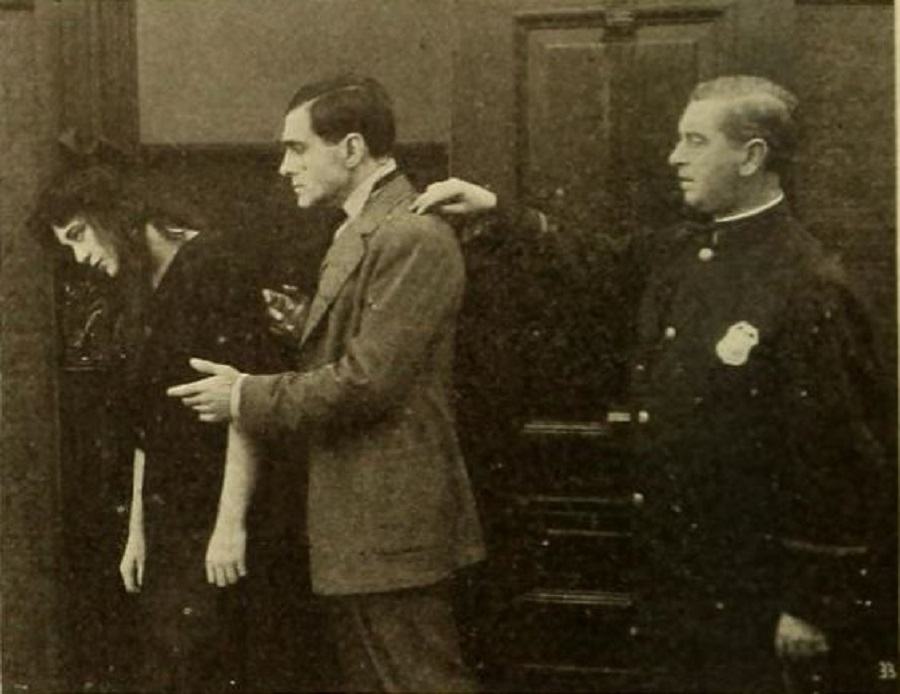
This picture opens on the big, helpless humanity which is huddled together in Blossom Street, in the East Side's slums. The sweetest spirit of the thousands dwelling there is Anne, in love with Jimmy Graves, a man she knows is a crook. In warning Jimmy one night that the police are on his trail, she is caught in the maelstrom, brought into court with him and sentenced to jail. When she is released she plots revenge on the man who put her behind the bars, Judge Marcus, about to be nominated for a higher position in public service. Through a ruse, she obtains employment in the Marcus household. The Judge does not recognize in his wife's secretary the same woman who was once just a "poor, Blossom Street thing." He finds that he is rapidly falling in love with her. Anne is approached by a stool pigeon working for Marcus's political opponents, who are trying to fasten a scandal upon the Judge. Anne promises to aid them. She agrees to put him in a compromising position that evening, when witnesses will be on hand. Meantime, Jimmy Graves is released. He has been living through the years of his prison term, with the face of Anne always before him. He learns that the girl is at the Marcus home, and starts for the house. As the hour for the denouement draws near, Anne realizes she loves Marcus. He kisses her again and again. She notices the clock and pushes him from her just before the curtains are thrust back by the politicians and Mrs. Marcus. Jimmy arrives, and in the face of her love for Marcus, she sacrifices herself that the judge may win.
View Details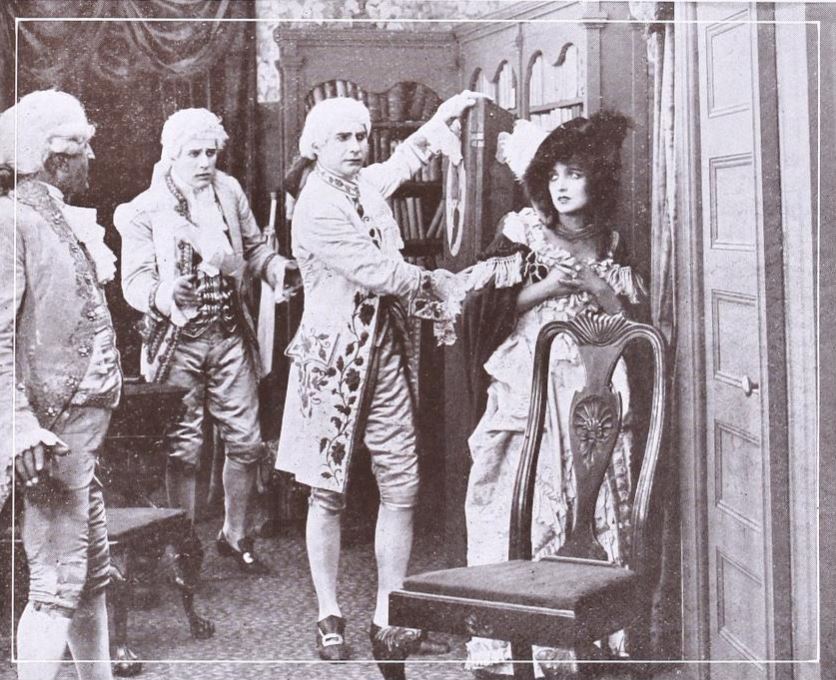
Dir: Kenean Buel
On the eve of his departure for India, Sir Oliver entrusts his nephews, Charles and Joseph Surface, to the care of his friend, Sir Peter Teazle. Twenty-five years later finds Charles a wild character and a thorn in Sir Peter's side. Joseph, a smug hypocrite, is a favorite with the elderly bachelor. Sir Peter is captivated by Ann, a country squire's daughter, whom he meets by accident. Although many years his junior, the girl becomes his wife. Shortly afterwards, Sir Peter becomes the guardian of Maria, with whom Charles is deeply in love. Sir Peter frowns upon the young man's suit. Learning that Maria is immensely wealthy, Joseph resolves to marry her. Lady Sneerwell, in love with Charles, successfully conspires with Joseph and her secretary, Snake, to separate the sweethearts. Meanwhile, Lady Teazle leads Sir Peter a merry life. Sir Benjamin Backbite, a notorious gossip, chances to visit the Teazles while Sir Peter is remonstrating with his wife because of her extravagance. After listening to the war of words, Sir Benjamin departs for Lady Sneerwell's home, where he finds the members of the School for Scandal engaged in tearing the reputations of their friends to tatters. The most harmless incidents are twisted and distorted. As told by Sir Benjamin, the quarrel between Sir Peter and Lady Teazle wound up in blows. Sir Oliver, returning from abroad, determines to study the characters of his nephews. He informs Sir Peter of his intention of meeting each under an assumed identity. To Charles, Sir Oliver appears as Premium, a money lender. The result of the interview between nephew and uncle finds the latter delighted with Charles. Despite Sir Peter's friendship for him, Joseph makes desperate love to Lady Teazle. Due to the efforts of Joseph, Snake and Lady Sneerwell, Sir Peter is led to believe that Charles and Lady Teazle love each other. Sir Oliver, visiting Joseph in the guise of a poor relation, finds the young man an ungrateful cur. In the meantime Lady Teazle is induced by Joseph to call upon him at his apartments. It happens that Sir Peter, having drawn up a will leaving all his property to Lady Teazle, calls upon Joseph to ask his advice. Unable to leave without detection, Lady Teazle hides behind a screen. She thus hears of what her husband has done to provide for her comfort after his death. Sir Peter's words touch Lady Teazle's heart, filling her with remorse. The husband discovers that someone is concealed behind the screen. He is about to investigate, when Joseph hurriedly declares that it is a French milliner. Charles is announced. Not wishing to meet him. Sir Peter hides in a closet. In the conversation which ensues between the brothers, Sir Peter discovers that his suspicions concerning Lady Teazle and Charles are unfounded. Lady Teazle, on the other hand, learns of Joseph's hypocrisy. Charles discovers Sir Peter in the closet just as Joseph learns that Lady Sneerwell is calling. While the hypocrite endeavors to warn her away, Charles and Sir Peter determine to have a look at the milliner. The resultant discovery astounds Sir Peter. Lady Teazle, thrusting aside Joseph's lying excuses with contempt, confesses the flirtation she has carried on with him. Lady Sneerwell gets an inkling of what has taken place. At once the wildest rumors are circulated by the members of the School for Scandal. These have it that both Sir Peter and Joseph had been shot, stabbed or horsewhipped. The gossip-mongers who hasten to Sir Peter's house to offer condolences, are astounded to find him alive and well. Joseph, arriving at Sir Peter's home in an effort to seek forgiveness, learns the real identity of the "poor relation" who had visited him. With the news that he has been disinherited comes a second blow when he hears that Sir Peter has consented to the marriage of Charles and Maria. As a last card, Joseph brings Lady Sneerwell to the scene. The woman declares that Charles has promised to make her his wife. Snake, however, turns traitor and confesses the plot to discredit Charles. Lady Teazle, giving Joseph and Lady Sneerwell a bitter rebuke, dismisses them. Realizing the many discomforts she has caused her husband, Lady Teazle promises to henceforth be a dutiful wife.
View DetailsAnalysis relative to The Woman Who Gave
| Film Title | Atmosphere | Complexity | Similarity |
|---|---|---|---|
| The Veiled Marriage | Gritty | Abstract | 88% Match |
| The War Bride's Secret | Gritty | Dense | 97% Match |
| Woman, Woman! | Surreal | Dense | 89% Match |
| The New York Peacock | Tense | Linear | 91% Match |
| American Buds | Ethereal | Abstract | 95% Match |
This guide was algorithmically generated using the cinematic metadata of Kenean Buel's archive. Last updated: 6/27/2026.
Back to The Woman Who Gave Details →