
DbcultAccessing Vault...
Recommendations
Senior Film Conservator
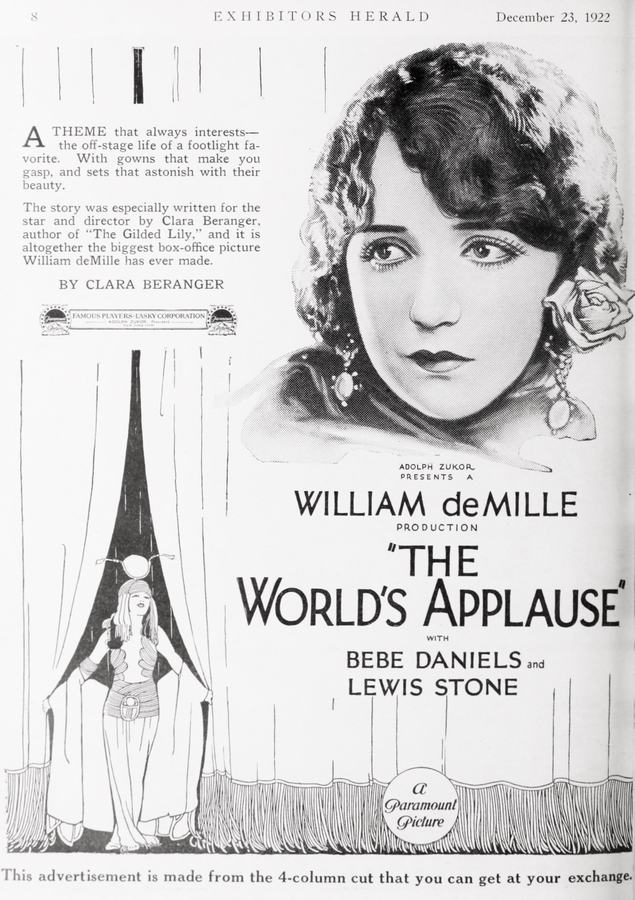
If the thematic gravity of William C. de Mille's work in The World's Applause left an impression, the cinematic shorthand used by William C. de Mille is both ancient and revolutionary. We've prioritized films that capture the 1923 aesthetic with similar precision.
By merging thematic gravity with Drama tropes, it to articulate the unspoken anxieties of United States's 1923 era.
Corinne d'Alys (Bebe Daniels) a Broadway star, turns a deaf ear to producer John Elliott's (Lewis Stone) warnings to be more cautious in her craving for the world's applause. She accepts the attentions of artist Robert Townsend (Adolphe Menjou), who is married to John's sister. Elsa Townsend (Kathlyn Williams) accidentally stabs her husband in her anger but doesn't confess to the crime until John is about to be arrested and Corinne has gained much notoriety. With their names cleared Corinne and John find happiness.
Based on the unique thematic gravity of The World's Applause, our vault has identified these titles as the most compelling follow-up experiences for fans of Drama cinema:
Dir: William C. de Mille
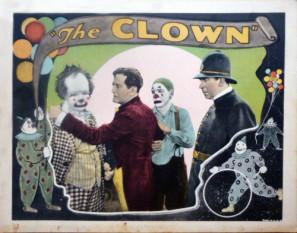
Piffle, a circus clown, is badly injured after saving the son of Judge Jonathan Le Roy from a team of runaway horses. During his convalescence at the Le Roy home, Piffle falls in love with Millicent, the judge's daughter. When she learns that Dick Ordway, the father of her unborn child, has died while prospecting in the desert, Millicent tries to drown herself. Piffle comes to the rescue once again, proposing to marry Millicent and be a father to her child. Although she does not love Piffle, Millicent agrees. At the judge's insistence, Piffle leaves the circus to become a banker. Some time later, Dick reappears, but decides not to pursue Millicent, focusing instead on selling shares in his mine. The mine becomes a bonanza, and Dick tries to buy back all of the shares, but Piffle refuses to sell. Dick visits Piffle's home, hoping to negotiate a sale, and has an unexpected reunion with Millicent. Realizing that Millicent and Dick are still in love, Piffle returns to the circus, where he finds fulfillment bringing joy to children.
View Details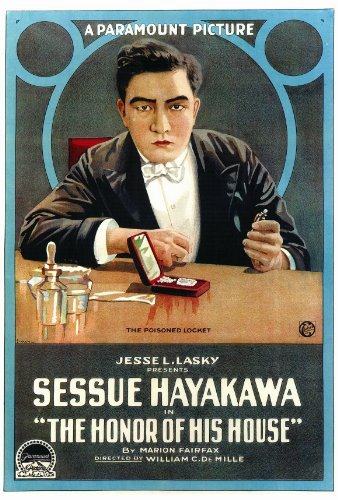
Dir: William C. de Mille
An island ordeal: A woman chooses a count over an alcoholic doctor. The envious count poisons her but performs a life-saving blood transfusion, costing his life. She has the count's baby and ultimately remarries the rehabilitated doctor.
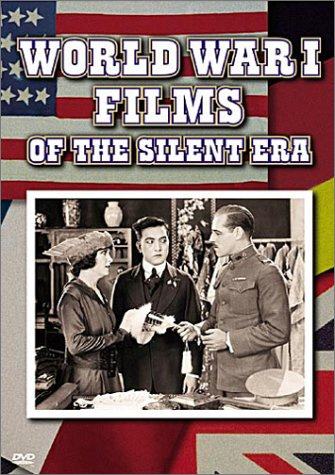
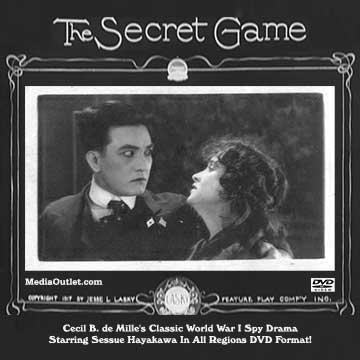
Dir: William C. de Mille
During the Great War, German and Japanese spies face off in the United States.
View Details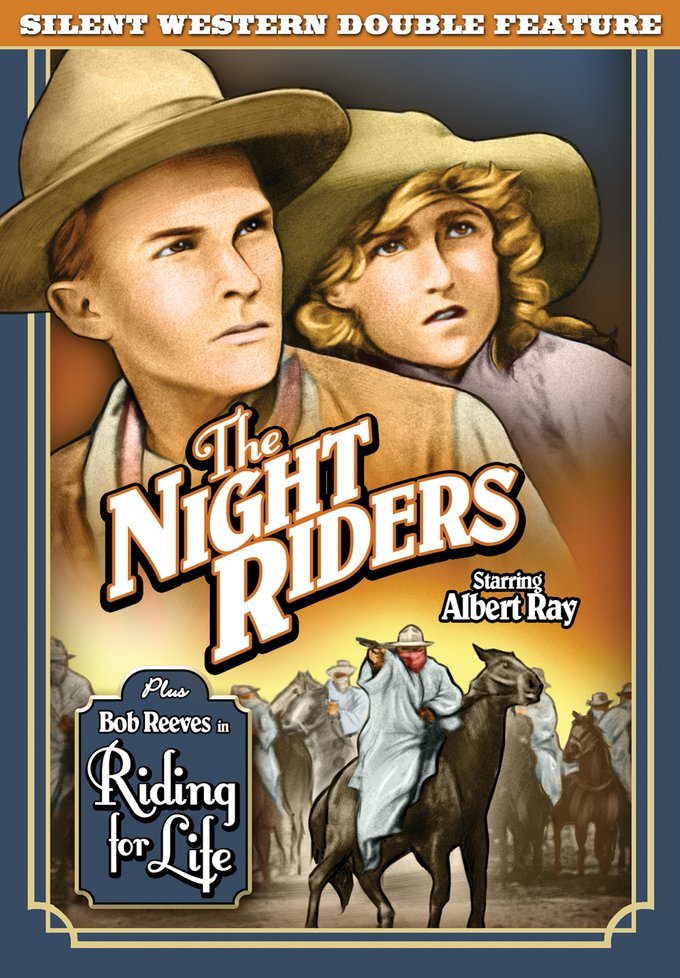
Dir: Alexander Butler
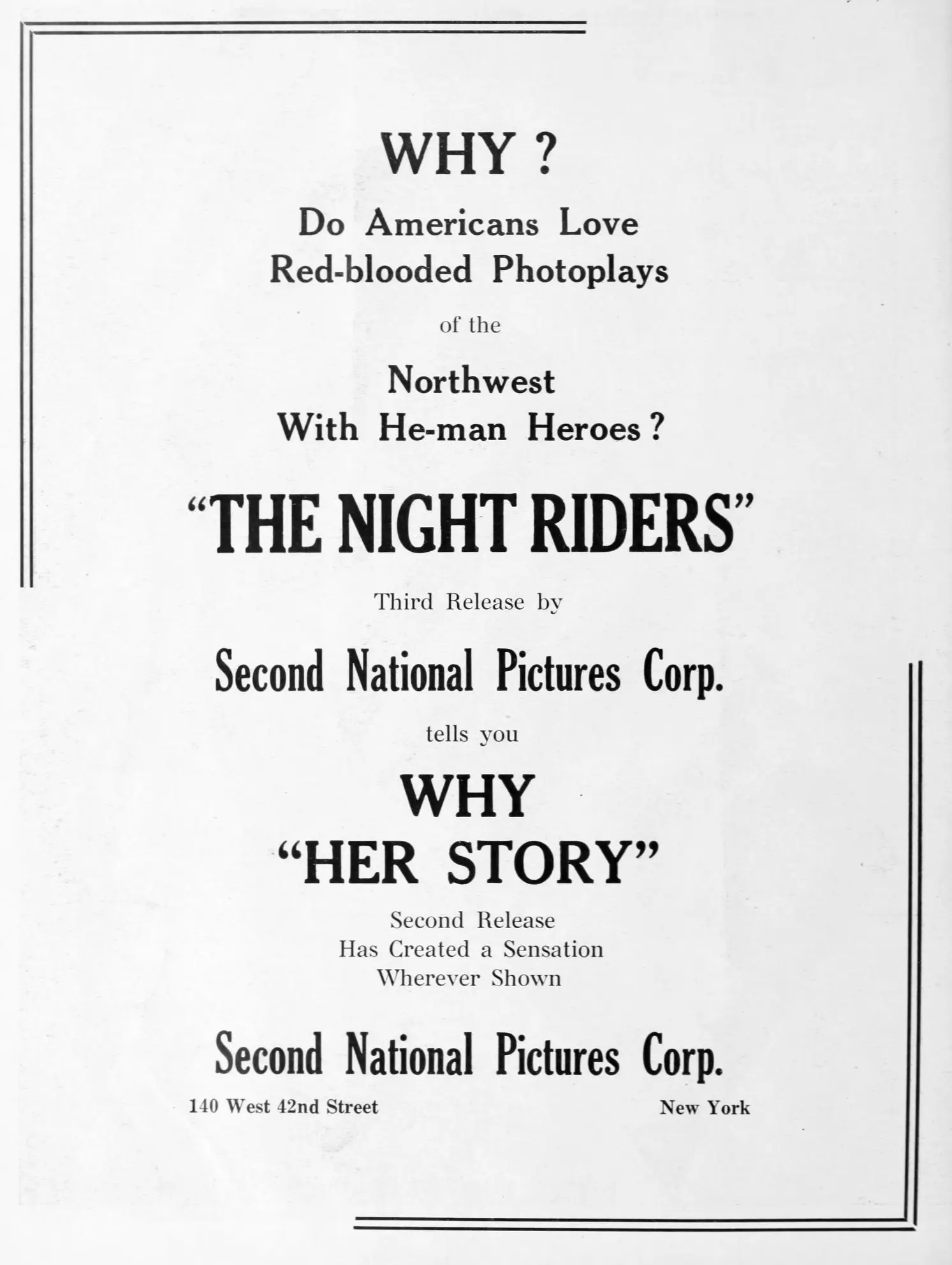
In Alberta, Canada, a Cornish emigrant unmasks a rustler posing as the girl's "blind" father.
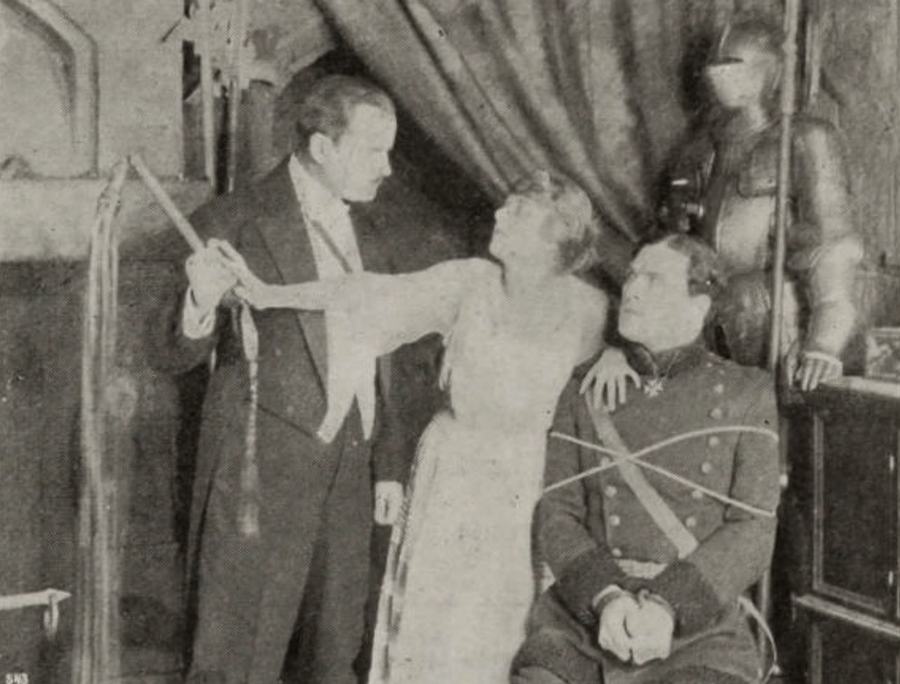
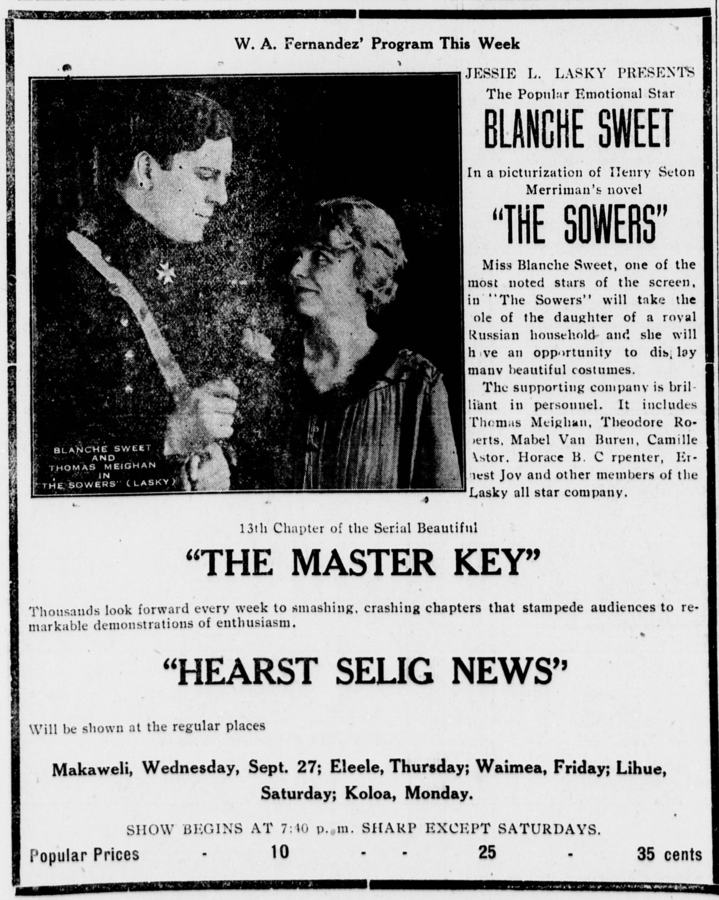
Dir: William C. de Mille
Headed by a young nobleman, the Russian League of Freedom determines to free the peasants from oppression by the government. Prince Paul Alexis is in love with Karin Dolokhof, daughter of the chancellor. Both are working for the league. Shortly after they announce their engagement the prince receives word from the Czar that he must marry the Princess Tanya, for political reasons. Upon receiving the command the prince expresses his intention to leave Russia with Karin Dolokhof, but she reminds him of his allegiance to the freedom league. Princess Tanya is in love with Count Egor Strannik, but under pressure, she discards the count and marries the unwilling prince. Through espionage, the chief of the secret police learns of the prince's affiliation with the freedom league and as Prince Alexis and his wife, Princess Tanya, hold a reception, at which the government heads are present, he sends Count Egor Strannik to secure the evidence. The count, who is still in love with Princess Tanya, tries to force his love upon her, and as he holds her in his arms, Prince Alexis discovers them and beats the count with a knout. For revenge the count, with a band of followers, forces the prince to reveal the hiding place of some important league papers.
View Details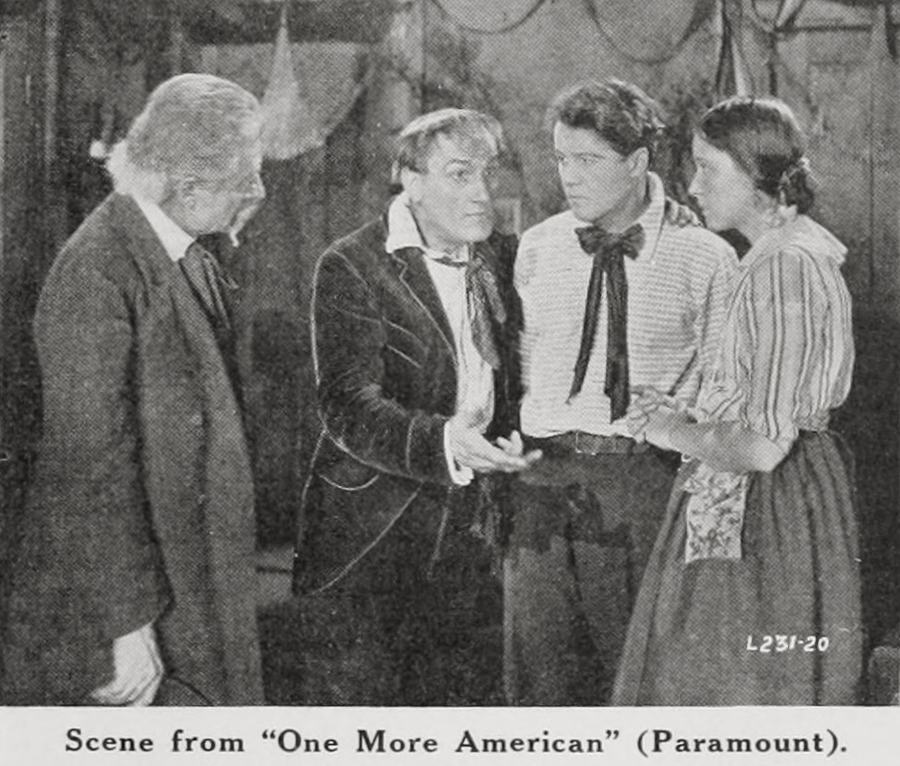
Dir: William C. de Mille
Luigi Riccardo, the proprietor of a marionette theater in New York's Little Italy, eagerly anticipates the arrival of his wife Maria and daughter Tessa, whom he has not seen in five years. Luigi dreams of becoming an American citizen, but because he refuses to make graft payments to Regan, the ward boss, he is informed that he will not receive his naturalization papers. When Regan orders Dr. Ross, an Ellis Island physician, to classify Maria and Tessa as unfit to enter the country, Luigi becomes wild with grief. Newspaper reporter Sam Potts learns of the Italian's misfortune and, through local prizefighter Bump Rundle, offers Regan a phony bribe in exchange for Luigi's papers. Regan accepts and Sam exposes him publicly, enabling Luigi to welcome his wife and daughter as American citizens.
Dir: William C. de Mille
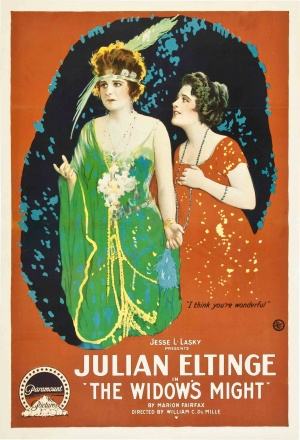
Deciding that there is money in cows, young New Yorker Dick Tavis buys a Western ranch; when the novelty has worn off he decides that there is also monotony. Then he falls in love with a girl on a calendar and takes a new interest in life, particularly after he discovers who the girl is. The fact that her uncle swindled him on the ranch does not matter. He figures he can take care of the uncle, and he does, but not until he has been forced to masquerade as a woman and have half the men at a fashionable resort fall in love with him.
View Details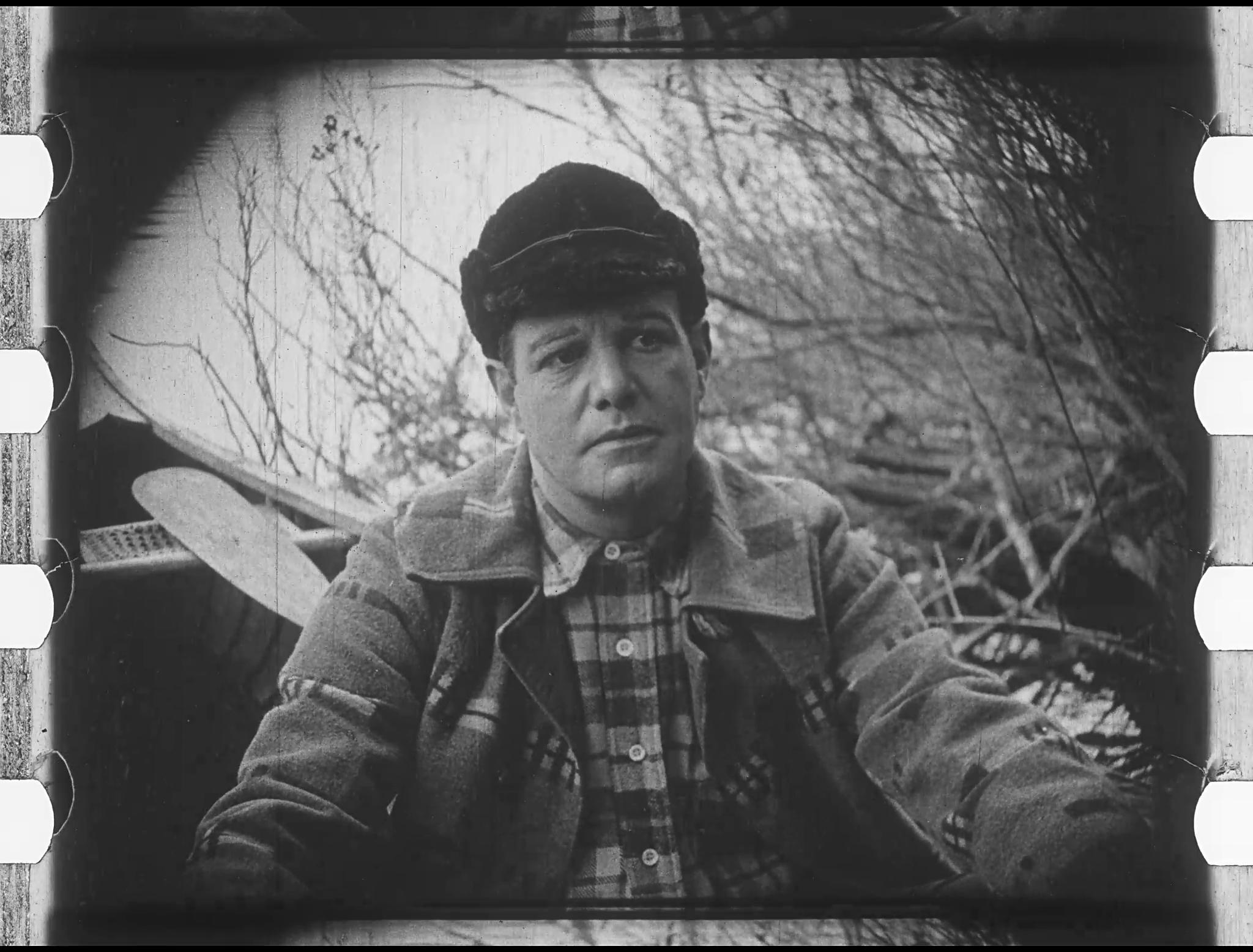
Dir: Edgar Jones
A mail-order bride arrives at a Maine lumber camp but doesn't like her prospective husband.
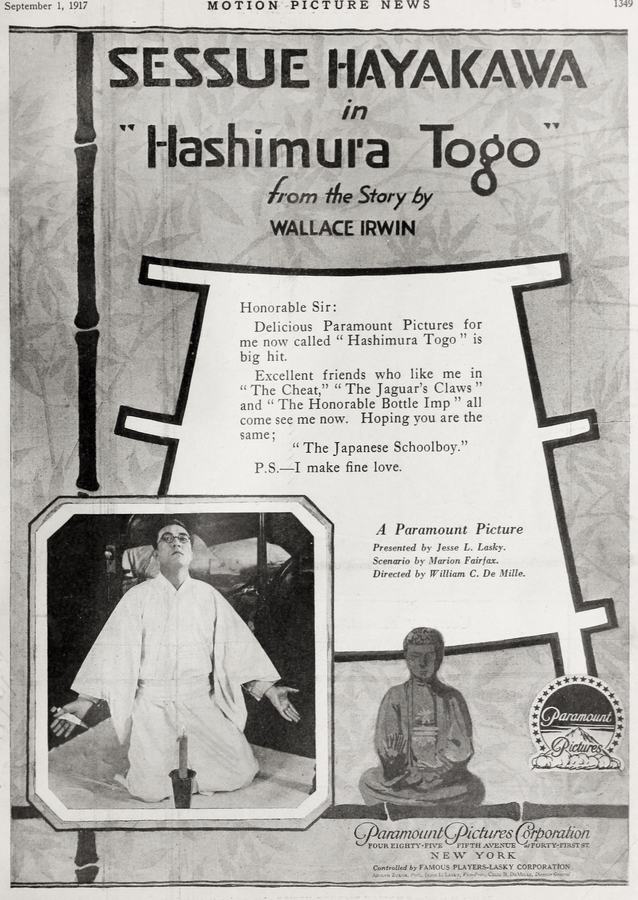
Dir: William C. de Mille
After an accusation of a breach of diplomacy committed by his brother, Hashimura Togo bears the burden and leaves Japan in disgrace for the United States where he enters the employ of Mrs. Reynolds as a butler. Togo discovers that Mrs. Reynolds' daughter Corinne is in love with Dr. Garland but is being coerced into marrying Carlos Anthony who, having seized all of her deceased father's funds, now promises to save the family from financial ruin in return for Corinne's hand in marriage. Enlisting the aid of a reporter, Hashimura succeeds in proving Anthony's deception in time to stop the marriage, freeing Corinne to marry Garland. After a series of misadventures, his name is cleared and Hashimura returns to his sweetheart in Japan.
View Details
Dir: William C. de Mille
Based on the 1915 Colorado miners strike. Warren Harcourt, the coal company manager, comes to the scene. This causes a chain of events that will change the current status quo.
View DetailsAnalysis relative to The World's Applause
| Film Title | Atmosphere | Complexity | Similarity |
|---|---|---|---|
| The Clown | Gritty | High | 91% Match |
| The Honor of His House | Tense | Abstract | 86% Match |
| The Secret Game | Tense | Abstract | 87% Match |
| The Night Riders | Ethereal | High | 96% Match |
| The Sowers | Gritty | Dense | 89% Match |
This guide was algorithmically generated using the cinematic metadata of William C. de Mille's archive. Last updated: 6/20/2026.
Back to The World's Applause Details →