
DbcultAccessing Vault...
Recommendations
Senior Film Conservator
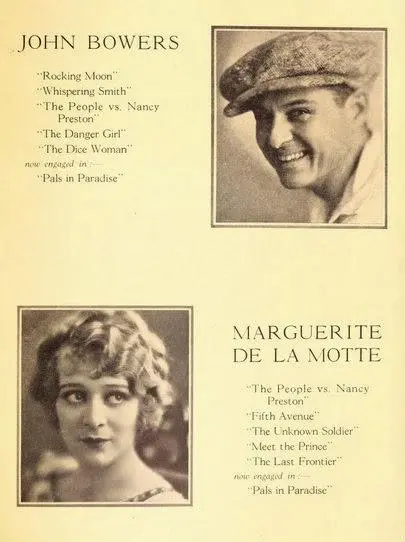
Witnessing the stylistic evolution of John B. O'Brien through Those Who Dare is profound, audiences who connected with its message often look for similar thematic gravity. Each of these movies shares a piece of the unsettling tension that made Those Who Dare so special.
The synthesis of form and function in Those Who Dare to establish John B. O'Brien as a true visionary of the 1924s.
Captain Manning, a seasoned salt, is ordered to remove his battered ship, the Swallow, from the town's harbor because of a superstition connected with it. The captain, who lives alone, visits the Mariner's Home and relates the story of how he came into possession of the schooner. Manning was the first mate on the yacht of a wealthy man when it encountered the Swallow at sea. He went on board, accompanied by the drug-addicted son of his employer, and discovered a mutinous crew and a disabled captain fighting for control of the ship. Manning took charge and brought the ship safely to port, after successfully putting down the mutineers by humiliating their leader, who had kept them in fear by practicing voodoo in the ship's hold. Manning later married the captain's daughter. Now he controls the ship.
Those Who Dare was a significant production in United States, showcasing the immense talent of John Bowers, Spottiswoode Aitken, Fred T. Walker. It continues to be a top recommendation for anyone studying Horror history.
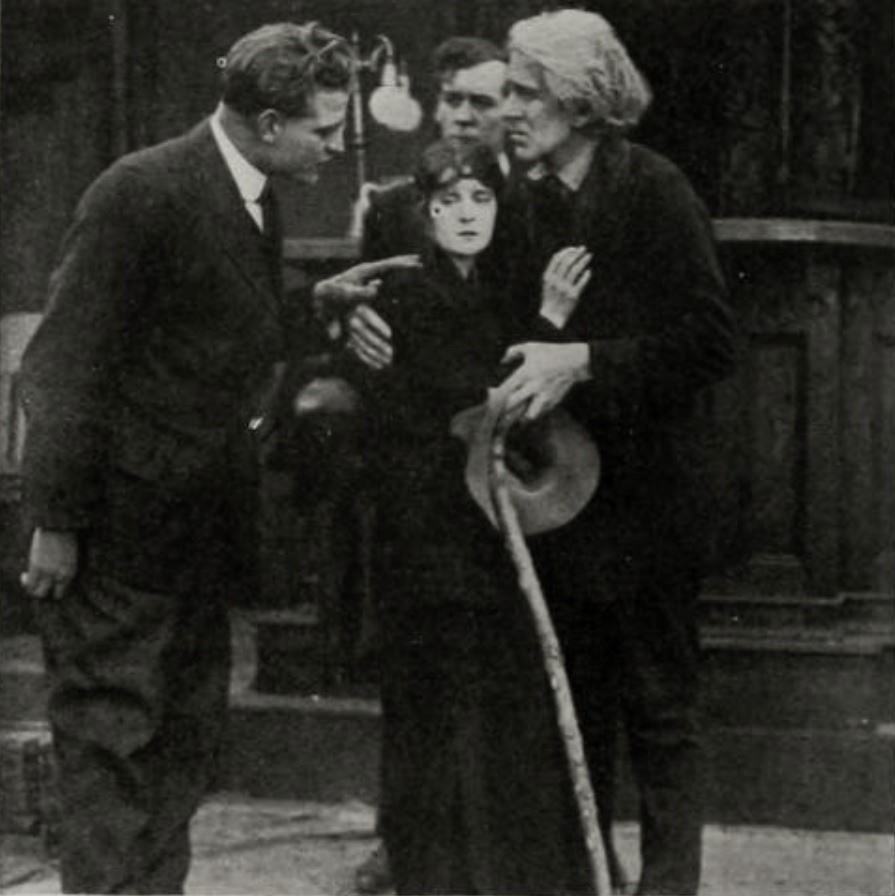
Based on the unique unsettling tension of Those Who Dare, our vault has identified these titles as the most compelling follow-up experiences for fans of Horror cinema:
Dir: John B. O'Brien
Mae is a girl of the slums. Her antecedents are unknown. She works as a dancing girl around a rough dive where her sweetheart Bob is a waiter. Graves, a cheap sport, takes a fancy to Mae and asks the bartender who she is. The bartender tells him that nobody knows where she came from. When Graves becomes fresh with Mae, Bob warns him off. On their day off, Bob and Mae go walking in the park. They see young couples with their babies and long for a decent married existence. Judge Lewis, in his courtroom, is sternly sentencing a criminal who is pleading for mercy. A second judge enters the room and is invited to the bench as a matter of courtesy. He whispers to Judge Lewis in favor of the criminal, but Lewis is firm and sends the prisoner away condemned to the limit. Court adjourns and the two judges depart. They go down the courthouse steps and walk away to the park, where they see Bob and Mae. The second judge recognizes Bob and stops him. The judge asks him questions and Bob replies that he is behaving himself. Bob is eager to get away. Alone with Mae, Bob explains that the judge is the one that paroled him after his last fight. Back at work in the dive. Graves becomes offensive to Mae. He follows her to her room and is followed by Bob. A fight occurs in which Mae shoots Graves. Bob disappears, fearing the result of his parole if he should not obey the judge. Mae is to be tried before Judge Lewis. She is assigned a young attorney to defend her. The attorney sees her in her cell and gets her story. He can find no trace of Bob, who, however, keeps himself posted in hiding. The young attorney has secured from Mae, however, a locket given to her by her dead mother when she was a little child. The locket has a photo of her mother with the address of a photographer in a country town. The attorney visits the town, finds the old photographer, and is directed to Old Man Aitken as one who can tell about the woman of the photo. Aitken shows great emotion when he sees the photo, and on being told of Mae's coming trial before Lewis, shows great eagerness to go with the attorney. The trial is commenced, and the attorney admits the killing, but pleads self-defense and the girl's irresponsibility. He places her on the stand, and she tells her story. The judge is cold and relentless. She is asked on cross examination, "Where is this man Bob?" She doesn't know. Bob, however, has crept into the back of the courtroom. He presents himself and is examined. He corroborates Mae, but the judge, recognizing him as the boy of the park, discredits his testimony by asking him, "Are you not a paroled prisoner?" Bob admits it, and the effect on the jury is obvious. Mae is found guilty, with a recommendation for mercy. On being brought up for sentence, the attorney calls Aitken to prove the girl's irresponsibility. The prosecuting attorney jumps to his feet and objects. The judge is about to rule out Aitken's testimony, when Mae's attorney interposes, "It will not be necessary to mention the name of the father of this defendant, but I will ask the witness to identify this photograph as the girl's mother." The portrait of the locket is passed to the judge. He conceals his emotion with difficulty. Mae's attorney proceeds, "I will prove by this witness that the defendant's birth and early life are responsible." Aitken then tells his story, fading back to Mary Alden and Lewis, their love, the locket, Lewis' desertion to follow his career, sending her a letter telling her of his decision, the baby's birth, and the disappearance of mother and child. After the story the judge faints, court is adjourned, and the judge is carried out. The next day another judge is on the bench: he who had paroled Bob. He suspends sentence on Mae and she and Bob go away free. Judge Lewis is convalescent at his home in the country. Aitken brings Mae and Bob to him and he expresses his interest in them and determination to devote his life to his daughter.
View Details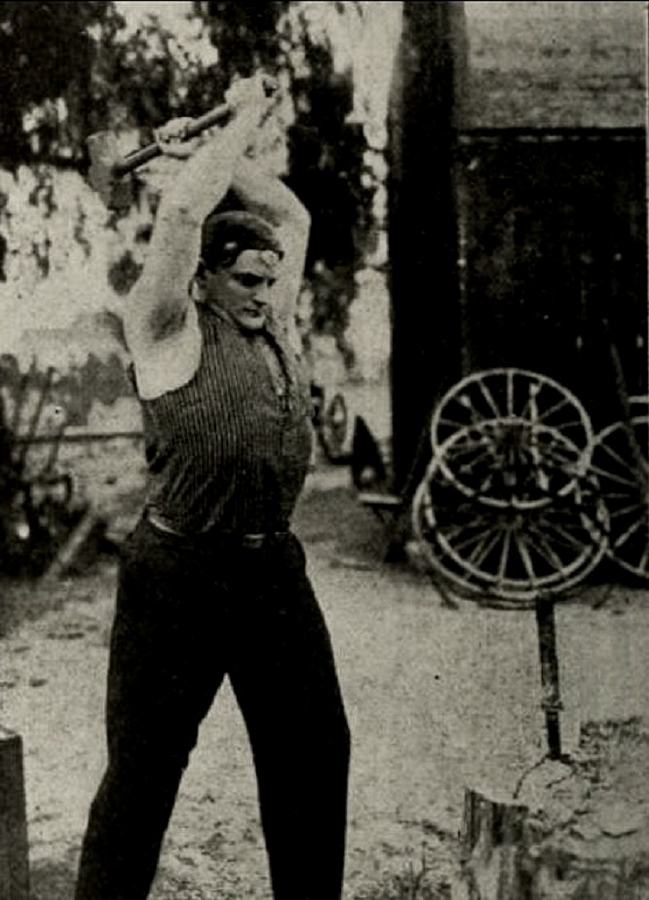
Dir: John B. O'Brien
Mae Carter is the ward of Col. Aitken and the fiancée of his nephew Robert. They plight their troth and after much teasing from Mae, Bob succeeds in giving her an engagement ring. While Mae and Bobby are out riding one day the shoe of Mae's horse becomes loosened. She calls for Bob to exert his masculine strength and jerk the shoe from the horse's foot to save the horse further pain. After several unsuccessful pretenses to release the shoe they go to a blacksmith. Mae discovers in the blacksmith a man of extraordinary strength. He jerks the shoe from the horse with one pull, and thereby wins the admiration of Mae. That night Mae dreams that she is the cave woman of Robert, a cave man. While eating shrubs she is attacked by another giant cave man and about to be carried off when a rescuer appears, and he proves to be none other than the blacksmith. In the morning she pays a visit to his shop and takes a snapshot of him, much to the distress of Robert. She breaks off her engagement with Robert and is about to elope with the blacksmith when her uncle, having dealt with many women in his time, and knowing feminine ways better than Bob, concocts a scheme whereby he will induce the two to live at his house for a month to find out if they still love each other, at the end of which time he promises to consent to the marriage. The girl gives an engagement party and his conduct makes her see how impossible a match would be between the two. Thoroughly disgusted, she breaks off her engagement and returns to Robert. A marriage between her and Robert is arranged by the Colonel for the following day, and the blacksmith learning of it becomes jealous. When the ceremony is about to take place, the blacksmith comes to the house and steals the bride and plans to take her to a neighboring town and marry her himself. He gets away with her and after many hair-breadth escapades he finally gets caught in the quicksand with the girl but Robert releases him and the wedding takes place.
View Details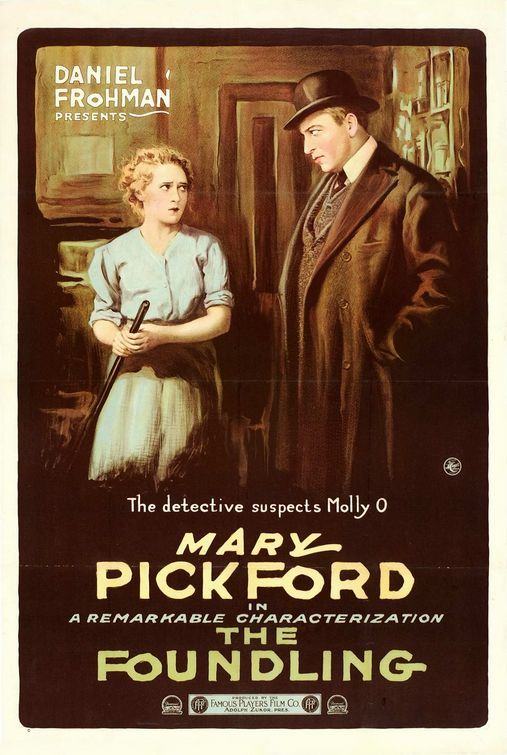
Dir: John B. O'Brien
Rich artist David King sends his infant daughter Molly to an orphanage, then years later regrets it and tries to find her. She's sent to slave at a boarding house, and the mistress of the orphanage passes her niece off as Molly.
View Details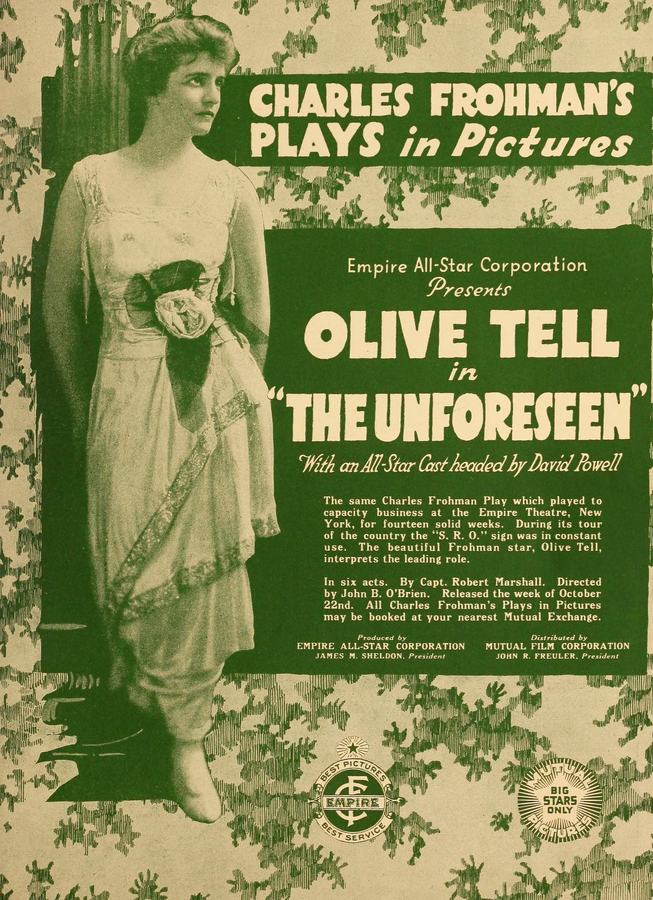
Dir: John B. O'Brien
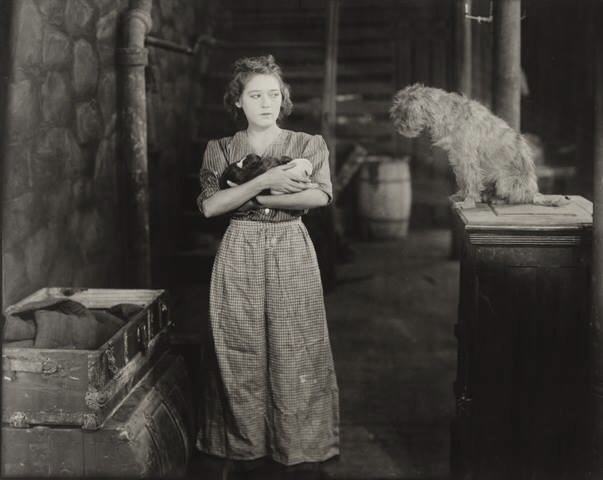
On the eve of her elopement with Henry Traquair, Margaret Fielding is accidentally discovered in Traquair's apartments by his friends, Captain Richard Haynes and Walter Maxwell. Because the conditions, though innocent, appear compromising, Traquair introduces Margaret as his wife. An hour before the time set for the wedding, Traquair receives a telegram announcing the failure of his bank and his financial ruin. He declines to proceed with the marriage and Margaret returns home; despondent over his financial losses, Traquair ends his life. During the next three years, Maxwell loses his sight, meets Margaret, and marries her, unaware that she was Traquair's "wife." They are very happy until Haynes visits and remembers Margaret from Traquair's apartment. She denies being involved in the incident, but when Maxwell's sight is restored he also recognizes Margaret. He packs his things and is about to leave when Haynes rushes in with a letter written by Traquair just before he died, which has followed Haynes half around the world and now establishes Margaret's innocence.
View Details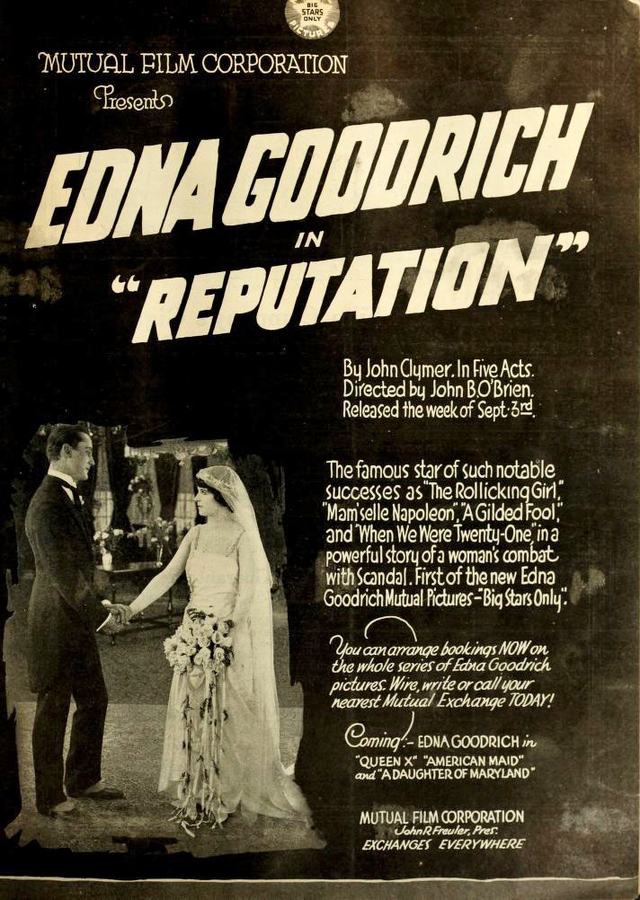
Dir: John B. O'Brien
Raised in a small town by a maiden aunt, Constance Bennett leaves her home and sweetheart John Clavering, the local grande dame's son, to go to New York, where she models at a suit and cloak house. Her employer, Edmund Berste, attempts to force his attentions on her, which provokes Berste's wife to become wildly jealous. Constance returns home and establishes her own store, but Berste follows. After Mrs. Berste arrives and denounces Constance before a crowd of customers, Constance is turned out of church and ostracized by her community. Back in New York, Constance lures Berste to her apartment where she has arranged for Mrs. Berste to overhear his avowal of love. In retaliation, Berste hires a woman detective to lure Constance to his hotel room. Clavering, who has been in Mexico, returns and after searching for Constance, bursts into Berste's room as he and Constance struggle. A pistol shot kills Berste and Constance is arrested, but after a jury acquits her, she marries Clavering and returns home.
View Details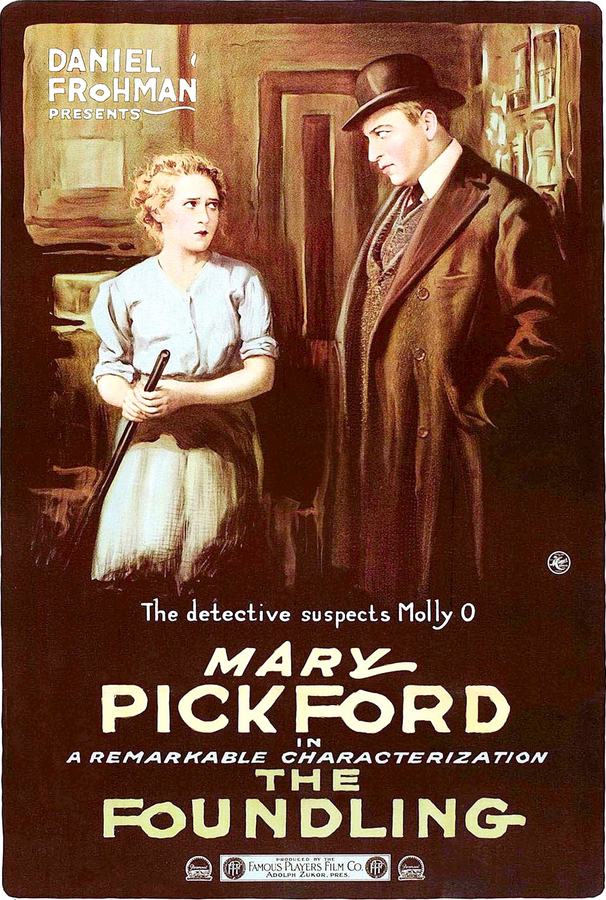
Dir: John B. O'Brien
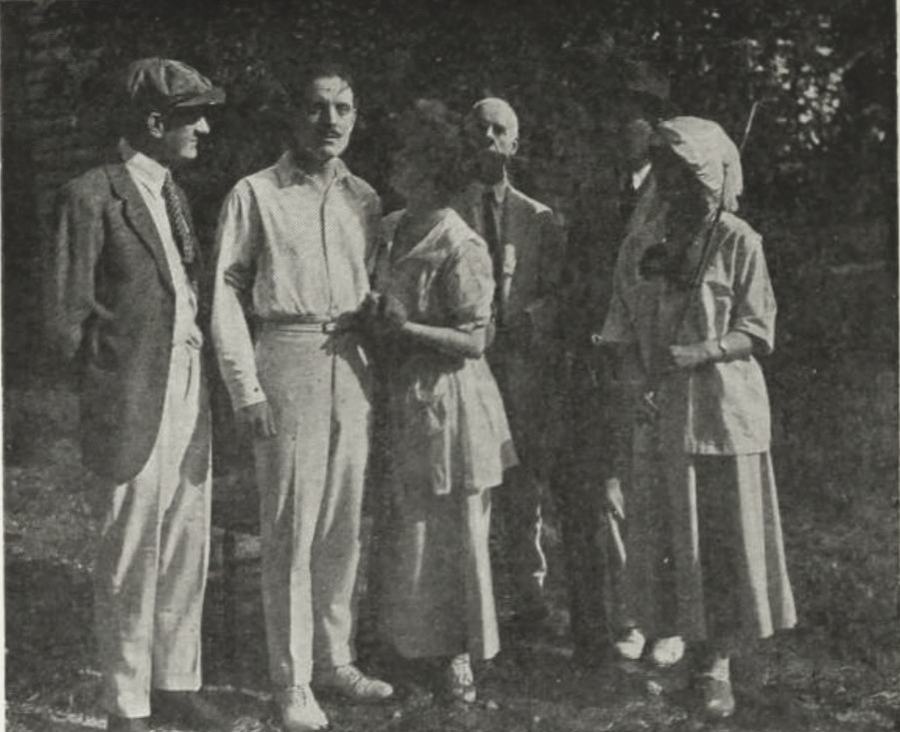
A fascinating piece of cinema that shares thematic elements.
View Details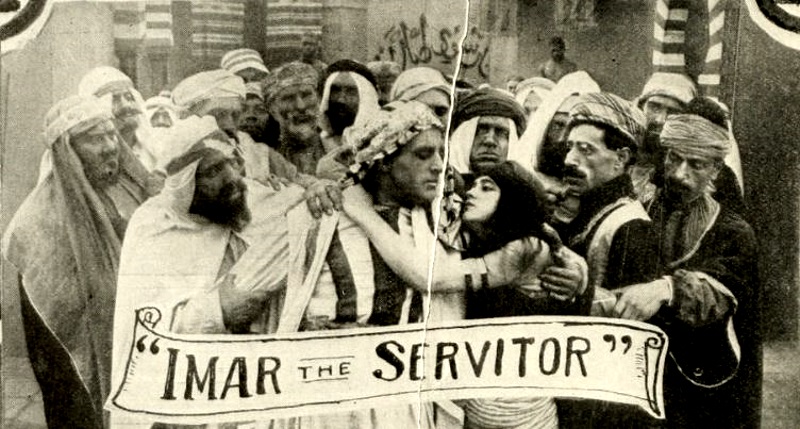
Dir: John B. O'Brien
Imar the Servitor rescues an American tourist who has lost his way in the desert and the two men become friends. Before he leaves, the American gives his friend a picture of his fiancée. When the tourist returns home, he discovers that his girlfriend has married a horseman, both of whom have journeyed to the Arabian desert. Imar's master attacks the trader's wife. Her husband then accuses her of infidelity and starts to beat her. Imar recognizes her from the picture given to him by his American friend and rescues her. They both traverse the desert and meet her former fiancé, who has been sent for. Her husband and Imar's master are slain, leaving the three friends free of any retribution.
View Details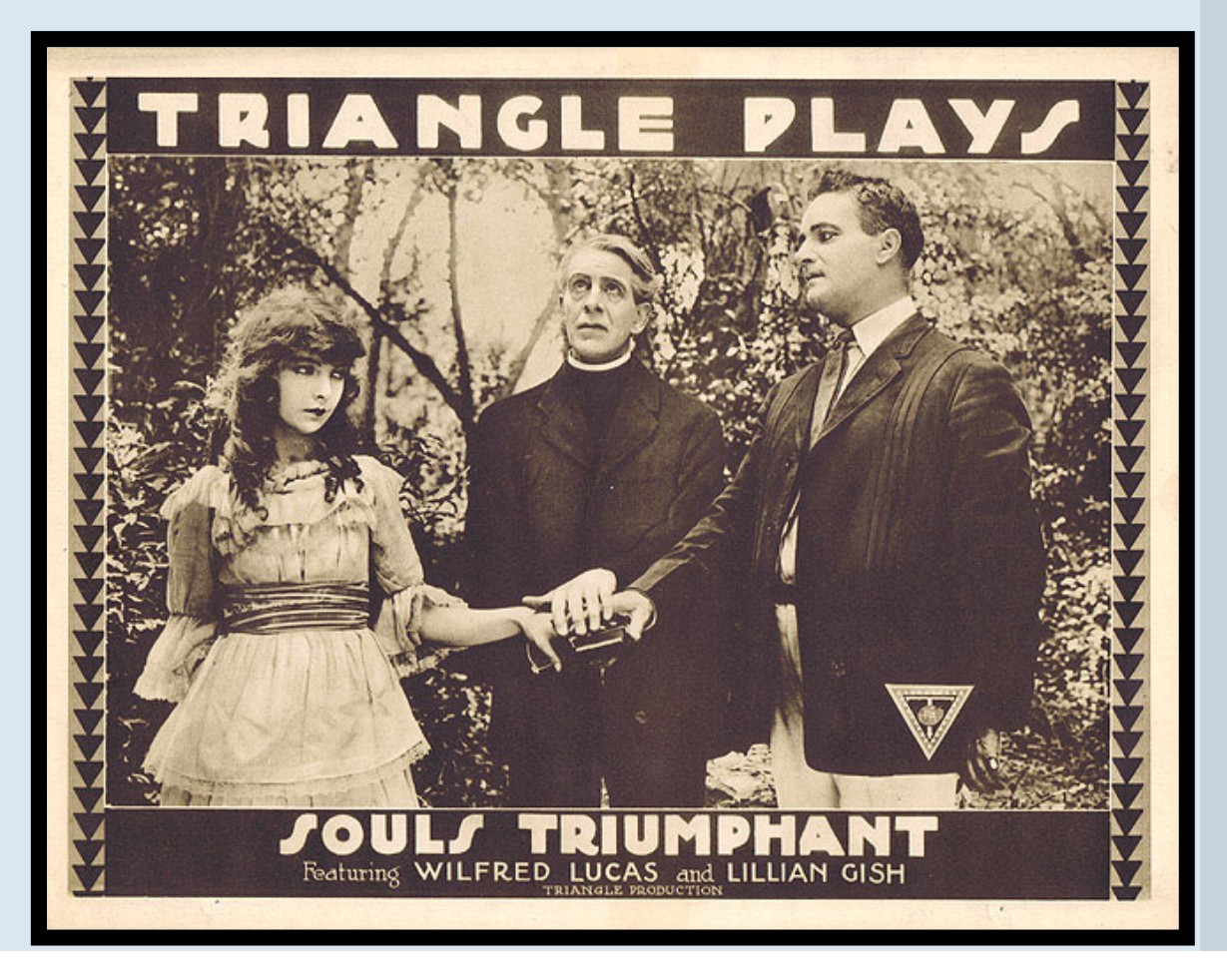
Dir: John B. O'Brien
Robert Powers devotes himself to a life of dissipation until he meets Lillian Vale, the daughter of the curate of St. Anthony's church. Lillian marries Powers, determined to reform him. Years later, the happiness of their home threatened by the appearance of Hattie Lee, one of Powers' former lovers. While Lillian is at her father's deathbed, Powers is lured away by Hattie Lee one night. That evening, the house catches fire and when he returns, the place is in ashes. Frenzied with the belief that his son has perished in the flames, Powers goes to beg the forgiveness of his wife and discovers that she has saved the child's life. Her all-forgiving nature and the love of their son causes Powers to rise from his past life with a triumphant soul.
View Details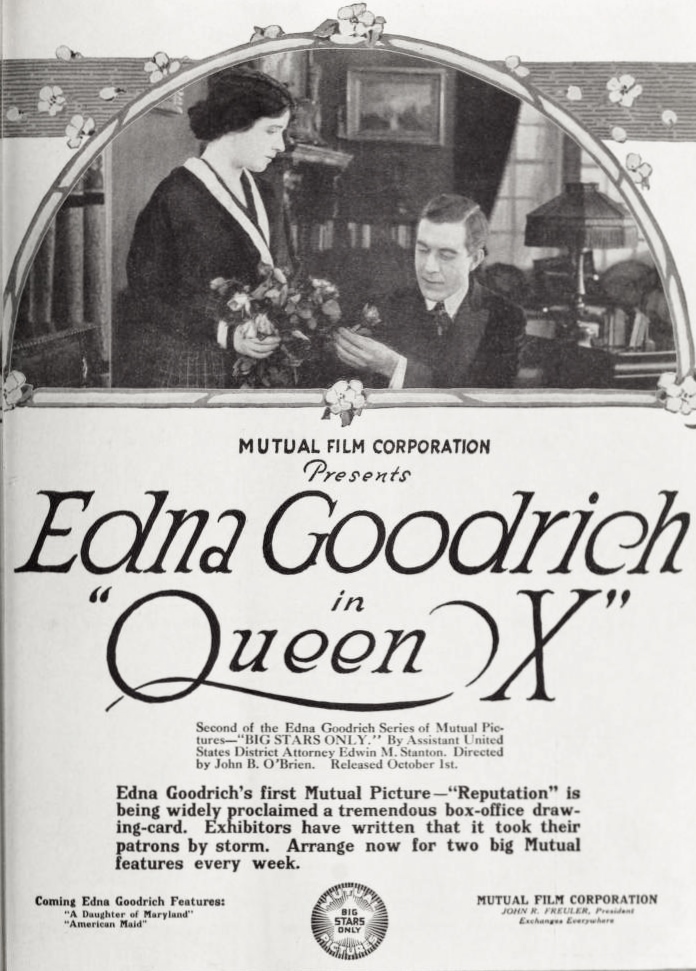
Dir: John B. O'Brien
In New York's notorious Pell Street district, U.S. District Attorney Arnold Somers' men capture Queen X, known to drug smugglers as "The Queen of Chinatown," a woman with a cross-shaped birthmark on her wrist. Summers recognizes her as Janice Waltham, formerly a prominent society woman. After becoming an addict and dealer, Janice was imprisoned in underground dens filled with opium fumes to prevent her from recovering and betraying her suppliers. She refuses to name her associates despite third degree questioning. As Janice is about to be sentenced to a long prison term, Miriam Evans, whose brother George is the assistant district attorney, recognizes Janice as the former schoolmate who rescued her in a convent fire. Somers allows Miriam to take Janice home and advises George to court her to get the names of the gang leaders. With George's help, Janice develops enough will power to kick her drug habit, while George, according to their pact, stops smoking cigarettes and drinking coffee. After George secures the names, Janice, threatened by a Chinese cohort, learns about George's deal, but George, now in love, confesses this and they marry.
View Details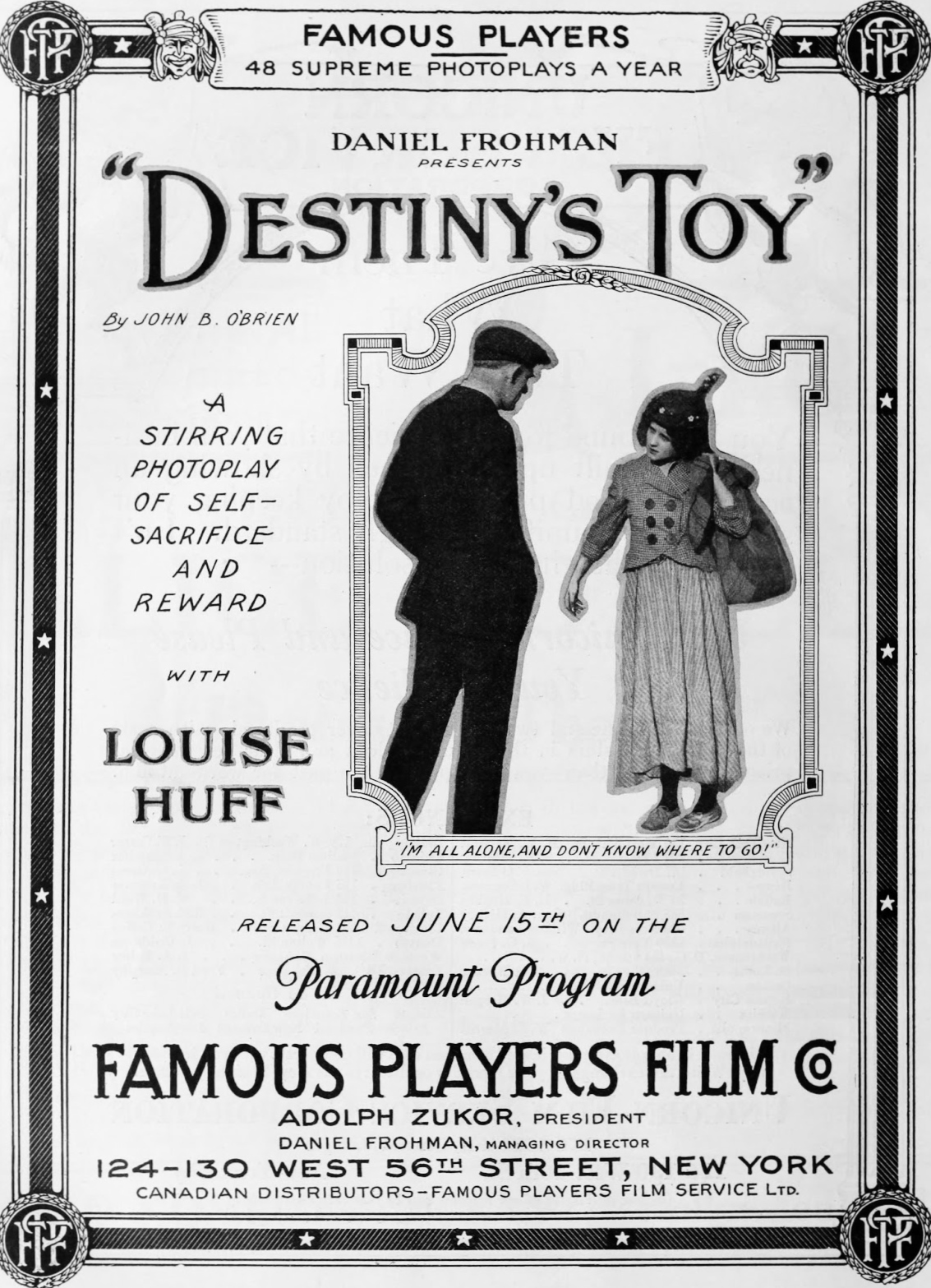
Dir: John B. O'Brien
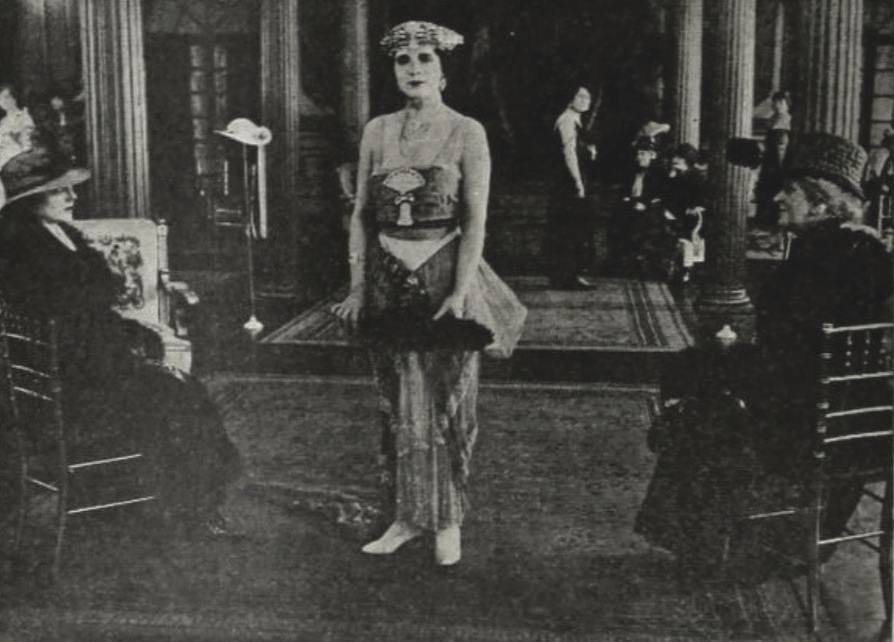
Young Nan was rescued from a shipwreck by a man who became her foster father. Years later, when he dies, she moves to a nearby city and unknowingly gets involved with a criminal gang. When the gang attempts and fails to rob wealthy Thomas Carter's home, Nan finally discovers what they are and tells the police all she knows, resulting in the imprisonment of Bad Riley, the gang's leader. The Carters gratefully take Nan into their home as a daughter, honoring the memory of their own daughter who had drowned years before, and the young son, Rev. Robert Carter, begins a romance with her. But the jailed Riley escapes and comes after Nan.
View DetailsAnalysis relative to Those Who Dare
| Film Title | Atmosphere | Complexity | Similarity |
|---|---|---|---|
| The Outcast | Gritty | Layered | 87% Match |
| Her Shattered Idol | Gritty | Dense | 89% Match |
| The Foundling | Surreal | Linear | 88% Match |
| The Unforseen | Gritty | High | 87% Match |
| Reputation | Surreal | Dense | 85% Match |
This guide was algorithmically generated using the cinematic metadata of John B. O'Brien's archive. Last updated: 8/16/2026.
Back to Those Who Dare Details →