
Film History
The Fracture in the Lens: How Early Cinema’s Dissociative Trauma Invented the Cult Protagonist

“Long before the midnight movie era, the nitrate reels of the 1920s were already experimenting with the fractured psyche and the moral metamorphosis that define modern cult cinema.”
We are conditioned to believe that the 'cult' movie was a product of the counter-culture 1960s or the neon-soaked midnight circuits of the 1970s. We point to the leather-clad rebels and the psychedelic dreamscapes as the birth of the transgressive. But as a historian who has spent more time in the dusty archives of the silent era than in the bright lights of modern multiplexes, I can tell you that the DNA of the cult protagonist—the fractured, the obsessed, the morally ambiguous outlier—was actually forged in the volatile, nitrate-scented shadows of the 1910s and 20s. Before the term 'cult cinema' even existed, the medium was already obsessed with a singular, terrifying concept: the sudden, violent shattering of the human identity.
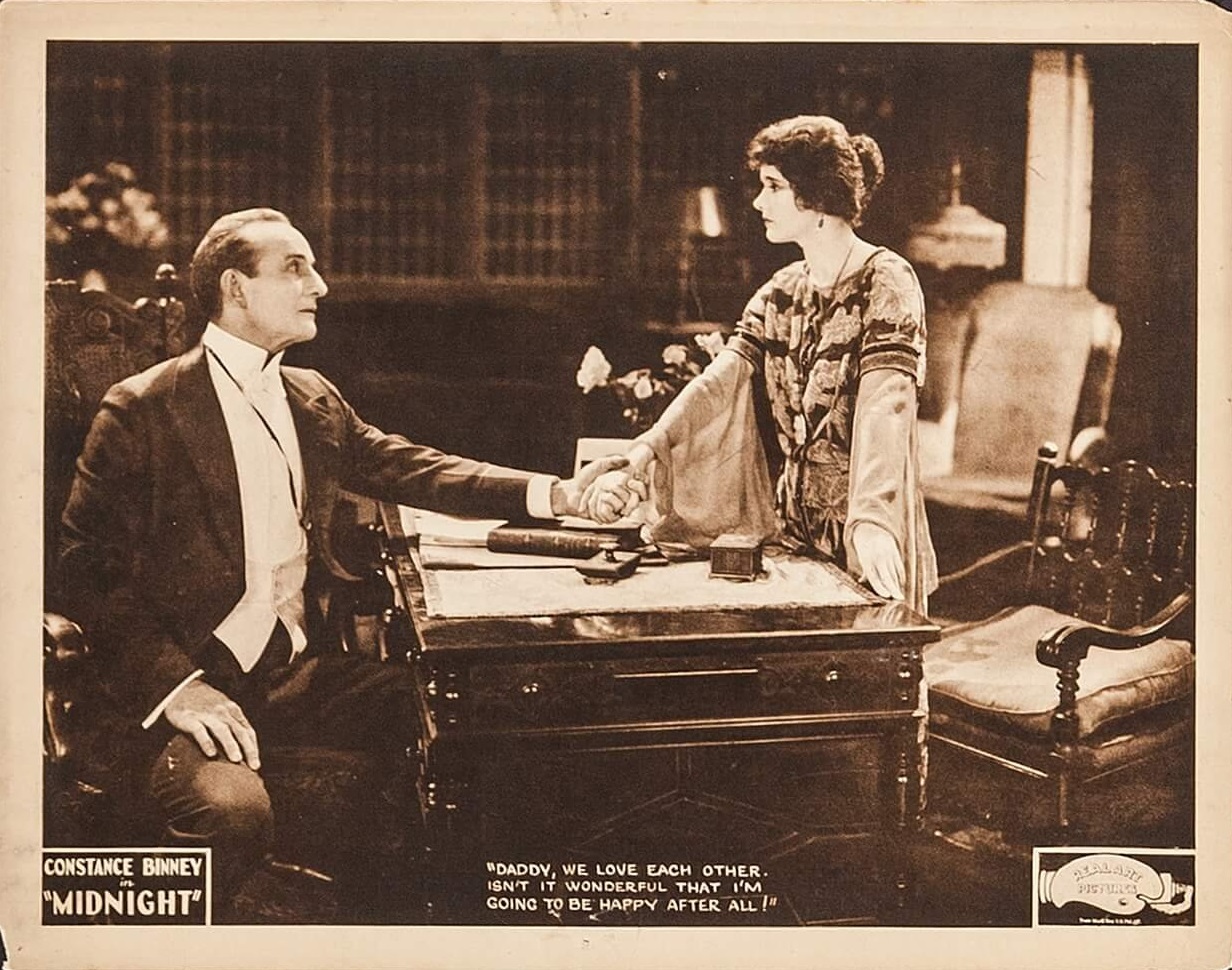
In those early decades, cinema wasn't just a recording device; it was a psychological laboratory. Filmmakers were grappling with a world still reeling from the industrial revolution and the carnage of the Great War. The result was a series of films that didn't just tell stories—they explored the 'fracture.' They gave us characters who weren't merely heroes or villains, but victims of an ontological shift. This is where the modern cult obsession with the 'fragmented self' truly begins. When we watch a character in a 1920 silent film undergo a total personality collapse, we aren't just seeing a primitive narrative trope; we are seeing the prototype for every anti-hero from Travis Bickle to Tyler Durden.
The Moral Metamorphosis: Trauma as a Narrative Engine
One of the most potent examples of this early psychological transgression is the 1920 film Body and Soul. This isn't the Oscar Micheaux film of the same name, but a haunting exploration of Claire Martin, an American art student in Paris whose life is literally split in two by a physical blow to the head. This 'blow' is more than a plot device; it is a metaphysical pivot. Upon waking, Claire is no longer the diligent student; she is transformed into a 'woman of questionable morals.' This sudden, unprompted descent into the 'other' is a fundamental pillar of cult storytelling. It suggests that our identities are fragile, held together by nothing more than the integrity of our skulls.
Cult cinema thrives on the 'transformation.' We see it in the lycanthropic shifts of horror or the chemical descents of noir. But Body and Soul (1920) treats the personality shift with a clinical, almost cruel detachment. The protagonist becomes an alien to herself, becoming involved with Scott Houghton, a man who thrives on her new, corrupted nature. This early fascination with the 'dark half' of the soul predates the sophisticated psychological thrillers of the 1940s by decades. It posits that the true horror isn't something that comes from the outside, but something that is unlocked within us by a random act of violence.
"The 1920s didn't just invent the close-up; they invented the psychological scar. The camera was no longer a witness; it was a surgeon, cutting into the nitrate to find the rot beneath the skin."
The Actor and the Abyss: Meta-Horror in the Silent Era
Another hallmark of the cult mindset is the blurring of reality and performance, a theme explored with terrifying precision in Carnival (1921). Here, we see an actor playing Othello who becomes so consumed by the character’s jealousy that he begins to mistake his wife’s stage performance for actual infidelity. This is the 'meta-cult' film in its infancy. It deals with the danger of the image, the way a role can swallow the performer whole. When the protagonist prepares to kill his wife during the performance of Shakespeare’s play, the film transcends mere drama and enters the realm of psychological horror.
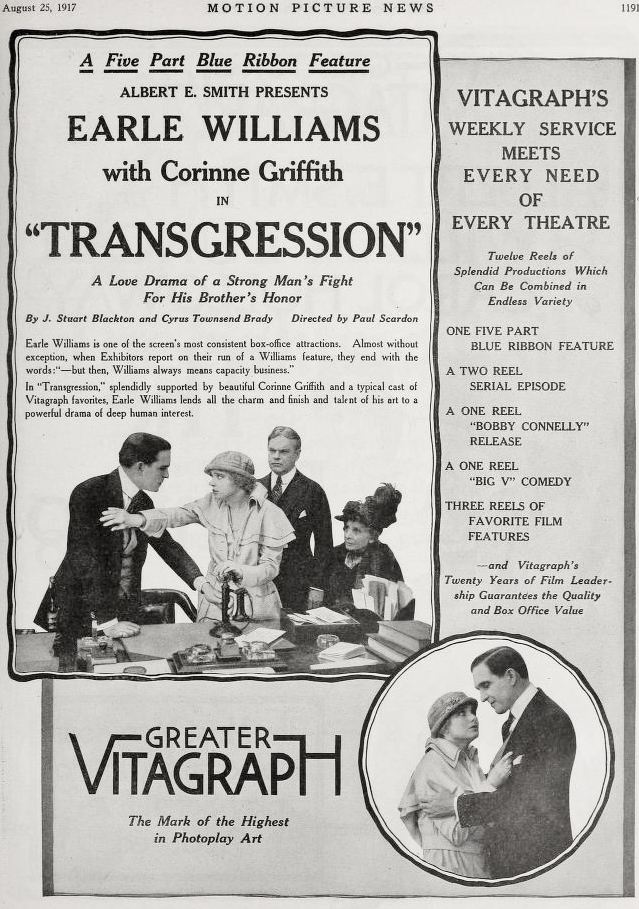
This theme of the 'performative self' is essential to understanding cult devotion. Cult audiences often gravitate toward characters who are themselves 'fans' or 'performers' of a specific identity. In Carnival, the protagonist's descent isn't caused by a blow to the head, but by a blow to the ego. It is a slow, agonizing dissolution of the boundary between the man and the mask. This anticipates the 'method acting' madness of later cult icons and the obsessive, self-destructive protagonists of directors like Darren Aronofsky or David Lynch. The silent era understood, perhaps better than we do now, that the screen is a mirror that can easily shatter.
The Architecture of Obsession: Revenge as a Physical Trap
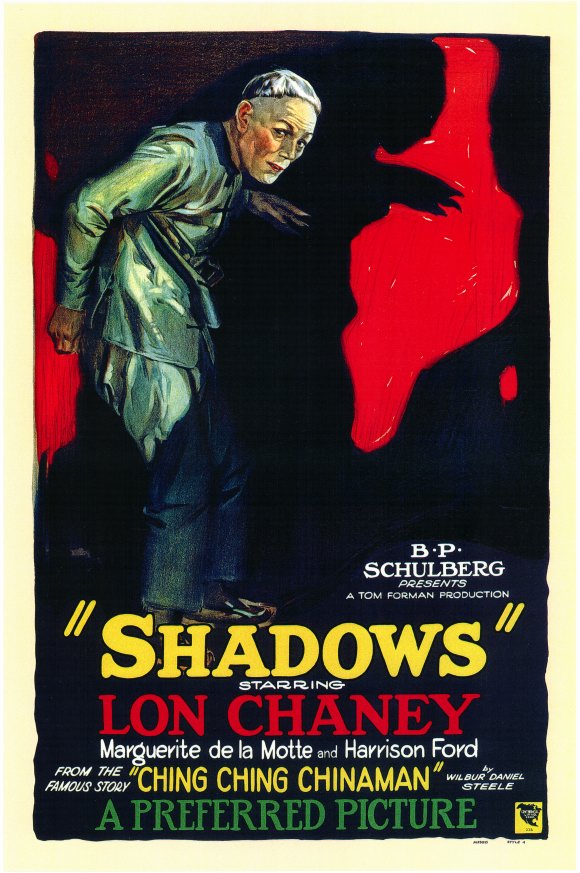
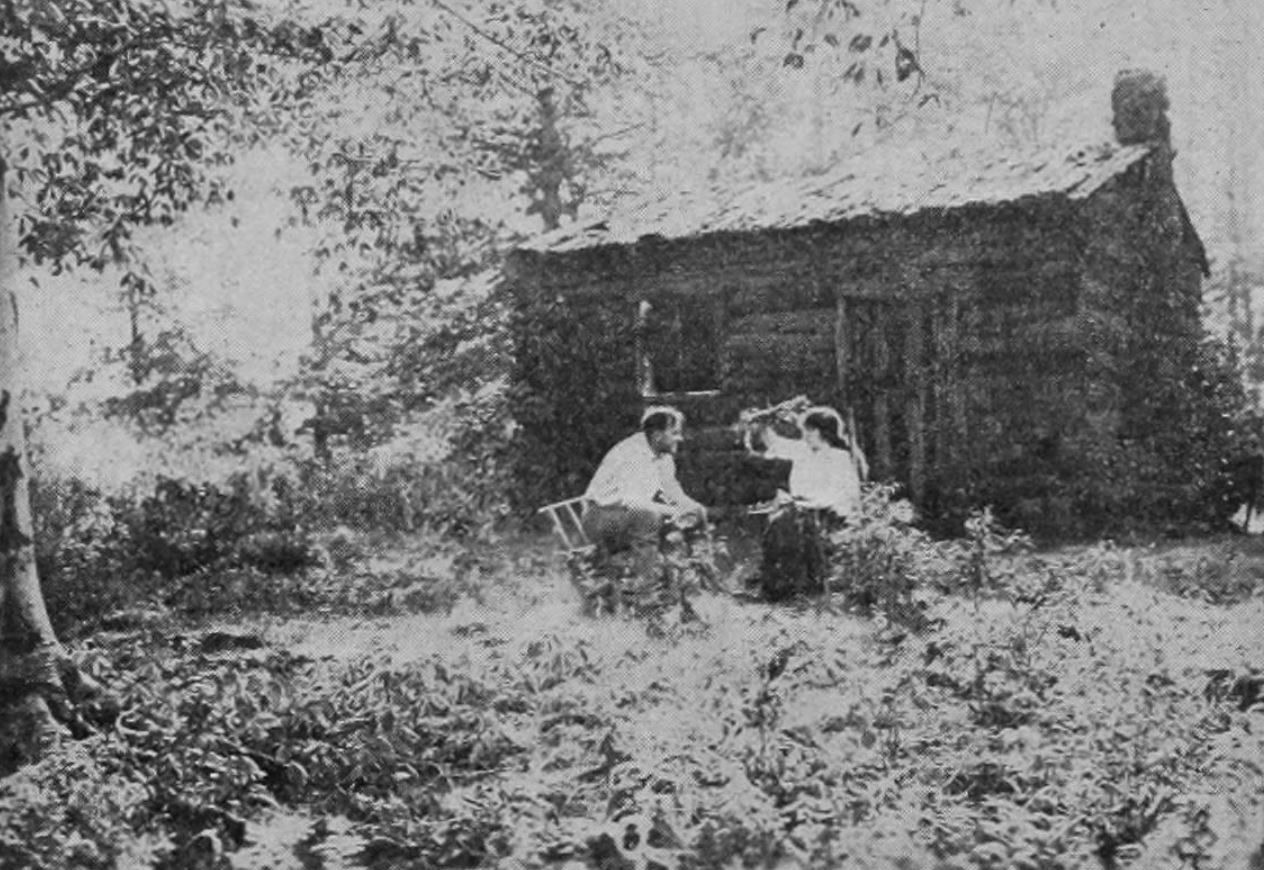
If cult cinema is defined by anything, it is the 'monomaniacal' protagonist—the character who is so focused on a single goal that they lose their humanity in the process. We see this in the 1922 film The Trap. While often remembered for its connection to the legendary Lon Chaney, the film’s core power lies in its depiction of a man whose happiness is destroyed by a rival. His subsequent obsession with revenge isn't just a emotional state; it is a physical trap he builds for his enemy, and ultimately, for himself.
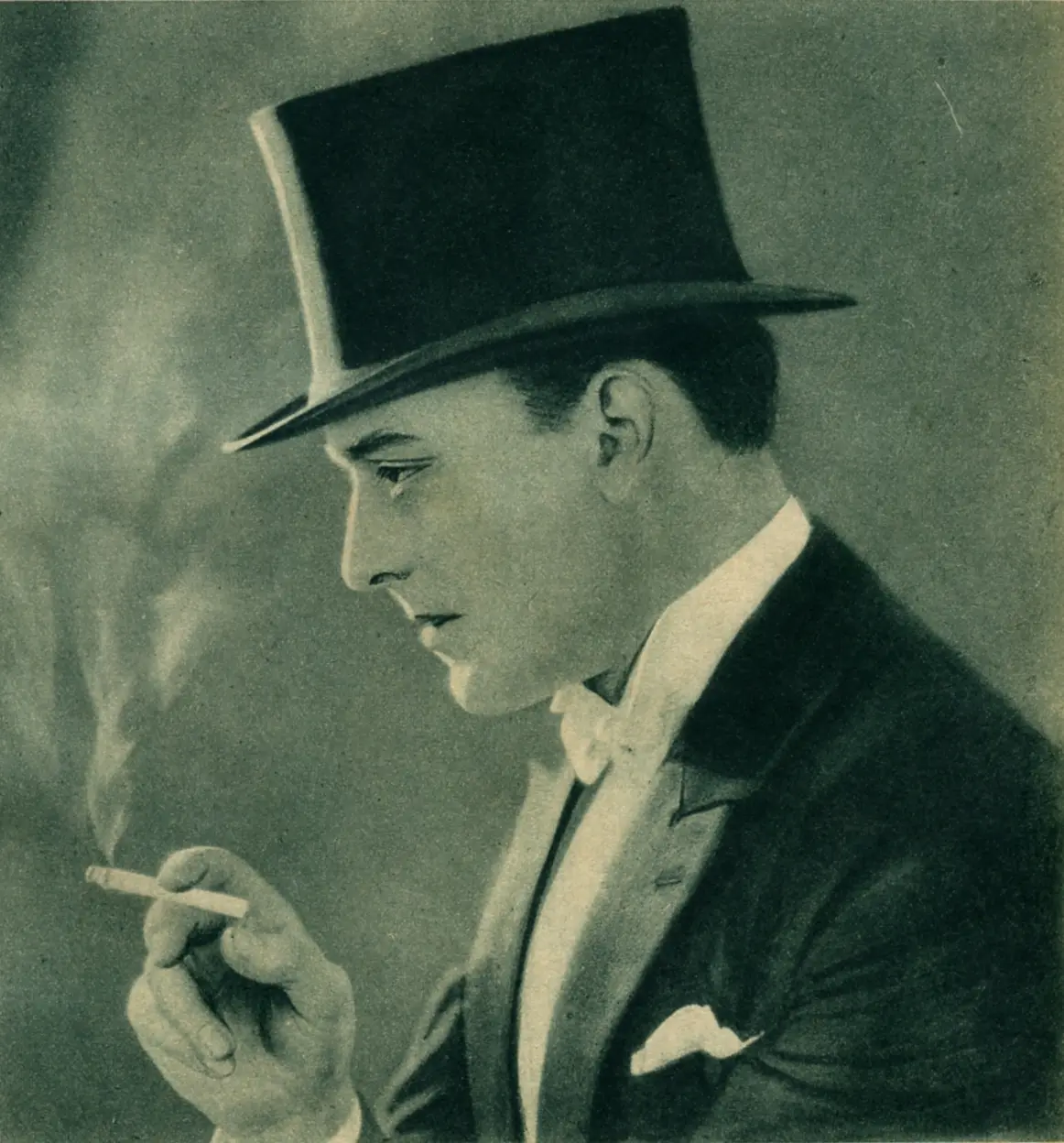
This 'obsession' is the fuel that powers the cult engine. Whether it's the search for a lost film, the hunt for a killer, or the pursuit of a forbidden truth, the cult protagonist is always a man or woman in the grip of a fever. The Trap (1922) physicalizes this fever. The 'trap' of the title is both a literal mechanism and a metaphor for the protagonist's mind. This is the same spirit we find in the 'survivalist' cults of the 1970s, where the environment becomes a reflection of the character’s internal decay. The silent era used the stark landscape of the early 20th century to mirror the desolation of the human heart, creating a visual language of isolation that still resonates with anyone who has ever felt like an outsider.
Transgression and the Social Pariah
Cult cinema is also the cinema of the 'forbidden'—the films that show us what society would rather keep hidden. In 1920, Oscar Micheaux released Within Our Gates, a film that remains one of the most transgressive and essential pieces of cult history. By confronting the 'shocking past' of an educated black woman and the brutal reality of lynching and systemic racism, Micheaux was doing more than making a 'social problem' film. He was creating a counter-narrative to the dominant, often racist, cinematic output of the time.
The 'shocking past' in Within Our Gates acts as a psychological weight that the protagonist must carry, much like the 'secret sins' of the characters in 1920s German Expressionism or the 'hidden traumas' of modern psychological horror. It is the revelation of this past that creates the transgressive spark. Cult cinema often finds its home in the stories of those who have been abandoned or marginalized by the mainstream. Micheaux’s work is the ultimate 'cult' artifact because it was produced outside the Hollywood system, for an audience that was hungry for a truth that was being suppressed. It is the blueprint for the independent, 'outlaw' cinema that would later define the cult experience.
The Lingering Shadow of the Silent Outcast
When we look at the broader landscape of the 1910s and 20s, we see these archetypes everywhere. We see the 'coward' who must find his soul in the heat of battle in The Coward (1915). We see the 'she-devil' who uses her sexuality as a weapon in Theda Bara's The She Devil (1918). We even see the early glimmers of 'meta-fandom' and sequel culture in Thomas Graals bästa barn (1918), where the domestic life of a film actress and her husband becomes a comedic, self-referential spectacle. These films weren't just entertainment; they were the building blocks of a new kind of mythology—a mythology of the flawed, the broken, and the strange.
- The Fragility of Identity: As seen in Body and Soul (1920), where a physical trauma creates a moral vacuum.
- The Danger of the Mask: Explored in Carnival (1921), where the role consumes the reality.
- The Purity of Revenge: Physicalized in The Trap (1922) as a life-consuming obsession.
- The Power of the Forbidden: Championed by Oscar Micheaux in Within Our Gates (1920).
The Nitrate Ghost in the Modern Machine
The reason these films continue to fascinate the cult connoisseur is that they represent the 'purest' form of cinematic experimentation. Before the Hays Code and the homogenization of the studio system, filmmakers were free to explore the darkest corners of the human experience without the safety net of modern genre conventions. They were working with a medium that was still being invented, and their characters reflected that sense of instability and discovery. The cult protagonist of the 1920s was a 'nitrate ghost'—a flickering, unstable entity that challenged the audience's perception of morality and reality.
As we move further into the digital age, there is a growing hunger for this kind of 'analog trauma.' We are drawn to the grain, the flicker, and the raw emotionality of the silent era because it feels more 'human' than the polished, CGI-heavy spectacles of today. The 'fractured lens' of the 1920s reminds us that cinema is at its best when it is showing us something we aren't supposed to see—whether that is a lynching in the American South, a mental breakdown on a Venetian stage, or the moral decay of a student in Paris. These films didn't just pave the way for cult cinema; they are its soul. They are the original 'midnight movies,' watched by the light of a projector that could burst into flames at any moment, much like the characters on the screen.
To understand the cult movie, we must stop looking at the 1970s as the starting line. We must look back to the era of the 'silent outcast.' We must recognize that the tropes we love—the unreliable narrator, the transgressive anti-hero, the obsessive seeker—were all born from the same nitrate-soaked fever dream. The next time you watch a modern cult classic, look for the fracture. Look for the moment the character's identity splits in two. When you find it, know that you are looking at a ghost from 1920, still haunting the screen, still refusing to be forgotten.
Community
Comments
Log in to comment.
Loading comments…