
Film History
The Spree of the Damned: How Silent Cinema’s Social Renegades Scripted the Midnight Outcast
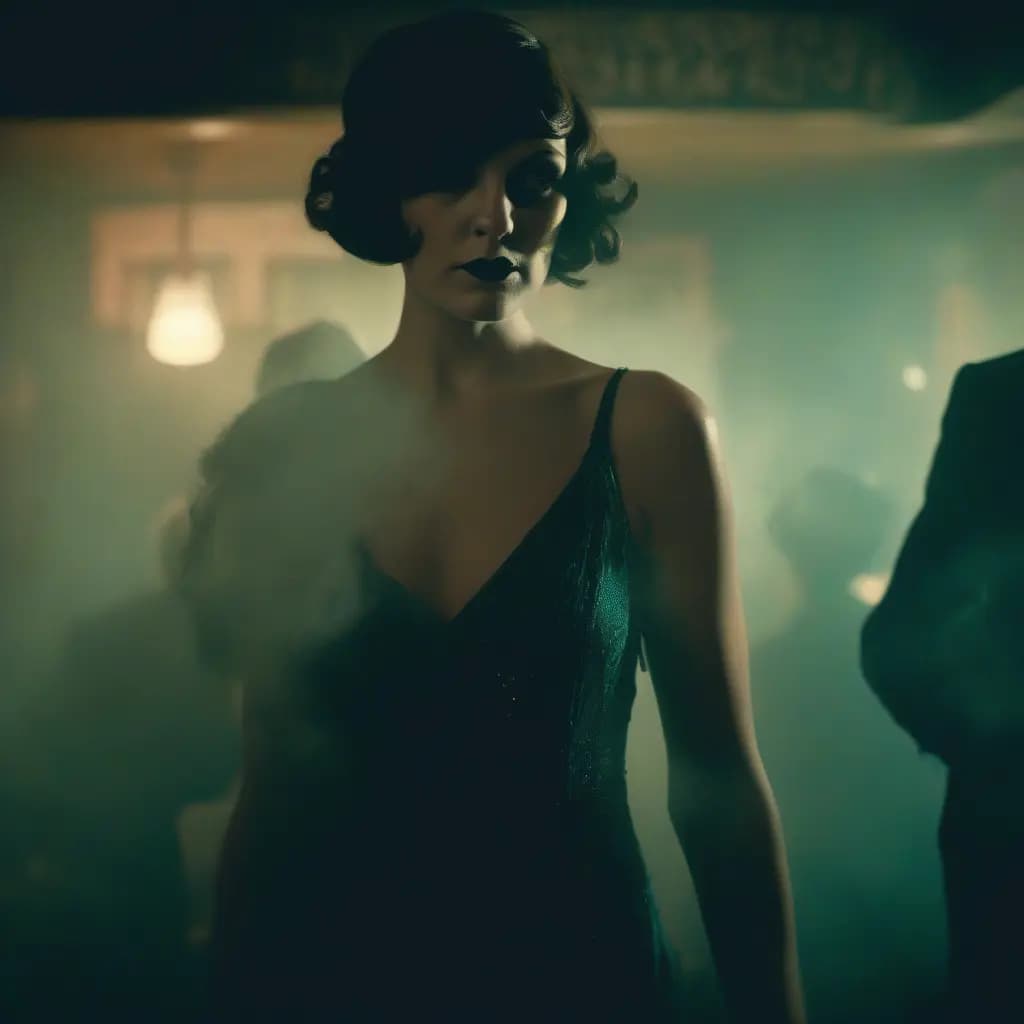
“Long before the midnight movie was a marketing gimmick, the silent era’s 'spree' films and social pariahs were already engineering the DNA of cinematic transgression.”
To the uninitiated, cult cinema began in a hazy cloud of 1970s counter-culture, born from the soot of grindhouse theaters and the flickering neon of the midnight movie circuit. But if you peel back the layers of film history, past the leather-clad rebels and the psychedelic gore, you find a much older, much more dangerous ghost haunting the frames. The true architect of the transgressive spirit wasn’t a director with a megaphone in 1968; it was the silent-era renegade. In the 1910s and 20s, a specific breed of 'spree' cinema emerged—films that explored the intoxicating allure of social suicide, the thrill of the forbidden, and the beauty of the broken. These were the first flickers of a mindset that would eventually define the 'midnight' experience: the celebration of the outcast who refuses to play by the rules of the polite world.
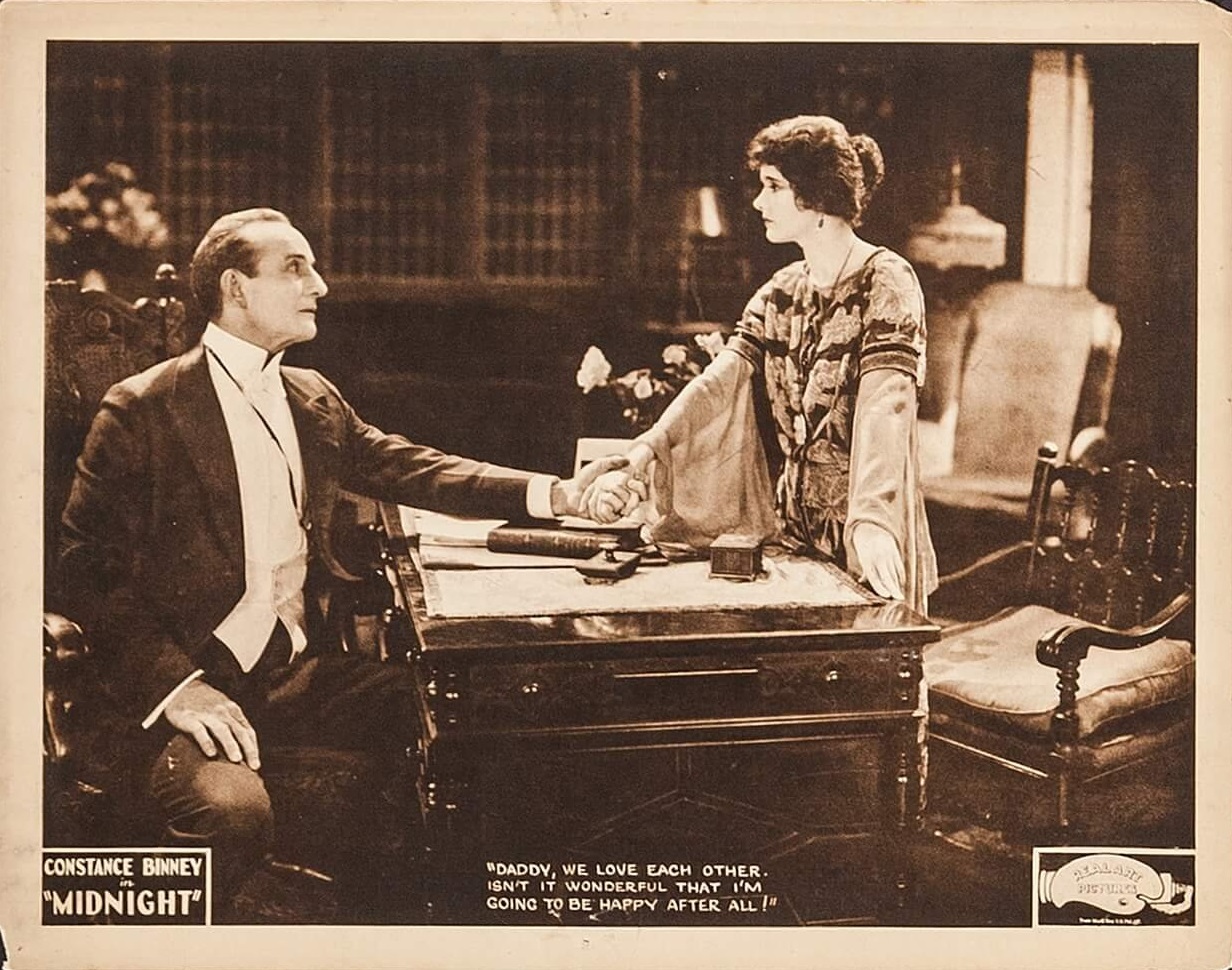
The Architecture of the Spree: Seeking Chaos at the Beaulieu Inn
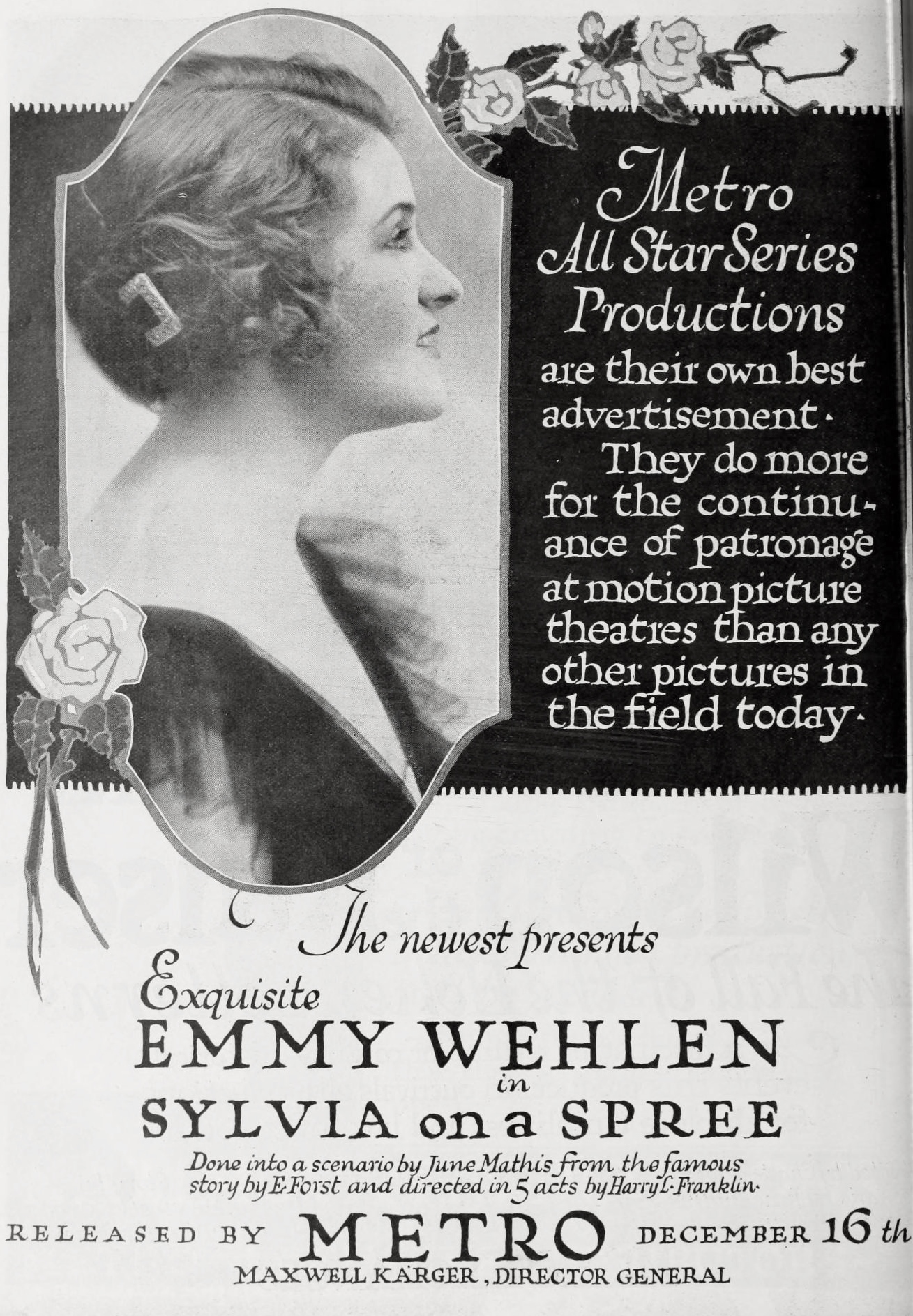
Consider the 1918 curiosity Sylvia on a Spree. On the surface, it appears to be a light-hearted exploration of a sheltered girl’s curiosity. But look closer at the subtext. Sylvia Fairponts isn’t just looking for a party; she is actively hunting for 'scandal.' Her destination, the Beaulieu Inn, serves as a proto-cult space—a liminal zone where the rigid Victorian structures of her upbringing are meant to dissolve into something unpredictable. This hunger for 'excitement at any cost' is the foundational pulse of the cult protagonist. It is the same drive that would later propel characters in the 70s to seek out the strange and the sordid.
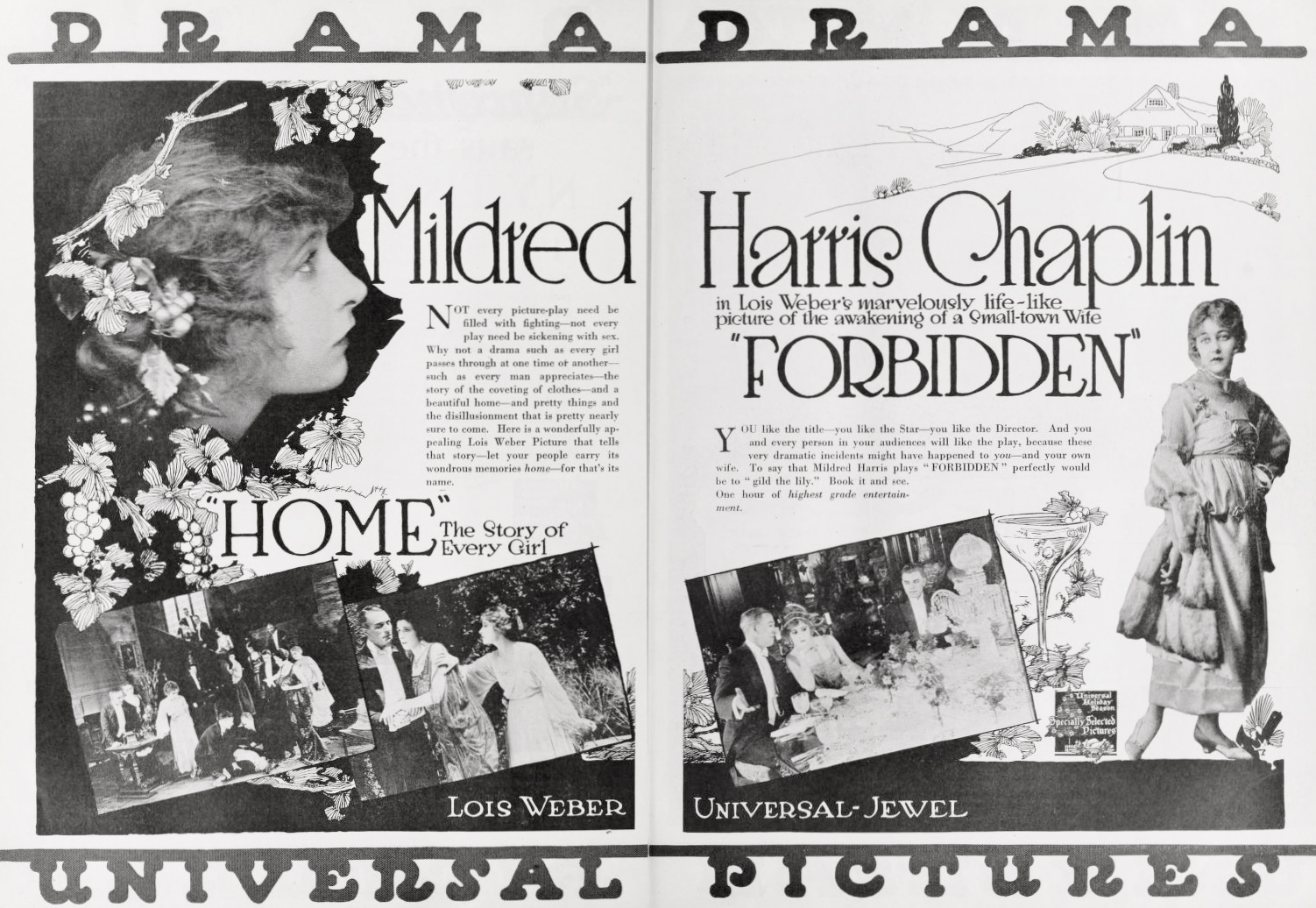
In the silent era, the 'spree' was a narrative device that allowed audiences to indulge in vicarious rebellion. When Sylvia determines to find out if life 'promises any excitement,' she is speaking for a generation of viewers who felt trapped by the crushing weight of societal expectations. This isn't just a plot point; it’s a manifesto. It’s the early 20th-century version of the 'burn it all down' ethos that would later define films like Pink Flamingos or The Rocky Horror Picture Show. The Beaulieu Inn is the ancestor of the transgressive nightclub, the underground lair, and the midnight theater itself—a place where the 'damned' go to feel alive.
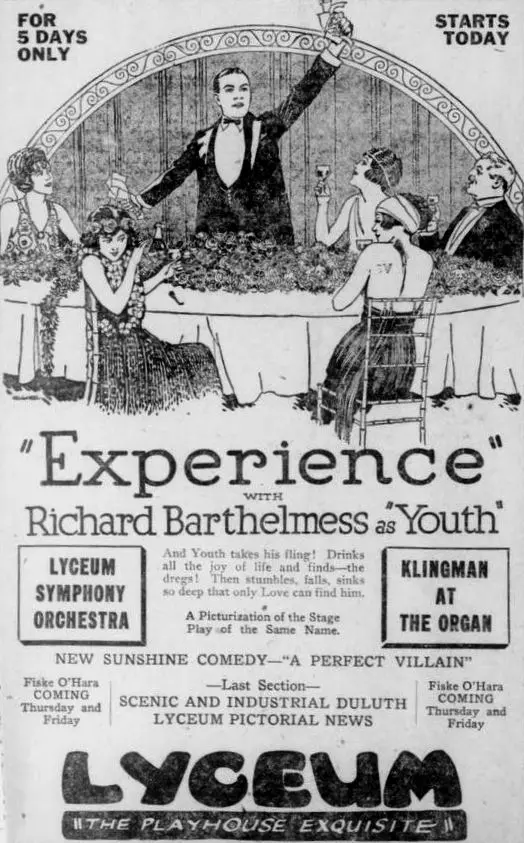
The Fallen Stage: Pola and the Cult of the Tragic Starlet
If Sylvia represents the curiosity of the spree, then the 1923 film Slave of Sin represents its inevitable, crushing fallout. The story of Pola—a locksmith’s daughter turned stage dancer who abandons her fiancé for a rich admirer—is more than a morality tale. It is a deep dive into the 'fallen woman' trope that cult cinema has worshipped for decades. Pola is a character of pure ambition and tragic miscalculation. She is the archetype of the 'beautiful loser,' a figure that commands a specific type of devotional fandom.
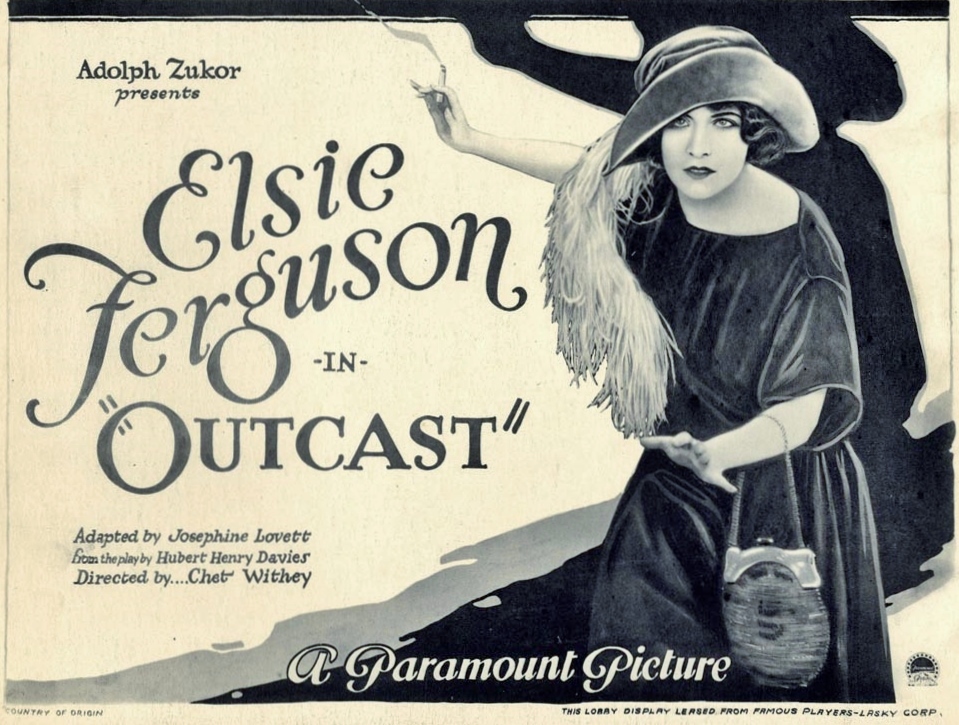
The cult of the tragic starlet doesn't care about the redemption; it cares about the descent. It finds beauty in the smudged mascara and the broken glass of a life lived too fast.
In Slave of Sin, we see the early blueprints for the 'damaged' heroine. This isn't the sanitized virtue of a Mary Pickford character (though Pickford herself flirted with darkness in The Love Light, where her lighthouse-keeping Angela finds her world shattered by war). Pola’s narrative is grittier, more transactional. It acknowledges that the path to success often requires a sacrifice of the soul. For the cult spectator, Pola is a relatable deity because she fails. She reaches for the sun and ends up in the gutter, and in that descent, she becomes more 'human' than any virtuous heroine could ever hope to be.
Criminality as Liberation: Nance Olden’s Blueprint for the Cool Outlaw
Cult cinema has always had a love affair with the 'cool' criminal—the outlaw who operates with a code that the law cannot understand. We find the origin of this figure in 1920’s She Couldn't Help It. Nance Olden, an orphan raised in 'Mother Hogan’s boarding-house for crooks,' is a revelation. She doesn't just commit crimes; she is a partner in them, a strategist who helps steal jewels at Union Station. This isn't a film about a girl being forced into crime; it's about a girl who is a product of a subterranean world and thrives within it.
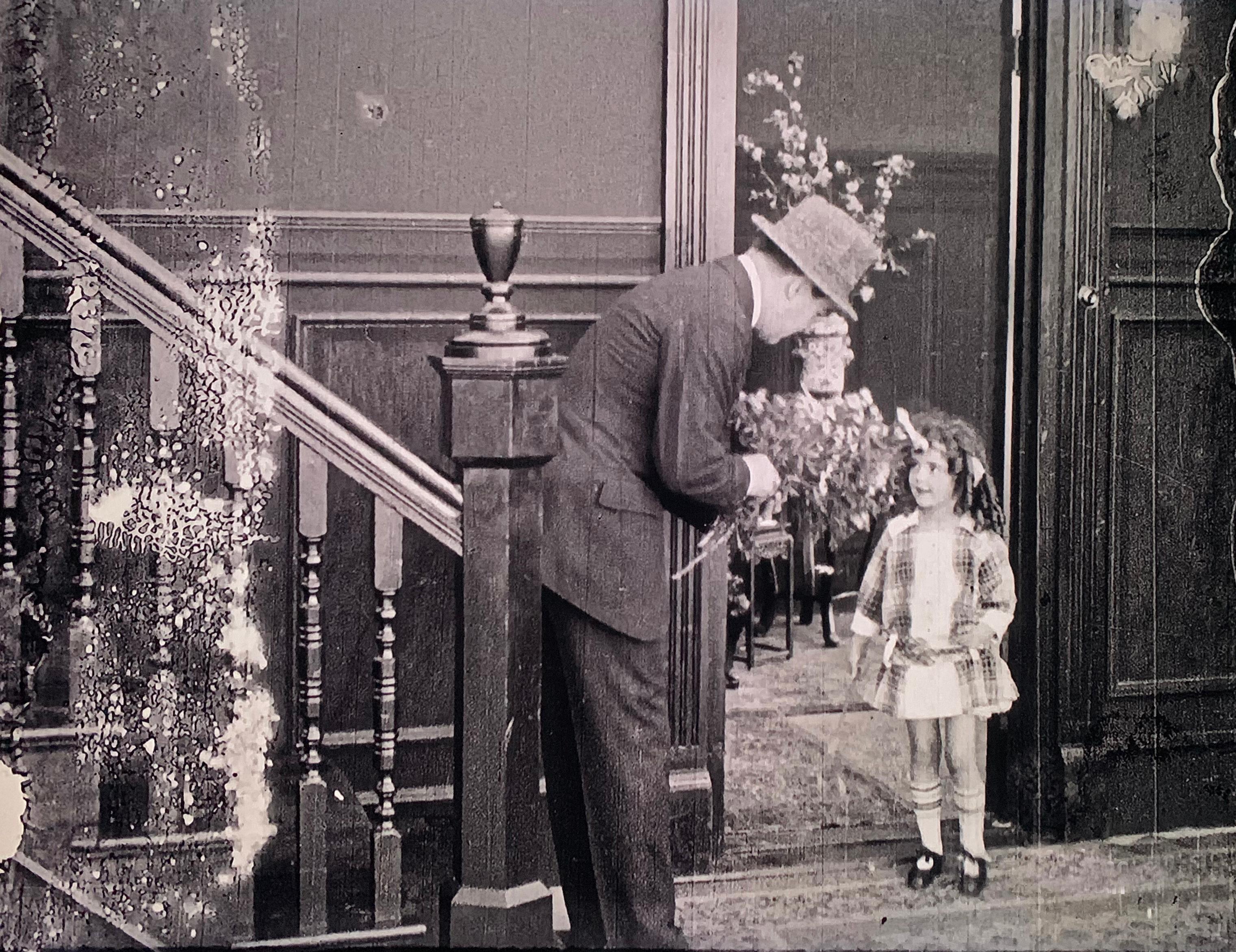
The setting of 'Mother Hogan’s boarding-house' is essential. It is a sanctuary for the deviant, a place where the social order is inverted. This is the same spirit that fuels the 'found family' tropes in later cult classics. Nance isn't seeking to escape her criminal roots; she is using them to navigate a world that has already rejected her. This 'outsider-looking-in' perspective is the very definition of the cult mindset. We don't root for Nance to become a 'good girl'; we root for her to be the best thief she can be. The film’s title itself—She Couldn't Help It—suggests a biological or environmental predestination that absolves the character of moral guilt, a recurring theme in transgressive cinema where the 'deviant' is seen as a natural force rather than a moral failure.
The Moral Laboratory: Subverting the 'Educational' Film
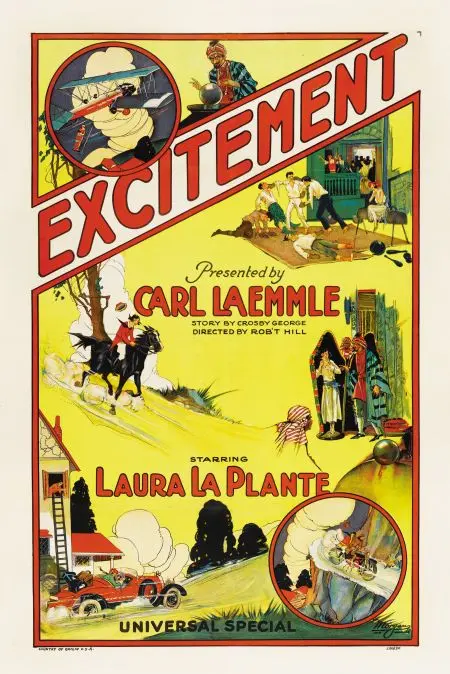
One of the most fascinating intersections of silent cinema and the cult experience is the 'social hygiene' film. Productions like 1919’s Open Your Eyes were marketed as educational tools to warn the public about the horrors of venereal disease. However, in practice, they functioned as the first true exploitation films. By wrapping 'sordid' content in a cloak of moral instruction, these films allowed audiences to gaze upon the forbidden under the guise of civic duty.
This hypocrisy is the bedrock of the cult of the forbidden. The 'educational' frame was a thin veil for what was essentially body horror and social panic. Similarly, The Five Faults of Flo (1916) purported to show a woman outgrowing pride, envy, and fickleness. Yet, the pleasure of the film lies entirely in watching Flo indulge in those very faults. We don't watch for the 'lesson'; we watch for the transgression. This tension between what a film says it is (a moral warning) and what it actually is (a catalog of vice) is exactly what draws a cult audience. We love the films that lie to us, the ones that pretend to be 'good' while showing us everything 'bad.'
The Visual Paranoia of Greed
Beyond the social spree, the silent era also pioneered the visual language of the 'obsessive' cult film. The Mystery of the Rocks of Kador (1912) by Léonce Perret is a masterclass in cinematic atmosphere. The plot—a count plotting against his niece to pay off his debts—is a standard melodrama, but the execution is something else entirely. Perret used the rugged cliffs of Brittany to create a sense of environmental dread that predates the gothic atmosphere of later horror cults. It’s a film that understands that the setting is a character, and that the shadows can be just as predatory as the villain. This visual 'vibe'—the sense that the world itself is conspiring against the protagonist—is a hallmark of the psychological cult thriller.
The Global Outcast: From the Veld to the Gaucho
The cult of the renegade wasn't confined to Hollywood or European studios. It was a global phenomenon, manifesting in films like Argentina’s Nobleza gaucha (1915). Here, the conflict between the licentious patron and the noble gaucho isn't just a class struggle; it’s a clash of mythologies. The gaucho represents a wild, untamable spirit—the original survivalist cult figure. When the patron uses a 'corrupt commissary' to falsely accuse the gaucho, it echoes the 'state vs. individual' paranoia that would later fuel the vigilante films of the 70s and 80s.
Similarly, The Claw (1918) takes the viewer to the South African veld, exploring the psychological toll of colonial isolation and native revolt. These films were 'cult' in their day because they transported audiences to liminal spaces—the frontiers where the rules of 'civilization' were blurred or broken. Whether it was the wandering, braggart soul of Peer Gynt or the historical thievery of Vidocq, the silent era was obsessed with the man (or woman) who stood outside of time and law.
The Enduring Ghost of the Silent Renegade
When we look at the 'midnight' canon, we are looking at a mirror of the silent 'spree.' The same themes persist: the rejection of domesticity, the allure of the criminal underworld, the fetishization of the tragic fall, and the use of the 'educational' as a Trojan horse for the transgressive. Films like Sylvia on a Spree or She Couldn't Help It weren't just products of their time; they were the genetic markers for everything we now consider 'cult.'
The silent era renegade taught us that the most interesting stories happen on the fringes. They taught us that there is a specific kind of dignity in the 'social pariah' and a profound truth in the 'fallen' dancer. As veteran film historians, we must recognize that the flicker of the nitrate film was the first spark of the midnight fire. The 'spree' never ended; it just changed its wardrobe. Every time a modern filmmaker explores the beauty of the broken or the thrill of the forbidden, they are dancing in the shadows cast by the silent renegades of a century ago. We are still at the Beaulieu Inn, still waiting for the scandal to begin, still searching for a life that promises excitement at any cost.
Community
Comments
Log in to comment.
Loading comments…