
Film History
The Glass Mask: Why the 1910s Obsession with Social Performance Birthed the Cult of the Secret Life
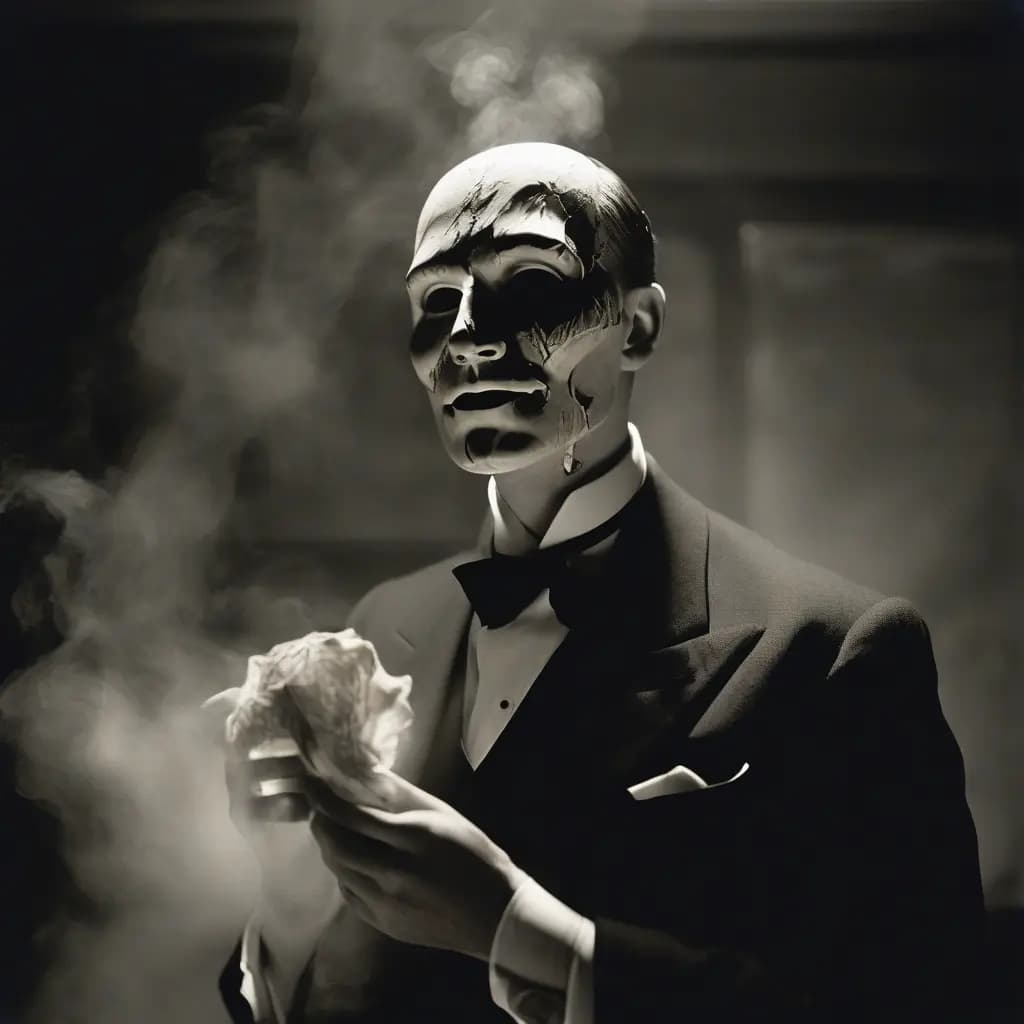
“Long before modern psychological thrillers, the silent era’s fixation on secret identities and social masquerades forged the DNA of the modern cult protagonist—the fractured soul hiding in plain sight.”
The silent screen was never truly silent; it was a cacophony of unspoken lies. To look back at the flickering nitrate of the 1910s is to witness a culture obsessed with the fragility of the self. This wasn't merely a byproduct of primitive storytelling or stagey melodrama. It was a visceral, panicked response to an era where the old-world structures of class and identity were dissolving into the anonymity of the modern city. In the shadows of the early nickelodeons, a specific type of cinematic devotion was born: the cult of the fragmented self. We see it in the way audiences gravitated toward characters who lived double lives, who wore their reputations like ill-fitting coats, and who navigated the world through a series of tactical deceptions.
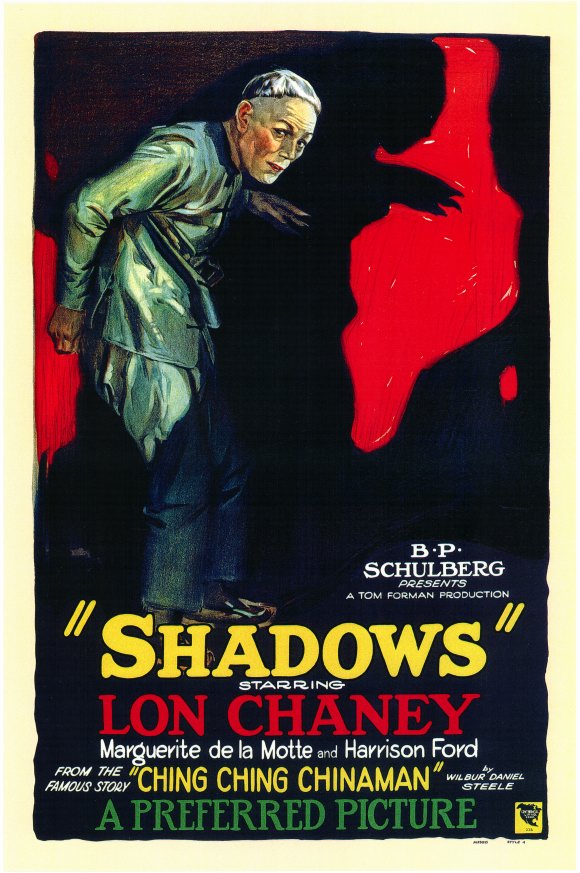
This wasn't just 'acting' within a film; it was a film about the act of existing. When we watch a film like The Line Runners, we aren't just seeing a Western short; we are witnessing the birth of the 'ne'er-do-well' as a strategic mask. The protagonist’s apparent shiftlessness is a cloak for a secret service agent’s steel. This trope—the hero who allows himself to be perceived as a failure to achieve a higher truth—is the bedrock of the transgressive cult hero. It is the ancestor of every 'undercover' protagonist who finds that the mask eventually becomes more real than the face beneath it.
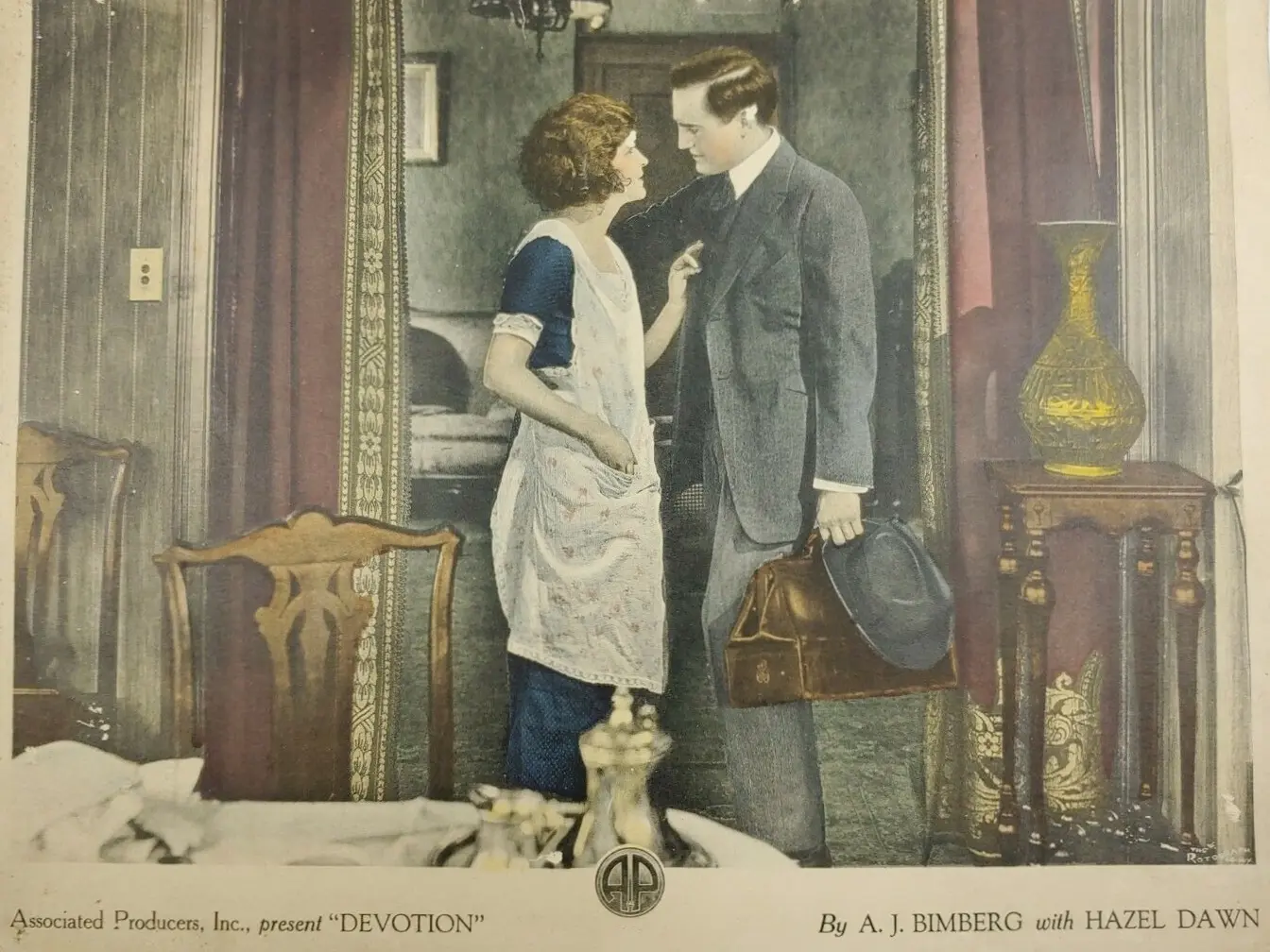
The Aristocratic Grifter and the Blacksmith’s Pride
In the early 20th century, the 'Social Masquerade' was a survival mechanism. Cinema captured this by pitting the raw authenticity of the working class against the performative decadence of the elite. Take His Own People. Hugh O’Donnell, the blacksmith, represents a grounded reality, yet he is thrust into a world governed by the whims of Lord Percival Cheltenham. The tension here isn't just about money; it’s about who has the right to define themselves. The cult appeal of these stories lies in the friction between the internal soul and the external label.
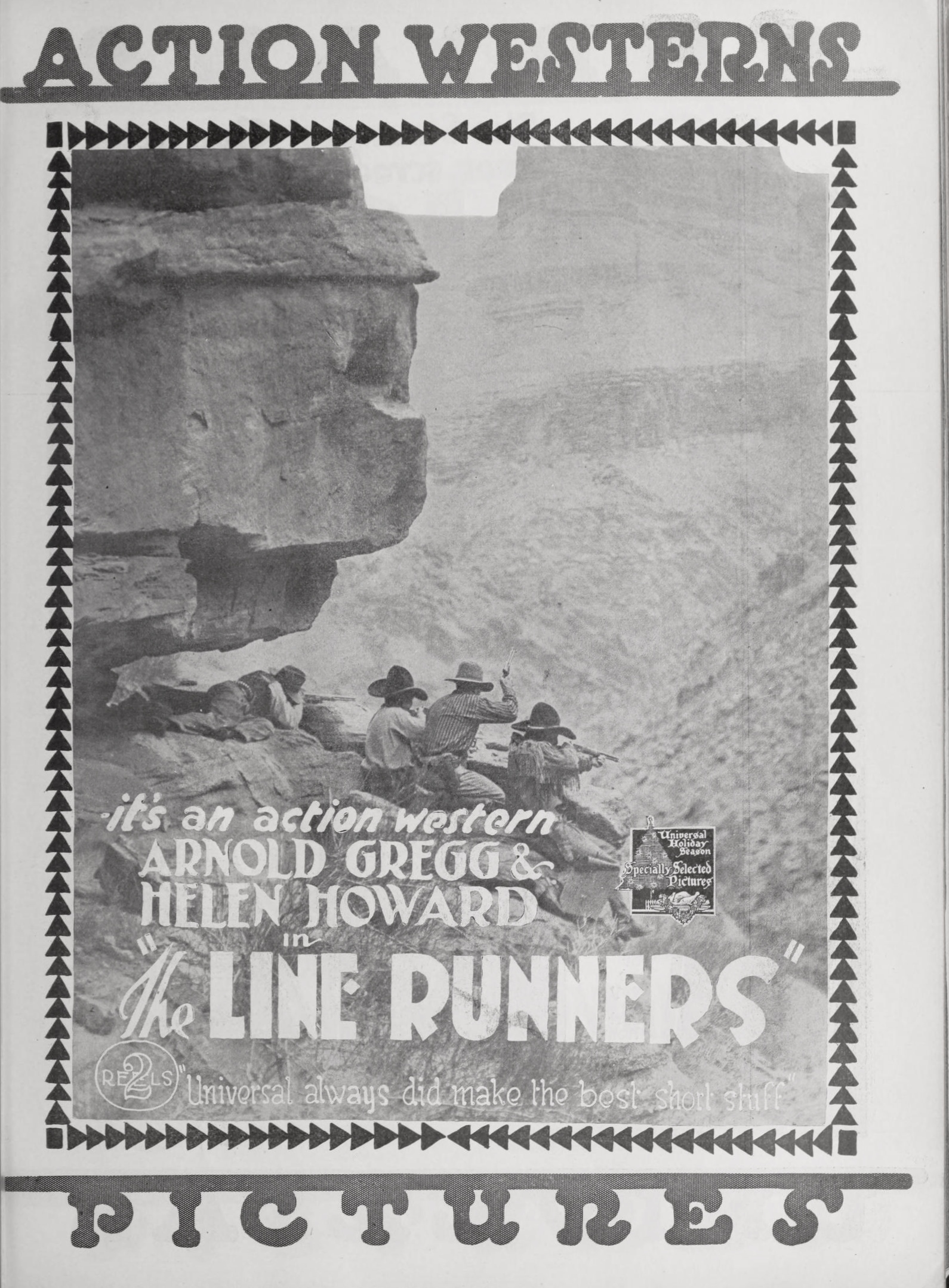
We see a more aggressive version of this in The Social Buccaneer. Here, the protagonist, Wong Lee, isn't just a pirate; he is a performer of crime for the sake of philanthropy. He subverts the 'buccaneer' archetype by turning a villainous identity into a tool for social justice. This is the 'Robin Hood' impulse redirected through a lens of urban anxiety. The audience isn't rooting for the pirate; they are rooting for the man who has successfully hijacked a negative social identity to perform a positive moral act. It is a sophisticated, almost meta-textual exploration of reputation that resonates with the modern cult obsession with the 'noble outlaw.'
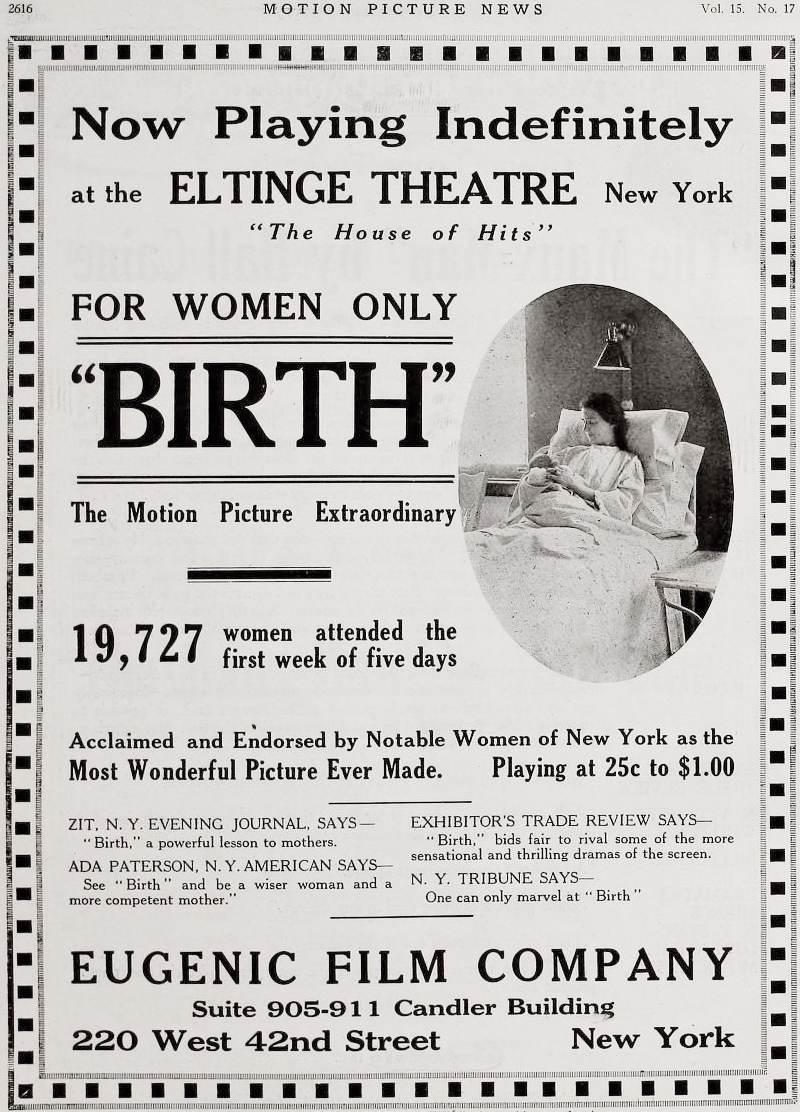
The 1910s didn't just give us heroes; it gave us the blueprints for the 'Social Saboteur'—characters who realized that the only way to win was to lie about who they were.
The Feminine Masquerade: Vamps, Twins, and the Yellow Typhoon
Nowhere was the anxiety of the 'secret life' more potent than in the depiction of women. The 'Vamp' wasn't just a seductress; she was a shapeshifter. In the aptly titled Vampire (1920), a female motorist becomes a catalyst for total destruction within a resort. Her power isn't her beauty; it’s her 'bewitching way,' an intangible ability to manipulate the perceptions of the men around her. She is a woman who performs a role to drain the life—and the identity—out of her surroundings.
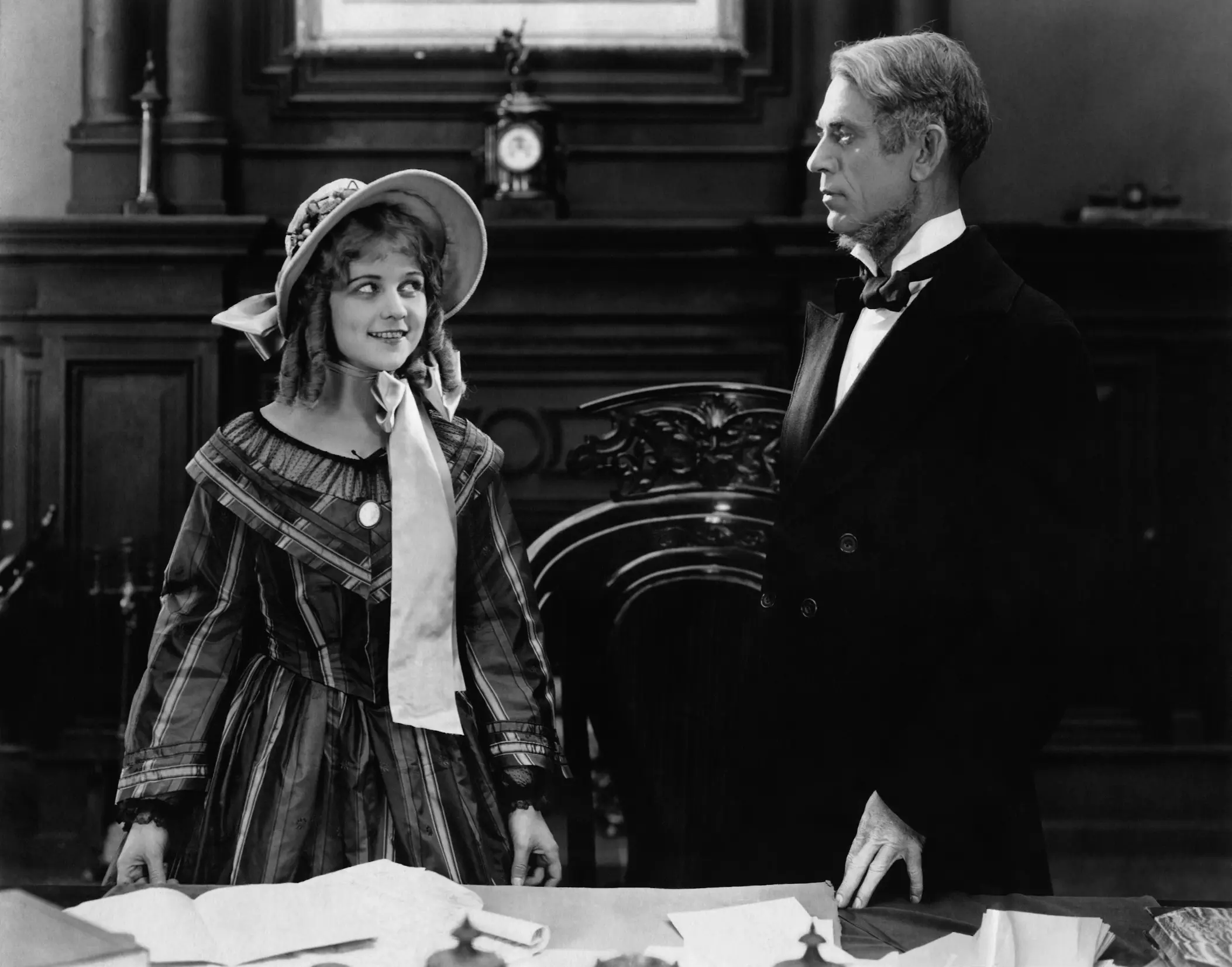
This theme of the 'Duplicate Woman' reaches its fever pitch in The Yellow Typhoon. By presenting identical twins—Hilda and Berta—as moral opposites, the film taps into a deep-seated fear of the 1920s: the idea that the face is no longer a reliable map of the soul. If two people look exactly the same, but one is a devoted wife and the other is a wandering adventuress, then 'identity' itself is a lie. This is the 'Ontological Horror' that would later define the cult classics of the 70s and 80s. It’s the feeling that your neighbor, your spouse, or your sister could be a perfect copy with a hollow center.
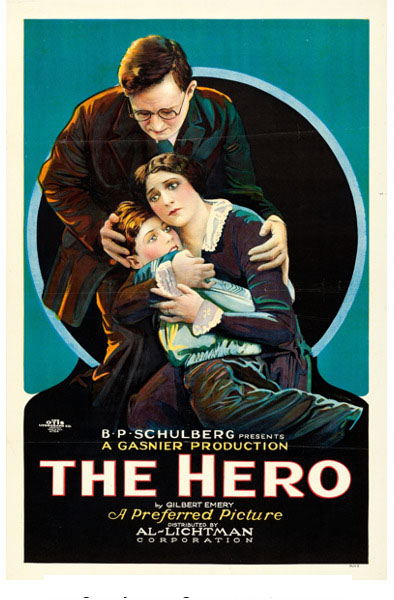
The Shadow of the Great War
We cannot discuss the 'Secret Life' without acknowledging the trauma of World War I. The 'Slacker' became a figure of intense public scrutiny, as seen in The Man Who Stayed at Home. Christopher Brent is viewed as a coward because he refuses to enlist, but he is secretly a counter-intelligence agent. This narrative serves a dual purpose: it validates the paranoia of the era while offering a fantasy of hidden competence. It suggests that the person you are currently judging might actually be the person saving your life. This 'Hidden Hero' trope is the ultimate cult dopamine hit—the idea that being misunderstood is a badge of secret honor.
The Legalized Lie and the Theater of the Courtroom
As cinema matured, the performance of identity moved from the social parlor to the courtroom. The Strange Case of Mary Page and A Law Unto Herself highlight a world where the law is not a seeker of truth, but a judge of performances. In A Law Unto Herself, the daughter of a vintner must navigate a web of secret marriages and murders. The 'truth' is buried under layers of social expectation and legal maneuvering. The cult fascination here lies in the subversive agency of the female protagonist. She isn't just a victim of the law; she is a woman who realizes that the law is a script, and she must learn to rewrite her part to survive.
- The 'Secret Marriage' as a form of social rebellion.
- The 'Alias' as a tool for class mobility.
- The 'Double Life' as a response to patriarchal control.
These films were the first to suggest that the 'Self' is something you build, not something you are born with. In The Tattlers, we see the domestic fallout of this performance. When a husband makes a fool of himself, the wife doesn't just leave; she accepts an offer to vanish into a new life. The 'Secret Life' becomes an escape hatch from the drudgery of a failed reality. This is the 'Midnight Movie' logic long before the term existed: the belief that there is always another world, another name, and another life waiting if you are brave enough to burn your current one down.
The Comedic Collapse: When the Mask Slips
Of course, the most profound exploration of the 'Secret Life' often came through comedy. In the 1920s, the 'Henpecked Husband' and the 'Social Climber' were the primary vehicles for identity anxiety. Be My Wife (1921) features Max Linder—a man whose entire screen persona was built on the desperate maintenance of an aristocratic facade. His comedy is the comedy of the mask slipping. Every time Max tries to woo a woman or impress an aunt, his physical reality betrays his social ambition. It is a hilarious and heartbreaking reminder that the body often refuses to participate in the lies of the mind.
Similarly, Meyer from Berlin gives us the bumbling husband who goes on vacation to 'find himself'—only to find that he is the same self-indulgent mess in the mountains as he was in the city. These comedies are essential to the cult canon because they humanize the struggle of performance. They tell us that while the 'Secret Life' might be a romantic ideal in a thriller like The Face in the Fog, in reality, it’s a sweaty, exhausting ordeal. The cult fan doesn't just identify with the cool spy; they identify with the man whose black eye, as in My Mistake, tells the truth that his mouth tries to hide.
The Legacy of the Fragmented Soul
Why do we still obsess over these nitrate-drenched masquerades? Because we are living in the world they predicted. We live in an era of digital avatars, curated social media personas, and 'personal branding.' We are all, in a sense, 'Line Runners,' performing a version of ourselves for a public that we don't quite trust. The silent era’s obsession with secret identities wasn't just a storytelling quirk; it was the first time humanity saw its own ontological instability reflected back from the screen.
When we watch The Lane That Had No Turning, we see a man desperately trying to hide a medical and financial secret to maintain a life of luxury. His struggle is our struggle: the fear that if the world sees the 'real' us, the world we have built will crumble. The 'Cult' of the secret life is a community of people who recognize that the mask is sometimes the only thing keeping the soul from dissolving into the fog. These early films didn't just invent the thriller or the comedy; they invented the modern protagonist—a fractured, lying, beautiful mess of a human being who knows that the most dangerous thing you can ever be is yourself.
Community
Comments
Log in to comment.
Loading comments…