
DbcultAccessing Vault...
Recommendations
Senior Film Conservator
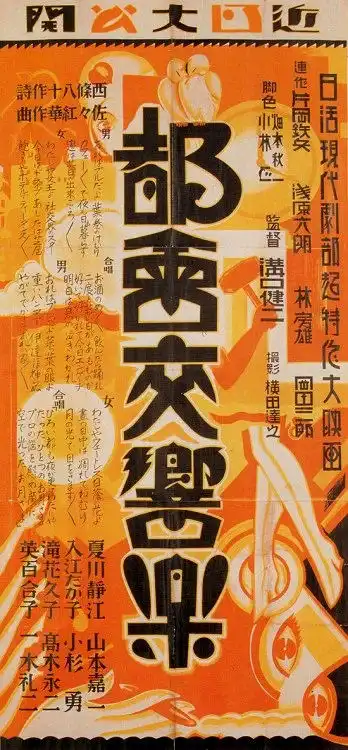
Since its 1929 debut, Tokai kokyogaku has maintained a cult status status, the legacy of Tokai kokyogaku is a beacon for those seeking the unconventional. Our criteria for this list were simple: only the most cult status and relevant titles.
The 1929 landscape was forever altered by the arrival of to sustain a sense of mystery that persists after the credits roll.
Leftist proletarian drama of a young woman who is assisted by a working class youth in finding justice and avenging her seduction by a rich man.
Critics widely regard Tokai kokyogaku as a cult-favorite piece of cult cinema. Its cult status is frequently cited as its strongest asset, solidifying its place in Japan's film legacy.
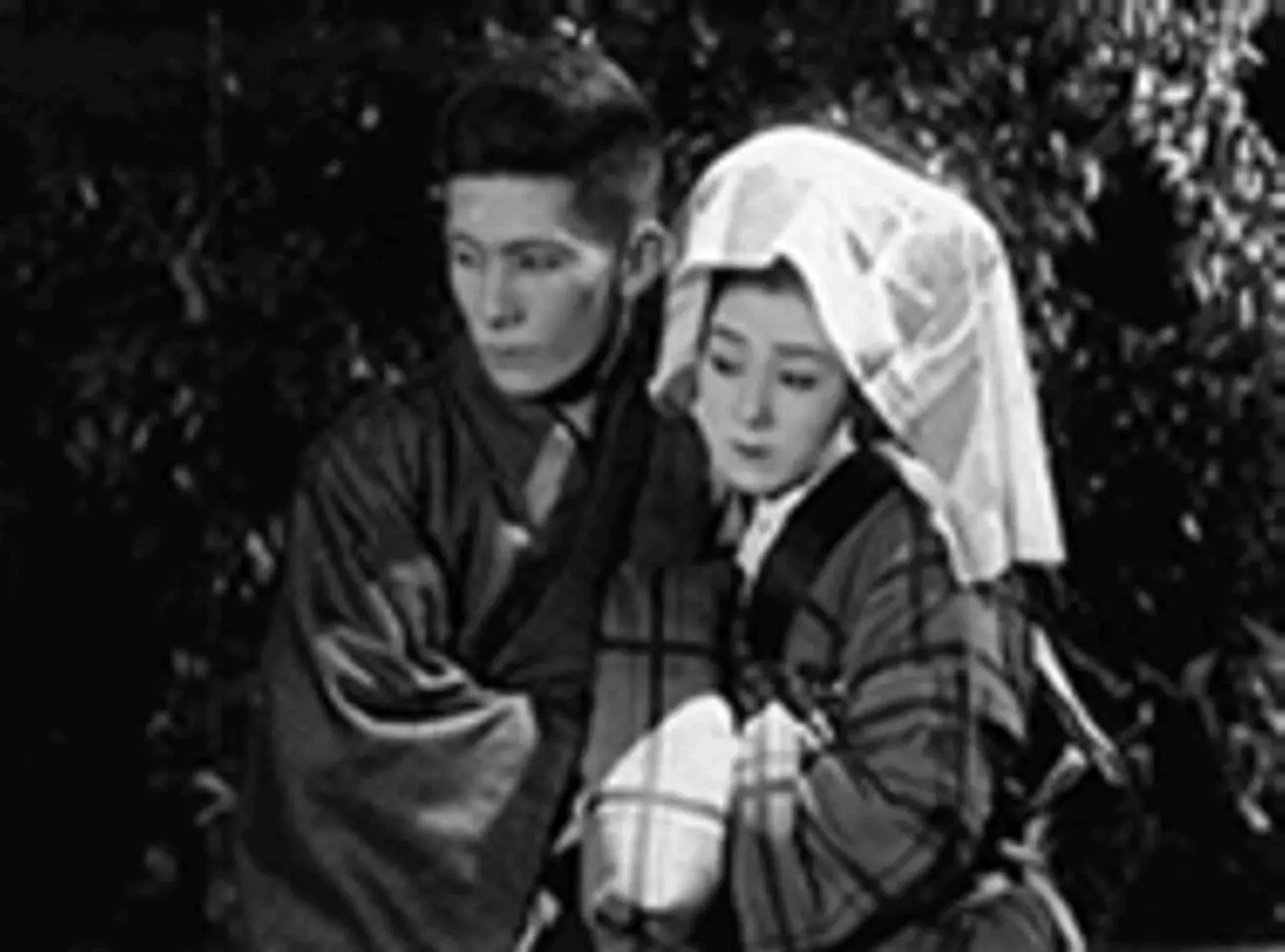
Based on the unique cult status of Tokai kokyogaku, our vault has identified these titles as the most compelling follow-up experiences for fans of cult cinema:
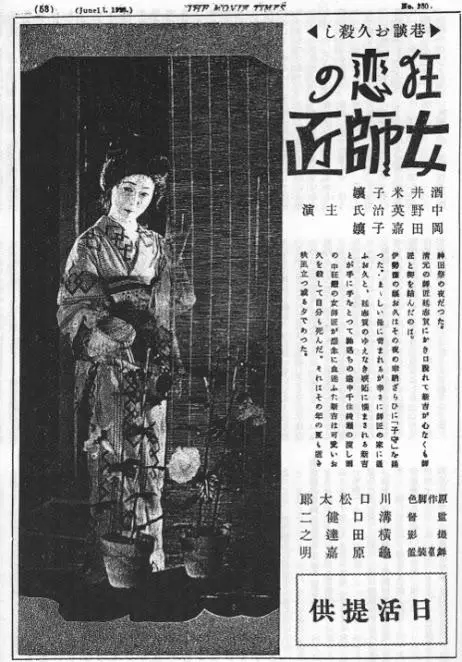
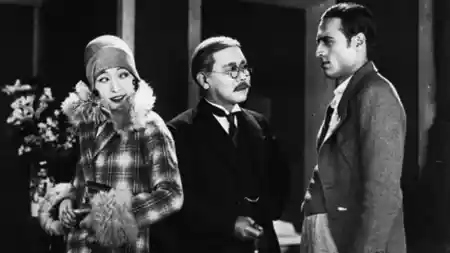
Dir: Kenji Mizoguchi
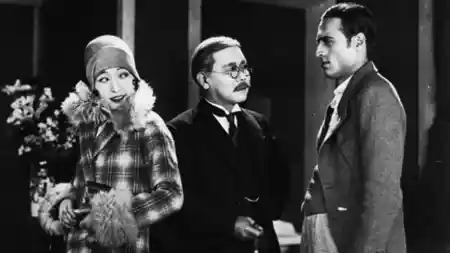
The rise and fall of a singer Yoshio Fujimura. Fujimura entertains the lower class passengers on the ship home from Europe, and is traveling with Ayako, a maid who had fallen in love with him. On their arrival in Japan, a society woman, Natsue Omura, who is meeting a famous tenor from the first class, is attracted to Fujimura. Natsue introduces Fujimura to an agent and, under his guidance, sings the song "Furusato" which becomes a hit. As he becomes famous, Fujimura ignores Ayako and lives the high life with Natsue and her society friends.
View Details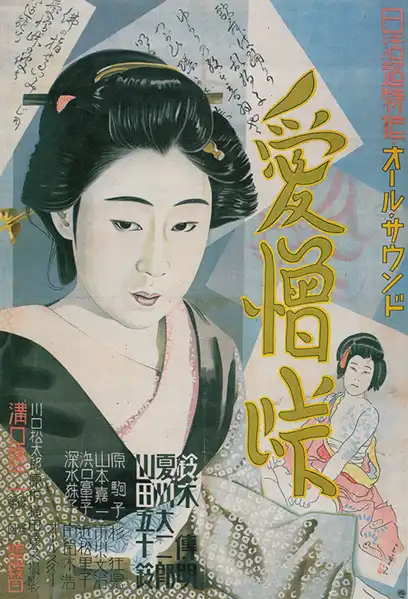
Dir: Kenji Mizoguchi
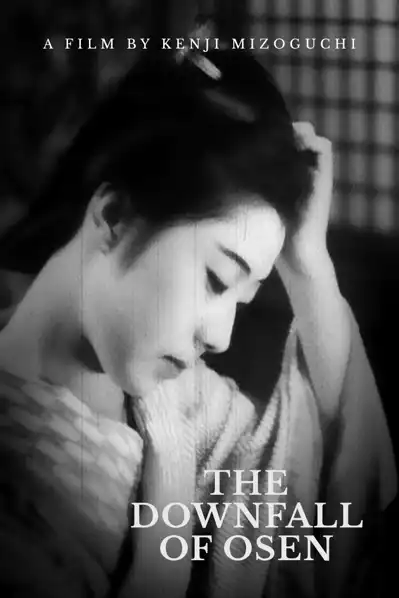
In Tokyo, Osen is the servant girl of an unscrupulous antiques dealer, Kumazawa, who takes in the penniless Sokichi Hata. Kumazawa mistreats Sokichi and Osen, while swindling some Buddhist monks out of their temple treasures. When Kumazawa is arrested, Osen agrees to help Sokichi finance his dream of going to medical school. They live in a humble room, and eventually the only way Osen can find enough money for them is to prostitute herself during the day, without Sokichi knowing.
View Details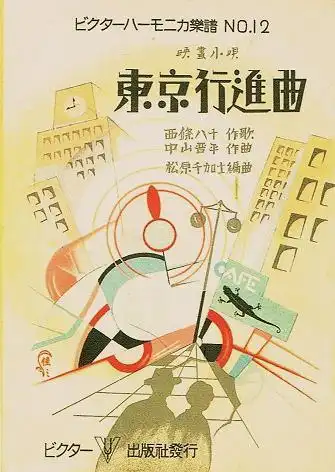
Dir: Kenji Mizoguchi
A classic melodramatic love tragedy addressing social inequality in feudal Japan, depicted in Kenji Mizoguchi's typical style. The nostalgic scenes of 1920s Tokyo provides a valuable visual experience set against the background of the title song, "Tokyo March."
View Details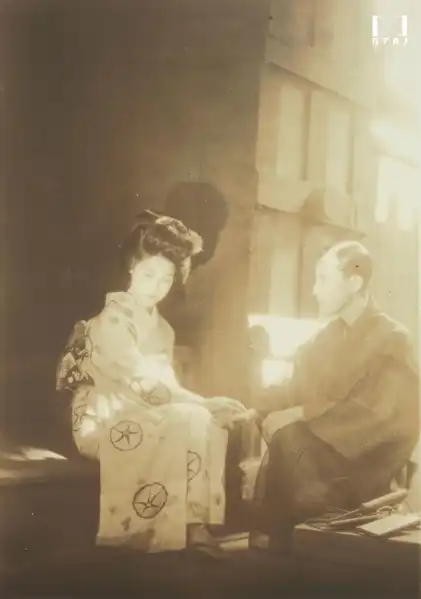
Dir: Kenji Mizoguchi
A fascinating piece of cinema that shares thematic elements.
View Details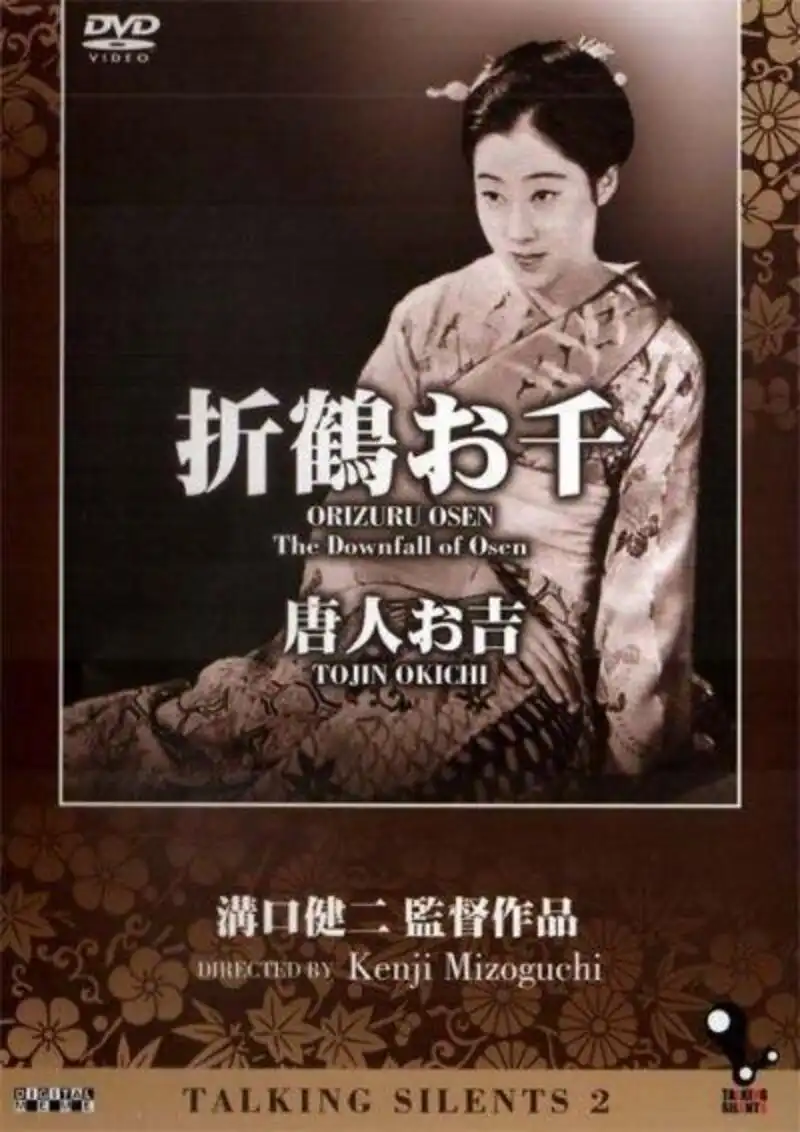
Dir: Kenji Mizoguchi
A fascinating piece of cinema that shares thematic elements.
View Details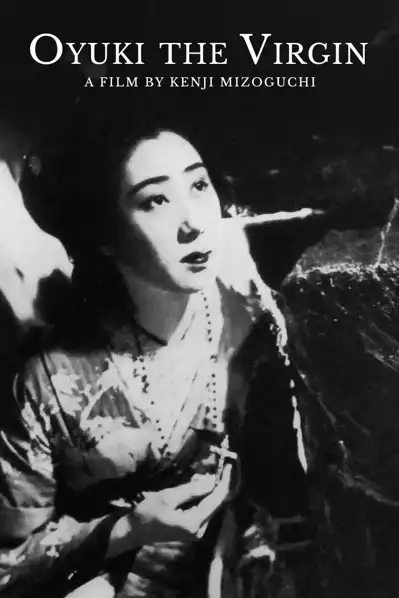
Dir: Kenji Mizoguchi
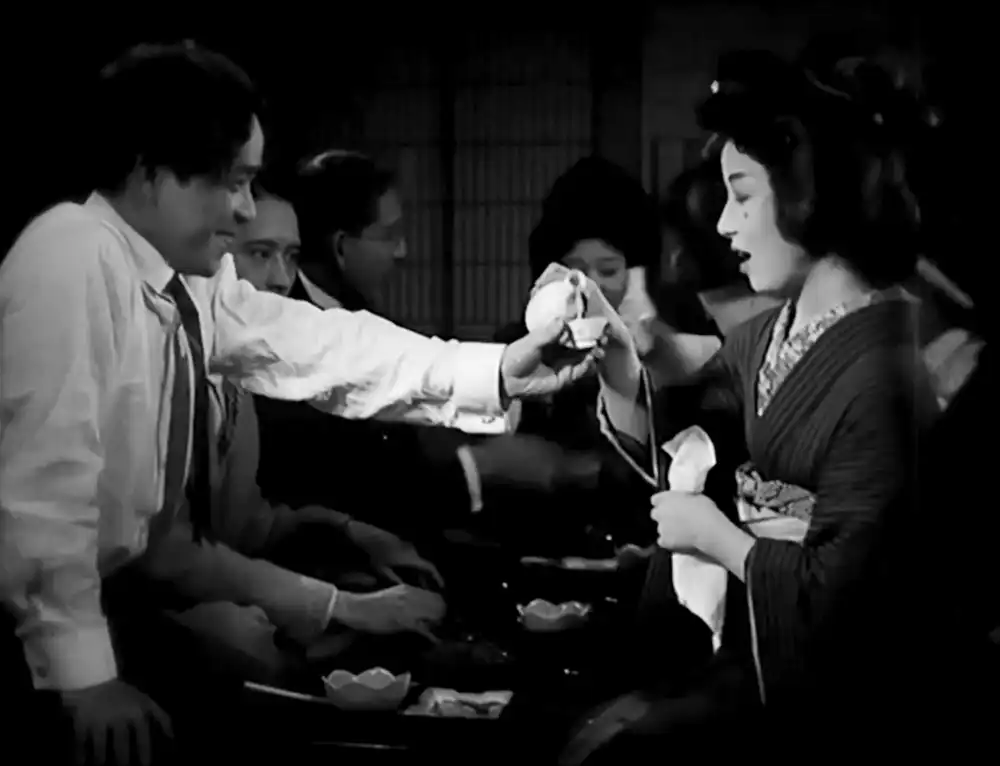
During a war in the 19th century, a village linked to rebellious forces is attacked by the government army, so a rich family decides to run away; two courtesans travel along them.
View Details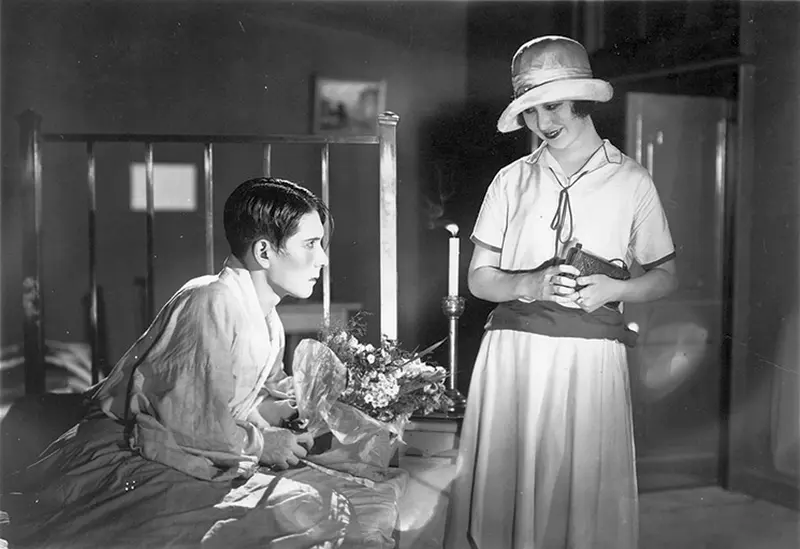
Dir: Kenji Mizoguchi
A dramatic rivalry between law students Shunsuke and Ryutaro, best friends since school and equally in love with Shizuko. Based on novel by Hiroshi Kikuchi.
View Details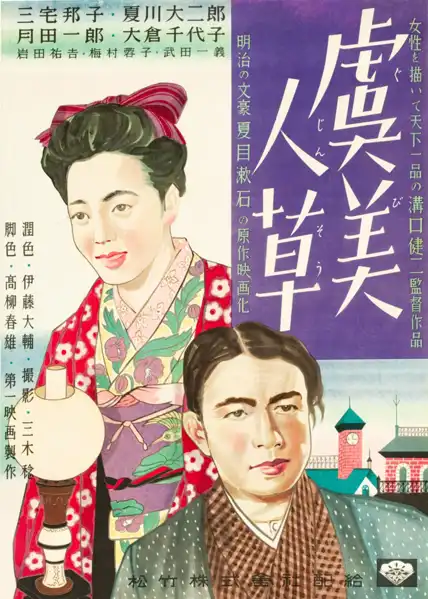
Dir: Kenji Mizoguchi
Based on Soseki Natsume's 1908 novel of the same title, Poppy is an ornately complicated story of desire and ambition. Fujio is beautiful, talented, well-heeled, and engaged to Munechika, a rising young diplomat. She has promised him a gold watch, a family heirloom, as an emblem of their engagement. But she falls in love with Ono, a student employed to tutor her in English, who is attracted by her beauty and wealth. Ono is himself bound by an engagement to Sayoko, the daughter of his mentor, Professor Inoue. The self-centered Fujio is ready to forsake everything for Ono, but he is prevailed upon to go ahead with his marriage to Sayoko. Fujio then offers the watch to Munechika who, perceiving Fujio's true feelings, hurls the watch into the sea.
View DetailsAnalysis relative to Tokai kokyogaku
| Film Title | Atmosphere | Complexity | Similarity |
|---|---|---|---|
| The Passion of a Woman Teacher | Surreal | Layered | 93% Match |
| Fujiwara Yoshie no furusato | Gothic | Linear | 87% Match |
| The Mountain Pass of Love and Hate | Gothic | Layered | 89% Match |
| The Downfall of Osen | Surreal | Abstract | 91% Match |
| Tôkyô kôshinkyoku | Ethereal | Abstract | 88% Match |
This guide was algorithmically generated using the cinematic metadata of Kenji Mizoguchi's archive. Last updated: 8/16/2026.
Back to Tokai kokyogaku Details →