
DbcultAccessing Vault...
Recommendations
Senior Film Conservator
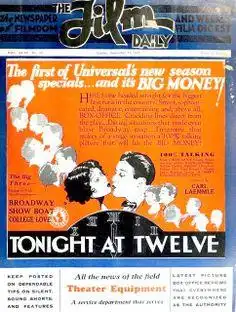
The artistic legacy of Harry A. Pollard was forever changed by Tonight at Twelve, the thematic layers of this 1929 classic invite a wider exploration of the genre. This list serves as a bridge to other Drama experiences that are just as potent.
The vintage appeal of Tonight at Twelve to reinvent the tropes of Drama cinema for a global audience.
lice Keith, a suspicious wife, believes that her husband is running after his old sweetheart, Dora Eldredge, and two other married women in her circle. Making her accusation during a dinner party at which the women and their husbands are present, Alice exhibits a rendezvous note she found in her husband's pocket, reading "Tonight at 12." To protect his father and his future mother-in-law, Jack Keith, who is engaged to marry Jane Eldredge, admits to having an affair with Mary, the maid in the Eldredge household, and to being the recipient of the love note. Mary sees an opportunity to force Jack, whom she loves, to marry her, and she begins to make plans when Jane breaks her engagement with him. Eventually, Mrs. Eldredge confesses her affair with Keith to restore her daughter's happiness. Mary returns to her hometown, aware of the social differences between Jack and herself.
Tonight at Twelve was a significant production in United States, showcasing the immense talent of Louise Carver, Norman Trevor, Donald Douglas. It continues to be a top recommendation for anyone studying Drama history.
Based on the unique character-driven intensity of Tonight at Twelve, our vault has identified these titles as the most compelling follow-up experiences for fans of Drama cinema:
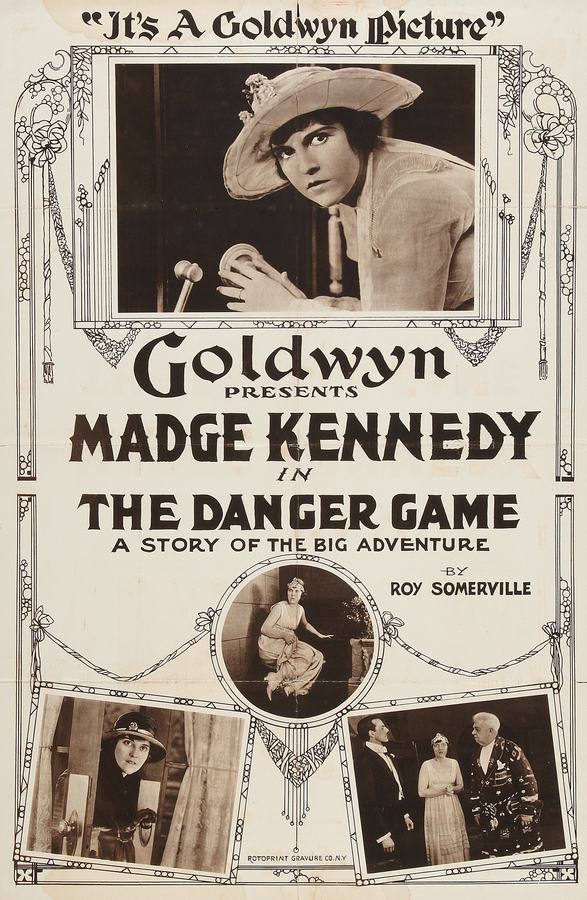
Dir: Harry A. Pollard
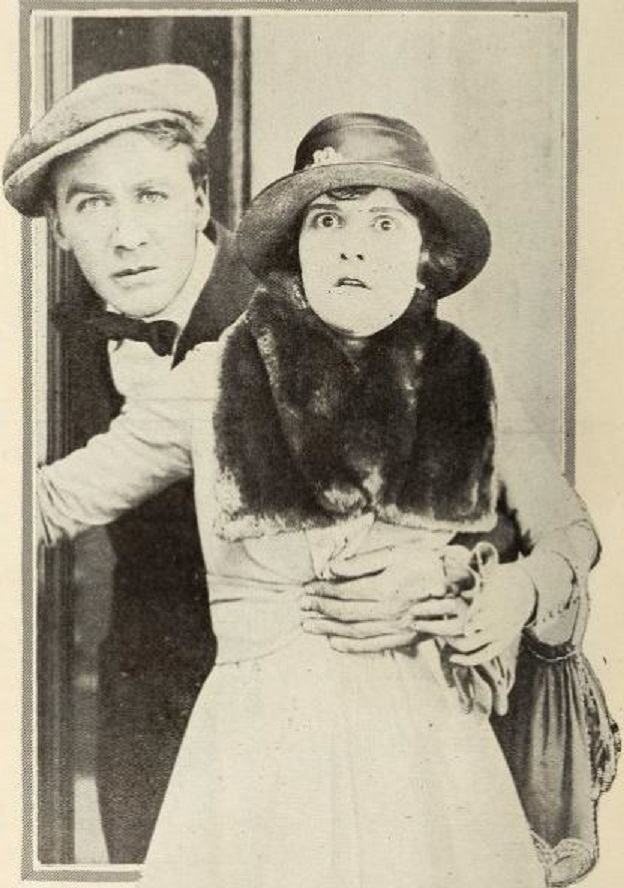
A naive débutante longs for a romantic adventure, and sets out to have one, scandalous or not. She rashly decides to burgle a random home, but is caught. At the jail, she's mistaken for a notorious con woman, and nervously is taken into a gang.
View Details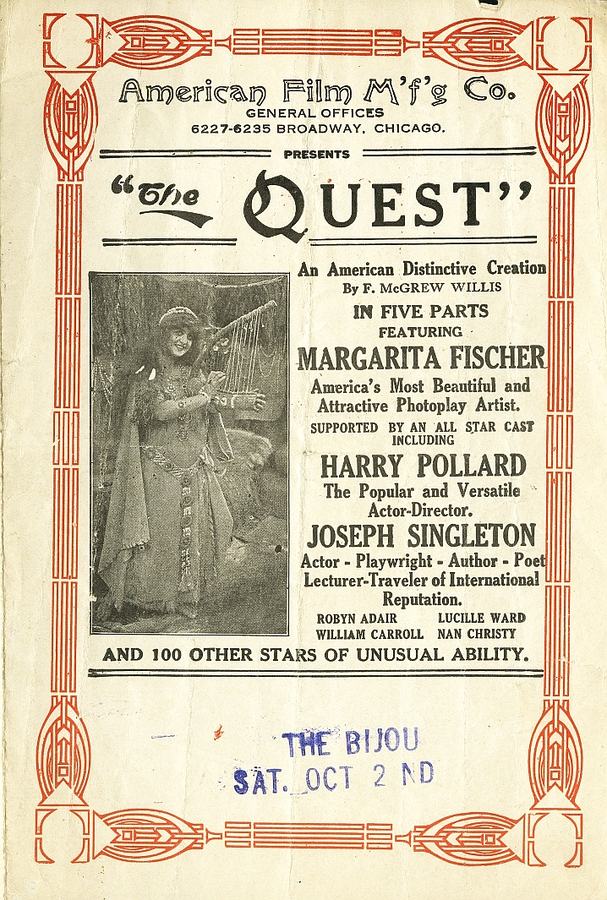
Dir: Harry A. Pollard
John Douglas, a high-society playboy, is a cynic concerning the women of his social set, and has a pictured ideal of the girl of his dreams. Wising to avoid the upcoming social season, he hops a freighter bound for the Orient. It sinks in mid-ocean and he, as the sole survivor, is washed upon a island, where he is rescued by Nia, daughter of the tribal chief, Neto.John is puzzled as all of the tribe are white people, but he learns from the tribal chief they are descendent's of English-origin who also are on the island because of a ship wreck a few hundred years ago. John soon arouses the jealousy of Kaura, the tribal sub-chief who wants Nia as his bride, but Nia wants nothing to do with Nia, and favors John. Kaura demand that Nia become his bride, but John Rescues her and they head for the jungle, with Kaura and his henchmen in hot pursuit. The pursuit only lasts until a storm comes up and Kuara is killed by a bolt of lightning, and his followers take that as a sign the Gods aren't in favor of the pursuit. John and Nia take up residence in the Tribal Priest's jungle cave, after the Tribal Chief performs a marriage ceremony. They are quite happy and content, especially Nia who likes to play the harp John made for her. But a yacht appears on the horizon, and John struggles with a decision as to light a signal fire and be taken back to civilization.
View Details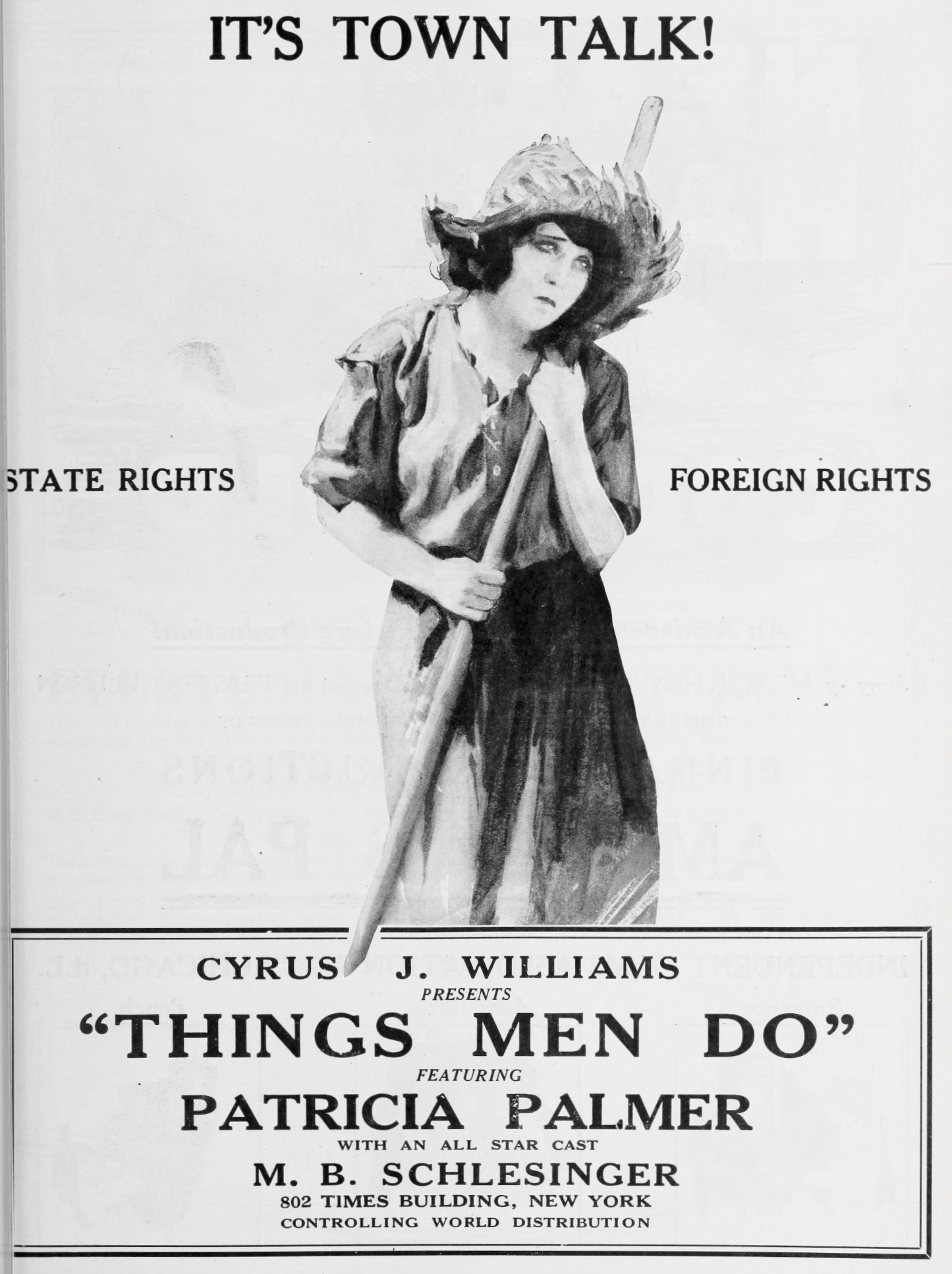
Dir: Robert N. Bradbury
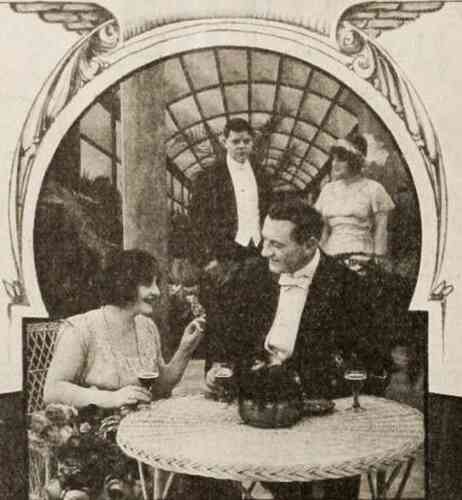
A simple country girl, brutally mistreated by her stepfather, awakens first the sympathy, then the love, of The Boy. The Spider, who lusts after The Girl, makes a bargain with the stepfather and takes her to the city where, kept prisoner, she is soon broken in health and spirit. Cast out and near death, she is taken in by The Boy. Following the demise of The Spider, The Boy takes her to church, where he prays, and after many hours she is restored to health.
View Details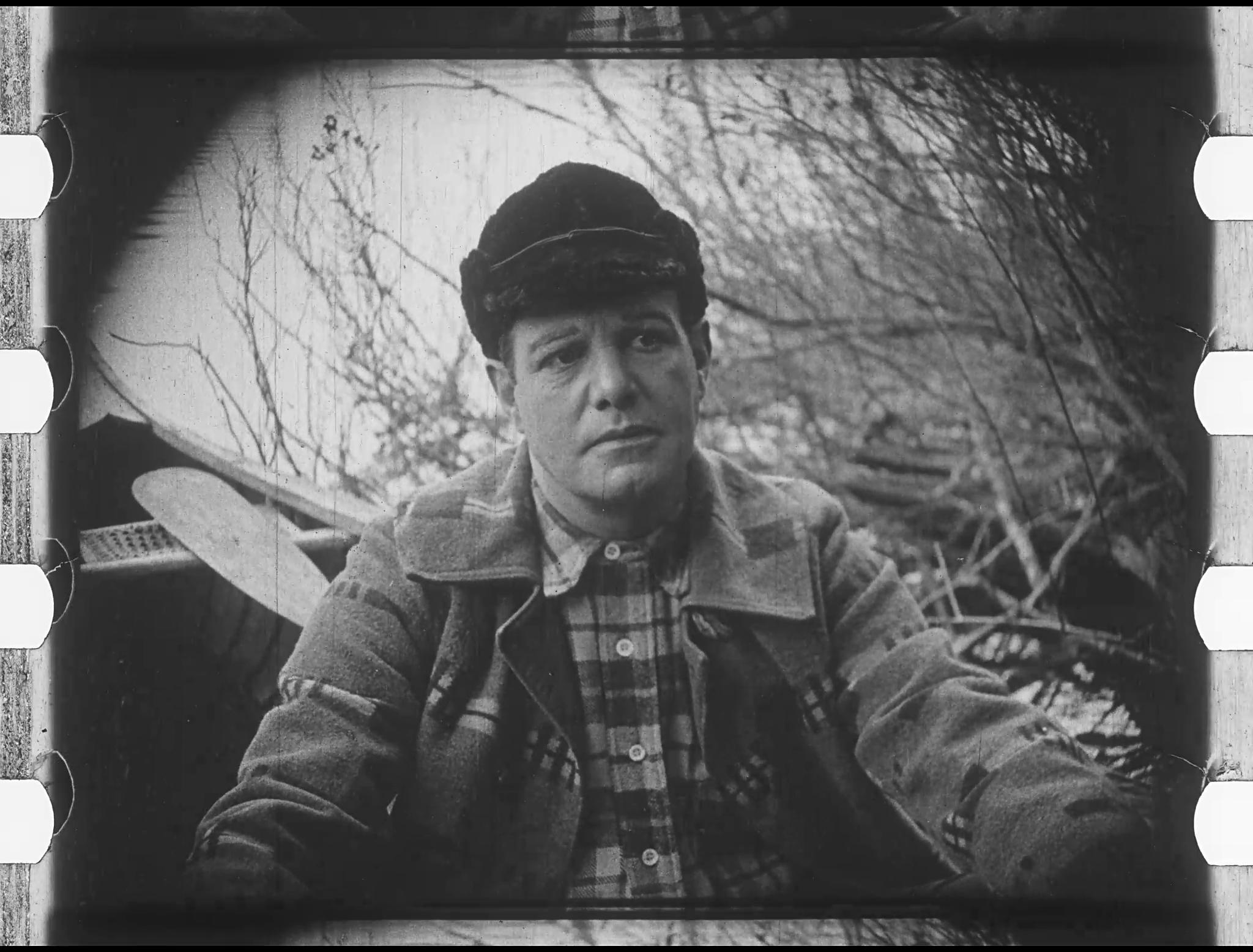
Dir: Edgar Jones
A mail-order bride arrives at a Maine lumber camp but doesn't like her prospective husband.
View Details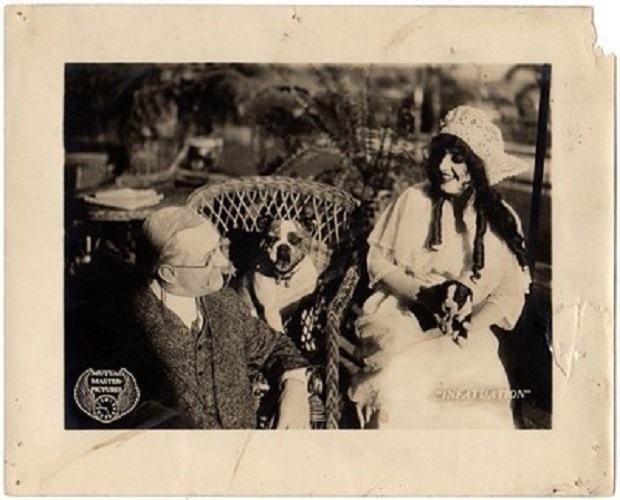
Dir: Harry A. Pollard
Motherless Phyllis Ladd runs the household of her father John, a railroad president, who loves her but dreads the day that she will marry and leave. To make her social debut, Phyllis leaves her hometown of Carthage and accepts the invitation of Mrs. Fenshaw, a Washington social matron, to live with her. Phyllis soon tires of the stuffy life and boring suitors and returns. At a matinee road-show performance, Phyllis becomes infatuated with actor Cyril Adair. When she invites him for tea, the vain actor accepts, hoping to seduce her. After more meetings, Cyril's discarded lover informs Ladd, who demands that the romance cease. Phyllis elopes with Cyril, who, touched by her devotion, marries her. Although their life is plagued by Cyril's alcoholism, firings and inability to get new roles because Ladd influences theater managers to reject him, Phyllis patiently tries to bring out the best in her husband. When Phyllis and Cyril refuse Ladd's bribes to end the marriage, Ladd relents, backs a show in which Cyril is to star and is reconciled with the couple.
View Details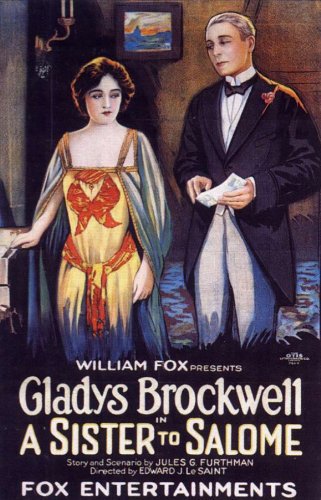
Dir: Edward LeSaint
When famous opera singer Elinore Duane undergoes an operation on her throat, she has a series of ether-induced visions. In one, she is transported to ancient Rome where she appears as a much-admired woman in love with Paul, a young heretic, and at odds with Lutor, the high priest. To save her love, she poisons Lutor with her ring. After several other visions which involve variations on this love triangle, Elinore awakens to discover that Lutor is actually her doctor, Sascha Jaccard, and that Paul is the son of a friend who has come to visit the recovering prima donna.
View Details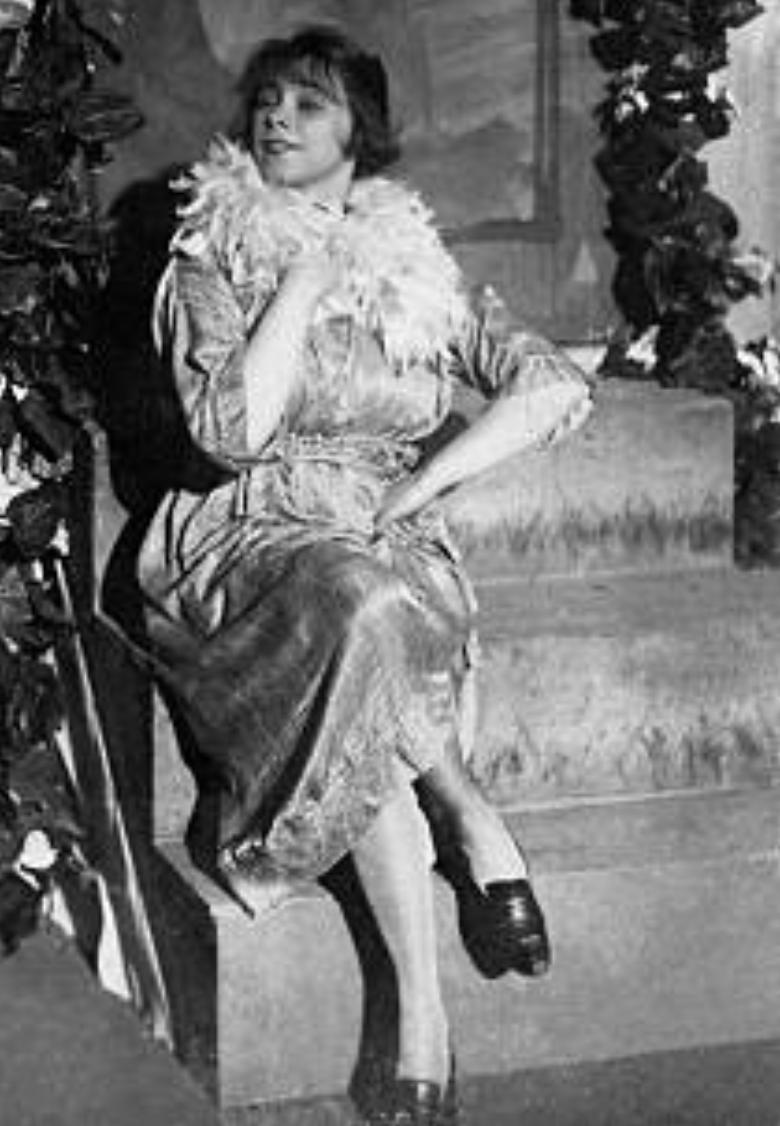
Dir: Bruno Ziener
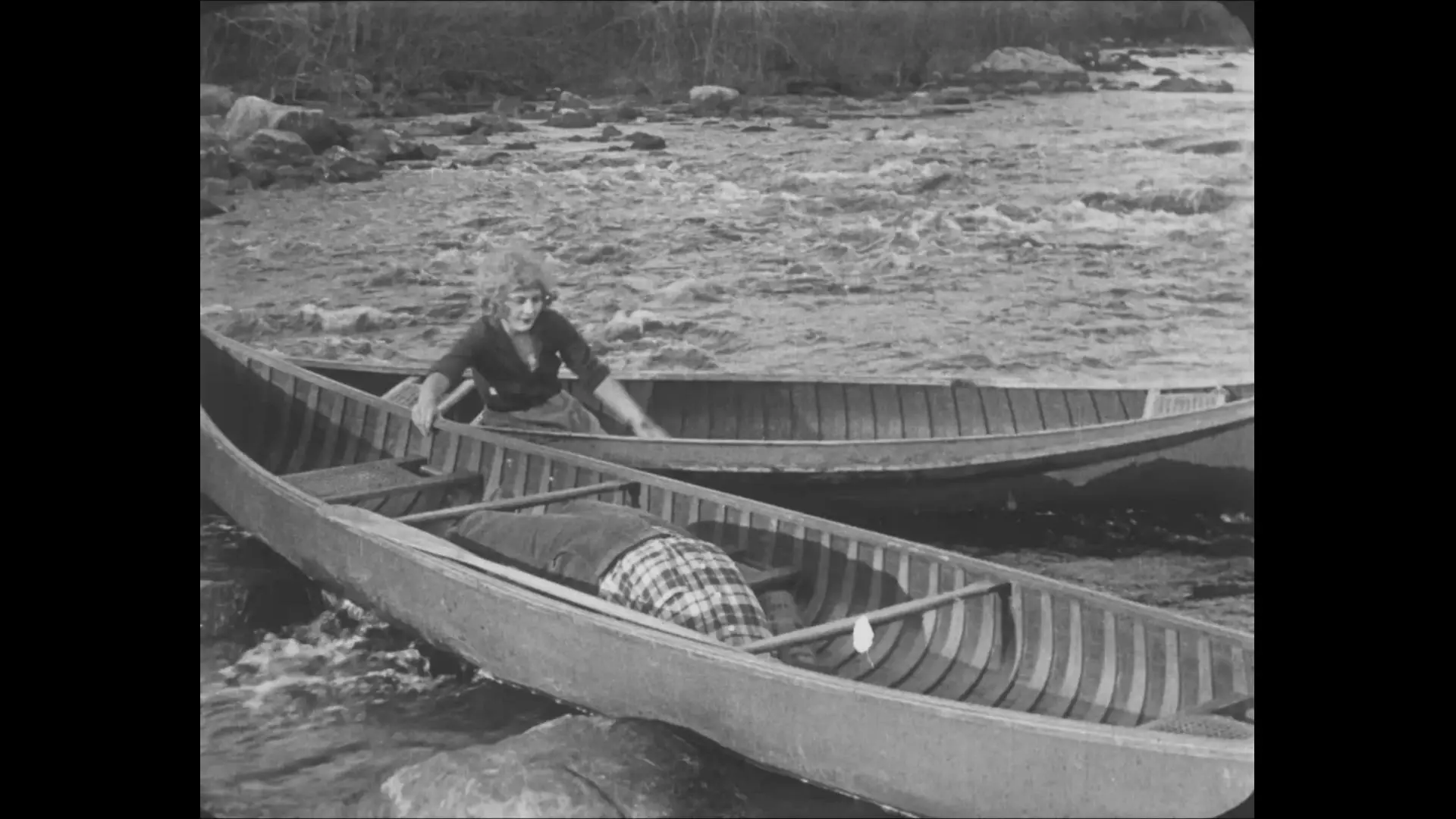
A fascinating piece of cinema that shares thematic elements.
View Details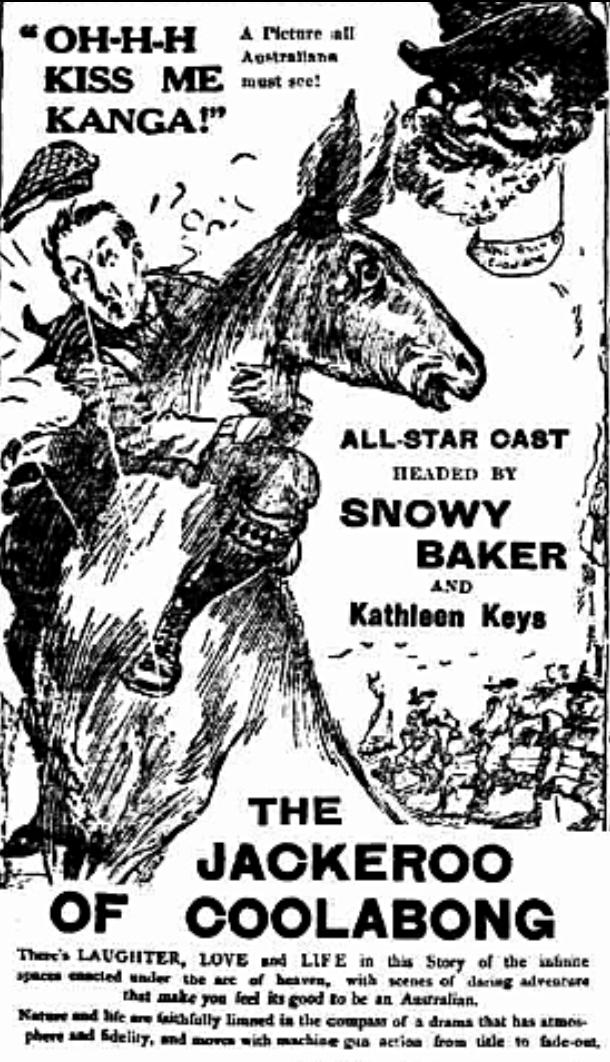
Dir: Wilfred Lucas
Brian O'Farrell (Snowy Baker), is an English 'new chum' who takes a job at an Australian cattle station. He is teased by station hands because of his appearance (including spats and a monocle) but he soon impresses them with his skills at riding and boxing. The station manager, John MacDonald (Wilfred Lucas), takes O'Farrell to Sydney to meet his daughter Edith (Kathleen Key) who is working in the slums. Edith is kidnapped by criminals after witnessing a crime but O'Farrell rescues her. It is later revealed he is the owner of the station.
View Details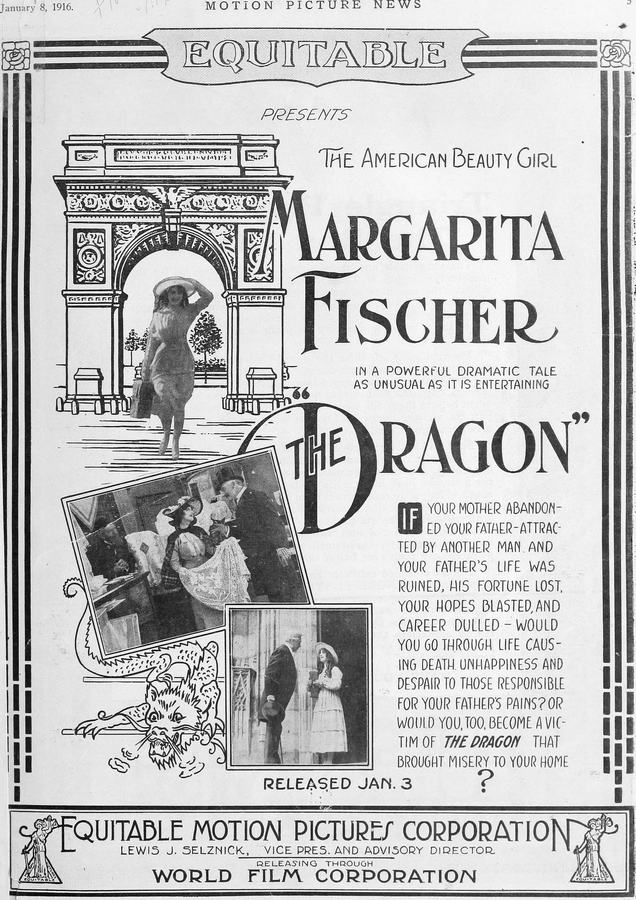
Dir: Harry A. Pollard
Messalla, the embodiment of youth and innocence, lives in an old house in Washington Square, New York City, with her father, who has been ruined financially and lost his wife through the lure of Fifth Avenue. He tells Messalla that the thoroughfare is a dragon lying in wait for victims. Messalla starts out to find the dragon and goes up the avenue. Her meetings with various people bring destruction and death to those who had wrought her father's ruin, although she is unconscious of the effect she is having on their lives. Messalla escapes the wiles of the white slaver. She allows a discarded flame of a big merchant to take her place at dinner to which she has been invited, and the merchant suffers at the hands of the discarded woman. A policeman's attention is attracted to Messalla and a man is killed by an automobile while he is looking at her. At a lacemaker's shop a wealthy young woman is tempted to take a bit of lace because Messalla has admired it, but she is caught and jailed. There is a robbery affecting some papers which have been taken and replaced by a bomb, and Messalla gives the package to a woman who turns out to be her father's lost wife; the house is destroyed after the woman and Messalla leave. There is a reconciliation. All those injured were people who had injured her father, and the dragon has been slain by Messalla's youth and innocence.
View DetailsAnalysis relative to Tonight at Twelve
| Film Title | Atmosphere | Complexity | Similarity |
|---|---|---|---|
| The Midnight Alarm | Surreal | High | 90% Match |
| The Danger Game | Ethereal | Linear | 90% Match |
| The Quest | Gritty | High | 98% Match |
| Into the Light | Gothic | Abstract | 89% Match |
| In the River | Gritty | High | 92% Match |
This guide was algorithmically generated using the cinematic metadata of Harry A. Pollard's archive. Last updated: 6/22/2026.
Back to Tonight at Twelve Details →