
DbcultAccessing Vault...
Recommendations
Senior Film Conservator
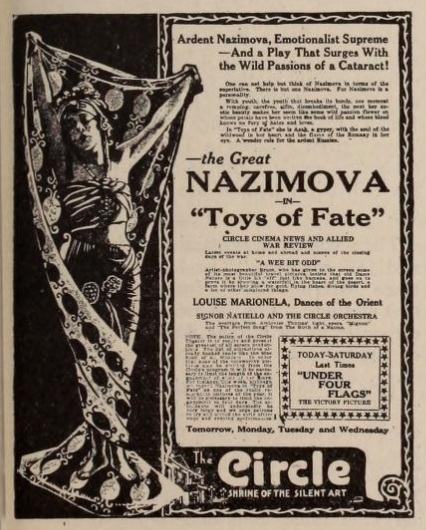
The cinematic DNA of Toys of Fate (1918) is truly one of a kind, finding other movies that capture that same lightning in a bottle is a top priority. We have meticulously scanned our vault to find hidden gems that resonate with this work.
As a pivotal work in United States cinema, Toys of Fate to challenge the status quo through its avant-garde structure.
A gypsy girl whose mother committed suicide after being seduced and abandoned by a rich man finds herself twenty years later being wooed by the same man.
Critics widely regard Toys of Fate as a cult-favorite piece of cult cinema. Its cinematic excellence is frequently cited as its strongest asset, solidifying its place in United States's film legacy.
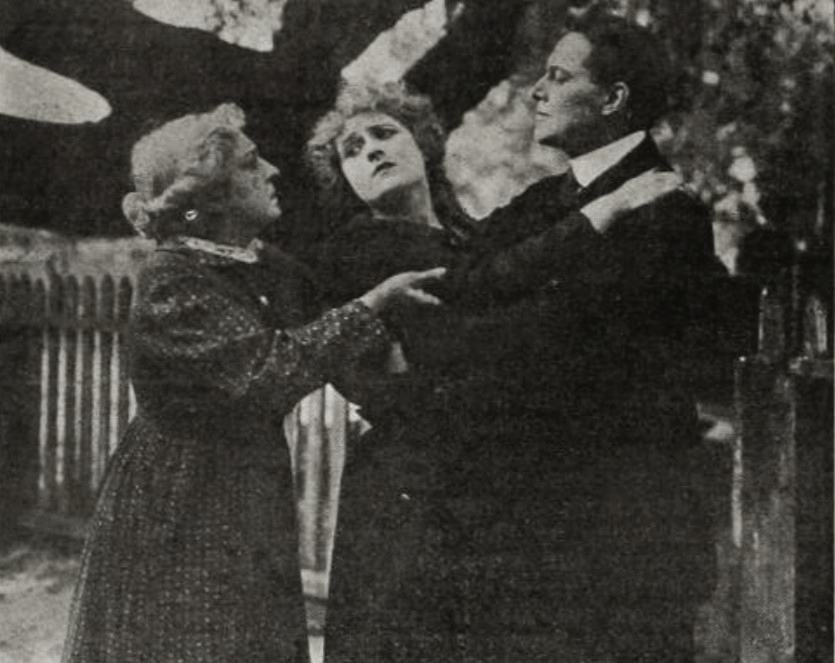
Based on the unique cinematic excellence of Toys of Fate, our vault has identified these titles as the most compelling follow-up experiences for fans of cult cinema:
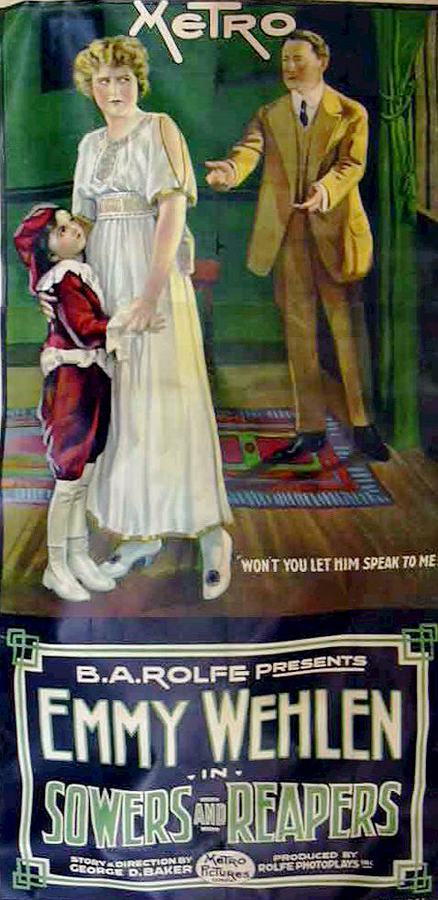
Dir: George D. Baker
Although Earle Courtney has married factory girl Annie Leigh, his millionaire father, Major James Courtney, is determined that Earle will marry the wealthy Ethel Ainsworth. Courtney kidnaps his son and sends a message to Annie requesting an annulment, to which he signs Earle's name. All records of the marriage are then destroyed and Earle is led to believe that his wife has perished in a factory fire. Meanwhile, Annie goes to the city looking for her husband and there her child is born. While in the hospital, she reads an announcement of the wedding of Earle and Ethel. Obtaining employment in a film studio, Annie soon soars to stardom. When Mexican investments result in financial disaster for the Courtneys, Annie takes over the mortgage on their estate and produces a picture based on the story of her betrayal. When Earle views it, he learns of his father's treachery and the major, overcome with remorse, begs Annie's forgiveness. Nothing can undo Earle's unhappy marriage, though, until Ethel elopes with artist Paul Roubais, thus removing all obstacles in the path of Annie and Earle's reconciliation.
View Details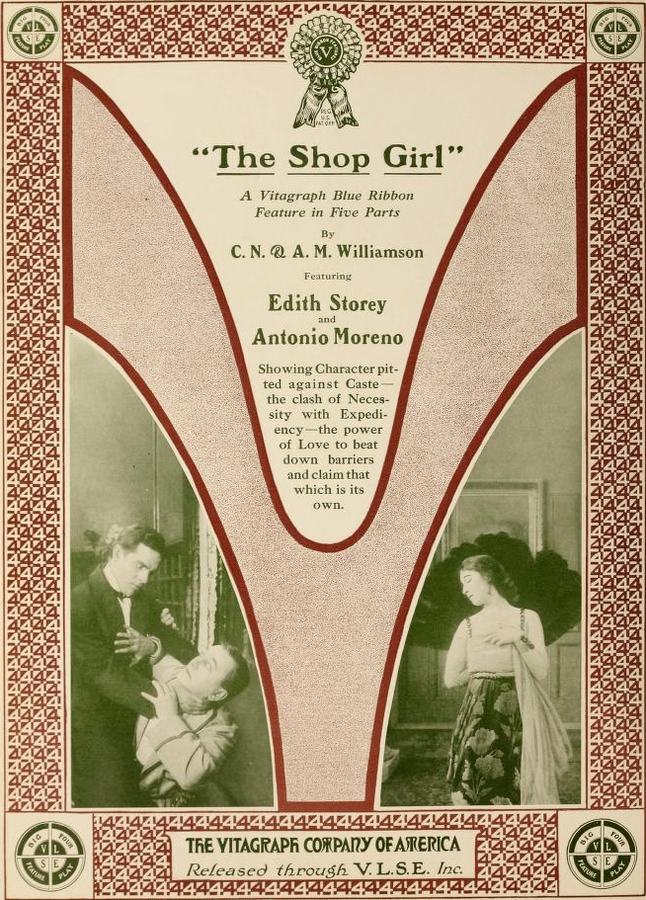
Dir: George D. Baker
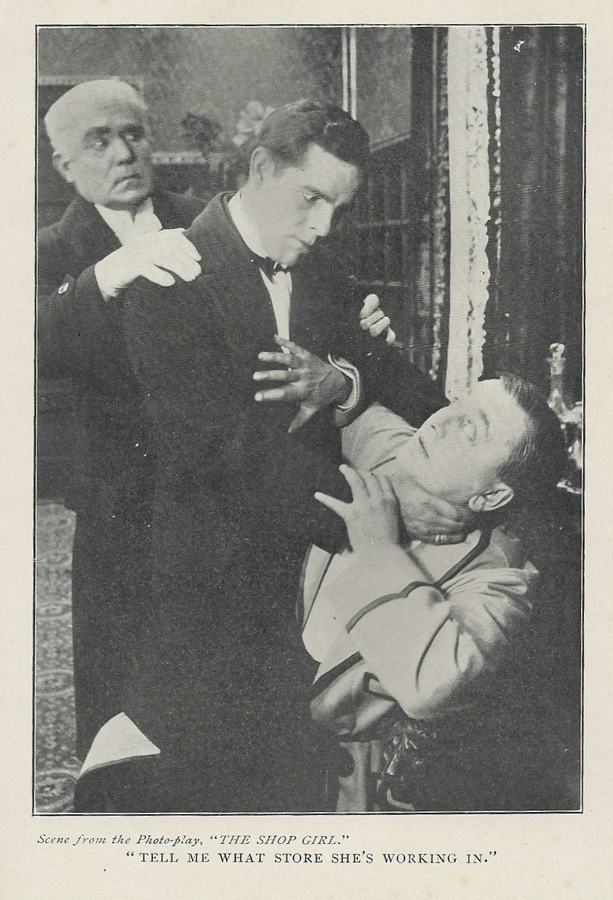
Peter is smitten with Winifred, a model, whom he met on board the steamer returning from Europe, but is discouraged by his sister, Ena, who is more ambitious for him. Peter is the son of Peter Rolls, the wealthy New Yorker. Ena tells Winifred that Peter is engaged to Eileen, sister of Lord Ravglan and that he is just trifling with her. Winifred believes her and refuses to speak to him. Before disembarking, Ena gives Winifred a stylish gown which she bought in New York. Winifred is working in a stylish modiste's shop. One of the best customers insults her and she slaps his face. Mme. Nadine, the modiste, sees her action, and fearful of losing the customer, discharges her. She tries to get a position in the other shops, but in each case finds herself blacklisted by Madame Nadine. In sore straits, she moves to cheaper quarters. She meets Lily, a salesgirl in Roll's department store, and the former takes her to Megeison, the store manager to get her a position. The manager, at first says he has no opening, but when he sees what a handsome girl Winifred is, he employs her. Ena Rolls comes to the store to do some shopping, and sees Winifred against whom she harbors a dislike. She makes various remarks calculated to arouse Win's anger, and when Win resents them she complains to Megeison, who pretends to discharge her. When Ena leaves, he tells her that she may remain and transfers her to another department. Megeison arranges a party for that night at which Winifred, Lily, a floorwalker and himself are to be present. Megeison tells the floorwalker to escort the girls to the party, but to keep them ignorant of the fact that it is to be held at his house. Winifred dons the dress Ena gave her, the only decent gown she possesses. They start off, but when Winifred sees that she is being taken to his apartment she tries to back out, but she is persuaded to continue by Lily. Meanwhile, Peter in his hunt for Winifred, gets a clue which leads him to the department store. Here he learns that she has been discharged and is told that Megeison could give him her address. In Megeison's apartment, all drink except Winifred and after a while, she feels sheepish and drinks with them. She catches Megeison trying to "dope" her drink and denounces him. He catches her and tries to kiss her and a struggle follows in which her dress is badly torn, the pieces falling on the floor. She manages to elude him and escapes to another room where she locks herself in. Peter enters and asks for information about Winifred, but Megeison tells him that he knows nothing about her. Then the pieces of Winifred's dress catch his eye and he demands to know the truth. Megeison's valet, who went through another room to admit him, opens the door and Peter sees Winifred within. Winifred shrinks from Peter, thinking he is in league with Megeison, but when she realizes that he really loves her and has come to claim her for his own, she leaves misery behind, and goes with Peter, her suffering relieved in the knowledge of his devotion.
View Details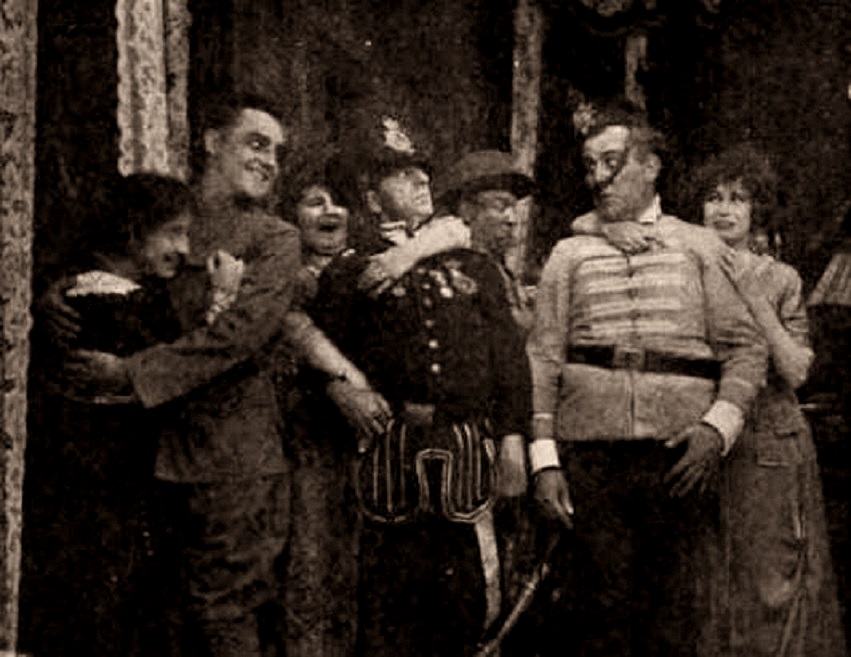
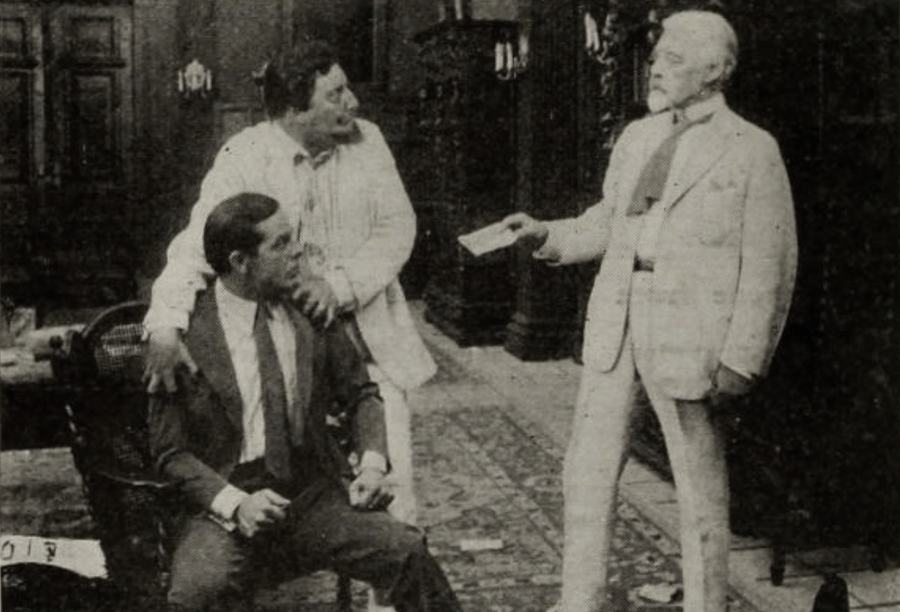
Dir: George D. Baker
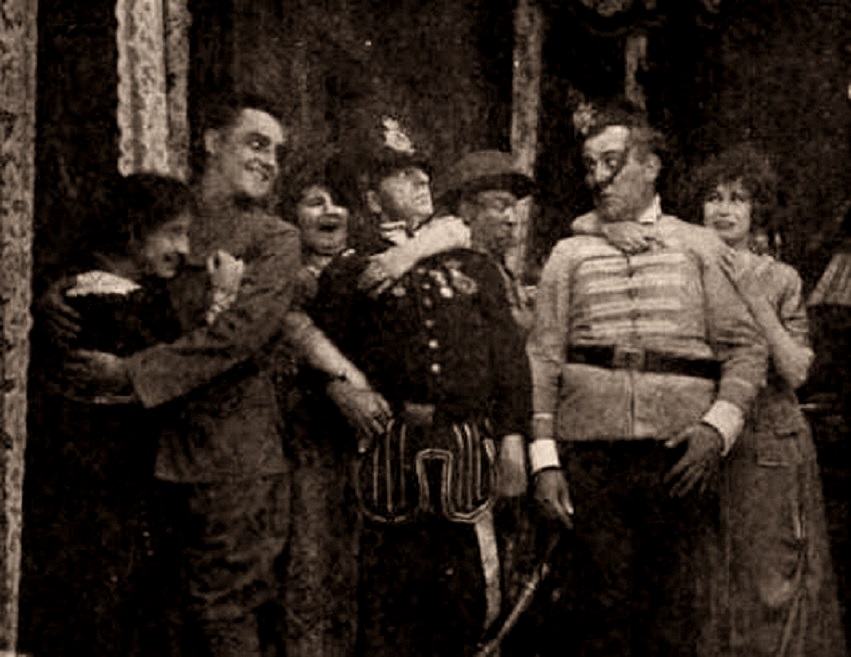
Ira Wilton and his son-in-law Harry Bennett resort to the subterfuge of telling their wives that they are members of the Thirteenth Regiment, to be sure of having a night off each week, Friday night, for the regiment drills. They substantiate their deception by bringing into their little game Ira's daughter Laura and her fiancé Jack Brent, a genuine member of the Thirteenth. Their deception runs along nicely until one Friday night when the men have gone to the club, their wives find the invitation, and are just about to start out when they discover that the water pipe has burst. Laura informs the men by telephone what is discovered, and warns them to hurry home. They arrive and find that the kitchen and dining room are flooded, and, after all has been given a good soaking, Lord Dudley, an admirer of Laura, manages to stop the flow of water. Just as the trouble concerning the flood has subsided, Jack Brent arrives home and tells the men that the Thirteenth has been ordered to the front. The husbands, seeing a good chance to take a little vacation, purchase soldiers' clothing and fall in behind the Thirteenth Regiment as it passes their wives, but slip out as soon as it is out of sight. They then go to the barn, where they substitute their soldiers' habiliments for civilian clothes and then make all possible haste to the lake, where they intend to spend a little vacation. But their vacation is short-lived, for one day they see in the newspapers that the entire Thirteenth regiment has been wiped out. They hurry home to the old barn, where they get into their regimentals as quickly as possible--not forgetting to add a few rents here and there, to make it appear as if they have had a terrible struggle at the front and in escaping. When they arrive home they observe that Mrs. Wilton's brother has returned from the West and promised to take care of the "widows." In reply to Lena's (the fat cook), question concerning her lover Conrad, they were just about to tell her that he died with her name on his lips, when in come Harry and Conrad with the news that the newspaper report was all wrong. Ira and Harry fix it up with Conrad, and Jack, desiring to keep on the right side of the old man, tells the women that the men had a terrible fight, and brother Tom forgets about asking questions when a couple of good cigars are shoved into his mitt.
View Details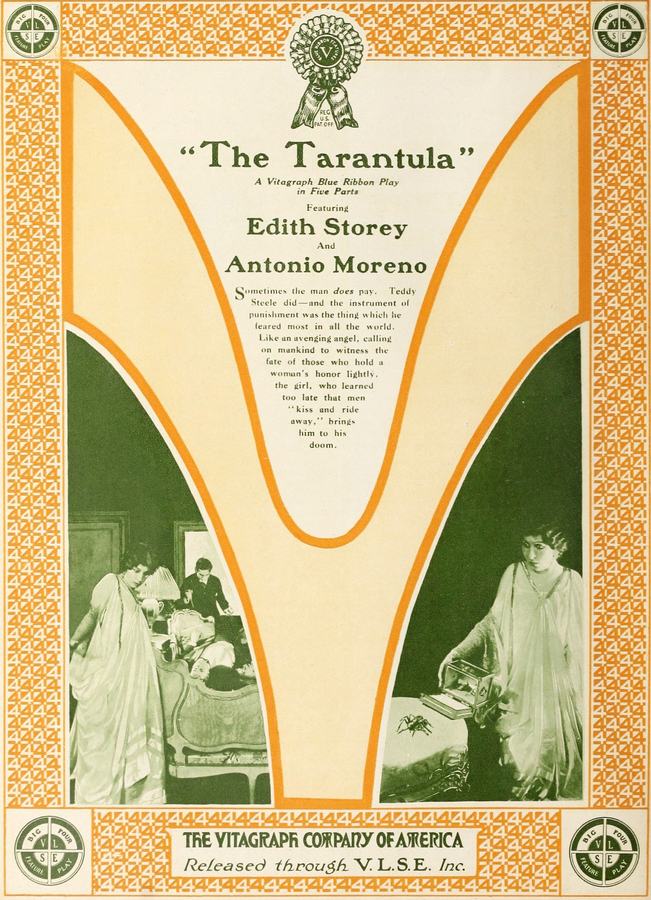
Dir: George D. Baker
"Beauty Smythe is at his old tricks again. Look at the raving beauty he's got on the string now." This was Manning's contribution to the discussion, which was taking place in one of New York's most exclusive clubs. All seemed to take a jolly view of the matter, except Van Allen, who, the others noticed, looked with disapproval on the flirtation. They could not understand his mood, and prodded him for his prudishness. When Smythe joined them, Van Allen called him over and asked him to listen to the story he was about to tell, the story of one man who paid for his loose habits. First, he drew from his pocket, a picture of a young man, about Smythe's age. "My sister's only boy," he said. "Two years ago he was leading the kind of life you are now, Smythe. He came down to Mexico to visit me and met Chonita, a pretty Mexican girl. He immediately became infatuated with her, to the consternation of Pedro, another of her lovers, who soon saw that Teddy held a higher place in her heart than he. When her father heard of the affair, he sent her away to their summer hacienda, hoping that she would forget Teddy. Then Ted received an invitation from a friend to spend the summer with him, and accepted. Out hunting one day, he met Chonita and both were happy at the reunion. He told her of his love for her, and she believed him. Of course he promised to marry her. One day, while walking through the forest. Ted just missed stepping on a tarantula, and shrinking from the hideous thing, told Chonita that he feared those terrible spiders worse than anything on earth. Sometime later, Ted received a note from her telling him to meet her at the usual place, and from the tone of the note he knew what had happened. She came, and brought a minister with her, but Teddy was married, and had two children, so even if he had wanted to, he could not have married her. Before word got back to the hacienda, Ted had hopped on a horse and started at a mad gallop for the railroad station, to avoid the wrath of her father and Pedro. Back in New York once more, he felt secure. Chonita meanwhile was thrown out of her father's house, and her child was born in an abandoned cabin. It lived but a few hours. Then Chonita got a position as dancer in a cheap music hall and became popular immediately. The proprietor of a New York café, seeing her perform, asked her to come to the city and dance for him. When she remembered that her betrayer was also in the city, she accepted. Hearing of her proposed trip, her father sent her a dagger, so that she might first kill Teddy and then herself, but she returned it, telling him that she would choose her own method of death for both of them. In the city she met Teddy once more. She responded to all his advances and finally induced him to invite her to his apartment. Here she presented him with an elaborate jewel case, which, she said, contained a gift. When his anxious hands opened the case, a giant tarantula crawled out. Need I tell you that he died a terrible death?" In a meditative mood, Beauty Smythe sat in his room and reflected on what he had heard. Then the moral hit home, and the letter he had intended sending to his latest "sweetheart" never went further than the trash basket.
View Details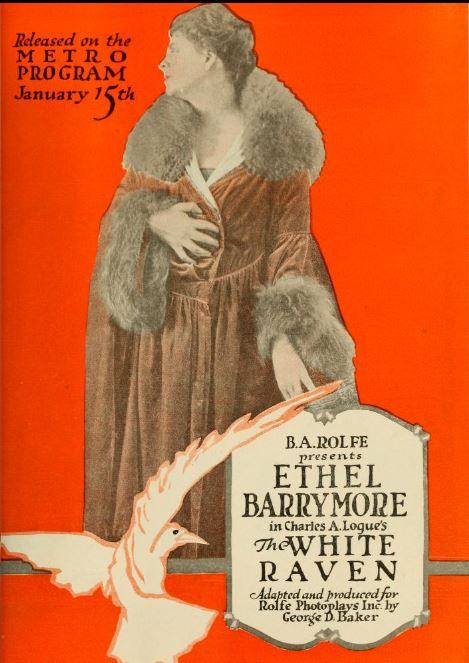
Dir: George D. Baker
William Baldwin, ruined in business by his partner John Blaisdell, implores Blaisdell's aid and receives in answer a five-dollar bill inscribed with "Spend this for a gun and use it on herself." Hopelessly, Baldwin and his daughter Nan go to the Yujon, where the father dies and Nan earns a living in a rough dance hall where as "Nightingale Nan" she is the miners' idol. When she discovers that the little claim on Bear Creek, the only thing her father has left her, is worthless, at first she collapses; then she becomes defiant and tells the miners who have been forcing their attentions upon her that they may have her, the lucky man to be the winner in a card-game, she to take the money won in the game and go away to seek fame and fortune. A bearded stranger wins the game with a pair of deuces and pays her $1,000 a card, and she leaves with him for her cabin. Once there, however, she repents her rash bargain, and implores him to release her, offering the money in return. He makes her sign an I.O.U. for herself, promising to pay the debt at any future time that he sees fit. "You'll win success," the stranger tells her, "but in the hour of your greatest triumph I shall claim you, and you must return." She leaves on this condition. Nan's voice wins success for her all over the world. Five years later, as Mlle. Nanon Boldini, she is the reigning operatic queen at La Scala, Milan, then comes to the Metropolitan Opera House, New York, to make her American debut in "Lucia di Lammermoor." Her success is instantaneous. Two of the most important patrons of the opera house, business rivals John Blaisdell and James Van Brunt, are united in their admiration of Mlle. Boldini, and obtain an introduction. When Nan discovers the identity of Blaisdell, the man who ruined her father, she quietly plans his downfall. She encourages his attention, even at the risk of displeasing a young stranger with whom she has fallen in love. She refuses an offer of marriage from the man who won her heart, telling him of her promise made under amazing conditions to a man in Alaska five years ago. That promise, she tells him, must be fulfilled, no matter how great the sacrifice she makes in doing so. Inviting Blaisdell to her apartment to dinner, she has a telephone connection so arranged that James Van Brunt, at his downtown office with the receiver at his ear, hears Blaisdell's answers to the carefully prepared questions Nan asks, betraying all his business secrets. As Blaisdell falls across the table in a drunken stupor, after having told everything, Nan's triumph is complete. It is at this moment that two fateful cards, the deuces with which the Alaskan won his game, are thrust under the door, and Nan falls fainting. The next day she prepares for her journey to the Northland, ready to pay the price of her five years' freedom. The man she loves insists on accompanying her. Going to her little cabin, she finds it sumptuously furnished. As she turns to her lover in surprise, he places on the table a crumpled "I.O.U." then tears it in two, giving her the pieces. As the realization slowly dawns on Nan that the man she has learned to love is the bearded stranger of so long ago, she fits the two pieces of the "I.O.U." back together, presents them to him, and creeps into the arms of her stranger-lover.
View Details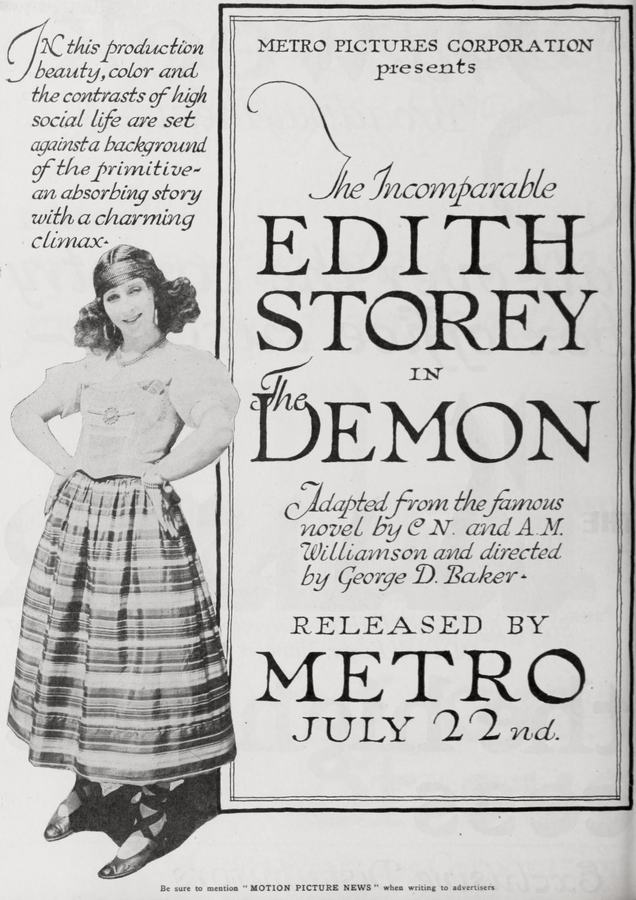
Dir: George D. Baker
Jim Lassells travels to Africa to obtain proof that his cousin Harold Brooks is dead as rumored, and learns that an Algerian sultan killed the rich American. Since it is assumed that Brooks was childless, Jim inherits his cousin's fortune. At a slave market he buys a young girl named Perdita and sends her to a convent in Corsica to be educated. Years later, Jim meets Perdita again while traveling through Corsica with the impecunious Duchess of Westgate and her daughter, Lady Lilah Grey. When the party stops at an inn, Jim discovers that Perdita is not only a Persian princess, but also the long-lost daughter of Brooks, and therefore the rightful heir to Brooks' fortune. Perdita, who has fallen in love with Jim, engages the romantic Count Theodore de Seramo to abduct the duchess and her daughter, and later the count and Lady Lilah become engaged. Jim offers to turn over his wealth to Perdita, but she declares her love for him and they wed.
View Details
Dir: George D. Baker
Overcome with guilt after having an affair with her best friend's husband, Clorinda hopes to escape her past by moving to Europe, where she meets Malcolm, a decent man who falls in love with her. Unable to accept his love, she returns to America and confides her sin to Rev. Bainbridge. Malcolm has followed her, but when she discloses her past, he turns his back. Rev. Bainbridge proposes and before the marriage takes place, Malcolm returns, begging Clorinda's forgiveness. Preferring the worldly man over the minister, Clorinda marries Malcolm and they begin their new life together in France.
View Details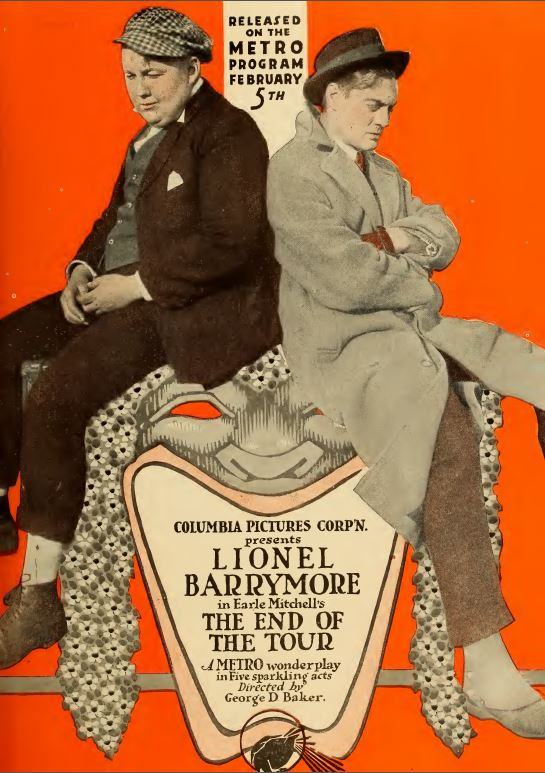
Dir: George D. Baker
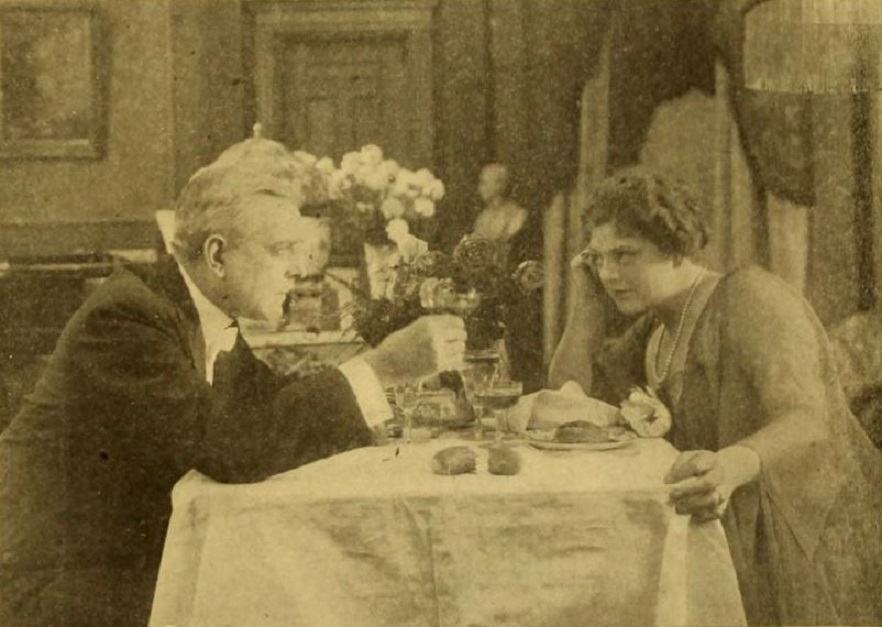
Col. Jessup of Mayville does not waste any affection on his young wife, who finally runs away with a theatrical company, taking her son with her, but leaving her baby daughter. Later, she dies, and the boy, Byron Bennett, known as Buddy, is leading man for a theatrical company playing one-night stands, but this season has been disastrous and the company is about to disband when they receive word that the house is sold out for the performance at Mayville, so they hang on. However, the manager collects the receipts for the performance and takes the first train, leaving the company stranded. Buddy secures a position as Instructor for the Jessup Volunteer Hose Company which is to give an amateur theatrical performance. He persuades Grace Jessup's father to allow her to take the leading part in order to out-do Hose Company No. 1, which also plans a performance. Grace becomes interested in traveling salesman Percy Pennington. He tries to persuade her to elope, but she refuses until he makes a definite promise of marriage. He boasts to Buddy and his friend Skinny and intimates that the promise will not be carried out. Soon after, he starts out riding with Grace. Buddy is suspicious and follows on a bicycle, but is outdistanced. At last, however, he sees the horse tied by the roadside, and hears Grace scream. Rushing to her assistance he overcomes Percy, and carries a wilting Grace home.Col. Jessup, thinking Bud is the culprit, fires at him twice. One bullet lodges in the shoulder; the other is stopped by Buddy's watch in which he carries a picture of his mother. Grace regains consciousness and explains matters, and Jessup is amazed to find that the picture in the watch is that of his wife. The doctor advises that Buddy will recover, and there is a reconciliation among father, son, and daughter.
View Details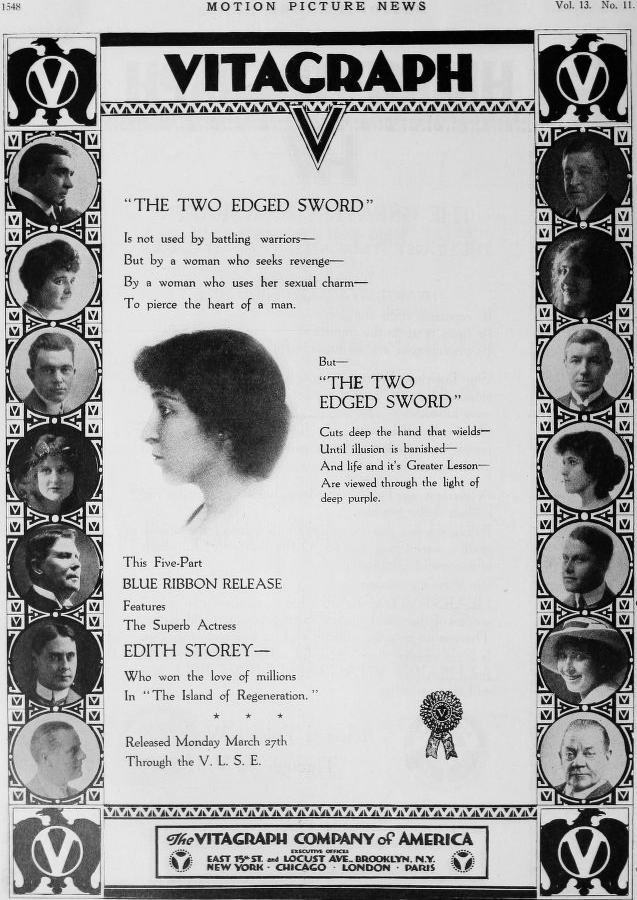
Dir: George D. Baker
Gordon Allen works hard to support his wife Dorothy, but she becomes bored with Gordon and her marriage. She takes a trip with her friend Evelyn to a farm for a vacation, and there meets and flirts with handsome but native farmer Jed. She thinks nothing of it, but Jed takes it very seriously, and his sister Mary tries to break up the relationship. When Gordon pays a surprise visit to the farm to see Dorothy and she greets him warmly and kisses him, Jed realizes that he's been played, and after Gordon beats him in a fight, Jed kills himself. Mary, outraged, vows vengeance on Dorothy.
View Details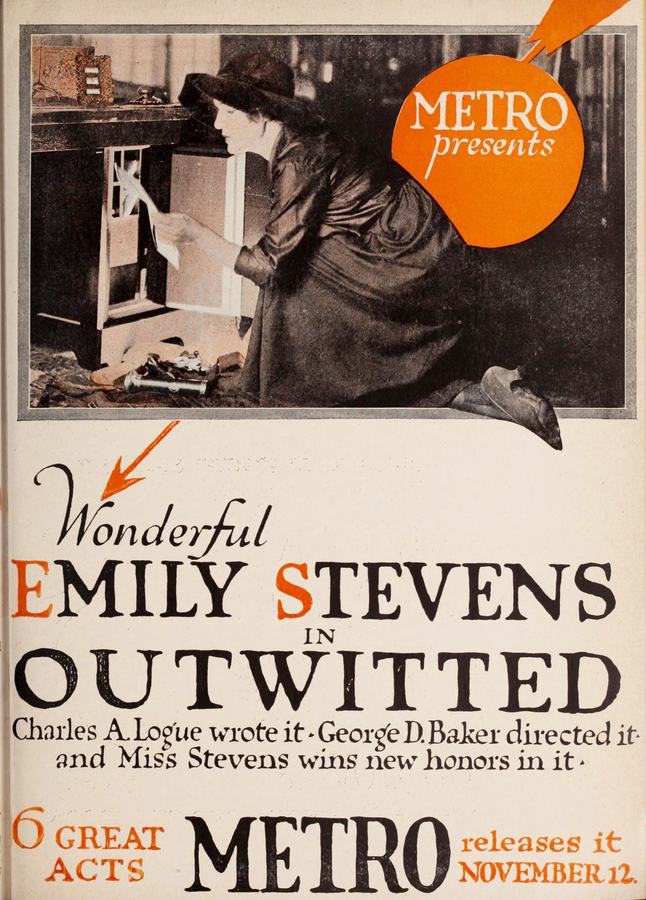
Dir: George D. Baker
To prevent Ben Farraday from exposing the whereabouts of her brother, an escapee from prison, Nan Kennedy agrees to steal important papers from Farraday's enemy, John Lawson. Nan is caught and Lawson agrees to let her go free on the condition that she do his bidding for a year. After arranging a wedding between Nan and Billy Bond, the son of a man whom he blames for stealing his wife, Lawson shocks everyone during the wedding reception by announcing that Nan is a thief. Billy runs away and turns to drink and Nan's only thought is to seek vengeance against Lawson. Knowing that his one weakness is his belief in spiritualism, Nan poses as a medium and advises him to sell certain stocks. The next day, Lawson finds himself ruined. Meanwhile, Billy vows to kill Lawson, leaving a note to inform his father of the deed. Discovering the note, the elder Bond rushes to Lawson's house and announces that Billy is actually Lawson's son. Overcome, Billy's nerves break and he cries for Nan. Lawson, repentant, finds her and a happy reunion takes place.
View DetailsAnalysis relative to Toys of Fate
| Film Title | Atmosphere | Complexity | Similarity |
|---|---|---|---|
| Sowers and Reapers | Gothic | High | 92% Match |
| The Shop Girl | Gritty | High | 85% Match |
| A Regiment of Two | Gritty | Linear | 92% Match |
| The Tarantula | Gothic | High | 96% Match |
| The White Raven | Ethereal | High | 88% Match |
This guide was algorithmically generated using the cinematic metadata of George D. Baker's archive. Last updated: 6/20/2026.
Back to Toys of Fate Details →