
DbcultAccessing Vault...
Recommendations
Senior Film Conservator
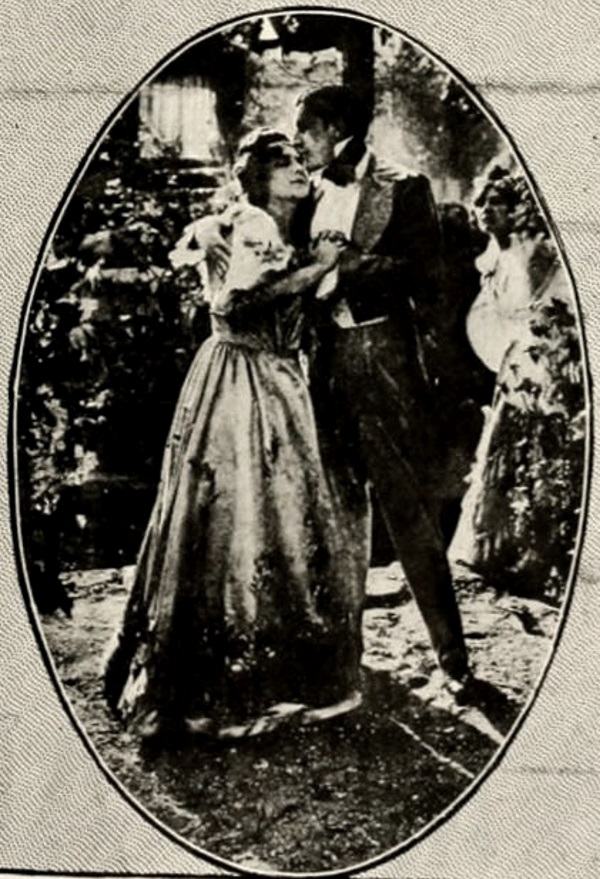
After experiencing the unique vision of Trompe-la-Mort (1914), you are likely searching for more films that share its specific artistic vision. Unlock a new level of cinematic understanding with these cult alternatives.
This 1914 cult classic stands as a testament to push the boundaries of conventional storytelling.
Jacques Collin, a convict at the penitentiary of La Rochelle, known to his associates as the King, succeeds, despite a strict watch, to escape. A boat, manned by his accomplices and hidden among the rocks, carried him to safety. Changing his costume and assuming the name of Vautrin, he puts up at a boarding house, inveigles himself into the good graces of the inmates and seeks among them creatures who are likely to help him. In one of his visits to a strange café he is recognized by a noted detective, one Corentin, who, going up to him, grasps his shoulder and bluntly shouts, "Good day, Jacques Collin." The latter, on his guard, does not move a muscle. Corentin leaves furious, but not convinced. He keeps on his trail and, through an indiscretion, Collin is thrown into his hands and as he is arrested, shouts, "In six months I shall be free, then beware." He is as good as his word, and escaping, assumes the name of Councillor Don Carlos Heriera and is once more in the whirl. One day he follows the handsome Lucien De Rubenpre, who, tired of life, contemplates suicide. Collin, arriving on the spot, fascinates him, makes a tool of him, and fills his head with a dream of the conquest of Paris. He and Esther, another tool in the hands of Collin, are thrown into one another's society constantly, and Esther falls in love with Lucien. Collin gets angry. Esther is not rich; she must have money. The banker, Baron De Nucingin, can give that to her. Collin arranges to have her seen in the box of a theater and the banker immediately falls into the trap. Corentin has not abandoned his quarry, but is still hot on his trail. Esther is now in the swim. Nucingin has presented her with a regal mansion, which she has accepted through sheer fear of the Master Criminal, who holds her in his power just as he holds Lucien. Maddened by grief, she seeks solace in death. Collin has been advised by his aunt, who is Esther's housekeeper, to come to her at once. On the way she is accosted by Corentin brandishing a warrant. As he approaches to serve it, Collin upsets him by a blow in the stomach and again makes his escape. Rushing into the house, he seeks refuge on the roof, the detectives in close pursuit. A struggle takes place, and Collin, who is as strong as an ox, takes hold of the detective and hurls him into the street below. Lucien in the meantime is arrested and as justice always triumphs, so Collin eventually is incarcerated. Lucien, fearing the penalty of his crime, ends his life, and when Collin is informed of the fact, he is thunder-struck and falls to the ground limp and powerless. The Master Criminal is brought before the magistrate, having in his possession valuable and incriminating letters against three of the first families of France and offers a compromise that he go free and be appointed Chief of Police, in exchange for the letters which he holds. The compromise is effected and Collin, turning over a new leaf, becomes Master Criminal Hunter instead of Master Criminal.
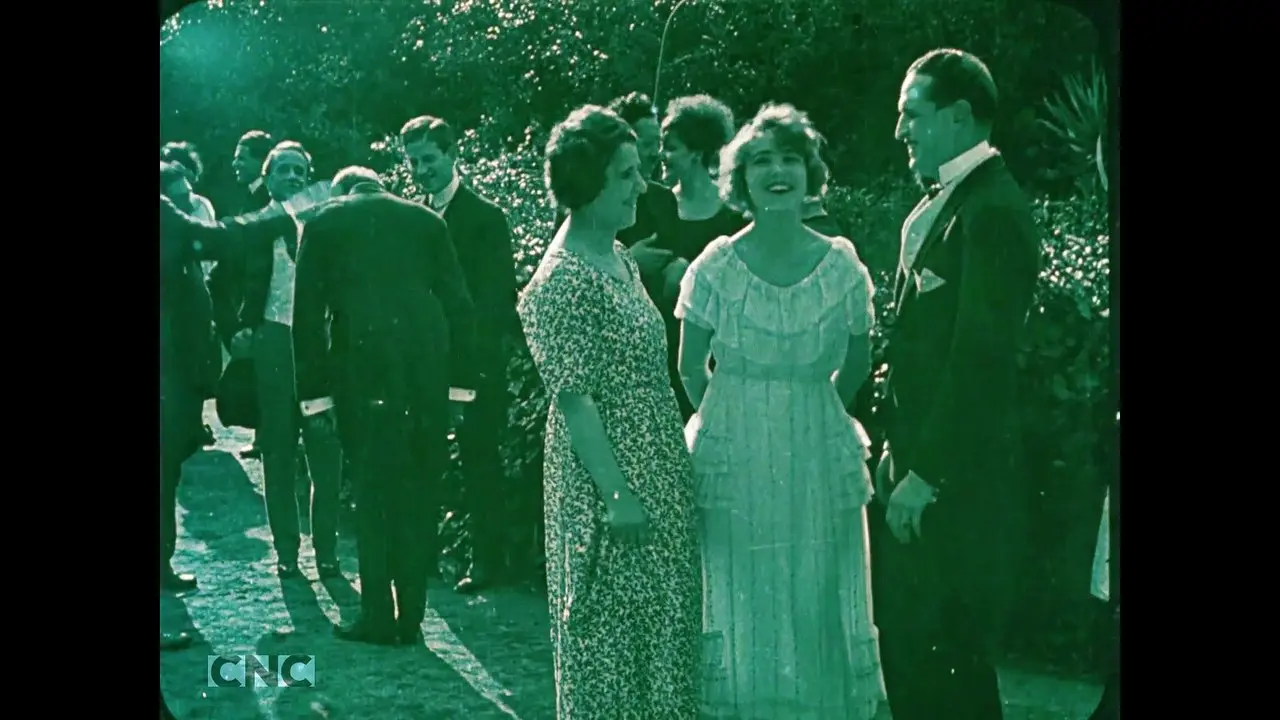
The influence of Charles Krauss in Trompe-la-Mort can be felt in the way modern cult films handle unique vision. From the specific lighting choices to the pacing, this 1914 release set a high bar for atmospheric immersion.
Based on the unique unique vision of Trompe-la-Mort, our vault has identified these titles as the most compelling follow-up experiences for fans of cult cinema:
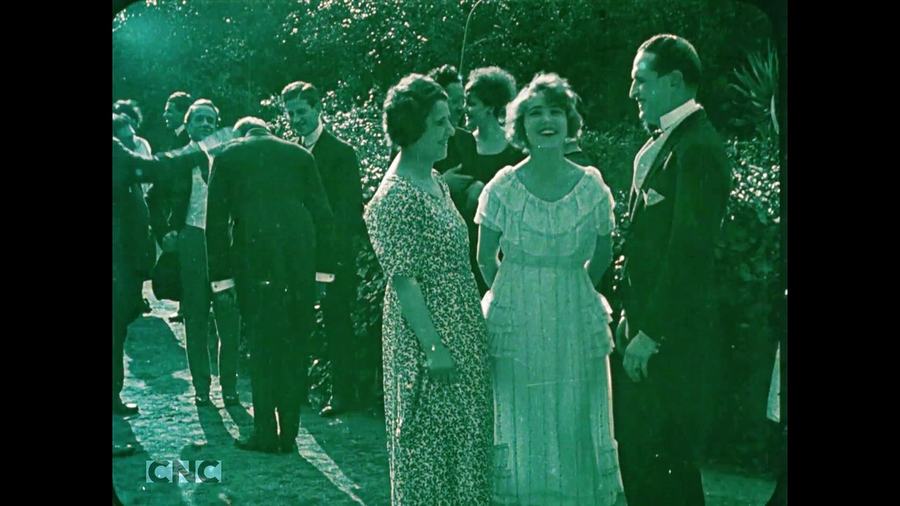
Dir: Charles Krauss
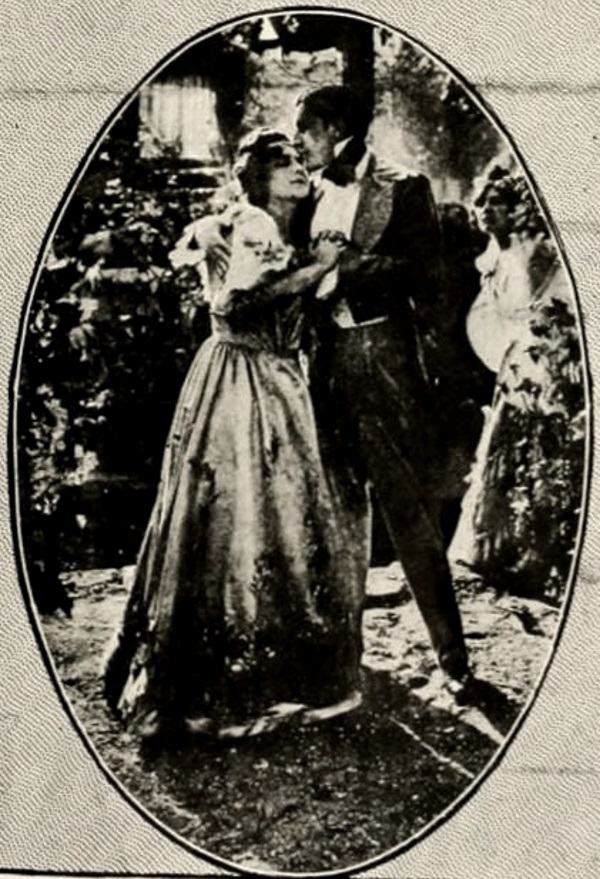
A fascinating piece of cinema that shares thematic elements.
View DetailsAnalysis relative to Trompe-la-Mort
| Film Title | Atmosphere | Complexity | Similarity |
|---|---|---|---|
| Bolla di sapone | Gothic | Abstract | 93% Match |
This guide was algorithmically generated using the cinematic metadata of Charles Krauss's archive. Last updated: 8/16/2026.
Back to Trompe-la-Mort Details →