
DbcultAccessing Vault...
Recommendations
Senior Film Conservator
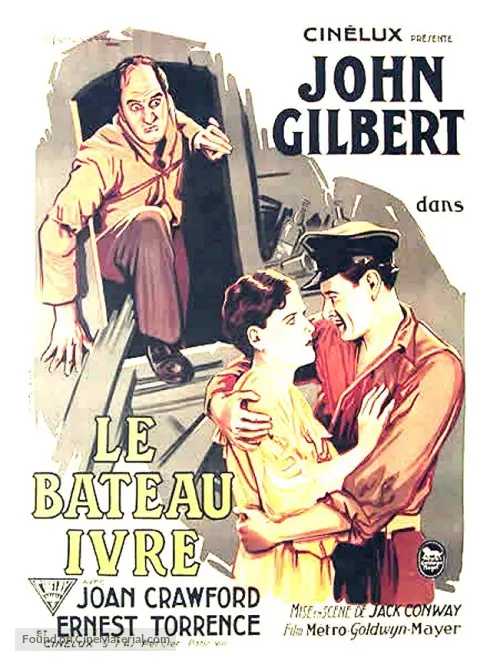
If you found yourself captivated by the character-driven intensity of Twelve Miles Out (1927), the quest for comparable cinema becomes a journey through the fringes of film history. Below, we've gathered a list of films that every fan of Jack Conway's work should explore.
Twelve Miles Out remains a monumental achievement to create a hauntingly beautiful cinematic landscape.
Jerry always wins in his rivalry with Red over women, gunrunning, and diamond smuggling. While running booze into the U.S. during Prohibition, Jerry seizes Jane's seaside home. When she tries to turn him in, he kidnaps her and her fiance John. Jane, now in love with Jerry, must watch as Jerry and Red shoot it out on board Jerry's boat.
Based on the unique character-driven intensity of Twelve Miles Out, our vault has identified these titles as the most compelling follow-up experiences for fans of Drama cinema:
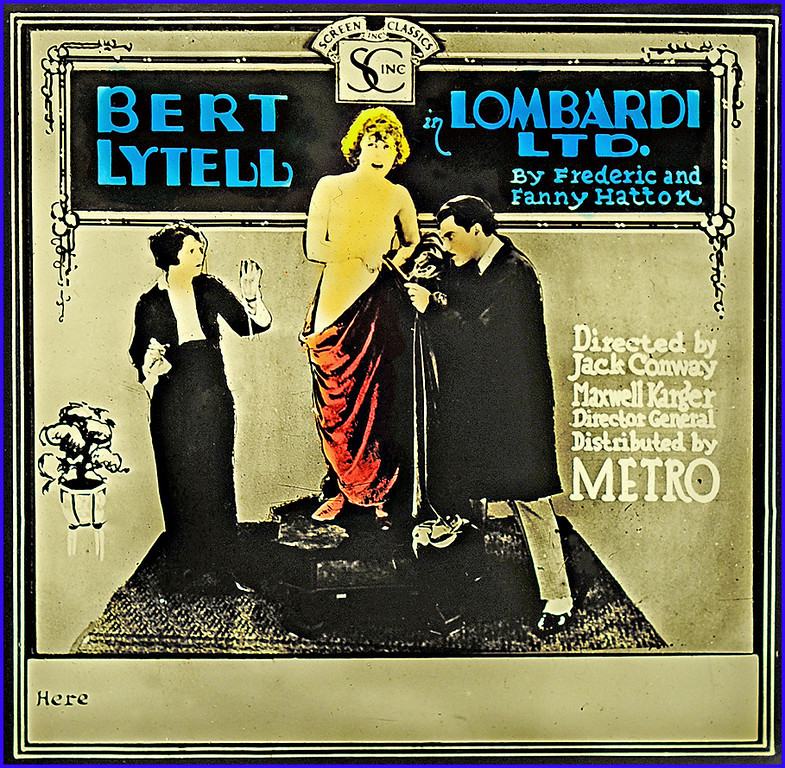
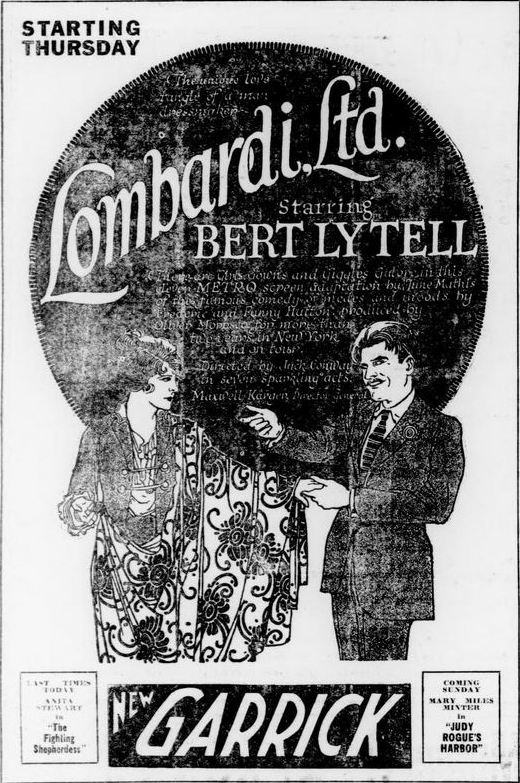
Dir: Jack Conway
Tito Lombardi a Fifth Avenue dress designer, causes his business to suffer by his generous dispensation of credit to clients, one of whom, Max Strohm, the manager of a musical review, has promised payment for his girls' lavish costumes as soon as the show makes money. To the dismay of Norah Blake, Lombardi's faithful assistant, who loves him, Lombardi proposes to Phyllis Manning, one of the showgirls, and presents her with his finest creations, while not even attempting to kiss her, as she puts off setting a wedding date and also accepts the attentions of wealthy bachelor Bob Tarrant. After Strohm's show fails and Phyllis leaves with Tarrant for California, Lombardi's establishment nears bankruptcy. Daisy, one of Lombardi's models, accepts the proposal from Lombardi's friend, Rickey, a chauffeur. When she discovers he is the son of "Riccardo the vermicelli king" and quite rich, she convinces Rickey to help Lombardi. Under Norah's direction, the business is revitalized. Lombardi finally sees Norah's value, and they marry.
View Details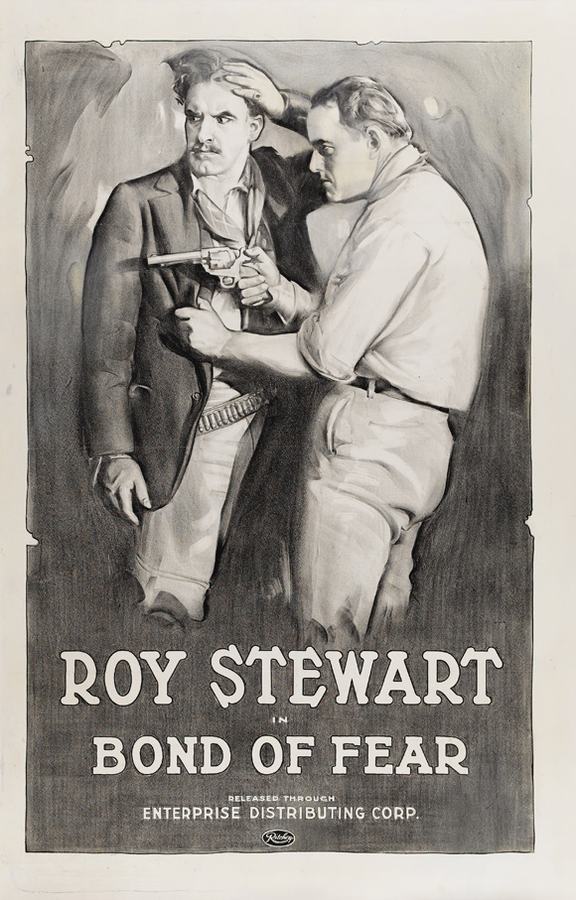
Dir: Jack Conway
Judge of the Circuit Court, Camden McClure is a extremist advocate of law enforcement until he kills his brother during a fight. Fleeing from his crime, the judge hires Cal Nelson as his guide through the Western badlands. While crossing the desert, they meet Mary Jackson, who is lost and exhausted. Mary recovers, but the judge suffers heat stroke and, in his delirium, confesses his crime to Mary. To ease his guilt, Mary admits that she is a murderer, too, and the couple decide to get married. However, when the judge reads that his brother is alive, he once again adheres to the letter of the law and denounces Mary to the authorities. Cal, who has fallen in love with Mary, carries her to the desert to escape the sheriff, and there Mary admits that she fabricated her crime to relieve the judge. The judge then discovers that his brother is actually dead, and follows the fugitives into the desert, but is killed in a sandstorm, thus freeing Mary to wed Cal.

Dir: Jack Conway
Patricia Reynolds, the belle of the summer resort she is visiting with her friend, Amy Powellson, attracts the attention of Arthur Kirby, whom Amy loves. On an evening drive, Arthur tries to kiss Patricia , whereupon she leaps from the car and walks home. While Amy, disguised in Patricia 's clothing, accompanies Arthur to a roadhouse, Patricia , walking near the beach, sees her invalid friend, Jim Wheeler, jump into the ocean intending to kill himself. After rescuing him, Patricia persuades Jim to visit a specialist, but when she later is accused of spending the night with Arthur, she refuses to defend herself in order to conceal Jim's attempted suicide. Hastings Carson tries to save her reputation, but he subsequently attacks her, and she is forced to swim from his yacht to shore. Cured, Jim returns to remove Patricia from this social quagmire by marrying her.
View Details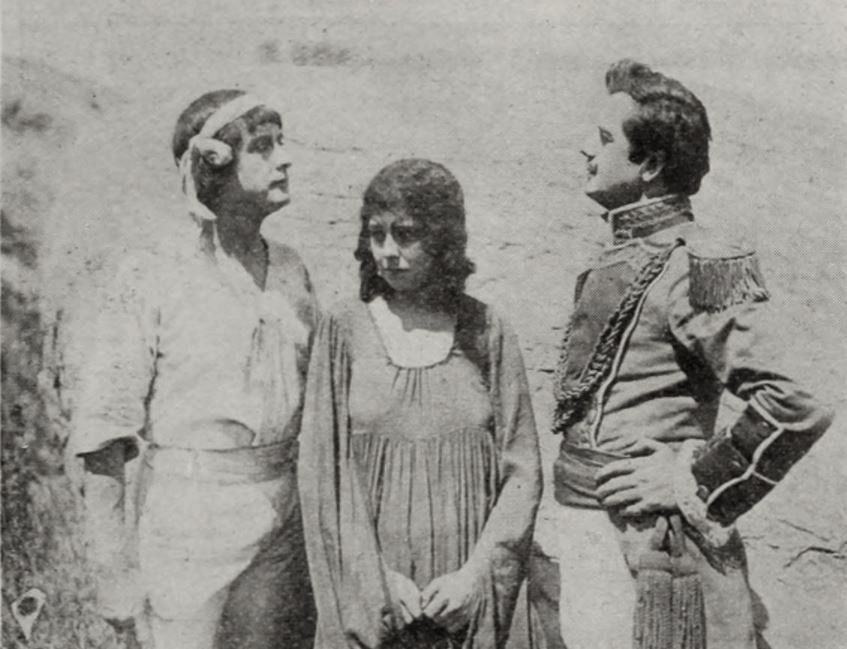
Dir: Jack Conway
In a seventeenth century New Mexico village, after Indians attack and kill everyone except two monks and a baby named Manuel, the neighboring Penitentes, a violent, fanatical Catholic sect, lay claim to all property, including the estate belonging to Manuel's family. Years later, during a regional fiesta, Father David, the local religious leader, notices the striking Manuel, now grown, and questions the Penitentes' chief about his background. Fearing exposure, the chief induces his followers to choose Manuel as their annual sacrificial victim, to be crucified on the upcoming Good Friday. Dolores, Manuel's sweetheart, attempts to sway him from the group, but he insists on participating in the ceremony. At the urging of Father David, Colonel Banca orders his troops to stop the ceremony, and Manuel narrowly escapes crucifixion. Later, the confession of one of the old monks reveals the true identity and heritage of Manuel.
Dir: Jack Conway
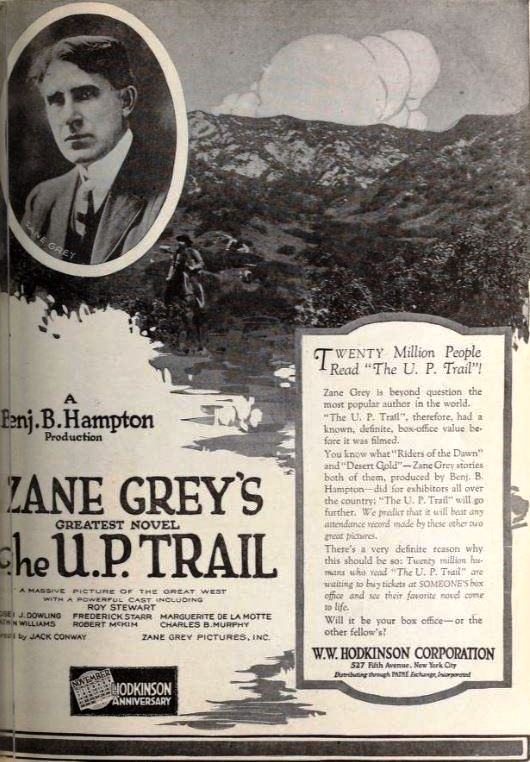
Warren Neale, an expert civil engineer, is working on the first transcontinental railroad when he rescues Allie Lee after her family has been killed by an Indian massacre. Through Warren's care, the girl recovers and their friendship ripens into love. Warren leaves Allie at trapper Slingerland's cabin when he goes to the nearby town of Benton to buy provisions. In his absence, Jose Durade, claiming that Allie is his daughter, goes to the trapper's cabin, kills Slingerland and abducts the girl. Returning to find Allie gone, Neale, half crazed, searches for her until he collapses in exhaustion and is cared for by "Beauty" Stanton, the dance hall mistress who loves the engineer. Beauty learns that Durade is holding Allie at his dance hall, rescues the girl and brings her to Neale. Durade, in revenge, gathers his gang together at Beauty's place where in the ensuing battle, both Durade and Beauty are mortally wounded. In her dying moments, Beauty offers the lovers her blessing and they set out together to finish Neale's work on the U.P. Trail.
View Details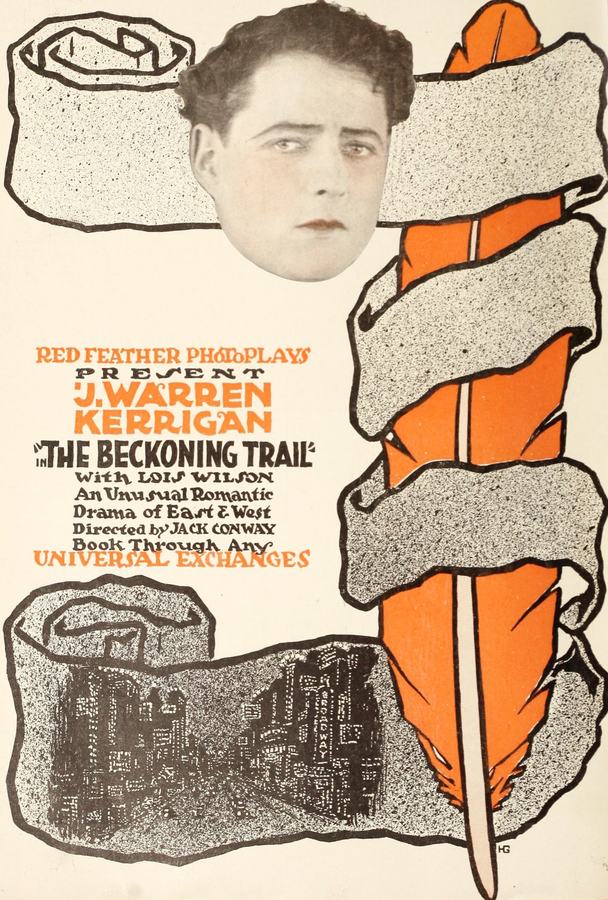
Dir: Jack Conway
New York playboy Carter Richmond inherits the family fortune, but it doesn't take him long to blow it. All that's left is an abandoned mine in California, so he travels west to see if he can get anything for it. He finds that a miner, Big Him Helton, and his pretty young daughter Mary have been "squatters" at the site for years, and a neighboring miner, Placer Murray, has been trying to run them off so he can take it over himself. Mary accidentally shoots Carter, thinking him to be one of Murray's men. As she nurses him back to health, they begin to fall in love. Complications ensue.
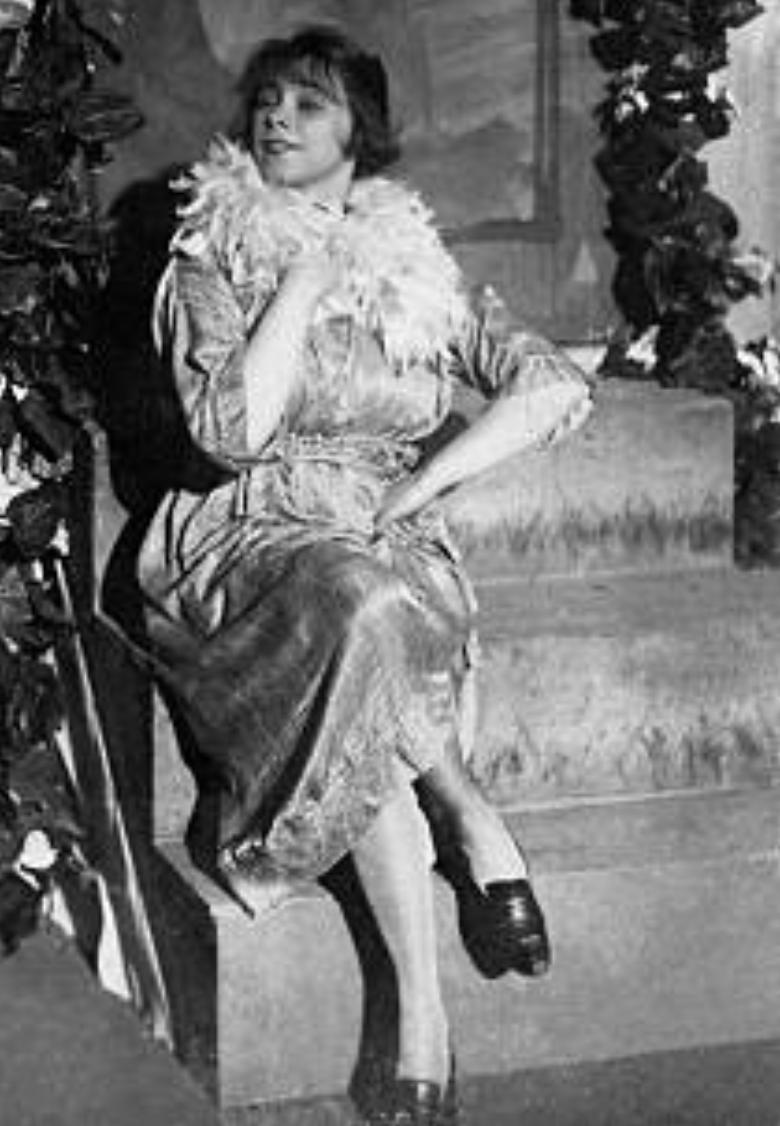
Dir: Bruno Ziener
A fascinating piece of cinema that shares thematic elements.
View Details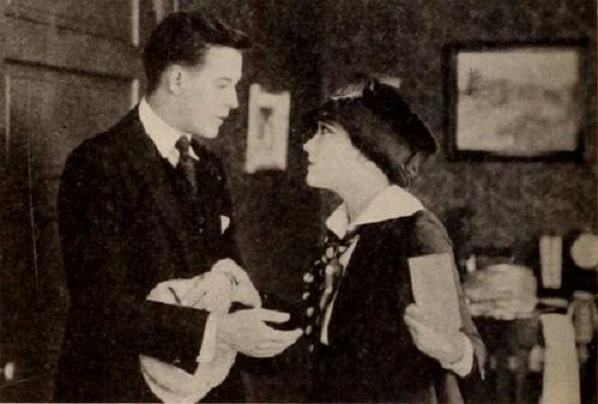
Dir: Jack Conway
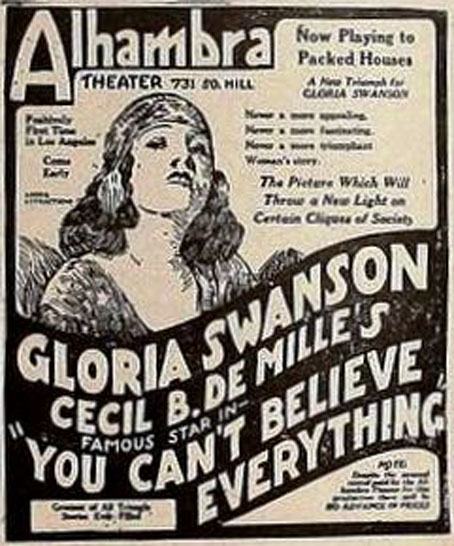
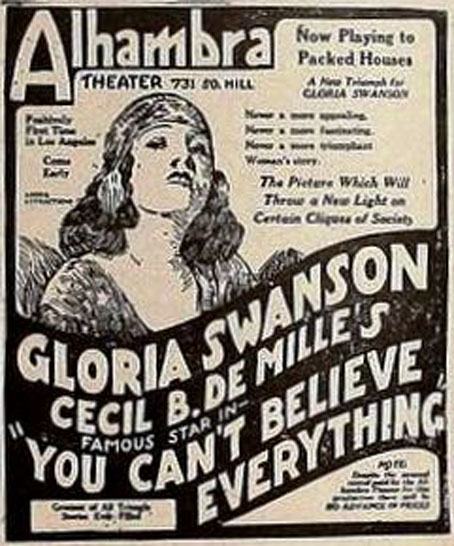
A secretary (Gloria Swanson) uses her boss to get money for her unfortunate sister (Ann Kroman) but eventually falls in love with him.
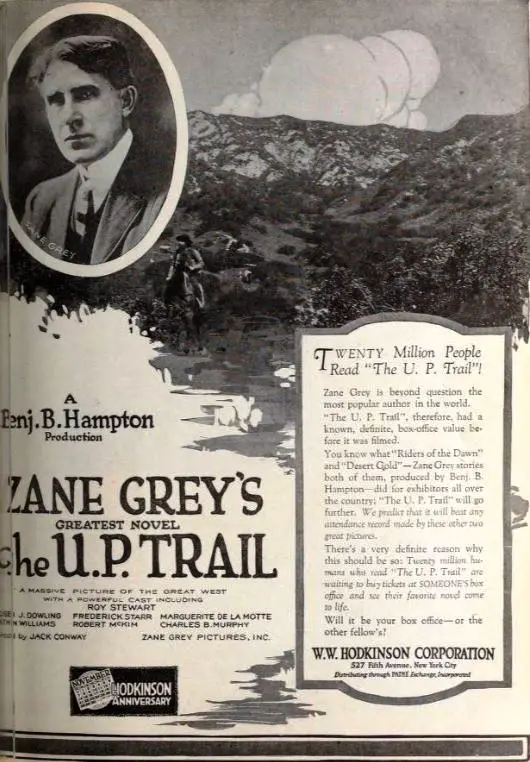
Dir: Jack Conway
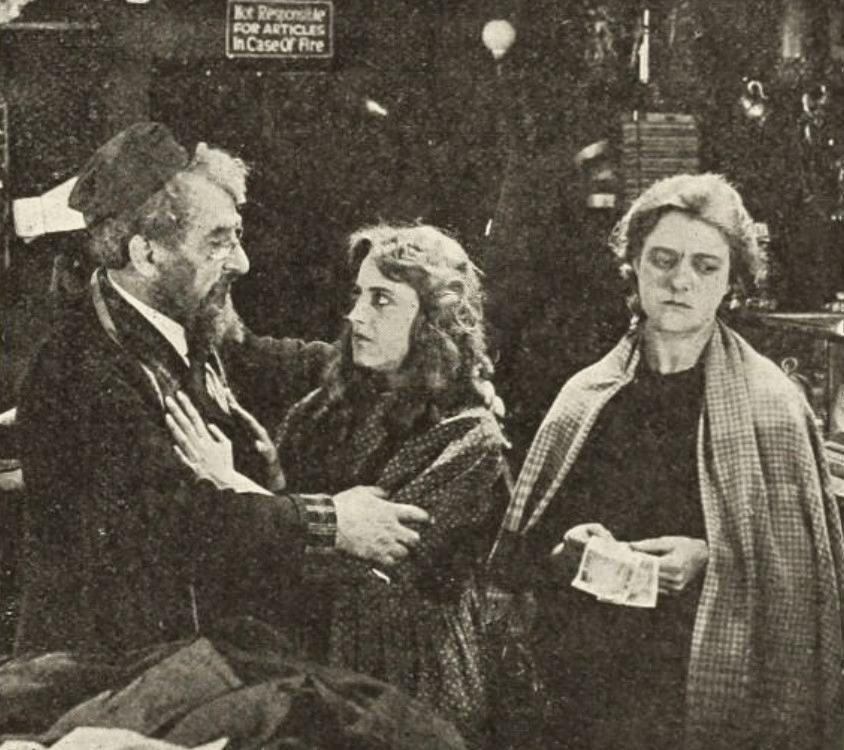
Widow Martin struggles to rear her little daughter Nora amid the squalor of the slums yet imbue her with the refinement to which she had been accustomed in her girlhood. Fearing that she is losing the battle, Mrs. Martin decides to turn to her wealthy father, who had disowned her upon her marriage years earlier. To raise funds for the trip, she pawns Nora to Aaron Levovitch, an aged pawnbroker with a heart of gold under his gruff exterior. Upon reaching her father's house, Mrs. Martin falls ill and dies before she can relate her story, and Nora is raised by the pawnbroker until a reporter prints her human interest story of a "jewel in pawn." The girl's grandfather reads the article and claims Nora, then sends her to a fashionable boarding school. Nora longs for her home in the slums and her sweetheart Jimmy, however, and so returns to marry Jimmy in an elaborate traditional Jewish ceremony at the pawnbroker's home.
View Details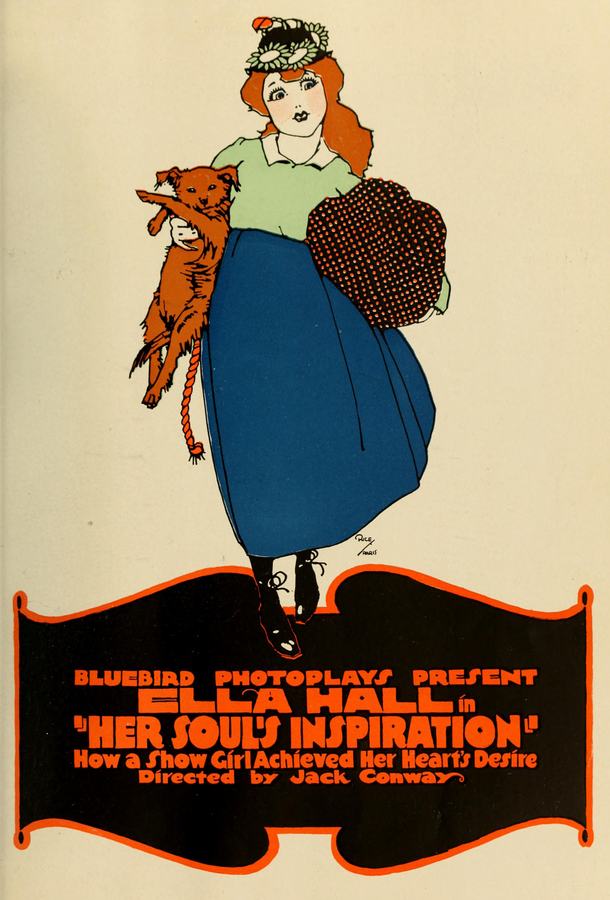
Dir: Jack Conway
Mary seemed to have been born with music in her feet. She danced to school, danced at her work and danced while at play. Her invalid mother, realizing her talents and knowing her ambition to become an expert dancer, made the father promise that Mary should have her heart's desire. When the mother died Mary's father sold the farm and purchased a traveling show to give Mary her chance to be a stage dancer. There was a Madame La Rue in the company, who had a daughter of about Mary's age, and the two girls disagreed, with Mme. La Rue continually inspiring discord. Mary's father is stricken at a time when Mary is on the stage giving her performance, Mme. La Rue has him removed to her own dressing room, and there the old man makes his dying statement to the scheming woman. He tells her where in his trunk he keeps his money; asks that his wealthy brother, in a distant town, be notified of his death, and that Mary be taken to her undo who will provide her from his abundance with a home. Mme. La Rue takes the money from the trunk, wires to Mary's uncle that she is bringing Mary and the body of her father to him, and, deserting Mary, takes her own daughter instead. Mme. La Rue and her child are accordingly, established in luxury. When the authorities disband the juvenile opera company because the owner is dead and there is no one to carry on the show. Mary is taken in charge by a shrewish woman who makes a kitchen slave of the child. Mary bears oppression as long as she can, and then runs away to the town where her father is buried. Near the ocean shore she locates a cottage that offers shelter, even though the owner is not at home. Mary goes to sleep in the bed and awakes next morning to find that a kindly disposed young man, who makes his living fishing with his nets, owns the cottage and straightway offers a home and working partnership. Mary one day meets Phillip, a handsome young author, who is a visitor at the home of Mary's uncle. Mme. La Rue has been trying to ensnare Phillip as a husband for her daughter, Zella, but Phillip is slow to advance. Mary and Phillip meet frequently on the beach, and Bob grows jealous of his rival. One day Mme. La Rue and Zella recognize Mary as she is conversing with Phillip, they also observe Bob's jealous conduct. Going to Bob they tell him that Phillip is engaged to Zella and is only trifling with Mary. Bob in a rage assaults Phillip, and believes that the blow be strikes has killed the young author. Informing Mary of what he has done, the two friends agree that they had better leave the neighborhood and go at once to a distant town. In the years that follow Bob devotes himself to the task of realizing, for Mary, her ambition to become a great dancer. At a society function where Mary is the attraction, Phillip (who has only been stunned by Bob's blow) sees the girl and recognizes his little friend from the fishing village. The renewal of acquaintance discloses Mary's parentage, and the locket she wears proves that she should be occupying the place in her uncle's home that Mme. La Rue had, by fraud, established for Zella. The outcome gives Mary her proper place and we are left to believe that she and Phillip will find their way to happiness.
View DetailsAnalysis relative to Twelve Miles Out
| Film Title | Atmosphere | Complexity | Similarity |
|---|---|---|---|
| Lombardi, Ltd. | Tense | Layered | 95% Match |
| Bond of Fear | Gritty | Dense | 86% Match |
| You Can't Believe Everything | Surreal | Abstract | 95% Match |
| The Penitentes | Surreal | Abstract | 89% Match |
| The U.P. Trail | Tense | Layered | 92% Match |
This guide was algorithmically generated using the cinematic metadata of Jack Conway's archive. Last updated: 8/16/2026.
Back to Twelve Miles Out Details →