
DbcultAccessing Vault...
Recommendations
Senior Film Conservator
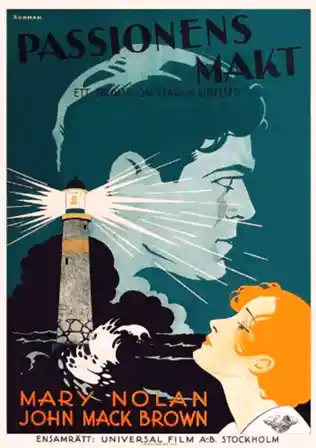
The cinematic DNA of Undertow (1930) is truly one of a kind, the search for similar titles reveals the deep impact of Harry A. Pollard's direction. Our cinematic experts have identified several titles that reflect the spirit of 1930.
As a pivotal work in United States cinema, Undertow to capture the existential zeitgeist of 1930.
Coast Guardsman has affair with lighthouse keeper's wife.
The influence of Harry A. Pollard in Undertow can be felt in the way modern Romance films handle character-driven intensity. From the specific lighting choices to the pacing, this 1930 release set a high bar for atmospheric immersion.
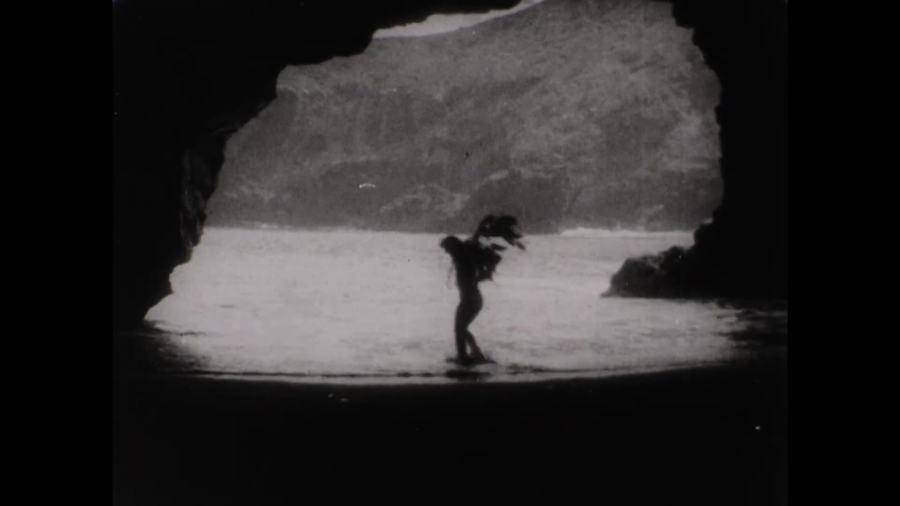
Based on the unique character-driven intensity of Undertow, our vault has identified these titles as the most compelling follow-up experiences for fans of Romance cinema:
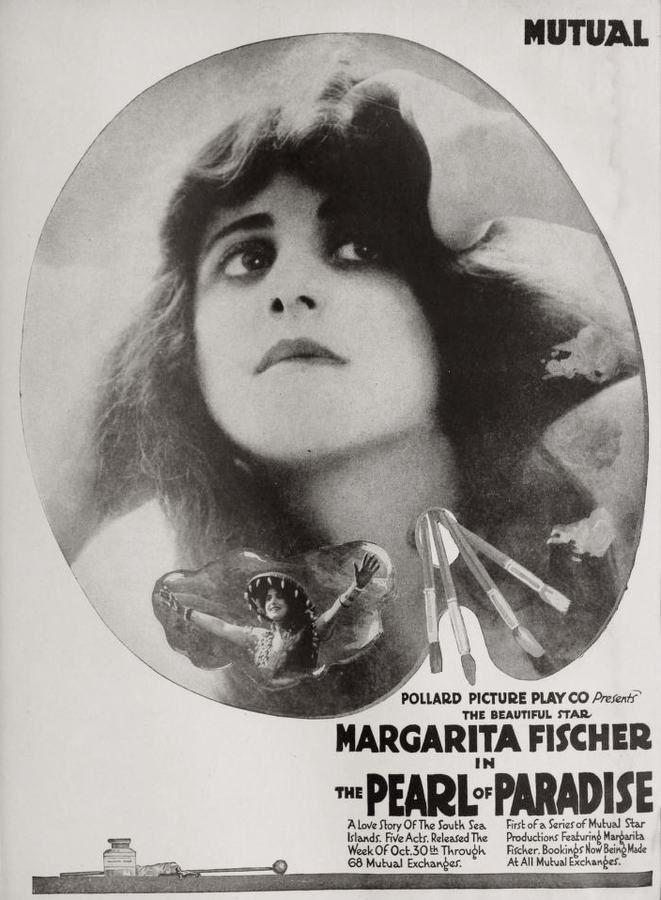
Dir: Harry A. Pollard
Yulita is known to the inhabitants of one of the South Sea islands as "The Peart of Paradise." Her father, Gomez, a Spanish fugitive from justice, has reared her in ignorance of the evils of the outside world. Piete Van Dekken, the captain of a Dutch schooner and the only other white man the girl has even seen, is infatuated with her. John Dellow and his fiancée on a yachting cruise are forced to jump from the yacht and the next morning Dellow is found on the beach by Yulita. Gomez orders John shot, but Yulita saves his life and Gomez tells Dellow of how years before he married an American girl after accidentally killing her husband and another man. They fled to the island and there the mother died shortly after Yulita was born. Later John realizes his love for the girl but also remembers that she is a child. Van Dekken comes to the island and engages in a fight over Yulita. Denise, Dellow's fiancée, is also saved and found by John, who takes her with him and leaves Yulita alone on the island. He then sees Yulita start out in a boat after them and plunge into the sea. Dellow awakens from his dream in time to save Yulita from Van Dekken and the next day sails for home with his "Pearl of Paradise."
View Details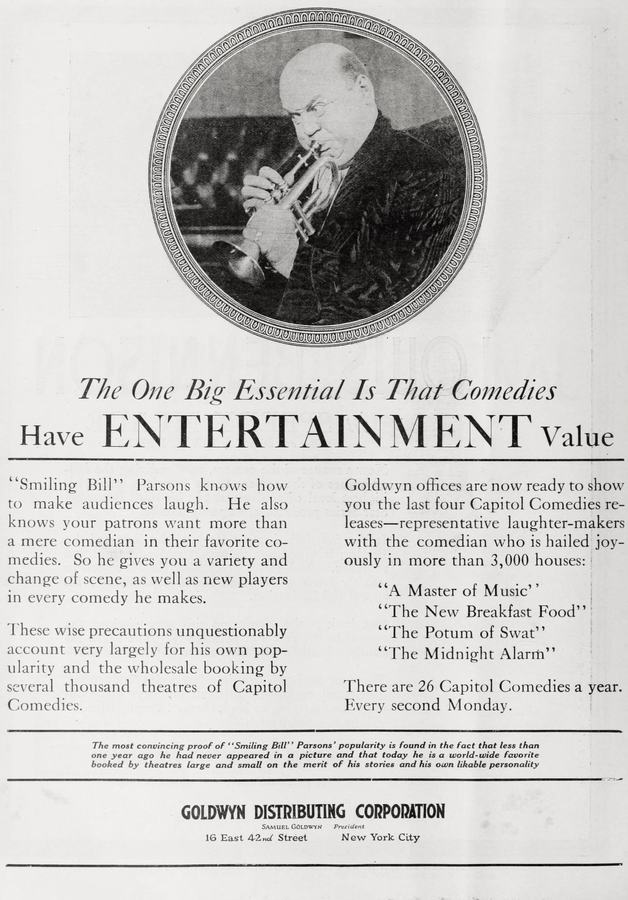
Dir: Harry A. Pollard
A fascinating piece of cinema that shares thematic elements.
View Details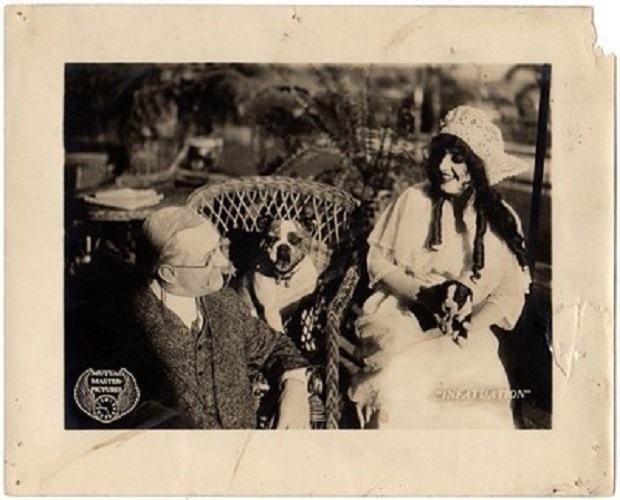
Dir: Harry A. Pollard
Motherless Phyllis Ladd runs the household of her father John, a railroad president, who loves her but dreads the day that she will marry and leave. To make her social debut, Phyllis leaves her hometown of Carthage and accepts the invitation of Mrs. Fenshaw, a Washington social matron, to live with her. Phyllis soon tires of the stuffy life and boring suitors and returns. At a matinee road-show performance, Phyllis becomes infatuated with actor Cyril Adair. When she invites him for tea, the vain actor accepts, hoping to seduce her. After more meetings, Cyril's discarded lover informs Ladd, who demands that the romance cease. Phyllis elopes with Cyril, who, touched by her devotion, marries her. Although their life is plagued by Cyril's alcoholism, firings and inability to get new roles because Ladd influences theater managers to reject him, Phyllis patiently tries to bring out the best in her husband. When Phyllis and Cyril refuse Ladd's bribes to end the marriage, Ladd relents, backs a show in which Cyril is to star and is reconciled with the couple.
View Details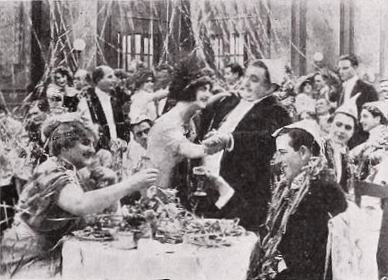
Dir: Harry A. Pollard
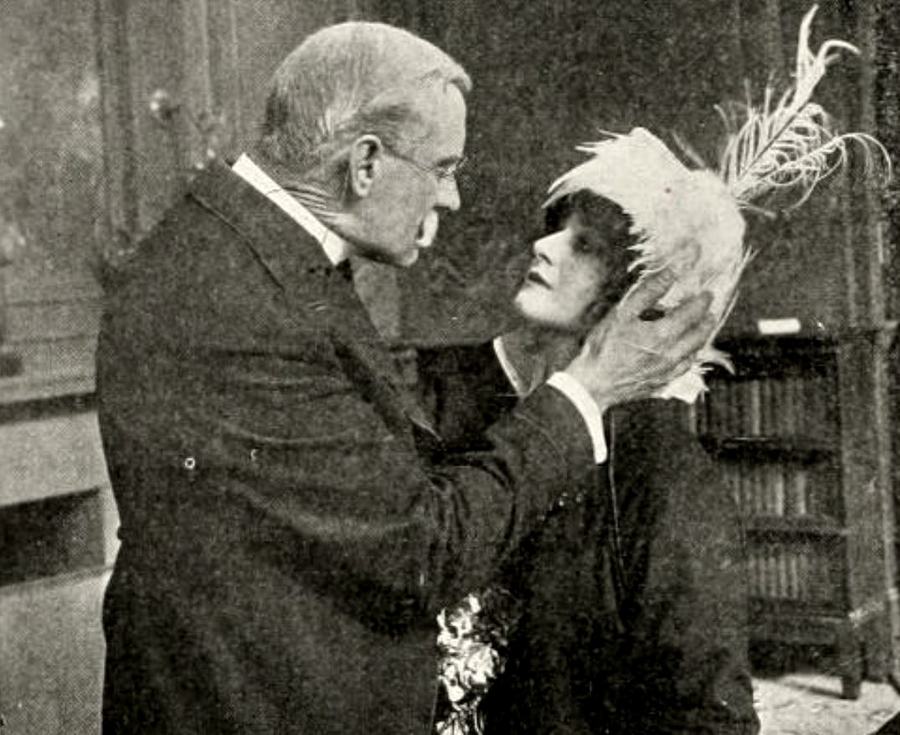
When a young bride, newly entered into society, discovers she is pregnant, she consults an old friend on the most effective means of abortion. The friend gives her a potent drug, and that night the woman locks herself in her room, presses the potion bottle to her lips, falls across her bed and begins to dream. In her dream, her husband finds out about her abortion and demands a divorce. Years pass and the woman, now decrepit and alone, is visited by the ghost of her "Child-That-Might-Have-Been." The ghost takes her on a spiritual journey where she sees her husband, who is remarried and happy with his own family, hundreds of smiling babies wrapped in flowers in Babyland, and finally her own death and damnation. At her demise, she wakes from her nightmare, joyful to find the drug untouched, and rushes to tell her husband about her impending motherhood.
View Details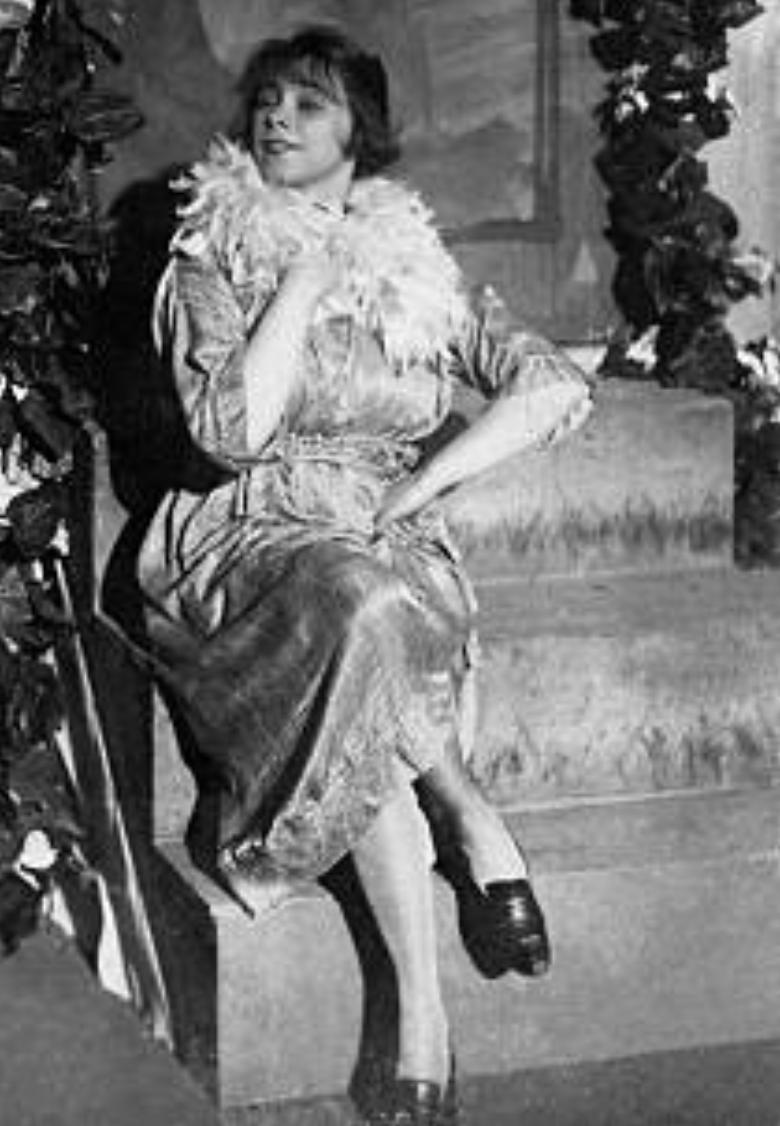
Dir: Bruno Ziener
A fascinating piece of cinema that shares thematic elements.
View Details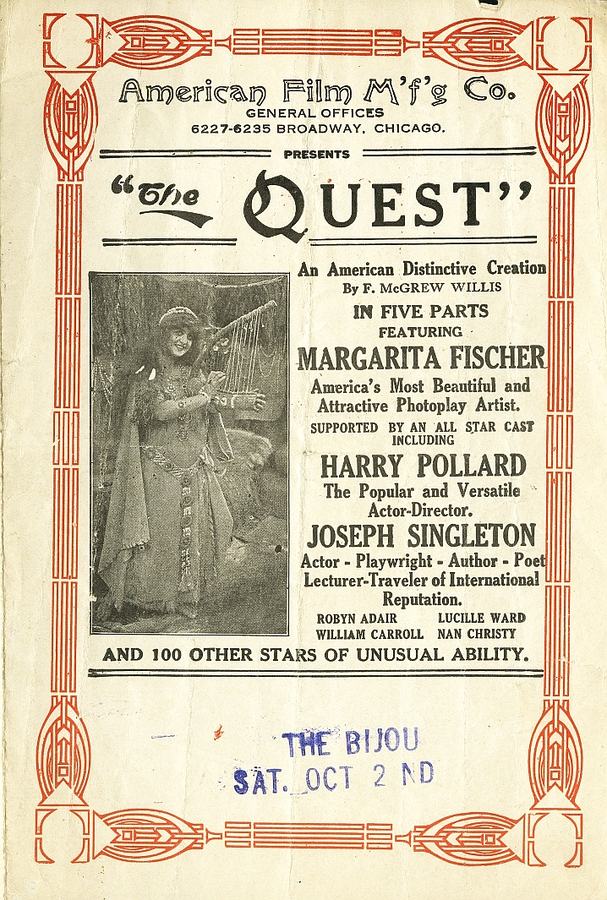
Dir: Harry A. Pollard
John Douglas, a high-society playboy, is a cynic concerning the women of his social set, and has a pictured ideal of the girl of his dreams. Wising to avoid the upcoming social season, he hops a freighter bound for the Orient. It sinks in mid-ocean and he, as the sole survivor, is washed upon a island, where he is rescued by Nia, daughter of the tribal chief, Neto.John is puzzled as all of the tribe are white people, but he learns from the tribal chief they are descendent's of English-origin who also are on the island because of a ship wreck a few hundred years ago. John soon arouses the jealousy of Kaura, the tribal sub-chief who wants Nia as his bride, but Nia wants nothing to do with Nia, and favors John. Kaura demand that Nia become his bride, but John Rescues her and they head for the jungle, with Kaura and his henchmen in hot pursuit. The pursuit only lasts until a storm comes up and Kuara is killed by a bolt of lightning, and his followers take that as a sign the Gods aren't in favor of the pursuit. John and Nia take up residence in the Tribal Priest's jungle cave, after the Tribal Chief performs a marriage ceremony. They are quite happy and content, especially Nia who likes to play the harp John made for her. But a yacht appears on the horizon, and John struggles with a decision as to light a signal fire and be taken back to civilization.
View Details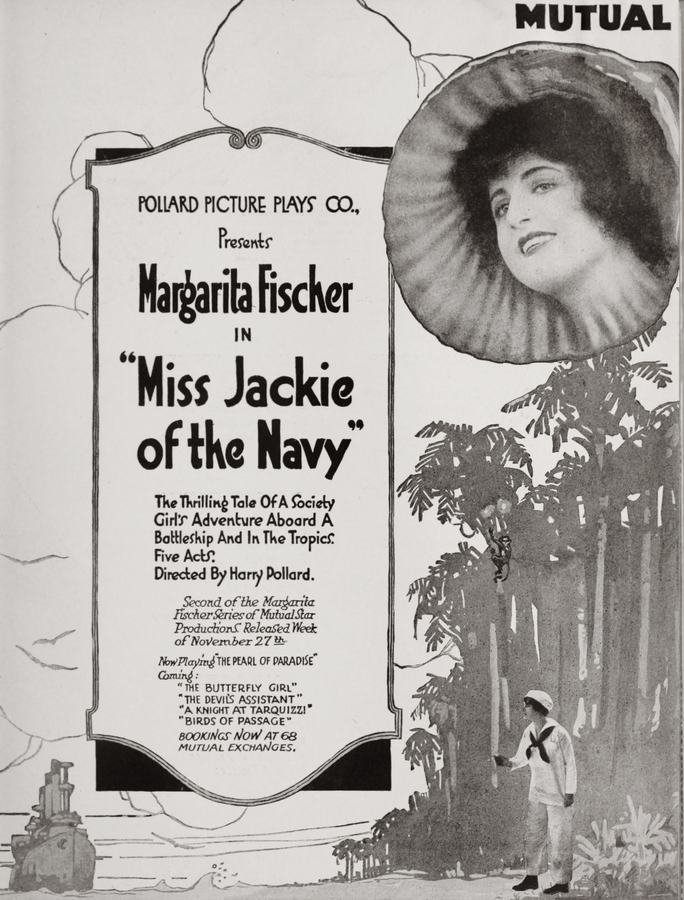
Dir: Harry A. Pollard
Miss Jackie Holbrook is the daughter of wealthy Californians. She is noted for her frolicsome nature, and is the favored of all but Captain Robert Crowne, U.S.A., whose ship is anchored off Coronado awaiting further orders. Jackie decides to make Crowne fall in love with her, and her opportunity comes when she hears of a new sailor going to ship with Crowne to the Isle of Vergania, to quell a native uprising. The girl dons sailor clothes and sails with the ship. She is the butt of Big Bill Blount's jokes and jeers because of her effeminacy, and causes the others on board much laughter. When they arrive at Vergania she is one of those chosen to go into the interior and is the one that saves Crowne's life. Her identity is discovered to the delight of the sailors, and Crowne asks her to marry him immediately.
View Details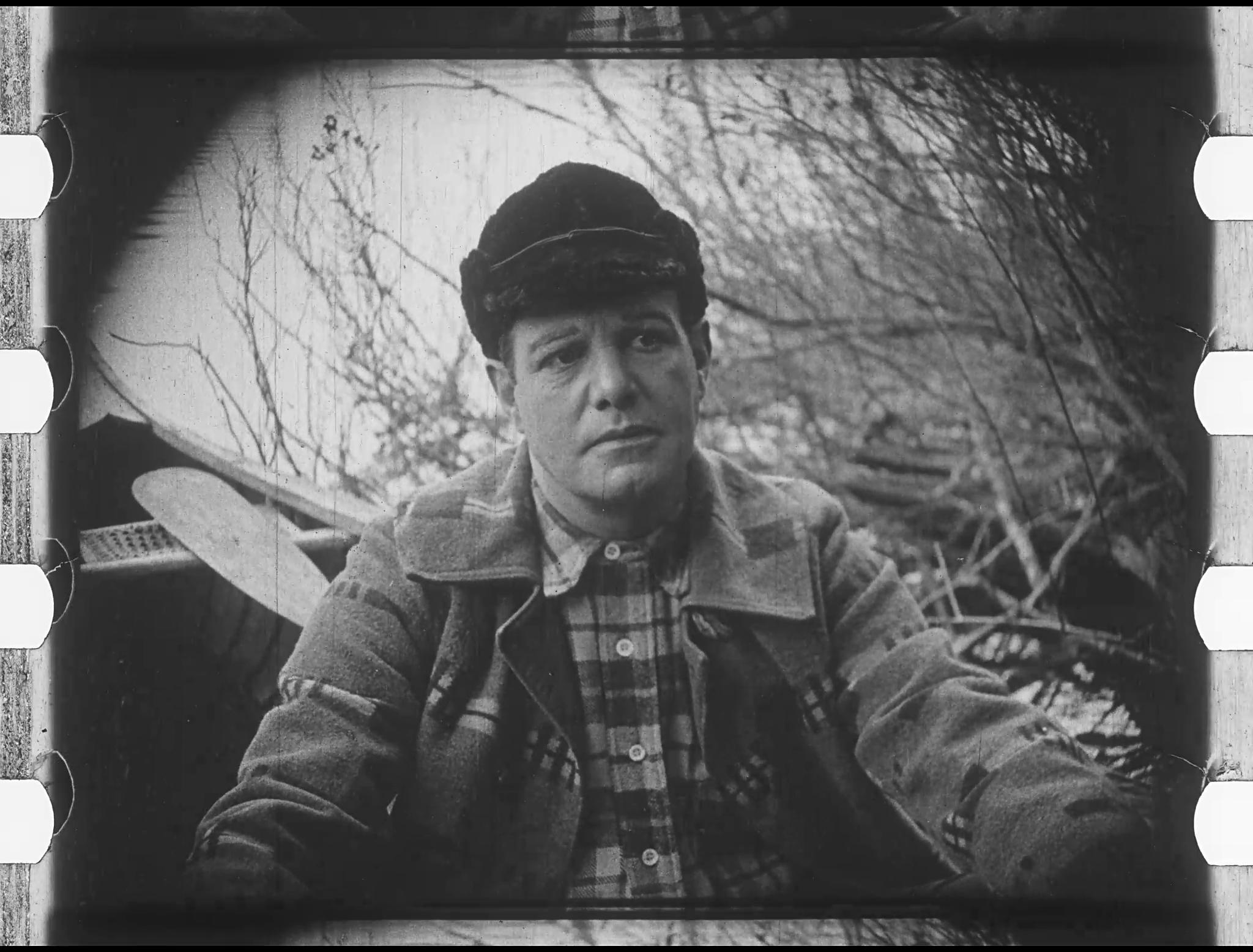
Dir: Edgar Jones
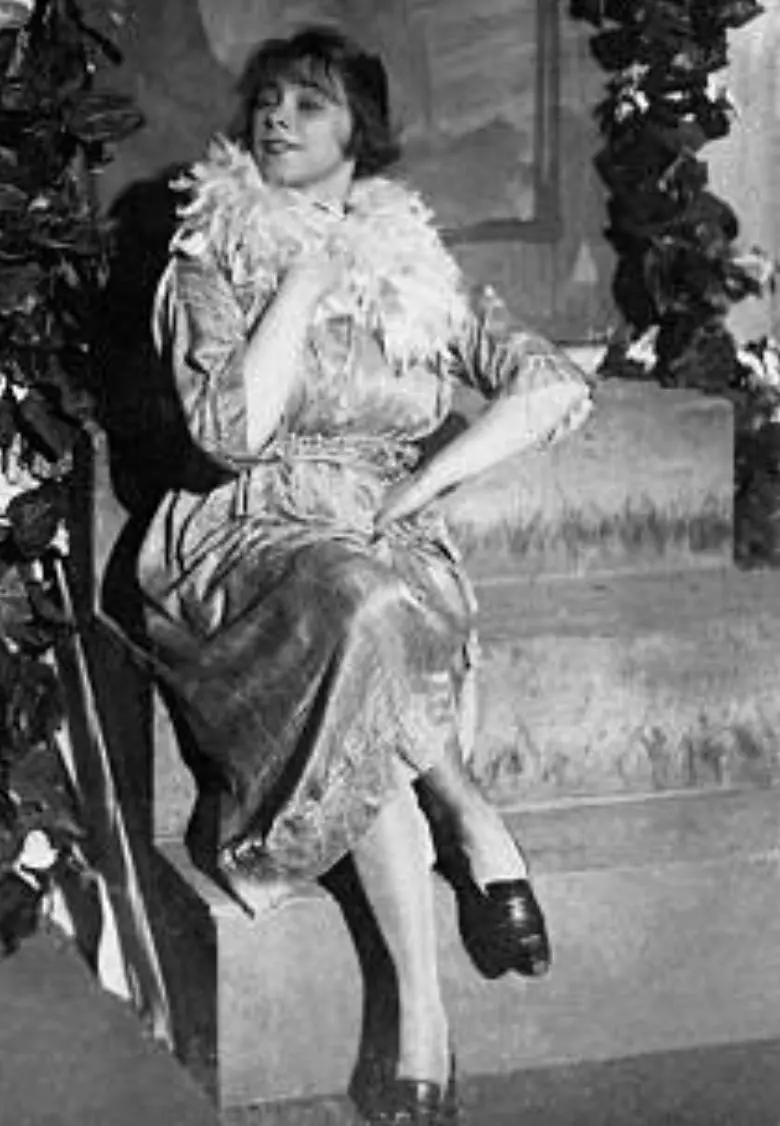
A mail-order bride arrives at a Maine lumber camp but doesn't like her prospective husband.
View Details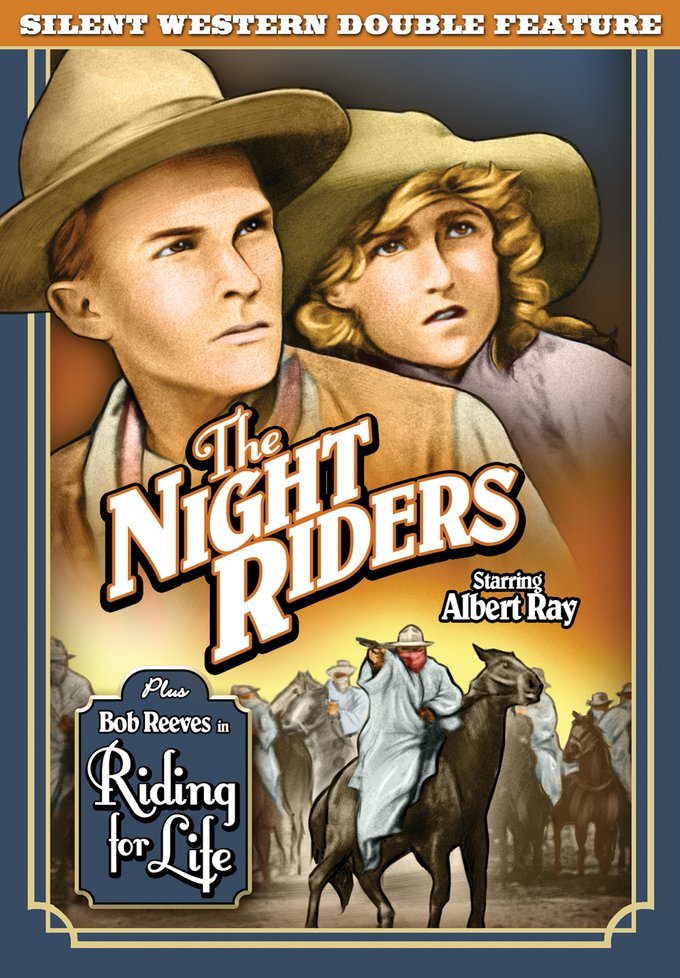
Dir: Alexander Butler
In Alberta, Canada, a Cornish emigrant unmasks a rustler posing as the girl's "blind" father.
View Details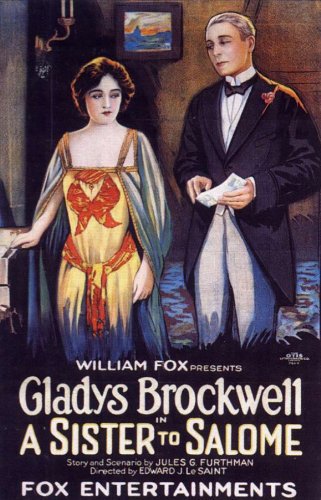
Dir: Edward LeSaint
When famous opera singer Elinore Duane undergoes an operation on her throat, she has a series of ether-induced visions. In one, she is transported to ancient Rome where she appears as a much-admired woman in love with Paul, a young heretic, and at odds with Lutor, the high priest. To save her love, she poisons Lutor with her ring. After several other visions which involve variations on this love triangle, Elinore awakens to discover that Lutor is actually her doctor, Sascha Jaccard, and that Paul is the son of a friend who has come to visit the recovering prima donna.
View DetailsAnalysis relative to Undertow
| Film Title | Atmosphere | Complexity | Similarity |
|---|---|---|---|
| The Pearl of Paradise | Gothic | Dense | 90% Match |
| The Midnight Alarm | Surreal | High | 90% Match |
| Infatuation | Surreal | Dense | 96% Match |
| The Miracle of Life | Ethereal | Dense | 86% Match |
| Eva, wo bist du? | Gothic | Dense | 86% Match |
This guide was algorithmically generated using the cinematic metadata of Harry A. Pollard's archive. Last updated: 8/16/2026.
Back to Undertow Details →