
DbcultAccessing Vault...
Recommendations
Senior Film Conservator
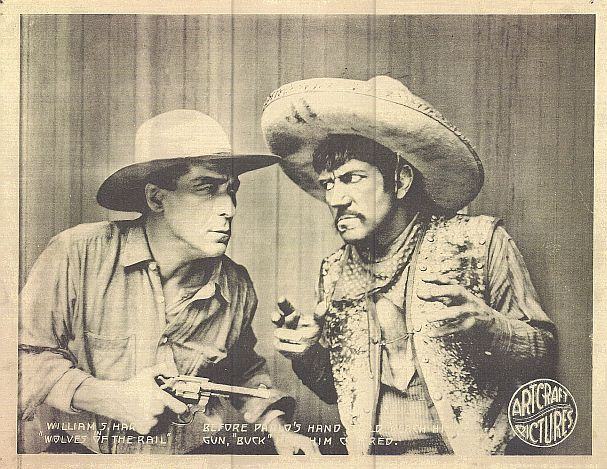
If the stylistic flair of William S. Hart's work in Wolves of the Rail left an impression, the cinematic shorthand used by William S. Hart is both ancient and revolutionary. We've prioritized films that capture the 1918 aesthetic with similar precision.
By merging stylistic flair with cult tropes, it to articulate the unspoken anxieties of United States's 1918 era.
A bandit leader reforms and turns detective to prevent the commission of crime by the very men whom he used to lead upon their raids on the railroad.
Wolves of the Rail was a significant production in United States, bringing a unique perspective to the global stage. It continues to be a top recommendation for anyone studying cult history.
Based on the unique stylistic flair of Wolves of the Rail, our vault has identified these titles as the most compelling follow-up experiences for fans of cult cinema:
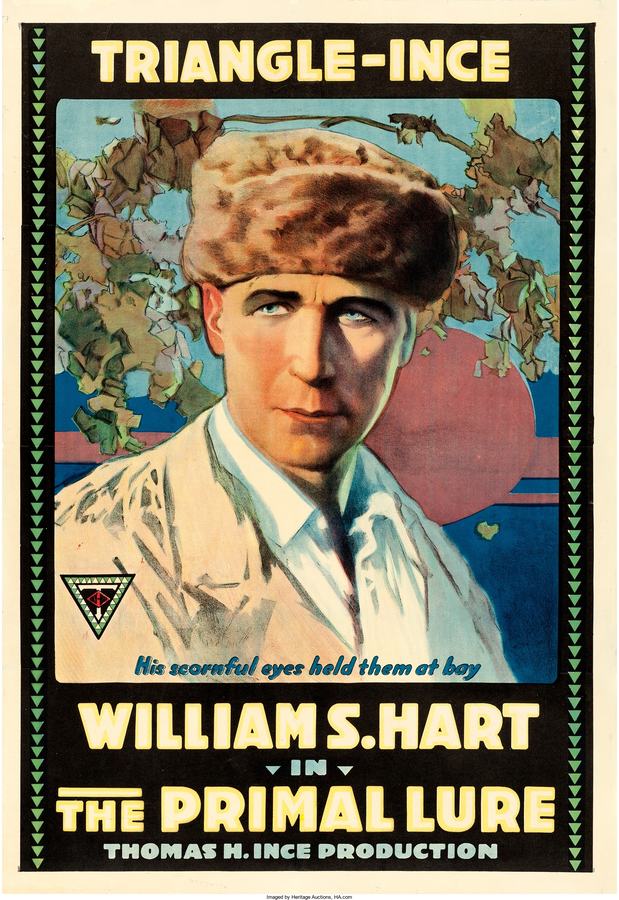
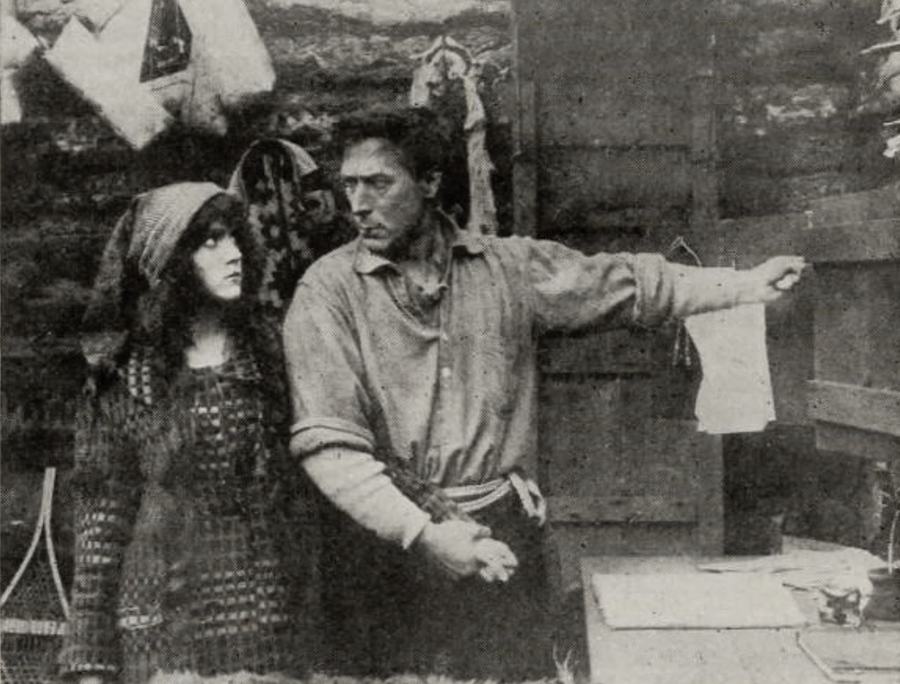
Dir: William S. Hart
Angus McConnell is factor of the outpost of the Hudson Bay Company which is dignified by the name of Fort Lu Cerne. The summer has been disastrous for the trappers, and they are deeply in the company's debt for provision. Angus keeps account of what they owe in a little book, and one night this precious book disappears. Angus vows all manner of vengeance on the culprit who has taken it. He keeps close watch on the office, and at last he beholds Lois Le Moyne, belle of the outpost, rummaging about his desk. Unknown to him, she has come to make him a gift of a beautiful pair of moccasins, made with her own fair hands, so he concludes she is the thief, and has her thrown into the goal. Then Richard Sylvester, the company inspector, comes to Fort Lu Cerne on the rounds. He sees Lois, falls in love with her, and has her released. On his promise that he will have Angus dismissed as factor and himself appointed, she agrees to wed him. This he accomplishes, and Angus takes to the trail alone. But before the wedding can take place an epidemic of sickness breaks out, and in terror the cowardly Sylvester flees with his bodyguard. Angus, who has heard that the Blackfeet Indians are about to descend on the outpost to demand a white person to be sacrificed as an offering to the god who has brought down the plague, happily returns at this time and resumes the reins of authority. The Indian attack takes place, and after a thrilling fight, in which the whites are greatly outnumbered, Angus goes forth to offer himself as the victim. He is miraculously saved, however, and returns to the fort. But he finds that all the garrison have gone save Lois; and with these two great enemies along in a terrible situation there comes about a great finish to a remarkable film. -- Moving Picture World, June 3, 1916.
View Details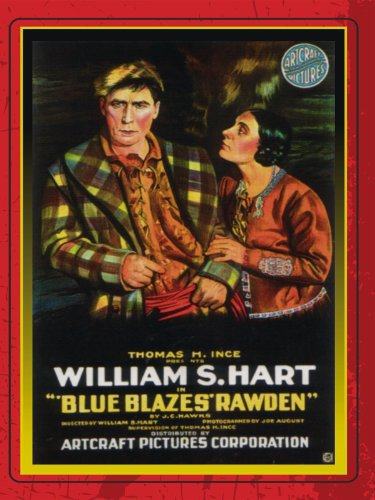
Dir: William S. Hart
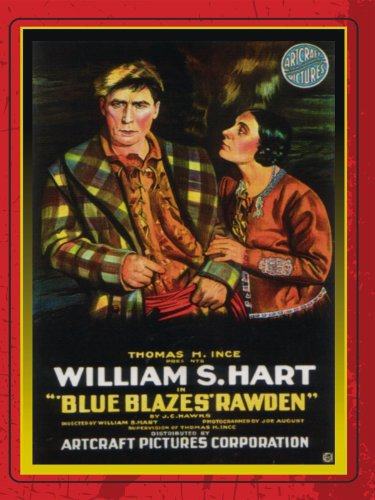
"Lady Fingers" Hilgard is the black sheep of a fine English family. He runs a dance hall at Lumber Cove and Babette is his favorite. But Babette turns her affections to Blue Blazes Rawden when he leads his men into the Cove for a spree, and Hilgard taunts him into a duel, the winner to take the money, the resort and the girl. Hilgard is killed, but Babette finds Rawden's gun has not been discharged and fires one shot, persuading Rawden that he shot in self-defense. Hilgard's mother and younger brother come to camp and the old lady shows a motherly affection for the man she believes to have been her boy's pal, but Babette, scorned, tells the brother Rawden killed "Lady Fingers," and unable to deny, Blue Blazes again hits the trail alone, in spite of Babette's frenzied entreaties.
View Details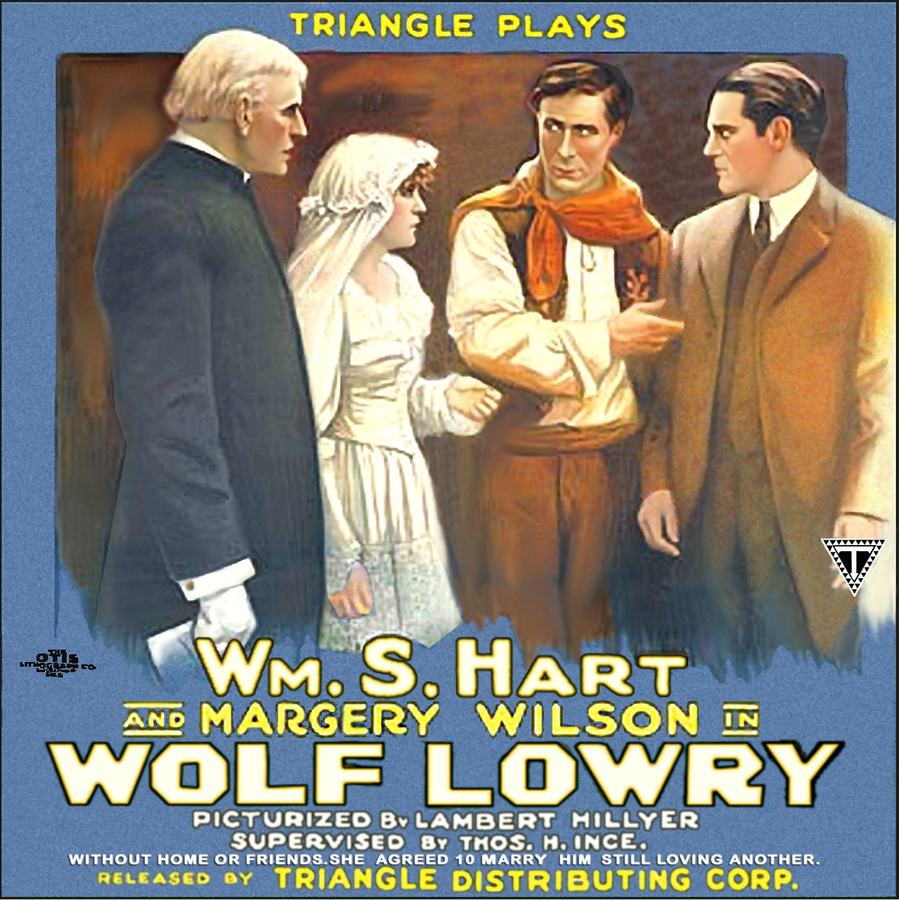
Dir: William S. Hart
Tom "Wolf" Lowry, the owner of the Bar Z ranch, tolerates no intruders into his life. When he hears that settlers have entered his valley, he goes to confront them but has a change of heart when he sees Mary Davis, a young woman who has come West to find her missing sweetheart, Owen Thorpe. Mary nurses Lowry back to health after he is wounded by Buck Fanning, the real estate agent who sold Mary her claim, when Lowry prevents Banning from raping Mary. Lowry soon falls in love with Mary and she agrees to become his wife, having lost all hope of finding her former sweetheart. By coincidence, Lowry finds Owen, but when Owen and Mary meet and plan to run away together, Lowry insists that she honor her agreement to wed him. On the day of the wedding, however, Lowry has a change of heart and takes Owen and Mary to the minister and tells him to marry the two lovers instead. Lowry then leaves Mary a note saying that he is going to Alaska. Five years later, Mary and Owen are the parents of a young son, named Tom, and the recipients of a letter from Lowry who now lives in isolation in Alaska.
View Details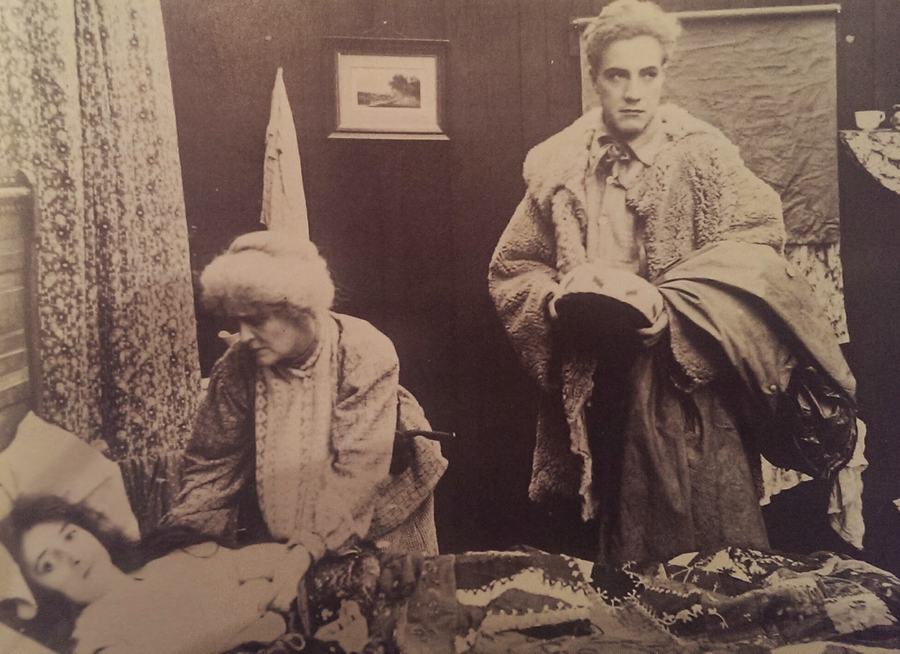
Dir: William S. Hart
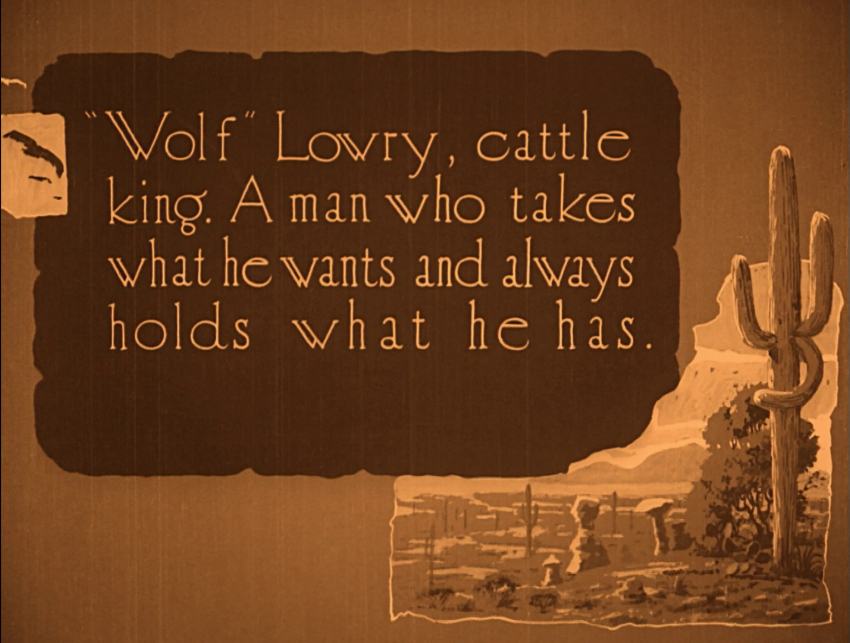
Yukon Ed has asked saloon owner Ruby McGraw to marry him several times, and has been turned down each time. She falls for Jack Sturgess, a no-account who has seduced and abandoned a poor young girl and is escaping from his father's anger. She takes up with Jack to Ed's dismay, and soon the thing that Ed feared would happen does happen.
View Details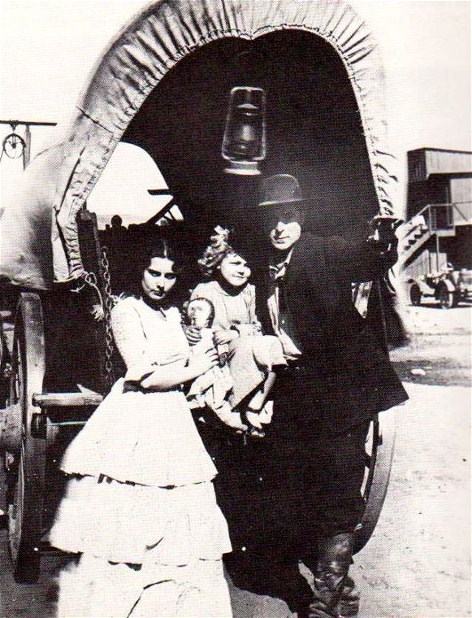
Dir: William S. Hart
Jim Houston, the "Shootin' Iron" Parson, comes to Barren Gulch to reform the morals of the frontier community. He receives the support of "Birdshot" Bivens, the sheriff of the county. Jim's wife, Mary, however, is a weak character. She falls a prey to the seduction of Dr. Hardy, the village gambler and saloon keeper, and elopes with him. Jim Houston, forsaking the ministry, goes to the mountains and cares for his child in a log cabin home. Later the child falls very ill. Mary, in a mountain storm, comes unwittingly to their door. Dr. Hardy is sent for as the only physician in the district. He ministers to the child and confronts Houston, who intends to kill him. Mary is asked to make her choice between Houston and Dr. Hardy. She points towards the child and goes to its bedside. Houston forgives his wife and instead of killing Hardy permits him to go unharmed.
View Details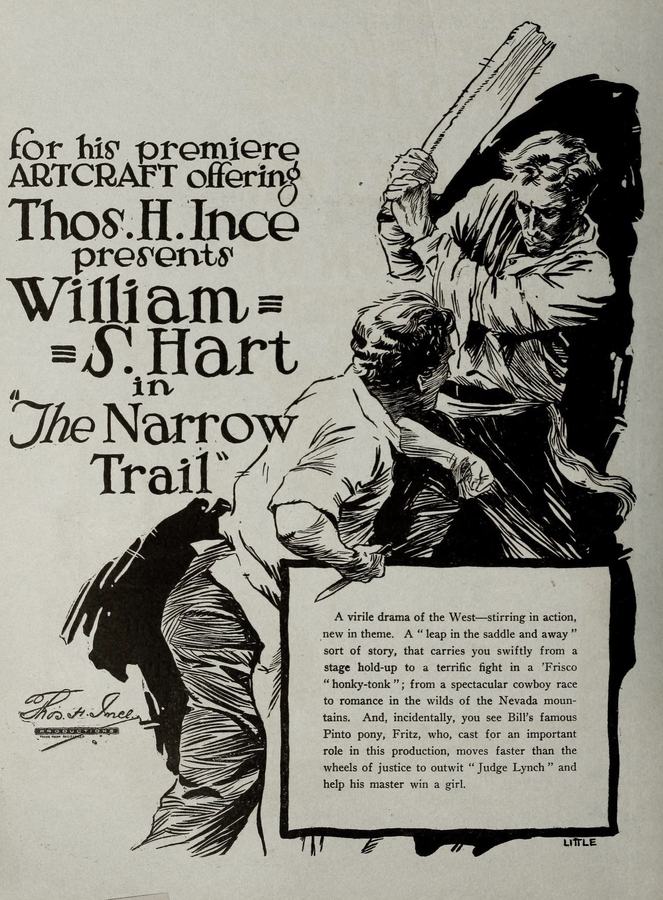
Dir: William S. Hart
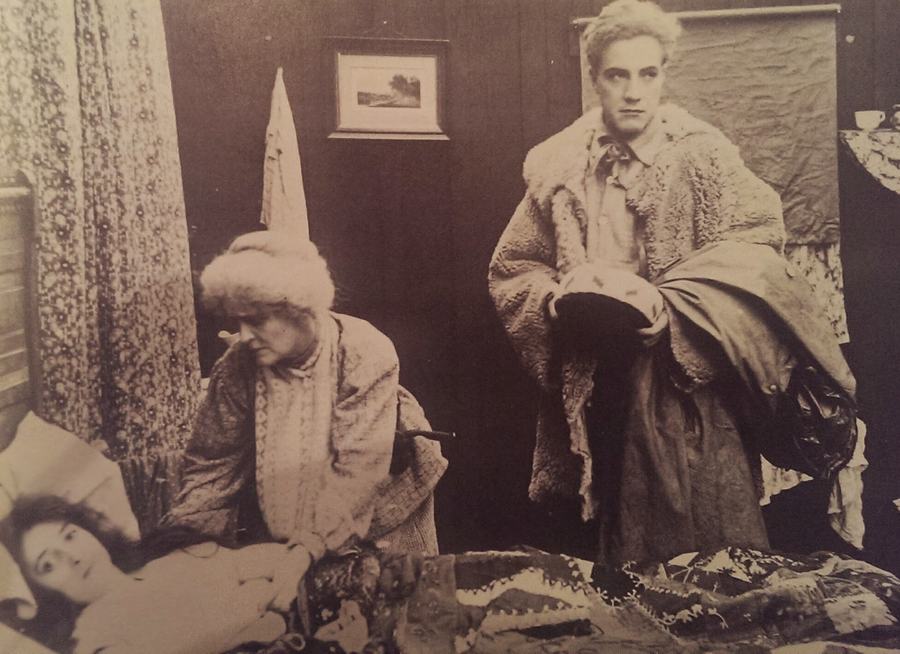
Ice Harding, leader of a band of outlaws, covets the pinto leader of a band of wild horses, and after a long chase, ropes and breaks him. Ice and "The King" become fast friends and when the rest of the gang object to the King because his peculiar markings betray their presence, Ice breaks with the gang, determined to play a lone hand rather than give up his horse. But he searches for the girl he loves and finds her a siren on the Barbary Coast instead of the girl he thought she was, and broken hearted, he returns to the mountains. It is the King who ultimately carries him to happiness.
View Details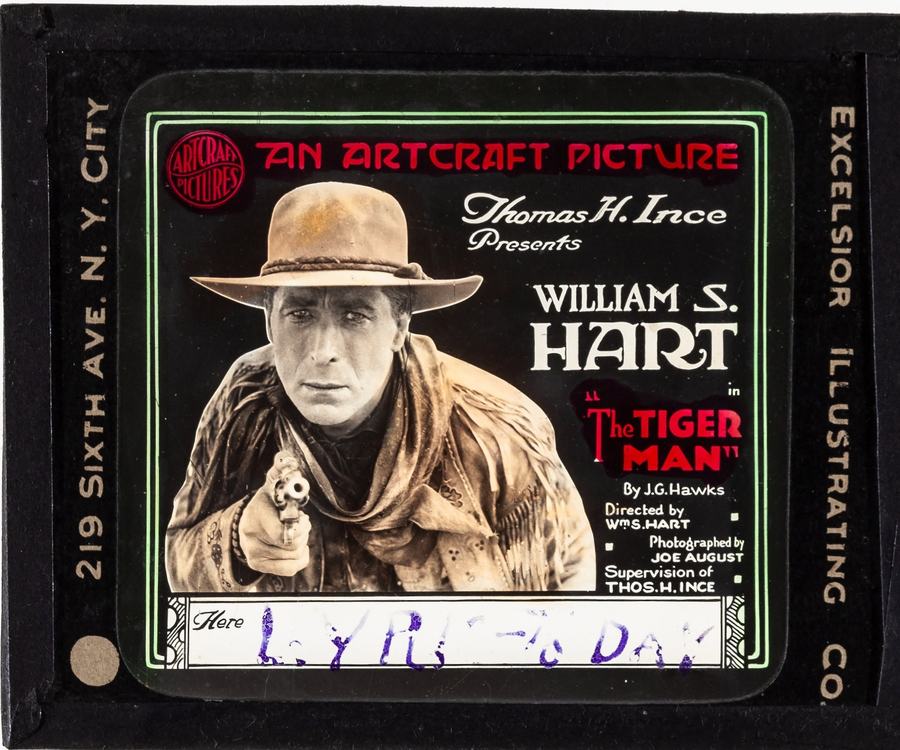
Dir: William S. Hart
Hawk Parsons and his gang of ruthless outlaws escape from jail and ride far into the New Mexican desert, where they discover a band of emigrants stranded without water. Hawk is so smitten with Ruth Ingram, the wife of the Rev. Luke Ingram, that he agrees to lead the wagon train to safety, but on the way, the party is attacked by Indians. In the distance, Hawk sees U.S. cavalry troops on horseback, but because several members of the posse assigned to track him down are included in the band, he hesitates to send them a distress signal. Finally, Hawk allows the travelers to send their message on the condition that he may leave with Ruth, and as the wagon train is rescued, he reaches his mountain lair with the woman he loves. When Ruth attempts suicide, Hawk then realizes his selfishness, and after returning her to her husband, he turns himself over to the sheriff.
View Details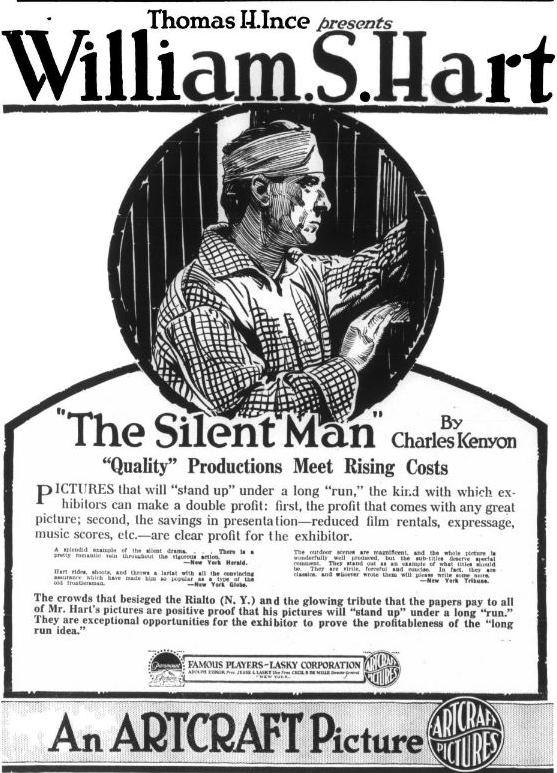
Dir: William S. Hart
A gold prospector strikes it rich, but the crooks who run a frontier town take it away from him. He determines to get it back and clean up the town.
View Details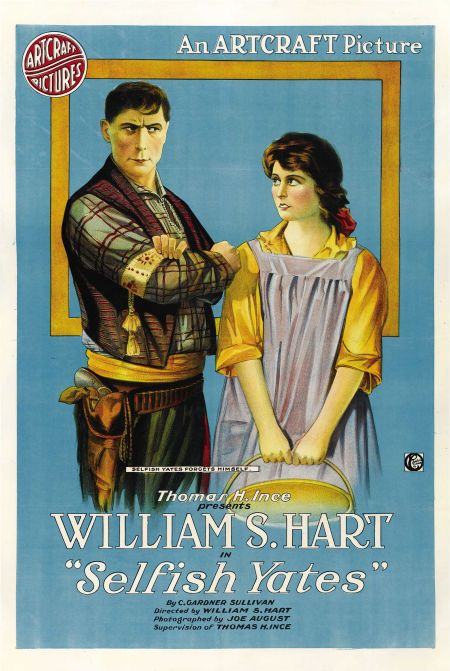
Dir: William S. Hart
"Selfish" Yates operates a disreputable saloon on the desert's edge in Arizona. Sisters Mary and Betty Adams, who lost their father crossing the desert, arrive in the town of Thirsty Center and appeal to Yates for help and work. Yates is none too helpful, suggesting dance-hall work for Mary. She refuses, instead taking a menial job assisting Yates' cook. Yates is a hard case, but little by little Mary's influence works a renewal of humanity in him, until at last he finds himself tested by crisis.
View Details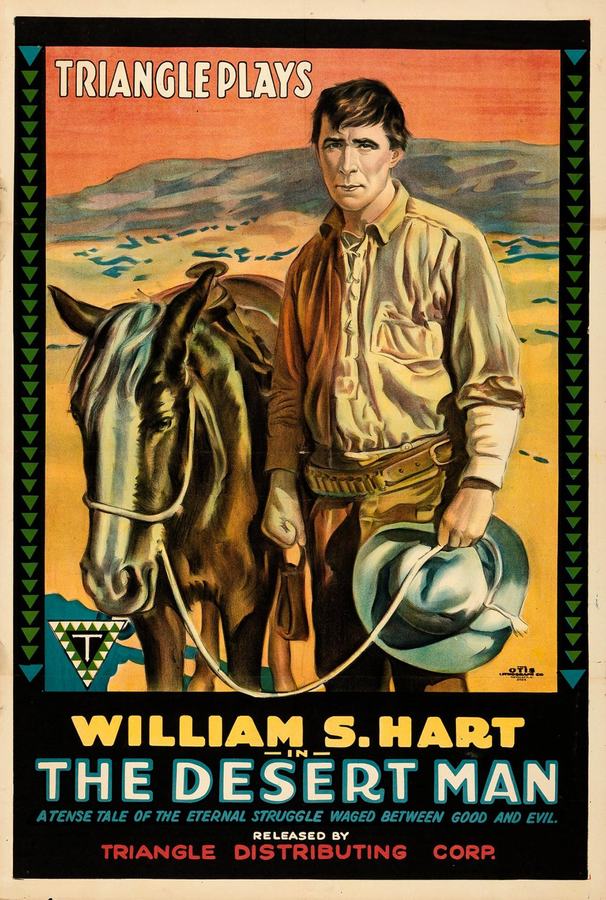
Dir: William S. Hart
Prospector Jim Alton stumbles upon a dying woman, while traveling across the desert, she implores him to care for her little boy Joey. Jim takes the boy to town, where he encounters Joey's brutal father, Razor Joe, and falls in love with Jennie, a young girl whose father is dying. After running Joe out of town, Jim settles down to make a home for Joey. Jim rides to the neighboring town to bring back Dr. Howard after Jennie's father takes a turn for the worse. Soon after, the old man dies and the doctor convinces Jennie to return to his home and marry him. Upon discovering that the doctor already has a wife in New York, Jennie leaves him, but, too proud to go home, accepts a position in a dance hall. Meanwhile, Razor Joe and his gang kidnap Joey. Jim follows, confronts them with his guns drawn, and rescues the boy. All ends well as Jim and Jennie are reunited and, together with Joey, begin life anew as a family.
View DetailsAnalysis relative to Wolves of the Rail
| Film Title | Atmosphere | Complexity | Similarity |
|---|---|---|---|
| The Primal Lure | Surreal | Layered | 86% Match |
| 'Blue Blazes' Rawden | Gritty | Abstract | 86% Match |
| Wolf Lowry | Ethereal | Dense | 88% Match |
| The Darkening Trail | Gothic | High | 96% Match |
| The Disciple | Surreal | Dense | 95% Match |
This guide was algorithmically generated using the cinematic metadata of William S. Hart's archive. Last updated: 6/28/2026.
Back to Wolves of the Rail Details →