
DbcultAccessing Vault...
Recommendations
Senior Film Conservator
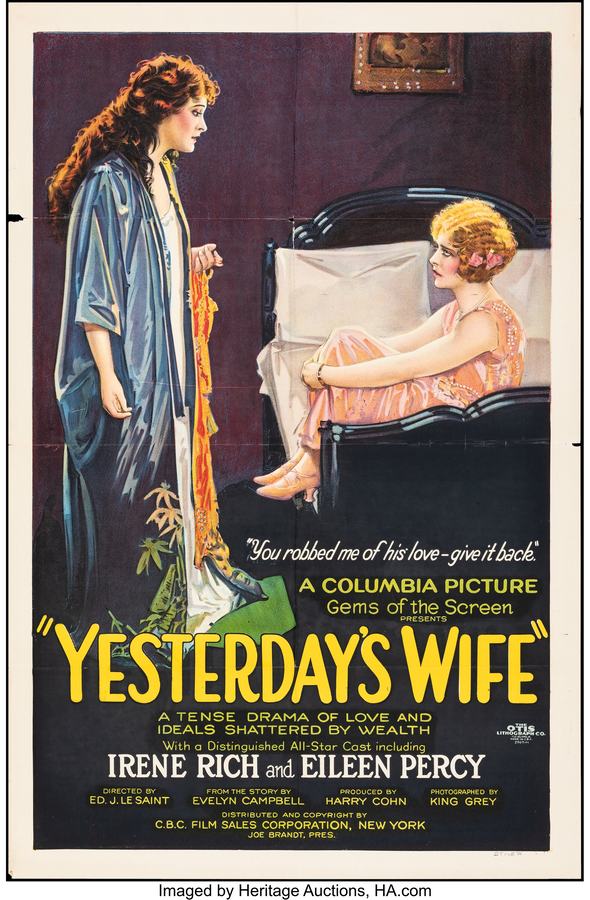
If you found yourself captivated by the poignant storytelling of Yesterday's Wife (1923), the quest for comparable cinema becomes a journey through the fringes of film history. Below, we've gathered a list of films that every fan of Edward LeSaint's work should explore.
Yesterday's Wife remains a monumental achievement to create a hauntingly beautiful cinematic landscape.
Megan and Gilbert are happily married and expect to be together for life, but an argument over an insignificant issue gets out of control and results in a divorce. Years later they happen to meet at a summer resort, where Gilbert is staying with his new wife Viola and Megan is there as a companion to a rich old woman.
Yesterday's Wife was a significant production in United States, showcasing the immense talent of Eileen Percy, Irene Rich, Josephine Crowell. It continues to be a top recommendation for anyone studying Comedy history.
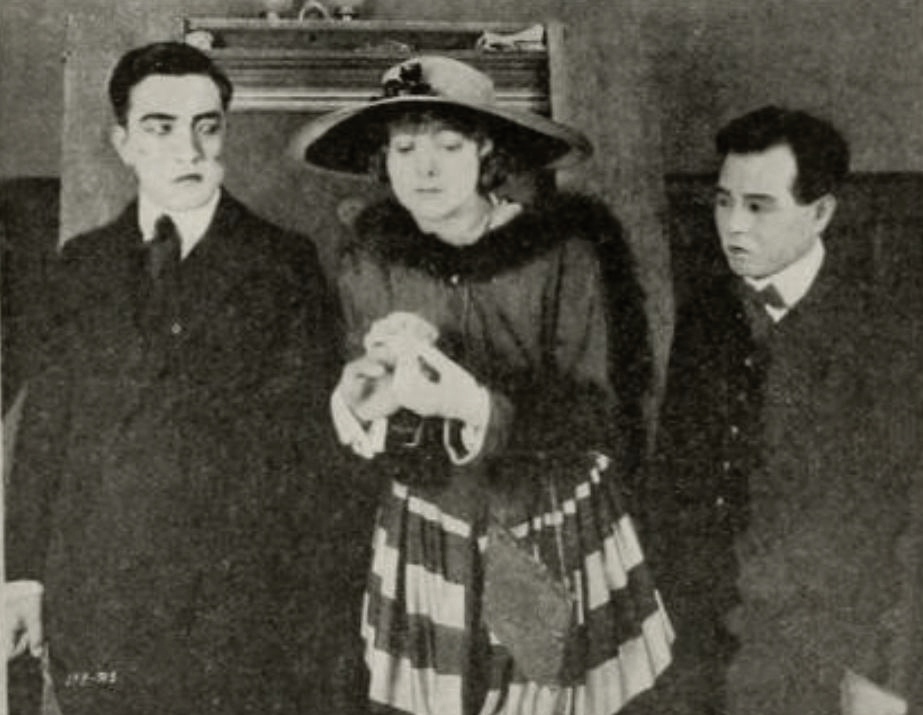
Based on the unique poignant storytelling of Yesterday's Wife, our vault has identified these titles as the most compelling follow-up experiences for fans of Comedy cinema:
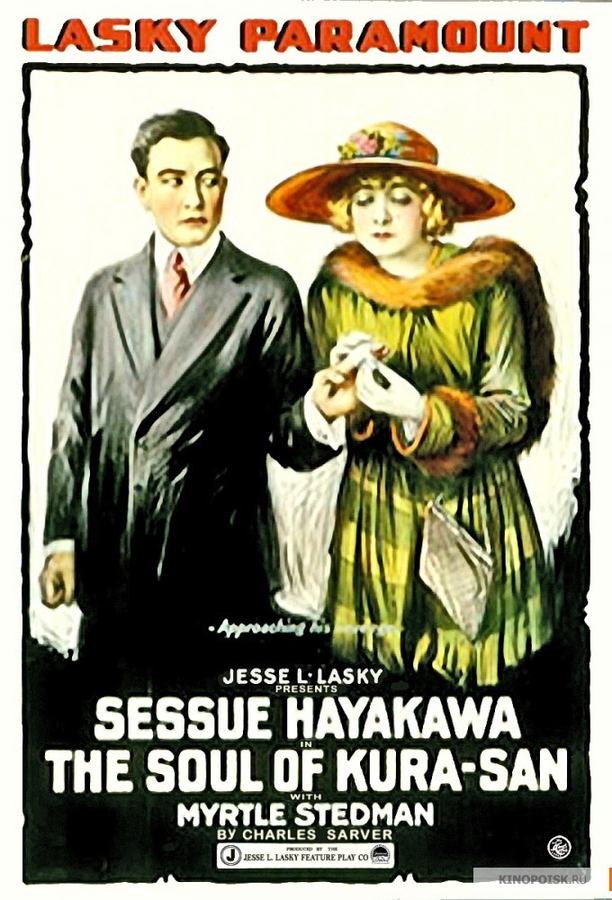
Dir: Edward LeSaint
When his fiancée commits suicide after being used by an American artist, a Japanese art dealer seeks to get vengeance by seducing the artist's wife.
View Details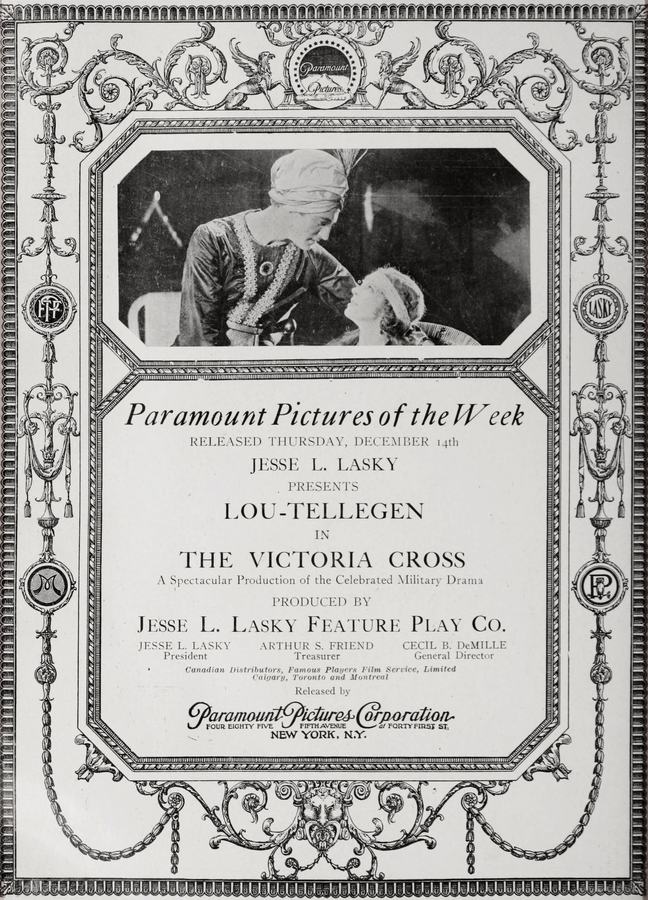
Dir: Edward LeSaint
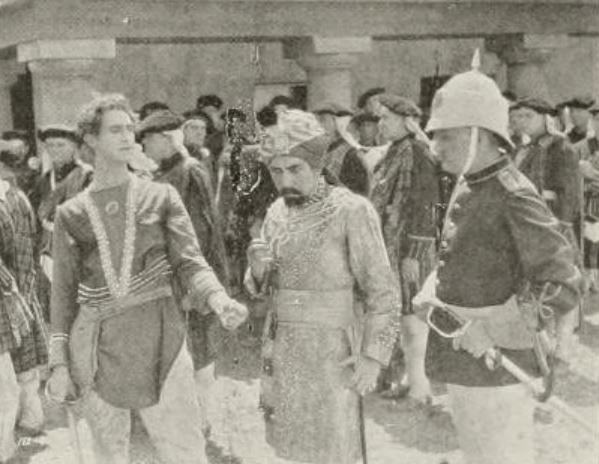
Maj. Ralph Seton is a British army officer stationed in Cawnpore, India, when the Sepoy Rebellion--a mutiny of Indian soldiers in the Brtitish army in India--breaks out in 1857. He receives the prestigious Victoria Cross--the highest decoration that can be awarded to a British soldier--for his actions in battle. However, after a night of drunken debauchery, he is stripped of the honor and disgraced in front of his love, Joan Strathallen, the daughter of his commanding officer. When Indian rebel leader Azimoolah instigates an uprising by the natives and has Joan kidnapped, Seton sets out to redeem his honor and save the woman he loves.
View Details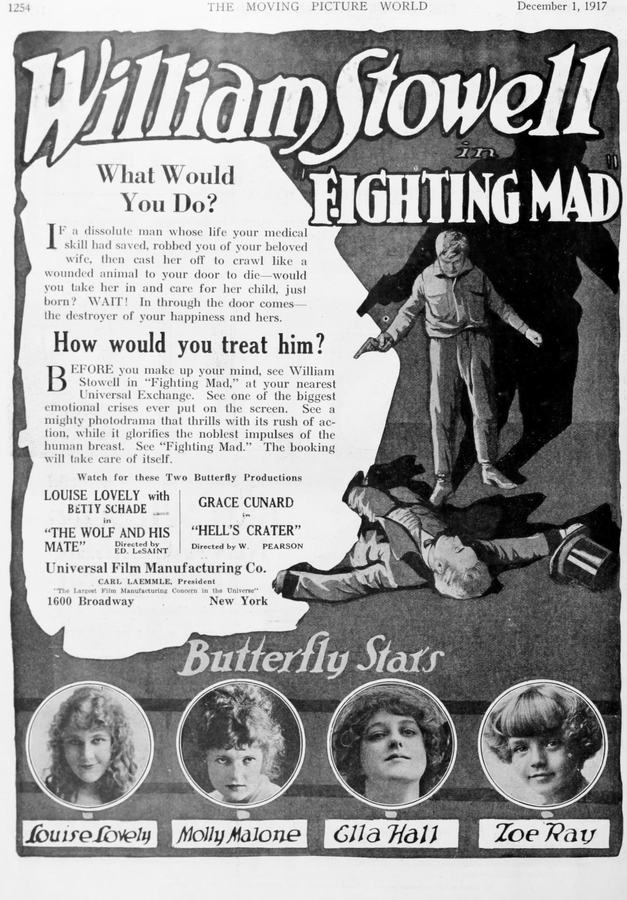
Dir: Edward LeSaint
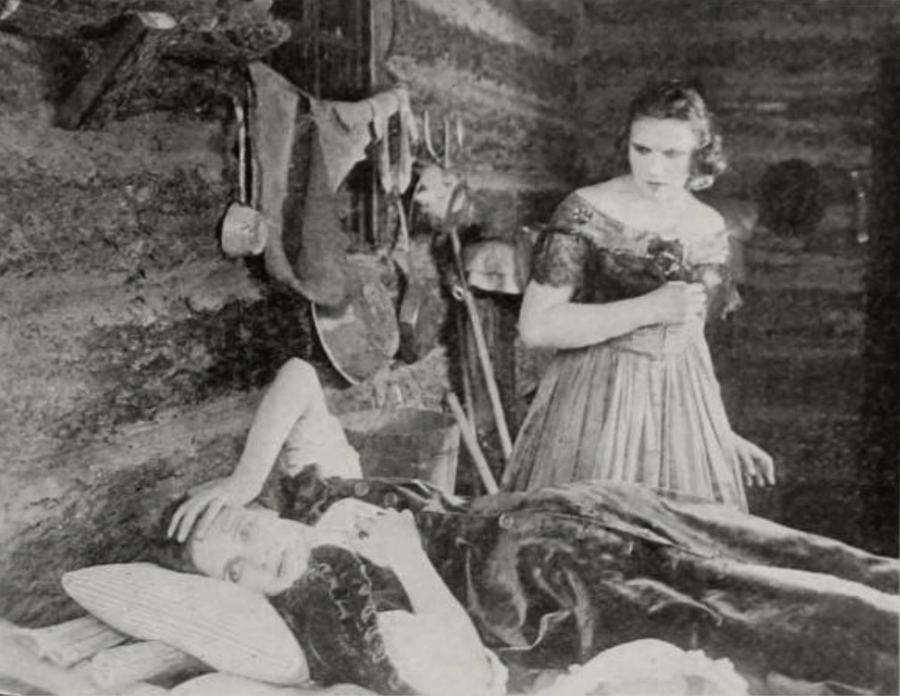
Doctor Lambert takes his wife west to a mining town, where he can both minister and doctor. His wife is not happy and upon discovering she is pregnant, runs away with a gambler. He soon dumps her, and she comes back and dies giving birth to a baby girl. Lambert, out of his mind with rage, leaves the baby on a doorstep and vows to never have faith again. He returns to the mining town fifteen years later a drunkard. He meets young, kind Lily Sawyer and is greatly impressed by her compassionate nature. Meanwhile, the gambler has returned and decides to abduct Lily, but his partner recognizes Lambert and tells him Lily is his daughter. He kills the gambler before he can harm Lily and soon his faith returns.
View Details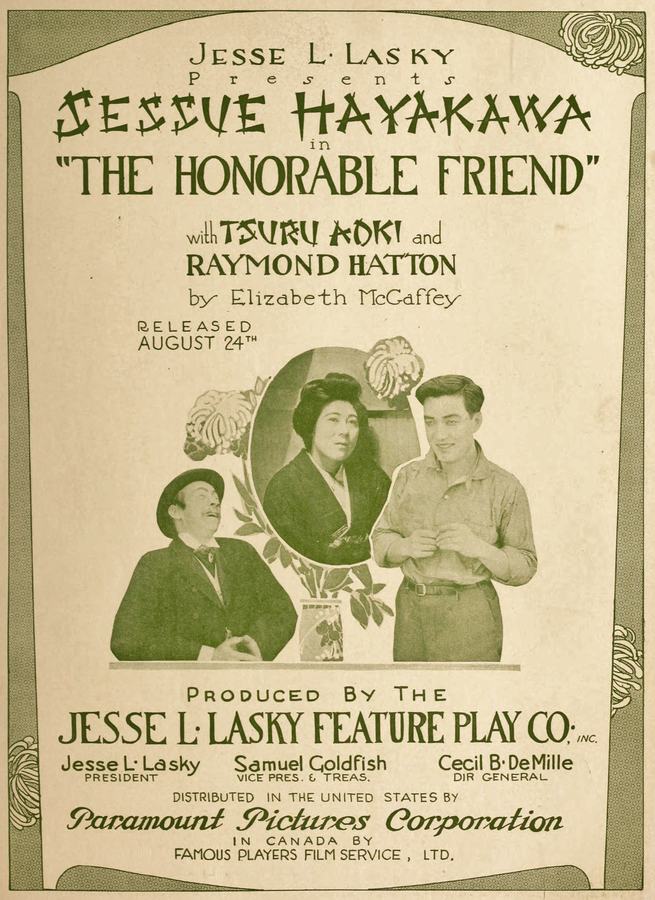
Dir: Edward LeSaint
Makino works for Kayosho, a Japanese curio dealer in America. To reward Makino's dedication, Kayosho sends for Toki-ye, a picture bride. Upon arrival, she is married to Makino in a civil ceremony. However, Kayosho intends to keep Toki-ye for himself. This angers Goto, another employee. Kayosho was betrothed to Goto's niece Hana. One day Kayosho is found dead in a pool.
View Details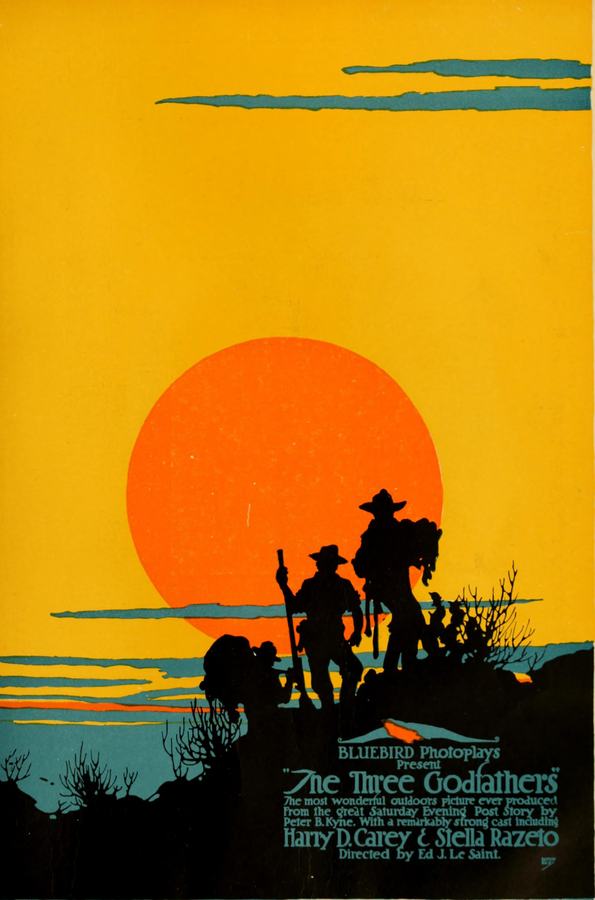
Dir: Edward LeSaint
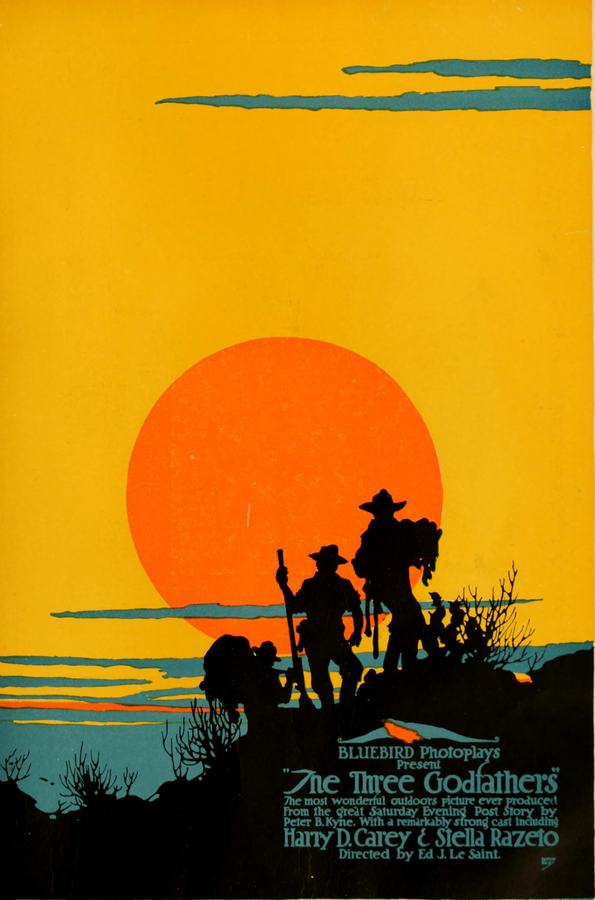
Three outlaws fleeing a posse through the desert come upon a dying woman and her baby in a wagon. Before she passes away, she makes the men promise to take care of her baby and get it safely through the desert.
View Details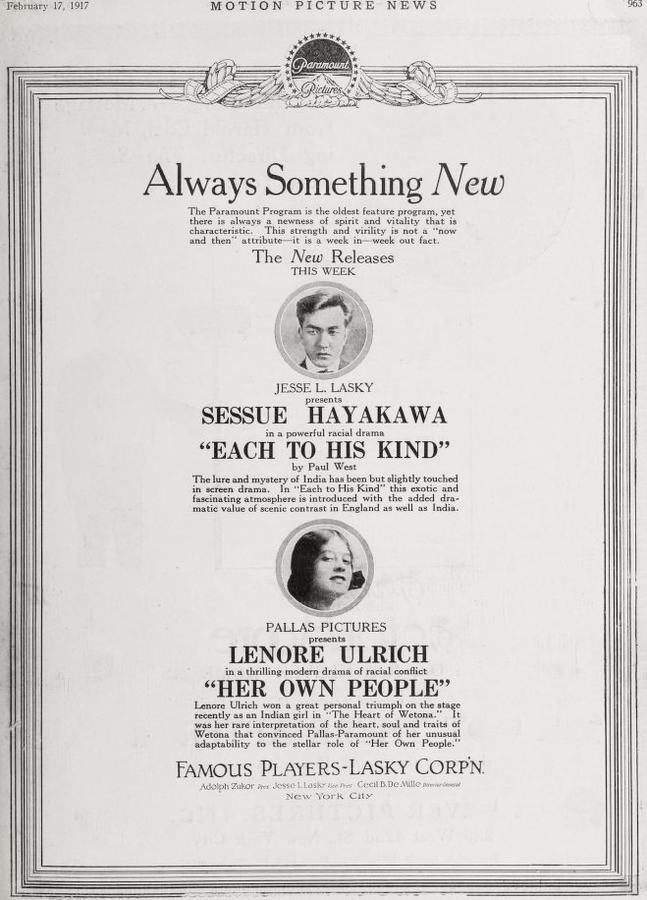
Dir: Edward LeSaint
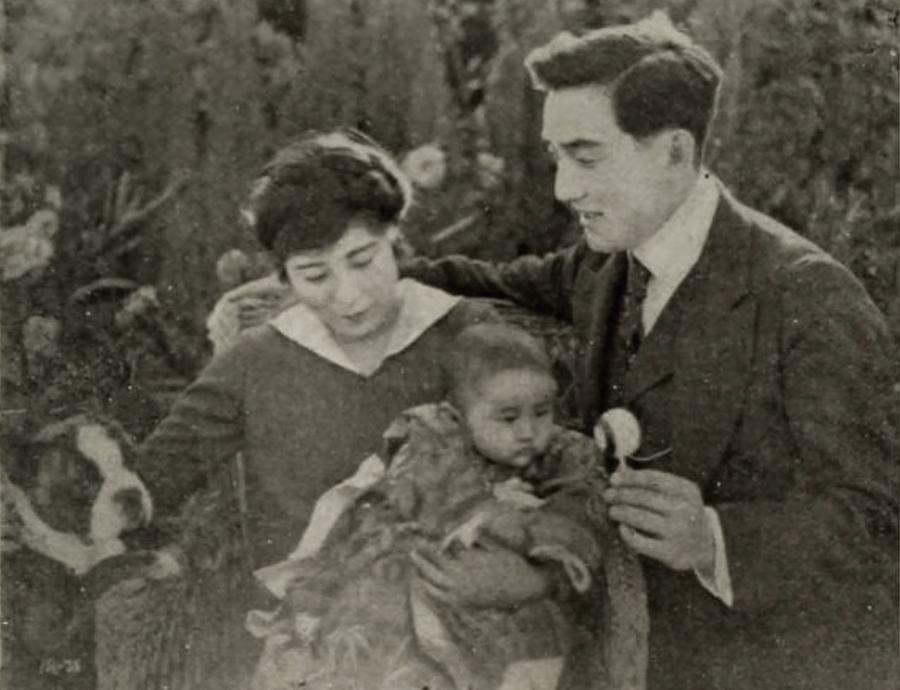
Rhandah, who is to succeed his father, the Maharajah of Dharpuli, is sent to Oxford to be educated. The Princess Nada, to whom he is engaged, fearful of the outcome of his journey, gives him an amulet to bring him back to her in safety. At the college, he soon becomes accustomed to English customs, but refuses all invitations into society. He meets Amy, daughter of Colonel Dawe, and they become interested in each other. Amy wagers that she can persuade the Prince to give her the amulet and succeeds in having him accept her invitation to a party; she manages to see Rhandah alone and secures the amulet. Dick Larimer, to whom Amy is engaged, denounces Amy for doing such a thing. Asa Judd, tutor to the Maharajah's son, has taken a snap shot of Amy and Rhandah and sent it to Colonel Marcy, the Resident British Councilor. Mulai Singh, an aspirant to the throne, obtains possession of the photograph. Rhandah, embittered, returns home just as the Maharajah dies. By his bedside he swears eternal vengeance on all the English and is overheard by Nada. He seeks out Mulai Singh and obtains the picture, declaring his intention of leading his people against the English, issuing a command that all captured English be brought before him. Dick is taken and Rhandah orders him to the dungeon. Amy has come to India with her father and is also taken by the outlaws, but when they see the amulet they release her. Nada recognizes her from the picture, and comes upon Rhandah and Amy as he is contemplating what he shall do with Dick. Rhandah makes advances to Amy which she dares not resent, and tells him she will do anything to save Dick, but he replies there is nothing that will save her sweetheart. Nada, listening, ready to kill Amy with a dagger, overhears and rushes into Rhandah's arms vowing her belief in him. At Amy's solicitation, Nada intercedes and Dick is set free. All the trouble and turmoil is at last ended, and both couples are happy.
View Details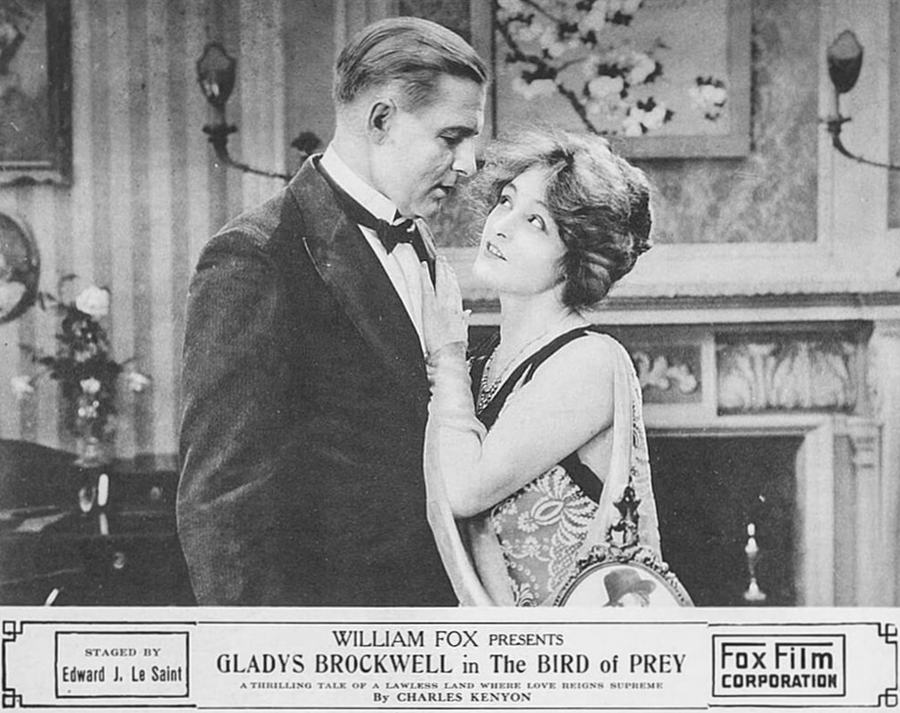
Dir: Edward LeSaint
Dick Brown kills himself in front of Adele Durant after she rejects him and Dick's friend Robert Bradley threatens to accuse her of murder unless she places her life in his hands. He leaves her at a dance hall in an isolated spot in Mexico, where she falls in with a group of bandits planning to seize an American mine. Learning that the brigands plan to kill the lone mine owner, she warns him of their approach and discovers that he is none other than Bradley, whom she loathes. They flee together but are captured and held with other prisoners of the gang. While Bradley goes for help, bandit Pedro Vasquale threatens to kill the prisoners unless Adele comes to him in his cabin. When he embraces her, she stabs him. Bradley, recognizing her noble character, marries her.
View Details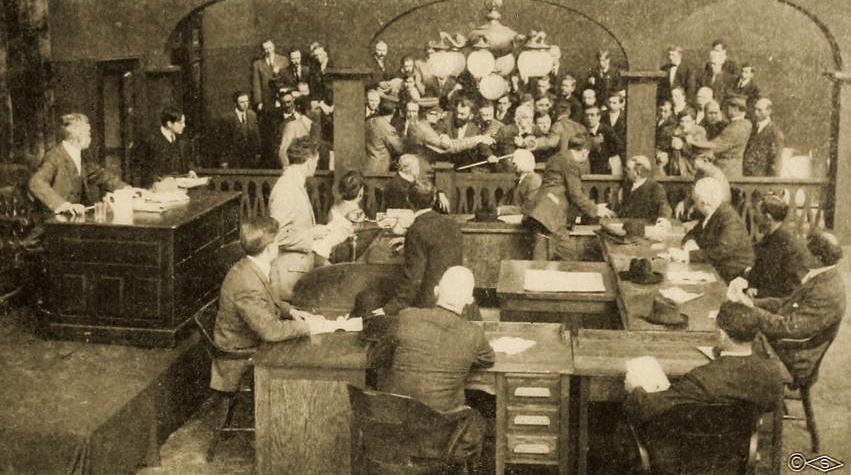
Dir: Edward LeSaint
The city editor remarked to his star reporter, Jimmie, "This is the biggest steal that any corporation tried to put over the municipality. Run it down, break it up, and you will own the shop." Jimmie went after the new assignment fast and furious, and the front page of his paper began to attract the attention of the populace to a new condition of affairs, in which a railroad trust appeared to be hiding behind an innocent application made by a coterie of seemingly disinterested citizens, all of whom were associated with big corporations. Councilman Blake, a cold-blooded politician, led the controlling faction of aldermen, and while he had long been a "suspect" nobody was clever enough to "put it over on him." At the preliminary council meeting only a single vote was required to give the "people's property" to the railroad trust. The lacking vote was Black, who, knowing his previous power, reserved his right to hold the big job in leash. At this point in the game, grim Grayson, the head of the railway trust, came to the city secretly, just as Blake expected he would, praying for a conference. In the interim Reporter Jimmie met and impressed Alice, Blake's stenographer, who felt the power of his personality, and could not restrain her interest in the story that was unfolding as he came day after day for interviews. When she learned that Councilman Blake was to be a guest that night at Grayson's country home she "tipped it off" to Jimmie by 'phone. He managed to get unobserved into Grayson's house and his sharp ears overheard the conclusion of the bargain between the councilman and the magnate. Blake hurried away, and Grayson sat down to enjoy reflecting that he had the winning of the franchise fight in his pocket, signed for a certainty by Blake. The alert Jimmie leaped upon him, bound and gagged him, and, possessing himself of the precious document, escaped from the house and made a run for his horse he had concealed in the shrubbery. He ran into the husky secretary of Grayson and handed him a punch on the point of the jaw and then proceeded to his horse. The secretary, however, rallied for the count and took a shot at Jimmie, that came so close that it made a brain bruise across his brow. Grayson's man staggered to his feet, rushed to the house and found his master trussed up like a stuffed turkey. He released him, learned the truth of the raid, and consequently, upon his master's demand, rushed for his automobile. The wounded reporter rode madly on and then the automobile came flashing into the scene. Jimmie tried out all the tricks at his command in fox chasing, in cutting across ploughed fields and taking down narrow, rough lanes, but Grayson's car ate up the miles savagely and came closer and closer. Now they were in the city limits, and on a shaded boulevard the car caught up with the tired rider and his foam-flecked steed. Jimmie was dragged from his horse, and was about to be thrown in the car and carried away when a mounted patrolman appeared and asked impertinent questions. Jimmie thrust the document in the officer's hand, when Grayson declared his identity and insisted that a valuable document had been stolen from him. The patrolman glanced at the document and the significance of it appealed to him so powerfully that he handed it back to Jimmie and told him to "Beat it." Then he compelled the frantic Grayson and his huskies to conform with the speed laws so he could trot alongside their automobile through the park. Things were happening in the City Hall in the interim and likewise at the newspaper office, a sort of expectant hush that comes before great news "breaks." The editor was about to order the presses to start, giving up the expected scoop as too late, when Jimmie with a bloody handkerchief bound about his brow, and the knock-out document in his hand, staggered into the office with his smashing story. It was a big thing and the bold-face type played it up scare-heads. The scene shifted to the council chamber. Blake concluded his speech and the voting was about to begin, when Jimmie darted into the room and pushed the "extra" under the nose of the astonished Blake, and then passed other copies around so quickly that the great franchise steal died a-bornin'. Blake's pretty stenographer was at work early that morning when the telephone rang and she recognized the voice, unmistakably Jimmie's that said, "Hello a friend is talking. Will you marry me?" It wasn't hard to guess the answer, and when the orange blossoms bloomed upon her brow two months later, the newspaper that Jimmie helped to the greatest scoop of the time was heavily represented both in "among those present" and the bridal gifts.
View Details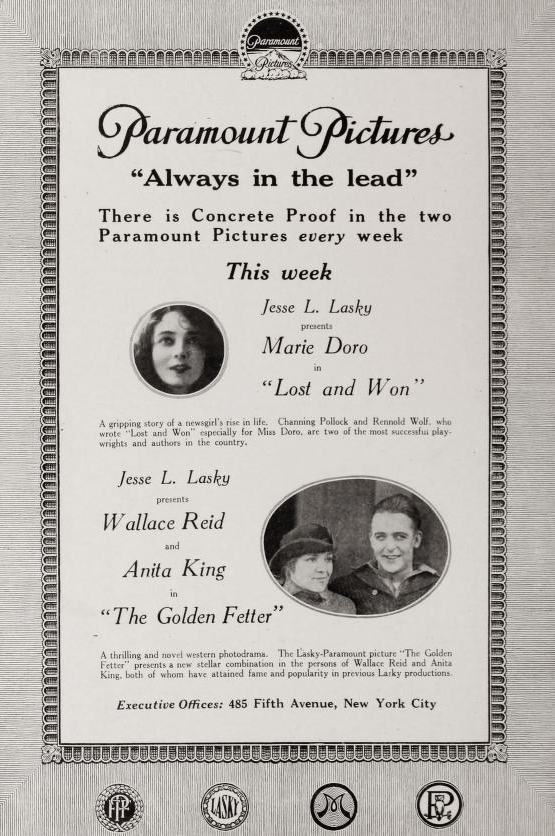
Dir: Edward LeSaint
Schoolteacher Faith Miller inherits $10,000. Edson, McGill and Slade, three enterprising crooks, own the Moonflower, a worthless mine. Slade goes East to unload, and hearing of Faith's good fortune, he approaches her and finds her easy prey: she buys a share in the mine for $9,000. Advised by friends to take a rest, Faith goes to inspect her mine. Arriving at the town, she is insultingly approached and the man who has annoyed her is knocked down by Jim Ralston, a young mining engineer. She goes to the home of Big Annie, who tells her that the mine is worthless. The miners, touched by her beauty and helplessness, engage her to teach their school, the only available pupils being Pete, a half-wit, and Jim, who is held in connection with a hold-up committed by Edson and McGill. At first Jim rebels, but when he sees the teacher, he becomes a willing student. Faith recognizes him as her protector. Jim conceives the idea of salting the mine, and wires Slade to the effect that the mine is rich with silver and not to sell. Slade returns. Edson and McGill, pursued by a posse, reach the schoolhouse and persuade Jim to conceal them. Flynn, at the head of the posse, accuses Jim of hiding the bandits and is killed by a shot from an unseen hand. Jim is arrested as the murderer. Faith intercedes, begs him to flee and is handcuffed to him. They escape and take refuge in a mountain cabin. Jim shoots the fetter apart, breaking his wrist, and insists that Faith return home. As Jim tells Slade of Faith's whereabouts, Slade notices the fetter on his hand, takes him to the outskirts of the town and the miners prepare to bang him. Faith sells her interest in the mine back to Slade, and Pete, as he delivers a note to her from Jim, also tells Faith of Jim's peril. The outlaws, Edson and McGill, are shot as they resist arrest, Edson's dying confession of Flynn's murder reaching Jim's executioners just as they refuse to listen to Faith's pleading for her lover's life. Faith, weakened by the trying ordeals through which she has passed, sinks to the ground, only to be taken into the waiting arms of the man she loves.
View Details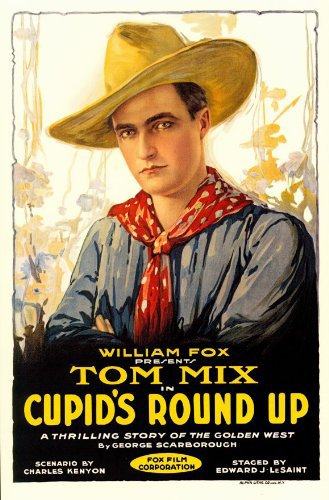
Dir: Edward LeSaint
James Kelly and Tom Baldwin, two old pals, agree that their children, Larry and Helen, should marry. During the month before the marriage, Larry plans to have a fling and is smitten by a woman he meets on a train. Not realizing that the woman is Helen, he takes a job on the ranch next to hers, and she poses as a maid to sound out her fiancee's character. Tom exposes a group of cattle thieves but is accused of murder and makes a run for it. His horse catches up with a train, and when he jumps through the window, he finds himself facing his future wife.
View DetailsAnalysis relative to Yesterday's Wife
| Film Title | Atmosphere | Complexity | Similarity |
|---|---|---|---|
| The Soul of Kura San | Tense | Dense | 96% Match |
| The Victoria Cross | Surreal | Dense | 90% Match |
| Fighting Mad | Gothic | High | 87% Match |
| The Honorable Friend | Ethereal | Dense | 91% Match |
| The Three Godfathers | Ethereal | Linear | 90% Match |
This guide was algorithmically generated using the cinematic metadata of Edward LeSaint's archive. Last updated: 6/24/2026.
Back to Yesterday's Wife Details →