
DbcultAccessing Vault...
Director's Spotlight
Senior Film Conservator
Director's Spotlight: United States
A Deep Dive into the 1933 Vision of Burt Gillett
Analyzing The Steeple Chase (1933) requires a deep dive into the unique directorial voice that Burt Gillett brought to the screen. By challenging the status quo of 1933 cinema, it continues to spark endless debates among critics and cinephiles alike.
In The Steeple Chase, Burt Gillett pushes the boundaries of conventional narrative. The film's unique approach to its subject matter has sparked endless debates and interpretations among cinephiles and critics alike.
The visual language of The Steeple Chase is defined by its use of shadows and framing, a hallmark of Burt Gillett's style. By utilizing a 1933-era palette, the film creates an immersive experience that perfectly complements its Animation themes.
| Cinematography | High-Contrast |
| Soundtrack | Experimental |
| Editing | Elliptical |
| Art Direction | Expressionist |
Visualizing the convergence of Burt Gillett's style and the core Animation narrative.
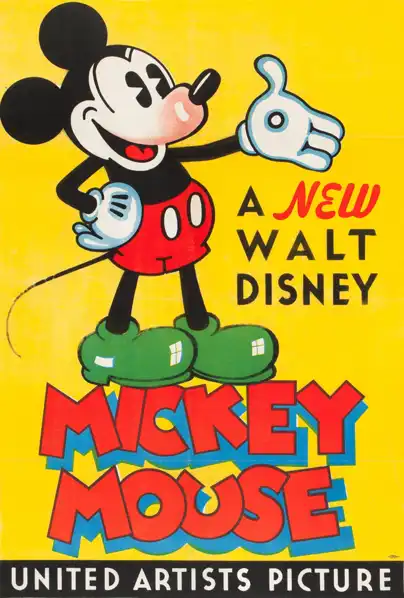
Mickey is set to ride Thunderbolt in the big race; his owner, the Colonel, has bet everything. But the stable-hands goof off and incapacitate the horse. In desperation, Mickey rents a horse costume and puts the stable-hands inside. They manage to eventually clear the hurdles, but get hung up on one near a beehive; the bees propel them to victory.
Decades after its release, The Steeple Chase remains a vital piece of the cinematic puzzle. Its influence can be seen in countless modern works, solidifying Burt Gillett's status as a master of the craft in United States and beyond.