
DbcultAccessing Vault...
Director's Spotlight
Senior Film Conservator
Director's Spotlight: United States
A Deep Dive into the 1919 Vision of Burton George
The evocative power of Ginger stems from the unique collaboration between the subversive storytelling techniques employed by Burton George in 1919. Synthesizing the best elements of United States and international cinema, it reminds us of the fragility and beauty of the 1919s.
In Ginger, Burton George pushes the boundaries of conventional narrative. The film's unique approach to its subject matter has sparked endless debates and interpretations among cinephiles and critics alike.
| Cinematography | Noir-Inspired |
| Soundtrack | Orchestral |
| Editing | Invisible |
| Art Direction | Kitsch |
Visualizing the convergence of Burton George's style and the core cult narrative.
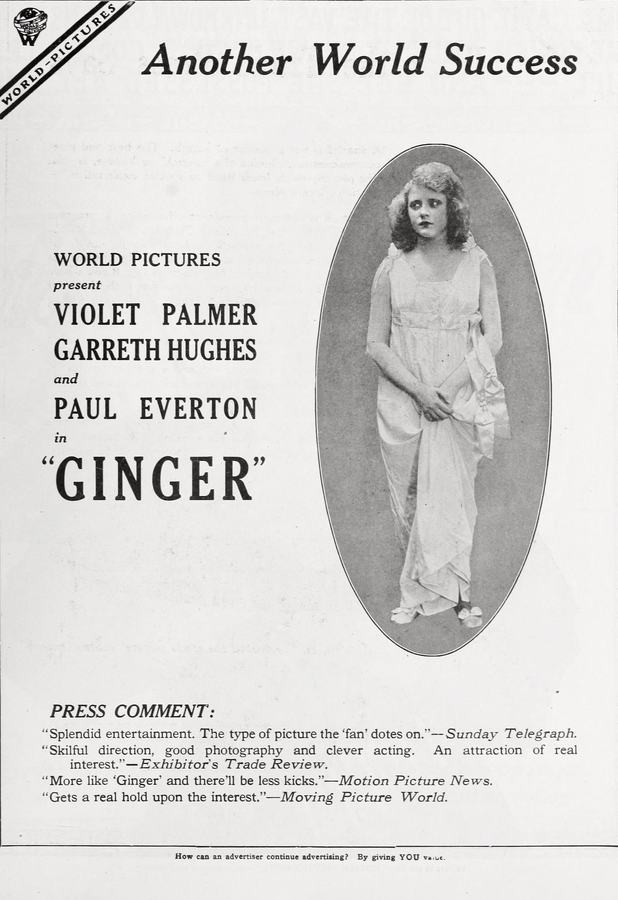
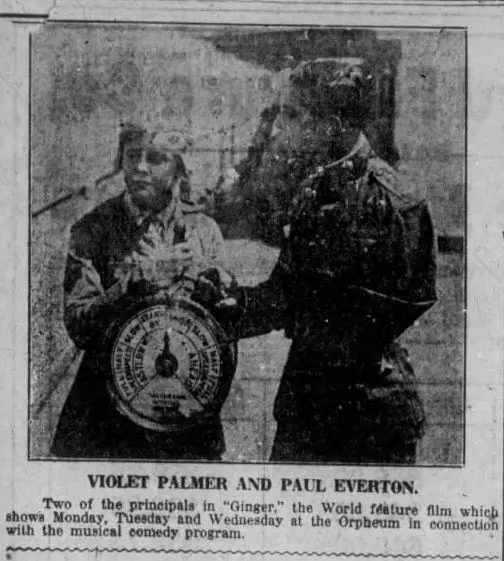
"Ginger" tells the story of Ginger Carson (Violet Palmer), a girl who has been trained to be a thief by her criminal father. While helping him rob a house, both are arrested. After her father is sent to prison, Ginger is adopted by the judge (Paul Everton) who sentenced him. When she grows up, she is torn between two men who love her--Bob Trowbridge (Gareth Hughes), the son of the judge, who adopted her, and Tim Mooney (Raymond Hackett), a childhood companion from her criminal past.
Decades after its release, Ginger remains a vital piece of the cinematic puzzle. Its influence can be seen in countless modern works, solidifying Burton George's status as a master of the craft in United States and beyond.