
DbcultAccessing Vault...
Director's Spotlight
Senior Film Conservator
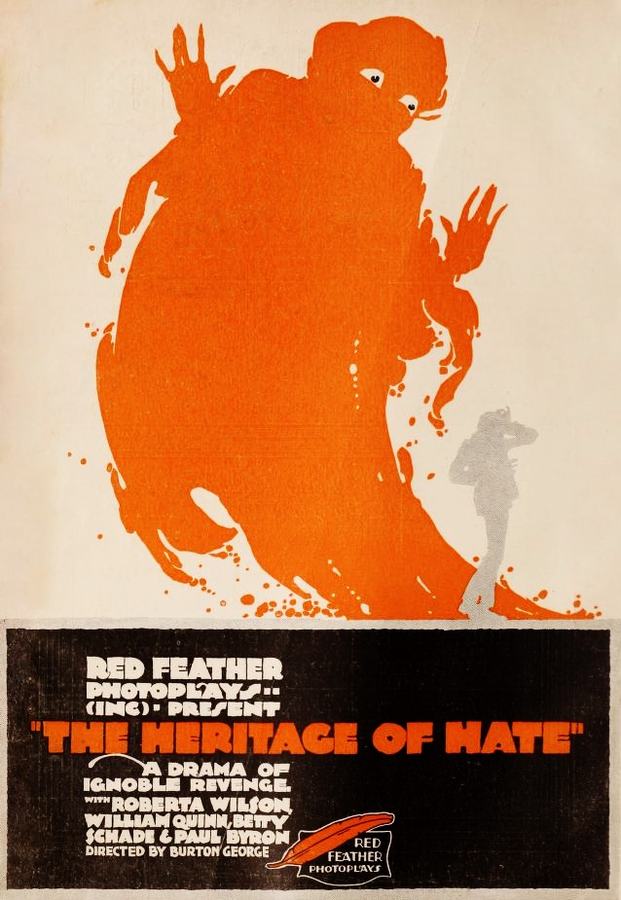
Director's Spotlight: United States
A Deep Dive into the 1916 Vision of Burton George
In the grand tapestry of cult cinema, The Heritage of Hate serves as a bridge between the bold experimentation that has become synonymous with Burton George. Breaking the traditional rules of cult engagement, it highlights the importance of independent voices in United States.
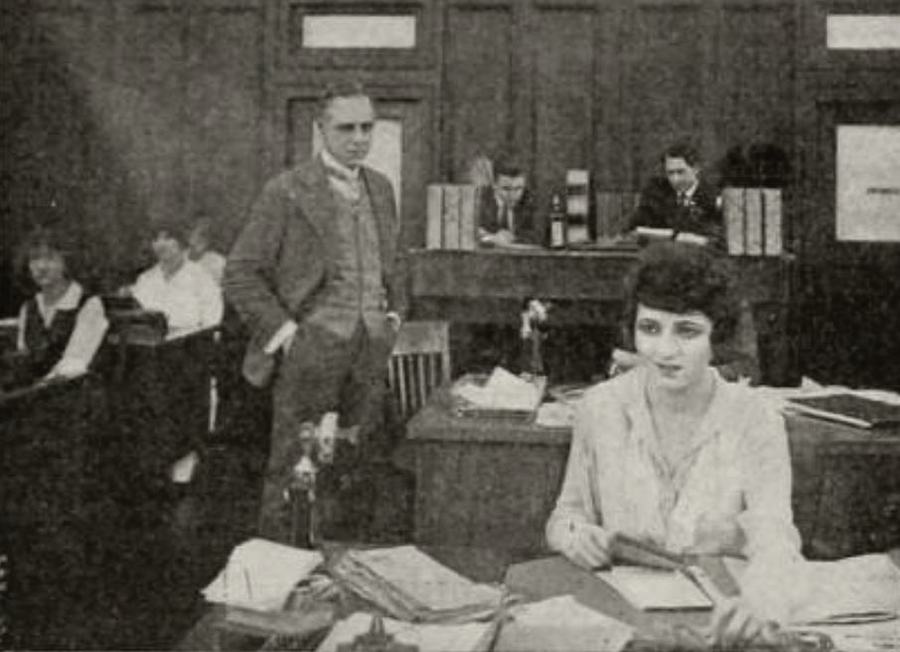
In The Heritage of Hate, Burton George pushes the boundaries of conventional narrative. The film's unique approach to its subject matter has sparked endless debates and interpretations among cinephiles and critics alike.
| Cinematography | Deep Focus |
| Soundtrack | Minimalist |
| Editing | Slow-Burn |
| Art Direction | Brutalist |
Visualizing the convergence of Burton George's style and the core cult narrative.
After watching her mother die gradually from a broken heart, Roberta, an illegitimate child, decides to seek vengeance from her father Bradley, who ran away before she was born. Bradley is wealthy now, and so Roberta secures a job as his secretary and schemes to ruin his financial empire. Meanwhile, she becomes friends with the hunchback Orloaf. Because of his physical deformity, however, Orloaf feels that he cannot tell her he loves her, and because she was born out of wedlock, Roberta believes that she is not good enough for him. Then, carrying out her plan, Roberta burns down Bradley's riverfront warehouses. Full of remorse afterward, she writes Orloaf a note that expresses her love and then tries to kill herself. When he finishes reading the note, however, Orloaf rushes to Roberta and revives her, and then the couple begins making plans for their life together.
Decades after its release, The Heritage of Hate remains a vital piece of the cinematic puzzle. Its influence can be seen in countless modern works, solidifying Burton George's status as a master of the craft in United States and beyond.