
DbcultAccessing Vault...
Director's Spotlight
Senior Film Conservator
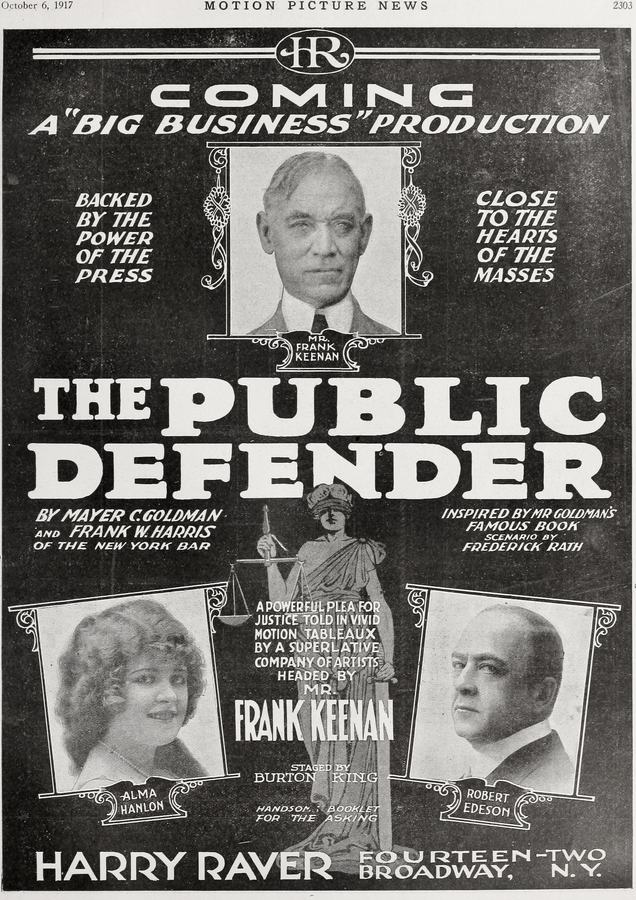
Director's Spotlight: United States
A Deep Dive into the 1917 Vision of Burton L. King
The artistic breakthrough represented by Public Defender in 1917 highlights the philosophical inquiries that Burton L. King embeds within the narrative. Framed by the hauntingly beautiful landscapes of the production, it leaves an indelible mark on the soul of the viewer.
In Public Defender, Burton L. King pushes the boundaries of conventional narrative. The film's unique approach to its subject matter has sparked endless debates and interpretations among cinephiles and critics alike.
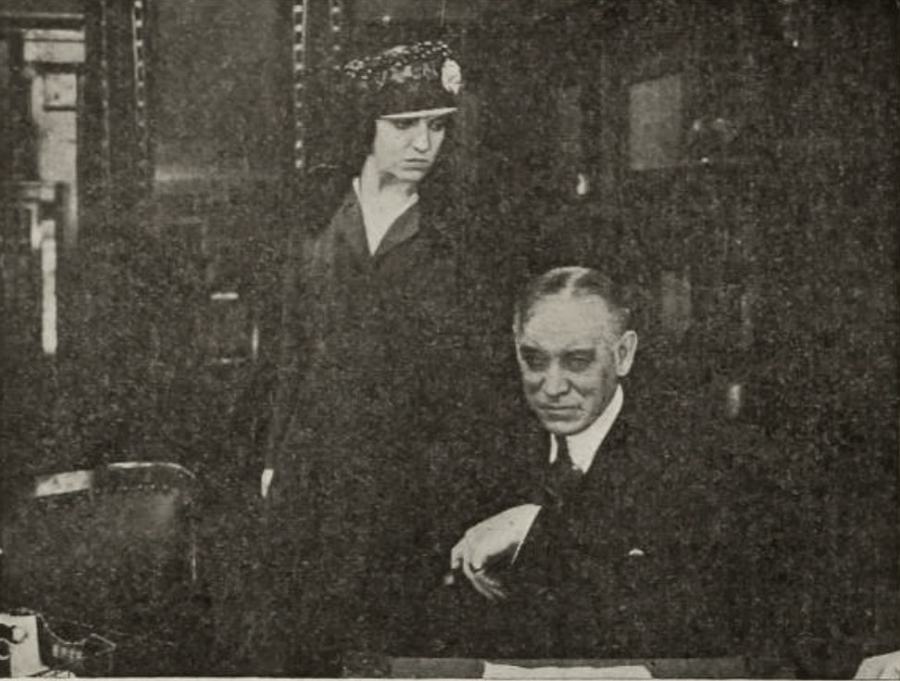
The visual language of Public Defender is defined by its use of shadows and framing, a hallmark of Burton L. King's style. By utilizing a 1917-era palette, the film creates an immersive experience that perfectly complements its cult themes.
| Cinematography | Noir-Inspired |
| Soundtrack | Minimalist |
| Editing | Disjunctive |
| Art Direction | Baroque |
Visualizing the convergence of Burton L. King's style and the core cult narrative.
When bank president Leslie Morrison dips into the till, he seeks to place the blame on bank clerk David Moulton by altering the figures in Moulton's books. He lays his plan carefully, but upon leaving the building late one night, Morrison falls into an elevator shaft and is killed. Moulton, the one man known to have been there, is charged with murder and tried by district attorney Robert Murdock. Unable to afford a competent defense, Moulton is convicted and sentenced to die in an electric chair. However, Mary Reed, a stenographer who loves Moulton, appeals as a last resort to the newly elected public defender, Arthur Nelson. Nelson investigates the case and discovers evidence on the very eve of the execution, evidence that will warrant a stay. Rescued from death in the nick of time, Moulton is granted a new trial under the supervision of the public defender and is found innocent.
Decades after its release, Public Defender remains a vital piece of the cinematic puzzle. Its influence can be seen in countless modern works, solidifying Burton L. King's status as a master of the craft in United States and beyond.