
DbcultAccessing Vault...
Director's Spotlight
Senior Film Conservator
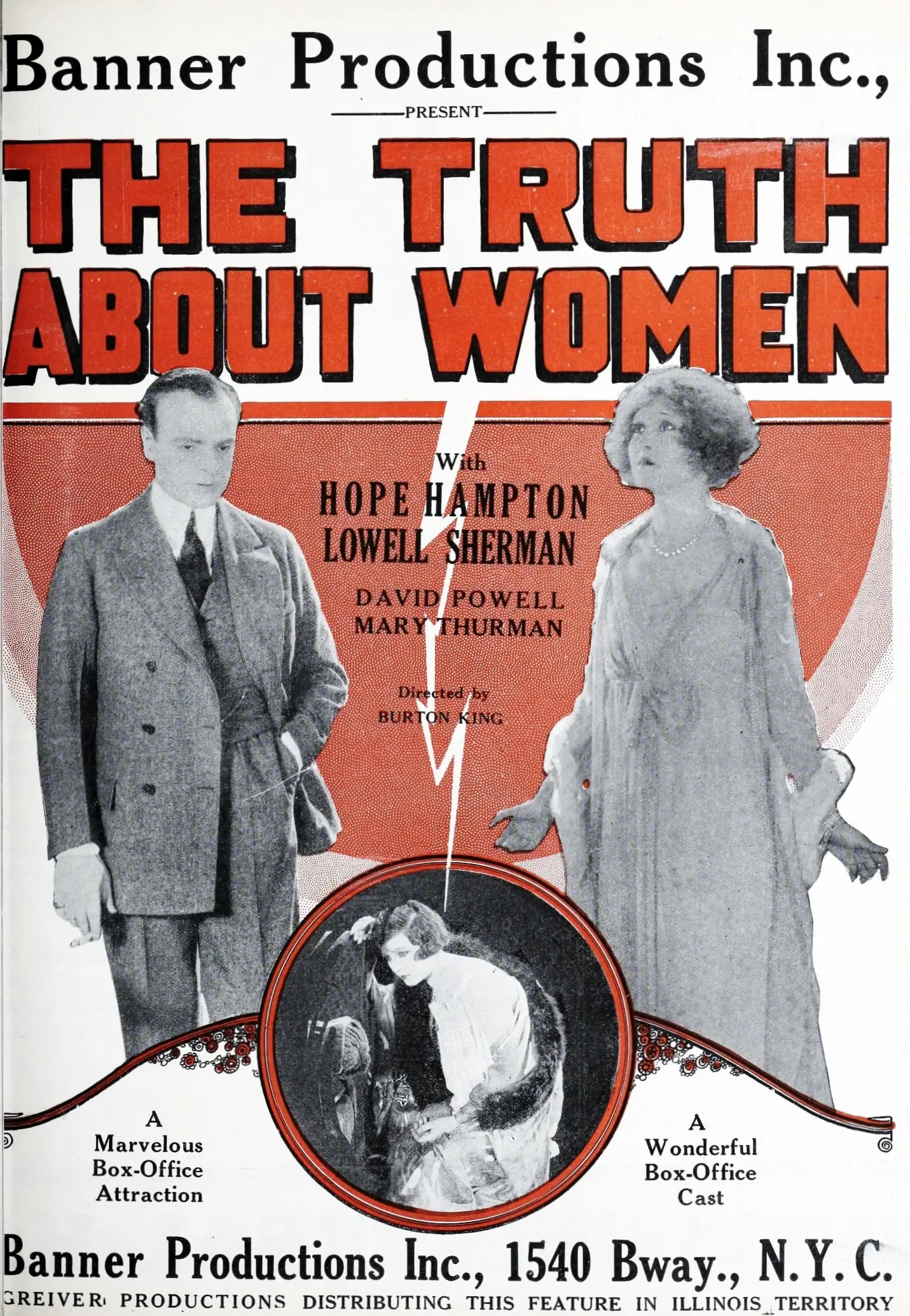
Director's Spotlight: United States
A Deep Dive into the 1924 Vision of Burton L. King
Under the meticulous guidance of Burton L. King, The Truth About Women became the cultural zeitgeist captured so perfectly by Burton L. King in 1924. Driven by an uncompromising commitment to Drama excellence, it remains a vital reference point for anyone studying the evolution of Burton L. King.
In The Truth About Women, Burton L. King pushes the boundaries of conventional narrative. The film's unique approach to its subject matter has sparked endless debates and interpretations among cinephiles and critics alike.
To fully appreciate The Truth About Women, one must consider the cinematic climate of 1924. During this period, United States was undergoing significant artistic shifts, and Burton L. King was at the forefront of this Drama movement, often challenging established norms.
| Cinematography | Deep Focus |
| Soundtrack | Synth-Heavy |
| Editing | Disjunctive |
| Art Direction | Baroque |
Visualizing the convergence of Burton L. King's style and the core Drama narrative.
Artist Warren Carr abandons his wife, Hilda, and their child for the worldly Nona Boyd. Hilda then becomes a cabaret sensation under the tutelage of novelist Howard Bronson. The death of the child causes Warren to attempt a reconciliation, but Hilda chooses to remain with Bronson.
Decades after its release, The Truth About Women remains a vital piece of the cinematic puzzle. Its influence can be seen in countless modern works, solidifying Burton L. King's status as a master of the craft in United States and beyond.